


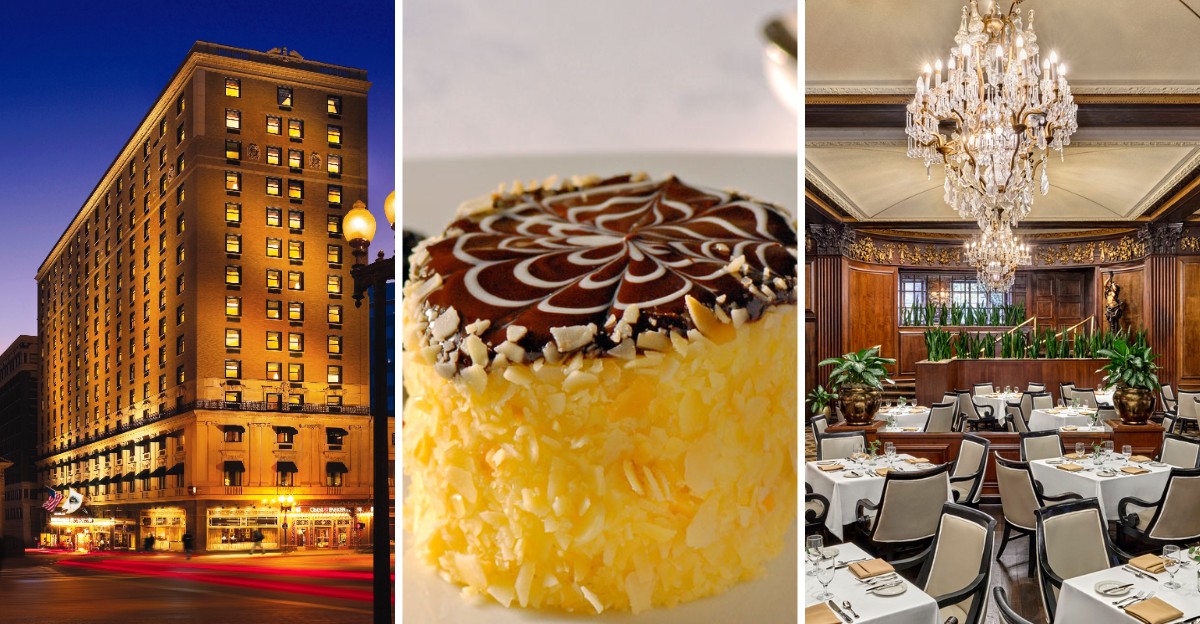
Boston has given the country plenty of famous firsts, and one of them happens to be a dessert that calls itself a pie while being a cake. The Boston cream pie was not born in a family kitchen or a corner bakery.
It came from a grand downtown hotel that still bakes it today, well over a century later. That same building has hosted a future president’s marriage proposal, famous writers, and a young man who later became a civil rights leader.
It sits right on one of the most walked history routes in America. Keep reading to find out where this landmark stands, what the rooms are really like, who it suits best, and the practical tips that make a stay run smoothly.
A Landmark on School Street
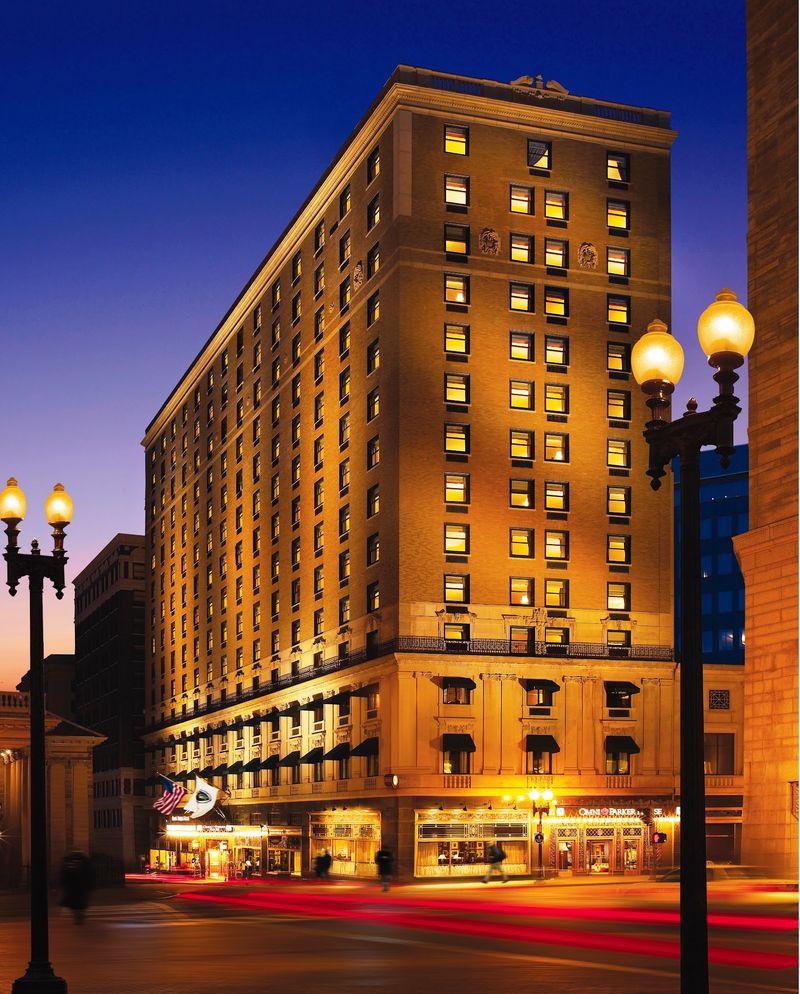
History buffs and dessert fans end up at the same front door in downtown Boston. The building in question is the Omni Parker House, a refined 19th-century hotel at 60 School St, Boston, MA 02108.
The address alone tells part of the story. The hotel sits directly on the Freedom Trail, the famous route that links many of the city’s historic sites.
Getting around from here is refreshingly easy. Boston Common lies about half a mile away, and the New England Aquarium is roughly the same distance in another direction.
Travelers flying in will appreciate the short hop from the airport. Boston Logan International Airport is about 2 miles from the hotel, and the trip can take around 20 minutes depending on the route.
The hotel is often described as stately and traditional, with an elegant 1800s personality that it has never tried to hide. Recent renovations have brought the rooms and lobby up to date without erasing that old Boston character.
It is also a full-service property rather than a simple place to sleep. A high-end restaurant, a fitness center, 18 meeting rooms, and a rooftop ballroom are all part of the package.
Plenty of hotels claim a sense of history, but very few can point to a dessert with their name stamped on its origin story. That sweet claim deserves its own spotlight.
The Pie That Is Secretly a Cake
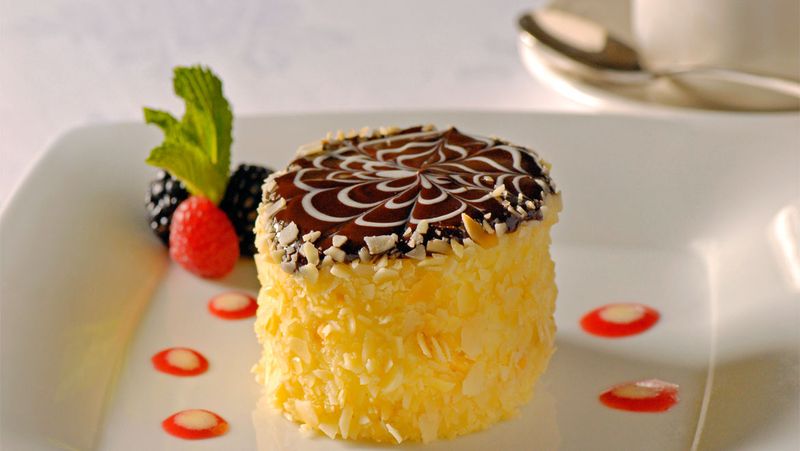
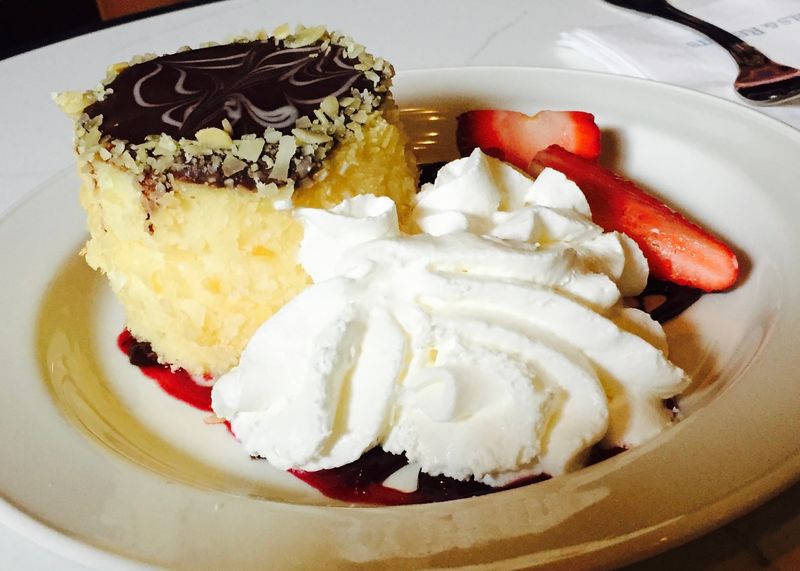
Here is a fun bit of trivia for the next dinner party. Massachusetts named the Boston cream pie its official state dessert, and the recipe traces back to the kitchen of this very hotel.
The dessert is a layered cake with a cream filling and a chocolate top. Why it ended up called a pie is a question that has puzzled plenty of first-timers.
What makes the Parker House version special is simple. The hotel still bakes it, so guests can order the dessert in the same building where it began.
It is easily the most talked-about item connected to the property. Hundreds of guests bring it up when describing their stay, which says a lot for a hotel with this much history competing for attention.
Some call it the best Boston cream pie in the city. Others find it pleasant but not life-changing, so expectations are best kept reasonable.
The dessert is not limited to a formal meal either. Room service offers it too, and many guests treat it as a splurge after a long travel day.
Ordering a slice here is less about chasing perfection and more about tasting a piece of Boston history at its source. Few souvenirs are this easy to carry home, mostly because they never leave the plate.
Famous Names in the Guest Book
A marriage proposal, a busboy with a big future, and a literary legend all walk into the same hotel. That sounds like the start of a joke, yet it is part of the Parker House story.
John F. Kennedy proposed to Jacqueline Bouvier here, and the restaurant is often named as the spot.
Couples planning their own big moments tend to find that detail hard to ignore.
Malcolm X once bussed tables at the hotel. The connection adds a meaningful layer to a building often remembered only for its elegance.
Ernest Hemingway also stayed here, joining a long list of well-known writers and public figures who checked in over the years. Framed photos around the downstairs spaces help tell those stories.
Room 303 has its own history as well. Guests who enjoy the past are encouraged to read up on it before arrival, since it is one of the more intriguing chapters in the building’s long life.
The hotel also carries a reputation for spooky legends. Whether those tales are believable or simply entertaining is up to each guest.
All of this gives the property a sense of depth that newer hotels cannot copy. The next question is how the building itself holds up after so many famous footsteps.
Old Bones, Fresh Polish
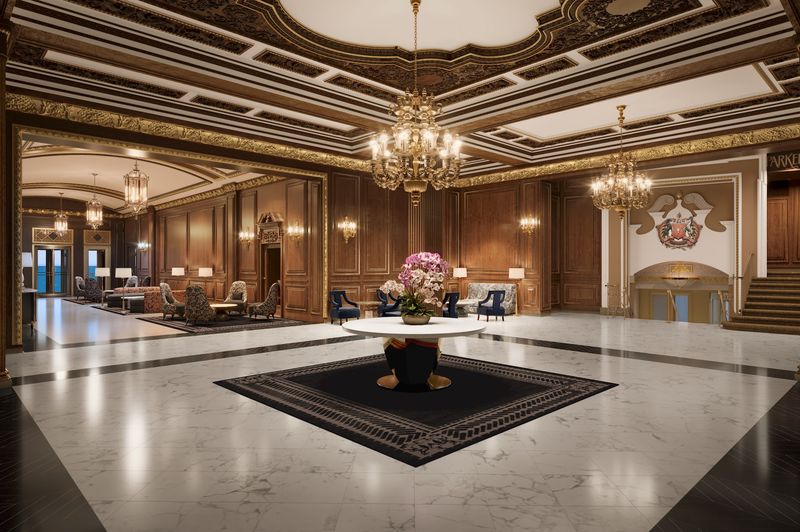
Renovating a historic hotel is a balancing act. Change too much and the charm vanishes, while changing too little leaves guests stuck in another century.
The Parker House appears to have found a sensible middle ground. Thoughtful updates have brought the hotel into the current decade while keeping its historic character intact.
The lobby now features a brighter floor and striking new lighting. It still holds on to the stately Boston look that makes first impressions memorable.
Architecture and art lovers get plenty to study here. The detailing throughout the building is intricate enough to keep curious guests exploring for a good while.
Upstairs, the rooms feature cherry wood furnishings and old-world decor. Newer touches include a calm color palette, carefully crafted headboards, and plush seating.
Small details have not been overlooked either. Embroidered pillows and neatly presented beds help the rooms feel polished rather than dated.
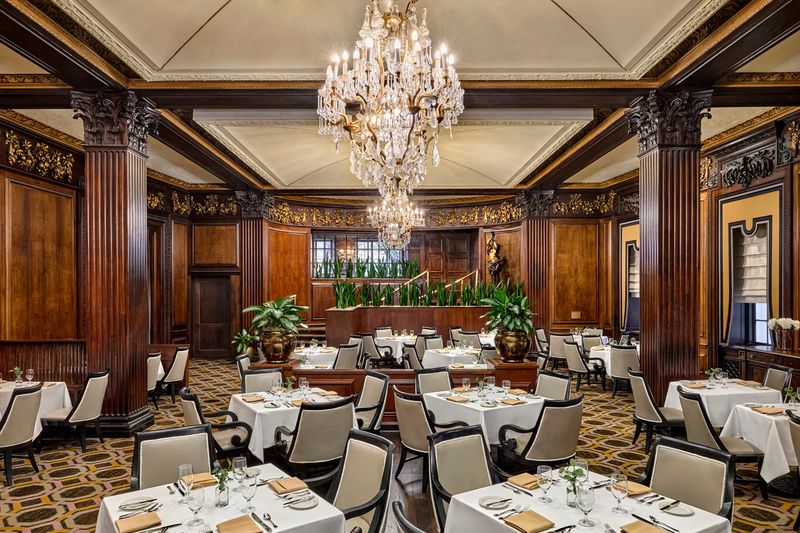
The downstairs restaurant spaces also keep that classic Bostonian personality. It is the kind of place where the building feels like part of the trip rather than just a backdrop.
Of course, a historic shell can come with a few quirks. Those quirks mostly show up in one particular area, which is where the next section heads.
Room Sizes and Honest Expectations
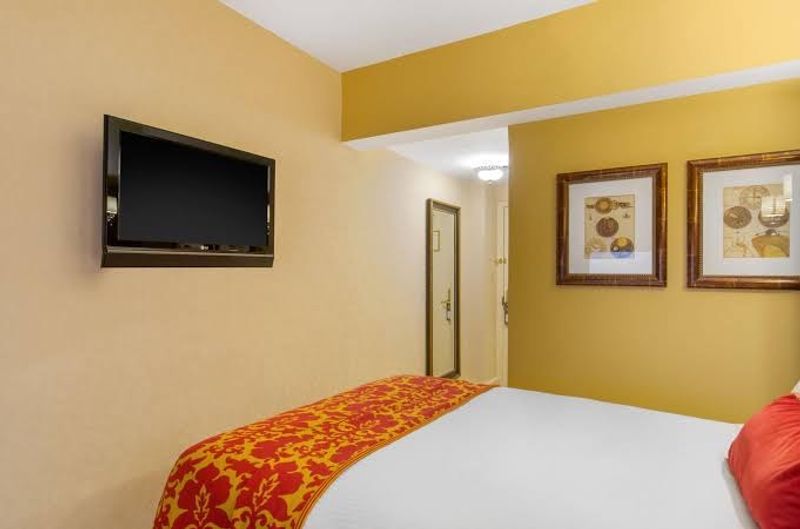
Old buildings were not designed with walk-in showers in mind. That fact explains most of what guests need to know about the rooms here.
Standard rooms and bathrooms tend to run small. Some bathrooms use sliding doors, and a few layouts leave little space for the door to swing open fully.
The good news is that comfort gets strong marks. The beds are frequently praised, along with blackout curtains, robes, and closets that are larger than expected.
Hallways can be confusing at first, and some rooms sit a fair walk from the elevators. Walls may be thin in certain spots, so light sleepers should plan accordingly.
Higher floors tend to be calmer. A second-floor room may face an alley, so asking about placement at booking can help.
Families needing more space have solid options. Suites include separate living rooms with pull-out sofas, and upgraded suites add dining rooms, microwaves, fridges, and whirlpool tubs.
A standard room may not include a fridge, which catches some guests off guard. Signature Rooms offer more breathing room and storage, which works well for parents with little ones.
The takeaway is fairly simple. Guests who book here for history and location tend to accept the compact rooms, while those who want sprawling space should look at suites.
Hospitality With a Personal Touch
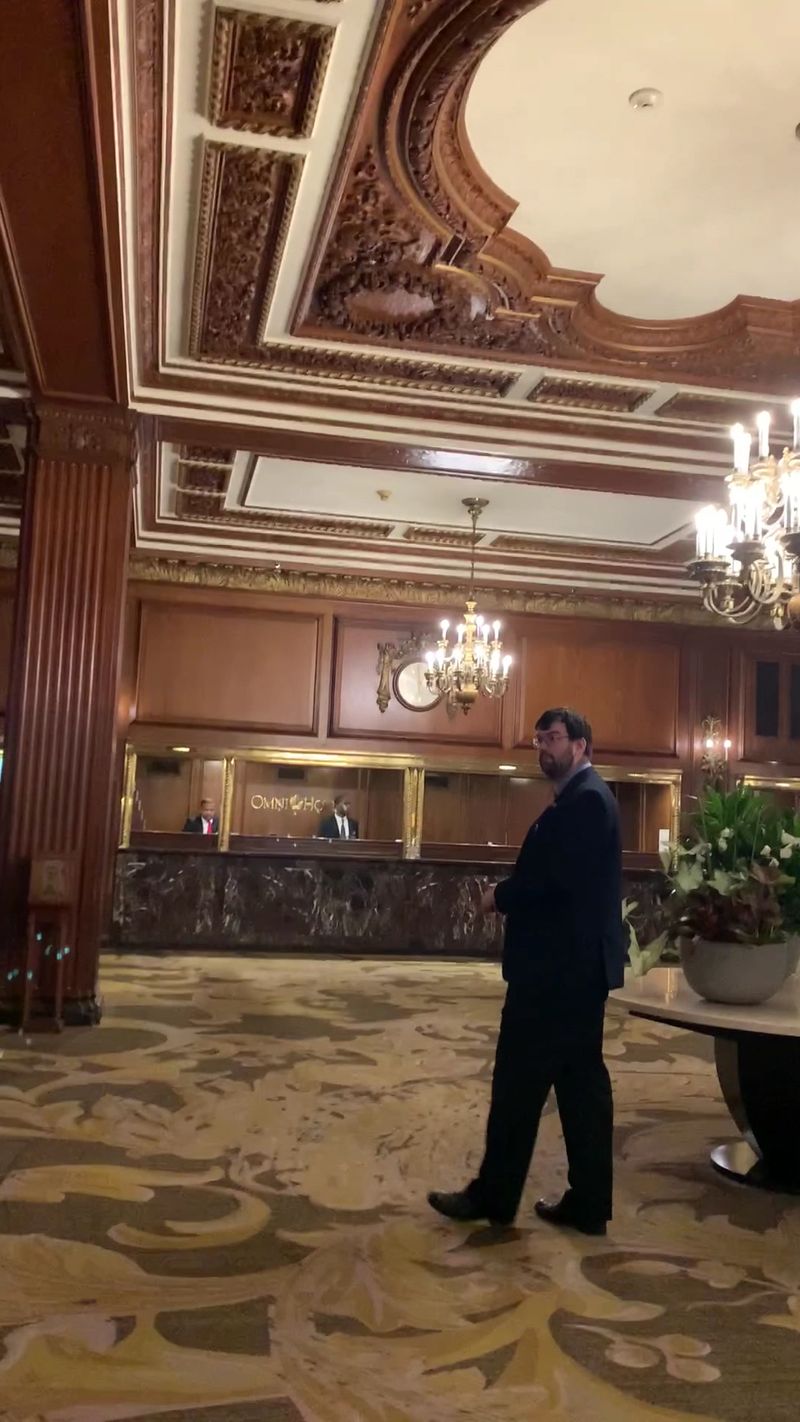
A doorman found a wallet stuffed with cash outside the hotel and turned it in with nothing missing. Stories like that go a long way toward explaining why the staff here earns so much praise.
The team is often described as warm, gracious, and quick to help. Front desk staff, bellmen, and housekeepers all get frequent credit for going the extra mile.
Some of those gestures are small but memorable. Housekeepers have placed children’s teddy bears on freshly made beds, and pre-arrival requests for extra pillows are typically ready at check-in.
The bell staff has been known to store luggage for guests with late flights. On a rainy day, a loaned umbrella has turned into a small hero moment.
Lost items are also handled with care. One guest who left sentimental jewelry behind had it kept safe and returned after flying home to Texas.
Not every interaction lands perfectly. Valet service draws mixed comments, and a few guests have found reception or restaurant hosts less friendly than the rest of the team.
Overall, the people behind the desk are one of the property’s strongest assets. A hotel this old could easily rely on its history alone, but the staff clearly keeps the hospitality current.
Meals Without Leaving the Building
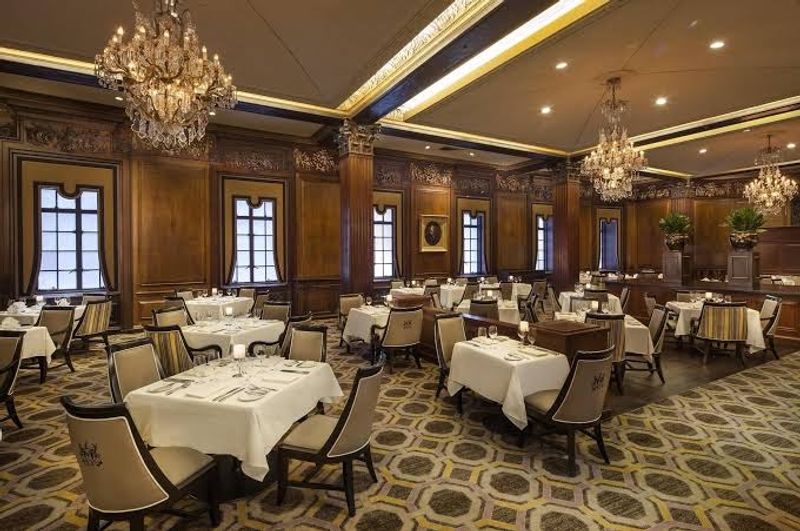
Some travelers plan every meal around a list of local hot spots. Others would rather head downstairs and keep things simple, and this hotel makes the second option easy.
The on-site restaurant serves New England-inspired cuisine in a high-end setting. The dining room is elegant enough to feel like an occasion, even at lunchtime.
Breakfast is available but not included in the room rate. Parker’s handles the morning meal, and it earns warm words for its fresh options and attentive service.
The maître d’ at breakfast has received glowing praise for being accommodating and pleasant. Good morning service can set the tone for a full day on the Freedom Trail.
Room service runs 24 hours a day, every day. It tends to arrive on time, though prices lean toward the pricey side.
A coffee shop downstairs covers quick morning needs. It can occasionally run short on supplies, so having a backup plan is not a bad idea.
A free coffee machine sits on at least one guest floor. Its quality seems to disappoint more often than it pleases.
Hours for the dining room can shift, and dinner service has not always been available. Checking the current schedule before arrival saves guests from an unexpected surprise.
The Freedom Trail at the Front Door
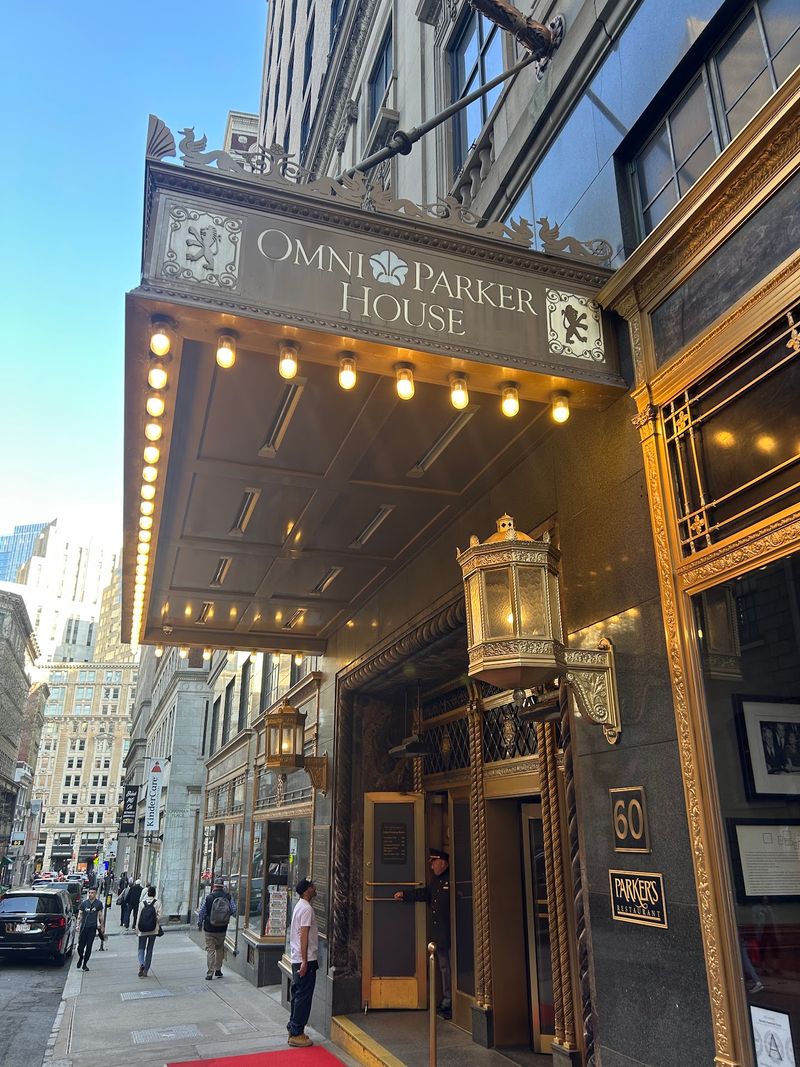
Few hotels can claim that sightseeing starts the moment guests leave the lobby. At the Parker House, the Freedom Trail literally runs past the door.
Public transit is close in almost every direction. Park Street station on the Red Line is about a three-minute walk, and Downtown Crossing on the Orange Line is nearby as well.
Government Center, with its Green Line access, is just a few blocks away. The Blue Line connects to the airport in a short ride, which makes arrival and departure much less stressful.
The train to Salem leaves from a station roughly a ten-minute walk from the hotel. That makes a day trip for history lovers surprisingly easy.
On foot, the options feel almost endless. The North End, the waterfront, Boston Common, the Old North Church, and the Boston Tea Party Museum are all within reach.
Families have walked comfortably to the Boston Children’s Museum. Shoppers can reach Washington Street within a minute, where department stores, pharmacies, and more than a dozen places to eat line the blocks.
Newbury Street and Fenway are an easy subway ride away. Downtown Boston rarely feels this manageable, and the location is the reason so many guests say they would return.
Who Feels Right at Home Here
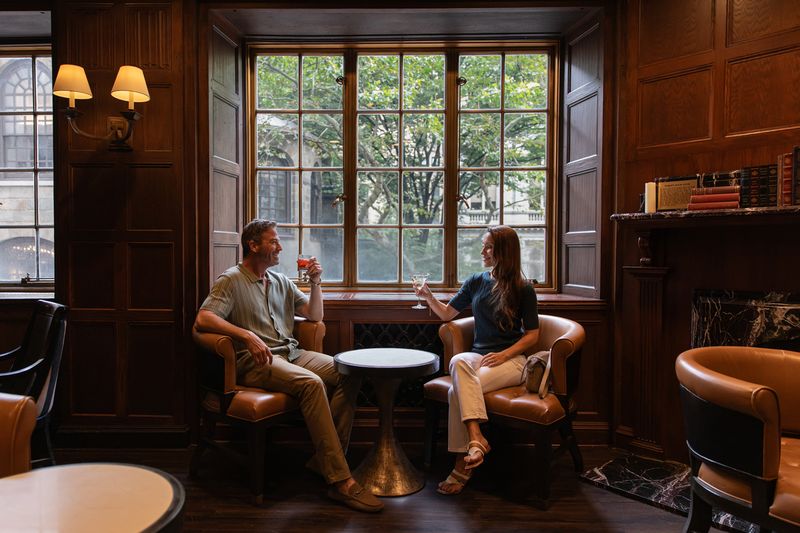
History lovers are the obvious fit, but the guest list here is broader than it first appears. Families, business travelers, and even wedding planners all find something that works.
Families benefit from the kid-friendly setup and walkable attractions. Parents with toddlers have found Signature Rooms roomy enough, and the pull-out beds get compliments for comfort.
Four-legged travelers are welcome too. The hotel is pet-friendly, which helps for longer city trips.
Business travelers get a business center and 18 meeting rooms. The rooftop ballroom handles larger gatherings, and the central address keeps commutes short.
Couples looking for a meaningful wedding venue may feel drawn to the building’s romantic past. After all, a very famous proposal happened here.
The hotel is accessible and smoke-free. Other amenities include a fitness center, laundry service, and air conditioning that works well during warmer months.
Sports groups have also stayed here for weekend tournaments. Suites can comfortably fit three people, which keeps a team trip more budget-friendly.
Guests who expect large modern rooms at every price point may feel less satisfied. For everyone else, the blend of story, location, and service tends to win them over.
Smart Tips and a Sweet Verdict
A little planning makes a stay here run much more smoothly. Rates start around $176 a night, though prices change with the season and room type.
Parking is paid, and valet is the main option. Breakfast also costs extra, so it helps to budget for both before arrival.
Wi-Fi terms can vary depending on the booking, so confirming the details at check-in is wise. An airport shuttle is also listed among the amenities.
Guests who book prepaid rates through third-party travel sites should keep an eye on their card statements. Billing mix-ups have happened, though the hotel has worked to resolve them.
Requesting a higher floor or a room closer to the elevators can make a real difference. Anyone traveling with large luggage should ask about room location in advance.
Check-in may take a little longer during busy periods. Arriving with a plan for the first few hours, such as a stroll on the Freedom Trail, can make any wait feel shorter.
The final verdict is a gentle yes for most travelers. The Omni Parker House offers famous history, an unbeatable location, and staff who genuinely care.
The rooms may be snug, but the stories are big. Add a slice of the original Boston cream pie, and the trip earns a very sweet ending.
Enjoyed this story?
Add Fast Food Club as a preferred source to see more of our reporting on Google.