


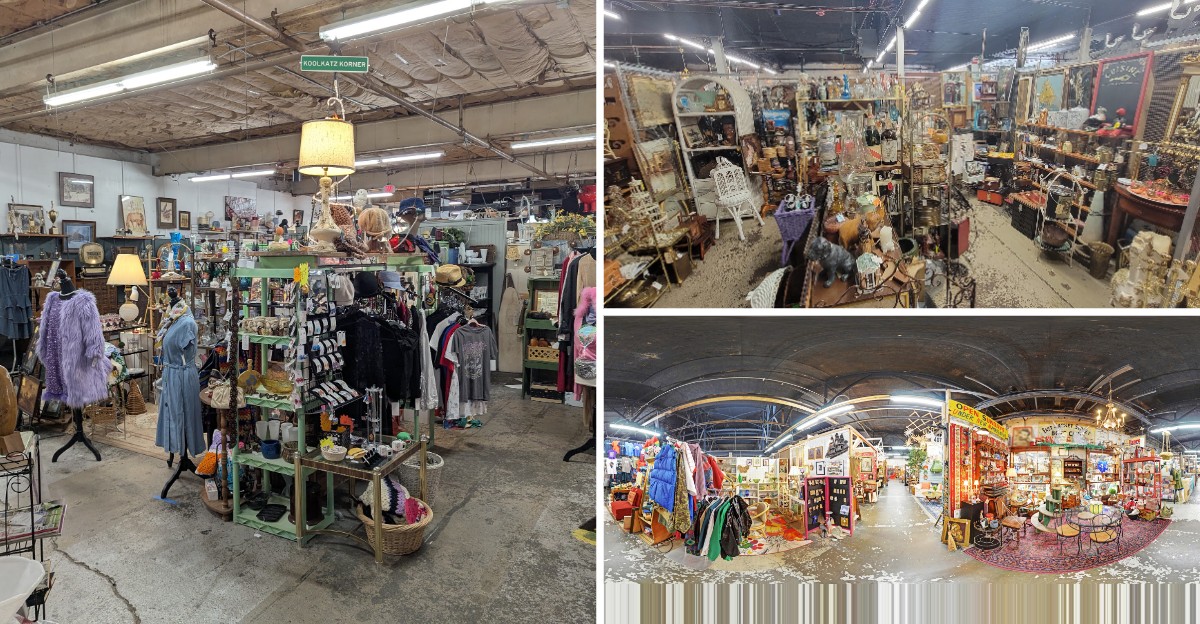
Somewhere in Louisville, a single warehouse holds decades of American living room history, split into more booths than most people can cover in one afternoon. Shoppers come in for a lamp and leave two hours later with a record, a rug, and a story about the chair that got away.
The inventory changes so often that some locals return every month just to see what landed on the shelves. This guide covers what the booths hold, how the prices work, when the doors open, and the small planning moves that make a trip smoother.
Bring a tote bag and some patience, because this market rewards anyone willing to wander.
A Warehouse Full of Yesterday on East Breckinridge
Louisville has plenty of places to shop, but few of them politely suggest clearing your afternoon before you walk through the door.
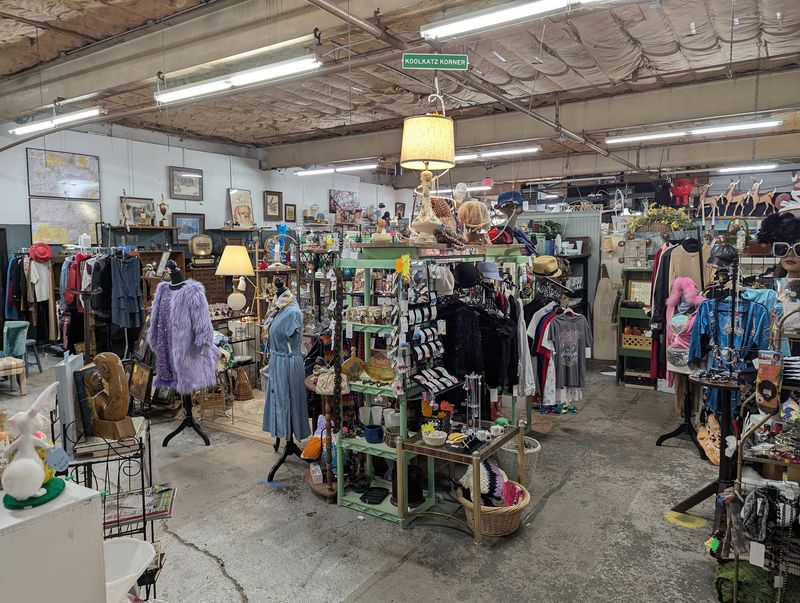
Fleur De Flea Vintage Market sits at 947 E Breckinridge St, Louisville, KY 40204, in the United States. It operates as an indoor vintage market and antique store, and it fills an entire warehouse from wall to wall.
The setup is simple once you understand it. Independent vendors rent booths inside the building and stock them with their own finds, so the market functions as a collective of many small secondhand shops sharing one roof.
That arrangement explains the variety. One booth might lean toward antiques and collectibles, while the next focuses on clothing, furniture, art, or houseplants.
Each vendor brings a different eye, which means the building never settles into a single style. Mid-century pieces share floor space with 80s nostalgia, and old records sit a few steps away from framed art and home decor.
The market has built a strong following among thrifters, antique hunters, and people who simply enjoy a trip down memory lane. More details, including updates from the shop, live on its website at thefleurdeflea.com.
Consider this first stop the map legend, because the real adventure starts once the booths begin.
A Name With a Louisville Wink
Say the name out loud a couple of times and the joke lands. Fleur De Flea is a playful twist on the fleur-de-lis, the stylized lily that serves as a longtime emblem of Louisville and appears on the city flag.
Swapping the lily for a flea turns a civic symbol into a shopping invitation. It is a fitting pun for a place that treats the city’s love of old things with humor instead of stuffiness.
There is one detail worth sorting out before your trip. An outdoor event called the Flea Off Market takes place next door, and the two are separate operations.
Fleur De Flea is the indoor market inside the warehouse. The owners have gently clarified this mix-up online, so anyone expecting open-air stalls and food trucks should know they are headed to the neighboring event instead.
The indoor version comes with walls, a roof, and public restrooms, which makes it a solid choice when the weather refuses to cooperate. It has earned a reputation as a great way to spend a rainy afternoon in Louisville.
The team says it works hard on creating a fun and inviting vibe, and that effort shows up in how shoppers talk about the place. A clever name gets people in the door, but the booths are what keep them coming back.
Aisles That Refuse to End
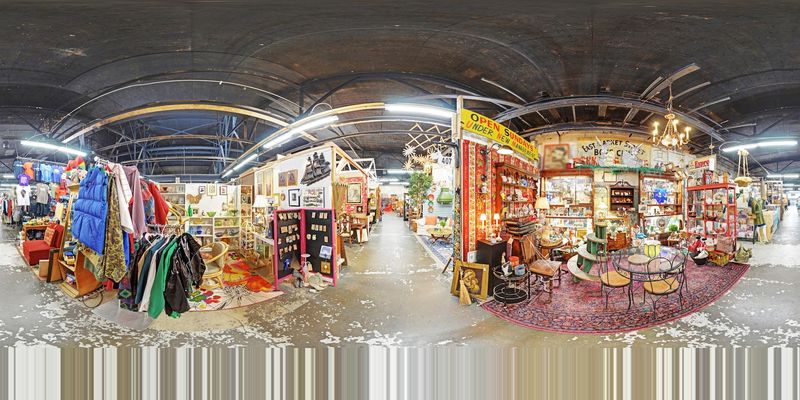
Just when a shopper thinks the last booth is in sight, another turn appears. The market keeps going and going, and that sense of endless discovery is a big part of its charm.
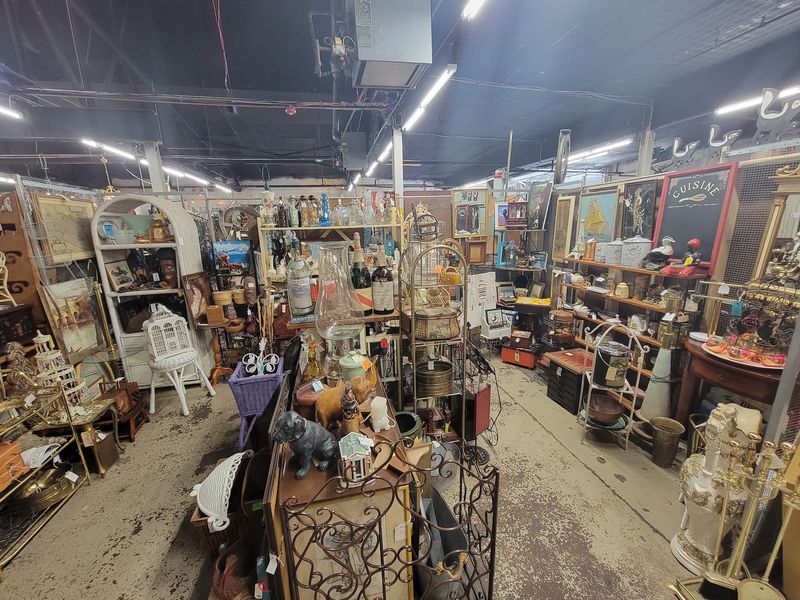
Size is the headline here. The warehouse is huge, packed with vendors, and laid out as a winding path of booths that encourages exploring every corner.
Getting a little lost is almost part of the plan. People describe wandering happily without a clear sense of where they started, and nobody seems to mind.
A few practical notes come with that scale:
Aisles can get tight in spots because so many vendors carry so many quality items. Large bags and wide strollers may need some careful steering.
Small treasures hide in corners, so moving slowly pays off. A quick lap tends to miss more than it catches, and shoppers warn that one blink can mean skipping ten interesting things.
Despite the density, the space stays clean and organized. Items are kept in their place, which makes browsing easier than the sheer volume might suggest.
That combination of size and order sets the market apart from cluttered junk shops. Every booth has its own personality, and there is always a reason to see what sits around the next bend.
Decades Stacked Side by Side
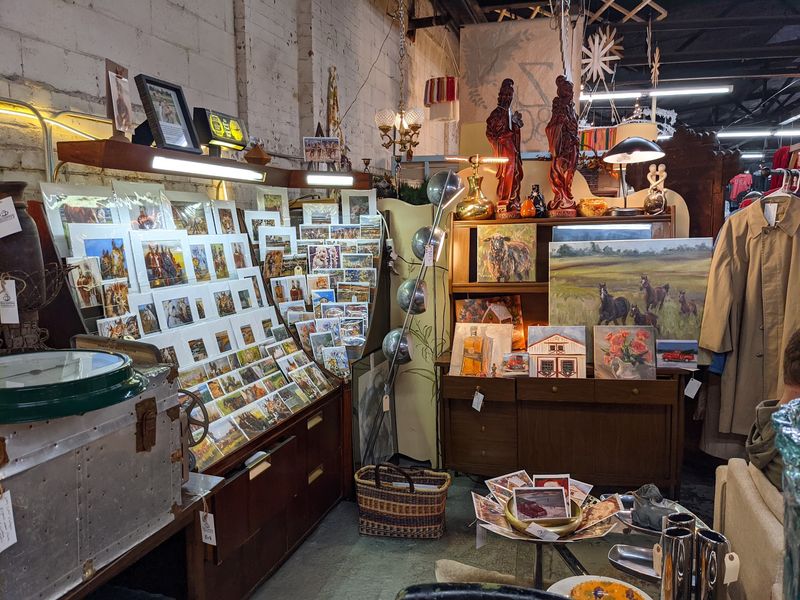
Time travel here requires no machine, just a willingness to cross the aisle. In a few steps, a shopper can move from true antiques to mid-century modern pieces to full-blown 80s nostalgia.
That range of eras is one of the most talked-about features of the market. Each vendor gravitates toward a different period, so the building reads like a timeline with the pages shuffled.
Mid-century fans will find furniture and decor with those clean lines that remain popular today. Collectors of older pieces can browse antiques and collectibles that have been around far longer.
Then there is the 80s corner of the universe. Booths with nostalgic items spark plenty of pointing and laughter, especially among people who grew up with them.
The mix is what keeps the place from feeling like a museum. Old and newer pieces sit together, and the market happily welcomes treasure hunters who like both.
People often call a visit a walk down memory lane, and that description fits. A lunchbox, a lamp, or a piece of pottery can suddenly bring back a relative’s kitchen or a childhood bedroom.
Some items are pretty, some are cool, and some are downright weird. All of them come with a story, even if the shopper has to make one up on the drive home.
Racks for the Vintage Wardrobe Crowd
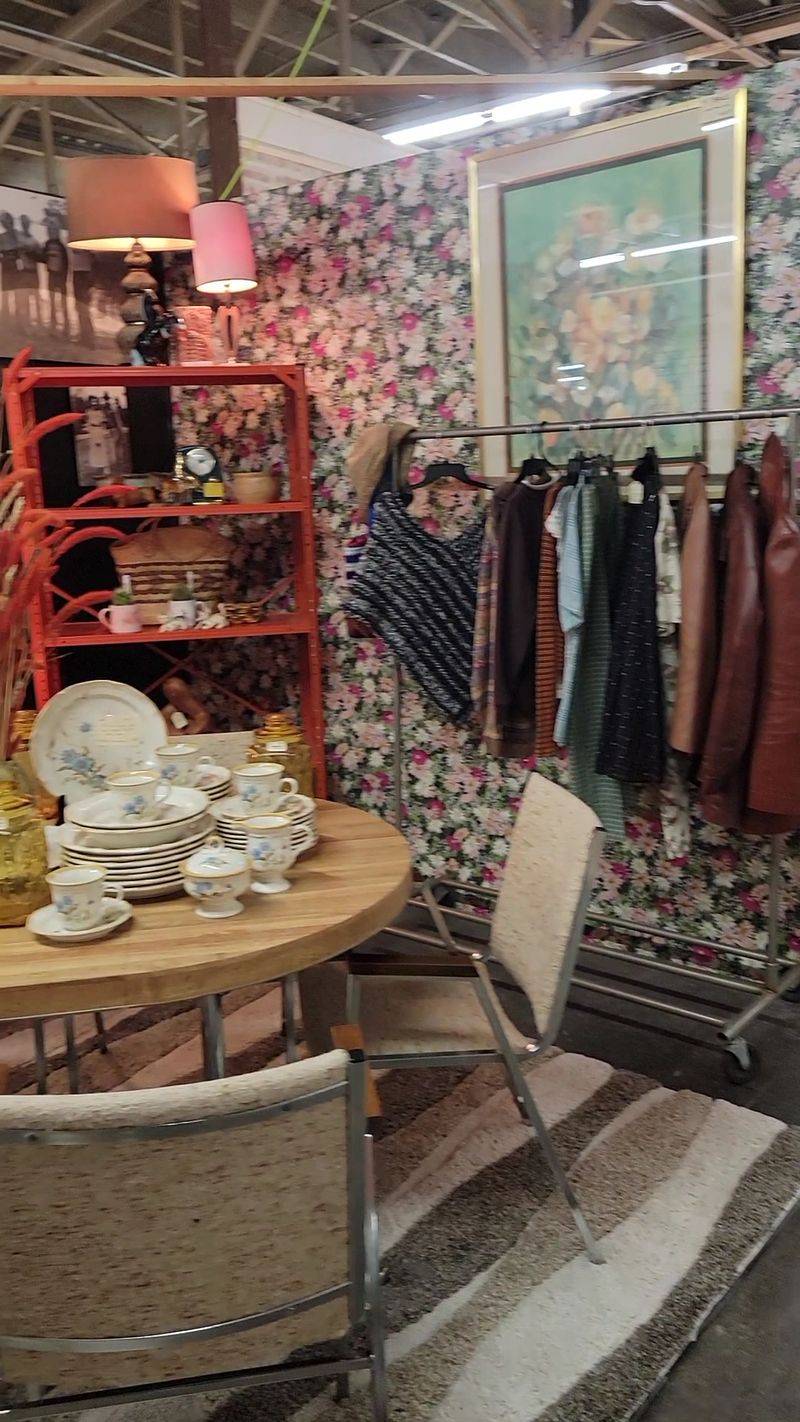
Closet refresh, anyone? Clothing is one of the strongest categories in the building, with many vendors dedicating their booths to vintage apparel.
The owners have noted that shoppers love the clothes and that they sell well, which explains why so many vendors keep their racks stocked. Vintage clothing ranks among the most discussed parts of the market.
Expect a wide spread of styles across different booths. Since each seller curates their own selection, one rack might lean retro while another focuses on denim or statement pieces.
A little inspection goes a long way. Shoppers have occasionally spotted fast fashion items mixed into racks, which is frustrating in a place built around vintage.
The management has said that reselling fast fashion is not acceptable for vendors. When a piece slipped through in the past, the owners apologized and offered a full refund.
The takeaway is practical rather than worrying:
Check tags, buttons, and labels before heading to the register. Ask staff if something seems unclear, since the team is known for being helpful.
With a careful eye, the racks can produce a standout jacket or a one-of-a-kind outfit. For anyone building a wardrobe with personality, this section deserves a slow, thorough browse.
Statement Furniture and Big-Ticket Surprises
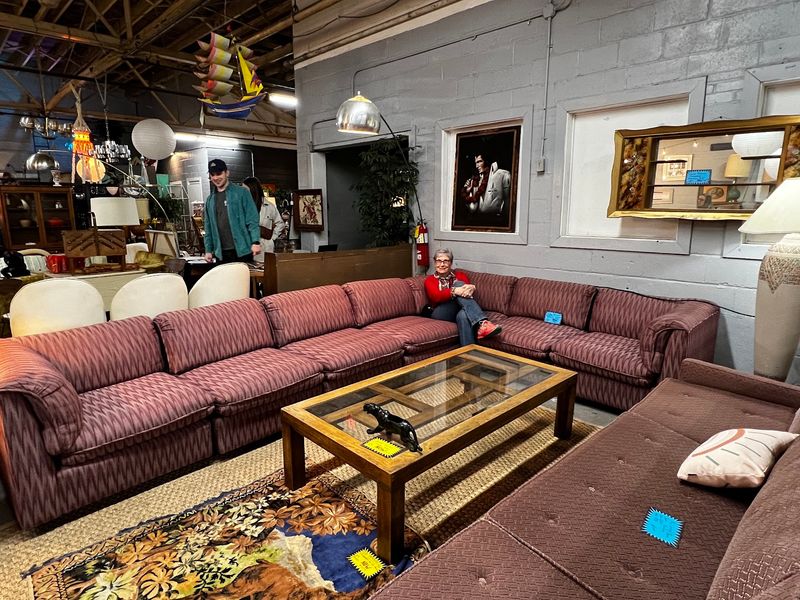
Some people leave with a coffee mug. Others leave needing a friend with a truck.
Vintage furniture is a major draw, and the selection runs from quirky accent pieces to serious investments. Some shoppers describe the market as leaning heavily toward furniture and antiques.
The high-end finds can be impressive. One shopper has purchased several large pieces here, including items from Arhaus and a leather and down sofa from RH that originally carried a price around 12,000 dollars, bought for 850 dollars.
That kind of deal does not happen every day. It does show what can turn up when a vendor brings in designer stock.
On the other end of the scale, some pieces carry premium tags. A set of chairs priced at over 4,000 dollars has been spotted on the floor, which signals that collectors and designers shop here too.
A few tips for furniture hunters:
Measure your space before you go, since falling in love with a sofa that will not fit through the door is a classic mistake.
Plan how you will transport a large purchase, especially on busier weekend days.
Furniture inventory changes as vendors sell and restock. The piece that fits perfectly this month may be gone by the next, so decisive shoppers tend to come out ahead.
Records, Houseplants, and the Delightfully Odd
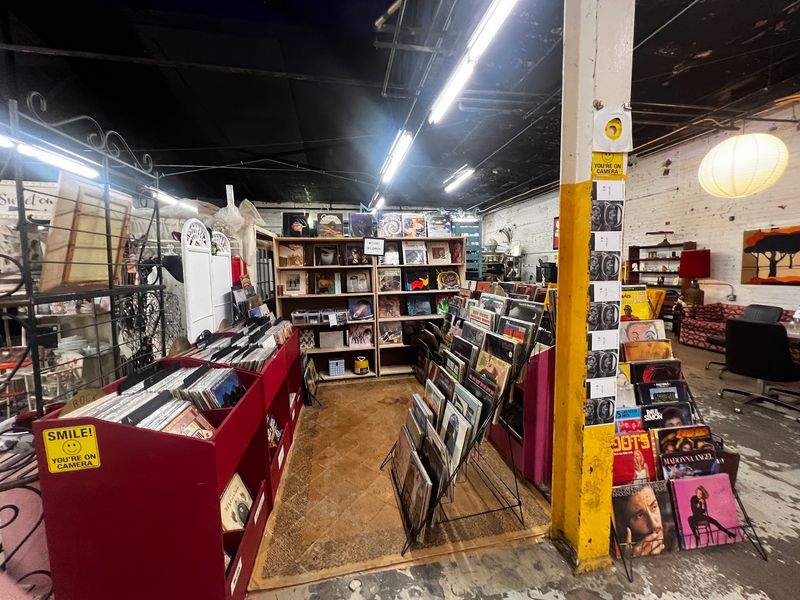
Vinyl crates, potted greenery, and antique Japanese fishing floats do not usually share a shopping list. At this market, they share a building.
Records have a devoted following here, and music lovers can flip through crates spread across different booths. Since vendors restock on their own schedules, the selection changes from one trip to the next.
Plants are another unexpected category. Several booths carry houseplants, which makes it easy to pair a vintage planter with something green to put in it.
Art and decor fill in the gaps between furniture and clothing. Framed pieces, sculptures, and small home accents turn up in nearly every direction.
Then there are the true curiosities. Antique Japanese fishing floats have gone home with one frequent shopper, and plenty of other oddities wait on the shelves for the right owner.
Collectibles round out the mix, from small figurines to kitchen pieces. Even salt and pepper shakers and coffee mugs have their fans.
The variety makes the market a strong option for gift hunting. Finding something novel for a friend who already has everything becomes much easier when the shelves hold items no big box store would carry.
Leave room in the bag, because the smallest booth often hides the best surprise.
The Fine Art of Digging for a Deal
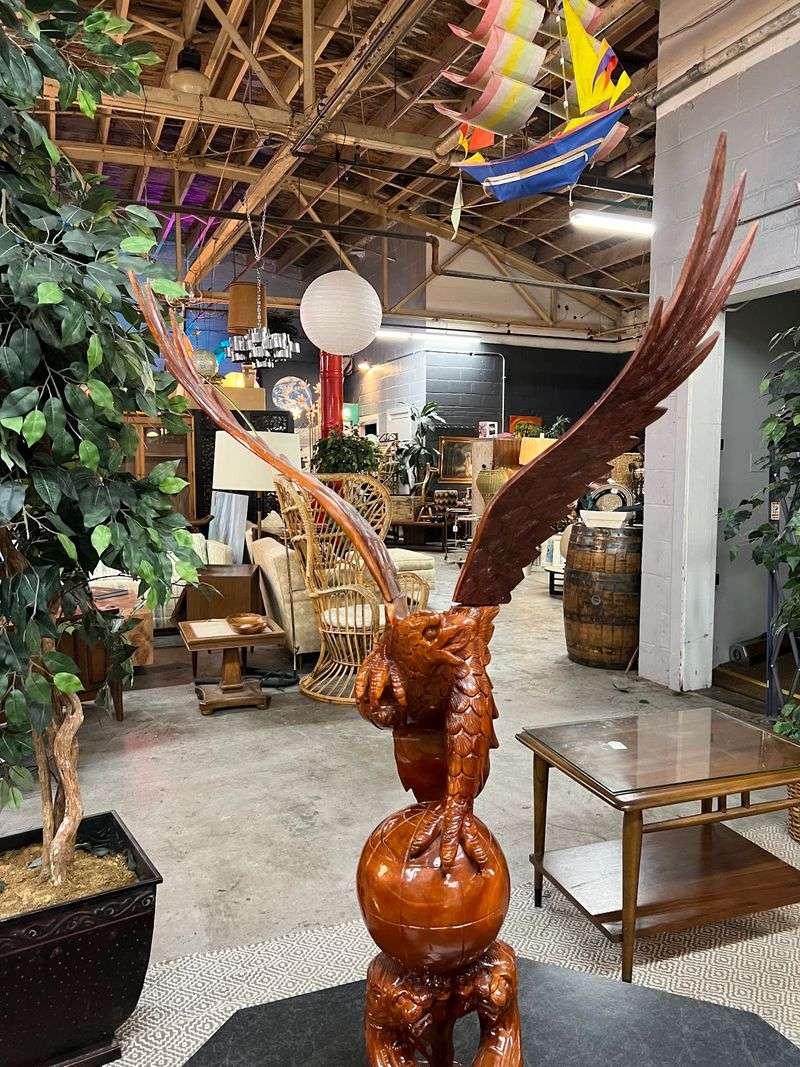
Bargain hunting here is a sport with its own rules. The biggest one is that the market does not set the prices, the individual vendors do.
That setup creates a wide spread. Some things are much higher than others, as the owners themselves have acknowledged, while other items land at genuinely friendly prices.
Consider two pieces spotted in the same trip. A blue glass sculpture carried a tag of 850 dollars, while a white sculpture nearby sold for just 10 dollars.
Opinions on value vary. Some shoppers find certain items a little pricey, while frequent guests say they are often pleasantly surprised by vendor pricing.
The general consensus is that vendors know their worth, and that is not a bad thing. Well-curated booths tend to price items according to quality and rarity.
A smart approach helps:
Take a full lap before buying, since a similar item may sit in another booth at a different price.
Watch for the smaller price tags tucked between high-end pieces, because good deals often hide there.
Set a rough budget ahead of time to avoid a surprise at checkout.
Patience is the secret currency in this building. Shoppers who dig a little usually find something that feels like a win, and they tend to leave with a find in hand.
Friendly Staff and a Crowd That Loves the Hunt
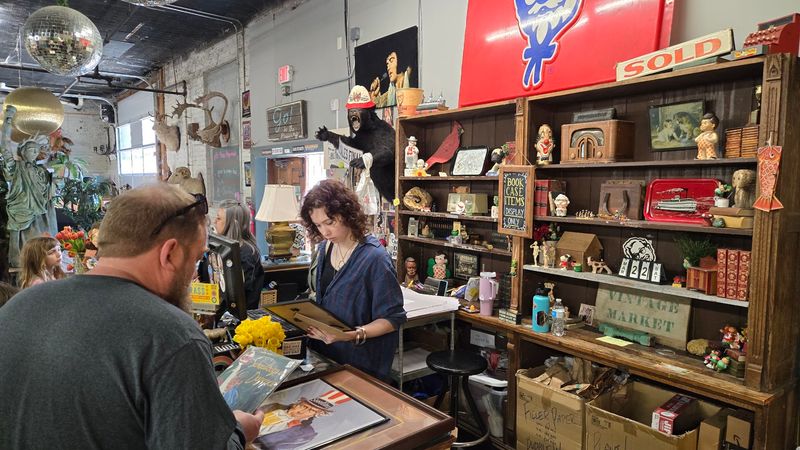
Good company makes a long browse even better. Friendly staff rank among the most frequently praised parts of the market, with shoppers describing the team as helpful and kind.
That attitude shows up in small ways. The staff keeps the space clean and organized, and the owners regularly thank customers and invite them back.
One sweet detail stands out. When a shopper admitted putting several items back and hoping not to regret it, the owners replied that people can always call if they cannot stop thinking about a piece.
The atmosphere is relaxed and fun rather than fussy. People compare notes on finds, and the whole building has a shared treasure hunt energy.
So who will enjoy it most?
Thrifters and antique hunters will feel right at home among the booths and racks.
Nostalgia seekers will get plenty of memory lane moments from the decades on display.
Casual browsers who are not shopping for anything specific can still enjoy the experience, since many say it is worth a trip just to look around.
Locals and travelers alike find a reason to stop in. Public restrooms add a practical bonus that makes a longer visit easier for everyone in the group.
Even the least enthusiastic shopper in the family may end up carrying a bag out the door.
Hours, Timing, and Smart Planning
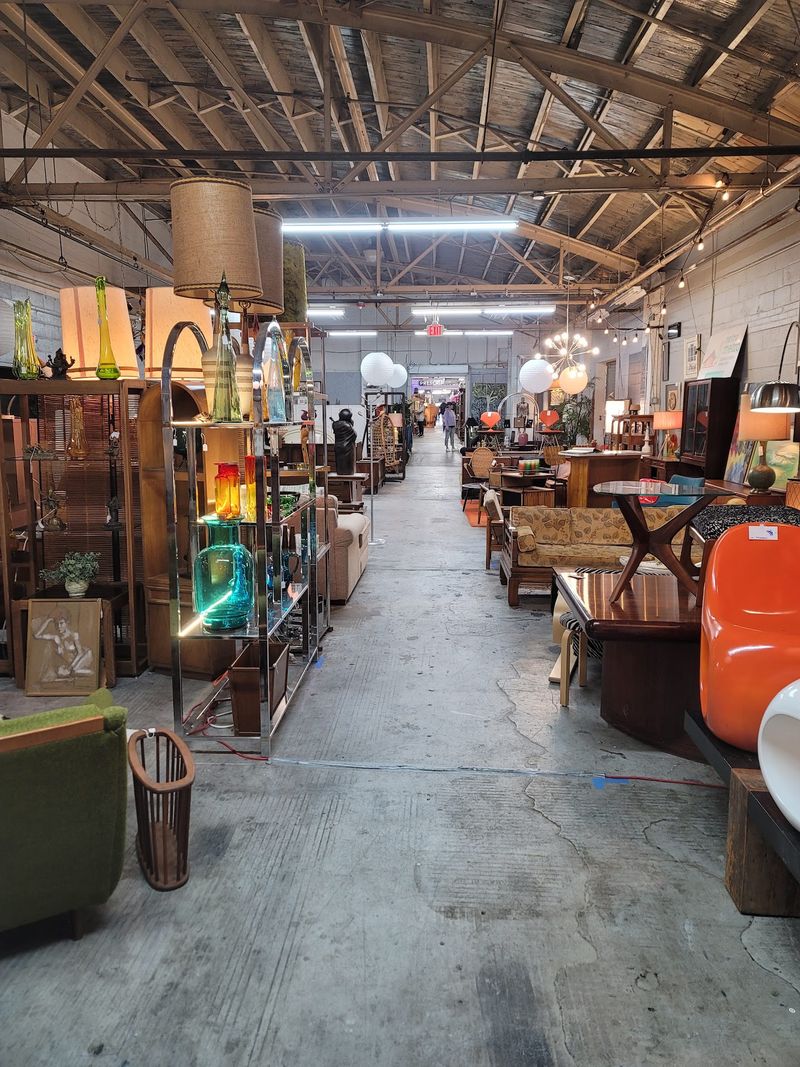
Timing matters when a building this large is on the agenda. The market keeps a five-day schedule, so a little planning prevents a wasted trip.
Here are the current hours:
Wednesday through Saturday, the doors open from 11 AM to 6 PM.
Sunday hours run from 12 PM to 6 PM.
Monday and Tuesday, the market is closed.
Give yourself at least two hours. Many shoppers say they could spend all day inside, and the most common regret is simply running out of time.
Temperatures in the front few sections tend to run high, especially during warmer months. Bringing water is a simple move that keeps the browsing comfortable.
Frequent shoppers point out that the inventory is always changing, unlike many antique and vintage stores. Stopping in once a month is a realistic way to catch fresh stock as vendors restock their booths.
A rainy day is an excellent excuse to visit, since the entire market sits indoors. Weekends tend to bring more energy and more shoppers, while weekday afternoons may offer a calmer pace.
Remember that the outdoor Flea Off Market next door is a different event. Double-check the address before heading out so the plan lands at the right warehouse.
With the calendar sorted, the only thing left to schedule is the search itself.
A Soft Verdict From the Final Booth
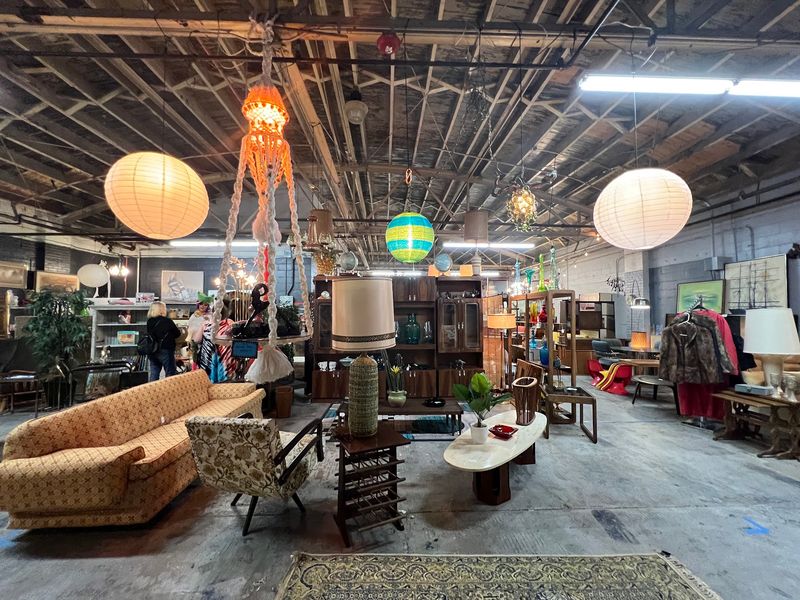
Every flea market promises treasure. Few deliver it across an entire warehouse the way this one does.
The appeal comes down to variety and scale. Antiques, collectibles, vintage clothing, mid-century furniture, records, plants, art, and plenty of wonderfully strange items all share the same roof.
It is not a bargain bin, and it does not pretend to be. Prices range from pocket change to serious investment, and the best deals go to people willing to dig.
There are small trade-offs to keep in mind. Aisles can get tight, the front sections can run warm, and a careful look at clothing labels is always a smart habit.
Those details hardly dampen the fun. The staff is warm and helpful, the space stays tidy, and the constantly shifting inventory gives everyone a reason to return.
For locals, it is an easy monthly ritual. For travelers passing through Louisville, it is a memorable stop that offers something far more personal than a standard souvenir shop.
Most people walk out with at least one find. Some leave with a sofa, others with three coffee mugs, and a few leave thinking about the item they put back.
That lingering thought might be the best reason to plan a return trip, because the next great find could already be waiting in the next booth.
Enjoyed this story?
Add Fast Food Club as a preferred source to see more of our reporting on Google.