


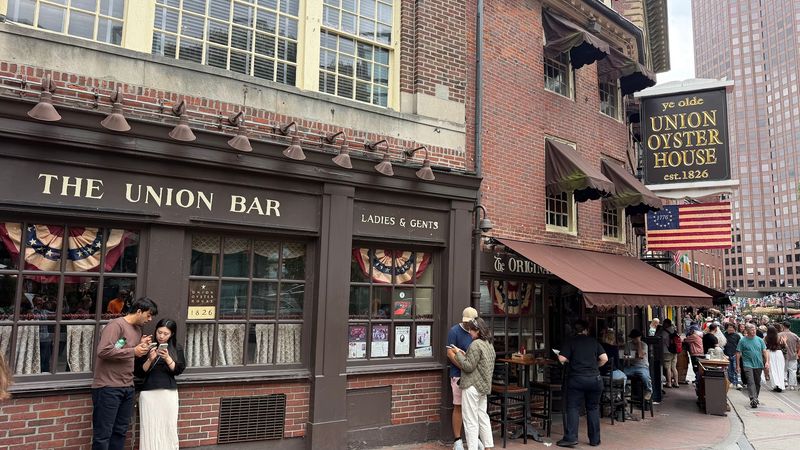
In 1826, a Boston restaurant started serving seafood, and it never stopped. Nearly 200 years later, the same address still draws a line before the doors open at 11 in the morning.
Shuckers work at a bar near the entrance, opening oysters for anyone lucky enough to grab a stool. The walls hold old newspaper articles, tributes to celebrity diners, and art that traces the Freedom Trail outside.
One famous booth even carries a presidential family name. This spot is widely called the oldest restaurant in America, and the building is a National Historic Landmark.
Keep reading to learn where it sits, what makes the oyster bar special, which booths to ask for, and how to avoid the longest waits. There are tips on hours, costs, and parking too, so the only surprise left is how much history fits into one lunch.
A Seafood Landmark on Union Street
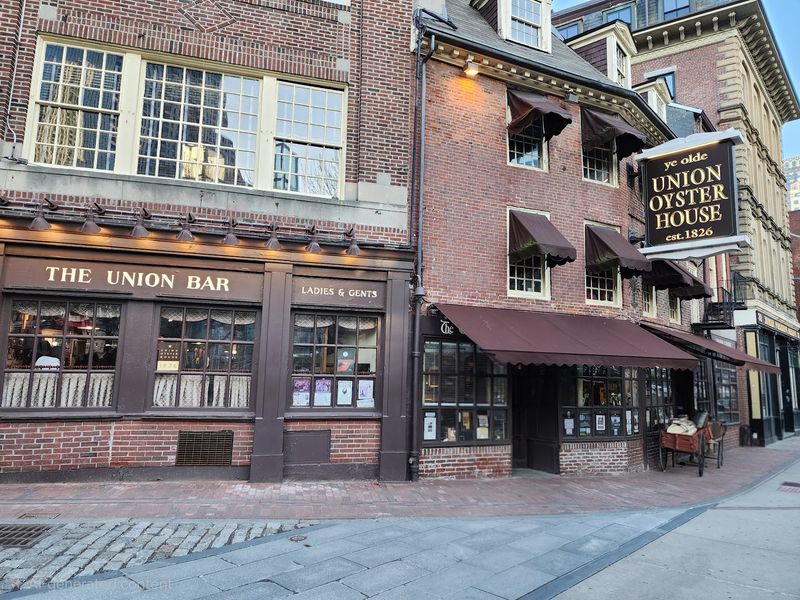
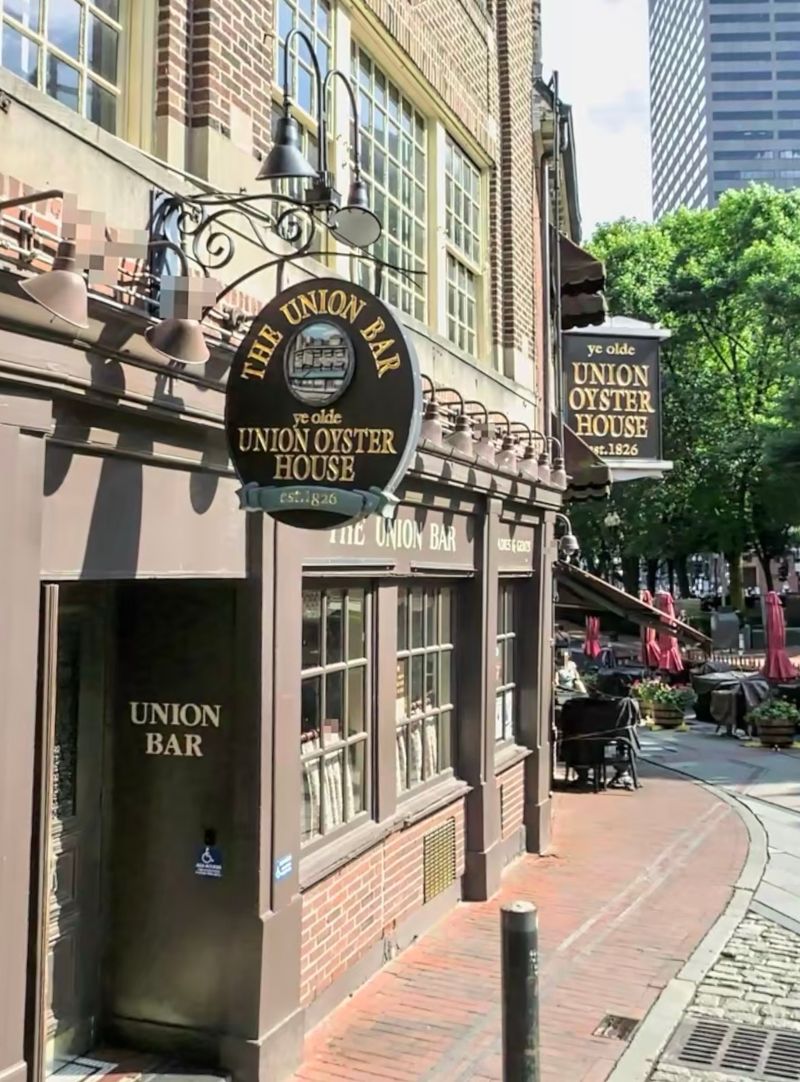
Some restaurants chase trends, and some simply outlast them. Union Oyster House, at 41 Union St, Boston, MA 02108, belongs firmly in the second group.
The restaurant sits in downtown Boston, Massachusetts, in the United States, on a short street that many people reach on foot while exploring the city’s historic core. It is a seafood restaurant at heart, known for serving New England seafood standards since 1826.
That date is the headline. The house is widely called the oldest restaurant in America, and the claim brings in history lovers, first-time Boston travelers, and plenty of people who came because locals told them to.
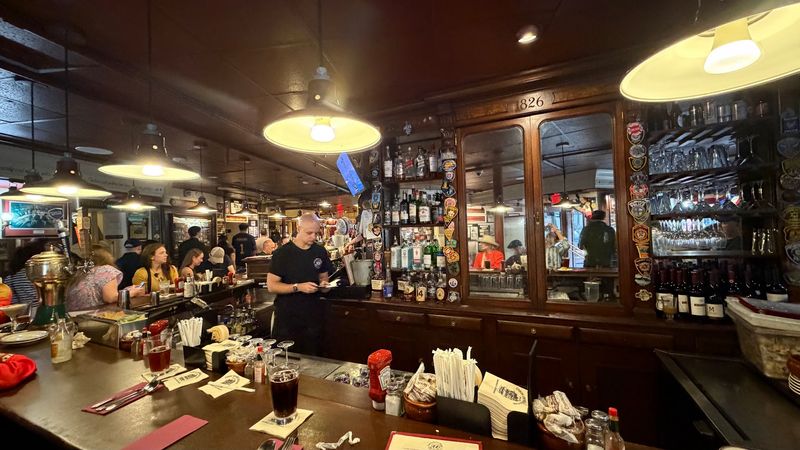
The front of the house belongs to the oyster bar. Shuckers work right there, opening oysters for anyone lucky enough to claim a stool.
Past the bar, the building opens into several dining rooms with tables and booths. The menu is extensive, so a group can settle in for a full sit-down meal instead of a quick bite at the counter.
The appeal here comes in two parts. There is the seafood, and there is the chance to eat inside a building that has been feeding Boston for close to two centuries.
Both halves of that story deserve a closer look, starting with how a single address earned such a big reputation.
Nearly Two Centuries of Open Doors
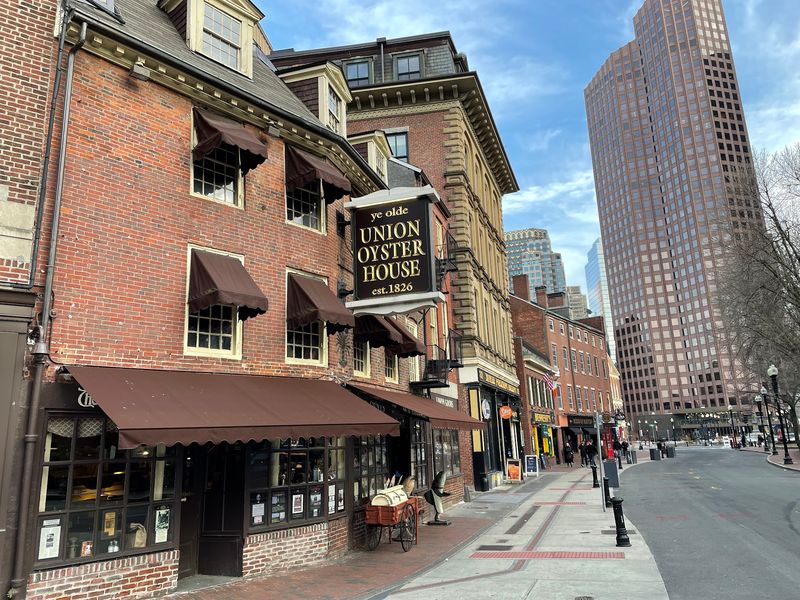
The year 1826 does a lot of heavy lifting here. The restaurant has been serving guests since then, which adds up to nearly 200 years of meals at the same Boston address.
That long run has earned it the title of the oldest restaurant in the country. It is a distinction that brings people through the door before they even glance at a menu.
The building carries serious credentials too. It is recognized as a National Historic Landmark by the National Park Service, a status that places it among the country’s officially honored historic sites.
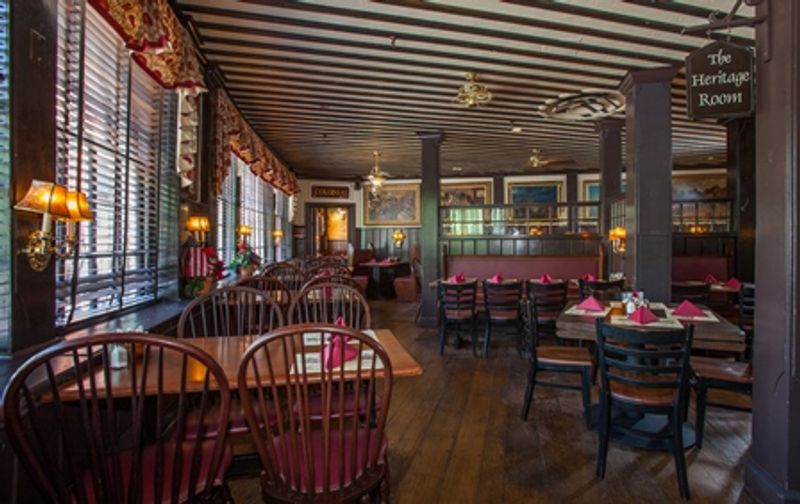
Age is not hidden here. The structure is old, and it shows in the aged floors, the snug rooms, and the tight corners that come with a building of this vintage.
Rather than hurting the experience, that age is a large part of the charm. Many guests come mainly for the character of the place and treat the meal as a bonus.
The kitchen is not trying to be cutting-edge. The focus stays on honest seafood with no unnecessary extras, served in a setting that has had plenty of practice.
Few places can say they have stayed open through so many chapters of American history. Fewer still keep shucking oysters while doing it.
Cobblestones and the Freedom Trail
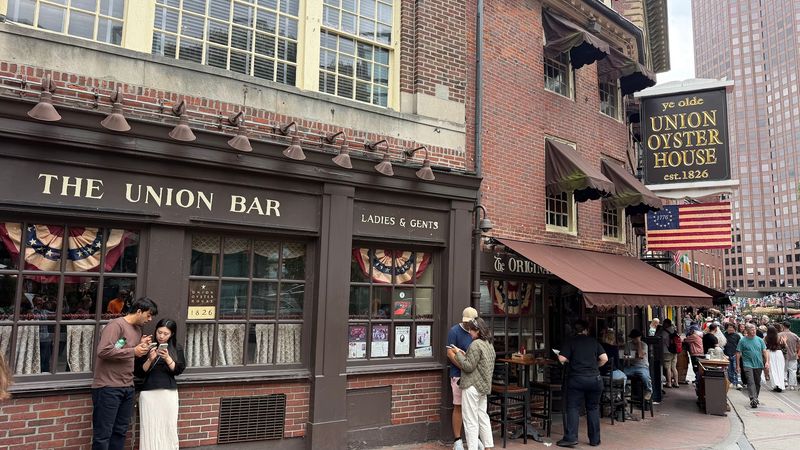
Half the adventure happens before the front door. The approach runs along an old cobblestone street, a fitting start for a meal inside one of the oldest dining rooms in the nation.
The restaurant has a strong connection to the Freedom Trail, Boston’s famous route through its historic sites. That makes it an easy stop for anyone spending the day following the trail from landmark to landmark.
A lunch break here fits neatly between sightseeing stops. Plenty of travelers plan their route so the restaurant lands right in the middle of the day.
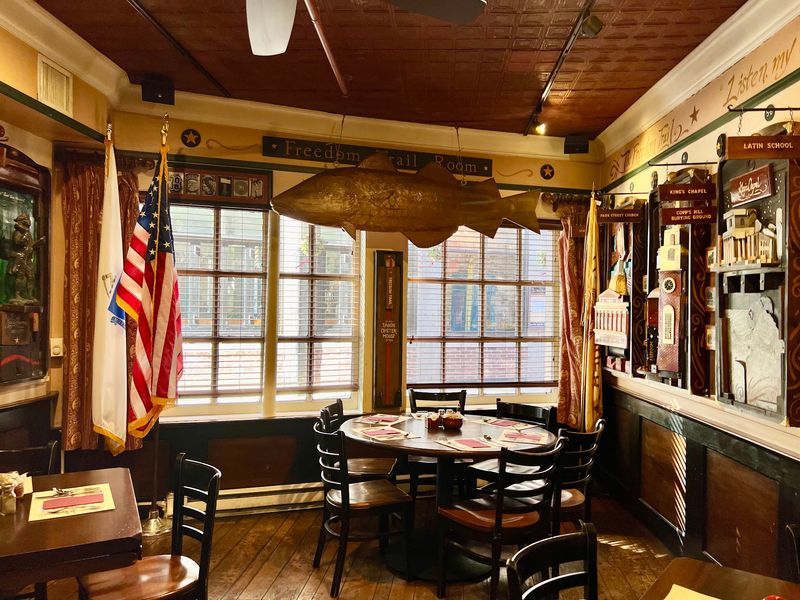
The Freedom Trail link continues indoors. One section of the restaurant displays 3D art pieces depicting the trail, so guests can revisit the route they just walked, or preview the one they are about to tackle.
Other wall displays add even more local context. Representations of the trail appear alongside other historic items, giving the dining rooms a strong sense of place.
The neighborhood matters here as much as the menu does. Being surrounded by so much Boston history makes the restaurant a natural anchor for a full day in the old part of town.
For history buffs, the walk up the cobblestones is only a small preview. The real exhibition waits on the walls inside.
Stools at the Shucking Counter
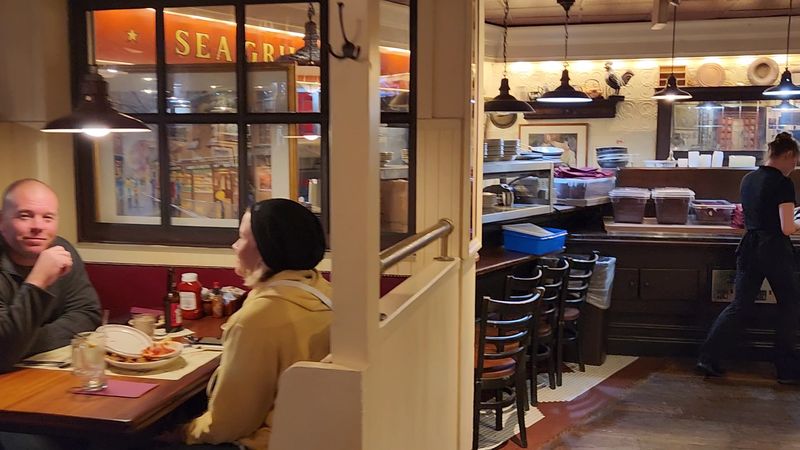
First impressions come fast. The oyster bar sits right at the entrance, so the shuckers are often the first people a guest sees.
This is the scene the restaurant is most famous for. Oysters are shucked fresh in front of whoever sits at the counter, and watching the crew work is half the entertainment.
The shuckers earn plenty of praise for their friendliness and skill. A seat here puts guests close to the action and offers a front-row view of a tradition that has carried on for generations.
Seats are limited, though. Timing matters, and grabbing a spot at the bar often comes down to luck.
Some guests walk right in and find open stools. Others watch the counter fill up and happily move to a dining table instead.
The bar is also a relaxed place to take in the room. The mood is lively, and the setting delivers exactly the kind of authentic old Boston character many people hope to find.
A tip for bar hopefuls: arriving close to opening improves the odds. The counter is small, the demand is not, and a free stool here is worth its salt.
Oysters, Raw or Fried
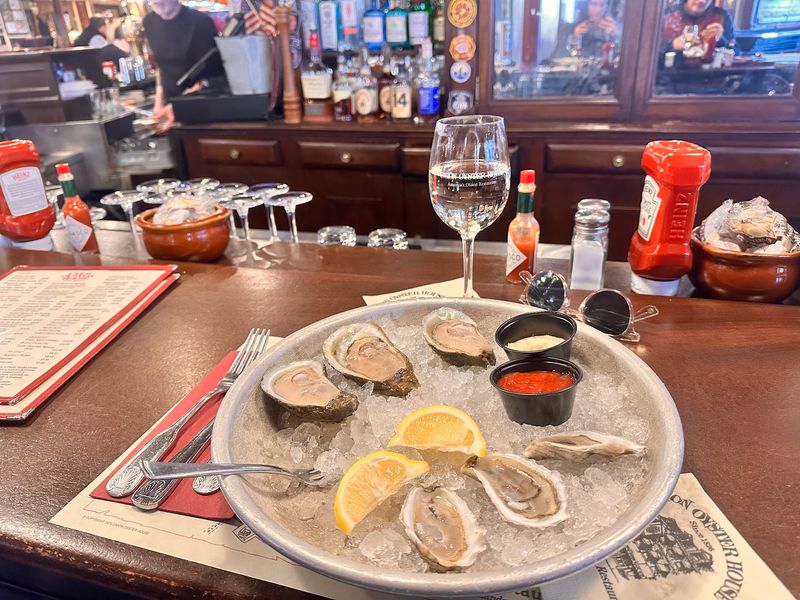
True to the name, oysters are the star. They rank among the most talked-about items on the menu, and many guests call them fantastic.
A half dozen is a popular way to start. It works as a light meal at the bar or as a shared opener before a larger dinner in one of the dining rooms.
The oysters come with sauces on the side, and those sauces get plenty of attention. Even diners who have never tried an oyster before tend to find this a comfortable, low-pressure place to give one a go.
Fried oysters are on the menu as well. A plate runs about $38, and the fried version earns praise, though some wish the individual oysters were a bit larger.
Freshness is the recurring theme. The kitchen keeps things simple, with the focus on quality rather than presentation gimmicks.
Some guests rank the raw oysters here among the best they have had anywhere in the world. That is a lofty compliment for a restaurant that has been opening shells since 1826.
Oyster fans can easily build a whole visit around a few orders. Nobody here will judge a table that asks for one more round.
Walls Full of Stories
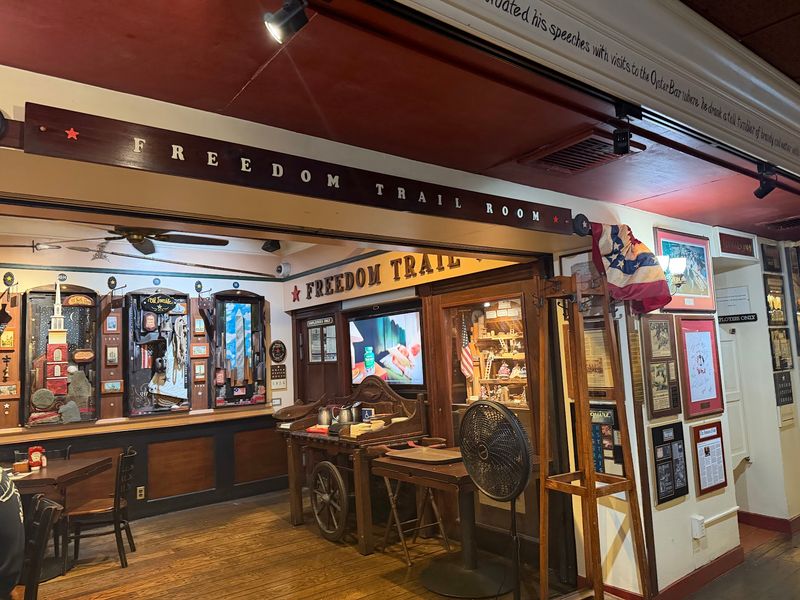
Leave the phone in the pocket for a minute and look up. The walls here hold a remarkable collection of history.
The facility is large, and nearly every room adds something to see. Display cases and curios appear throughout, alongside framed items that trace the restaurant’s long life.
Newspaper articles hang on the walls, capturing moments from the building’s past. Tributes to celebrities who have dined here add a touch of star power to the old rooms.
The Freedom Trail representations sit among these displays as well. Together, they turn a meal into something close to a self-guided history tour.
The memorabilia is not tucked away in a single corner. It spreads through the dining areas, so there is always something new to notice between courses.
A few minutes of browsing before or after the meal is time well spent. Guests who skip it miss a big part of what makes this address so special.
A small gift shop rounds out the experience. T-shirts and novelties are available for anyone who wants a souvenir proving they ate at the oldest restaurant in America.
Booths With a Backstory
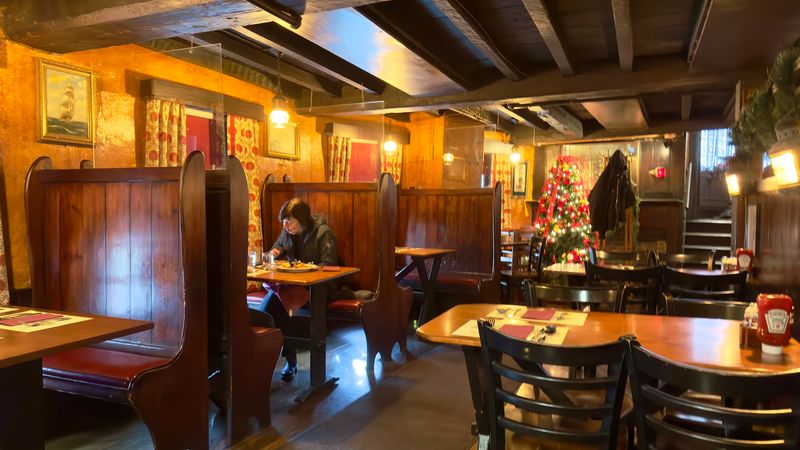
Some tables come with bragging rights. The famous Kennedy booth is one of the best-known seats in the house, and guests who land it tend to count it as a highlight of their trip.
Seating here is part of the storytelling. The booths carry history, and some are clearly marked so guests know exactly where they are sitting.
Booth 18 is one of them. It is labeled, and guests can request it if it happens to be available when they arrive.
Asking costs nothing. The worst answer is simply a different table, and there are plenty of other interesting spots throughout the building.
Booth seating works well for small groups too. Two-top booths in the back room area suit solo diners and couples who want a spot away from the busy front bar.
The booths also make it easy to take in the memorabilia at a slower pace. Guests settle in, look around, and let the history handle some of the entertaining.
A booth with a backstory makes a meal more memorable. It also gives everyone at the table something to talk about on the walk back down the cobblestones.
Rooms, Corners, and a Shady Patio
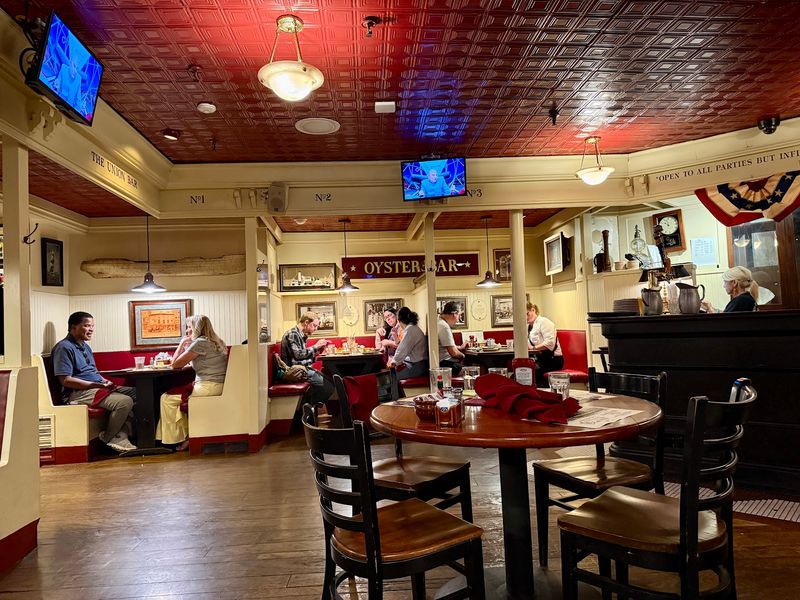
The layout surprises many first-timers. Behind the famous front bar, the restaurant spreads into multiple rooms with a range of seating sizes and several bars.
That variety helps the house handle big crowds. It also means a table for two and a table for a large family can both find a fit.
Old buildings have quirks, and this one is no exception. Some spaces are tight, so larger guests may want to ask for a table with more open room.
Nobody should expect wide modern aisles. The close quarters are part of what makes the place charming, even if they call for a little shuffling now and then.
Outdoor seating is another option. Tables outside come with plenty of shade, making them a smart pick on warmer days.
Indoor and outdoor areas each offer their own atmosphere. Inside brings the full historic setting and the memorabilia, while outside offers a more open-air experience.
The general mood leans rustic and lively. The rooms fill with families, couples, and groups of friends on a Boston outing.
Choosing a spot comes down to priorities. History lovers should head inside, and anyone who wants a more relaxed meal can ask about the patio.
Servers Who Double as Historians
Good company can turn a meal into a story, and the staff here plays that role well. Servers are frequently praised for being friendly, attentive, and quick with a recommendation.
Many of them know the building’s past inside and out. Guests often leave with a handful of historical facts about the restaurant and the wider Boston area, shared casually between courses.
That personal touch matters in a place this busy. Even with the dining rooms packed, the crew keeps things moving and keeps the mood cheerful.
Small gestures stand out too. In one case, a table received a complimentary dessert simply because an order took a little longer than expected, and the guests had barely noticed the delay.
Menu guidance is another strength. Servers help first-timers sort through the extensive menu, which includes several choices for pickier eaters who are less excited about seafood.
Not every interaction is flawless. Hosts can be stretched thin during peak hours, which is understandable at a restaurant with a line at the door.
Still, the people working here are a big reason guests return. Some travelers even come back a second time during the same trip after trying other spots in town.
Beating the Lunch Rush
Popularity has a price, and here it is usually paid in minutes. Waits are common, and a 45-minute wait for a table of two is not unusual at busy times.
The doors open at 11 AM, and some eager guests line up before then. Arriving at opening often means a quick seat and a better choice of tables.
That window closes quickly. By the end of lunch, the restaurant can be packed, with a line of hopeful diners waiting to get in.
Reservations are an option and a smart one for larger groups. Early dinner slots, such as a 4:45 PM booking, can help a party skip the heaviest evening crowd.
Walk-ins still have a shot. Some guests are seated very quickly, especially at the oyster bar or at an outdoor table.
Flexibility helps. A party willing to sit at the bar, take a patio table, or eat at an off-peak hour has the best odds.
Weekends offer a little extra time at the end of the day. Friday and Saturday service runs until 10 PM, one hour past the usual closing time.
Early arrival remains the simplest trick. It also leaves more of the afternoon free for the Freedom Trail.
Hours, Costs, and Parking Plans
Practical details make the difference between a smooth outing and a stressful one. Here is what to know before heading over.
Hours: The restaurant opens daily at 11 AM. It closes at 9 PM Sunday through Thursday and at 10 PM on Friday and Saturday.
Costs: Expect prices on the higher side. Fried oysters run about $38 and larger seafood platters land around $40, although some guests still consider the meal fairly priced for the experience.
Parking: Parking nearby is very challenging. Build extra time into the schedule, or plan to arrive on foot while exploring the Freedom Trail.
Seating: Multiple dining rooms, several bars, booths, and outdoor tables mean options for most group sizes. Guests who need more space should mention it when checking in.
Menu range: The menu is extensive, with seafood at the center and choices for pickier eaters too.
Souvenirs: The small gift shop sells T-shirts and novelties for anyone who wants a keepsake.
Checking the restaurant’s website before a trip is a good habit, since hours and details can change. With those basics covered, the only real decision left is how many oysters to order.
Worth a Seat at Least Once
Some meals are about the plate, and some are about the place. This one manages to be about both, with the history taking a slight lead.
The oldest restaurant in America has earned its reputation the long way. Nearly 200 years of service and National Historic Landmark status speak for themselves.
The food is honest and straightforward. The oysters are the headline act, shucked right at the front bar for anyone lucky enough to grab a stool.
It is not a cutting-edge dining destination, and it does not try to be. The appeal lies in the character, the memorabilia, the famous booths, and the staff who enjoy sharing the backstory.
Prices sit on the higher end, and waits can stretch at peak times. An early arrival, a reservation, and some patience with the tight old rooms go a long way.
History lovers, Freedom Trail walkers, and oyster fans will find the most to enjoy. Plenty of guests make a point of returning on every Boston trip.
The worn wooden bar has seen generations of diners come and go since 1826. Pull up a stool, order a half dozen, and add a new line to a story that is still being written.
Enjoyed this story?
Add Fast Food Club as a preferred source to see more of our reporting on Google.