


Some towns in Indiana move at the speed of traffic, and one small village in Franklin County still likes to move at the speed of a horse. Canal boats and horse carriages are not museum props here.
They are part of the everyday story of a community that grew up beside the Whitewater Canal in the 1800s. The township around it counted just 943 residents in the 2020 census, yet its history reaches far beyond that small number.
Old brick buildings, a working canal channel, and a slower pace give a day trip here a very different feel from the usual road stop. The sections ahead cover where the village sits, how the canal shaped it, what to see on foot, and a few practical tips that help a visit go smoothly.
Keep reading, because the past is closer here than most maps suggest.
A Village Tucked Into Franklin County
Small on the map and big on character, Metamora sits in Metamora Township, IN, USA, in the southeastern corner of the state.
The township is one of thirteen in Franklin County, Indiana. As of the 2020 census, its population was 943, down slightly from 974 in 2010.
Those numbers tell you something useful before you even arrive. This is not a big tourist city with crowded boulevards and parking garages.
It is a rural community where the historic village core is compact and easy to explore in a single day. Most of what draws people here sits within walking distance of the canal.
Franklin County itself is a stretch of farmland, rolling hills, and river valleys. The Whitewater River runs through the region, and the canal that made the village famous followed that valley.
Travelers often arrive expecting a quick stop and end up staying longer than planned. The layout encourages wandering, and the slower pace makes it easy to lose track of the clock.
For a day trip in Indiana, the location works well for a relaxed drive through the countryside. The real fun, though, starts once the car is parked and the boots take over.
The Canal That Built a Town
Long before highways and rail lines ruled travel, canals were the fastest way to move goods across Indiana.
The Whitewater Canal was part of that era. Metamora grew along its banks in the 1800s, and the village owes much of its shape to that waterway.
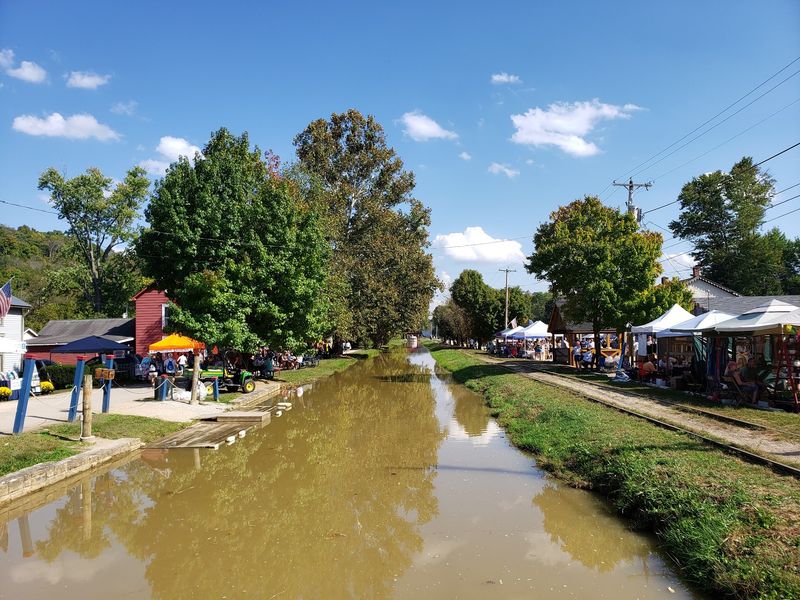
Canal towns tended to cluster shops, mills, and homes right beside the water. That pattern is still easy to spot here, since the historic buildings line the channel in a way that makes the history feel very close.
The canal age did not last forever. Railroads eventually took over the job of moving freight, and many canal towns faded.
Metamora held on to its canal-side character, and that is exactly why people come today. The channel, the old structures, and the village streets together form a living lesson in how Indiana once traveled.
Here is a fun bit of perspective. A trip that takes minutes by car today could take a good part of a day by canal boat back then.
Keep that in mind while strolling the towpath, and the whole village starts to make more sense.
Riding the Water at Walking Speed
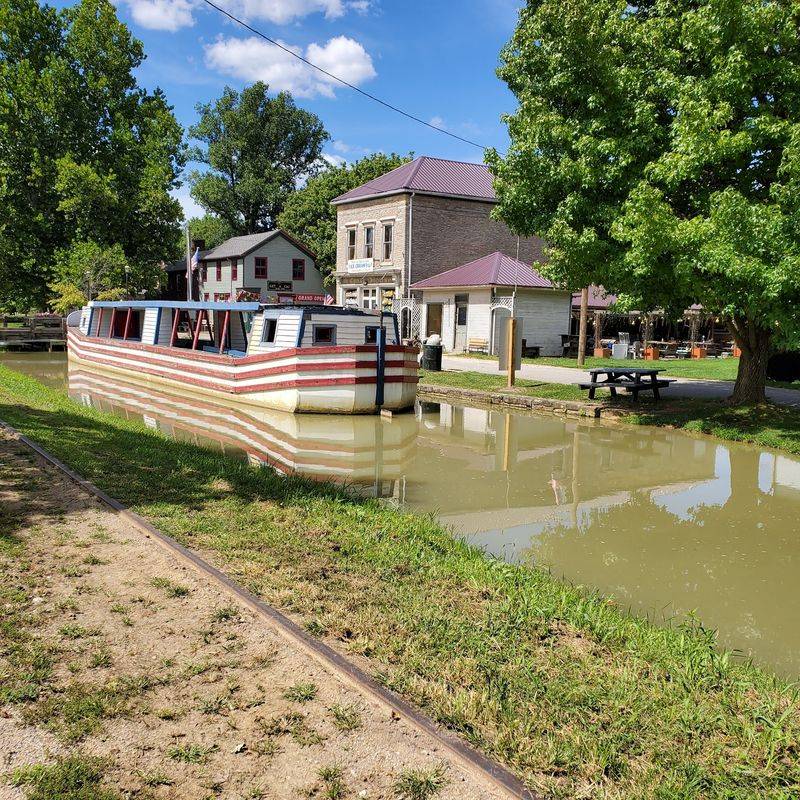
Forget the motor. The canal boat experience in Metamora is famous for being pulled along the water by horses, the old-fashioned way.
That method was once standard on American canals. Horses or mules walked the towpath beside the channel while a rope tugged the boat forward.
Seeing it in action today is a rare treat. Very few places in the country still offer this kind of ride, which makes it a highlight for many day-trippers.
The pace is slow on purpose. Nobody boards a canal boat to beat a deadline, and that is a big part of the charm.
Families with kids tend to enjoy watching the horses work. History fans like the chance to ride a style of transport that shaped the Midwest.
Operating seasons and schedules can change from year to year. Checking current details before the trip is a smart move, especially outside the warmer months.
Consider it the original slow travel movement, long before anyone gave it a catchy name.
Hoofbeats on Village Streets
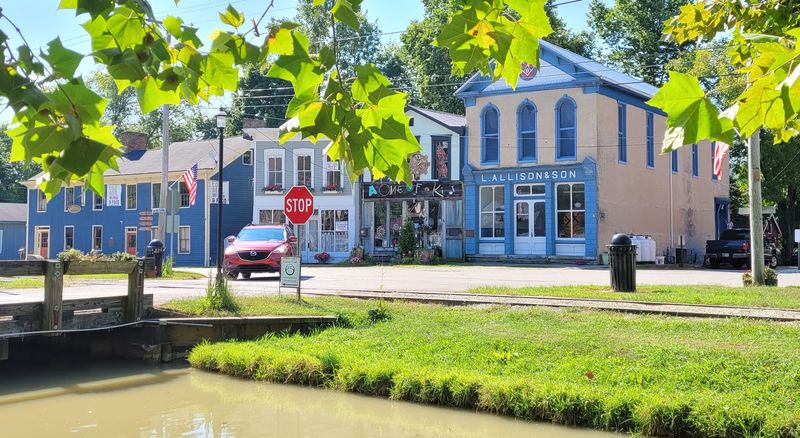
Traffic jams here sometimes involve a horse, and nobody seems to mind.
Horse carriages are part of the village identity, just as the title of this article promises. They add a touch of the 1800s to streets that already look like they belong in that century.
A carriage ride offers a different angle on the village than walking does. It is also a nice option for anyone who prefers to rest their legs between stops.
Drivers in historic towns like this often share stories about the buildings and the canal as they go. That turns a simple ride into a relaxed history lesson.
Availability can depend on the season, the weather, and local events. Weekends in warmer months tend to be the likeliest time to catch carriages rolling.
Drivers of cars should take it easy on the village roads. Sharing space with horses calls for patience and a light foot on the pedal.
A little courtesy keeps everyone, hooves and tires alike, moving along happily.
Old Brick and Timber Storefronts
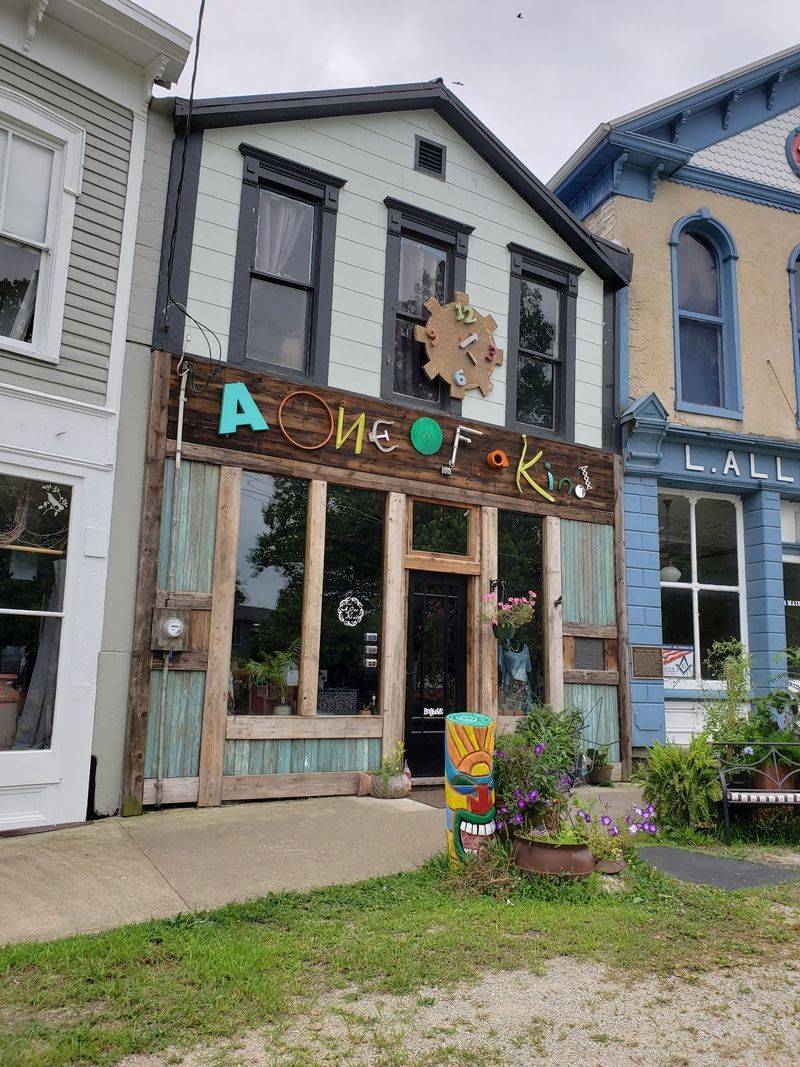
Architecture buffs, bring an extra memory card.
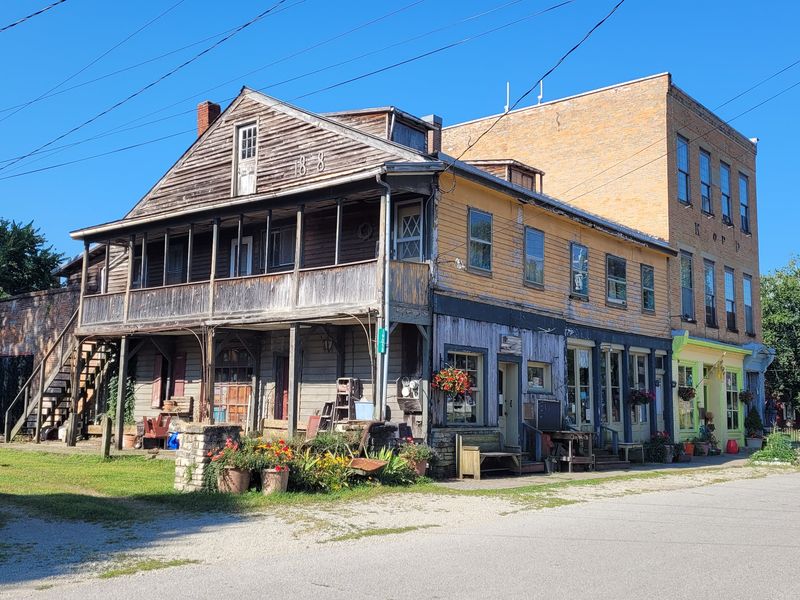
The village core is lined with buildings that date back to the canal era. Many have been kept in use as small shops and businesses.
That mix of old structures and everyday activity gives the place a lived-in feel. It does not come across as a roped-off exhibit.
Browsing is the main activity for many people here. Small independent shops are a big part of the experience, and each one tends to have its own personality.
Shops in small historic towns often keep limited or seasonal hours. Some may close on weekdays or during colder months, so plan the visit with that in mind.
Taking time to notice building details pays off. Old doors, window frames, and signs hint at how the village looked when canal traffic was steady.
Bring comfortable shoes. The best way to appreciate these streets is one slow block at a time.
Where Water Once Carried Grain
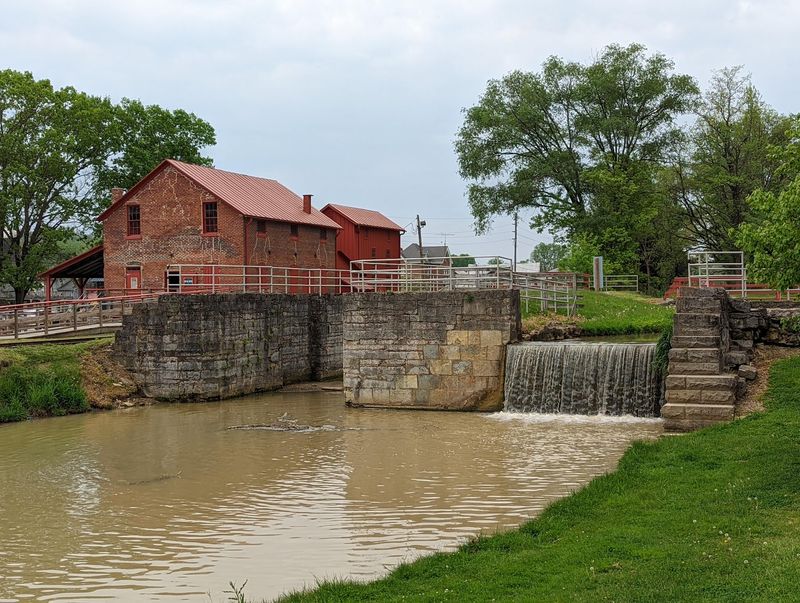
Canals did more than move people. They also powered industry, and mills were a common sight along their routes.
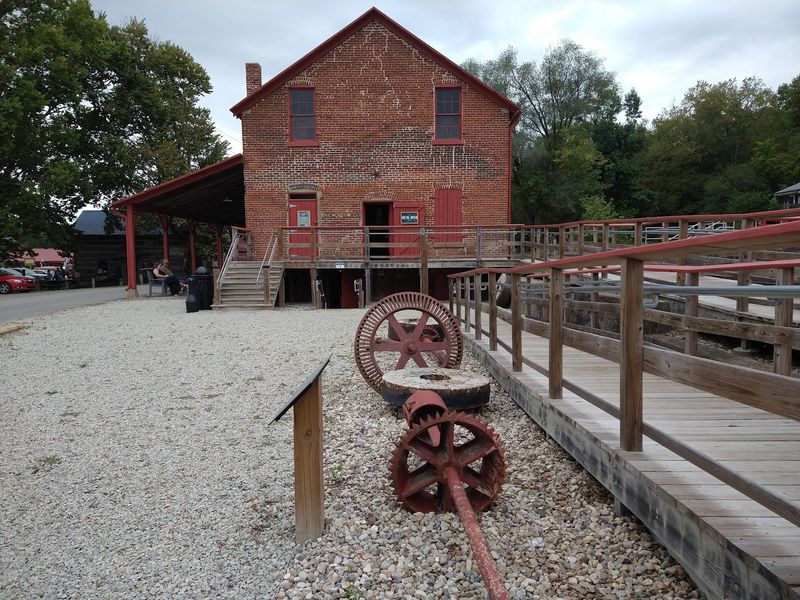
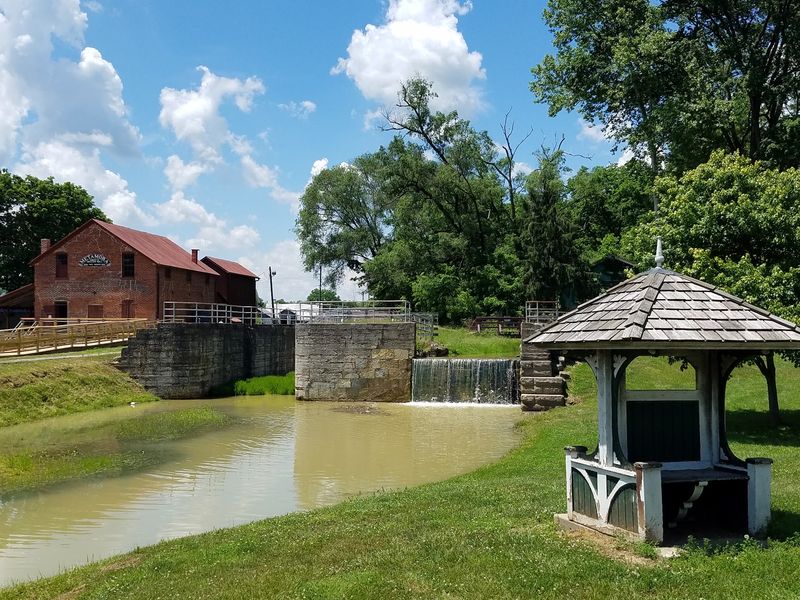
Metamora is known for its historic grist mill tied to the canal system. Mills like this used moving water to grind grain, a process that was central to rural life in the 1800s.
Seeing a mill beside the canal helps explain why towns grew where they did. Farmers needed a place to process crops, and water power made that possible.
Along the same stretch, look for the canal’s other engineering features. Canals required clever structures to manage water levels and carry the channel across obstacles.
These pieces of infrastructure are easy to overlook at first glance. Once spotted, they reveal just how much planning went into building a canal through hilly country.
Kids often find the mechanics surprisingly interesting. Adults tend to walk away with a new respect for pre-industrial engineering.
It is a quiet reminder that clever ideas do not always need electricity.
Slow Days and the People Who Love Them
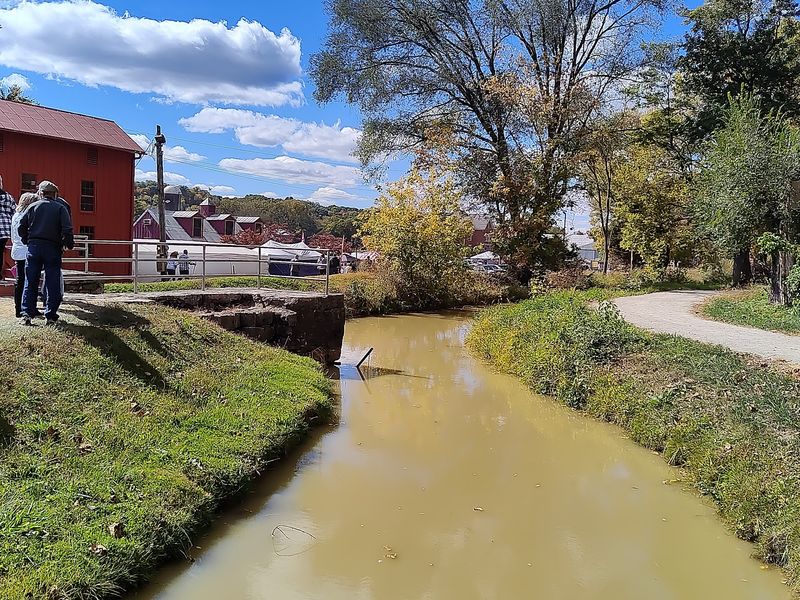
Metamora rewards people who like to take their time.
The atmosphere is easygoing, small-town, and rooted in history. There is no rush to check off a long list of attractions.
Families tend to enjoy the mix of boats, horses, and wide open walking space. History lovers find plenty to study in the canal and the old buildings.
Couples looking for a low-key outing also do well here. A stroll along the canal and a browse through small shops make for an unhurried afternoon.
Photographers get a steady supply of subjects. Old architecture, the canal channel, and horse-drawn transport all make strong frames.
People hoping for nightlife or big-city entertainment will not find it here. The village’s appeal lies in exactly the opposite direction.
Think of it as a day off from modern speed. The only thing moving fast is the time on your phone’s clock.
Smart Tips Before You Go
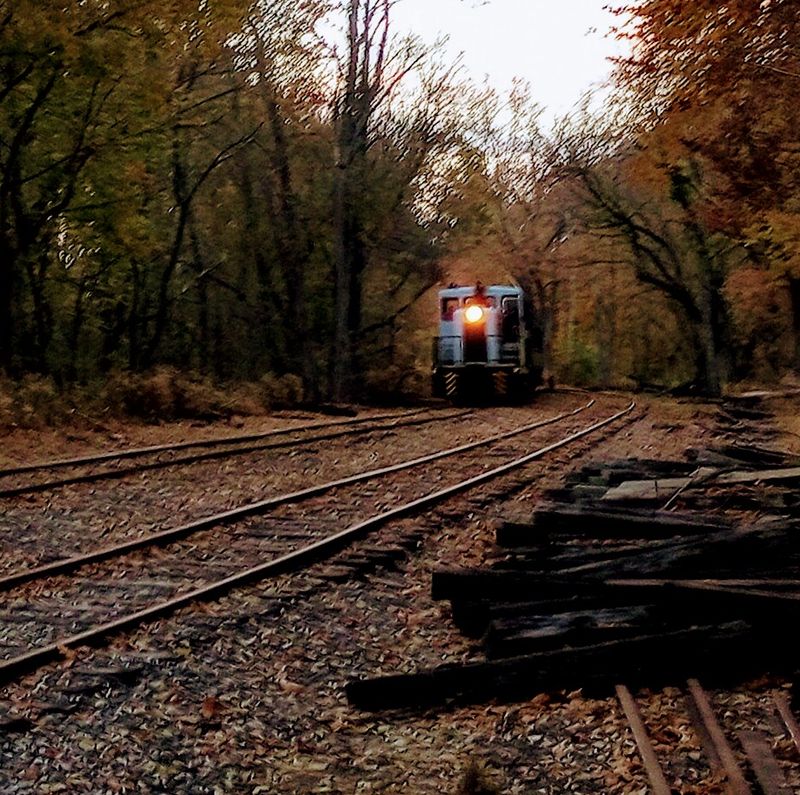
A little planning goes a long way in a village this size.
Metamora sits in rural Franklin County, so a car is the most practical way to arrive. The drive winds through countryside typical of southeastern Indiana.
Hours for shops, boat rides, and carriage rides can vary by season. Many historic towns are busiest from spring through fall, with quieter stretches in winter.
Checking current schedules online or calling ahead to individual businesses helps avoid surprises. That is especially true for canal boat rides, which depend on operating seasons.
Weekends usually bring more activity and more open storefronts. Weekdays can be calmer, though some businesses may keep limited hours.
Wear good walking shoes, since the village is best seen on foot. Dress for the weather, because much of the experience happens outdoors.
Pack a bit of patience for sharing roads with horses. It is all part of the deal in a place where carriages still have the right of way.
Worth the Detour Down Memory Lane
Some day trips fill a camera roll. This one fills in a missing chapter of Indiana history.
Metamora offers something that is getting harder to find. It is a real community where canal boats and horse carriages remain part of daily life rather than distant memories.
The township may count fewer than a thousand residents, but its story connects to a much larger era of American travel and trade.
A single day is enough to ride the water, browse the old storefronts, and walk the towpath. Many people leave already planning a return trip in a different season.
It will not suit everyone looking for thrills. For those who enjoy history, slow travel, and small-town character, it hits the mark nicely.
So set the pace to horse speed and let the canal lead the way. The village has been waiting since the 1800s, and it is in no hurry at all.
Enjoyed this story?
Add Fast Food Club as a preferred source to see more of our reporting on Google.