


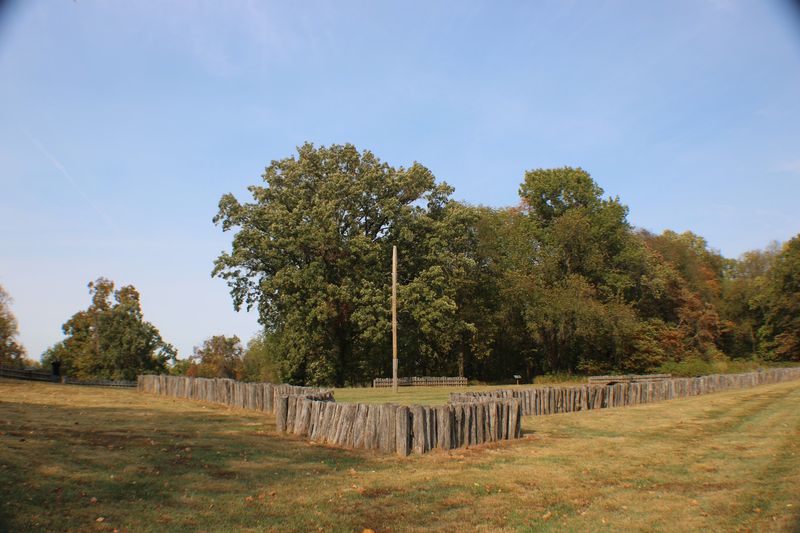
North of Vincennes, a high bank above the Wabash River holds a story most people drive right past. Two centuries ago, soldiers kept watch from this spot over a young country’s western edge.
Today the post is gone, yet its history has not wandered off. Placards, self-guided stations and walking paths turn a quiet stretch of land into an open-air lesson in Indiana’s frontier past.
There is no gift shop maze here, and no velvet ropes, just a short loop of stories, a river view and a few trails for anyone who wants to stretch the legs. The sections ahead cover where the site sits, why the Army chose it, what to see on the grounds, which seasons bring extra fun and how to plan around the hours.
Keep reading, because the best parts of this frontier tale come with a view.
A Frontier Post on Fort Knox Drive
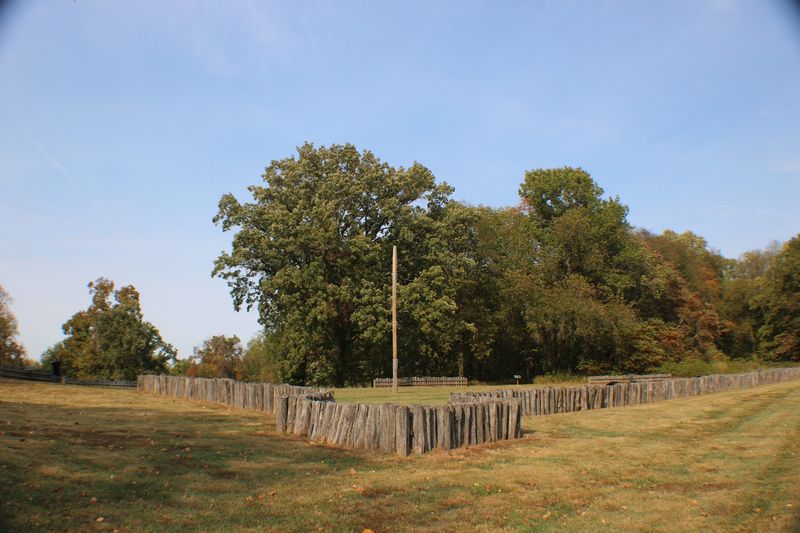
Some of the best history lessons in Indiana come without walls or a roof. The spot in question is Fort Knox II – Vincennes State Historic Sites, found on Fort Knox Dr, Vincennes, IN 47591, in the United States.
The site sits just north of downtown Vincennes, one of the oldest communities in the state. It is part of the larger Vincennes State Historic Sites group, which is connected with the Indiana State Museum.
Officially, it is listed as a historical landmark. In practice, it is a broad, open stretch of land on a high bank of the Wabash River, dotted with placards that explain what once stood here.
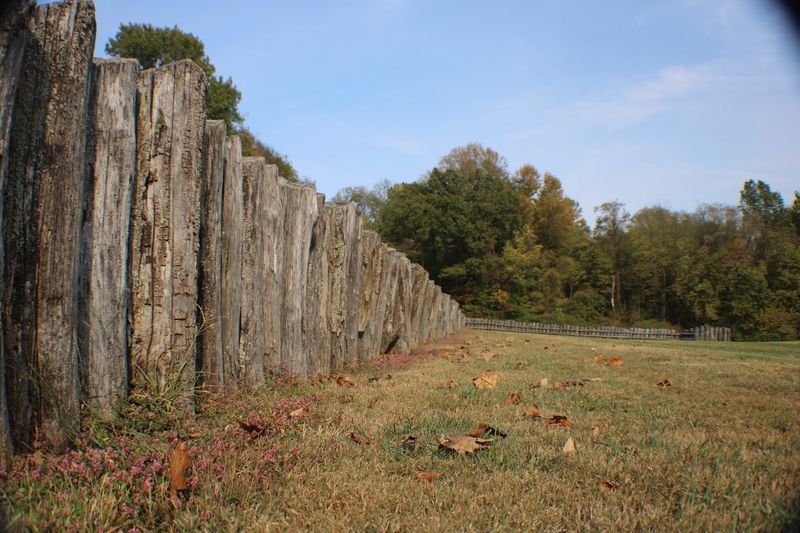
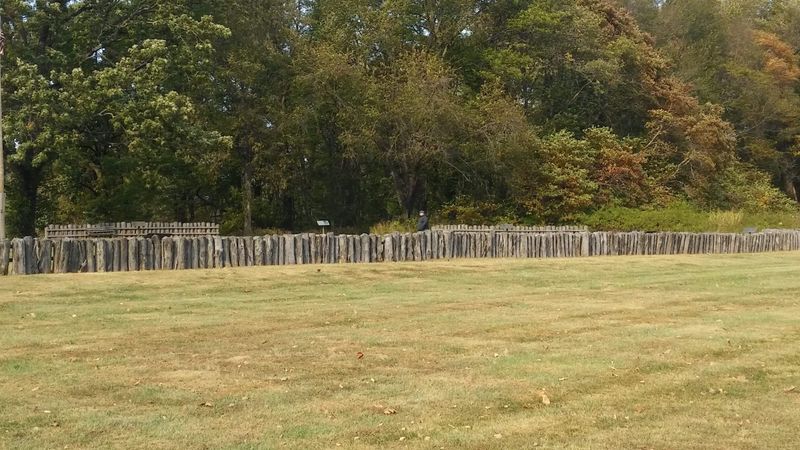
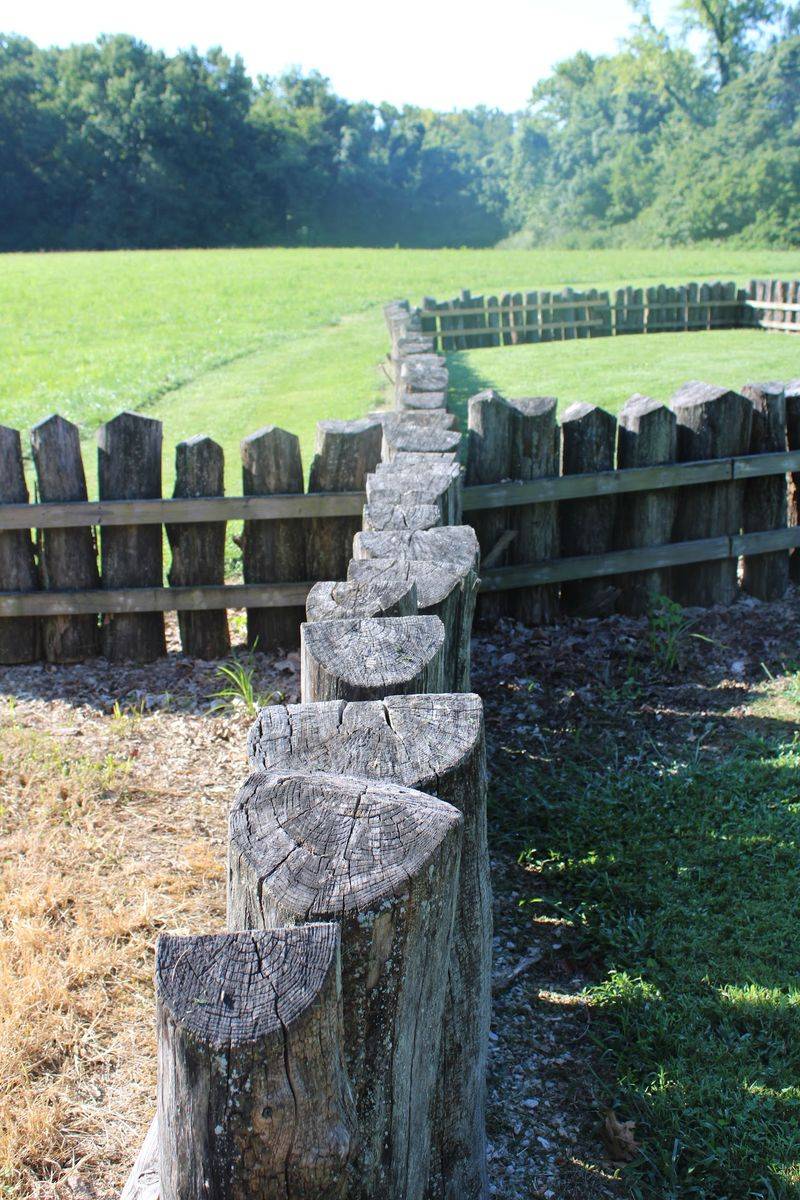
The original fort is no longer standing, so nobody should expect towering stone ramparts. What remains is the setting itself, plus a clear trail of signs that walks guests through the story step by step.
That simple approach is part of the appeal. The land does the talking, and the signs fill in the details.
Fans of the site describe it as a quick stop for history lovers, yet many end up lingering longer than planned. The reasons for that start with a question worth asking: why here, of all places?
Why the Army Chose This Riverbank
Location was everything on the early American frontier, and this patch of high ground had plenty of it. The U.S.
Army built Fort Knox II here in the early 1800s, moving the post upriver from an earlier fort inside Vincennes.
The Wabash River served as a major travel route in that era. A fort perched above it could keep an eye on boat traffic and respond to events across the region.
Vincennes was the capital of the Indiana Territory at the time. That made the area an important hub for government business, trade and military planning.
The name honors Henry Knox, the first U.S. Secretary of War.
The Roman numeral is there because Vincennes saw more than one fort carry that name, so this one earned a number to keep things straight.
Think of it as the sequel in a three-part frontier series. Each version of the fort reflected changing needs in a growing territory.
Standing on the bank today, the logic of the choice is easy to follow. The river still bends below, and the open ground still stretches out behind it, which helps the old reasoning click into place.
The bigger plot twist comes in the next chapter of the fort’s life.
Harrison and the March of 1811
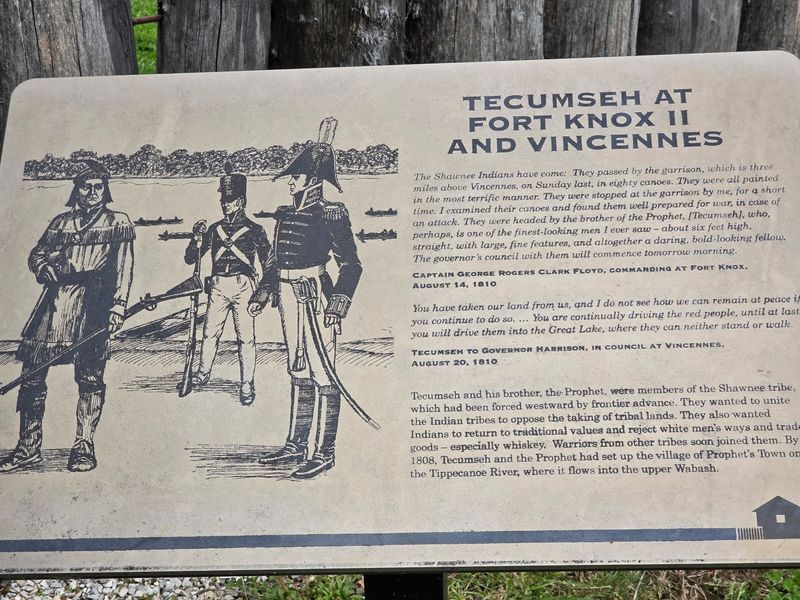
Plenty of big names in American history passed through Vincennes, and one of them connects directly to this fort. William Henry Harrison, then governor of the Indiana Territory, gathered troops here in 1811.
Those troops set out from the area on the campaign that led to the Battle of Tippecanoe. Harrison later rode that reputation all the way to the White House, becoming the ninth president of the United States.
That makes this quiet riverbank a starting line for one of the most talked-about chapters in early Indiana history. Not bad for a spot that now looks like a peaceful park.
The placards on site help lay out the timeline in clear, digestible pieces. They explain who was stationed here, what the fort was meant to do and how events unfolded around it.
History fans tend to call it a good storyline, and that is a fair description. The signs move in order, so the story builds as the path continues.
Families appreciate that the material stays approachable. Kids can follow the main thread without needing a textbook in hand.
Once the backstory sinks in, the grounds start to look very different. Every open patch of grass suddenly has a role in the plot.
Where Walls Once Stood
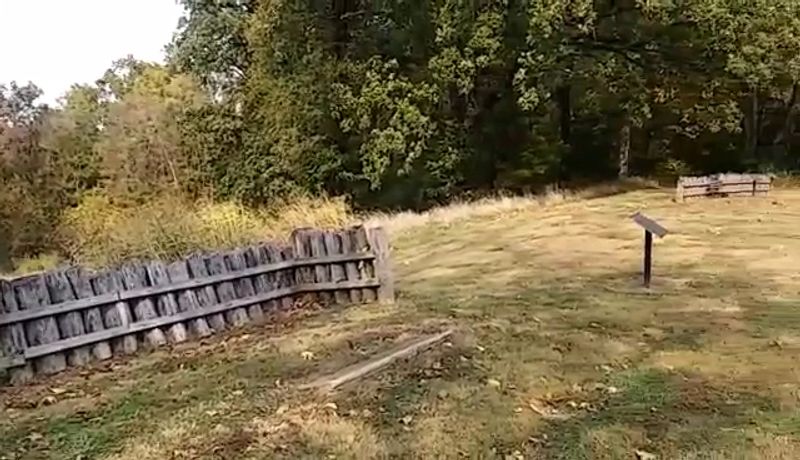
Those hoping to run a hand along battle-scarred stone may need to adjust expectations a bit. The fort that once guarded this bank is gone, and the site today is mostly wide open ground.
That openness is actually the point. Without modern buildings crowding the view, it becomes easier to understand the scale and layout of a frontier post.
Placards scattered throughout the grounds explain various parts of the history. They help fill in what the eye cannot find, turning empty lawn into a working map of the past.
The experience works a bit like a puzzle with the picture on the box. The signs supply the picture, and the land supplies the pieces.
This is a quick walk-through for most people. A focused loop can be done in a short visit, though the river view and nearby trails often stretch that time out.
For anyone traveling with restless kids or limited time, that compact layout is a gift. Nobody has to commit an entire afternoon to get the full story.
Of course, a story is only as good as its storytellers. On this site, those come in two forms: signs and people.
Self-Guided Stations Along the Way
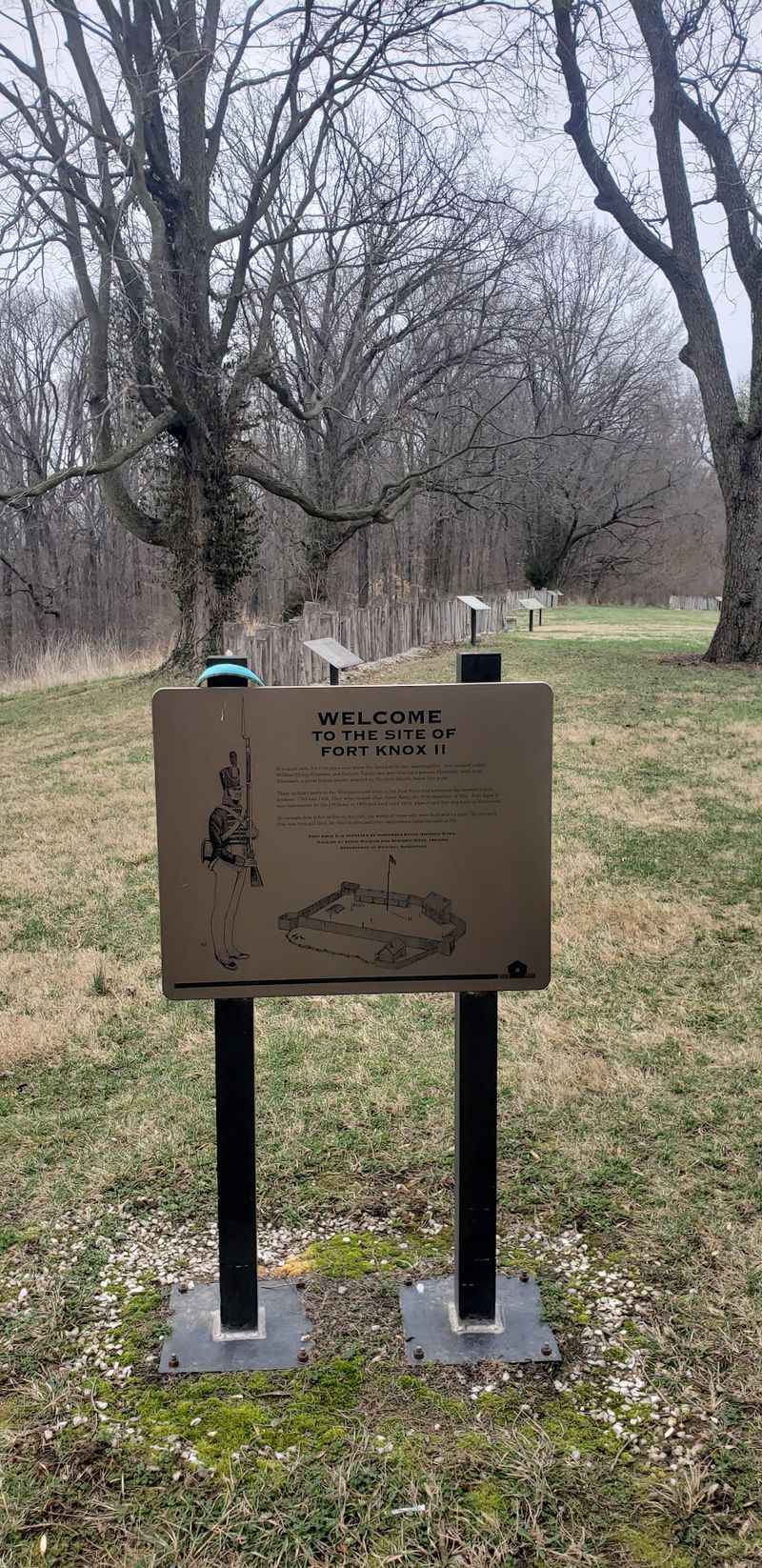
Reading signs outdoors does not usually rank high on anyone’s list of thrills. Here, though, the self-guided stations earn genuine praise for being clear and informative.
The historical signs are described as good, with interesting details explained across various placards. They are spread out so each one covers its own slice of the story.
That spacing has a hidden benefit. It keeps people moving, so the history comes in small portions instead of one giant wall of text.
The self-guided format also means the site works even when staff are not around. During quieter stretches, the stations carry the full load and still leave guests satisfied.
Some guests discovered the site by chance and called it a golden find. The self-guided stations were a big part of why that unplanned stop turned into a memorable one.
There is no rush with this setup. Read every word, skim the headlines or circle back for a second look, and nobody will mind.
Still, signs can only answer the questions printed on them. For deeper digging, there is an upgrade worth knowing about.
The Case for a Live Guide
Signs are helpful, but a good guide can answer the follow-up questions a placard never will. Guided tours are available, and they come highly recommended over reading the signage alone.
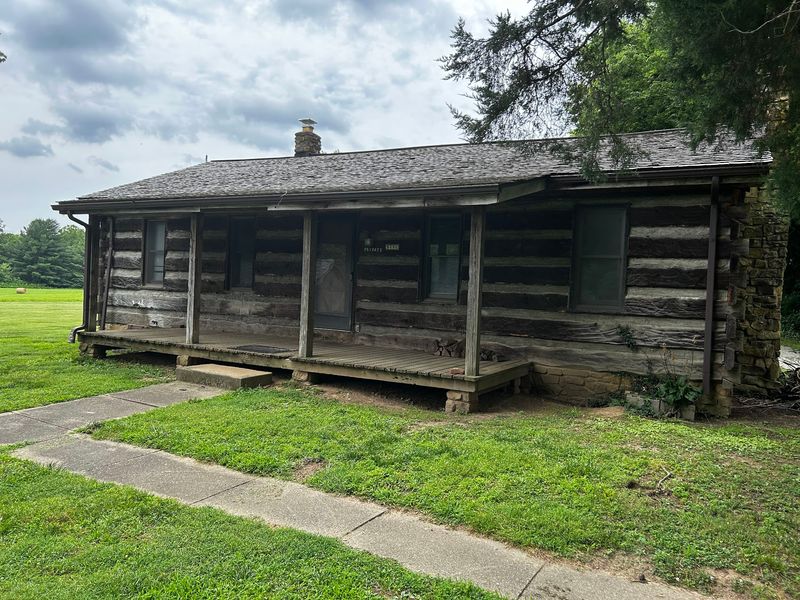
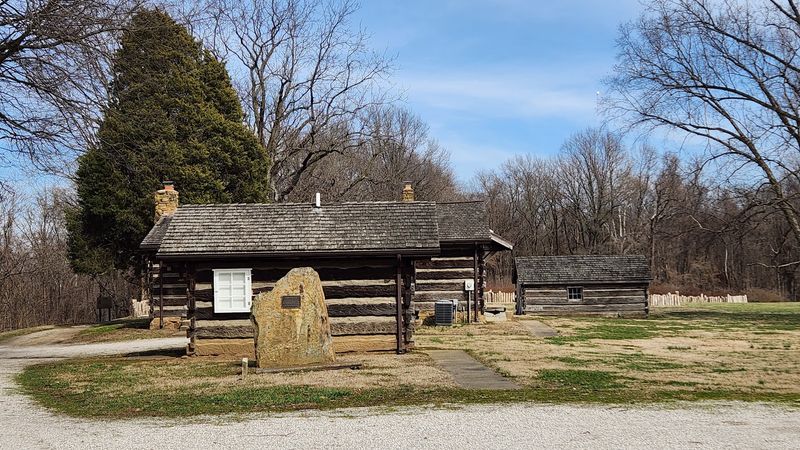
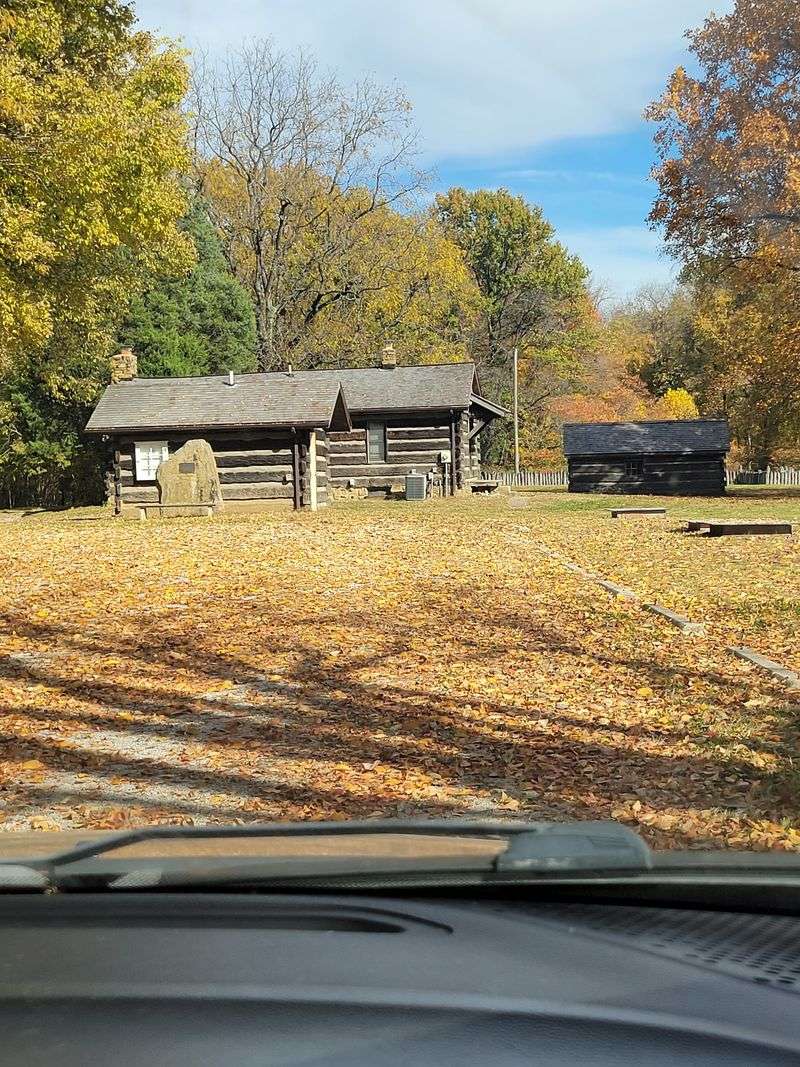
Tickets for a tour guide can be booked through the Indiana State Museum website. They can also be picked up at the log cabin visitor center at the historic site.
That log cabin detail is a nice touch. It fits right in with the frontier theme and gives the whole outing a sense of time travel before the tour even begins.
A guide adds context that turns dates into real people and real decisions. Kids in particular tend to respond to history told out loud, and families mention children getting genuinely excited while learning about the place.
Booking ahead online is the safest move, especially on weekends. Showing up without a plan could still work, but there is no guarantee a guide will be free at that moment.
For travelers combining several Vincennes historic sites in one trip, checking the museum website first saves time. It is the central spot for current tour details.
With or without a guide, one feature of the site needs no explanation at all. It sits right at the edge of the bank.
A View Worth the Climb
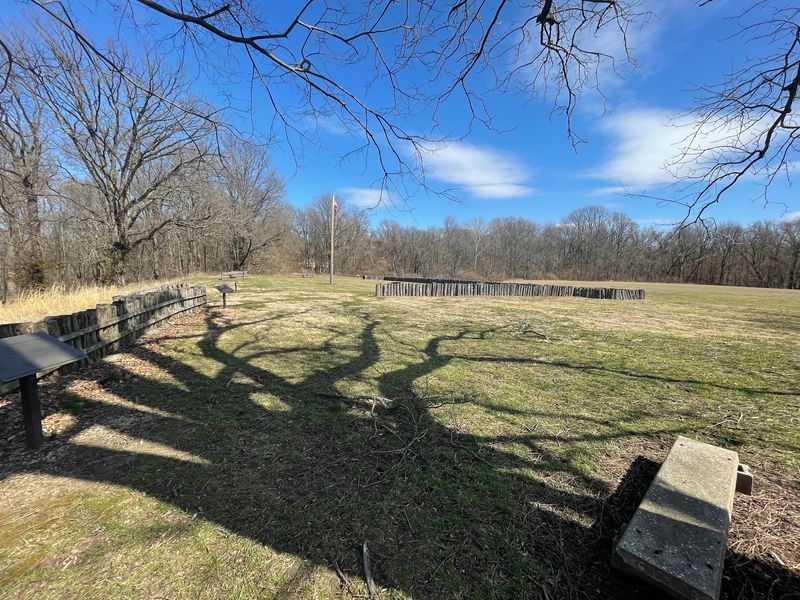
Soldiers picked this bank for strategy, but modern guests get to enjoy it purely for the scenery. The site sits on a high bank of the Wabash River, and the views are one of its most praised features.
Great views appear again and again in descriptions of the place. Many simply call it beautiful, and some call it a standout in the Wabash Valley.
The river view also helps the history make sense. Once the water comes into sight below, it becomes clear why an army would want to watch over it.
Good weather makes a real difference here. On a clear day, the open grounds and riverbank invite a slower pace, and the site becomes an interesting visit rather than a quick photo stop.
Photographers will find plenty to work with. The mix of open lawn, trees and river creates a simple, uncluttered backdrop.
The view does not come with a crowd, either. The bank tends to stay quiet, which means plenty of room to pause without jostling for a spot.
That calm mood stretches beyond the overlook. It follows guests right onto the nearby trails.
Trails, Mud and a Can of Bug Spray
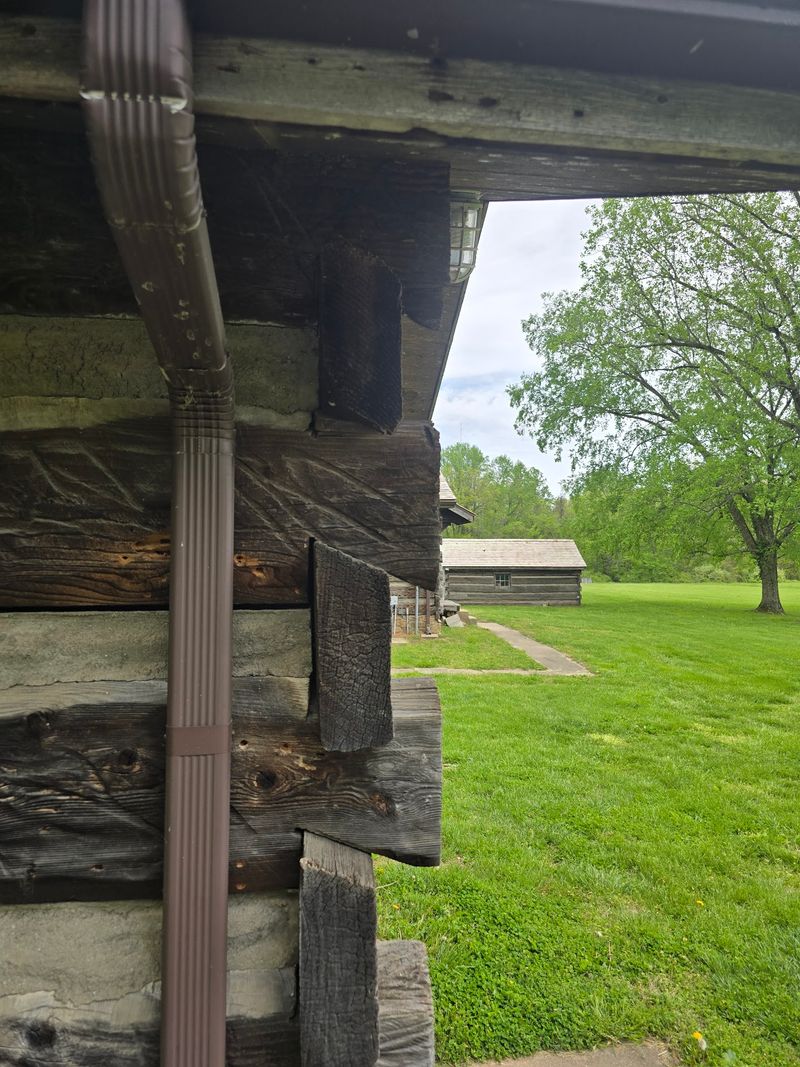
History buffs are not the only ones who make the trip. Hiking is one of the most mentioned activities here, and the trails near the site add a fun outdoor bonus to the history lesson.
The trails rate at about a category 1 or 2 difficulty level. That puts them in easy to moderate territory, suitable for casual walkers and families.
One fair warning comes up, though. After rainfall, the trails can turn quite muddy and somewhat treacherous.
Sturdy shoes are a smart call, and anyone planning to hike after a storm should take it slow. A little caution keeps the outing fun instead of slippery.
Another tip appears loud and clear: bring bug spray. The riverside setting and wooded paths mean insects can be part of the experience, especially in warmer months.
Consider it the frontier’s way of keeping guests humble. A quick spray before heading out solves the problem nicely.
Hiking close by also pairs well with the short history loop. A walk through the placards followed by a trail ramble makes for a well-rounded few hours.
After all that walking, a place to sit down sounds pretty good.
Room to Spread Out a Picnic
Practical comforts can make or break a day trip, and the site handles the basics well. Bathrooms and picnic tables are available on the grounds.
That combination turns a quick history stop into an easy spot for a packed lunch. Families can refuel between the placards and the trails without driving back into town.
The grounds are described as a wide open area. There is plenty of space to spread out, let kids roam a bit and take a break.
Open space also suits groups. A family reunion, a school outing or a few friends on a day trip can all find room without feeling cramped.
Restrooms on site may sound like a small detail. Anyone who has traveled with young children knows it is anything but small.
It is a good idea to pack everything needed for the day. The site is focused on history and the outdoors, so do not count on a snack bar.
A blanket, some water and that trusty bug spray should cover most needs. The rest is just sitting back and enjoying the river setting.
On certain dates, though, the grounds trade picnics for something a lot more festive.
Holiday Lights, Haunted Trails and Wedding Days
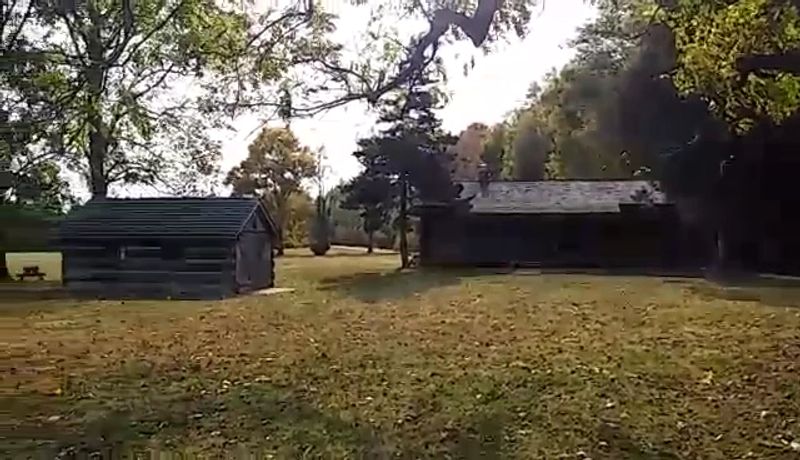
A frontier fort might seem like an unlikely party venue. Yet the grounds host some seasonal events that give locals a reason to return year after year.
Around the holidays, the site has hosted a lights display. Past guests have enjoyed the lights and even met Santa, the Grinch and Krampus, which is quite the lineup for a historic landmark.
Fall brings a different mood. Halloween haunted trails have drawn crowds looking for a spooky twist on the usual walk.
The site has also served as a backdrop for weddings. A riverbank with this much history makes for a memorable place to say vows.
Event schedules can change from year to year. Checking the Indiana State Museum website before planning around a specific celebration is the wise move.
These events show another side of the property. It is not only a place to read about the past but also a place where the community gathers in the present.
For repeat guests, that variety keeps things fresh. The same placards might stay put, but the experience can feel brand new depending on the season.
So who tends to get the most out of a trip here?
Young Explorers and Quiet Seekers
Few places manage to please both energetic kids and people seeking calm. This riverbank pulls it off surprisingly well.
Children often get excited learning the history here. The short walk, open space and clear signs keep young attention spans engaged instead of overloaded.
At the other end of the spectrum, quiet is one of the most common words used to describe the site. Many speak of a lasting sense of peace on the grounds.
That calm makes it a fine choice for solo travelers, couples or anyone needing a break from busy schedules. Some first found it while looking for a peaceful outing during a stretch of isolation, and it delivered.
History lovers, naturally, are right at home. The site is called an important part of Indiana history, and the great history lessons on offer back that up.
Hikers get their share too, thanks to the nearby trails. Even a casual walker can mix a little exercise with a little education.
Those wanting a full day of museum exhibits might pair this stop with other Vincennes sites. On its own, it shines best as a relaxed, focused outing.
Timing, however, matters more than most people expect.
Hours, Gates and Smart Planning
Nothing deflates a road trip faster than a closed gate. That has happened here, with one disappointed group finding all the gates shut on a sunny fall day.
The fix is simple: know the schedule. The site is open Wednesday through Sunday from 10 a.m. to 5 p.m.
It is closed on Monday and Tuesday. Arriving early in the day leaves enough time for the placards, the river view and maybe a short hike.
Hours can shift for holidays or special events. The Indiana State Museum website is the best place to confirm details and book a guided tour.
Getting there is straightforward. The site sits on Fort Knox Drive, just north of downtown Vincennes in southwest Indiana.
Weather deserves a spot in the plan as well. Good weather makes for the best visit, and dry days keep the trails from turning muddy.
A quick checklist helps:
Comfortable shoes, bug spray, water, a picnic lunch and a confirmed opening day. With those covered, the outing should run smoothly.
A small side note: the American flag on site has been mentioned as needing replacement in the past, a reminder that conditions on the grounds can change over time.
A Riverbank That Rewards the Detour
Not every historic site needs grand buildings to leave an impression. This one gets by on a strong story, a commanding view and a calm that sticks around long after the car pulls away.
With a 4.7-star standing from dozens of guests, the site clearly wins people over. Words like beautiful, peaceful and meaningful come up again and again.
It works as a quick stop, yet it rarely feels rushed. The history loop is compact, the trails offer extra time outdoors and the river view encourages a pause.
The connection to William Henry Harrison and the events of 1811 gives the land real weight. The open setting gives that history room to breathe.
Seasonal lights, haunted trails and even weddings prove the place is still part of community life. It is a landmark that keeps finding new ways to be useful.
Go on a dry day, pack the bug spray and book a guide if possible. Check the gates and hours first, and the rest tends to fall into place.
The fort may be long gone, but its riverbank still has plenty to say. All it asks in return is a little time and a willingness to read between the placards.
Enjoyed this story?
Add Fast Food Club as a preferred source to see more of our reporting on Google.