


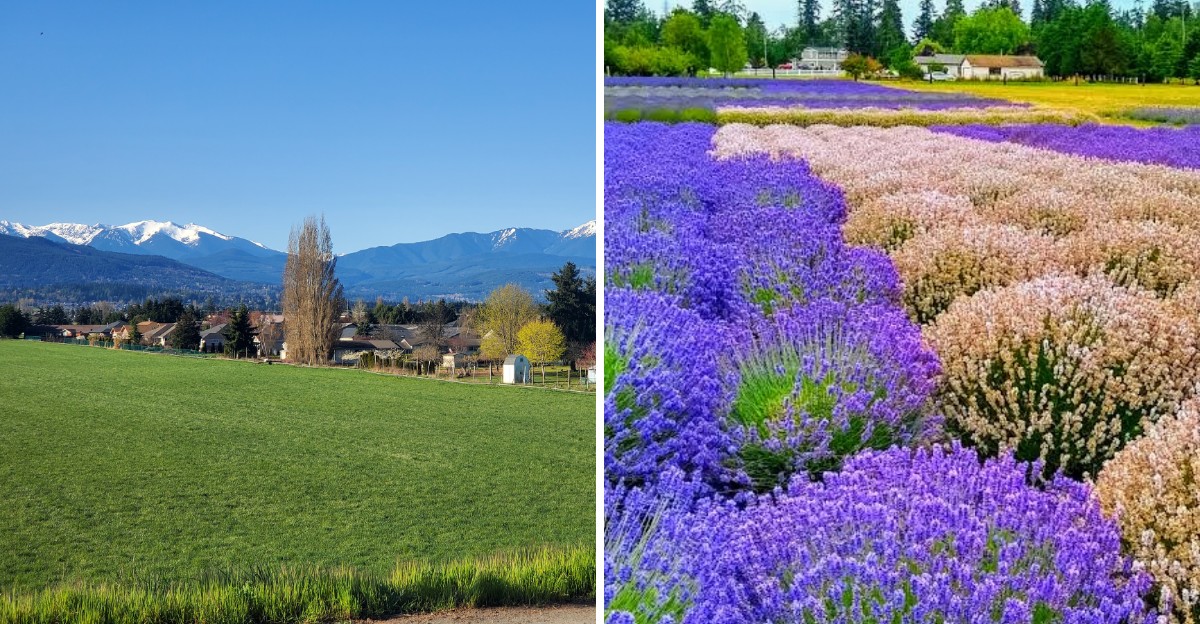
Most people think of Washington as a place where umbrellas never get a day off, but one small city on the Olympic Peninsula keeps breaking that rule year after year. It sits in a mountain rain shadow, gets far less rain than Seattle, and has lavender farms, a long sandy spit, and a paved trail that runs right through town.
Over time, more and more retirees have been packing up and settling here, often because homes can cost less than in the busy Puget Sound cities. Keep reading to learn where this sunny spot is, what makes daily life here so appealing, and what to know before making the trip.
A Small City Between River and Bay
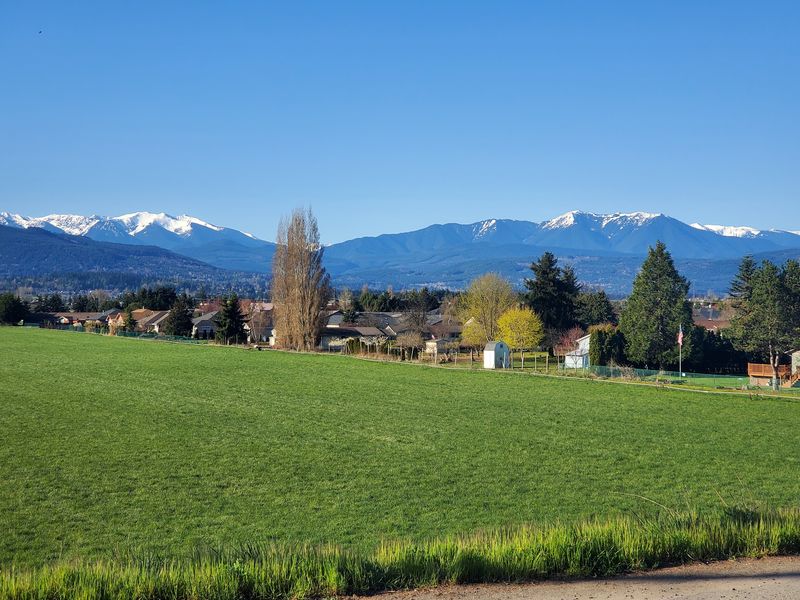
Tucked into the top edge of the Olympic Peninsula is a city that plenty of Washington locals still mispronounce. The name is Sequim, and it is said simply as Skwim.
Its official location is Sequim, Washington, USA, in Clallam County. The city sits on the north side of the peninsula, between the Dungeness River on one side and Sequim Bay on the other.
To the north stretches the Strait of Juan de Fuca, the wide channel that separates this corner of the state from Canada. To the south rise the Olympic Mountains, which do much more than look good on a postcard.
That setting explains a lot about why the town has become such a talking point among people planning their next chapter. Water on one side and peaks on the other give Sequim a compact, easy-to-grasp layout.
The city is small enough that errands rarely feel like a road trip. At the same time, it is close to beaches, wildlife areas, and national park land, so weekends never run short of ideas.
Sequim also sits on the eastern stretch of the North Olympic Peninsula, with the larger city of Port Angeles to its west. That position matters when it comes to the weather, which is the first thing most newcomers ask about.
And the answer to that weather question is where the real story of this town begins.
The Rain Shadow Advantage
Washington has a rainy reputation, and Sequim seems to have missed the memo. The town sits in what is called a rain shadow, created by the Olympic Mountains just to the south.
Here is how it works in plain terms. Storms rolling in from the Pacific Ocean hit the western side of the mountains and drop most of their moisture there.
By the time those clouds get over the peaks, much of the rain is already gone. The result is that Sequim receives a small fraction of the rainfall that soaks the western slopes of the same peninsula.
Yearly rainfall in Sequim often lands around 16 inches or so, which is far less than Seattle. The west side of the Olympic Peninsula, home to the famous rain forests, can get well over ten times that amount.
For retirees who love the Pacific Northwest but have grown tired of gray months, that difference is a big deal. More dry days can mean more time for walking, gardening, and getting outdoors without a rain jacket always on standby.
The town is sometimes nicknamed the Sunny Side of the peninsula for good reason. Winters are still cool and cloudy at times, since this is Washington after all.
Still, a forecast that frequently skips the rain has turned many first-time guests into long-term residents.
Roots That Run Deep
Long before anyone was talking about retirement, this land was home to the S’Klallam people. The Jamestown S’Klallam Tribe remains an important part of the Sequim area today, with its community based near Sequim Bay.
The town’s history stretches back much further than most people guess. In 1977, a farmer digging a pond near Sequim uncovered the remains of a mastodon, a large ancient animal related to elephants.
That find, known as the Manis Mastodon site, became famous among scientists. It showed that people were living in this region many thousands of years ago, far earlier than many had believed at the time.
In more recent history, settlers found the dry prairie a tough place to grow crops. The fix was irrigation, with water brought in from the Dungeness River through a network of ditches in the late 1800s.
That effort turned dusty ground into productive farmland. The community still celebrates the achievement with the Sequim Irrigation Festival, which is often described as one of the longest-running community festivals in Washington.
So the next time someone calls Sequim a sleepy retirement town, there is a quick comeback. It has been making history, and making the most of its dry climate, for a very long time.
Purple Rows and a Summer Celebration
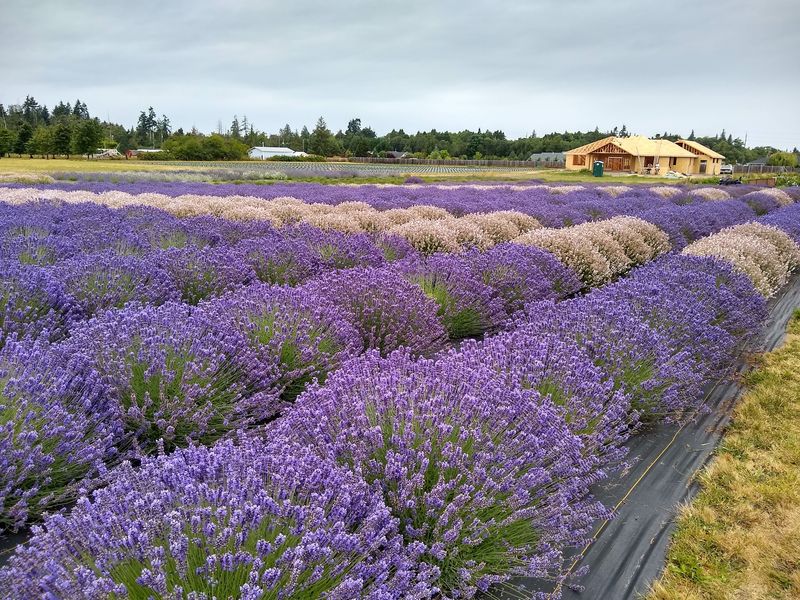
Some towns are known for a sports team or a famous landmark. Sequim is known for a plant.
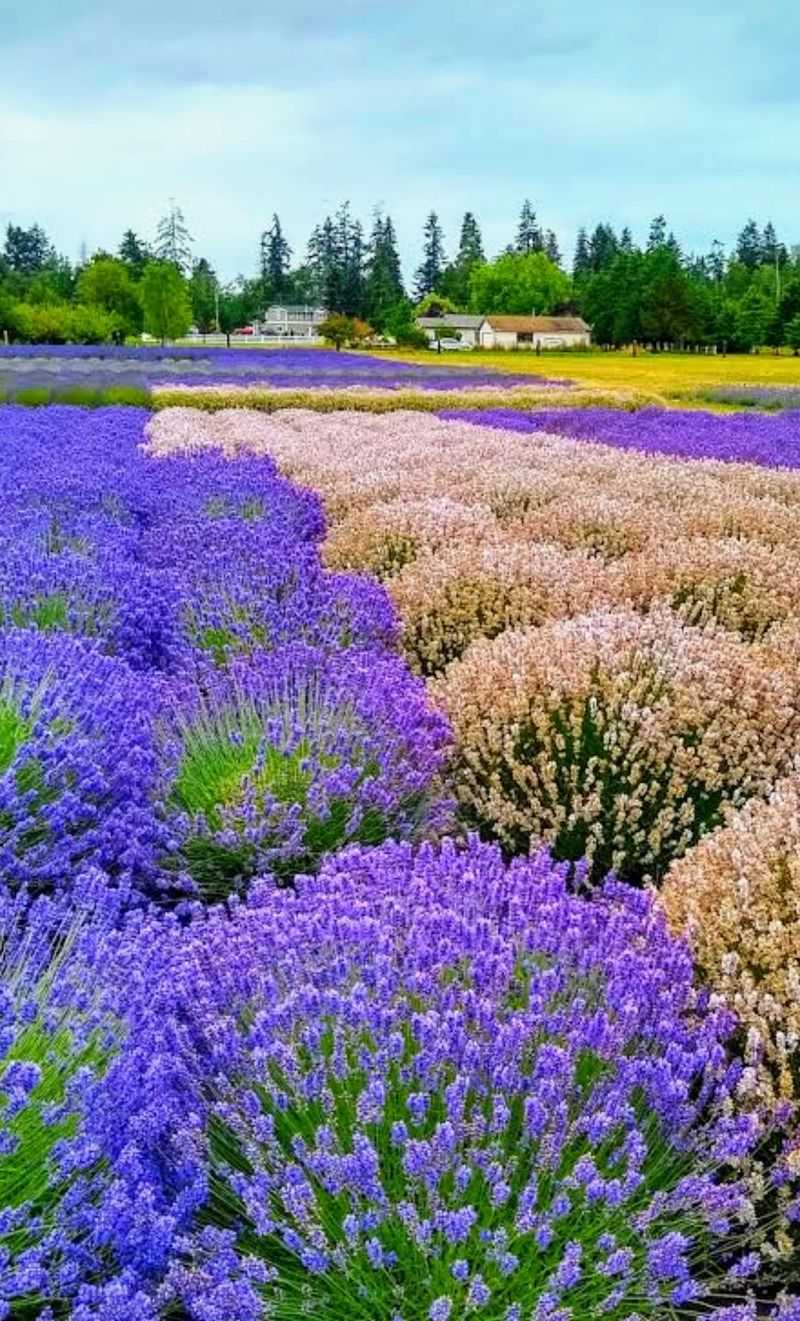
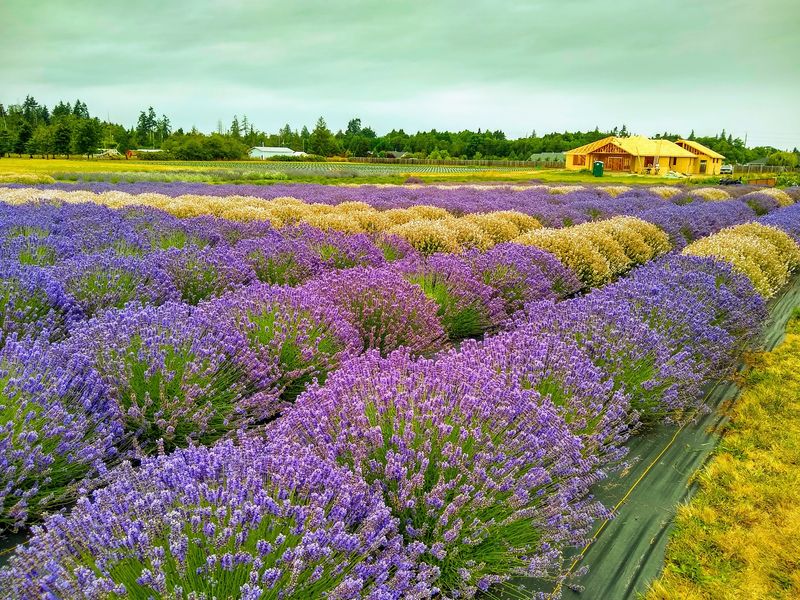
Lavender grows well in the dry, sunny conditions of the Dungeness Valley, and the town has embraced it in a big way. Sequim often calls itself the Lavender Capital of North America.
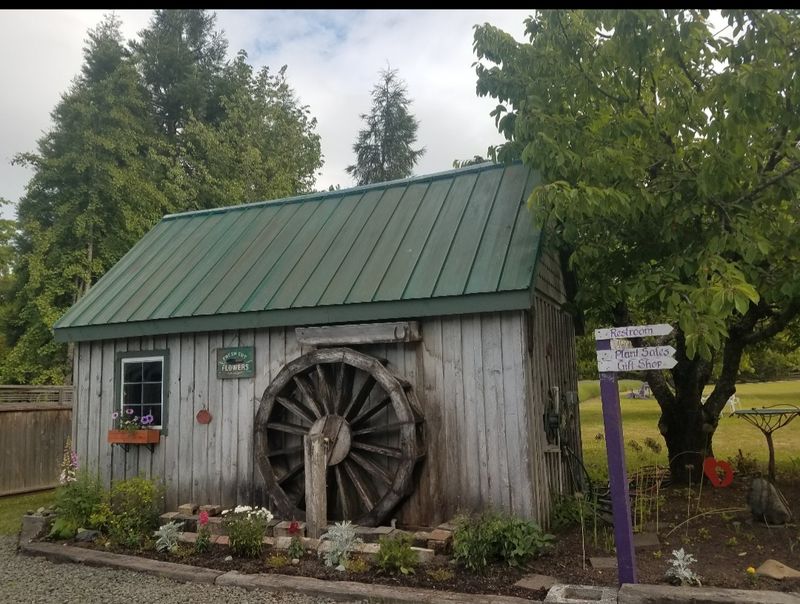
Many local farms grow the purple crop, and a number of them welcome guests during the growing season. People come to walk the rows, take photos, and shop for lavender products made on site.
Each July, the town hosts its lavender weekend, a festival that draws people from across the region and beyond. Farm tours, a street fair, and plenty of local vendors fill the calendar during that stretch.
For retirees, lavender season offers a nice mix of activity and community. It is an easy way to meet neighbors, support local growers, and spend summer days outside.
Farm schedules can change from year to year, and not every field is open every day. Checking ahead with individual farms or local event listings before heading out is a smart move.
Anyone who plans a first trip for July may find the town at its busiest and most colorful. Just expect a lot of company, since lavender fans tend to arrive in bunches.
Five Miles of Sand Toward a Lighthouse
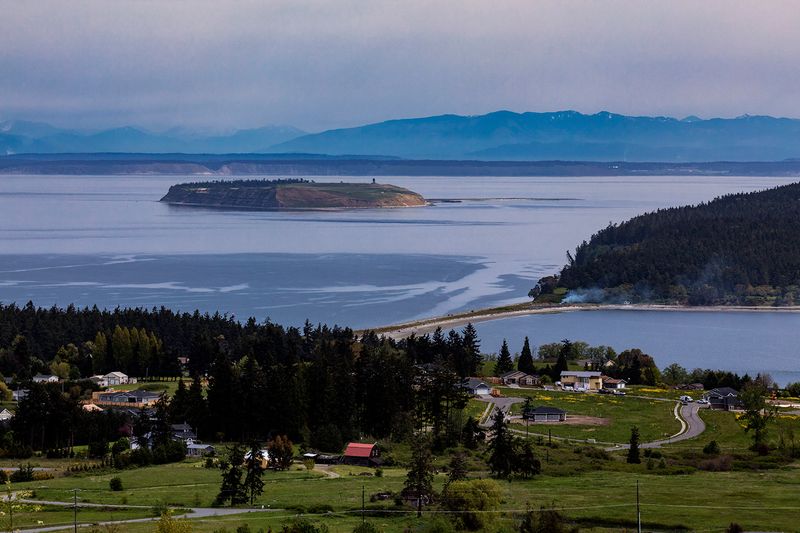
Few towns can claim a walking path that ends at a working lighthouse five miles out to sea. Just outside Sequim, the Dungeness Spit makes that possible.
The spit is a long, thin arm of sand reaching into the Strait of Juan de Fuca. It is often called one of the longest natural sand spits in the United States, stretching roughly five and a half miles.
At the far end stands the New Dungeness Lighthouse, which has guided ships in these waters since the 1850s. Reaching it on foot is a real outing, since the round trip is about eleven miles over sand and gravel.
The spit is part of the Dungeness National Wildlife Refuge, established in 1915. The refuge protects habitat for many kinds of shorebirds, waterfowl, and marine life.
Because it is a protected area, certain rules apply. Some parts of the spit are closed to the public, and there is a small entrance fee, so checking current rules before a visit is wise.
Tide levels also matter, since high water can make walking harder in spots. Those who do not want the full trek can enjoy shorter walks and still take in the long views of the strait.
For a morning with a big payoff, this sandy trail is hard to top.
A Paved Path Built for Easy Miles
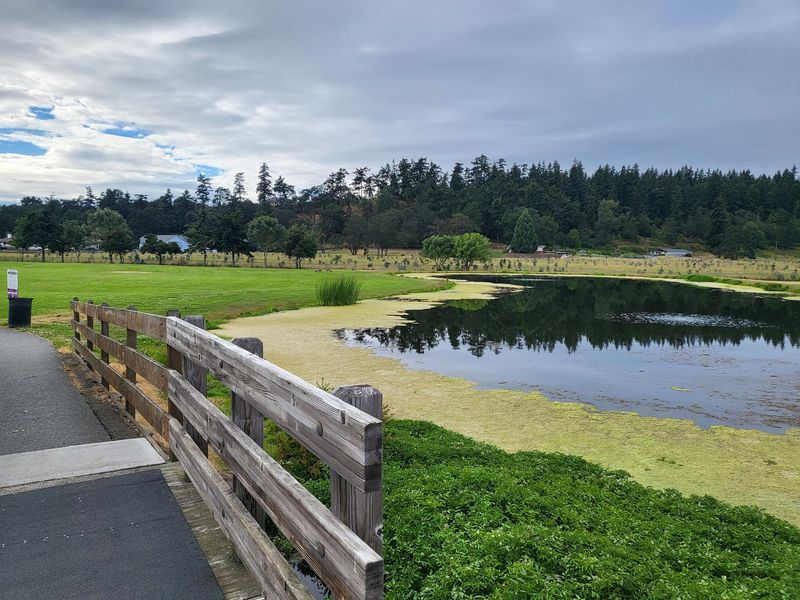
Plenty of retirees want to stay active without needing mountain goat skills. Sequim answers that wish with the Olympic Discovery Trail.
The trail is a long multi-use route across the North Olympic Peninsula, and a well-used section passes right through the Sequim area. Much of it is paved and fairly level, which makes it friendly for walkers, cyclists, and people using mobility aids.
One highlight is Railroad Bridge Park on the Dungeness River. The park is named for an old railroad bridge that now carries trail users across the river instead of trains.
The bridge is a popular spot to pause and look at the river below. The park area also has shaded paths along the water that suit a shorter, slower outing.
For daily exercise, the trail is a real asset. Residents can head out for a quick loop in the morning or plan a longer bike ride toward neighboring towns.
It also offers an easy way to explore without a car. Several parts of town and nearby open spaces are reachable by trail, which helps new arrivals get their bearings.
Retirement plans often include the goal of moving more. Here, the path to that goal is already paved, quite literally.
Calm Water on Sequim Bay
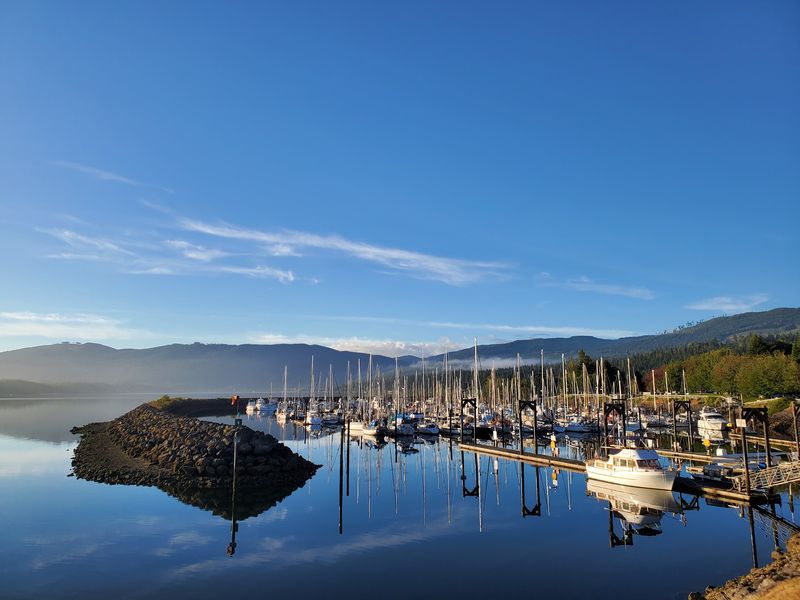
A famous Hollywood cowboy left his mark on this quiet stretch of shoreline. John Wayne Marina, on Sequim Bay, is named after the movie star, who was a fan of the area and donated land for the project.
The marina opened in the 1980s and remains a popular spot for boaters. Even people without a boat like to stroll the docks and enjoy the bay views.
Sequim Bay itself is a sheltered inlet, protected from much of the rougher water of the strait. That calmer setting makes it appealing for kayaking and paddling on good days.
Sequim Bay State Park, also along the water, gives another option for time outside. The park offers shoreline access, trails, and space for picnics and camping.
For retirees, the bay adds a different kind of recreation to the mix. A person can spend one day on the trail, another on the spit, and another near the water at the marina.
Wildlife is also part of the scene here, with birds often seen along the shore. It is the kind of place where a short visit can easily stretch into a full afternoon.
No saddle required, even with the cowboy connection.
Mountains Within Easy Reach
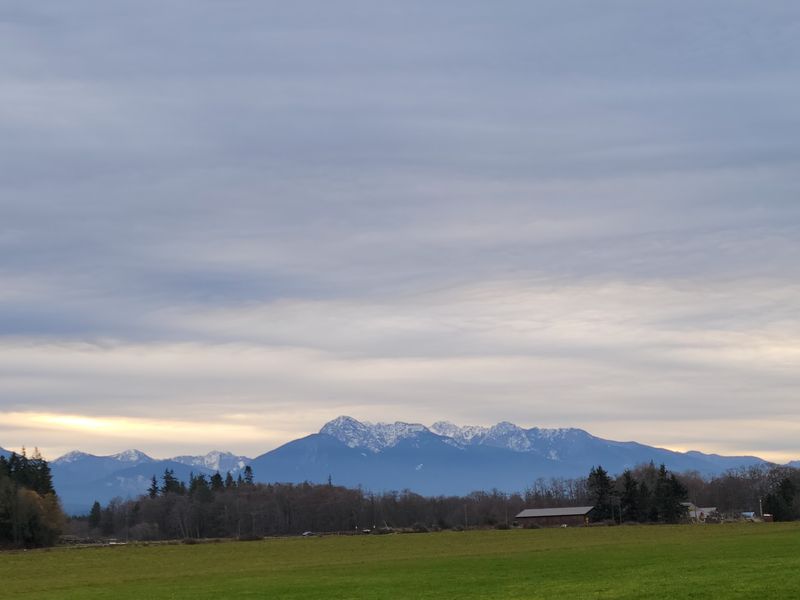
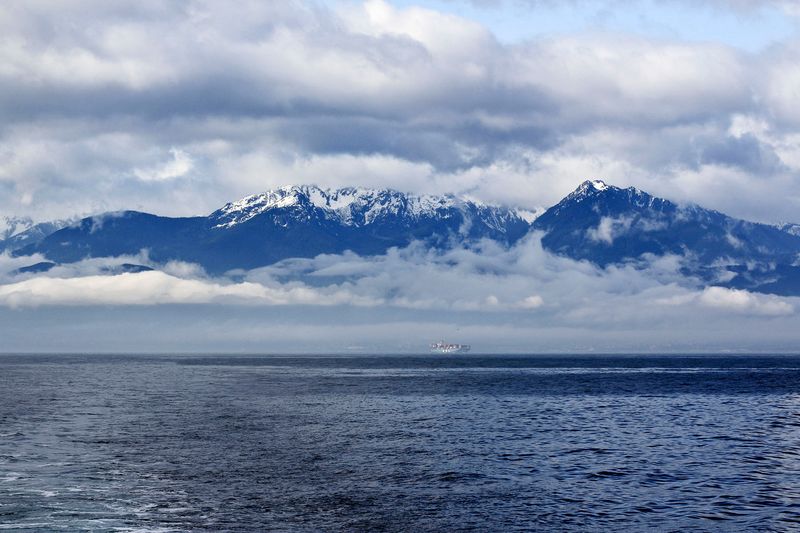
Those same peaks that block the rain also offer a whole other world to explore. The Olympic Mountains rise just south of Sequim, and much of that range is protected within Olympic National Park.
Olympic National Park is known for its huge variety of landscapes. Mountains, rain forests, and wild coastline all fall within its borders.
From Sequim, many people head west to Port Angeles, which serves as a gateway to parts of the park. Hurricane Ridge, a well-known viewpoint area, is reached by a road that climbs into the mountains from there.
Road conditions and access to higher areas can change with the seasons, especially in winter. Checking with the National Park Service before a trip is always a good idea.
Closer to home, the mountains simply form the backdrop to daily life in Sequim. On clear days they are visible from many parts of town, from farm fields to shopping areas.
For retirees, that access is a big plus. A retirement spent near a national park means there is always another trail, viewpoint, or scenic drive waiting.
It also means house guests tend to visit more often, which can be a blessing or a scheduling puzzle, depending on the family.
Why Retirees Keep Showing Up
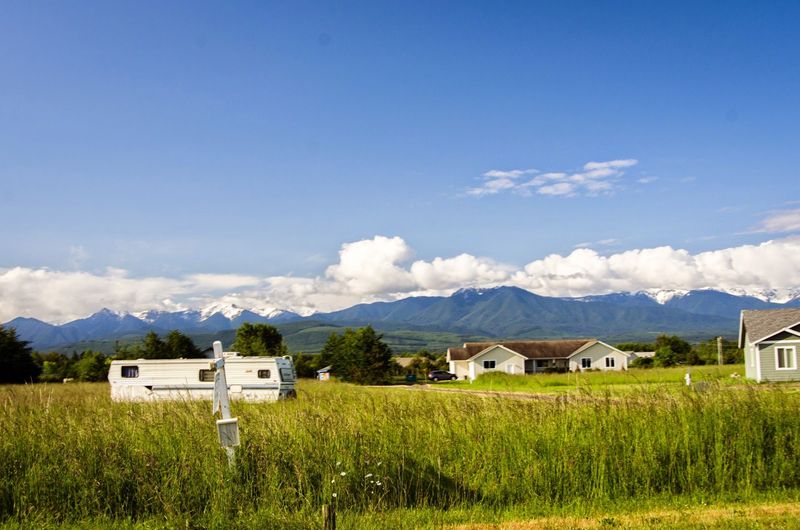
Talk to people in the Seattle area about retiring, and housing costs usually come up fast. That is one reason Sequim keeps landing on the short list.
Home prices in Sequim have risen over the years, like in much of Washington. Even so, they often remain lower than in the crowded Puget Sound metro areas.
For someone selling a house near Seattle, that difference can stretch a retirement budget further. Some buyers use the gap to downsize with less stress or to keep more savings on hand.
Washington also has no state income tax, which many retirees consider when planning where to live. Other costs, such as sales tax and property tax, still apply, so it pays to look at the full picture.
Sequim has long been known as a popular retirement destination. The town has a large share of older residents, which means many local groups, clubs, and events already cater to that stage of life.
The mix of sunnier weather, outdoor access, and a smaller-town pace is a strong draw. Add in homes that can cost less than in the big cities, and the appeal becomes clear.
Housing markets shift, so anyone serious about moving should research current listings. Talking with a local real estate professional can help set realistic expectations.
Everyday Life at a Slower Pace
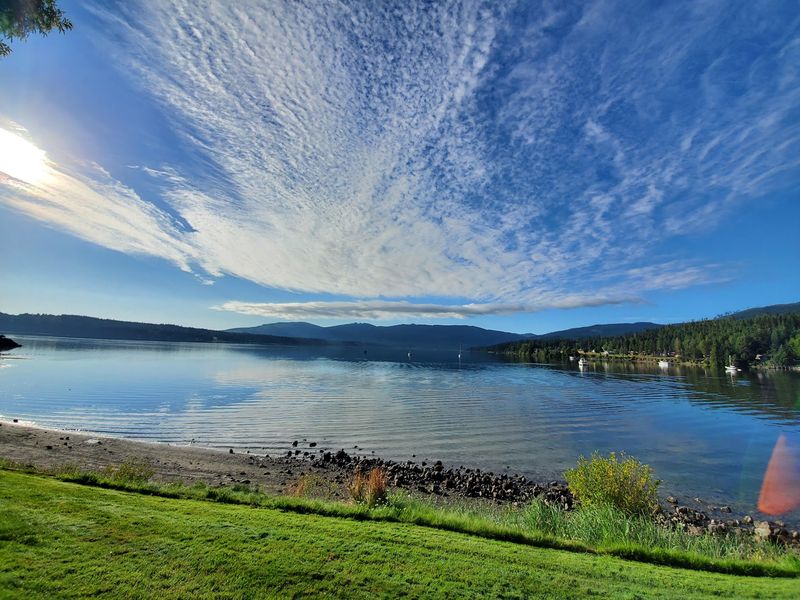
Busy freeways and long commutes are not part of the daily routine here. Sequim runs at a calmer pace than the big cities across Puget Sound.
The downtown area is compact, with local shops and small businesses along its main streets. Errands tend to be simple, and running into familiar faces is part of the experience.
Community events fill the calendar through much of the year. The lavender weekend and the long-running Irrigation Festival are two of the biggest, but smaller gatherings happen too.
This setting suits people who value quiet evenings and outdoor mornings. It works well for walkers, birders, gardeners, cyclists, and anyone who likes to spend time near water.
It may be less ideal for those who want big-city nightlife or major league games down the street. Larger urban amenities generally require a drive and a ferry ride.
Families visiting grandparents also tend to find plenty to do, from beach walks to farm visits. The mix of outdoor spaces keeps younger guests busy without a lot of planning.
For many newcomers, the biggest adjustment is simply slowing down. After a few weeks, that change often stops feeling like an adjustment and starts feeling like the whole point.
Ferries, Highways, and Handy Planning Notes
Getting to Sequim is part of the adventure, since the Olympic Peninsula is separated from Seattle by water. Most people arrive by car, often combining a drive with a ferry crossing.
From the Seattle side, Washington State Ferries run routes across Puget Sound to places such as Bainbridge Island and Kingston. From there, drivers continue across the Kitsap Peninsula and onto U.S.
Highway 101 toward Sequim.
Travel time depends on ferry schedules, traffic, and the season. Summer weekends, especially during lavender season, can bring longer waits at ferry terminals.
Driving around the south end of Puget Sound is another option for those who prefer to skip the ferry. It usually adds miles but avoids ferry lines.
Once in town, Highway 101 is the main route through the area. Port Angeles sits to the west, and many nearby attractions are a short drive away.
Hours and fees for places like the wildlife refuge, parks, and farms can change. The City of Sequim website, at ci.sequim.wa.us, is a helpful starting point for local information.
A little planning goes a long way here. With ferry times checked and a loose itinerary in hand, the trip tends to go smoothly.
The Sunny Side, Summed Up
Every town has a selling point, and Sequim happens to have several lined up in a row. The rain shadow gives it drier days than much of western Washington.
The land offers lavender farms, a long sandy spit with a historic lighthouse, and a paved trail that makes daily exercise easy. Sequim Bay and the nearby Olympic Mountains round out a setting with plenty of room to roam.
For retirees, the numbers can also work in its favor. Homes often cost less than in the Seattle area, and the town already has a strong community of people in the same stage of life.
It is not a perfect fit for everyone. Those who crave big-city energy may find it too quiet, and ferry schedules can take some getting used to.
But for people who want sunshine by Northwest standards, outdoor options close to home, and a calmer pace, Sequim deserves a serious look. A visit during lavender season or a quiet week in spring can help answer the big question.
Many who come for a weekend end up returning with a moving truck. Just remember to say the name right, since locals will notice when someone calls it anything other than Skwim.
Enjoyed this story?
Add Fast Food Club as a preferred source to see more of our reporting on Google.