


Some Sunday outings take an hour. This one can swallow the whole day, and the people who love it will tell you that is the point.
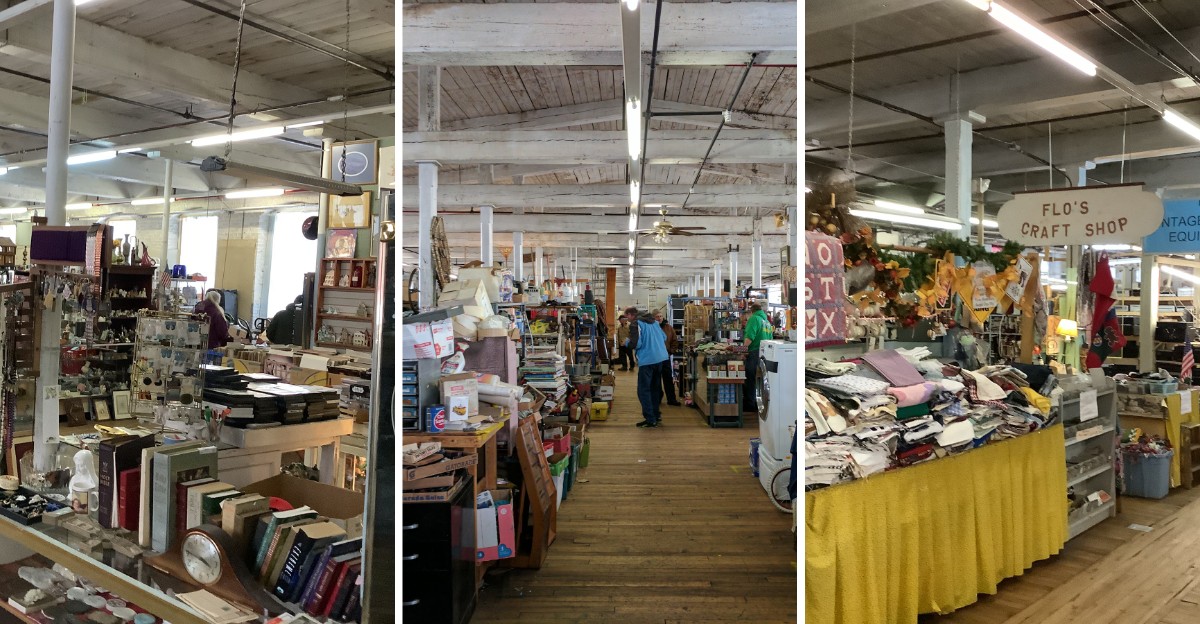
In a small eastern Connecticut town, an old mill building holds two floors of vendors, with even more tables set up outside when the season allows. Shoppers come for tools, vintage audio gear, video games, old signs, books, and repair parts that might save a household project someday.
The deals are real, the aisles are long, and the rules are simple: bring cash, arrive early, and wear comfortable shoes. Keep reading to learn when it opens, what to expect inside, which quirks to plan around, and why so many bargain hunters say you should never rush a visit here.
An Old Mill Address in Jewett City
Every great treasure hunt needs a map, and this one starts at College Mart Flea Market, 2 Wedgewood Dr, Jewett City, CT 06351, in the United States.
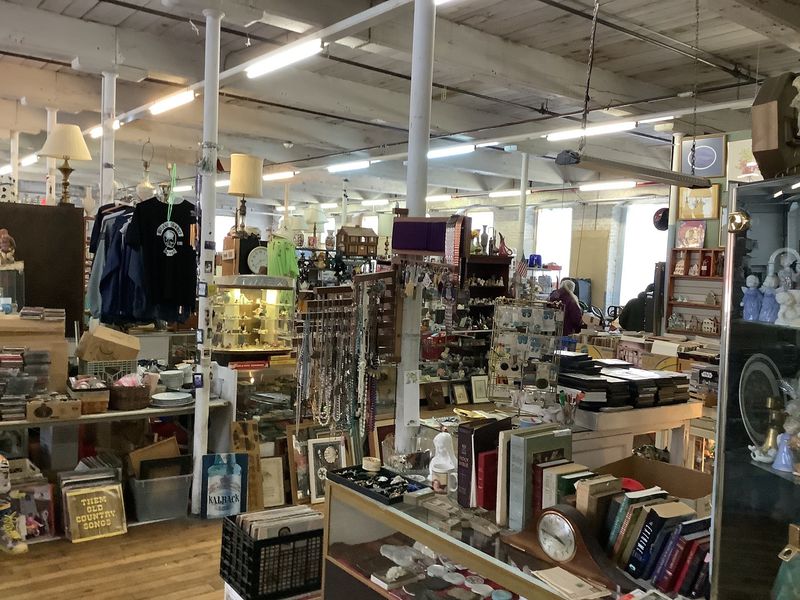
The market sits in eastern Connecticut, inside a big former factory building that many shoppers describe as an old mill. It is a flea market in the classic sense, with dozens of independent sellers under one roof.
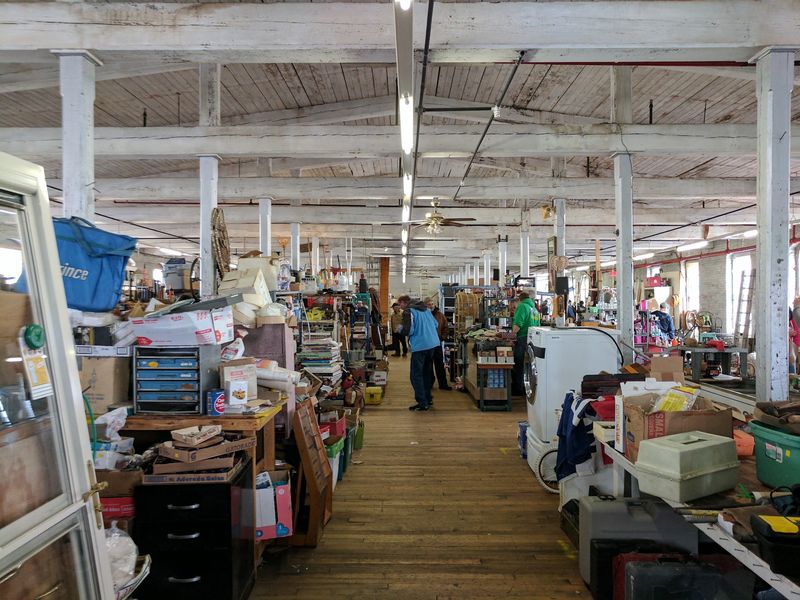
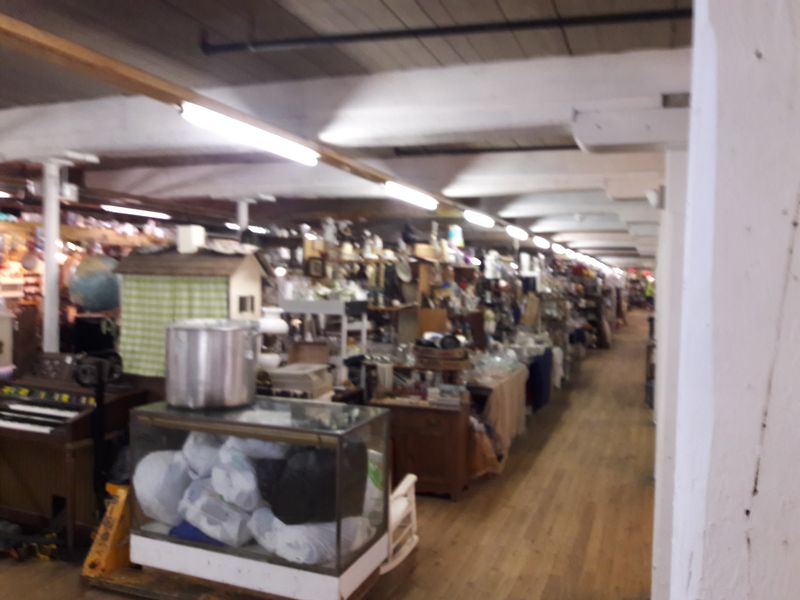
What surprises first-timers is the scale. The building is large enough that people regularly say it is bigger than they expected, and that is before counting the outdoor tables.
The market runs on a single day each week, which gives Sunday here a special feel. Regulars plan around it, and some drive an hour or more to make the trip.
With a 4.2-star average across nearly 300 opinions online, the place has earned a steady following. Not every corner is polished, but plenty of shoppers keep coming back month after month.
Think of the address as the starting line. The real adventure waits up the stairs and around every corner.
A Market With Deep Roots
Long before anyone haggled over a toolbox here, the building served as a working factory. That industrial past still shapes the whole experience.
The flea market itself has been operating for many years. Shoppers who have been coming for a decade or more speak about it as a fixture of their weekends.
Some booth holders even see themselves as caretakers of local history. One vendor who shares a booth with family members has noted a strong interest in the building as a piece of Eastern Connecticut heritage.
There is honest talk, too, that the historic structure has plenty of room for improvement. It is an old factory, and it looks like one in places.
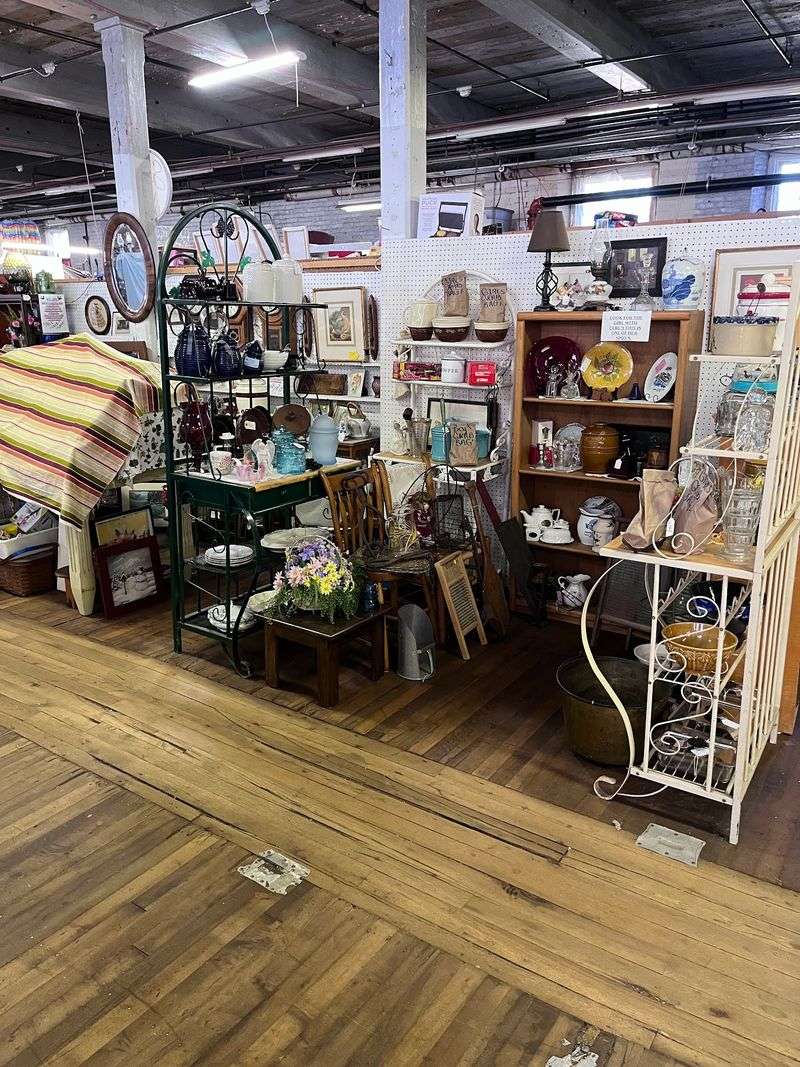
That mix is part of the charm. The walls, windows, and floors are not a theme park version of the past, they are the real thing.
For shoppers who enjoy a little backstory with their bargains, the setting adds a layer that a modern strip mall simply cannot match.
Two Floors and Then Some
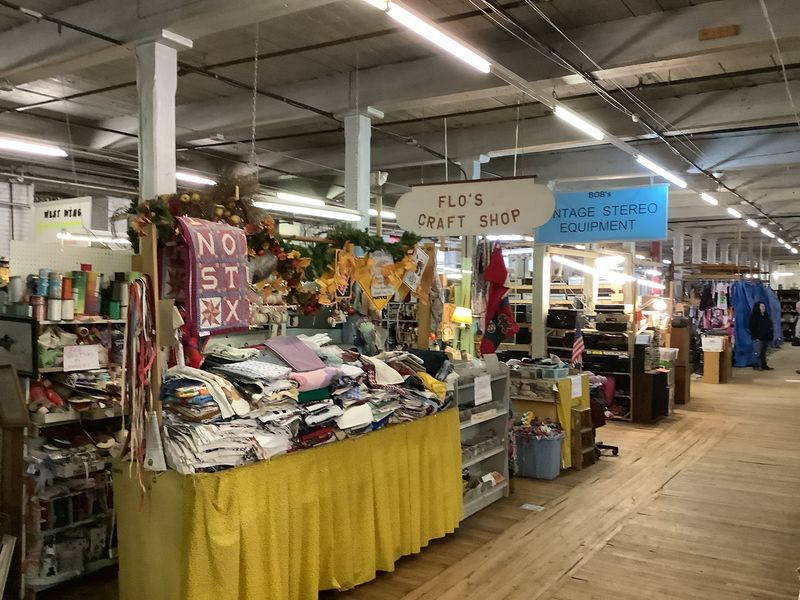
Here is the math that catches people off guard: two full indoor floors of vendors, plus an outdoor section. That adds up to a lot of walking.
Shoppers describe the place as massive and huge, and the word large building comes up again and again. It is easy to get a little lost among all the booths.
The upper floor holds its own set of dealers, including one well-known seller on the north end. The ground level offers even more, and a few spots tucked in the back reward those who explore fully.
Because the layout sprawls, a quick lap rarely works. Many people advise giving yourself plenty of time, since looking at everything takes a while.
Some families simply plan on spending the whole day. They treat it less like an errand and more like an outing.
A smart approach is to pick a floor, work through it slowly, and then move on. Rushing only means missing the booth that had exactly what you wanted.
Tool Tables Worth the Trip
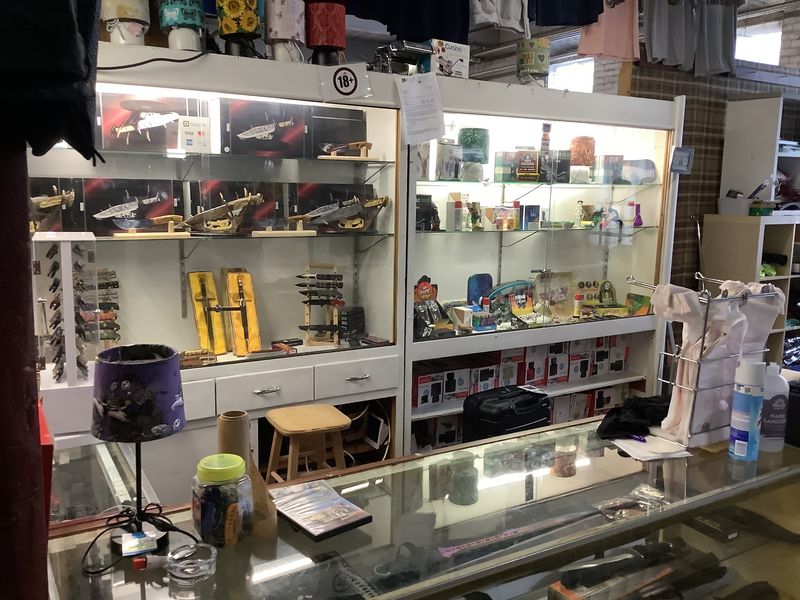
Ask regulars what stands out, and tools top the list. It is the most talked-about category at the market by a wide margin.
Hand tools, hardware, and workshop odds and ends turn up across many booths. For DIY fans, it can feel like a supply store with a sense of humor.
There is also a dealer known for piles of house parts and repair pieces. If you need an inexpensive replacement item, his stash might get you out of trouble someday.
That practical side sets the market apart. Not everything here is decorative, and plenty of shoppers leave with things they will actually put to work.
Prices vary by vendor, so it pays to compare before buying. The same kind of item might be a steal at one table and more expensive a few aisles over.
Bring a list, measurements, and maybe the broken part itself. A matching piece may be waiting in a cardboard box nearby.
Vintage Audio on the North End
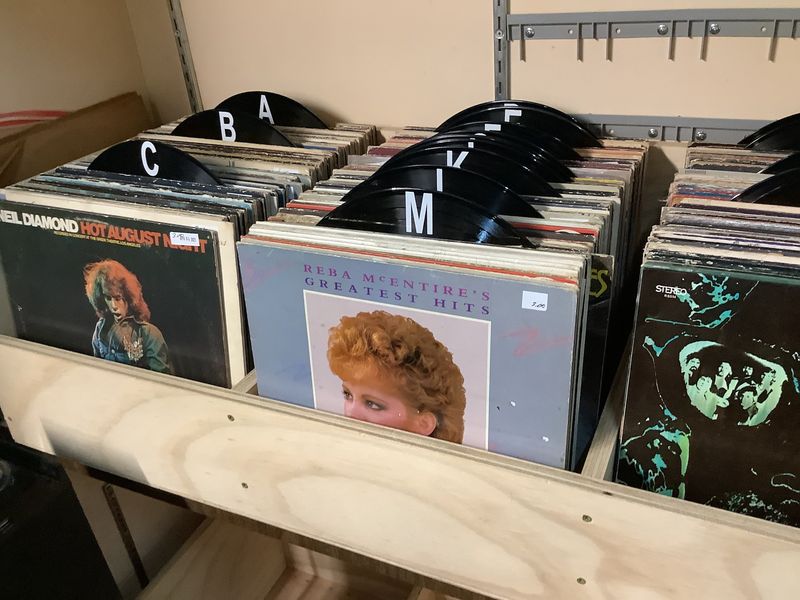
Head to the top floor, keep walking north, and you may find stacks of vintage audio gear waiting for a new home.
A vendor named Art runs this corner, and his booth has a loyal following. Some shoppers stop in monthly just to browse his equipment and the random collectibles he gathers.
Receivers, speakers, and other older electronics fill the space. For anyone rebuilding a home stereo setup, it is a stop worth making.
The booth also shows what makes this market fun. Individual sellers bring their own passions, and those interests shape the whole floor.
Plan to spend real time here if audio is your thing. Digging through stacks is half the enjoyment, and patience often pays off.
Even casual browsers may leave curious about gear their parents once owned. That kind of discovery is exactly why people climb the stairs.
Signs, Books, and Odd Collectibles
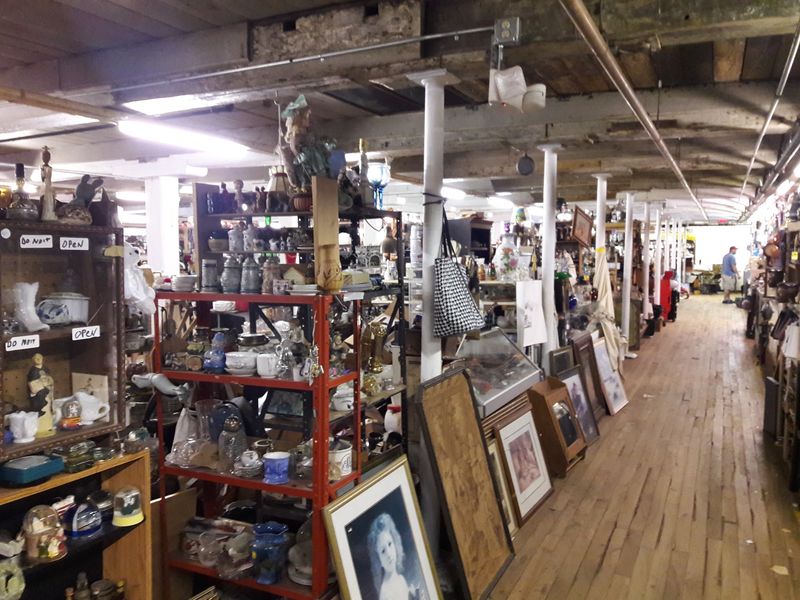
Collectors, take note. Some of the most interesting booths are the ones with the most unusual inventory.
One well-liked dealer sells old signs, railroad items, and airplane parts. He is known for actually staying at his booth and being pleasant to chat with.
Toward the back of the building, another seller offers books and old medical posters. It is a spot that rewards anyone willing to wander to the far end.
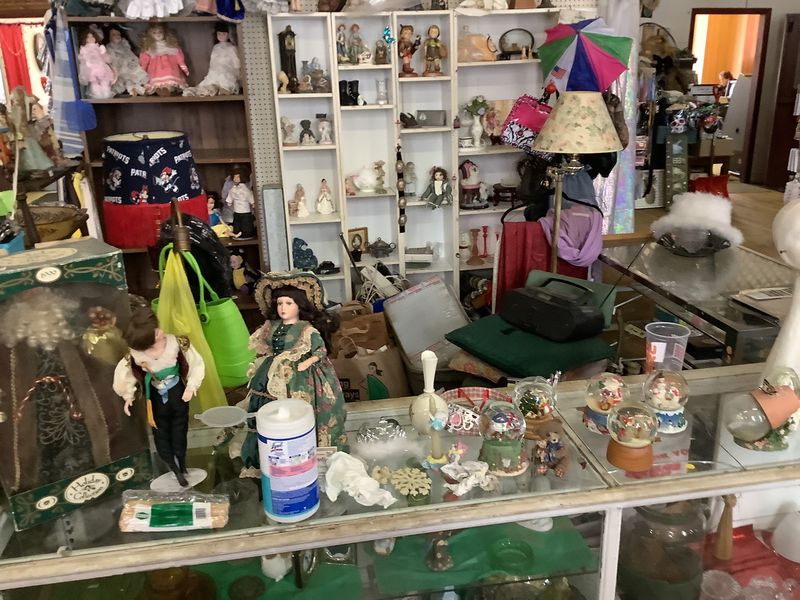
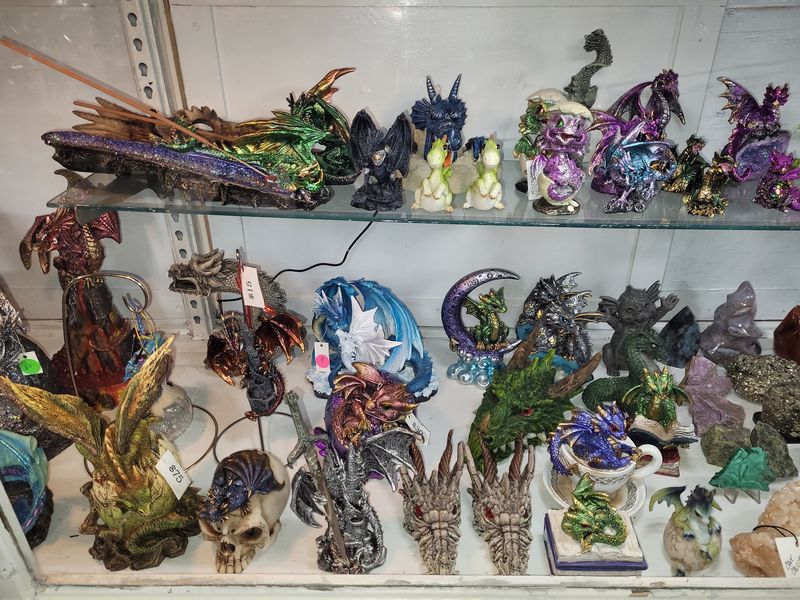
Across the floors, finds range from true collectibles to vintage pieces to convincing fakes. There is also some plain junk that somebody out there might love.
A careful eye helps. A few items can look questionable, so the simple rule is to skip what does not feel right.
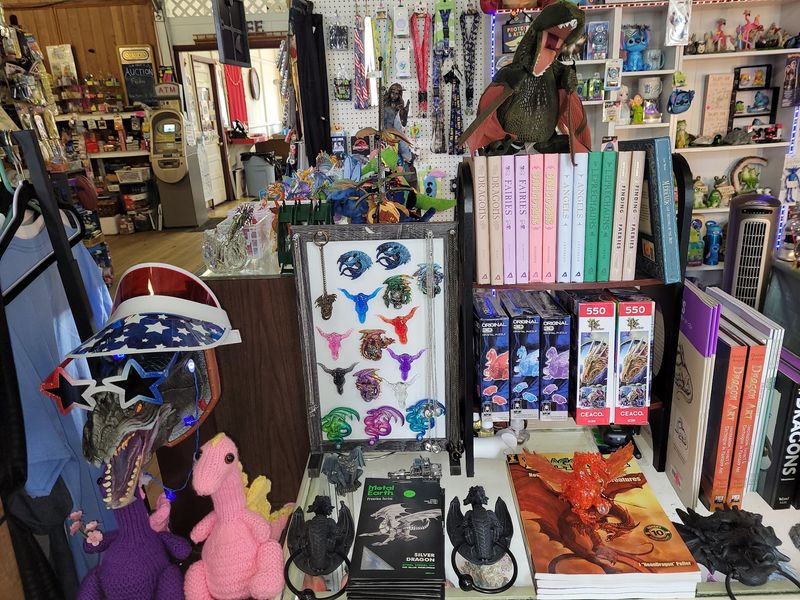
Video games, household goods, and mostly used items round out the mix. There really is something for nearly every kind of shopper.
The Outdoor Section
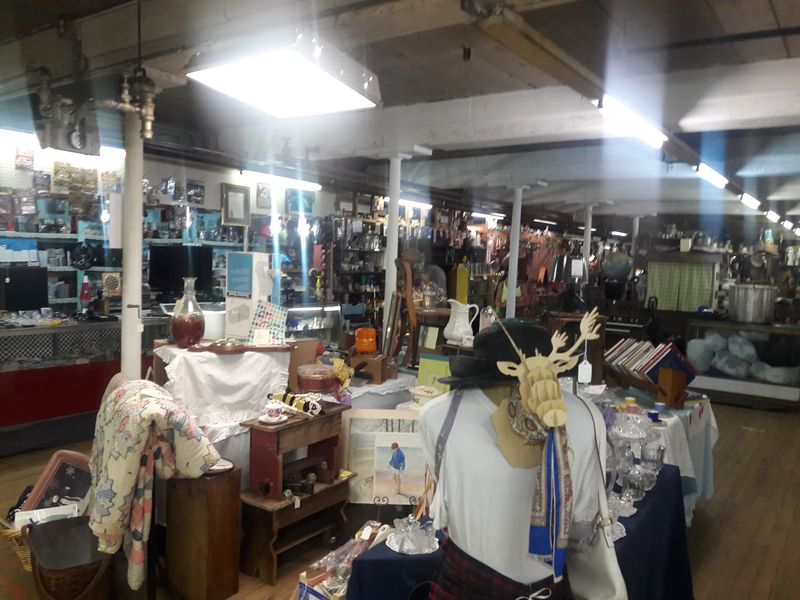
When the weather cooperates, the market spills outside. That outdoor section adds another layer to an already big day.
Summer tends to bring the most outdoor sellers. Still, it is not only a warm-weather thing, since vendors have been spotted outside even in December and mid-winter.
At times, a couple dozen outdoor sellers have set up in the colder months. The antique and flea mix outside can differ from what is indoors.
Timing matters, though. Outdoor vendors have been known to start packing up around 1 pm, well before the official 4 pm close.
That makes the outdoor tables a good first stop. Browse them early, then head inside once the lot starts thinning out.
Outdoor spots sit in a dirt parking lot, so practical footwear helps. Some sellers do smoke outside, which is worth knowing if you prefer to steer clear.
Vendors With Personality
The sellers here come in all flavors, from absolute pleasures to charmingly grumpy. That range is part of the flea market tradition.
Many vendors are friendly, knowledgeable, and eager to sell. They often know their stock well and enjoy talking about it.
One helpful habit stands out. If you ask for something a vendor does not carry, they will usually point you to another seller who might.
Not every booth is equal, however. Some spaces are neat and organized, while others feel sloppy and cluttered.
A few longtime shoppers note that some sellers step away from their booths or leave hours before closing. Arriving early gives the best chance of finding everyone in place.
Negotiation works occasionally, depending on the seller. A polite offer never hurts, and it can turn a good price into a great one.
A Space That Welcomes Wheelchairs
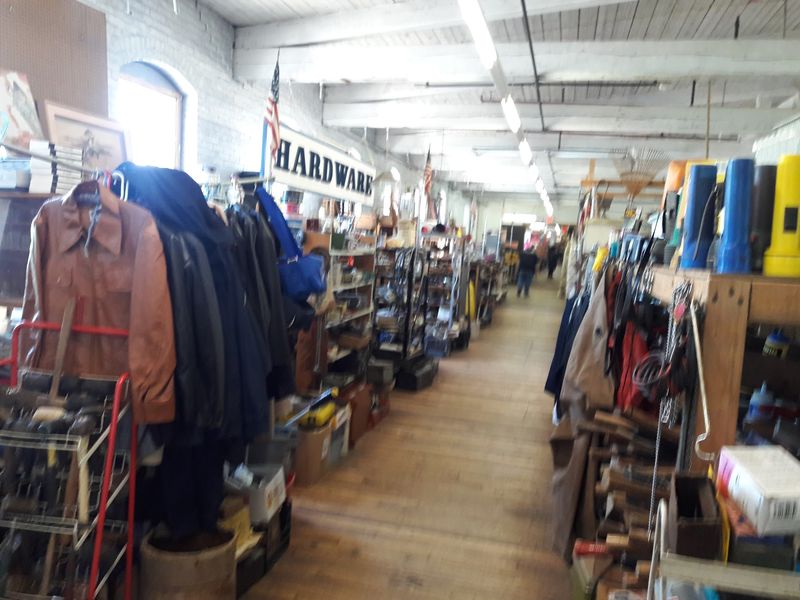
Old factories are not always easy to get around. This one has earned praise for being wheelchair accessible, which is a welcome surprise.
Shoppers using wheelchairs have described the space as interesting and mostly accommodating. Many vendors go out of their way to be helpful.
Multiple entrances make coming and going simpler. That is handy in a building this size.
Experiences can vary by booth, as they do anywhere with independent sellers. Overall, though, disabled thrifters have described a positive day here.
Planning still helps. Aisles can get busy, and some booths are more crowded with merchandise than others.
Going earlier in the day tends to mean more room to move. It also means fresher stock before the afternoon slowdown.
Dressing for the Building
Here is a wardrobe tip regulars swear by: layers. The building has a climate of its own.
There is no air conditioning, so it gets pretty hot inside during summer. Airflow is limited, although windows and doors are opened to help.
Winter flips the story. The heaters are powerful, and the space stays warm and toasty even on cold days.
Because it is an old factory with plenty of older goods, some areas feel musty. A few shoppers find it less tidy than they would like.
Those who love the place tend to shrug that off. It is part of hunting in a working historic building rather than a shiny new mall.
Light clothing, a water bottle, and comfortable shoes go a long way. Dress smart, and the heat becomes a minor detail.
The Snack Bar Break
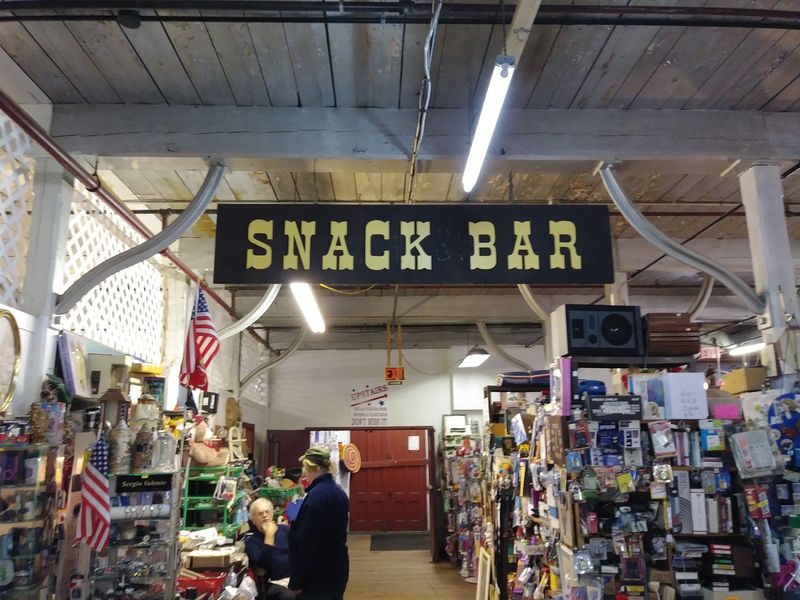
Hours of browsing call for a breather. Luckily, the market has its own small eatery with seating.
Shoppers describe the cafe as clean and reasonably priced. Some longtime regulars call the little diner one of the highlights of the visit.
It makes an all-day trip much easier. You can rest your feet, regroup, and plan which floor to tackle next.
Families especially appreciate having a spot to pause. Kids and adults alike can recharge without leaving the building.
A midday stop also helps with strategy. Review what you have seen, decide what is worth going back for, and budget your remaining cash.
Then it is back to the aisles. A second wind might lead straight to the best find of the day.
Cash Rules the Aisles
Leave the cards at home, or at least do not count on them. College Mart is a cash-only kind of place.
Few sellers accept apps like CashApp or Venmo. Paper money is the language spoken here.
There are ATMs on site, but they have been known to run out of cash by around 2 pm on busy days. That can end a shopping spree fast.
The easy fix is to stop at a bank before arriving. Small bills also help with bargaining and quick sales.
Setting a budget ahead of time is wise, too. With this many booths, impulse buys add up quickly.
Cash in hand also makes negotiating feel natural. A ready offer tends to work better than a promise to come back later.
Sunday Hours and Booth Basics
Mark the calendar for Sunday, because that is the only day the market opens. Hours run from 9 am to 4 pm.
The rest of the week, Monday through Saturday, the building is closed to shoppers. That single-day schedule keeps Sundays lively.
Arriving right at 9 am is the top strategy. Outdoor sellers may leave early, and some indoor vendors pack up before closing time too.
Parking is plentiful, and multiple entrances make it simple to get in. Clean bathrooms are another plus noted by people who spend the whole day.
Want to sell instead of shop? Booth rent is widely considered affordable, and first-time sellers have made a profit.
Outdoor spots have been priced at $35 in a dirt lot, which not everyone loved. Checking current rates before committing is a good idea.
Is the Hunt Worth It
Not every flea market inspires strong feelings, but this one does. Some shoppers come once and move on, while others return every single month.
The appeal is clear. It offers a huge selection, friendly sellers, good deals, and a genuine historic setting.
The trade-offs are clear too. Expect heat in summer, some musty corners, uneven booth quality, and a cash-only setup.
Prices range from reasonable to excellent, though a few sellers aim high. Comparing booths and offering politely helps balance things out.
For flea market fans, it is a natural stop. Families call it a fun, welcoming outing worth an hour-long drive.
So bring cash, arrive early, and clear your Sunday schedule. The best finds here go to those who take their time.
Enjoyed this story?
Add Fast Food Club as a preferred source to see more of our reporting on Google.