


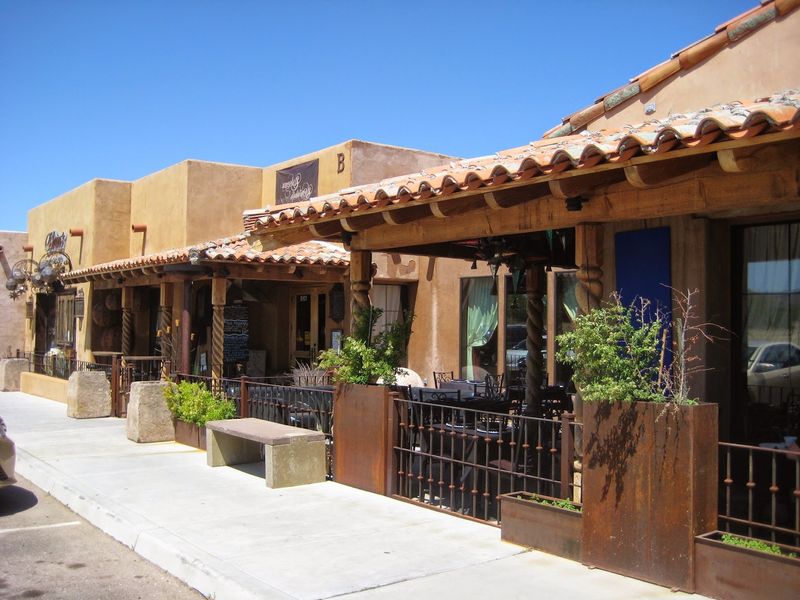
Some towns are known for one big thing. This one is known for its art, its history, and its easy pace of life.
Down in southern Arizona, not far from the Mexican border, there is a small village of about a thousand people where creative shops line the streets and winter is a season people choose instead of escape. Retirees have noticed.
Many come for a short stay and start asking about homes before the week is over. The town’s name comes from an O’odham word meaning place of dark water, and its past goes back further than most people expect.
Keep reading to learn where it sits, why artists and retirees love it, and what to know before you go.
A Small Dot on the Santa Cruz County Map
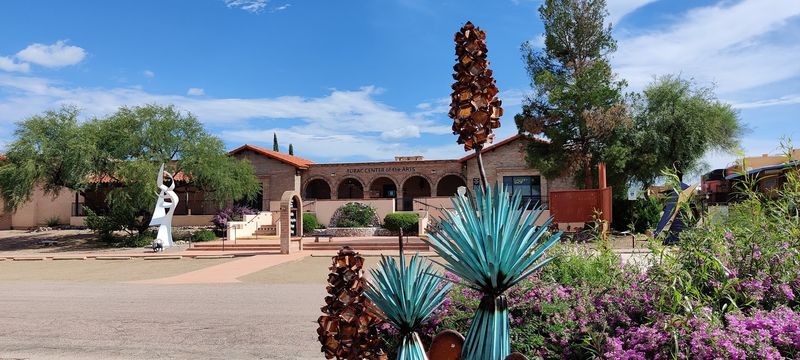
Small towns rarely get this much attention, yet Tubac keeps earning it. The village sits in Santa Cruz County, Arizona, in the southern part of the state in the United States.
Officially, it is a census-designated place rather than an incorporated city. That means no big city hall and no sprawling downtown, just a community that has grown at its own steady speed.
The numbers tell the story clearly. At the 2010 census, the population was 1,191 people.
That small count is a big part of the charm. Fewer people means quieter streets, shorter lines, and neighbors who tend to recognize each other.
The location also helps. Southern Arizona sits far from the snowy north of the country, and that geography shapes daily life here in ways retirees appreciate.
Getting oriented is simple because the village is compact. Most of what people come for sits close together, so a short visit can still cover a lot of ground.
For travelers who like a place with a clear identity, this little spot delivers one right away, and the name alone hints at a much older tale.
The Meaning Behind Place of Dark Water
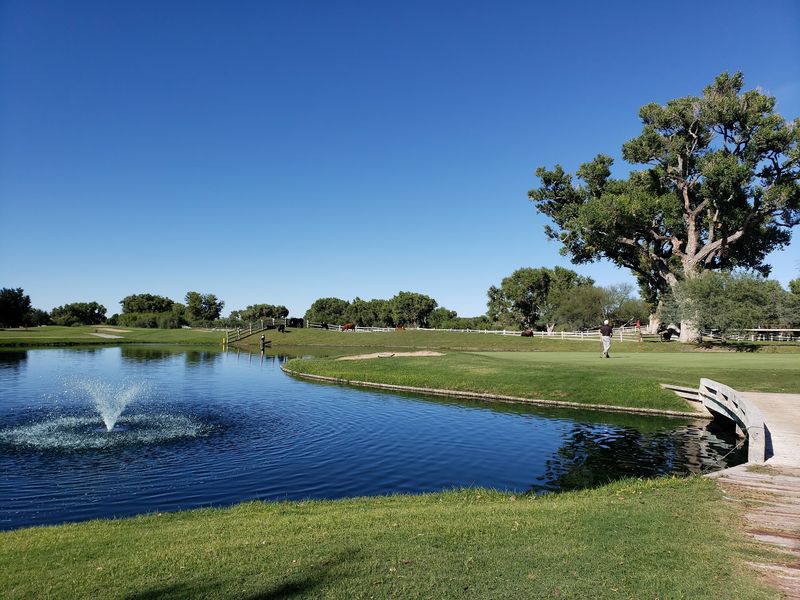
Names carry history, and this one carries a lot. The word Tubac is an English borrowing from a Hispanicized form of the O’odham name Cuwak.
In English, Cuwak translates to place of dark water. That small phrase connects the modern village to the Indigenous people who named the area long before shops and galleries appeared.
The O’odham are native to this part of the Sonoran Desert. Their language left a lasting mark across southern Arizona, and this town is one clear example.
Over time, Spanish speakers shaped the pronunciation. English speakers later adopted that version, which is how the name reached its current form.
So each time someone says the town’s name, they are speaking a word that passed through three languages. Not bad for five letters.
Fun fact for trivia night: water in a desert has always been a reason for people to stay put. A name built around it suggests this spot mattered to people for a very long time.
That layered past is exactly what draws curious minds, and it sets the stage for the creative spirit the village wears today.
Where the Galleries Never Seem to End
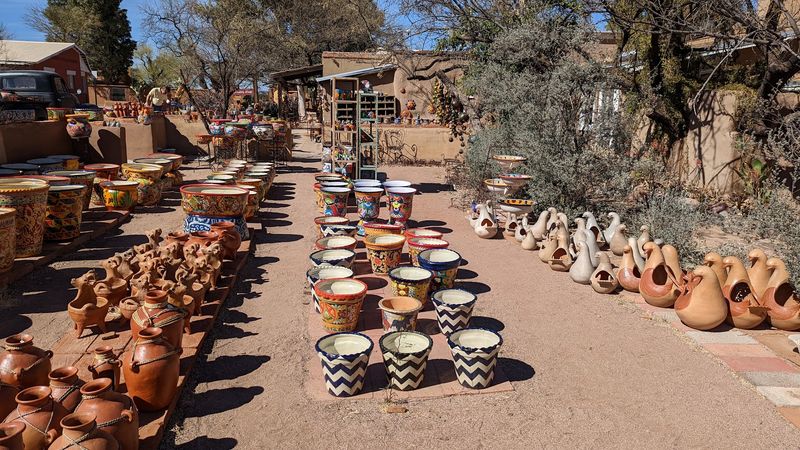
Art is not a side hobby here. It is the main event.
The village has built a reputation as an artsy community, with galleries tucked along its walkable streets. Paintings, pottery, sculpture, and handmade pieces show up around nearly every corner.
For retirees with a creative streak, that is a big draw. Some come to collect, some come to browse, and some come to finally pick up a brush themselves.
Gallery hopping works well in a place this size. Browsers can wander from one shop to the next without needing a car between stops.
Many works reflect the Southwest setting. Desert colors, mountain views, and regional traditions often find their way onto canvases and into clay.
A smart approach is to slow down. Quick laps miss the small details that make each studio different.
Hours can vary from shop to shop, so checking ahead before a dedicated art day is a good habit. With so much to see, the only real challenge is deciding where the walls end and the wallet begins.
Winters Worth Bragging About
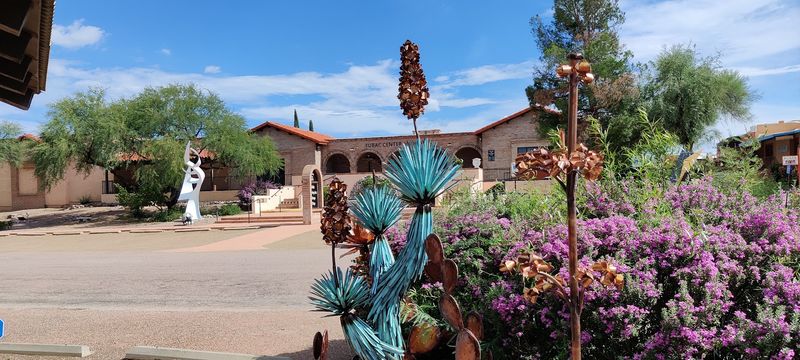
Shoveling snow is a skill many retirees are happy to forget. Southern Arizona gives them a good reason to.
Winters in this part of the state are known for being mild. That makes the village a popular choice for people who want to stay active during months when much of the country stays indoors.
Seasonal residents often arrive when the weather up north turns harsh. Some stay for a few weeks, while others settle in for the whole season.
Mild winters also mean more time for outdoor plans. Strolling between galleries, joining community events, and exploring the area all become easier.
Summers in southern Arizona run much warmer, so timing matters. Many travelers prefer the cooler months for a visit.
Packing layers is wise even in winter. Desert mornings and evenings can feel very different from midday.
The result is a calendar that flips the usual script, with the busiest and most pleasant stretch arriving right when other places hunker down.
Why Retirees Keep Unpacking for Good
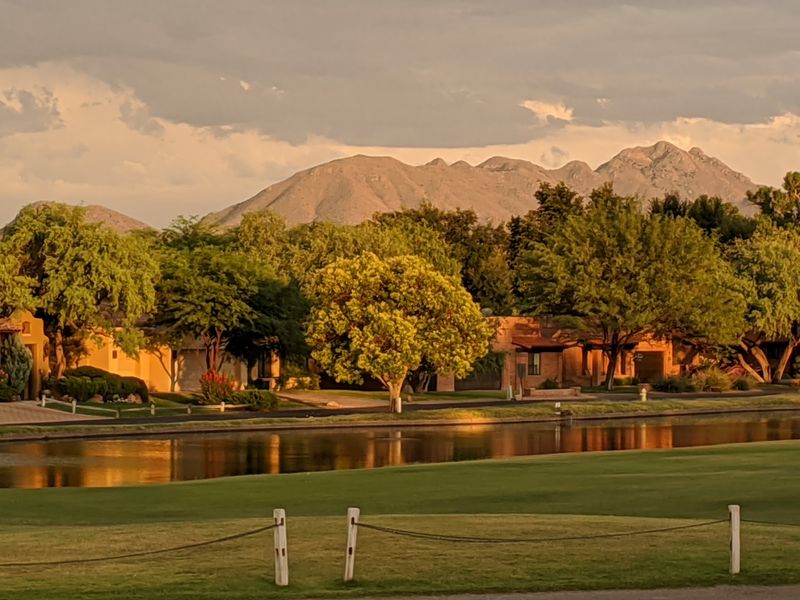
Plenty of people visit once and come back with moving boxes. The reasons are easy to list.
A small population keeps life relaxed. A creative community gives people something meaningful to do.
Mild winters make the cooler half of the year comfortable.
Together, those traits create a lifestyle that fits retirement well. There is room for quiet mornings and busy afternoons, depending on mood.
Social life often grows around shared interests. Art lovers find other art lovers, and history buffs find plenty to talk about.
The village also offers a sense of place that newer developments sometimes lack. Its roots and its name give it character that cannot be manufactured.
Of course, small towns are not for everyone. People who want big shopping centers nearby may need to drive for some errands.
For those who value community over crowds, though, this pocket of Santa Cruz County checks a surprising number of boxes, and many decide the move is a masterpiece.
Desert Setting and Mountain Views
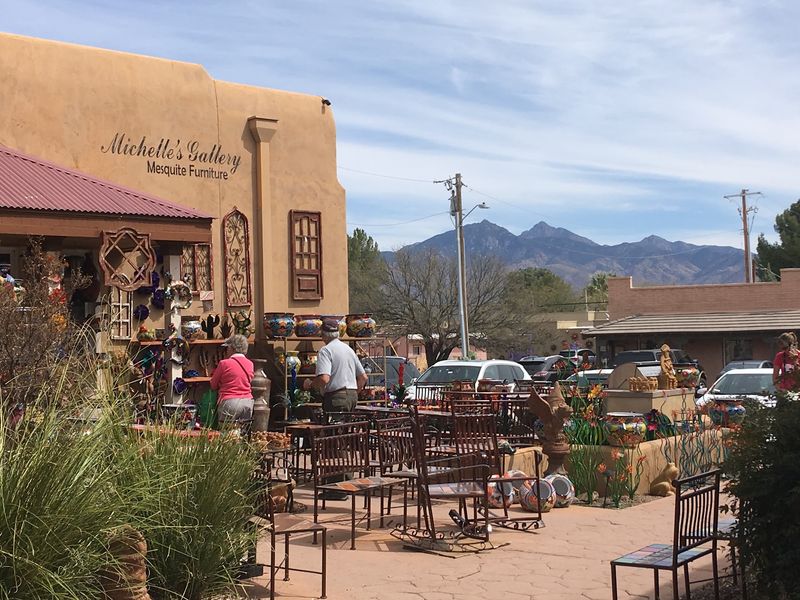
Scenery here does a lot of quiet work. The village sits in the Sonoran Desert region of southern Arizona.
That setting shapes everything from the architecture to the art. Many buildings follow a Southwest style that fits naturally into the landscape.
Mountains rise in the distance across the region. They give painters and photographers plenty of subject matter.
Desert plants line yards and open spaces. Cactus and other hardy species thrive in this climate.
Wildlife and birds are part of daily life in southern Arizona, which appeals to nature lovers. Keeping binoculars handy is never a bad plan.
Outdoor time works best in the cooler months. Water, sun protection, and sturdy shoes are basic must-haves for any walk.
Plenty of artists say inspiration is everywhere in a place like this. In a desert town named for dark water, the landscape remains the original gallery.
A Village Built for Strolling
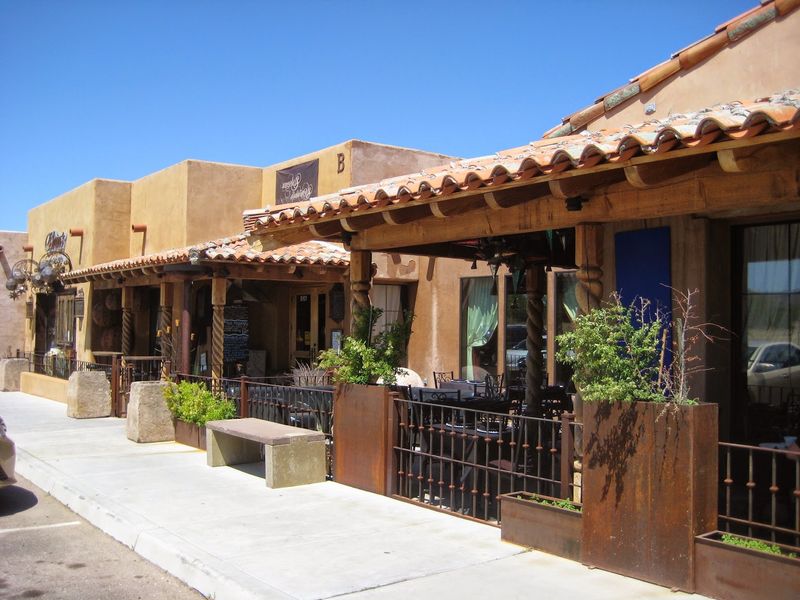
Cars get a well-earned break in a place this compact. Much of the village can be explored on foot.
Shops and galleries cluster close together, which makes casual wandering the best plan. There is no need to map out every stop.
Walking also suits a retirement pace. People can browse for an hour, rest, and pick up again later.
Comfortable shoes matter more than fancy outfits here. Some paths and lots can be uneven, as is common in older desert towns.
Benches and shady spots offer welcome pauses on sunny days. Carrying water is wise, even in winter.
Strolling has another perk. It invites conversations with shop owners and artists, who often share the stories behind their work.
Those small chats can turn a quick visit into something much more personal, proof that the best route through town is usually the slow one.
Old Roots Under New Paint
History buffs, take note. The name alone shows how deep the roots run here.
The O’odham origin of the word points to Indigenous ties to this land. The Hispanicized form reflects later Spanish influence in the region.
Southern Arizona as a whole carries this blend of cultures. Native, Spanish, Mexican, and American layers all shaped the area over the centuries.
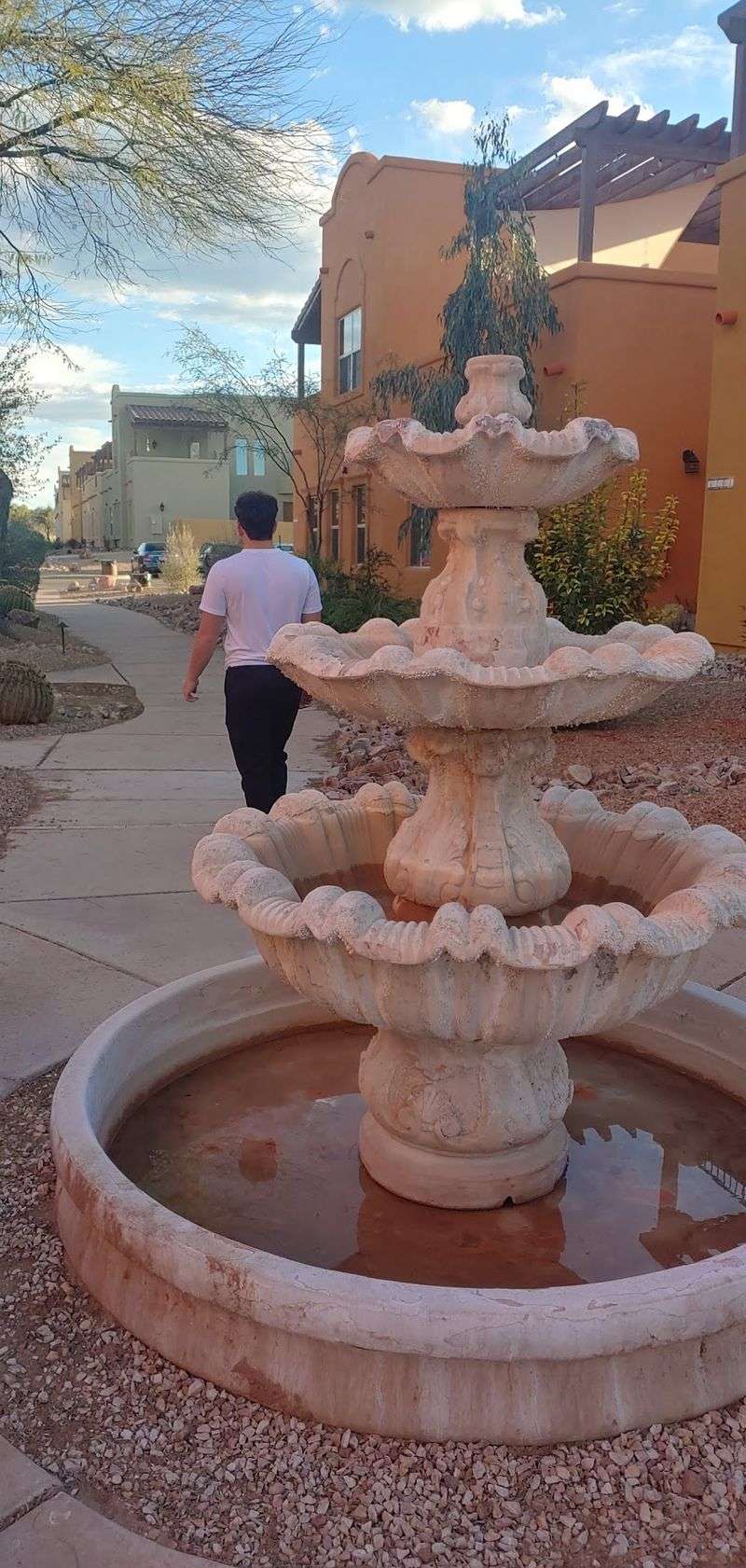
That mix shows up in the look of the village. Southwest design and traditional building styles appear throughout.
It also shows up in the art. Many pieces nod to regional heritage and local traditions.
Retirees who love learning often find this the most rewarding part of living here. Every street feels like a chapter rather than just a road.
Visitors curious about specific historic sites should look up current details before going, since hours and access can change. The past here is not locked away, it simply wears a fresh coat of creativity.
The Creative Crowd and Who Fits In
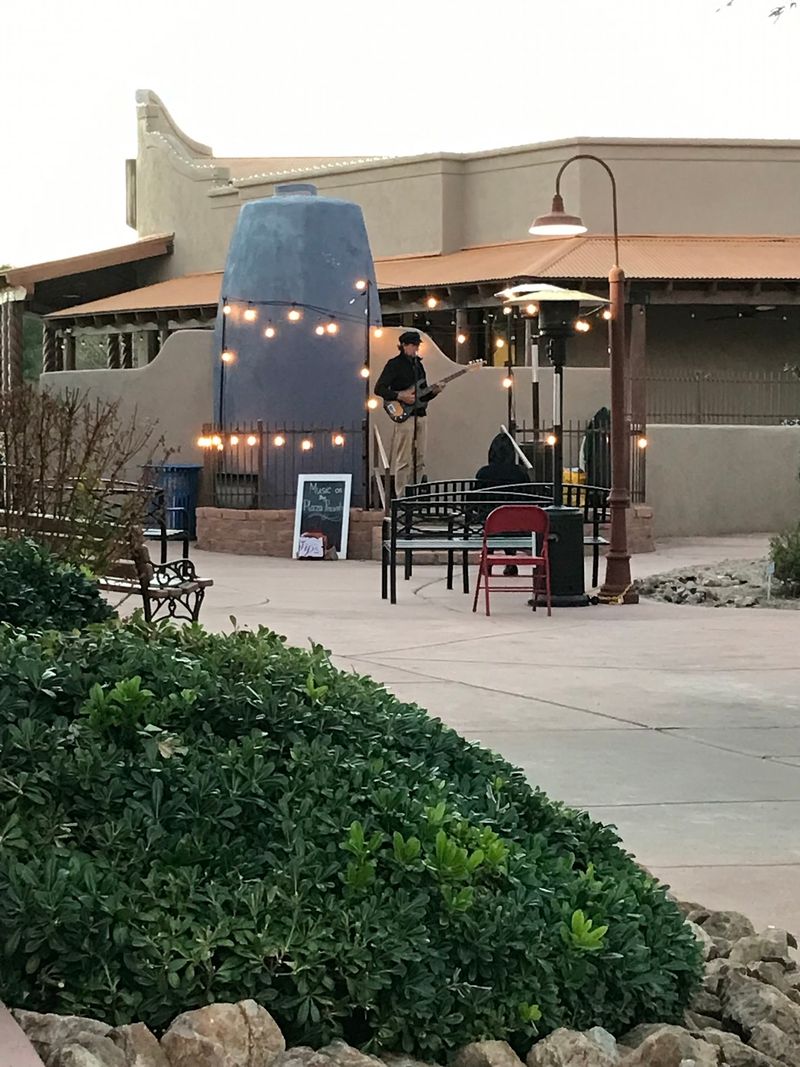
Small communities have personalities, and this one leans creative. Artists, collectors, and curious browsers all find a place.
The atmosphere tends to be relaxed and welcoming. People come to slow down, not to rush.
Retirees make up a big part of the appeal story. Many enjoy taking up new hobbies or returning to old ones.
Couples looking for a winter escape often like the balance here. There is enough to do without feeling overwhelming.
Solo travelers can find it easy to connect too. Shared interests in art and history give natural conversation starters.
Families with young kids may find it quieter than theme-park style trips. Those who prefer nightlife and big crowds might look elsewhere.
Honest expectations make for happy trips. For anyone seeking a gentle, art-filled rhythm, the village fits like a well-framed canvas.
Getting There and Planning Ahead
Practical details can make or break a trip. A little planning goes a long way here.
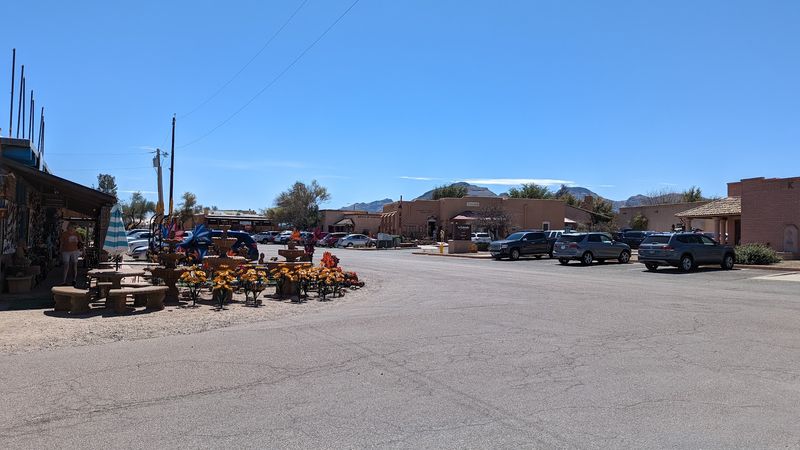
The village is in Santa Cruz County in southern Arizona, near the border with Mexico. Most travelers arrive by car.
Having a vehicle is helpful for exploring the wider region. Public transit options in small southern Arizona communities can be limited.
Gallery and shop hours vary by business. Checking ahead keeps visitors from arriving to a closed door.
Prices also vary widely. Art can range from small affordable pieces to larger investments, so setting a budget first is smart.
Winter is the busiest season because of the mild weather. Booking lodging early during those months is a good idea.
Packing basics include sun protection, water bottles, and layers. With those in the bag, the only thing left to plan is how many galleries fit in a day.
A Soft Verdict on Life in the Village
Not every small town earns a second look. This one usually earns a third and a fourth.
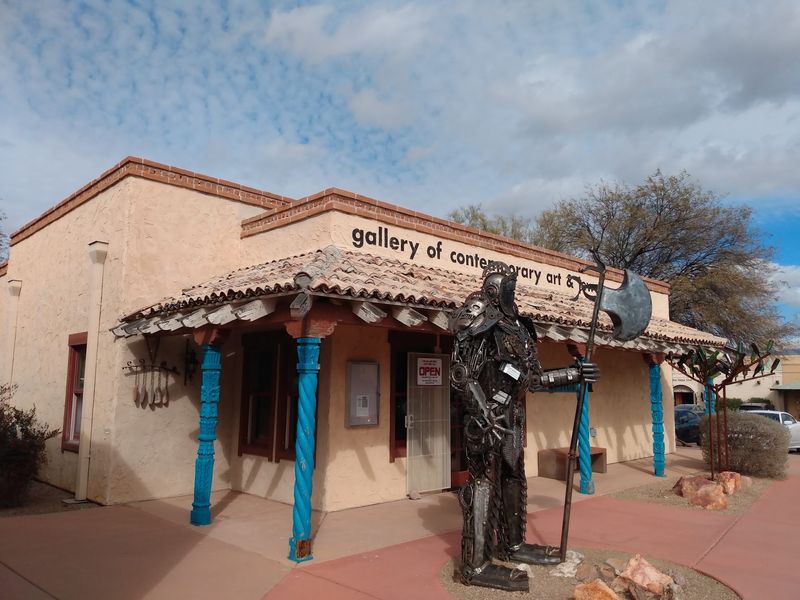
The pieces fit together well. A population of just over a thousand, a name rooted in O’odham language, galleries along walkable streets, and winters that invite people outdoors.
Retirees find a pace that matches their goals. Art lovers find endless browsing.
History fans find stories in the very name of the place.
It will not suit everyone. Those craving big city energy may feel the quiet a bit too much.
For people who want creativity, community, and comfortable winters, though, the case is strong. Many arrive as guests and leave already planning their return.
A short trip is the best test. Spend a few days, wander the galleries, and see how the rhythm feels.
The place of dark water has a funny way of making the future look bright.
Enjoyed this story?
Add Fast Food Club as a preferred source to see more of our reporting on Google.