


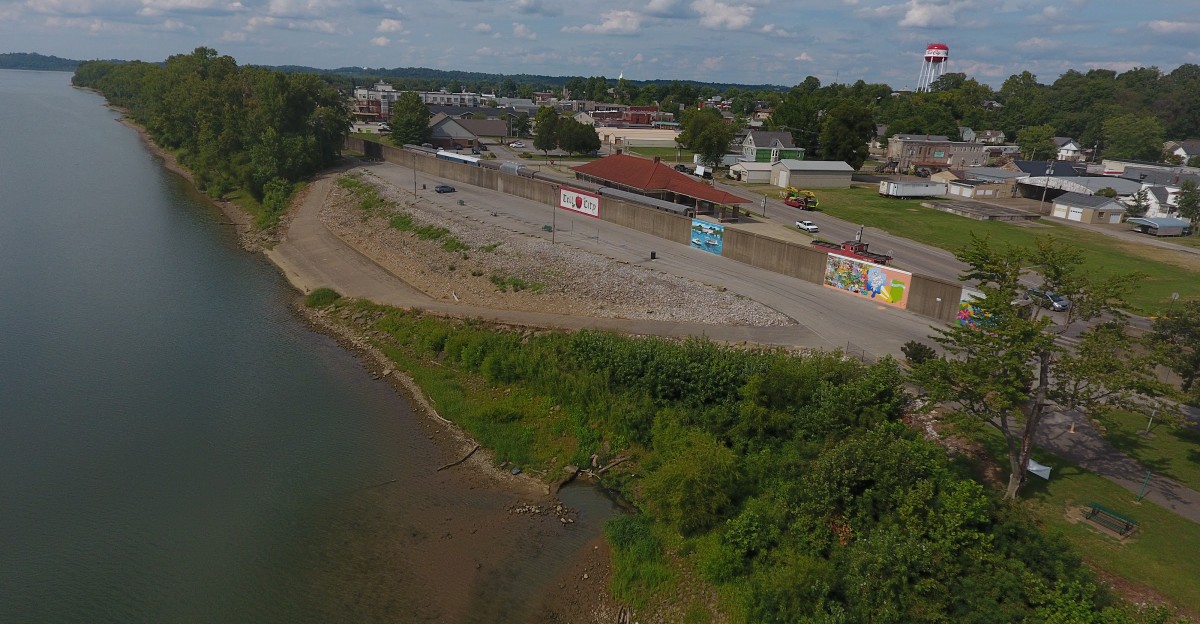
Some towns ask for a fortune before they let you sit by the water. This one asks for a lot less.
Tell City sits on a quiet bend of the Ohio River in southern Indiana, where the river is part of daily life and the population is small enough that neighbors still wave. For retirees, it can be a place where a fixed income goes further than it does in many larger cities.
Keep reading to learn where the town is, how it came to be, and why its slower pace attracts people ready for their next chapter.
A River Town in Perry County
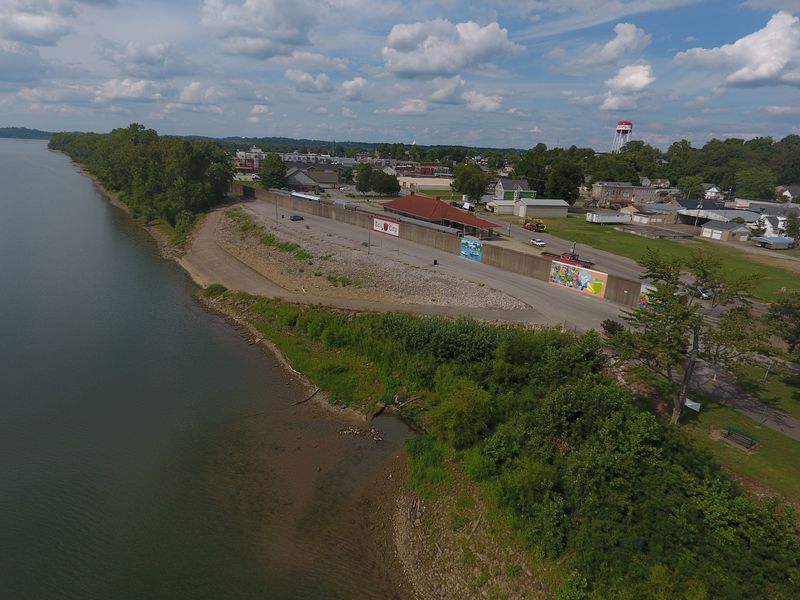
Down in the southern tip of Indiana, the Ohio River makes a long, lazy curve, and a small city settles right along its bank. That city is Tell City, listed at Troy Township, IN, USA, in the United States.
Tell City serves as the county seat of Perry County. That means the county’s government business happens right here, which keeps local offices and services close at hand.
For a retiree, that convenience is a quiet perk. Handling paperwork, records, or county matters does not require a long drive to a distant hub.
The town counted 7,506 residents at the 2020 census. That number places it in a sweet spot, big enough to have the basics, small enough to keep its easygoing pace.
Across the river lies Kentucky, so the water here doubles as a state line. Living on a border river gives the town a sense of being at the edge of something, without feeling cut off.
The town keeps an official website at tellcityindiana.com, a handy first stop for anyone curious about local offices and community updates. Consider it the front porch of the city online, where planning a closer look can begin.
Why the Ohio River Matters Here
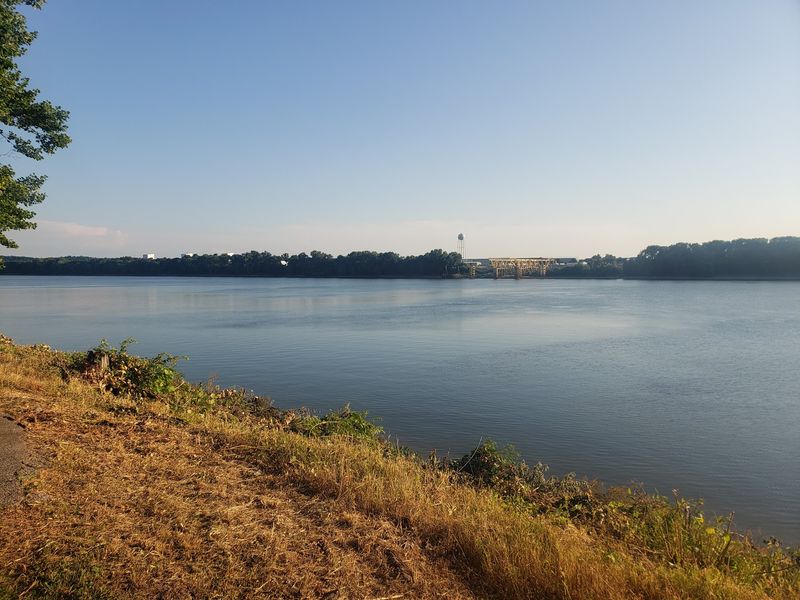
Rivers built many American towns, and the Ohio played that role for countless communities along its length. Tell City is one of them, sitting directly on the water instead of tucked a few miles inland.
That location shapes how the town feels. The river is not a distant attraction you visit once a year; it is simply there, part of the backdrop of ordinary days.
Retirees often say they want a view of something bigger than a parking lot. A broad, working river offers exactly that kind of open horizon.
The Ohio also serves as the boundary between Indiana and Kentucky in this stretch. Watching a state line flow by never quite gets old.
Riverfront living in large cities usually carries a hefty price tag. In a small county seat like this one, the setting comes without the big-city premium, which is a big part of the appeal for people on fixed budgets.
The river gives the town its identity, its direction, and plenty of reason to step outside. Not bad for something that just keeps rolling along.
Small Numbers, Big Advantages
Seven thousand five hundred and six. That is the population figure from the 2020 census, and it tells you a lot about daily life here.
A town of this size rarely deals with the traffic snarls of a metro area. Errands that take an hour in a big city can shrink to a few minutes.
Fewer people often means less competition for housing. While prices vary and should always be checked with local sources, small river towns tend to cost less than large urban areas.
There is also a social side. In a community this size, faces become familiar quickly, and newcomers do not stay strangers for long.
For retirees who have spent decades commuting, that shift can feel like a reward. Time stops being something to squeeze and starts being something to spend.
Small does not mean empty, either. As a county seat, the town carries a role that keeps it active and connected to the wider region.
Call it compact, not cramped.
Stretching a Fixed Income
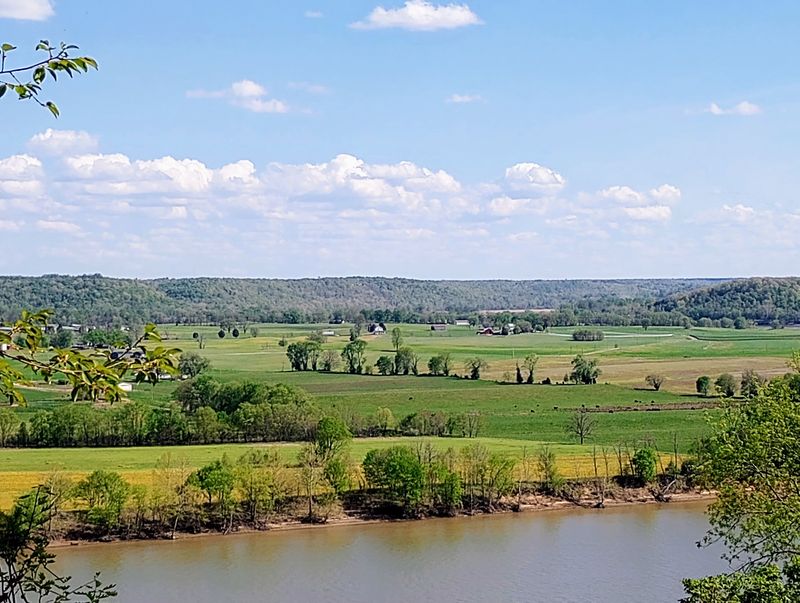
Money questions sit near the top of every retirement plan. How far will savings and benefits actually go?
Towns like Tell City attract attention because smaller communities generally carry lower living costs than big cities. The headline of this story says it plainly, and the logic behind it is simple.
Less demand, smaller scale, and a rural county setting often add up to more manageable expenses. Anyone planning a move should still compare current housing and tax details through local offices before deciding.
The city website is a practical place to begin that research. County seat status also means official records and services are local, which makes fact-finding easier.
Lower costs can open doors. Extra room in the budget might cover travel to see grandchildren, a hobby finally given attention, or simply peace of mind.
Retirement is supposed to be about breathing room, and financial breathing room is a big piece of that. A modest river town can deliver both kinds at once.
Life as a County Seat
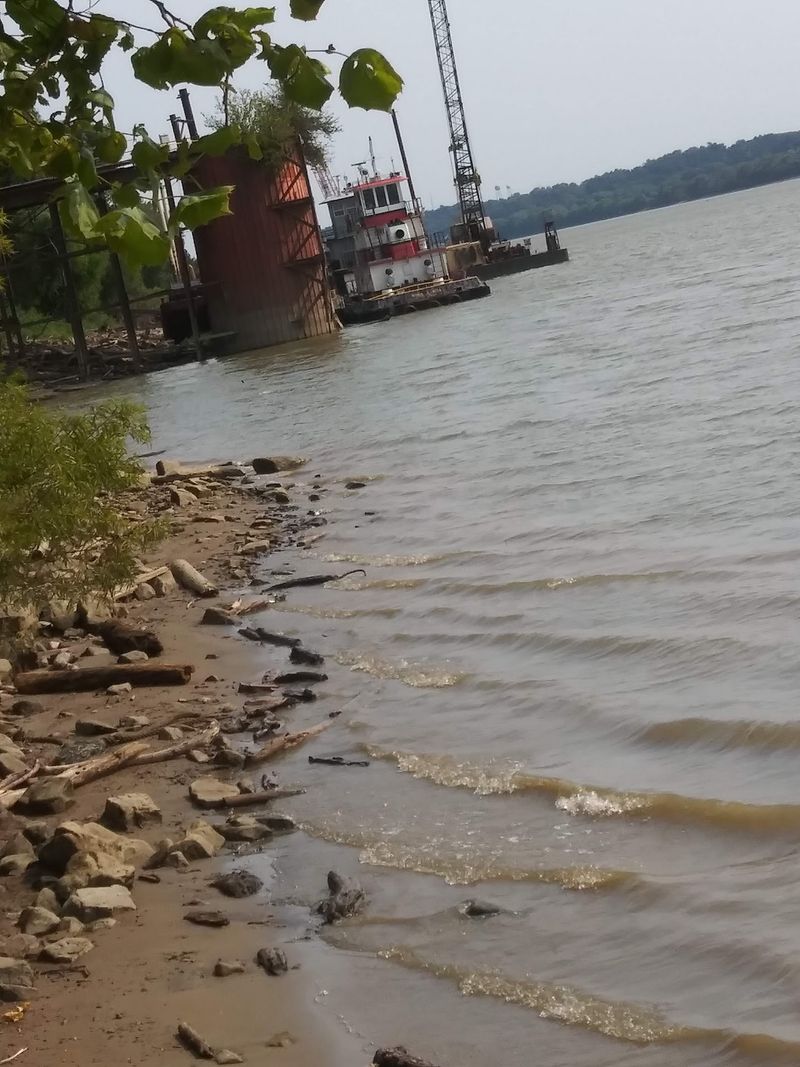
Not every small town gets to be the center of its county. Tell City holds that title for Perry County.
Being a county seat means the town hosts the core functions of county government. For residents, that translates into shorter trips for official business.
Retirees tend to appreciate this more than most. Property matters, records requests, and other paperwork come up often after a move, and handling them close to home is a relief.
County seats also tend to stay steady over time. The role gives the town a lasting purpose beyond any single business or trend.
That stability matters when choosing a long-term home. Nobody wants to settle somewhere only to watch its anchor institutions drift away.
So while the river provides the scenery, the county seat role provides the backbone. One keeps life interesting, the other keeps it running.
Southern Indiana Scenery

Southern Indiana surprises people who expect flat cornfields everywhere. The land near the Ohio River is far more varied.
Tell City sits in this river country, where the water shapes the landscape around it. The result is a setting with real character.
For retirees who enjoy scenic drives, that geography is a bonus. Country roads and river views can turn a simple outing into a pleasant afternoon.
Seasons change the scene throughout the year. Each one brings a different look to the riverbank and surrounding countryside.
Plenty of folks move in retirement chasing a nicer view. Here, that view arrives without a resort-town price attached.
Good scenery does not need to be dramatic to be satisfying. Sometimes a wide river and an open sky are exactly enough.
Living Next Door to Kentucky
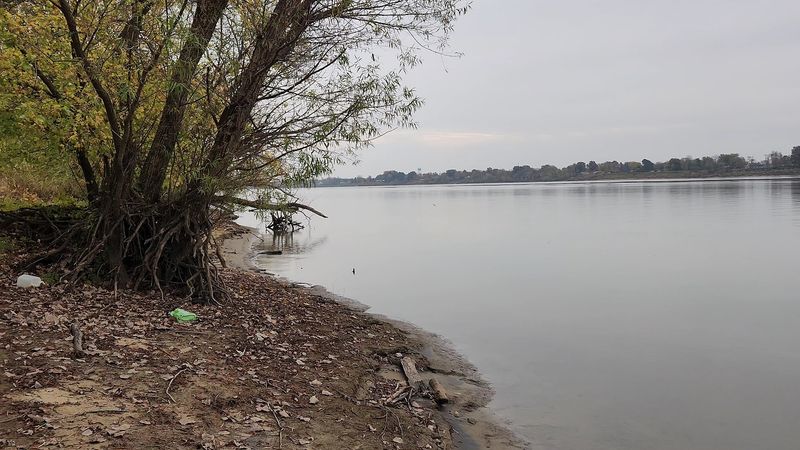
Few places let you look across the water into another state every day. Tell City is one of them.
The Ohio River forms the line between Indiana and Kentucky here. That border position gives the town a regional reach beyond its own size.
Retirees with family or friends in both states may find this especially handy. The neighboring state is part of the regional picture rather than a far-off destination.
Border towns often share ties with communities on the opposite shore. That sense of a wider region adds variety to life in a small place.
It also makes for a fun bit of trivia when visitors from out of town ask where you live. Indiana, technically, with Kentucky as the view.
Two states, one river, and a small city right in the middle of the story. Geography rarely gets more neighborly than that.
The Slower Rhythm of Days

Retirement changes the clock. Mornings no longer start with an alarm, and afternoons stretch out wide.
A small river town fits that new rhythm well. Life in a community of about 7,500 people tends to move at a gentler pace than city life.
There is room for routines that actually feel good. A walk near the river, an unhurried errand downtown, a chat that runs longer than planned.
Many retirees discover that a slower setting helps them settle into this stage of life. The pressure to rush simply fades.
That does not mean boredom. It means choosing how to fill the day instead of having the day choose for you.
Some people spend years dreaming about that kind of freedom. Here, the town itself seems built to support it.
Community Ties That Grow Fast
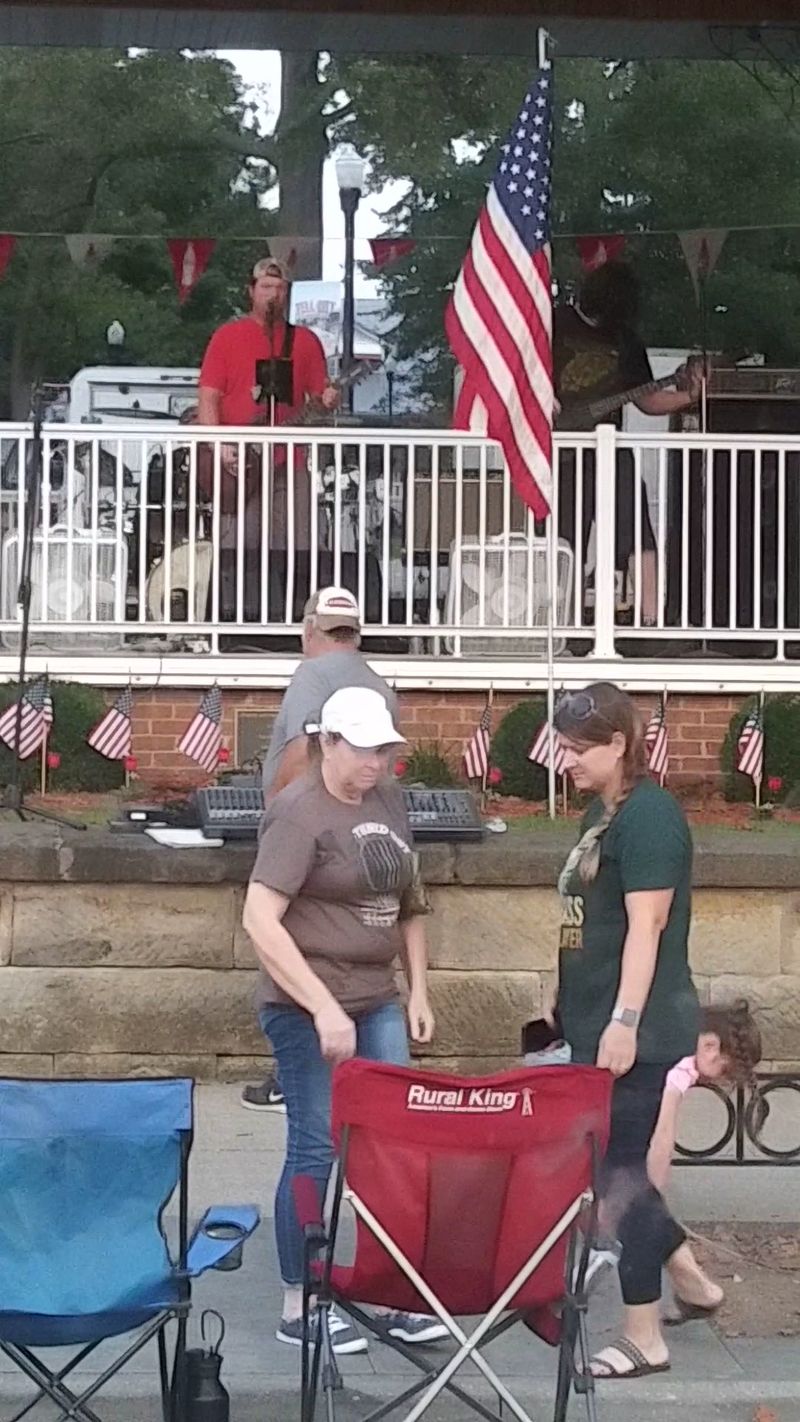
Moving in retirement can feel lonely at first. A smaller town can soften that landing.
With a population in the thousands rather than the millions, Tell City offers the kind of scale where people recognize each other. Familiar faces at the store or post office become part of the routine.
For newcomers, that makes building a social circle more realistic. Connections tend to form through everyday encounters.
Retirees often value this more than any amenity list. A friendly community supports well-being in ways that numbers on a spreadsheet cannot capture.
The city website can help newcomers find out about local happenings and civic resources. Showing up is usually the first step to belonging.
Small towns have long been known for looking out for one another. That reputation is a big reason people choose them for their later years.
Who Feels at Home Here
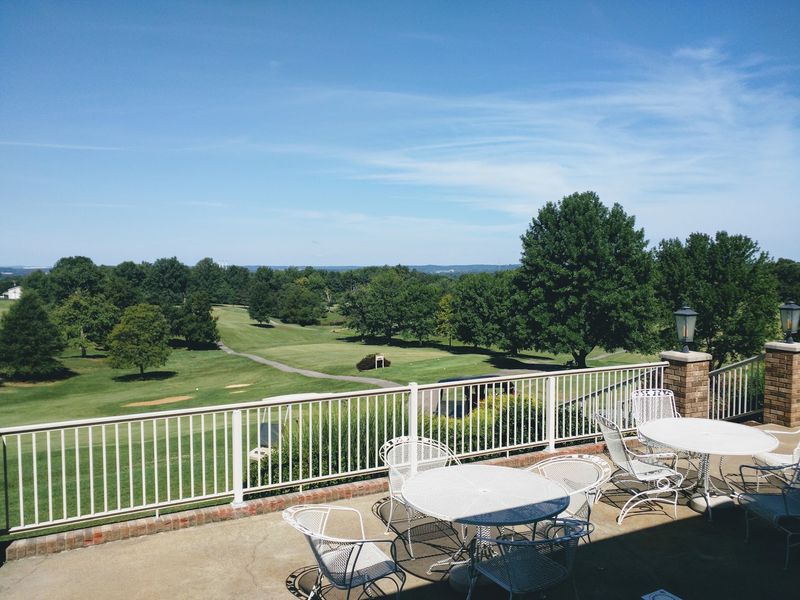
Not every retiree wants the same thing. Some crave nightlife and big-city culture, and that is fine.
Tell City suits a different kind of person. It fits those who want affordability, a quieter setting, and a river close by.
People drawn to small-town familiarity will likely feel comfortable. So will anyone who prefers open space to crowded streets.
Those who still want access to a wider region can appreciate the border location too. Indiana and Kentucky are both part of the picture.
On the other hand, anyone expecting the variety of a major metro should plan accordingly. A town of this size offers fewer options by nature.
Knowing what you want makes the decision easier. For the right person, this river city checks many important boxes.
Getting a Feel Before Moving
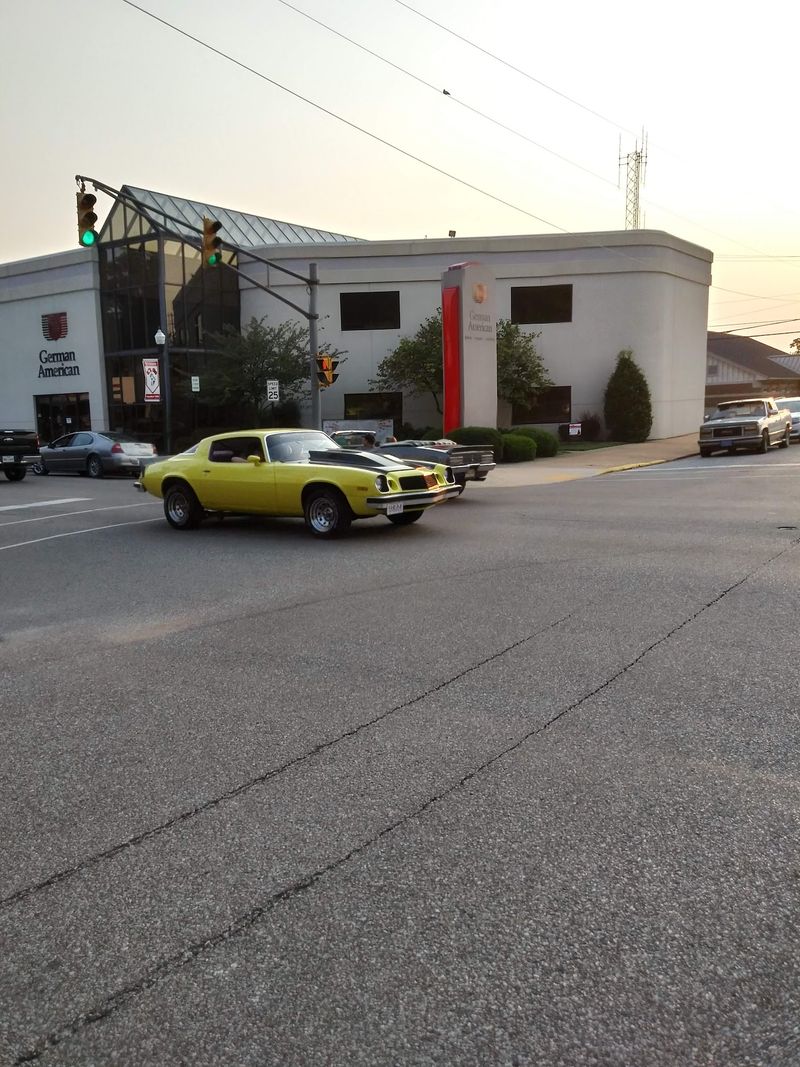
Smart movers test the waters first. A visit before any big decision is always wise.
Tell City sits in Perry County in southern Indiana, along the Ohio River, with Kentucky directly across the water. Mapping the trip with that in mind makes planning simple.
Spending a few days in town can reveal what daily life is really like. Try running ordinary errands instead of only sightseeing.
Visiting in different seasons gives an even fuller picture. A town can feel different in winter than it does in summer.
Before arriving, browse tellcityindiana.com for official information and local updates. It is a reliable starting point for questions about city services.
A short trial run can save a lot of second-guessing later. Think of it as a test drive for the next chapter.
Practical Research Tips
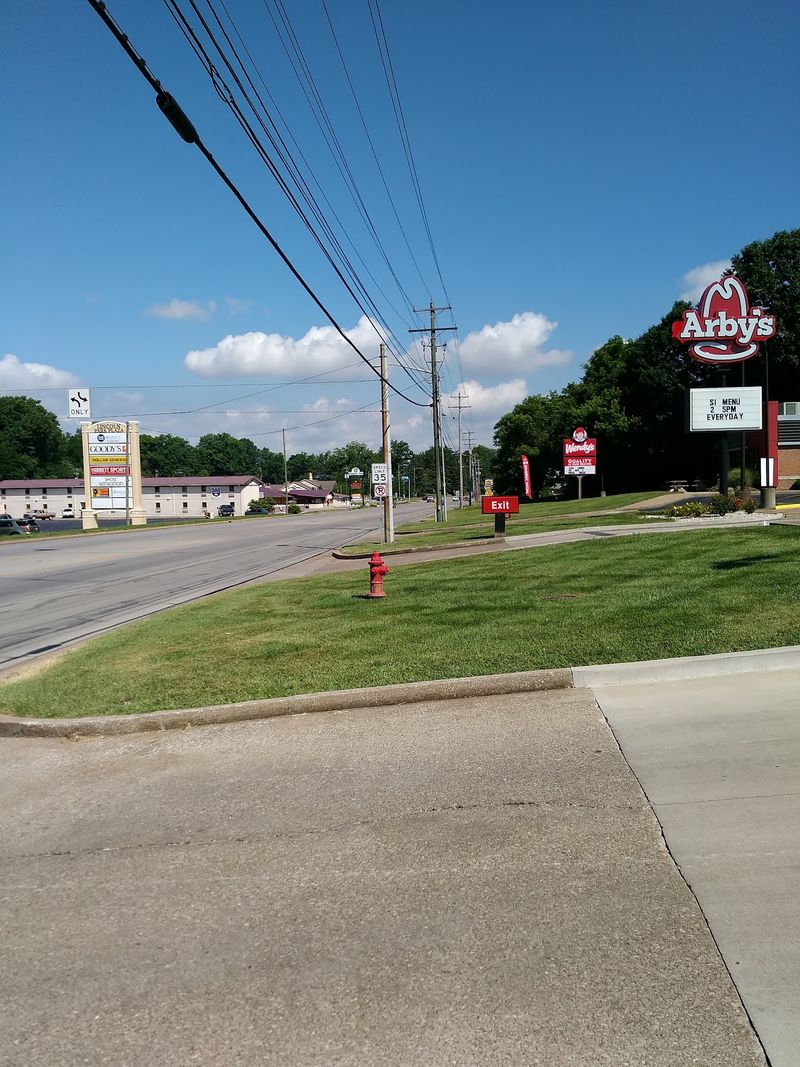
Good decisions start with good information. Before relocating, gather facts from official sources.
The city maintains a website at tellcityindiana.com. It is the best place to find current details about local government and services.
Because Tell City is the Perry County seat, county offices are also local. That makes it easier to ask questions about property and records in person.
Compare housing costs, taxes, and healthcare access with your current location. Numbers change, so use up-to-date figures rather than assumptions.
Talking with local offices can clear up questions that websites leave open. Write down a list before calling or stopping by.
A little homework now protects your budget later. That is the real secret behind a low-cost retirement that stays low-cost.
A Quiet Case for the River Life

Retirement dreams do not always need palm trees. Sometimes a steady river and a manageable budget are the whole plan.
Tell City offers a small-town setting on the Ohio River, county seat convenience, and a population of about 7,500 people. Those pieces fit together nicely for many retirees.
Costs in a place like this often run lower than in large cities, leaving more room for the things that matter. Family, hobbies, and calm days all benefit.
It will not suit everyone, and that is perfectly okay. For those who value simplicity, it may be a strong match.
The best next step is a visit and some research through official sources. Let the town speak for itself.
Along this bend of the river, life moves at its own pace. Plenty of retirees find that pace is exactly what they were looking for.
Enjoyed this story?
Add Fast Food Club as a preferred source to see more of our reporting on Google.