


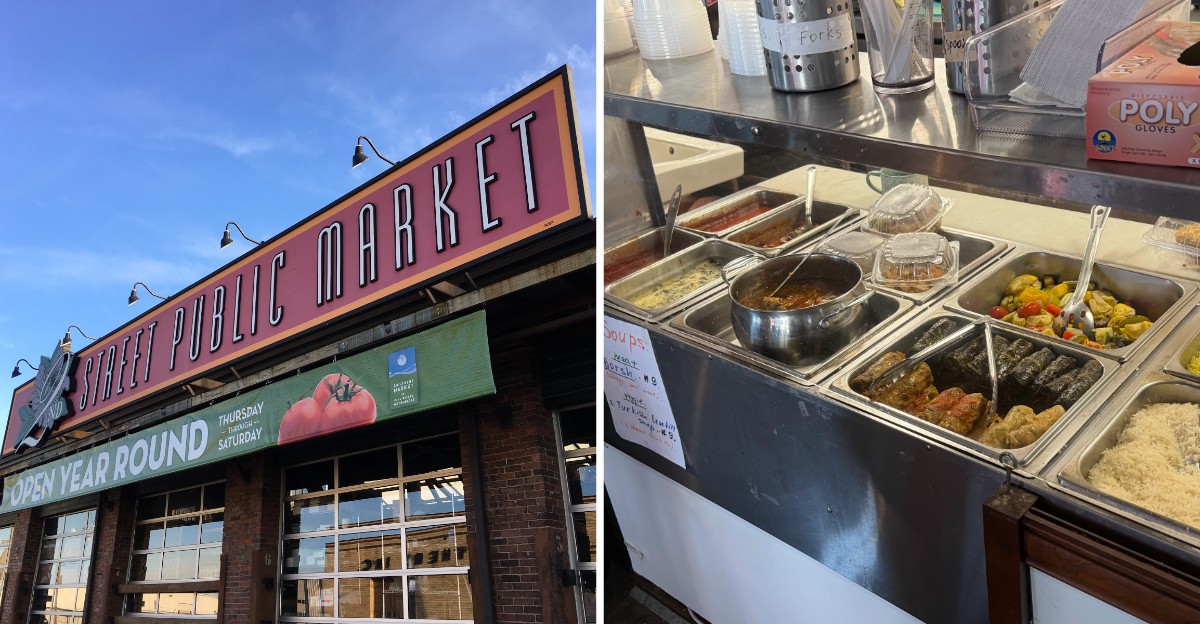
Some of the best lunch spots in Dayton, Ohio, do not have a sign out front or a parking lot of their own, and they only open three days a week. Locals who know about them tend to plan their whole weekend around a quick stop, a full tray, and a familiar seat near the live music.
The place behind all this quiet loyalty sits inside an old railroad building, where small vendors cook, bake, and sell under one long roof. Keep reading to learn where it is, when to go, which stalls people keep returning to, and the simple tricks that help first-timers eat and shop like longtime regulars.
An Old Freight Station on East Second Street
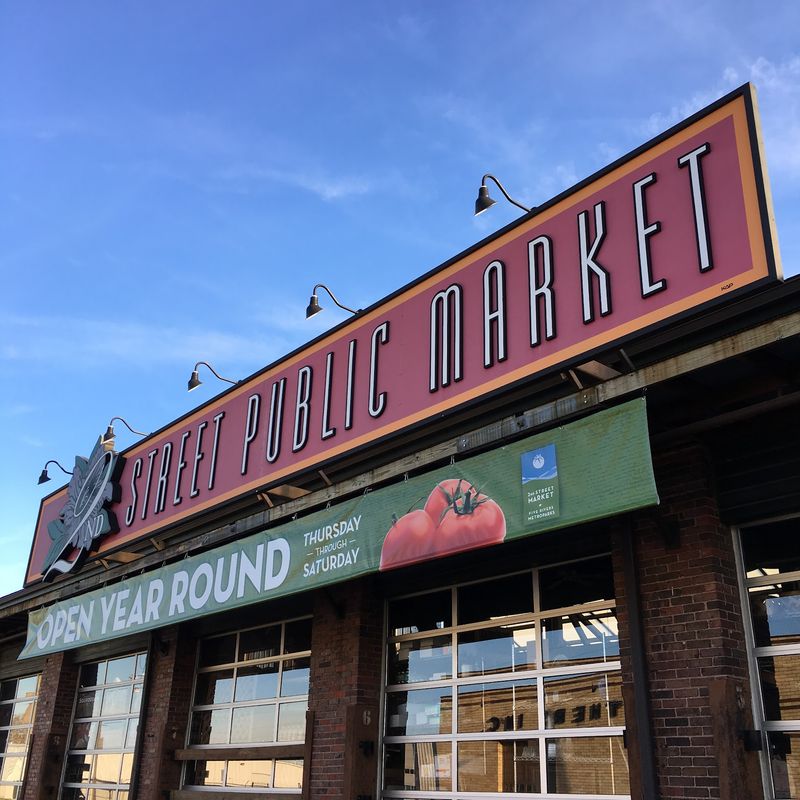
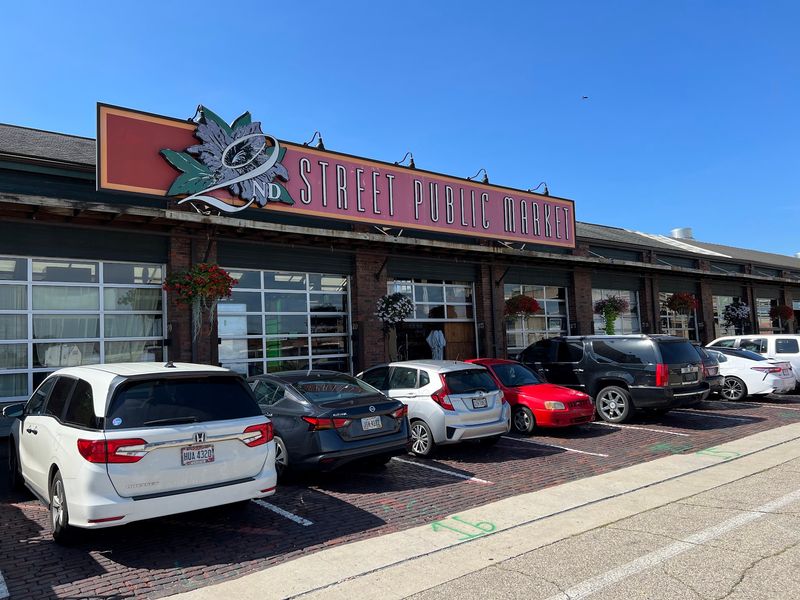
Every good secret needs a hiding spot, and this one hides in plain sight on the east edge of downtown. The 2nd Street Market sits at 600 E 2nd St, Dayton, OH 45402, in the state of Ohio, United States.
The building started life as a freight station. Today it holds a bustling collection of local merchants selling produce, food, and crafts under one roof.
The market is part of the Five Rivers MetroParks family, which explains its official home on the metroparks.org website. That connection gives the place a public, community-first feel rather than a strictly commercial one.
From the outside, the long, low building looks more like railroad history than a lunch destination. That modest look is part of why newcomers sometimes drive right past it.
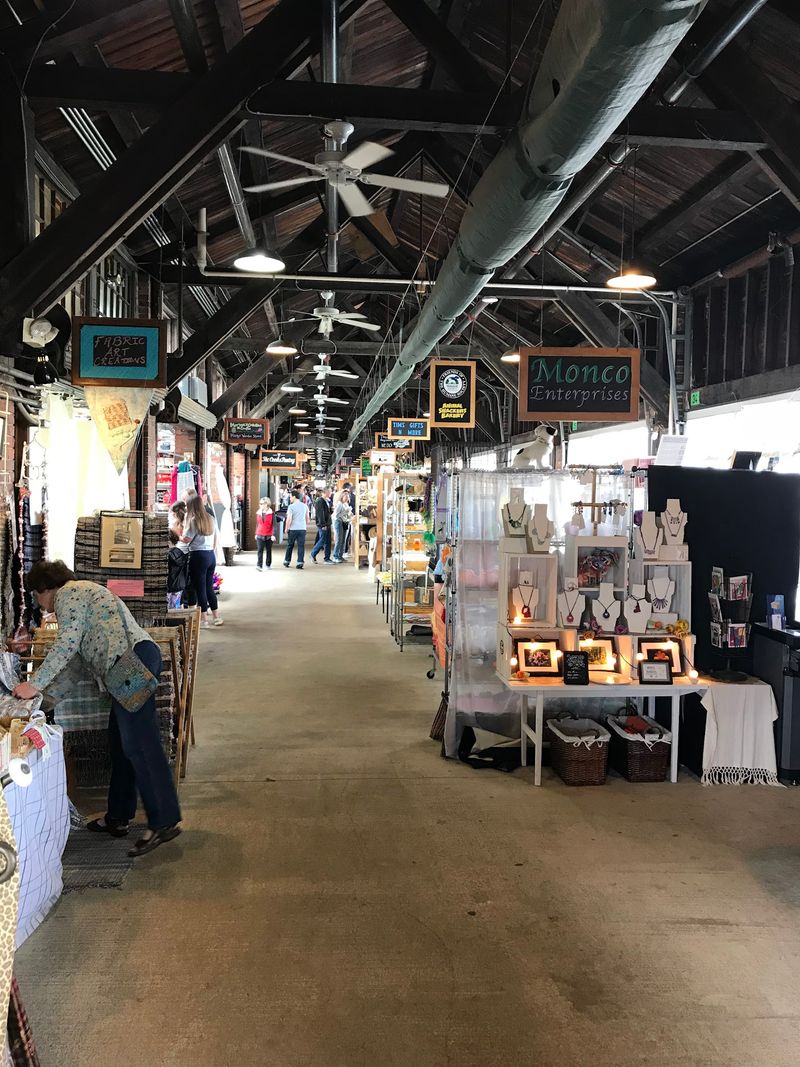
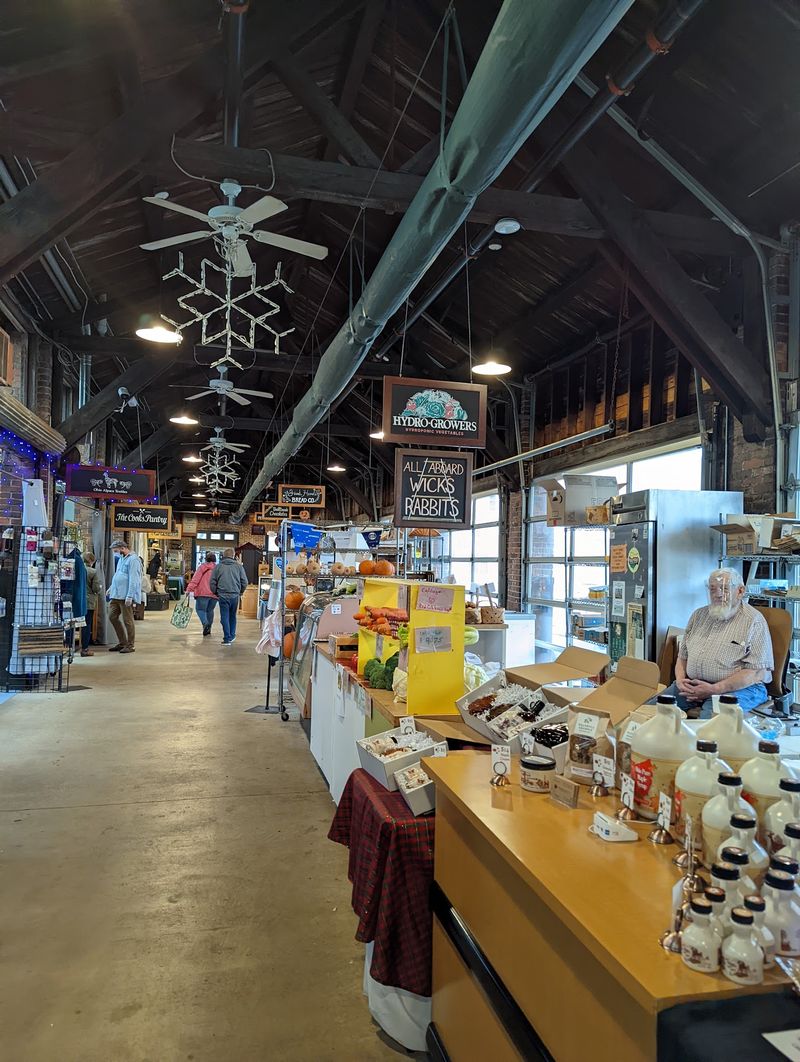
Inside, though, the space opens into rows of stalls, counters, and seating areas. Small kitchens sit beside craft tables, and shoppers drift from one to the next without any set path.
The address matters, but the schedule matters more. Showing up on a weekday is the quickest way to learn that this secret keeps limited hours, which is a story for a later section.
For now, the key detail is simple. The freight station that once moved cargo now moves plates, bags, and plenty of happy people every weekend.
Why Regulars Keep Quiet About Lunch
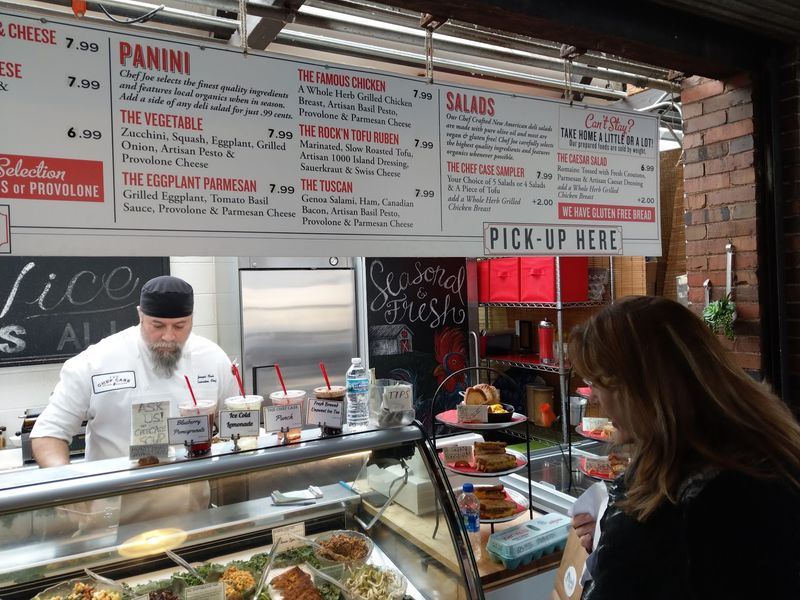
Ask a longtime Daytonian about weekend lunch, and there is a fair chance the answer involves a counter tucked between a jewelry table and a bakery stall. The market does not have one single restaurant.
Instead, it holds several small food stalls that work like tiny lunch counters. Each one has its own menu, its own cook, and its own loyal following.
That setup is the real secret. Regulars learn which counter they like best and head straight there before the lines grow.
The Thai stall earns warm words for a friendly woman running the counter. A Mexican stall nearby draws its own crowd, and Napales Mexican Street Food has fans who order breakfast bowls and promise to return.
La Petite Kitchen is another name that comes up often. People describe the food there as hearty and filling, the kind of plate that makes a long shopping trip easier.
None of these counters is large. A few stools, a short menu board, and a busy cook are the usual setup.
Small size keeps things personal, and the people behind the counters often recognize returning faces. That familiarity is exactly why fans protect their favorite spot like a family recipe.
A Railroad Building With a Second Act
Railroad buildings were made for loading and unloading, not lingering over lunch. Still, this one has found a comfortable second career.
The former freight station gives the market a long, open layout. Stalls line up in rows, which makes it easy to wander from end to end without getting lost.
History here is not behind glass. It is simply the shell that holds the modern market, with vendors working where freight once moved.
That reuse fits the spirit of the place. A building that once served local trade now serves local makers, cooks, and farmers in a new way.
The size surprises some first-timers. Compared with big markets in larger cities, this one is not huge, yet it packs a lot into its footprint.
Fans often point out that smaller works in its favor. Shoppers can see most of the market in one visit, then circle back for the counters they liked best.
There is something fitting about a lunch habit growing inside a station built for arrivals and departures. People come, eat, shop, and then return the following weekend as if catching the same train.
Inside and Outside, Two Markets in One
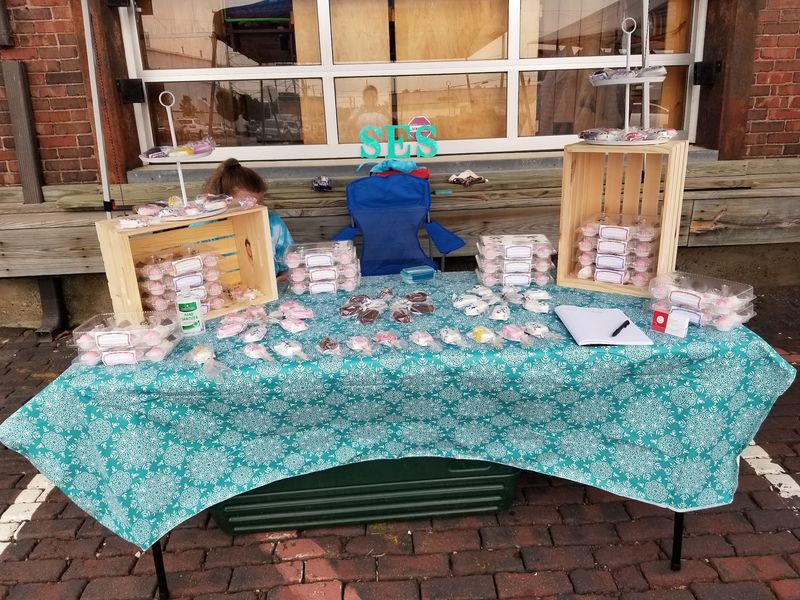
Here is a fun twist that catches newcomers off guard. The market is really two markets sharing one address.
The indoor section is open all year on Friday, Saturday, and Sunday. It holds the main food counters, many craft vendors, restrooms, and plenty of seating.
During the warmer months, an outdoor market opens on the same days. Booths set up outside the building, adding more vendors and more room to roam.
Shoppers often walk through both. A loop through the outdoor tables followed by lunch inside is a popular way to spend a morning.
Cold weather does not shut things down. On chilly days, the indoor hall becomes the cozy center of activity, though seating can get tight.
The mix gives the market an unusual personality. It has the comfort of an indoor hall with the relaxed spirit of an open-air market, a combo that keeps people coming in every season.
Plan with the calendar in mind. A summer Saturday offers the biggest spread, while a winter Friday is calmer and easier for grabbing a seat near a favorite counter.
Counters With Global Accents
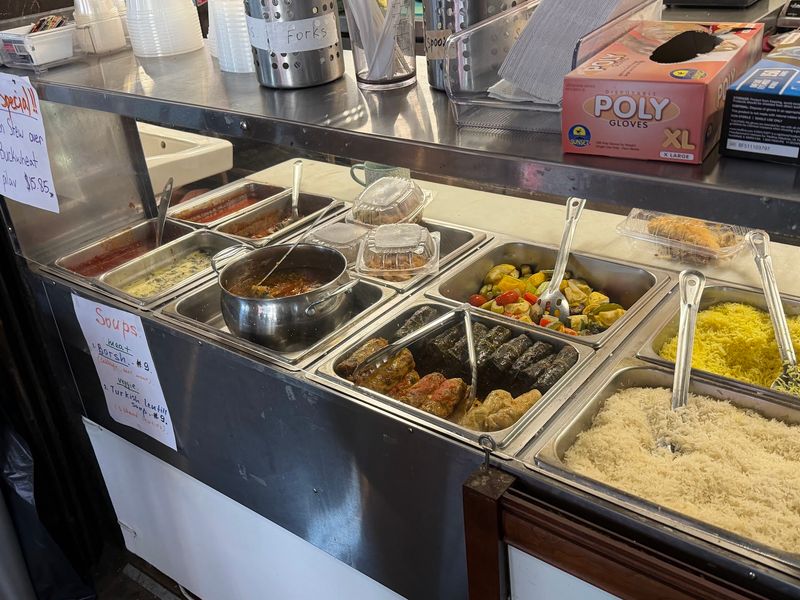
Lunch here can travel the world in a few steps. The food stalls cover a wide range of cooking styles, all within a short walk of each other.
Thai cooking has a counter of its own. A Mexican street food stall sits nearby, and Napales Mexican Street Food handles breakfast bowls for the early crowd.
Hungarian cooking appears too, with familiar vendors who have built steady followings. There are bakeries as well, including stalls that serve gluten-friendly desserts.
La Petite Kitchen rounds out the lineup with hearty plates that people mention by name. Variety is the real draw, since a group can split up, order from different counters, and meet back at one table.
That flexibility settles a lot of family debates. Nobody has to agree on one restaurant when six small ones are waiting under the same roof.
Stall lineups do change over time. Some vendors move on and new ones arrive, so the counter you loved last year may have a neighbor worth trying now.
That steady turnover keeps the lunch routine from going stale. Regulars may guard their favorite, but they also keep an eye out for the next one.
The Makers Behind the Tables
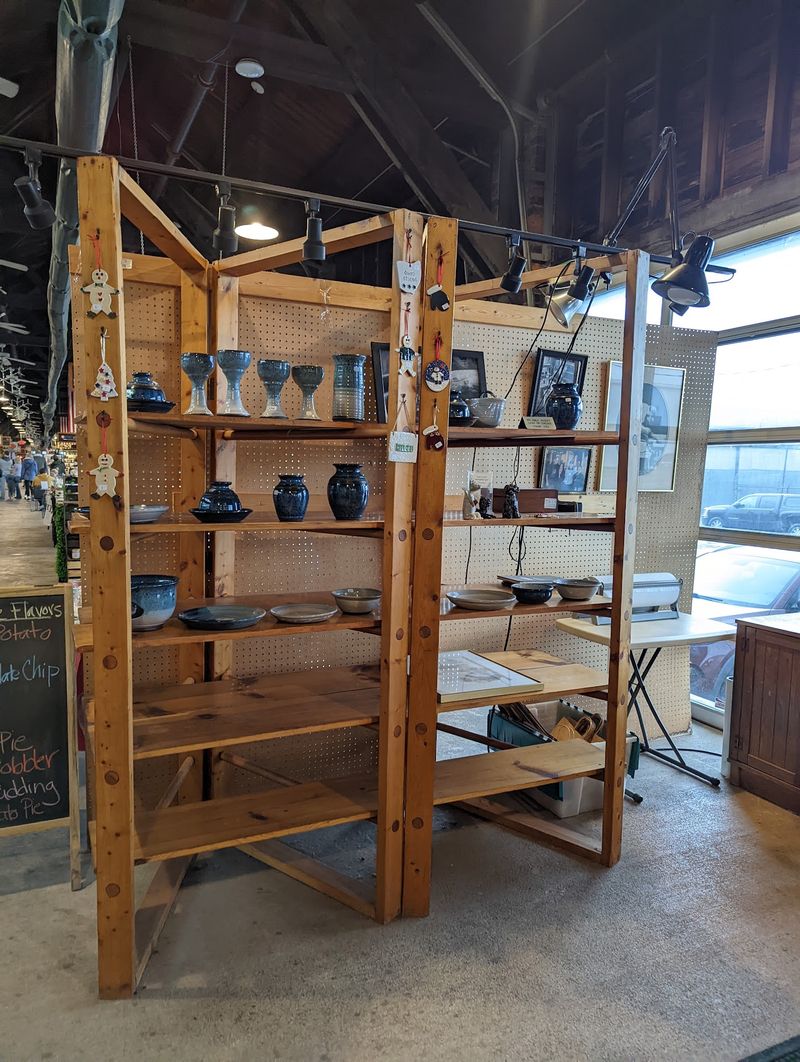
Not every treasure here comes on a plate. Craft vendors fill a big share of the market, and many of them made their goods by hand.
Ninjtaro Jewels is one standout. The handcrafted jewelry business is based in Dayton and run by gemologist Charmé Austin, and her pieces earn high praise for their quality.
Jewelry is just the start. There are hand-carved wooden items, pottery, candles, kitchen utensils, plants, and tarot cards spread across the stalls.
Fresh flowers show up at some tables too. They make a simple add-on for anyone heading to a dinner or a weekend visit with family.
Many shoppers enjoy the conversations as much as the goods. Makers are usually right there at their tables, happy to explain how something was made.
That direct connection is hard to find at a big store. Buying from the person who carved, cast, or shaped an item gives a gift a better story.
Plenty of people stop for lunch and leave with a necklace or a pot they never planned to buy. Consider that a friendly warning for anyone on a tight budget.
A Beekeeper, a Baker, and Other Familiar Faces
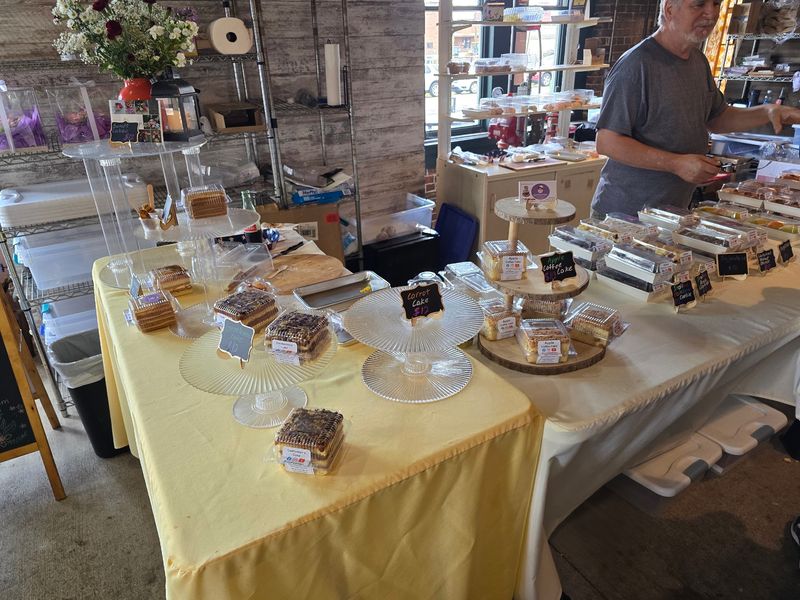
Meeting the person who did the work is a big part of the fun. At one local honey stand, the beekeeper tends his own hives and bottles the honey he sells.
That kind of story repeats across the market. A baker who makes croissants and rolls has longtime friends among the shoppers, and the same goes for the family making Hungarian cabbage rolls.
These are not distant brands. They are neighbors who show up each weekend and recognize the people who return.
Dohner Maple Products brings Ohio-made syrup to its stall. A half gallon has sold for around 30 dollars, which gives a sense of how local goods are priced.
Shoppers also find a chocolatier described by fans as the best in Dayton. Spices, teas, grains, and pantry staples fill other stalls.
Each vendor adds a small chapter to the market’s story. Over time, regulars collect these relationships the same way they collect weekend habits.
Ask a question at almost any table and expect a real answer. The folks behind these counters tend to know their products inside and out, and they seem glad to share.
What About Fresh Produce?
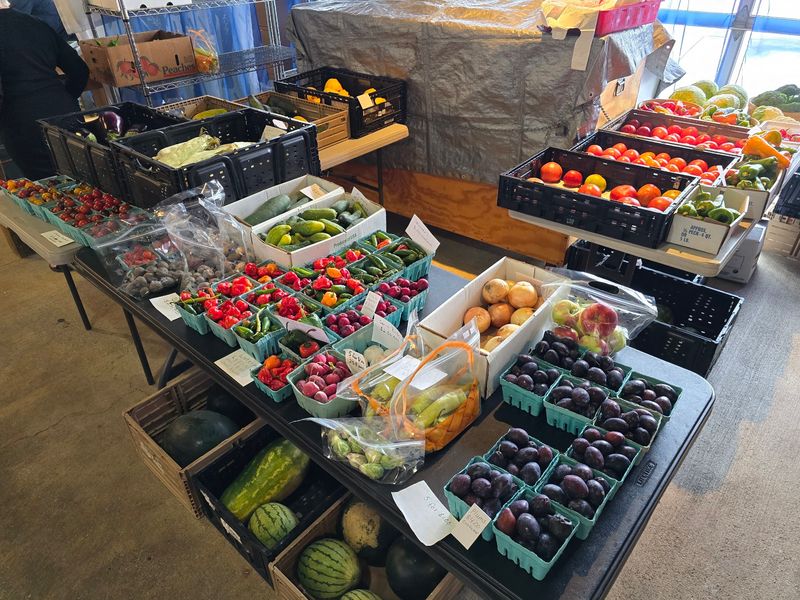
Fresh produce is one of the market’s most talked about topics, and the truth is a little mixed. Some weekends, farm stands and local growers offer plenty to choose from.
Shoppers have found fresh-cut juicing greens, organics, locally farmed produce, and even meats at various times. Saturday mornings are a favorite for stocking up.
On other days, the selection runs thin. A few people have noticed weeks with no fresh meat or fruit and vegetable vendors at all.
Some fans have even said they wish more farmers would join. They feel that a bigger produce section would make a great market even better.
The practical lesson is simple. Anyone shopping mainly for groceries should plan on a Saturday, especially in the warmer months when outdoor booths add more growers.
Treat produce as a bonus rather than a sure thing. The lunch counters and craft tables are steady, while farm stands depend on the season.
Bring a reusable bag just in case. When the produce is there, it often goes quickly, and regulars know to grab it before heading to lunch.
Music, Painters, and Pottery in Motion
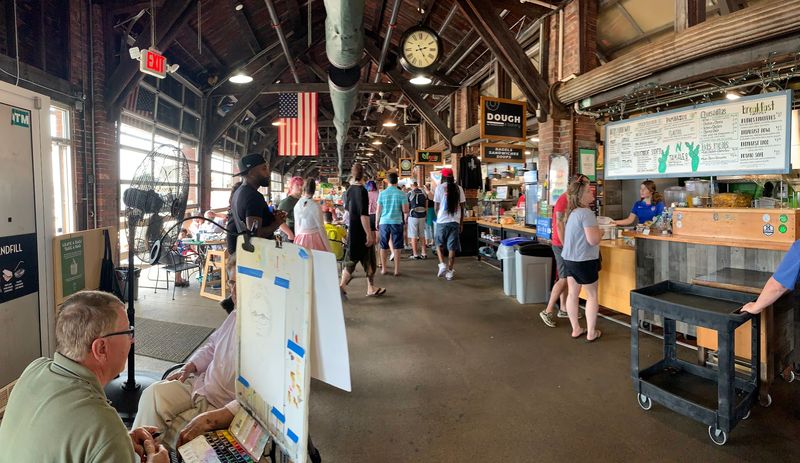
Lunch comes with a soundtrack on many weekends. Live music is a regular part of the market, often performed near the seating areas.
Local musicians bring a range of instruments. One regular performer has played the recorder, sung with friends, and recorded videos with other market-goers.
The entertainment goes beyond music. Live artists sometimes work on site, including a painter and a potter creating pieces as people watch.
This mix turns a quick errand into an event. Shoppers describe the place as festive, an indoor market with the energy of an outdoor fair.
Kids tend to enjoy the performers, and adults appreciate a reason to linger after lunch. Plenty of groups end up staying much longer than planned.
The performances are casual and community driven. There is no stage show schedule to memorize, just local talent sharing a corner of the hall.
That loose, friendly style matches the rest of the market. It feels less like a production and more like a neighborhood gathering that happens to have great lunch counters nearby.
A Saturday Ritual for Daytonians
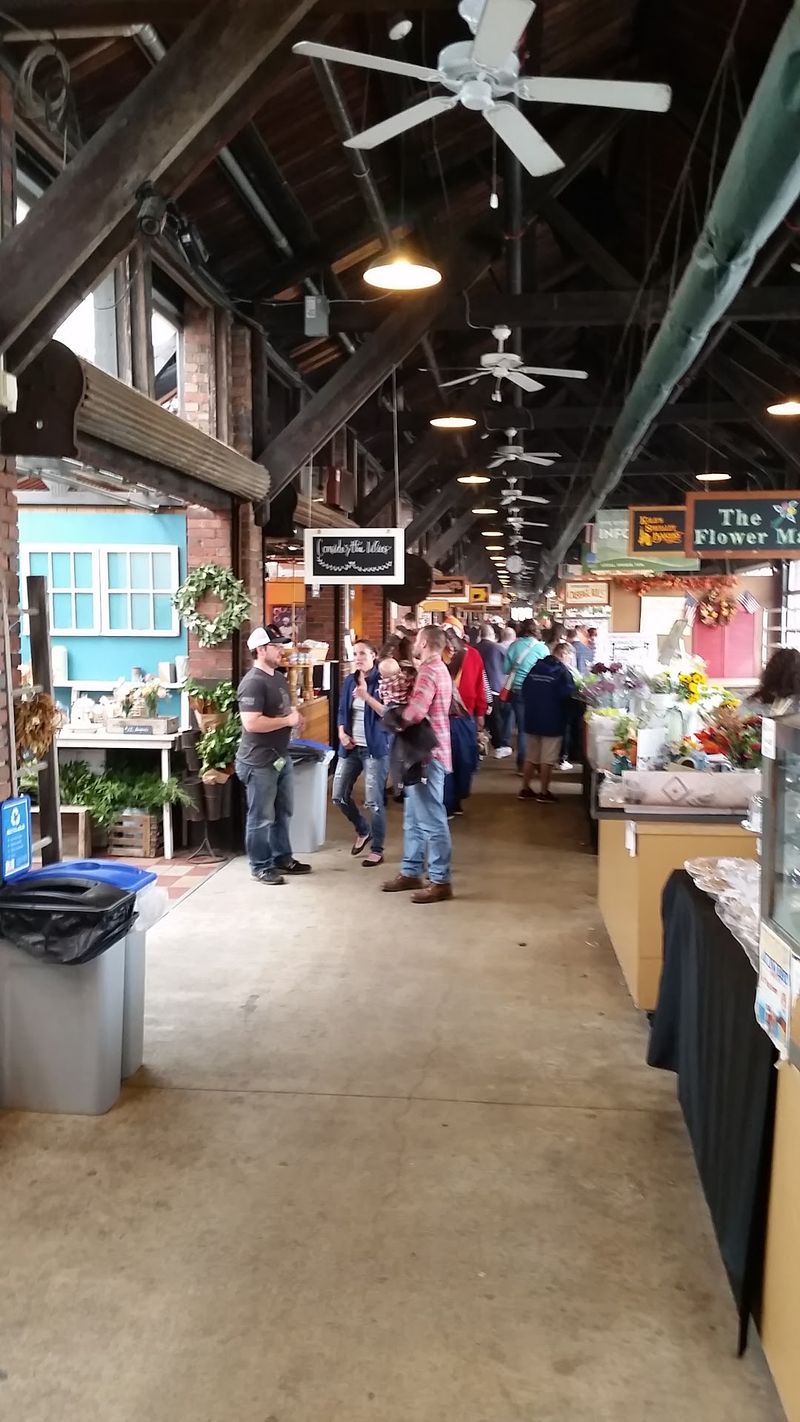
For some locals, Saturday morning without a market stroll just feels incomplete. The routine is simple: coffee, brunch, a little shopping, and a lot of saying hello.
Many regulars run into friends every time they visit. That steady stream of familiar faces makes the market feel like a town square.
It is a place to gather with family and friends for breakfast or lunch. Groups often claim a table, send people to different counters, and settle in.
The atmosphere stays casual and relaxed. People wander, chat, and hang out without any rush to move along.
Friendly vendors add to that welcome. Many shoppers say they feel greeted rather than sold to, which keeps them returning.
Visitors from out of town can join the ritual easily. Locals often recommend the market as one of the best ways to get a feel for Dayton’s food and crafts.
Spend one Saturday here and the appeal becomes clear. It is less about a single purchase and more about feeling like part of the community, even for a few hours.
Prices, Honestly Speaking
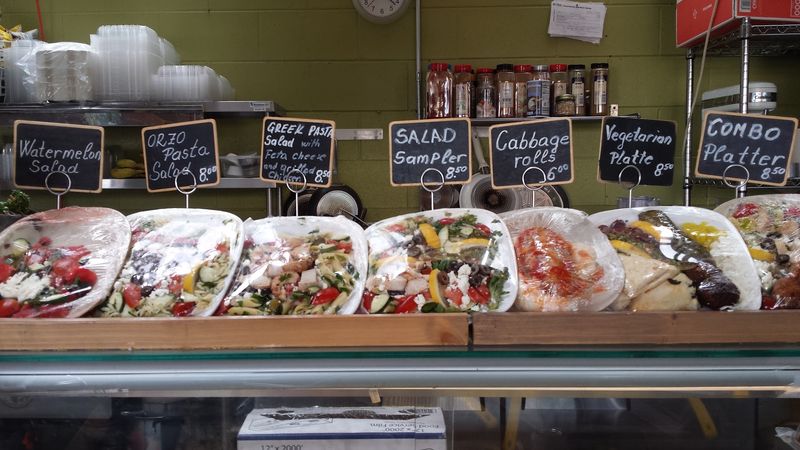
Let’s talk money, because surprises at checkout are nobody’s favorite. Opinions on cost here vary quite a bit.
Some shoppers find lots of eateries at good prices. The coffee booth in particular earns praise for friendly service and fair prices on quality products.
Others feel certain items run on the pricey side. A few have compared some food and booth prices to big-city markets.
Both views can be true at once. With so many independent vendors, each one sets its own prices, so the range is wide.
Handmade goods and small-batch products naturally cost more than mass-produced items. Paying the maker directly is part of what keeps these small businesses going.
A smart approach is to take a full lap before buying. Comparing a few counters helps match lunch to both appetite and budget.
Setting a spending limit also helps. Between jewelry, baked goods, plants, and pantry staples, the temptation to keep adding to the bag is very real.
Seats, Restrooms, and Room to Roam
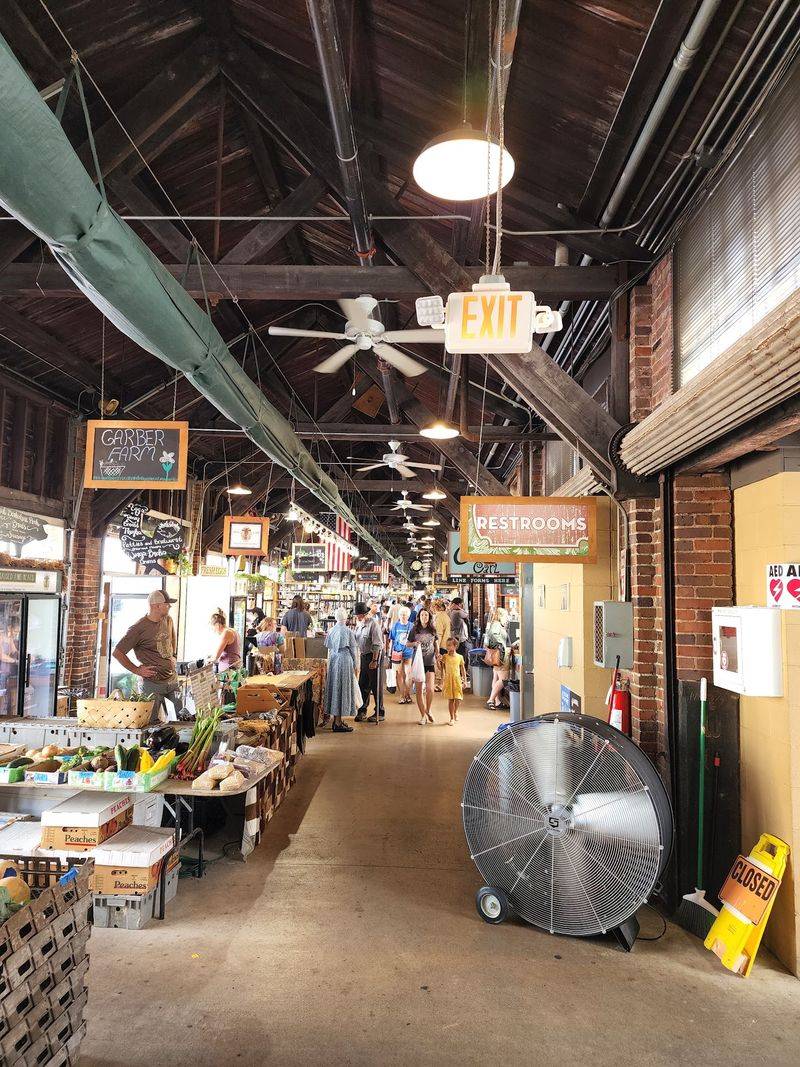
A lunch counter is only as good as the place to sit afterward. Seating is sprinkled throughout the market, with tables near the food stalls and music.
Most of the time, there is plenty of space. On cold, busy days, though, finding an open seat can take a little patience.
Restrooms are available inside the indoor hall. That detail matters for families and for anyone planning to stay a few hours.
The layout is easy to walk. Stalls line up in clear rows, and the outdoor booths connect simply to the indoor area.
The market works well for many kinds of groups. Couples, families, friend groups, and solo shoppers all seem to find a comfortable rhythm here.
Arriving a bit before the lunch rush helps. Grabbing a table first and then sending one person to order is a classic regular move.
Many people spend several hours without noticing the time. Comfortable seats and a steady stream of things to see make long visits feel easy.
Three Days a Week, and Parking That Cooperates
Timing is everything with this secret. The market keeps a short schedule, and showing up on the wrong day means a locked door.
Hours run Friday from 11 AM to 3 PM, Saturday from 9 AM to 3 PM, and Sunday from 11 AM to 3 PM. Monday through Thursday, the market is closed.
Saturday is the only day with an early start. That makes it the top pick for coffee, breakfast, and first choice at produce stands.
Every day wraps up at 3 PM. Late arrivals may find some counters winding down, so aiming for late morning or early lunch is wise.
Parking is a pleasant surprise. Free lots sit next to the building, with ample spaces in both front and back.
That convenience makes quick visits easy. Nobody needs to circle downtown blocks hunting for a meter.
For the latest details, the Five Rivers MetroParks website lists current information. A quick check before heading out can save a wasted trip, especially around holidays.
Worth Keeping, Worth Sharing
Some secrets are fun to keep, but this one is better shared. The market holds a strong following, with more than two thousand people giving it high marks on Google Maps.
Its appeal comes from many small pieces. Friendly lunch counters, handmade goods, local growers, live music, and easy parking all add up.
It is not perfect. Produce can be hit or miss, and some prices lean high, yet most people leave planning their next trip.
The best fit is anyone who enjoys wandering without a strict plan. Those who like chatting with makers and trying a new counter each time will feel right at home.
Families will find space to spread out, while solo shoppers can grab a quick lunch and browse at their own pace. Out-of-town guests get a clear snapshot of Dayton’s local talent.
Go on a Saturday morning for the fullest experience. Arrive hungry, bring a bag, and leave time for the music.
Then, maybe, tell just a few close friends. The regulars might forgive you, as long as you save them a seat near their favorite counter.
Enjoyed this story?
Add Fast Food Club as a preferred source to see more of our reporting on Google.