


Some road trips start with a map, and some start with a craving for fresh bread and a block of cheese. Across central Illinois, families keep loading up the car and heading toward one small village with a single main street that also works as a county line.
The pull is not a theme park or a big city skyline. It is a farming community with roots going back to the 1860s, where Amish bakeries and cheese shops still set the pace of the day.
The trip feels simple, and that is exactly the point. Families come for a bag of baked goods and leave with a slower kind of afternoon.
Keep reading to learn where this village sits, why its story matters, and how to plan a visit that stays respectful, relaxed, and well fed.
A Village Split Down the Middle
Few towns can say their main street does double duty as a county boundary. Arthur, Illinois, USA, sits right on that line, with Vine Street dividing Douglas County from Moultrie County.
The village is small, with a population of 2,231 at the 2020 census. That size shapes everything about a visit here, from the easy parking to the unhurried feel of a weekday stop.
Arthur sits in east-central Illinois, surrounded by flat farmland. For many families in the state, it makes a reasonable day trip rather than a full vacation.
Here is a fun detail for kids in the back seat. Crossing Vine Street means stepping from one county into another without leaving town, which is a neat geography lesson that costs nothing.
The village keeps an official website at arthuril.com, which is a smart place to check before heading out. Local events and business details can change, and the site helps families plan without guessing.
So what turns a tiny Illinois village into a regular stop for so many families? The answer starts more than 150 years ago.
Roots Planted in the 1860s
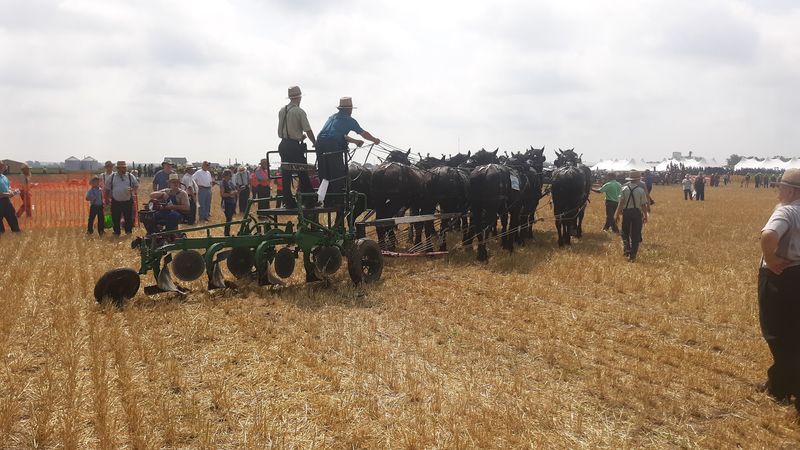
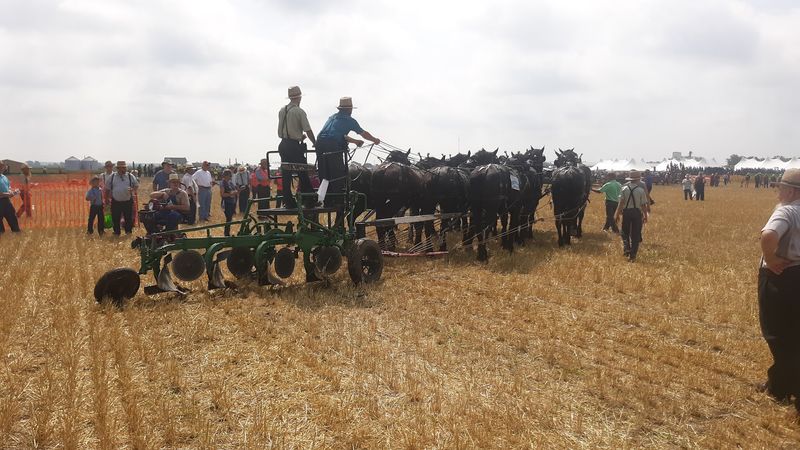
History here is not tucked away in a museum case. The Arthur area is home to the oldest Amish community in Illinois, founded in the 1860s.
That date matters. It means families have farmed, worked, and built a shared way of life in this region for generations.
The community is also the largest Amish settlement in the state. Size and age together give the area a steady identity that newer tourist towns simply cannot copy.
For visiting families, this history adds meaning to an ordinary errand. Buying bread or cheese becomes a small link to a tradition that has continued for well over a century.
Parents often find this an easy way to start conversations with children about how people live differently. A bakery counter can open the door to questions about farming, family, and community values.
Plain living has a long memory here, and the next stop shows how that memory turns into something you can carry home in a paper bag.
The Bakery Run That Starts Every Trip
Ask families why they make the drive, and bakeries usually come up first. Amish bakeries in the Arthur area are a big part of the village’s reputation.
Homemade bread, pies, and sweet rolls are the kind of items that send people back home with full arms. Many families plan the bakery as the first stop, before shelves thin out later in the day.
That timing tip is worth remembering. Small bakeries make what they make, and popular items can sell out.
Bringing a cooler or a sturdy box is a practical move. Baked goods travel better when they are not sliding around the back seat on a long drive.
Cash is also handy to have in rural shops. Payment options can vary from one business to the next, so a little preparation saves a frustrating moment at the counter.
A bakery stop sets the tone for the whole day. Once the bread is secured, attention usually turns to the other half of the classic Arthur shopping list.
Cheese Counters Worth the Mileage
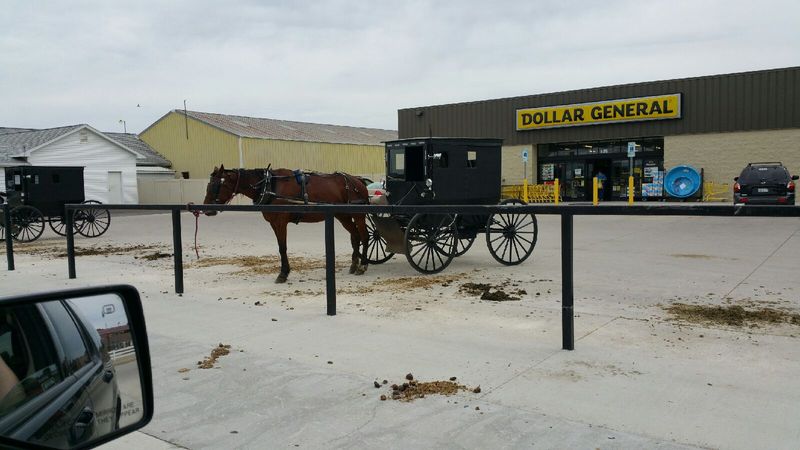
Bread needs a partner, and in Arthur, cheese shops answer the call. They are the second big reason families keep coming back.
Shoppers tend to browse slowly here, comparing blocks and wheels and picking a few to try at home. It turns a quick errand into a small family project.
Here is a tip that seasoned shoppers follow. Pack a cooler with ice packs, especially in warmer months, so cheese stays in good shape on the ride home.
Buying a few varieties at once makes the trip feel worthwhile. Many families stock up for weeks, which also helps justify the drive.
Cheese and bread together make an easy picnic or an at-home snack board later that night. Kids often enjoy picking their own favorite to bring back.
Of course, a good haul is only part of the fun. The pace of the village itself is the quieter reason people linger.
Horse and Buggy Country
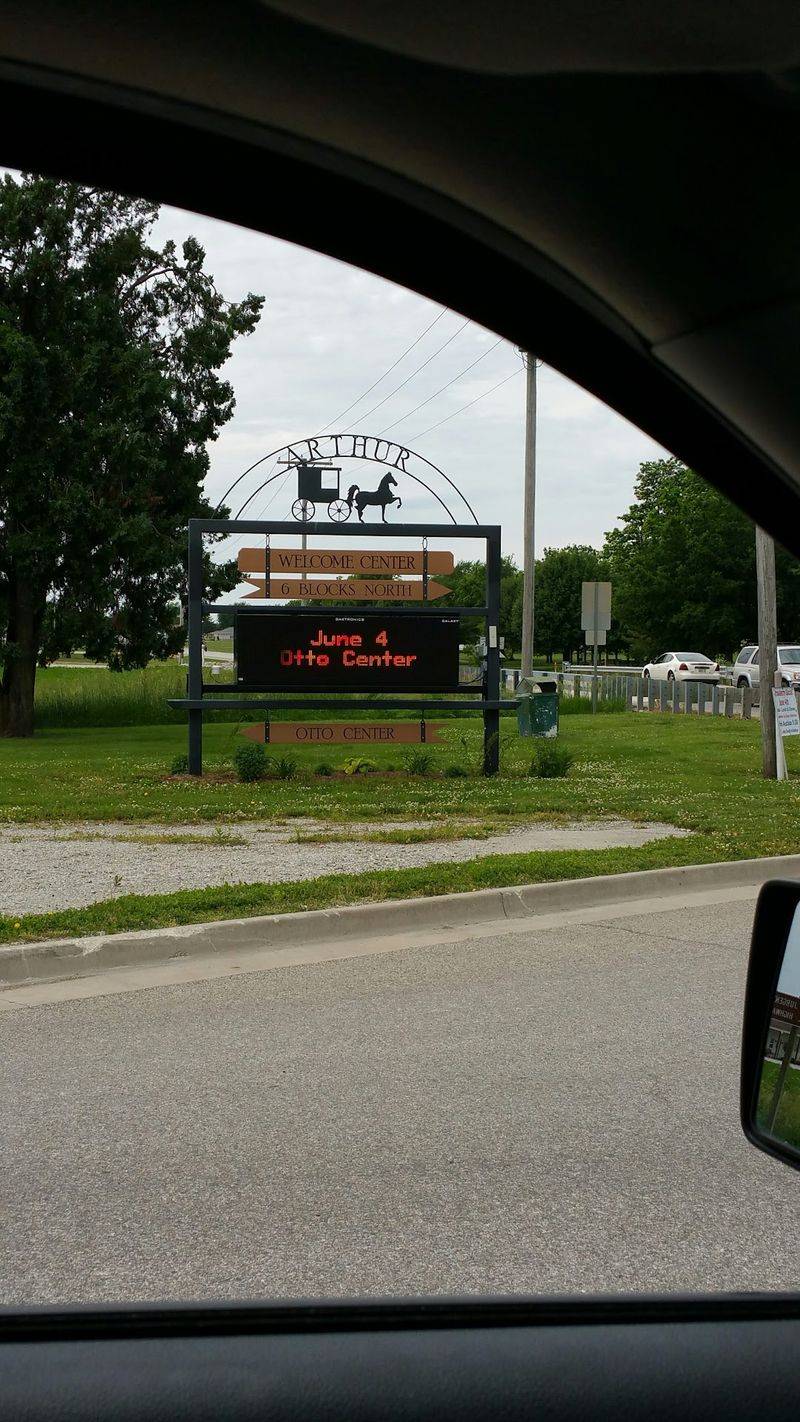
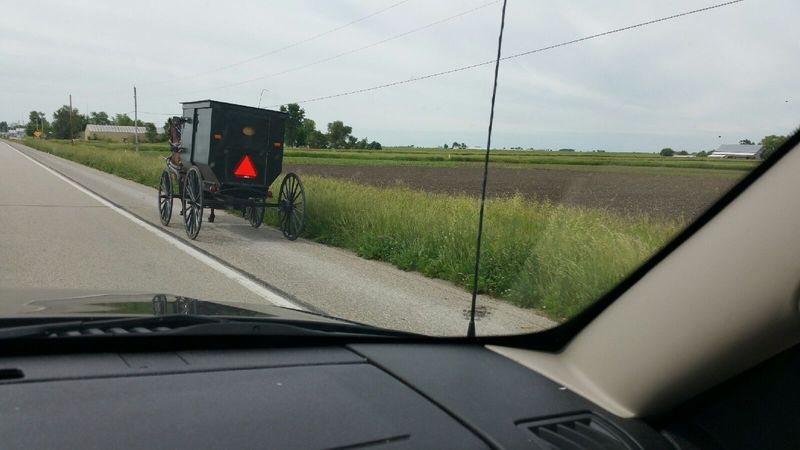
Modern cars share the road here with a much older way of getting around. Because of the large Amish community, horse-drawn buggies are part of everyday travel in the area.
Drivers should slow down and give buggies plenty of room. Patience on country roads is not just polite, it keeps everyone safe.
Children often find the buggies one of the most memorable parts of the day. It is a chance to explain that some families choose simpler transportation as part of their beliefs.
Respect goes a long way here. Many Amish people prefer not to be photographed, so it is best to keep cameras pointed at scenery instead of faces.
Parking thoughtfully near shops also matters. Some businesses have spaces for buggies, and leaving those open is a small courtesy.
Watching the community go about its day adds a layer to the trip that no shop shelf can offer. It also explains why the village feels unhurried from start to finish.
Farmland as Far as the Eye Can Wander
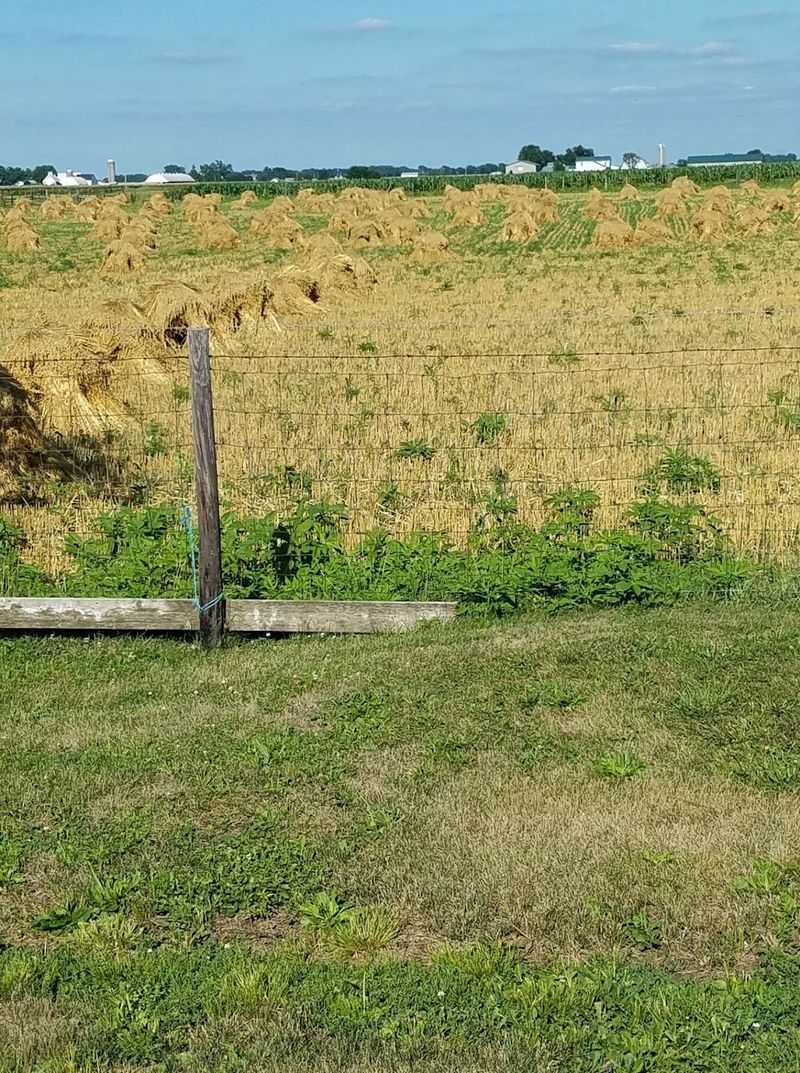
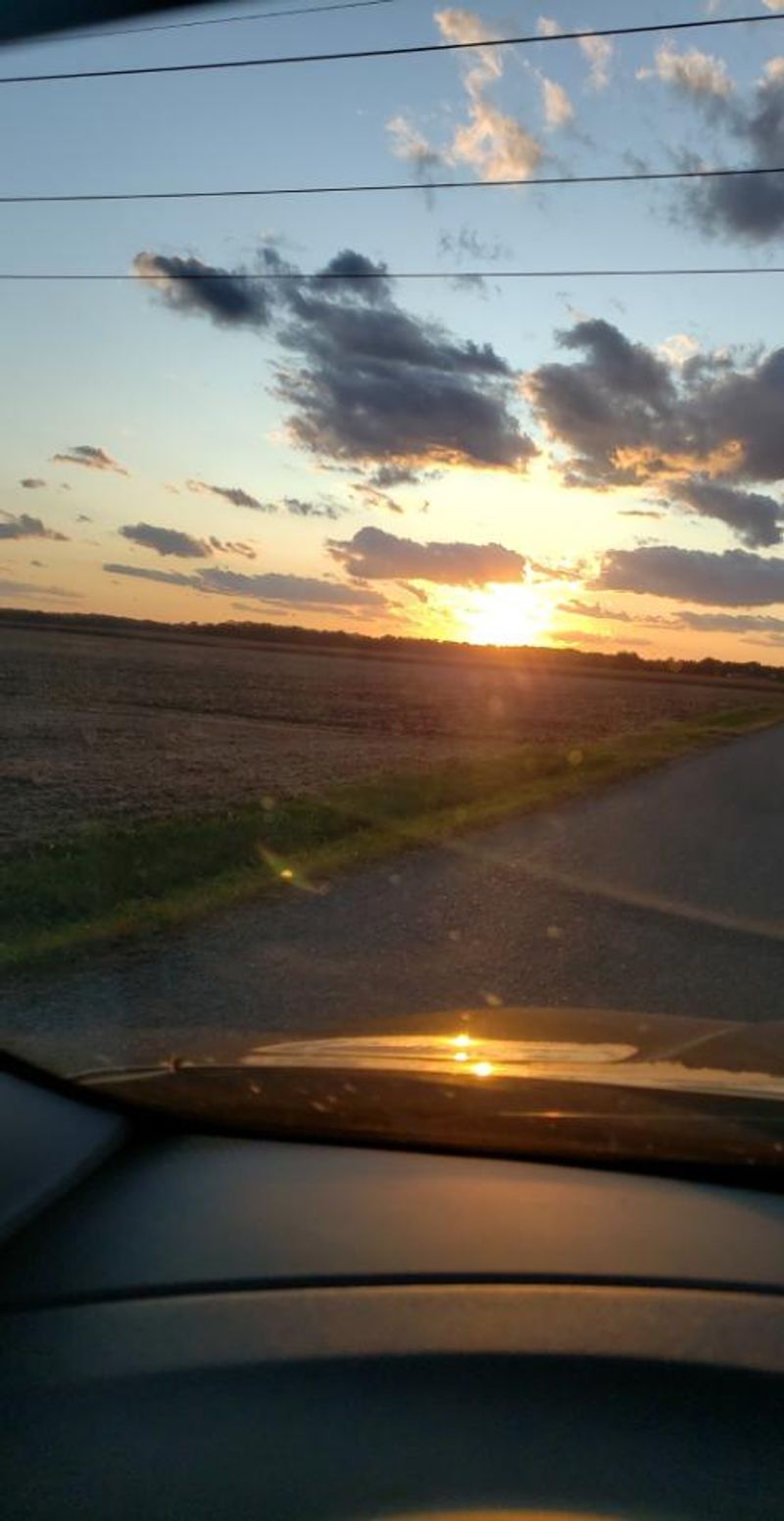
The drive is part of the destination. Arthur sits in a farming region of central Illinois, and fields stretch out around the village in nearly every direction.
For families coming from Chicago suburbs or larger cities, that open space is a welcome change. Kids can spot farms, barns, and equipment along the way.
Farming is central to the Amish way of life, and the countryside reflects that connection. The land around Arthur is working land, not decoration.
Planning a slower route on back roads can make the trip more enjoyable. Just stay alert for buggies and farm vehicles sharing the lanes.
Seasons change the look of the landscape, so repeat trips rarely feel the same. Spring planting and fall harvest each give the drive a different character.
After the open road, the shops in town feel even cozier. And for many families, those shops hold more than food.
Handmade Goods Beyond the Kitchen
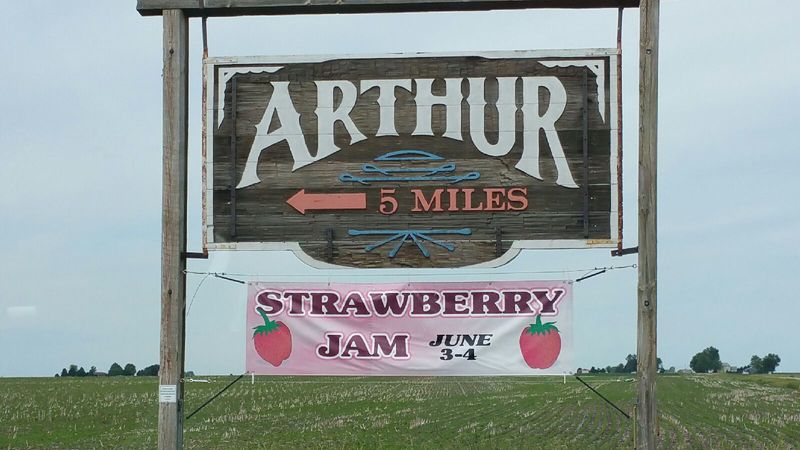
Plenty of families arrive for snacks and leave eyeing a rocking chair. Amish communities are widely known for handcrafted work, and shopping in the area often reaches beyond food.
Furniture, quilts, and other homemade items can be part of the browsing experience. Each piece reflects skills passed down through families.
Bigger purchases may need some planning. Measuring space at home before the trip can prevent a disappointing moment at checkout.
Smaller handmade items make thoughtful gifts. A trip in late fall can double as an early holiday shopping run.
Asking questions politely is welcome in most shops. Learning how something was made adds meaning to the purchase.
Shopping this way supports local families directly. That idea, simple as it sounds, is part of what keeps people loyal to this corner of Illinois.
A Slower Clock for Busy Families

Busy schedules are a fact of modern family life. A day in Arthur gently pushes against that rush.
The village is small, so there is no pressure to see everything in a frantic loop. Families can move between shops at their own speed.
That calm pace suits many kinds of travelers. Grandparents, young kids, and teenagers can all find something to enjoy without a packed itinerary.
Screen time tends to drop naturally here, too. Watching buggies and browsing shelves keeps attention in the real world.
Many parents value that change of rhythm as much as the shopping. It turns an ordinary Saturday into a shared memory.
Of course, a relaxed day still needs a bit of planning. Timing matters more than many first-timers expect.
Timing Your Trip Right
Nothing deflates a road trip faster than a locked door. Many Amish-run businesses are closed on Sundays, so weekday or Saturday trips are the safer bet.
Hours can vary by shop and by season. Checking the village website at arthuril.com before leaving home is the simplest way to avoid surprises.
Arriving earlier in the day usually pays off. Bakery shelves tend to be fullest in the morning.
Holidays and local events can change the flow of traffic and store schedules. A quick look ahead helps families decide whether they want a busier or quieter visit.
Weather is worth a glance as well. Country roads and buggy traffic call for extra care in rain or snow.
With the calendar sorted, the next question is simple. How much should families budget for a day like this?
Budget Notes and Cash in Pocket
Here is the good news for wallets. Wandering the village and enjoying the countryside costs nothing at all.
Spending depends on how big the shopping list grows. A few baked goods and some cheese make for a modest day, while handmade furniture is a much larger investment.
Specific prices vary by shop, so setting a family budget before arriving helps. It keeps impulse buys in check when everything looks tempting.
Carrying cash is a smart habit in rural areas. Some small businesses may prefer it or have limited card options.
Gas is another cost to plan around. For families driving in from farther parts of Illinois, the round trip can add up.
Many families see the trip as good value anyway. A cooler of local goods and an easy day out is a fair trade for a tank of gas.
Etiquette That Earns a Warm Welcome
Good manners travel well, and they matter especially here. The Arthur area is a living community, not a staged attraction.
Avoid photographing Amish people, particularly their faces. Many in the community prefer not to be pictured.
Modest behavior in shops is appreciated. Speaking politely and keeping kids close in small stores helps everyone feel comfortable.
Private farms are homes and workplaces. Unless a sign invites visitors in, it is best to admire them from the road.
On the drive, slow down for buggies and pass only when it is safe. Honking can startle horses, so it is best avoided.
These small habits show respect for a way of life that dates to the 1860s. They also help keep the welcome warm for the next family that arrives.
The Case for One More Drive
Some trips are about big sights, and some are about good bread. Arthur falls happily into the second group.
The reasons families return are clear. There is the oldest and largest Amish community in Illinois, a main street that splits two counties, and bakeries and cheese shops worth planning a day around.
Add in open farmland and a slower pace, and the drive starts to feel like a tradition. Many families mark it on the calendar once a season.
The village is not flashy, and it does not try to be. Its appeal comes from steady routines and honest work.
Pack a cooler, bring some cash, and skip Sunday. Those three steps cover most of what a first trip needs.
By the time the car heads home, the trunk will likely be full and the schedule a little lighter. That combination is exactly why Illinois families keep coming back to Arthur.
Enjoyed this story?
Add Fast Food Club as a preferred source to see more of our reporting on Google.