


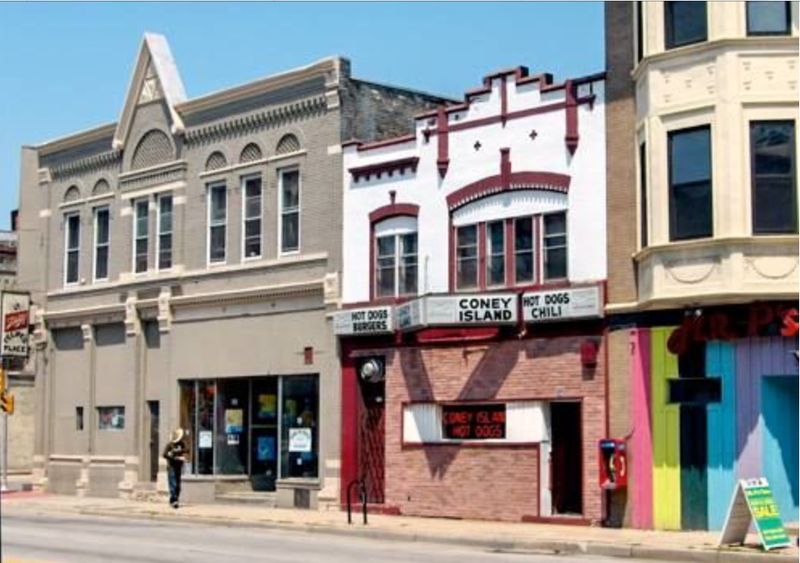
Some neighborhoods wear their past on their sleeves, and one corner of Milwaukee wears it on a giant clock face that can be read from blocks away. Old factory buildings here did not get torn down.
They got second lives as busy gathering spots, kitchens, and late-night hangouts. Street by street, the area mixes Latin dance clubs, LGBT-friendly nightspots, Mexican eateries, trendy American bistros, and brunch places that care about where their ingredients come from.
That is a lot of personality for one patch of the city. The story behind it is just as layered as the menus.
In the sections ahead, you will learn where this district sits, what makes its industrial streets so appealing, which landmark rules the skyline, and how to plan a smart visit. Grab a comfortable pair of shoes, because this part of town rewards anyone willing to explore it one block at a time.
A Neighborhood With a Milwaukee Zip Code
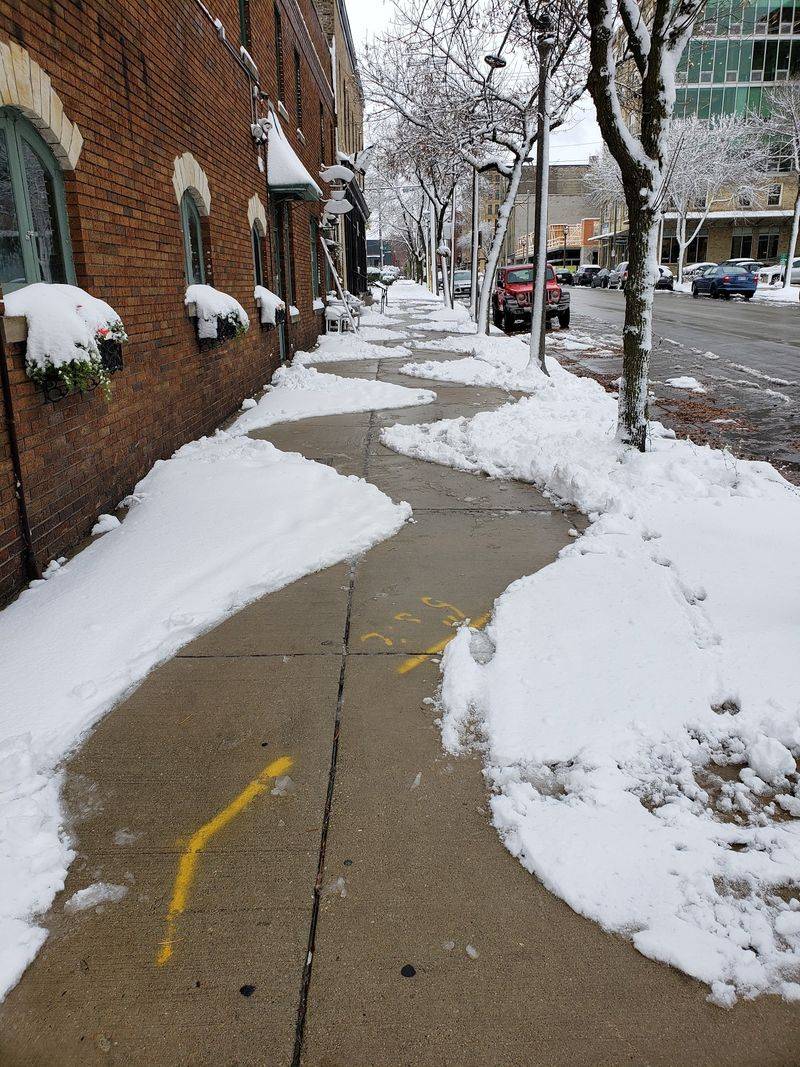
The tavern in the headline is really a whole district. Walker’s Point is a neighborhood in Milwaukee, WI 53204, in the state of Wisconsin, United States.
It is not a single building with a single door. Instead, it is a collection of streets, storefronts, and converted factories that together tell a story about how Milwaukee works, eats, and spends its evenings.
Think of the title as a promise of history rather than a pointer to one counter. The history here pours out of brick walls, old industrial spaces, and a famous clock tower that has become a symbol for the entire city.
The area is best known for its diversity. Different communities have shaped what you find on its blocks, and that mix shows up in the restaurants, the clubs, and the crowds who fill them.
For travelers, the appeal is simple. You can spend a single afternoon and evening here and get a sampler of Milwaukee culture without hopping across town.
Planning starts with that zip code, 53204, which helps when mapping a route or searching for specific spots within the neighborhood. From there, the fun part is deciding which block to explore first, and the industrial past is a great place to begin.
Factory Walls, Fresh Purpose
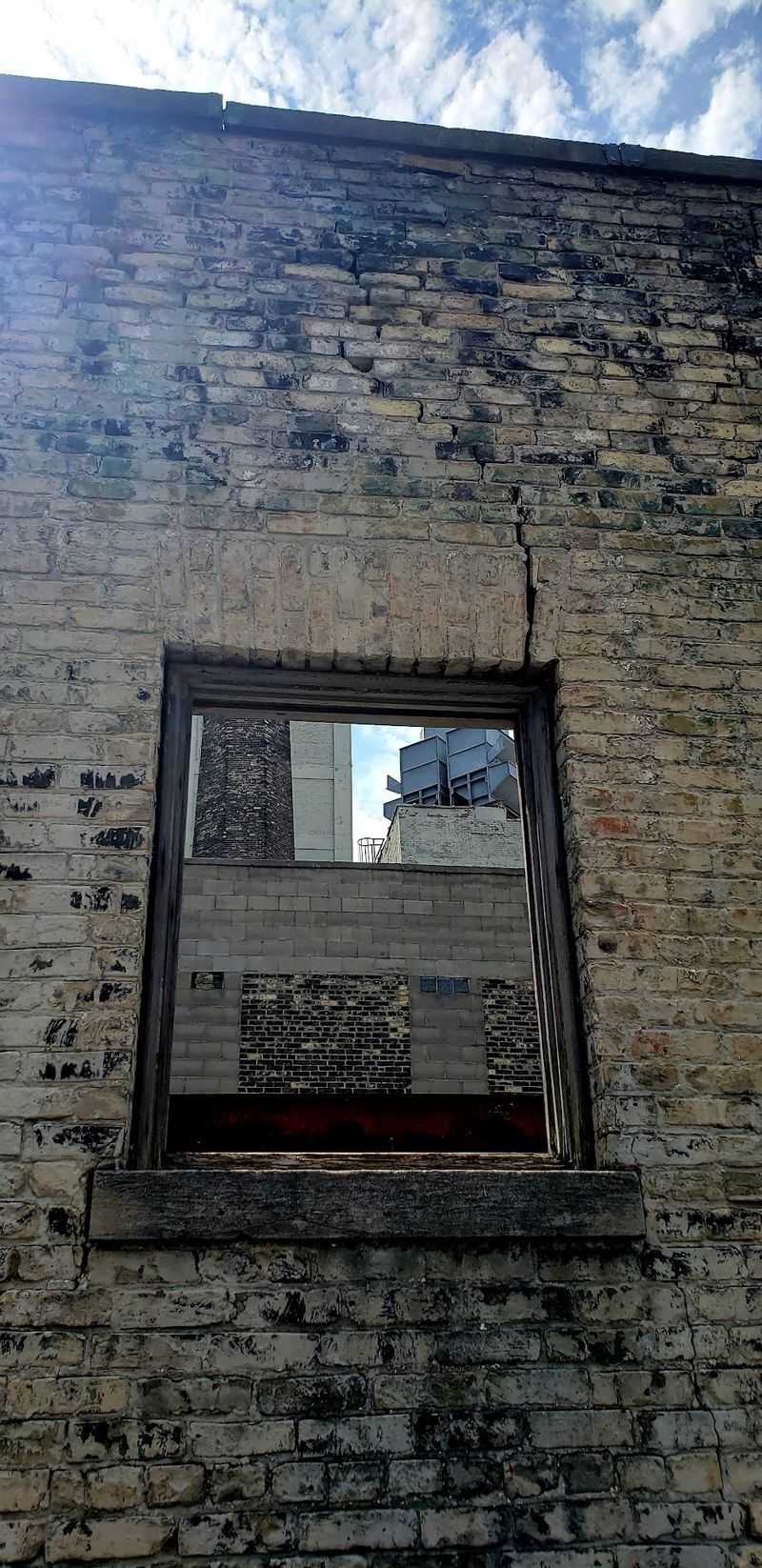
Old industry did not vanish from this part of Milwaukee. It simply changed jobs.
Many of the neighborhood’s most popular gathering spots are housed in industrial spaces. Former workshops and warehouses now hold craft makers with on-site rooms where guests can sit, chat, and learn how things get produced right in the same building.
That reuse is a big part of the district’s character. Instead of glossy new construction everywhere, you get sturdy structures with clear ties to the city’s working past.
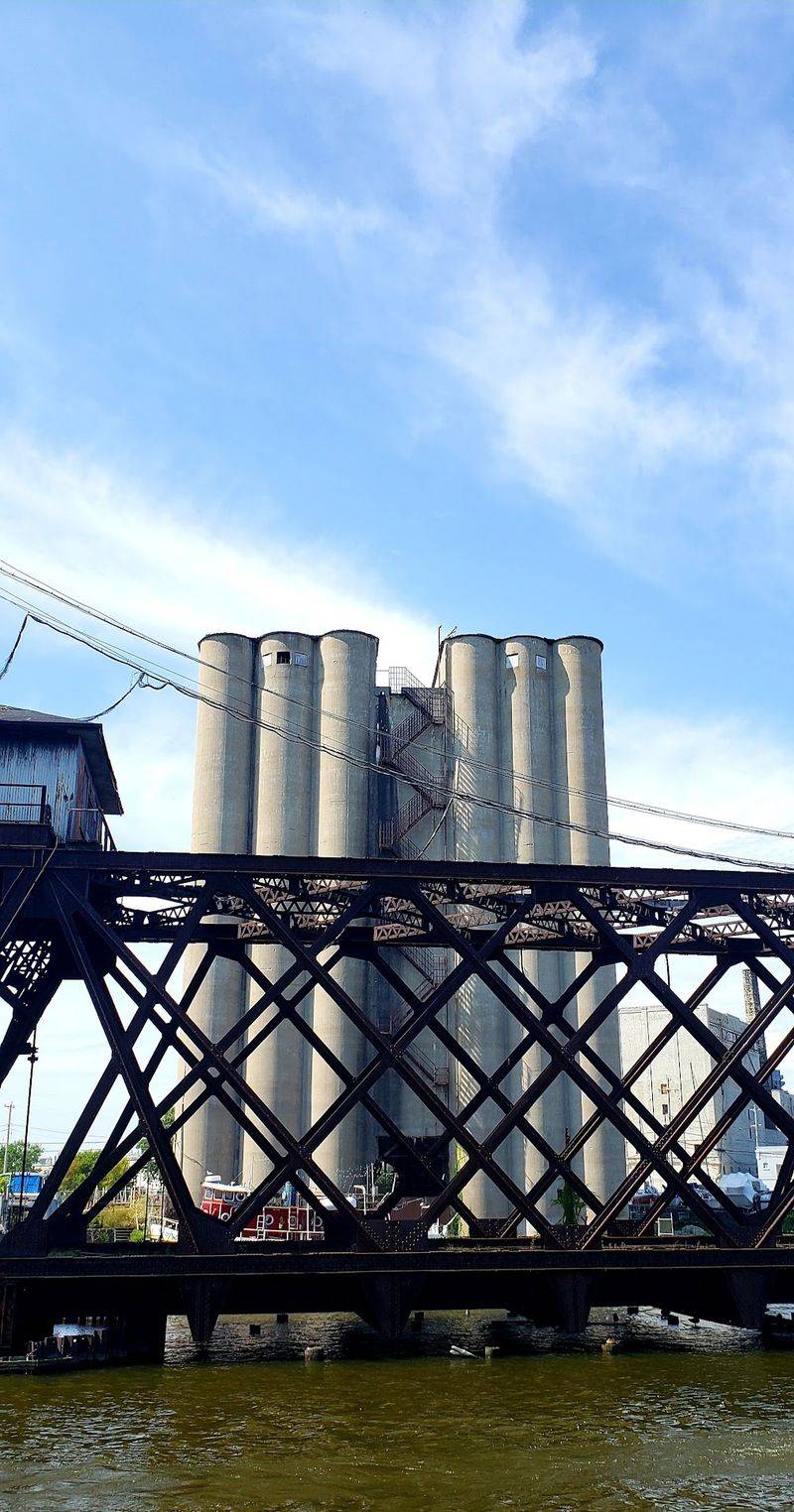
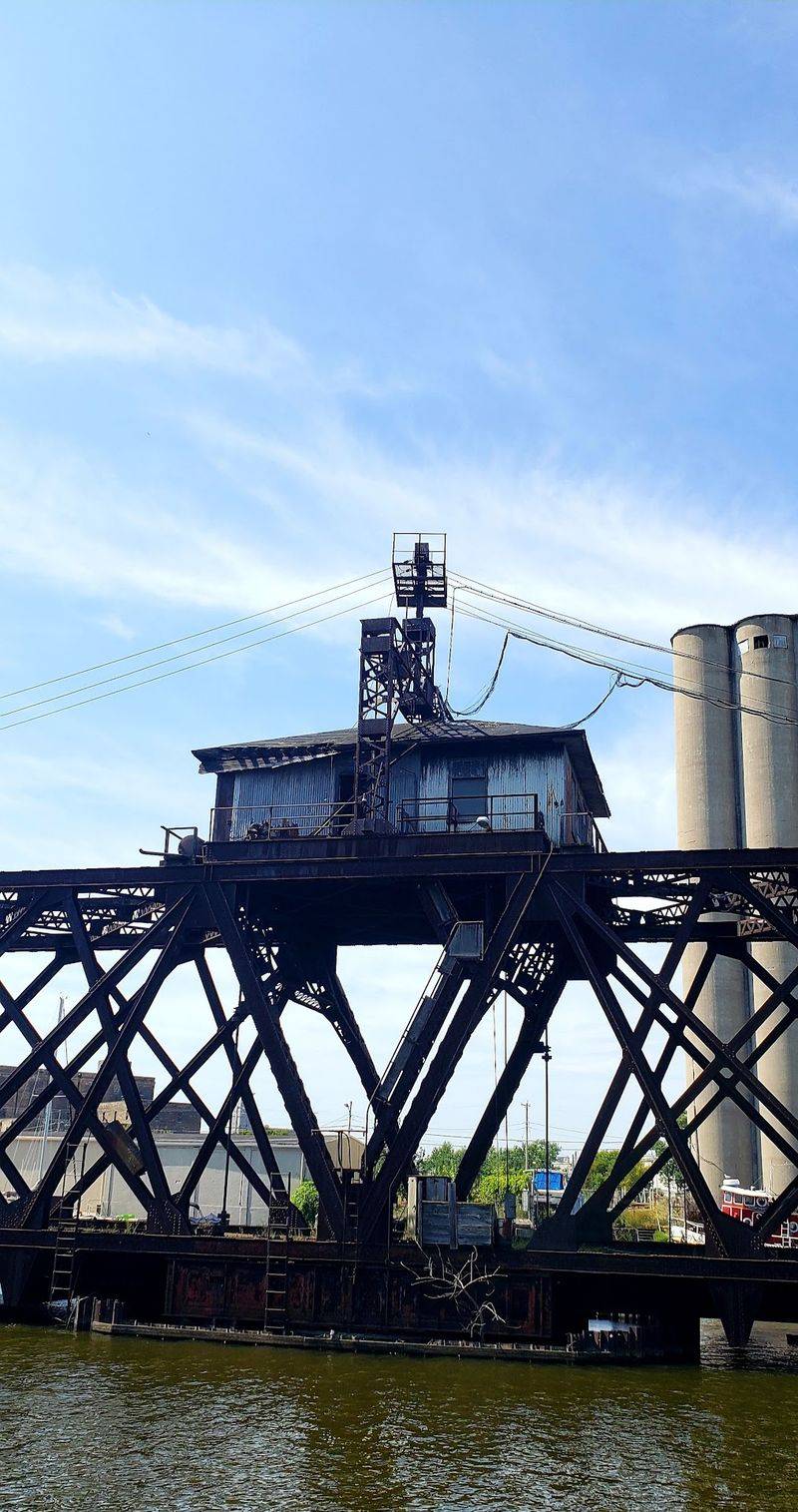
History fans will appreciate how visible that past remains. The buildings themselves act like an outdoor museum, and nobody charges admission to look at them from the sidewalk.
It also explains why the neighborhood feels so different from a standard shopping strip. Spaces here tend to be roomy and industrial in style, which gives each venue its own layout and personality.
Walking between these converted spots is one of the easiest ways to spend time in the area. You can map out a few addresses, stroll from one to the next, and see how each owner adapted a piece of Milwaukee’s industrial heritage.
Of course, the most famous industrial structure in the neighborhood is not a hangout at all. It is a clock, and it is hard to miss.
Four Faces Over the Skyline
Running late in this neighborhood is a tough excuse. The Allen-Bradley Clock Tower makes sure everyone knows the time.
This landmark is considered a Milwaukee icon. Its standout feature is a large four-sided clock, which means it can be read from multiple directions as you move around the area.
For first-time travelers, the tower works as a handy reference point. Spot the clock, and you have a good sense of where you are within Walker’s Point.
It is also the kind of sight that photographers love. A four-sided clock on a tower gives plenty of angles to work with, so it is worth walking around a bit to find a favorite view.
Beyond the photos, the tower carries meaning for locals. It represents the industrial heritage that shaped this side of the city and still defines its look today.
Many people build their visit around seeing it at different times of day. A morning glance during a brunch outing and a second look during an evening out can feel like two different encounters with the same landmark.
Once you have your bearings from the clock, the next question tends to arrive quickly. Where should you eat?
Plenty of Mexican Eateries
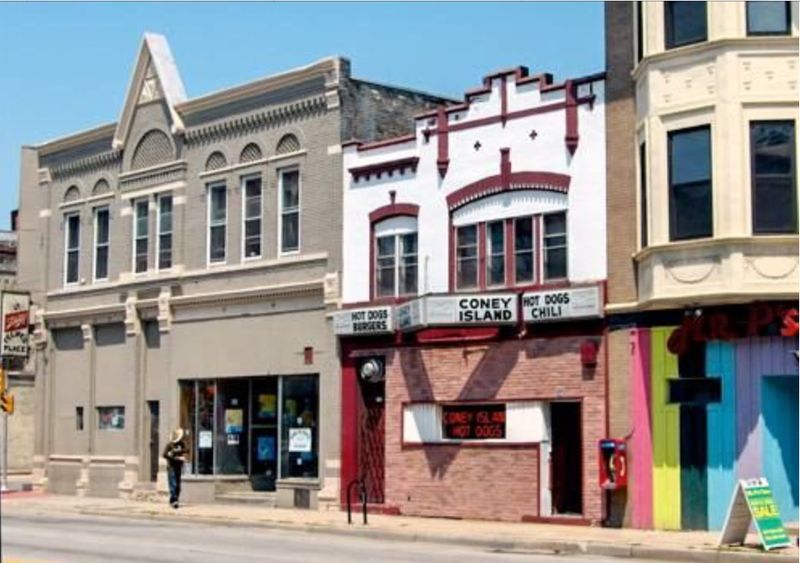
Hungry travelers have it easy here. The restaurant lineup includes plenty of Mexican eateries spread across the neighborhood.
That strong presence connects to the area’s diversity. Communities who call Walker’s Point home have helped shape its dining options, and the result is a district where Mexican cooking is a regular part of daily life rather than a rare find.
Having so many choices in one area is practical too. You can compare a few menus, pick whichever spot fits your mood and budget, and still be within reach of the clock tower and other sights.
Families, groups of friends, and solo travelers can all find something that works. Casual meals fit well into a day of exploring, and they also make a sensible first stop before a night out in the neighborhood.
Because there are so many options, it helps to do a little homework before arriving. Check current hours and menus online, since each restaurant sets its own schedule.
A smart approach is to treat these eateries as anchors for your route. Start with a meal, walk off the visit among the old industrial buildings, and continue on to whatever comes next.
And what comes next might look completely different, because the neighborhood also has a trendy side.
Bistros With a Modern Streak
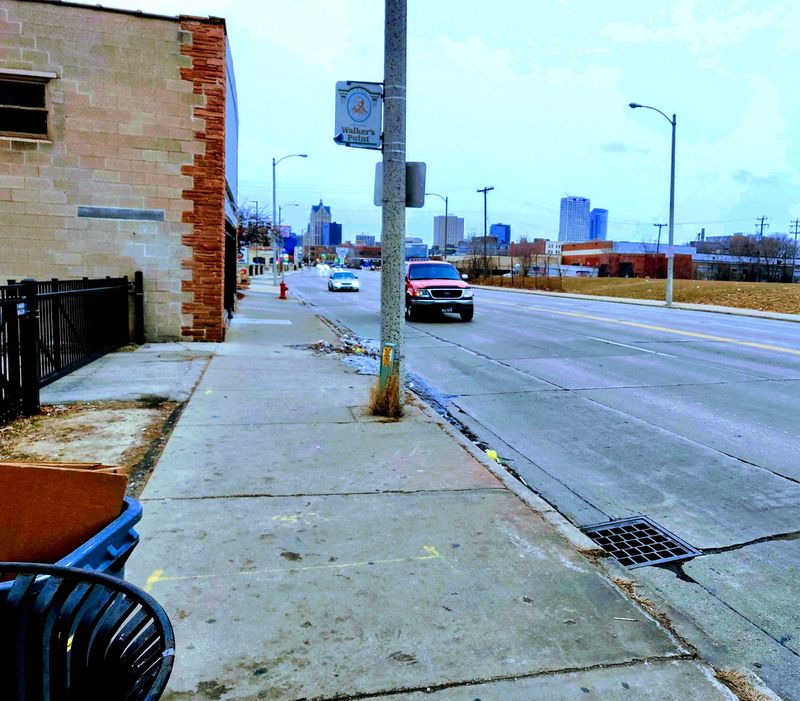
Variety is the house specialty in Walker’s Point. Alongside its Mexican spots, the neighborhood also has trendy American bistros.
These restaurants add a contemporary layer to the district. Set among older buildings, they show how the area keeps evolving while still holding on to its roots.
For travelers, this mix is a real advantage. One group member can pick a classic neighborhood meal while another heads for a stylish bistro, and everyone can meet up afterward without driving across Milwaukee.
Bistros like these often suit date nights, celebrations, or a sit-down dinner after a busy day of sightseeing. They pair nicely with an evening in the district, since the nightlife is right around the corner.
Reservations policies vary from place to place. Checking ahead is a good habit, especially on weekends when the neighborhood tends to draw a bigger crowd.
There is also a fun contrast in seeing modern dining inside a district famous for its industrial past. The buildings remember the old days, while the menus keep their eyes on what is current.
Not every great meal here happens at dinnertime, though. Some of the neighborhood’s most talked-about tables fill up well before noon.
Brunch That Keeps It Local
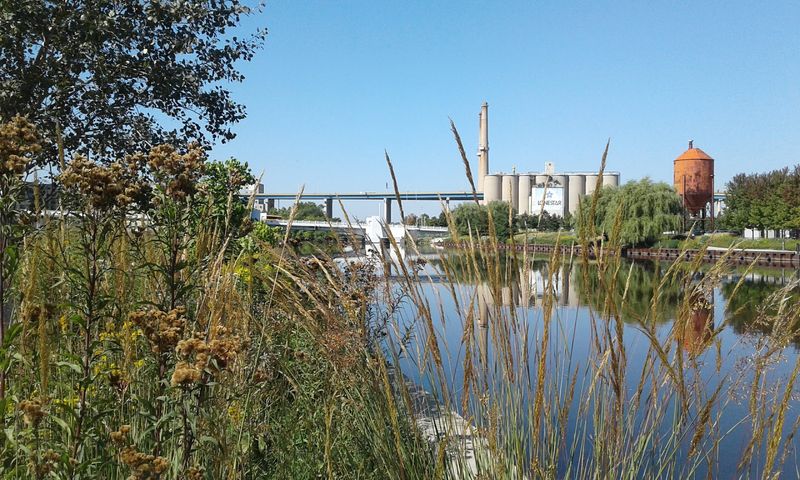
Late mornings deserve their own spotlight in this neighborhood. Walker’s Point includes locavore brunch spots, meaning places that focus on locally sourced ingredients.
That approach fits the district’s spirit nicely. A neighborhood that reused its own factories also seems to enjoy supporting nearby producers.
Brunch is a great way to start a day of exploring. You can fuel up, then wander toward the Allen-Bradley Clock Tower or browse the converted industrial spaces at an easy pace.
For weekend travelers, these spots also offer a slower side of Walker’s Point. The neighborhood is famous for its evenings, but its mornings have plenty to offer anyone who prefers daylight adventures.
Popular brunch places can get busy. Arriving early or checking for reservation options online can save time, particularly on Saturdays and Sundays.
Locally focused menus may change with the seasons, so there is a decent chance of finding something new on a return trip. That gives repeat visits a little extra reason to happen.
Once the coffee cups are cleared and the sun starts to drop, the neighborhood shifts into a very different gear. That is when its well-known nightlife steps forward.
After Dark on the Point
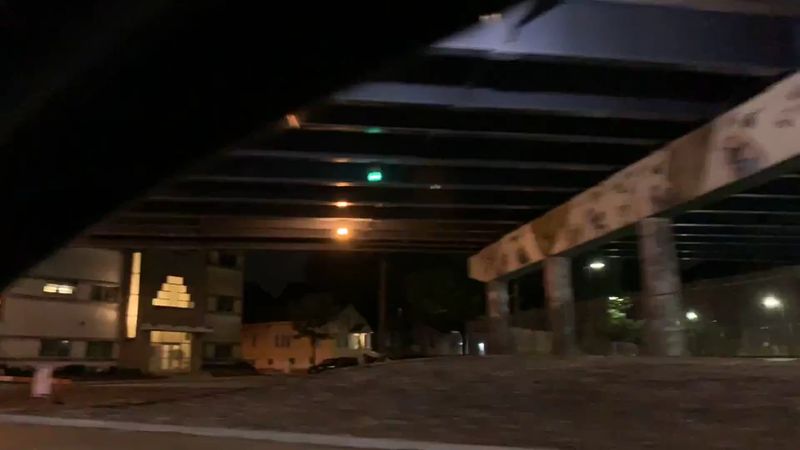
Evenings are when Walker’s Point really earns its reputation. The neighborhood is known for its nightlife scene, and it draws a wide range of people once the sun goes down.
Two parts of that scene stand out. The district is home to LGBT-friendly nightspots and Latin clubs, which together reflect its diverse community.
Latin clubs bring dancing and music to the area’s nights. For anyone who enjoys hitting the dance floor, they offer a lively way to experience the neighborhood’s cultural mix.
The LGBT-friendly venues are a well-known part of the district too. They help make Walker’s Point a welcoming destination within Milwaukee and add to the sense that everyone has a place here.
Nights out are easy to combine with dinner. Many people start at one of the bistros or Mexican eateries and then continue to a club or nightspot nearby.
Each venue sets its own hours, entry rules, and cover policies. Checking those details ahead of time keeps the evening smooth.
It is wise to plan transportation in advance as well, especially on busy weekend nights. With the logistics handled, the evening becomes about the music, the company, and the people around you.
Who Feels at Home Here
Diversity is not a slogan in Walker’s Point. It is the first word used to describe the neighborhood.
That mix shapes who will enjoy a trip here. History fans can study the converted factories and the famous clock tower, while food lovers can bounce between Mexican eateries, trendy bistros, and local brunch spots.
Night owls have their own reasons to come. Latin clubs and LGBT-friendly nightspots give the district one of Milwaukee’s best-known after-dark lineups.
Groups with different tastes may find it especially useful. Since so many options sit close together, it is easier to please everyone without splitting up for the night.
Couples looking for a date spot can pair a bistro dinner with a walk past the illuminated tower. Friends visiting Milwaukee can turn a weekend into a full neighborhood tour.
Travelers who prefer quieter outings can still find a good fit. Morning and early afternoon visits focus more on brunch and architecture than on dance floors.
The key is matching your timing to your interests. Daytime and nighttime here can feel like two separate trips, and some people happily take both in a single day.
Planning Your Visit, Hours and Costs
Good news first. A neighborhood has no gate, no ticket booth, and no closing time for its sidewalks.
Walker’s Point itself is free to explore. Strolling past its industrial buildings and viewing the Allen-Bradley Clock Tower from the street does not come with an entry fee.
Costs depend entirely on what you do inside the individual venues. Restaurants, brunch spots, clubs, and nightspots each set their own prices, so budgets can range widely.
Hours work the same way. Brunch places focus on mornings and early afternoons, while clubs and nightspots come alive later in the evening, and each business publishes its own schedule.
A quick online check before heading out is the simplest strategy. Look up current hours, any reservation requirements, and entry policies for the places on your list.
For getting there, use the 53204 zip code to set your map route into the neighborhood. From there, the clock tower makes an easy landmark for finding your way.
Comfortable footwear helps, since exploring on foot is one of the best ways to see the district. Planning transportation home after a night out is also a smart move, and a little preparation lets the neighborhood do the rest.
The Verdict on a Storied District

History rarely stays this lively. In Walker’s Point, the past is not locked behind glass but put back to work every single day.
Old industrial spaces hold busy modern venues. A four-sided clock tower keeps watch as a true Milwaukee icon, and the streets around it serve up Mexican eateries, trendy American bistros, and brunch spots that champion local ingredients.
Then the evening arrives, and Latin clubs and LGBT-friendly nightspots take over. Few districts manage to offer that many moods within the same set of blocks.
The neighborhood suits curious travelers best. Anyone who likes architecture, varied dining, and a diverse crowd will find plenty to fill a day or a full weekend.
It may not be a single tavern with a single story. Instead, it is a whole community where every converted building adds another chapter.
Plan ahead for hours and costs at specific venues, wear comfortable shoes, and keep an eye on that clock. It has been telling Milwaukee the time for a long while, and it might just remind you to stay a little longer.
Enjoyed this story?
Add Fast Food Club as a preferred source to see more of our reporting on Google.