


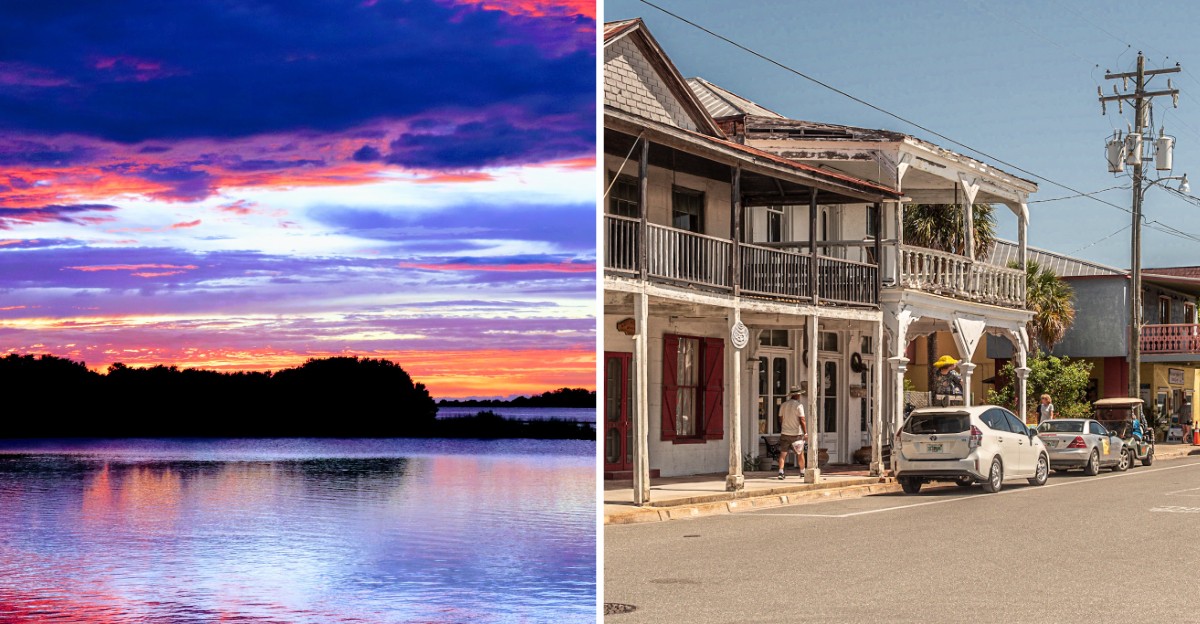
Some towns ask you to hurry, and this one politely refuses. Out on Florida’s northwest coast, a little island city sits in the Gulf of Mexico with no interest in rushing anyone anywhere.
Days here tend to follow a simple plan: a bowl of clam chowder, a slow loop past old history, and a seat facing west when the sun starts to drop. That routine is not written into any law, but locals treat it like it might as well be.
The town once worked as a busy port, and its past still shows up in museums, a 1920s home, and even Civil War items. Small islands nearby hold trails and plenty of birdlife.
Keep reading to learn where it is, what to see, and how to plan a visit that fits the local pace.
A Small Island City on the Gulf
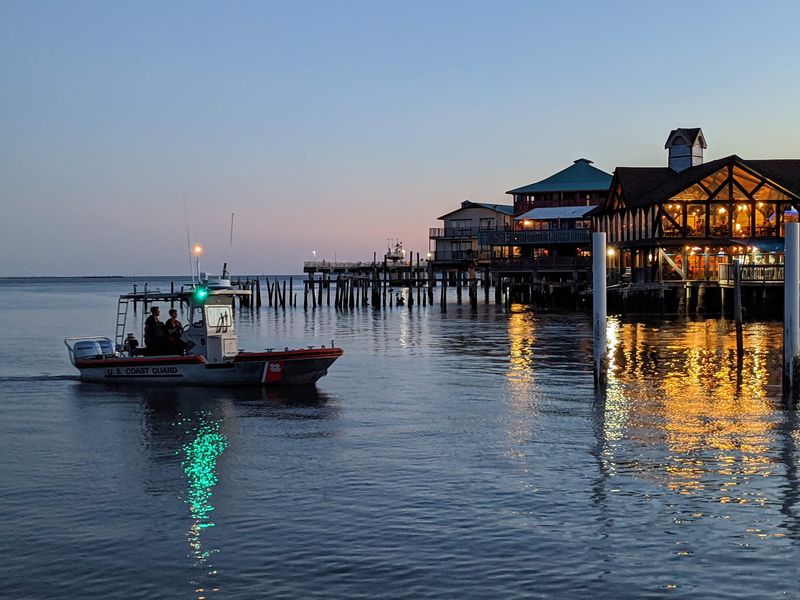
Some places hide in plain sight, and this one hides just off the coast. Cedar Key is an island city in Florida 32625, USA, sitting off the northwest coast of the state in the Gulf of Mexico.
It is small by design and proud of it. The town is not a sprawling resort strip, and that is a big part of its charm.
Instead, it offers a compact mix of history, nature, and water views. Travelers come for wildlife refuges, state park trails, and museums that tell the story of a working port.
The city keeps an official website at cityofcedarkey.org. It is a handy place to check local news and town details before a trip.
Because the island sits right on the Gulf, water shapes almost everything here. Boats, birds, and sunset views are part of daily life, not special events.
The town also earned its reputation the easy way. People came, ate chowder, watched the sky turn colors, and kept coming back.
So the title is only half a joke. Once the setting is clear, the next question is how a quiet island got such a busy past.
From Busy Port to Slow Living
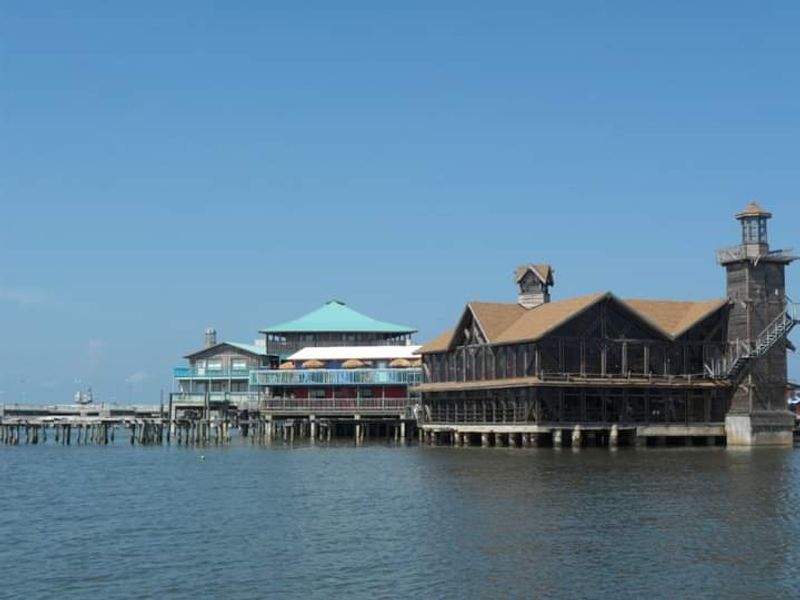
Long before it became a favorite slow-travel stop, this island was a place of business. Cedar Key once served as a busy port on the Gulf.
That history matters because it explains the town’s character. The museums here focus heavily on those working years, when ships and trade drove daily life.
Today the pace is different. The docks feel more like gathering spots than commercial hubs, and the hustle has given way to a relaxed rhythm.
Still, the past has not been swept away. It shows up in artifacts, photographs, documents, and preserved buildings across town.
Fun fact for history fans: the town’s records stretch back far enough to include Civil War items. That is a lot of story packed into a small island.
For travelers, this means a visit can be about more than scenery. There is a real timeline to follow here, and two museums make it easy to trace.
The shift from port to peaceful retreat is the backbone of the whole experience. Knowing it makes every walk around town a little more interesting, especially once the first museum comes into view.
The Museum State Park Experience
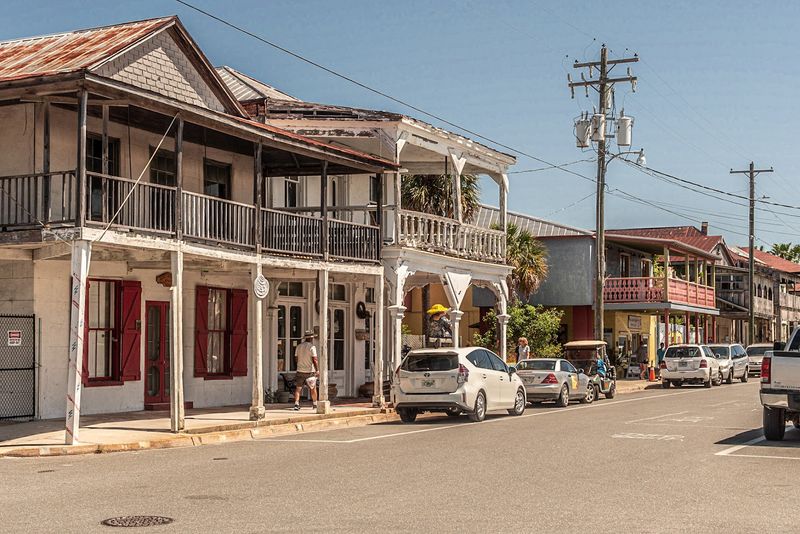
History buffs and casual wanderers both find something at Cedar Key Museum State Park. It packs a surprising amount into one stop.
The park offers artifacts that depict the town’s history as a busy port. Those displays connect the dots between the quiet island of today and the trade center it once was.
It is not just an indoor visit, either. The grounds include a nature trail, so time here can be split between learning and stretching your legs.
That combination makes it a good choice for families or mixed groups. Someone who loves exhibits and someone who prefers fresh air can both leave happy.
The park also holds a home from the 1920s, which deserves its own spotlight. More on that in a moment.
For planning, this stop pairs well with a slow morning. Arrive, explore the artifacts, take the trail, and still have the rest of the day free for chowder duty.
A state park that doubles as a history lesson is a rare find. It sets the stage nicely for one of the town’s most charming relics.
A 1920s Home Frozen in Time
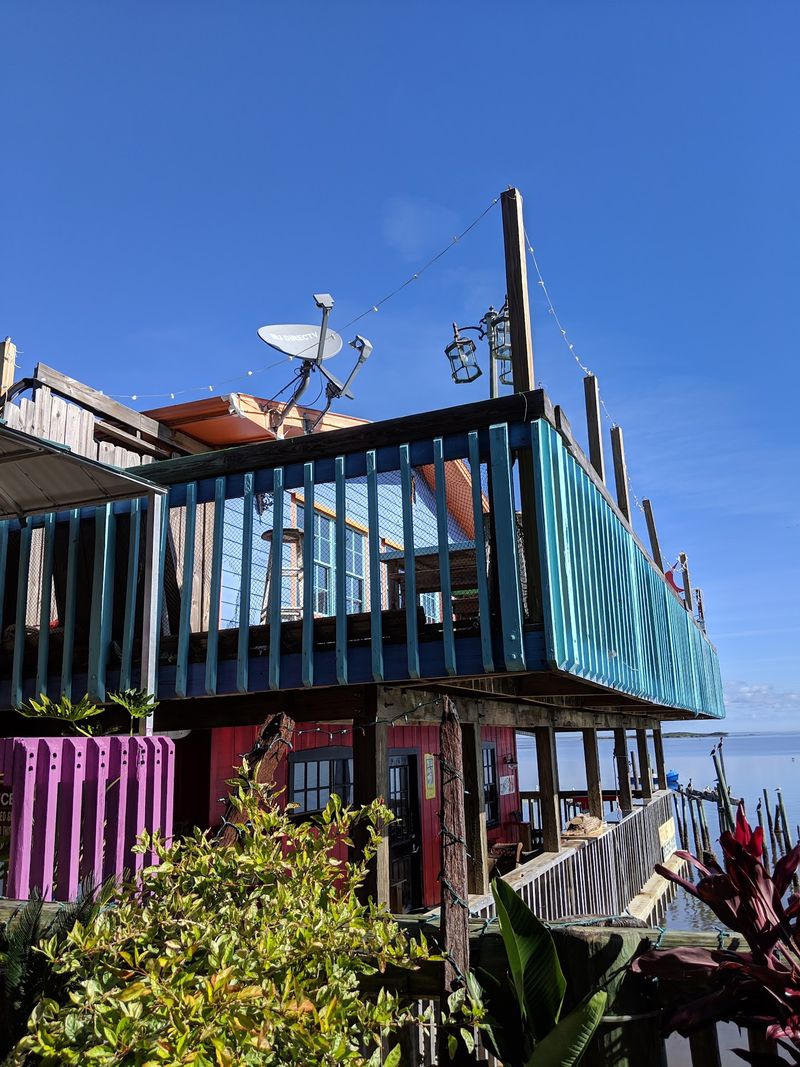
Old houses have a way of answering questions textbooks skip. The 1920s home at Cedar Key Museum State Park does exactly that.
It offers a look at domestic life on the island roughly a century ago. Instead of reading about the past, you can see how a home of that era was set up.
Homes like this help put the port years into human terms. Ships and trade are big ideas, but a house shows where people actually lived their daily lives.
The home sits within the state park, so it fits easily into the same visit as the artifacts and the nature trail. No extra driving required.
Kids often enjoy this part more than expected. A real house from long ago tends to feel more relatable than a display case.
It is also a reminder that the town has always been a place people chose to call home, not just a stop on a shipping route.
A short tour here adds depth to everything else on the island. And for even more stories, the town has a second museum waiting downtown.
Photos, Papers, and Civil War Relics
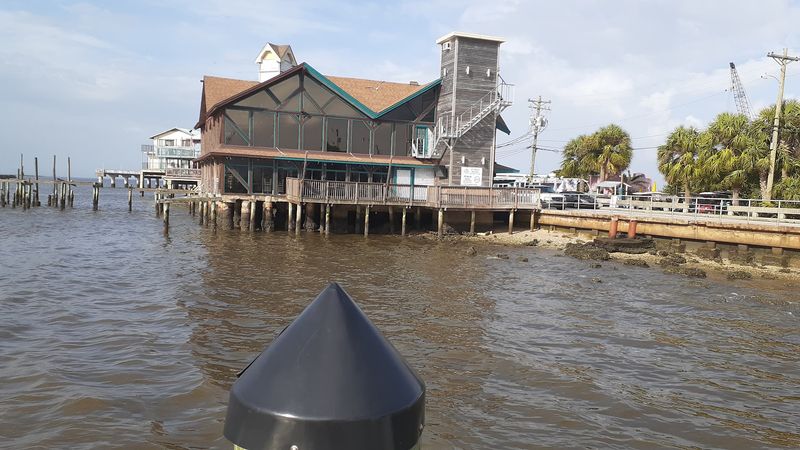
Two museums on one small island might sound like a lot. Cedar Key Historical Museum proves there is plenty of story to go around.
This museum explores the town’s past through photos, documents, and Civil War items. It takes a slightly different approach than the state park, leaning on records and images.
Old photographs are a highlight for many people. They show the island in earlier decades and make it easy to compare then and now.
Documents add another layer. They capture the official side of town life, the paperwork that quietly records how a community grew.
The Civil War items bring in a wider chapter of American history. It is a reminder that this small island was connected to much bigger events.
Plan to spend a relaxed stretch of time here. It is the kind of place where reading the captions is half the fun.
Between this museum and the state park, the town’s history gets a full and well-rounded telling. After all that indoor learning, the outdoors starts calling loudly.
Islands Built for the Birds
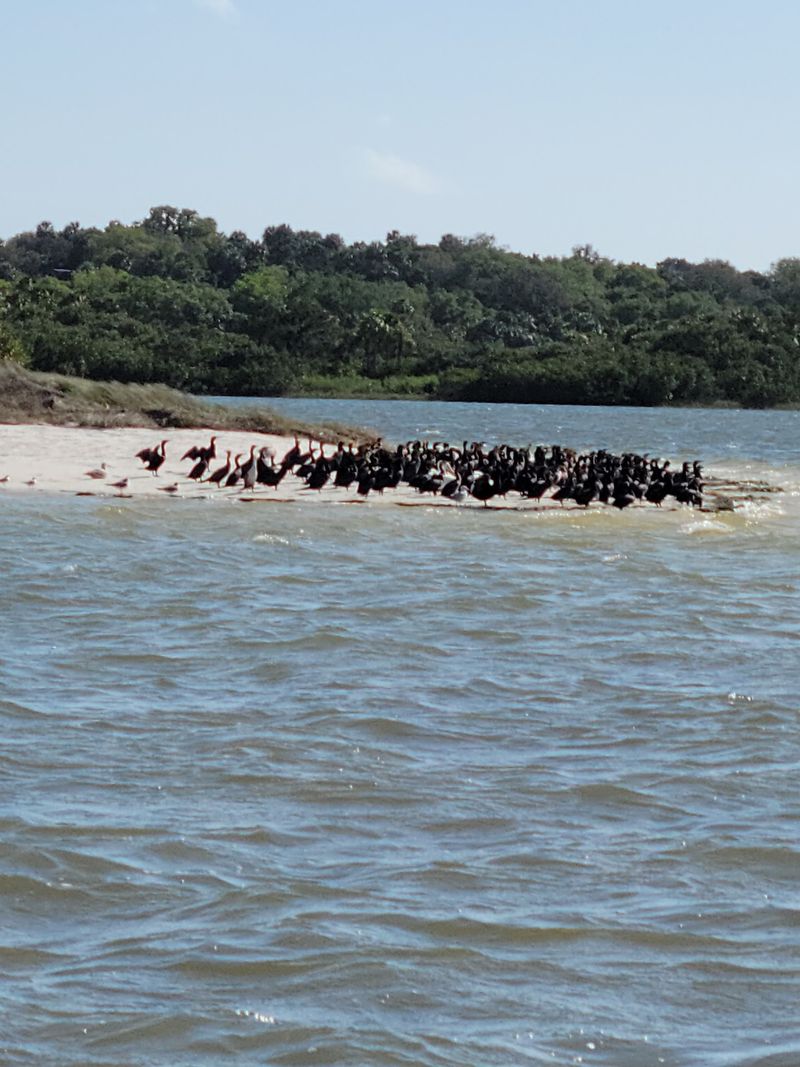
Birds clearly got the memo about this place before people did. Cedar Key National Wildlife Refuge is one of the town’s best-known features.
The refuge is made up of a group of small islands. Together they protect habitat and offer rich birdlife that draws nature lovers from far away.
For birdwatchers, this is a major reason to visit. Binoculars are a smart packing choice, along with a field guide or birding app.
Even people who cannot tell a heron from a pelican tend to enjoy the experience. Watching birds go about their business is easy entertainment.
The refuge reflects what the whole town values. Conservation and quiet outdoor time are part of the local identity.
It also balances out the history-heavy side of the island. After museums full of artifacts, a refuge full of living creatures feels like a nice change.
Respecting the wildlife is part of the deal here. Keep a polite distance, follow posted guidance, and let the birds keep their front-row seats.
Those small islands hold more than birds, though. They also have trails worth exploring.
Trails Across the Refuge
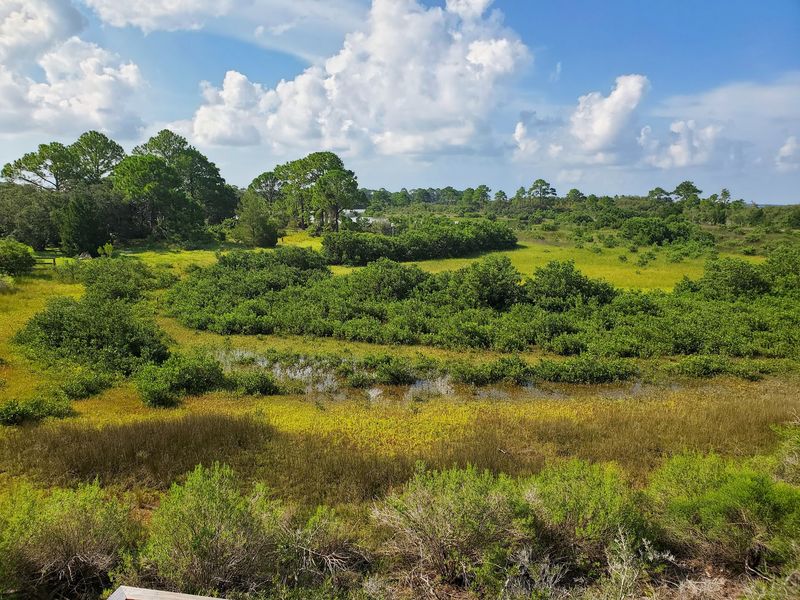
Good trails do not need to be long to be worth it. The refuge islands offer trails that give a closer look at the island landscape.
Hiking here is less about conquering distance and more about slowing down. It suits the overall mood of the town perfectly.
Because the refuge is a group of islands, getting to the trails usually involves planning around the water. Checking ahead for access details is wise.
Bring water, sun protection, and comfortable shoes. Florida weather can be warm, and the islands offer limited services.
Trails also give birders a better chance at sightings. Moving quietly along a path often reveals more wildlife than standing on a dock.
Pair a refuge hike with the nature trail at the state park for a full outdoor day. Two very different settings, one easygoing island.
Leave no trace while exploring. The refuge stays special because people treat it with care.
After a day outside, appetites tend to grow. Conveniently, that leads straight to the town’s most famous bowl.
The Chowder Rule
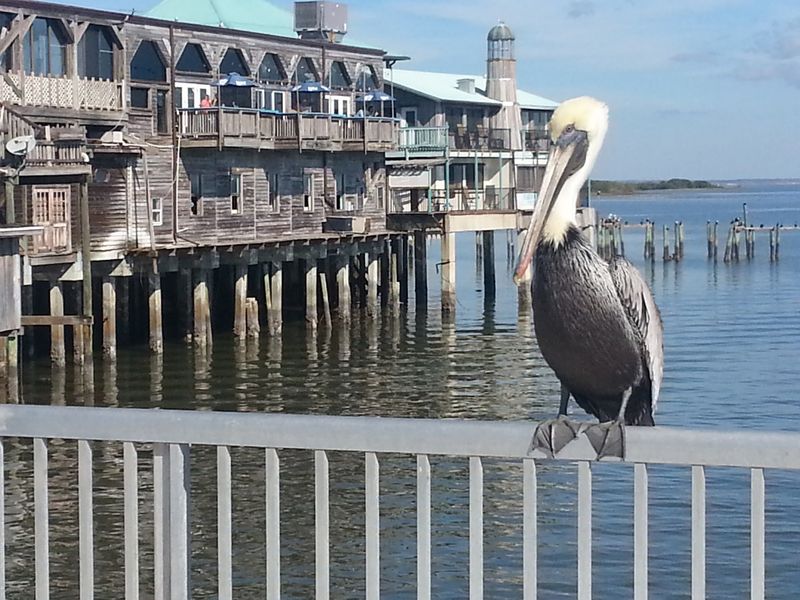
Every town has its unofficial rules. On this island, the first one seems to involve a spoon.
Clam chowder has become closely tied to the town’s identity. It shows up in conversations about the place almost as often as the sunsets do.
Part of the appeal is how well it fits the setting. A Gulf island with a working water history naturally leans toward seafood comfort food.
Visitors often make a point of trying more than one version during a stay. Comparing bowls becomes a friendly little quest.
There is no official chowder passport, but plenty of people act like there is one. Call it research, very delicious research.
A smart move is to plan meals around waterfront views. That way lunch and scenery happen at the same time.
Restaurant hours can vary in a small town, especially outside busy seasons. Checking ahead keeps chowder plans from turning into chowder disappointment.
Once the bowl is empty, there is really only one thing left to do. Head west and wait for the sky to put on its show.
Sunset as a Daily Appointment
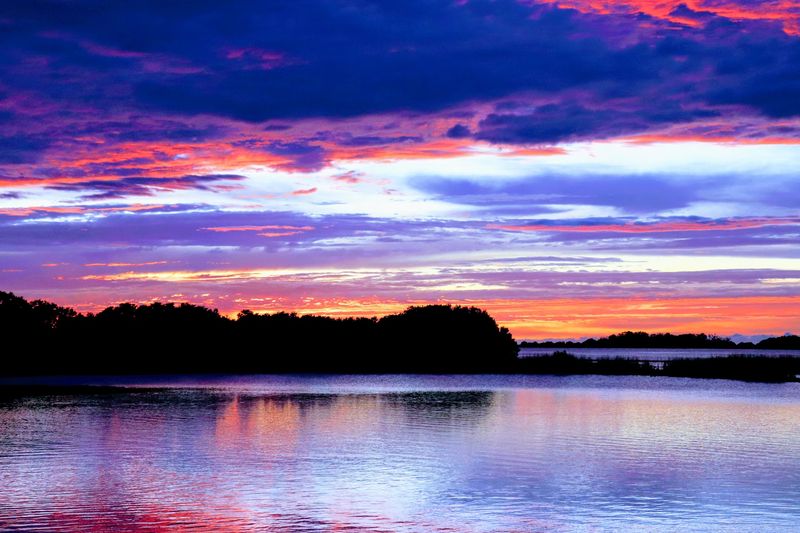
Clocks matter less here than the position of the sun. Evening plans tend to revolve around one simple event.
Thanks to its spot in the Gulf off Florida’s northwest coast, the island faces open water to the west. That makes sunset viewing a natural part of the day.
People gather along the water as evening approaches. It turns into a shared moment, even among strangers.
Arriving a little early is a good habit. Popular viewing spots can fill up, and nobody wants to miss the main act.
Photographers find plenty to work with. Boats, docks, and birds often add interest to the frame.
Families enjoy it too, because it is free and easy. No tickets, no lines, just a seat and some patience.
There is something fitting about ending each day this way. A town that once moved at port speed now pauses on purpose.
After a sunset or two, it becomes clear why the title calls it basically required. Skipping it would feel a bit like leaving a movie before the ending.
A Town That Runs on Island Time
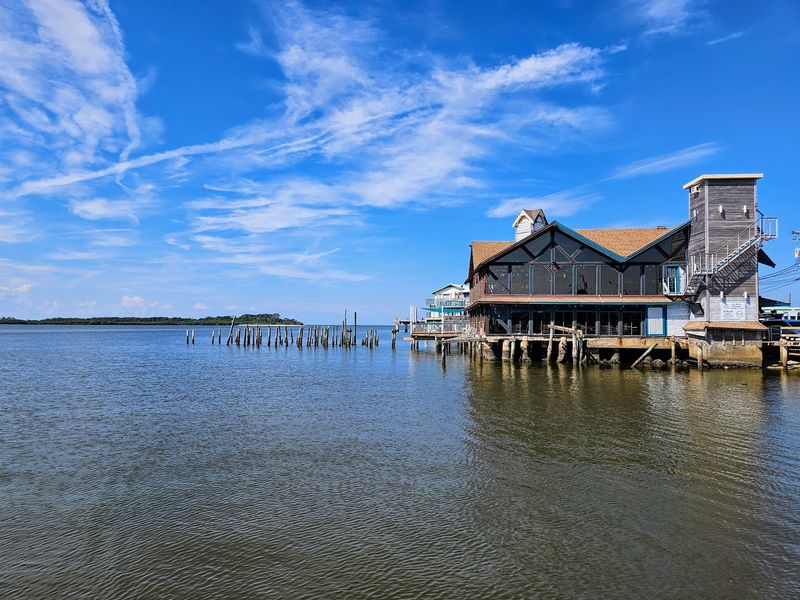
Patience is not just a virtue here. It is practically the local currency.
The atmosphere is relaxed and unhurried. The town’s small size keeps things manageable, and there is little pressure to pack every hour.
That calm is exactly what many travelers come for. It is a place to unplug a bit and let the day unfold.
Small shops and casual spots fit the mood well. Browsing feels more like a leisurely stroll than a shopping mission.
Conversation comes easily too. A small community tends to be friendly, and chatting is part of the experience.
For people used to busy beach towns, the shift can take a day to settle in. After that, the slower rhythm usually wins people over.
Keep plans loose and leave room for surprises. Some of the best moments here happen with no schedule at all.
This laid-back mood shapes who enjoys the island most. And the answer covers more kinds of travelers than you might expect.
Who Feels Right at Home Here
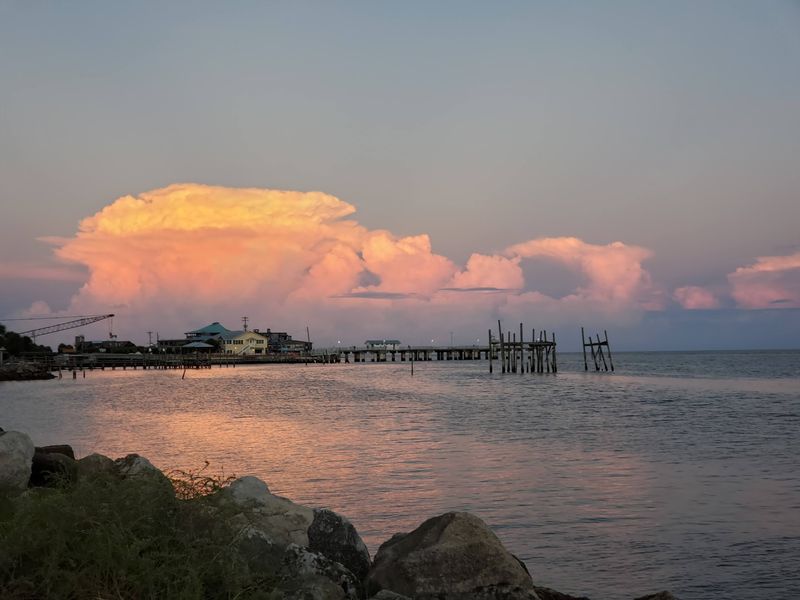
Not every destination suits every traveler, and that is perfectly fine. This one has a clear crowd, and it is a pleasant mix.
Nature lovers top the list. The wildlife refuge and its rich birdlife make the island a strong pick for birders and hikers.
History fans come close behind. Two museums, a 1920s home, and Civil War items offer a full lineup of stories.
Couples looking for a quiet getaway tend to fit right in. Sunsets and slow meals are an easy recipe for a relaxed trip.
Families can enjoy it as well, especially kids who like trails and animals. The state park offers both learning and room to roam.
Travelers seeking nightlife or big attractions may want to adjust expectations. The island’s strength is calm, not crowds.
Solo travelers often love it for the same reason. It is a comfortable place to read, walk, and recharge.
If quiet sounds appealing, the next step is simple. Figure out how to get there and when to go.
Getting to the Island
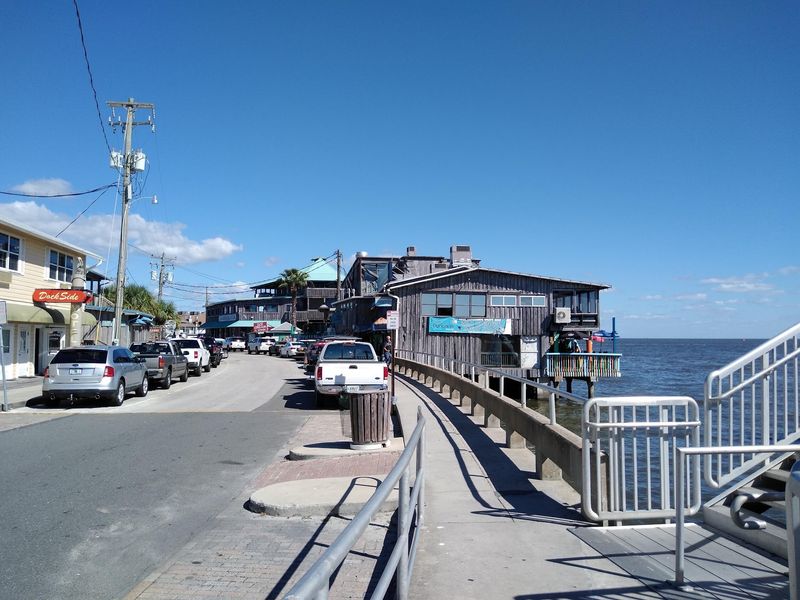
Half the fun of an island is the arrival. Reaching this one takes a bit of planning, which helps keep it peaceful.
The town sits off the northwest coast of Florida in the Gulf of Mexico. It is far from the big theme park corridors, so expect a drive with plenty of open stretches.
Most travelers arrive by car. Using a mapping app with the town name and the 32625 ZIP code keeps directions simple.
Fill up the tank and grab snacks before the final stretch. Services can be spaced out in rural parts of the region.
Once on the island, getting around is easy thanks to its compact size. Many spots are close together.
Visits to the wildlife refuge islands may require extra arrangements because of the water. Research access options before counting on them.
Arriving in daylight is helpful for a first trip. It makes the route easier and gives time to settle in before sunset.
With the route sorted, the remaining details are about timing and budget.
Smart Planning Notes
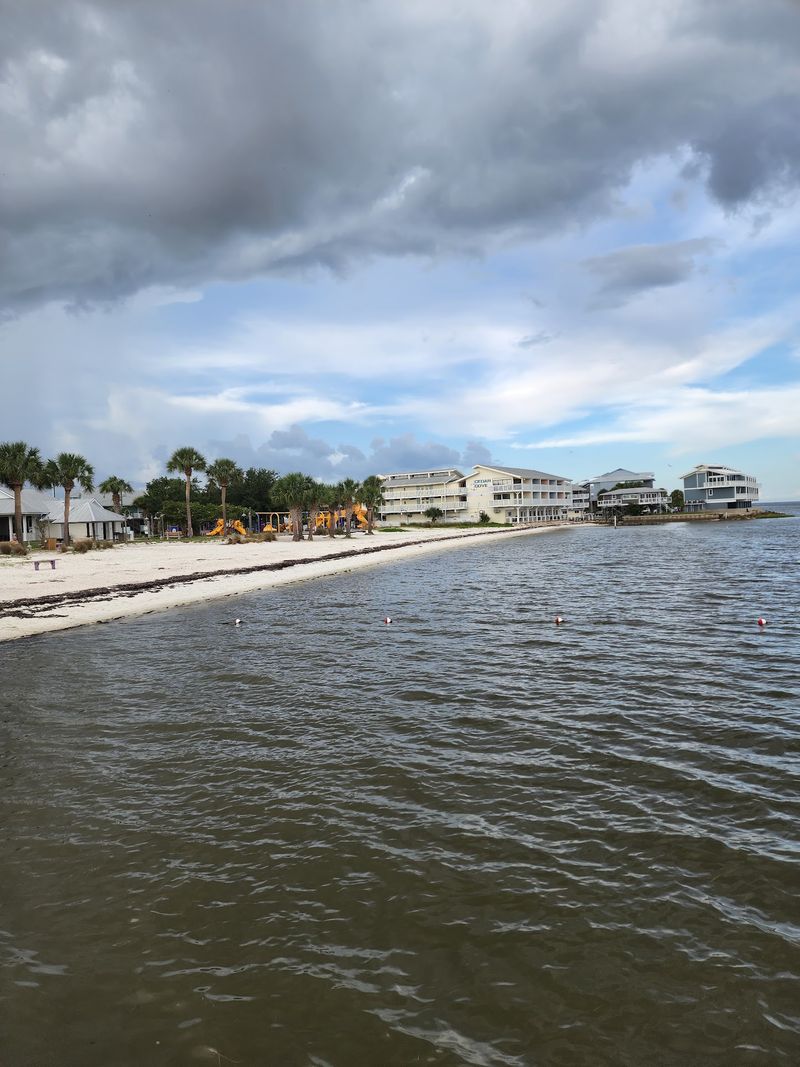
A little homework goes a long way on a small island. Hours, prices, and seasonal schedules can change, so checking ahead pays off.
The official city website at cityofcedarkey.org is a good starting point. It shares town information that can help shape an itinerary.
For the state park and the historical museum, look up current hours and admission before going. Small museums may keep limited schedules.
The same goes for restaurants. Confirming hours helps protect the all-important chowder plan.
Pack for the outdoors. Sunscreen, bug spray, water, and binoculars cover most needs for trails and birding.
Plan days around the sunset. Put museums and hikes earlier, then save evenings for the waterfront.
Lodging in a small town can fill up during popular times. Booking early is a safe move.
Finally, budget time more than money. The island rewards people who slow down, and that is the best tip of all.
Worth the Detour, Bowl in Hand
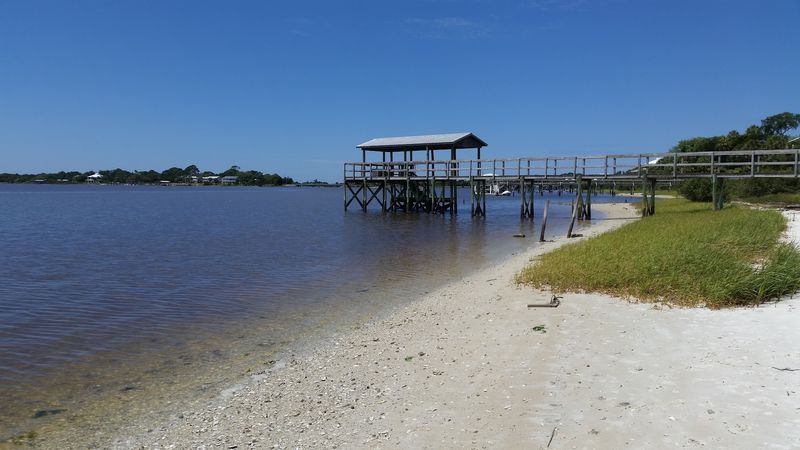
Some trips are about seeing everything. This one is about seeing enough and enjoying it fully.
The island delivers a tidy package. It has a busy port history, two museums, a 1920s home, a wildlife refuge, and trails worth exploring.
Then there are the unofficial rules. Eat the chowder, watch the sunset, and repeat as needed.
It is not a place for travelers who want constant action. It suits people who appreciate quiet, history, and nature in equal parts.
The small size works in its favor. A long weekend covers the highlights without feeling rushed.
For many, the slower pace becomes the souvenir. People often leave planning their next trip before they reach the mainland.
So pack the binoculars, bring an appetite, and leave the rush behind. On this little Gulf island, the sun sets on schedule, and somehow everyone else learns to keep pace with it.
Enjoyed this story?
Add Fast Food Club as a preferred source to see more of our reporting on Google.