


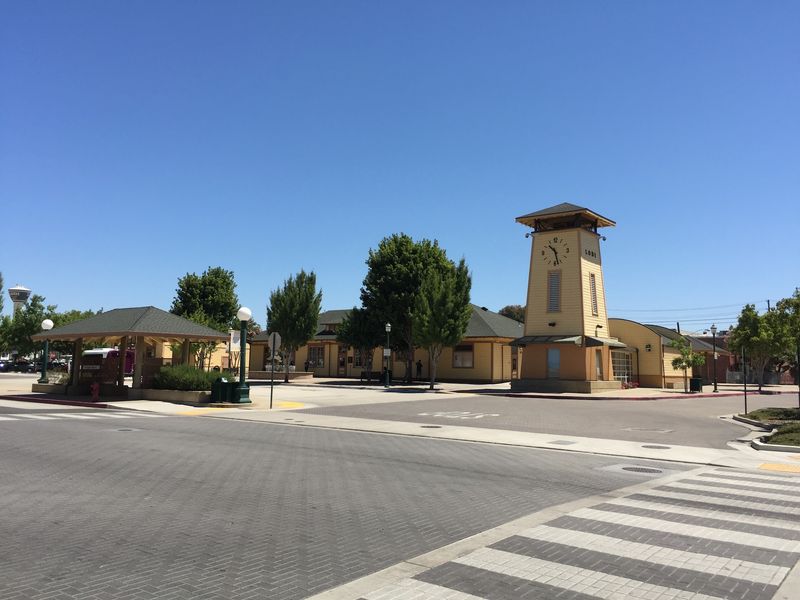
Plenty of retirees dream of rows of grapevines outside the window, until they see what homes near the famous valleys cost. A quieter option sits in the middle of California’s Central Valley, where vineyard country comes with a smaller city and a calmer pace.
It has close to 66,000 residents, a city government that keeps its information public online, and farmland on almost every side. Here is why so many people planning their next chapter keep this town on their list.
A Valley City With Room to Breathe
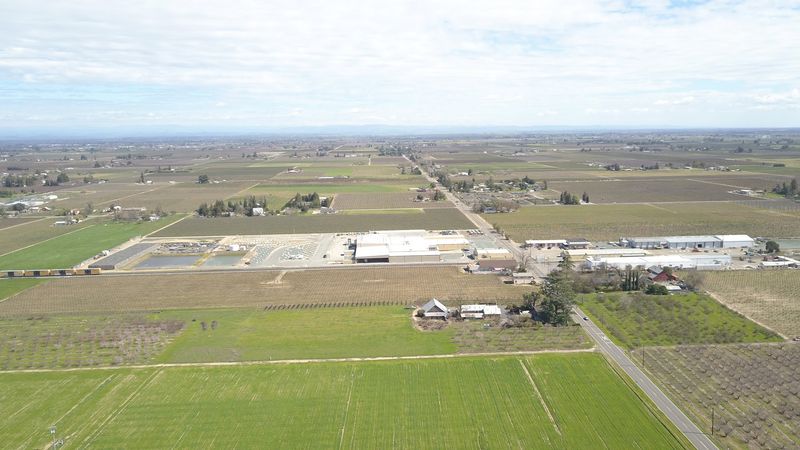
Some towns hide in the mountains, and some sit on the coast. This one plants itself right in the agricultural heart of the state.
Lodi is a city in San Joaquin County, in the center portion of California’s Central Valley, with its address simply listed as Lodi, California, USA. That central spot is a big part of its appeal for people weighing where to settle after their working years.
The city counted 66,348 residents at the 2020 census. That number lands in a useful middle ground.
A city of that size is big enough to have its own local government, services, and neighborhoods. It is also small enough that daily life does not revolve around freeway traffic and endless sprawl.
For retirees, the balance matters. Many want access to everyday conveniences without the crowds of a major metro.
Lodi offers a version of that middle path, set among the farmland that defines this part of California. Its location in the valley rather than along the coast is also part of the story of why living here can feel more within reach.
The map tells the first chapter, but the vineyards tell the next one.
Grapevines Instead of Price Tags
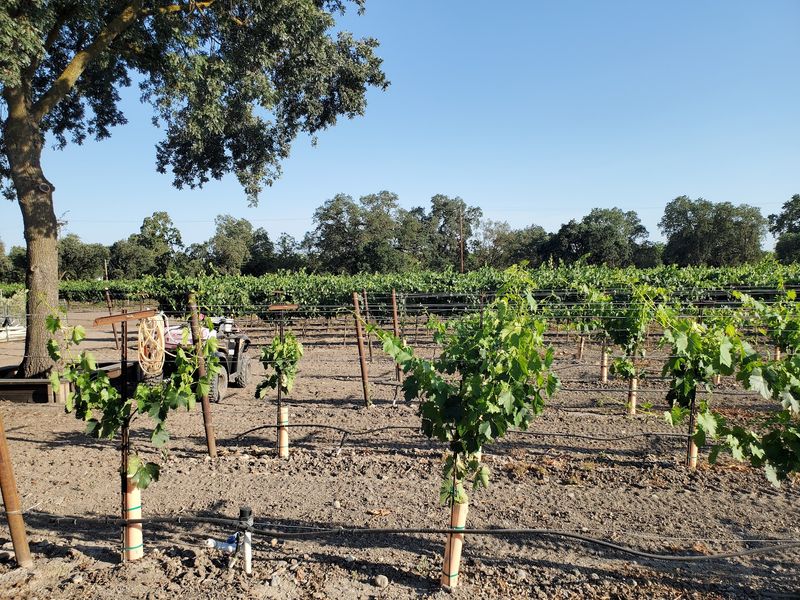
Ask most people to name California’s vineyard regions and Napa comes up first. That fame has a cost, and it often shows up in home prices.
Lodi carries a different reputation. It is known as a grape-growing community in the Central Valley, with vineyards that sit close to town.
The result is a lifestyle that looks familiar to anyone who loves vineyard scenery. The big difference is that the surrounding region is a working agricultural valley rather than a luxury destination.
Retirees often care less about the label and more about the daily view. Rows of vines along a country road look just as pleasant whether or not the town is famous.
This is the trade many people find appealing. They get the setting they wanted without paying for a brand name on their mailing address.
Exact costs change over time, so anyone serious about moving should check current listings and local data directly. Still, the idea behind the headline is simple enough.
Farm country tends to price differently than celebrity country, and Lodi sits firmly in the first group.
Life at Small-City Speed
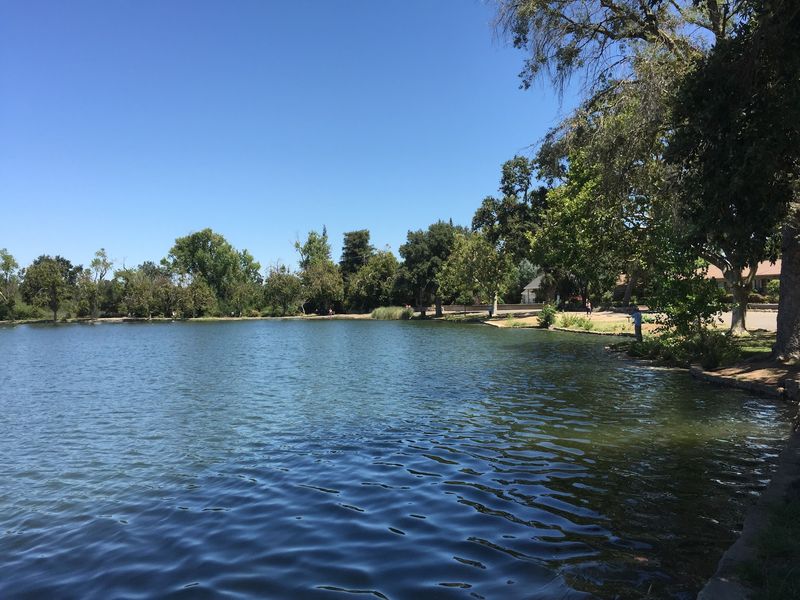
Retirement changes the clock. Mornings open up, errands spread across the week, and nobody needs to beat rush hour anymore.
A city of around 66,000 people fits that new rhythm well. It is large enough to keep services nearby but not so large that every trip feels like an expedition.
Neighborhood life tends to matter more after a career ends. Knowing the people on your street and running into familiar faces around town can make a new place feel like home faster.
Lodi’s size supports that kind of connection. Residents are not lost in a sea of millions.
The pace is also tied to the setting. Farmland surrounds the community, which gives the area a more rural backdrop than a typical suburb.
That mix suits retirees who want quiet without isolation. They can live in town while still being close to open, agricultural land.
Nobody needs a planner to enjoy an unhurried Tuesday, though the calendar here rarely feels crowded anyway.
The Central Valley Advantage

Geography quietly shapes retirement plans. Where a town sits decides how far family visits are and how easy day trips become.
Lodi’s position in the center portion of California’s Central Valley is one of its practical strengths. A central location means the town is not tucked away at the far edge of the state.
For retirees with children or grandchildren living in other parts of California, that matters. Being in the middle of the state can make getting together more manageable.
San Joaquin County, where Lodi sits, is part of the broad valley known for agriculture. The landscape is mostly flat farmland rather than steep terrain.
Flat ground has its own perks for older adults. Neighborhood walks and errands around town can be simpler without hills to tackle.
Anyone planning a move should map out the specific trips they expect to make. Distances to doctors, airports, and family will differ for every household.
Still, a central address gives Lodi a head start, and being in the middle is rarely a bad place to begin.
Farm Roots That Shape the Town
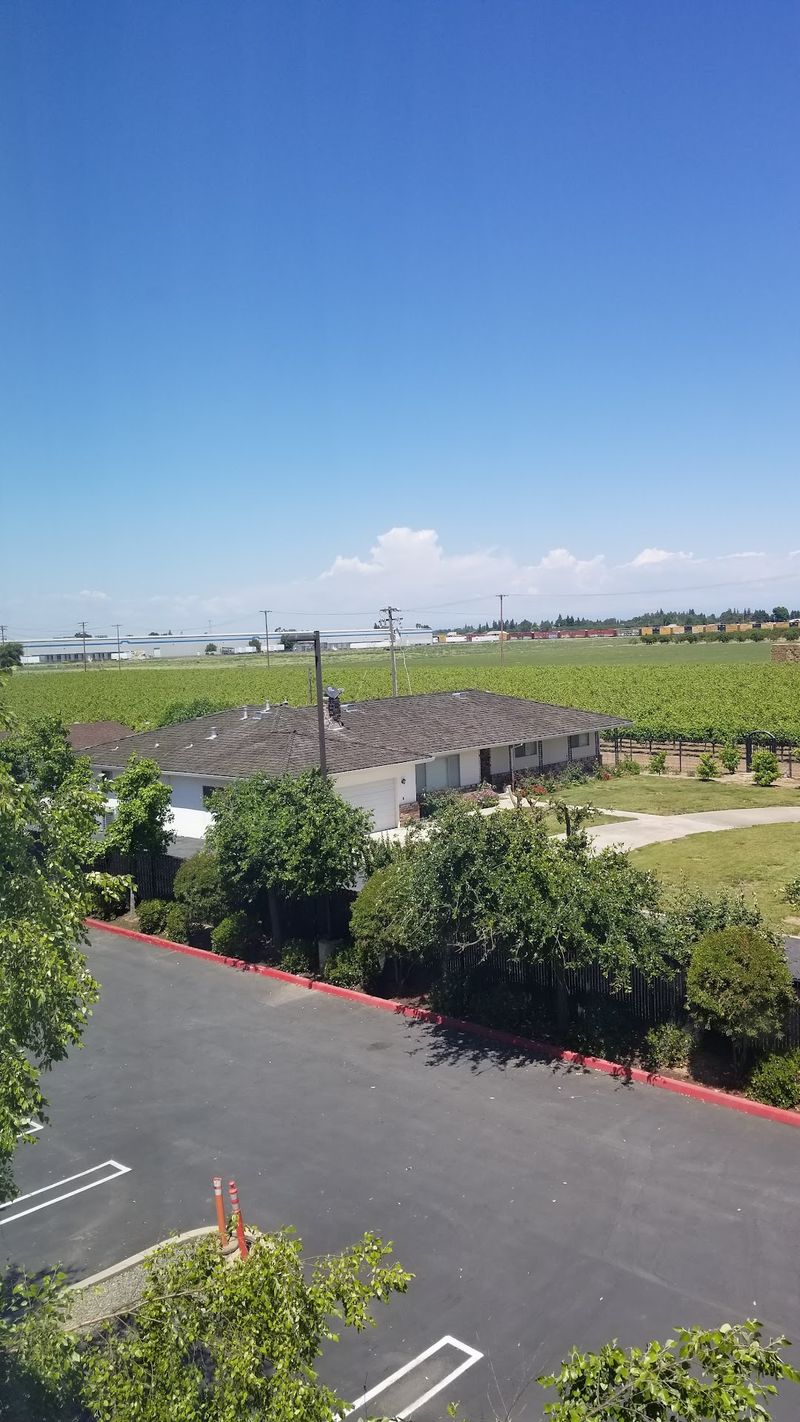
Long before anyone called it a retirement option, Lodi was farm country. Agriculture remains central to its identity.
The Central Valley is one of California’s major farming regions, and Lodi sits right in its center. Vineyards are the crop most people link with the town.
That farming backbone gives the community a grounded, working character. The vines outside town are part of an active agricultural economy, not just scenery.
For newcomers, this can be one of the most rewarding parts of moving here. Seasons become easy to track by what is happening in the surrounding fields.
Retirees with a curiosity about how crops are grown may find plenty to learn. A town built around agriculture tends to keep that knowledge close to home.
There is also something steady about living in a place with deep practical roots. The fields will keep doing their job long after the latest trend fades.
Call it a town that grew up on the vine, and it still has not lost its grip.
Who Thrives Here
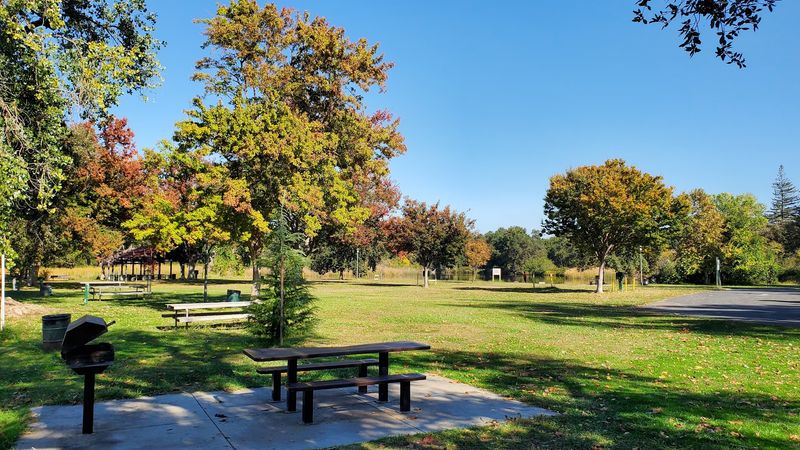
Not every retiree wants the same thing. Some crave nightlife and big-city culture, while others want space, quiet, and a manageable routine.
Lodi leans toward the second group. Its mid-sized population and farmland surroundings suit people who prefer a calmer setting.
Vineyard lovers on a budget may find it especially appealing. They can live near rows of vines without competing for homes in the most famous regions.
People who enjoy gardening, walking, and community involvement may also feel at home. A town of this size gives residents a real chance to know their neighbors.
On the other hand, anyone who wants a constant schedule of big-city events should think carefully. A Central Valley farm town offers a different lifestyle than a major metro.
Honest expectations make for happier moves. Visiting in more than one season can help clarify whether the fit feels right.
The best retirement spot is the one that matches the life a person actually wants to live, not the one on a postcard.
Homework Before the Move
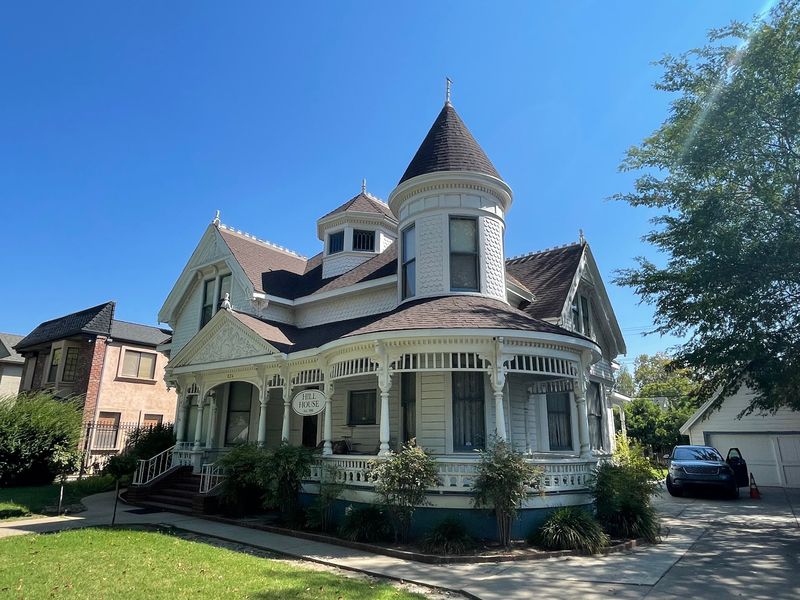
A pleasant drive through vineyard country is a great start. A smart move, however, takes some research.
The City of Lodi maintains an official website at lodi.gov. It is a sensible first stop for anyone looking into local services and city information.
Retirees often have specific questions about utilities, local programs, and city services. Going straight to the official source is more reliable than relying on secondhand information.
Housing costs deserve careful attention too. Prices shift over time, so current listings and local real estate professionals will give the clearest picture.
Health care access is another key piece. Anyone moving later in life should confirm where their doctors and specialists would be.
It also helps to talk with people who already live in the area. Their everyday experience can reveal details no website covers.
Doing the legwork early turns a dreamy idea into a confident decision.
Testing the Waters With a Visit
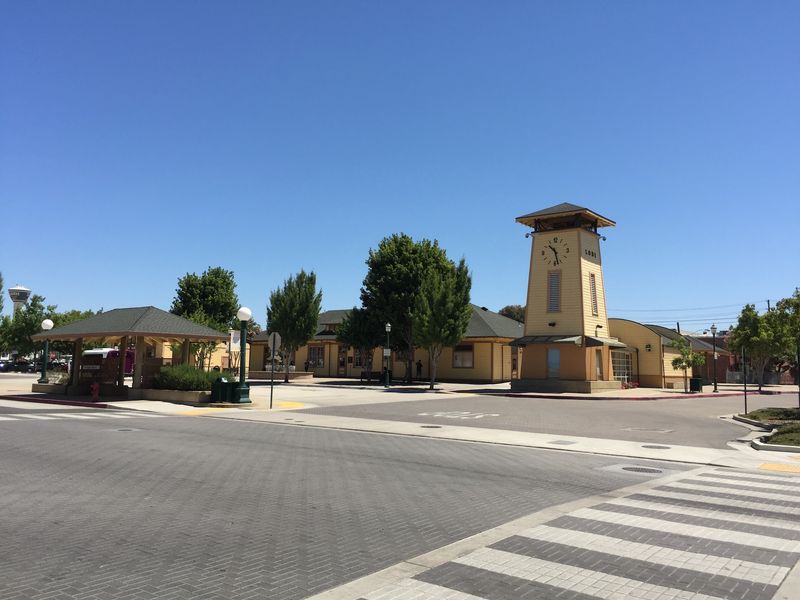
Nobody should buy a house based on a headline. A visit is the best way to find out whether a place truly fits.
Spending a few days in Lodi lets prospective residents see the town at its normal pace. Weekdays can reveal more about daily life than a busy weekend.
Driving the roads at the edge of town shows how close the farmland really sits. That connection between town and vineyards is a big part of the appeal.
Visiting during different times of year is also wise. The Central Valley’s seasons can change how comfortable a place feels.
A practical checklist helps. Grocery runs, pharmacy locations, and medical offices are worth scouting before committing.
Neighborhoods vary within any city, so exploring several areas makes sense. Each part of town may suit a different budget or lifestyle.
A short trip now can save a long list of regrets later, and it is a lot more fun than reading spreadsheets.
A Quieter Kind of Wine Country Dream
Retirement dreams often come with a backdrop. For many people, that backdrop is a hillside of vines.
Lodi shows that the dream does not always require the most famous zip code. A central location, farm roots, and a population of about 66,000 create a setting that feels both practical and pleasant.
It will not suit everyone. Those seeking big-city energy may want something else.
But retirees who value calm streets, agricultural surroundings, and a more grounded cost of living have good reason to take a closer look. The town offers vineyard country scenery with a working-valley personality.
Careful research remains the key step. The official city website, current housing data, and a few in-person visits will paint a full picture.
For the right person, this Central Valley city could be the place where the next chapter finally takes root. Sometimes the best view comes without the famous price attached.
Enjoyed this story?
Add Fast Food Club as a preferred source to see more of our reporting on Google.