


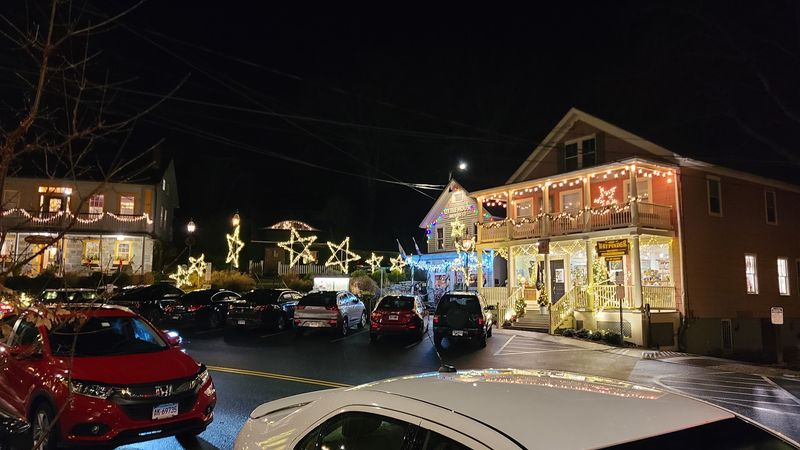
Some towns ask you to keep up. This one lets you set the pace.
Tucked into the lower Connecticut River Valley, a village of fewer than 4,000 people has been quietly catching the attention of retirees who want a smaller, slower, more neighborly chapter of life. The appeal is simple: a compact town center you can explore on foot, a river close by, and a community small enough that faces start to look familiar after a few weeks.
In the sections ahead, you will learn where this village sits, how it got its name, what kind of daily rhythm it offers, and what to know before planning a visit or a longer stay. Keep reading, because the details add up to a surprisingly appealing picture for anyone thinking about their next move.
A Small Town on the Lower Connecticut River
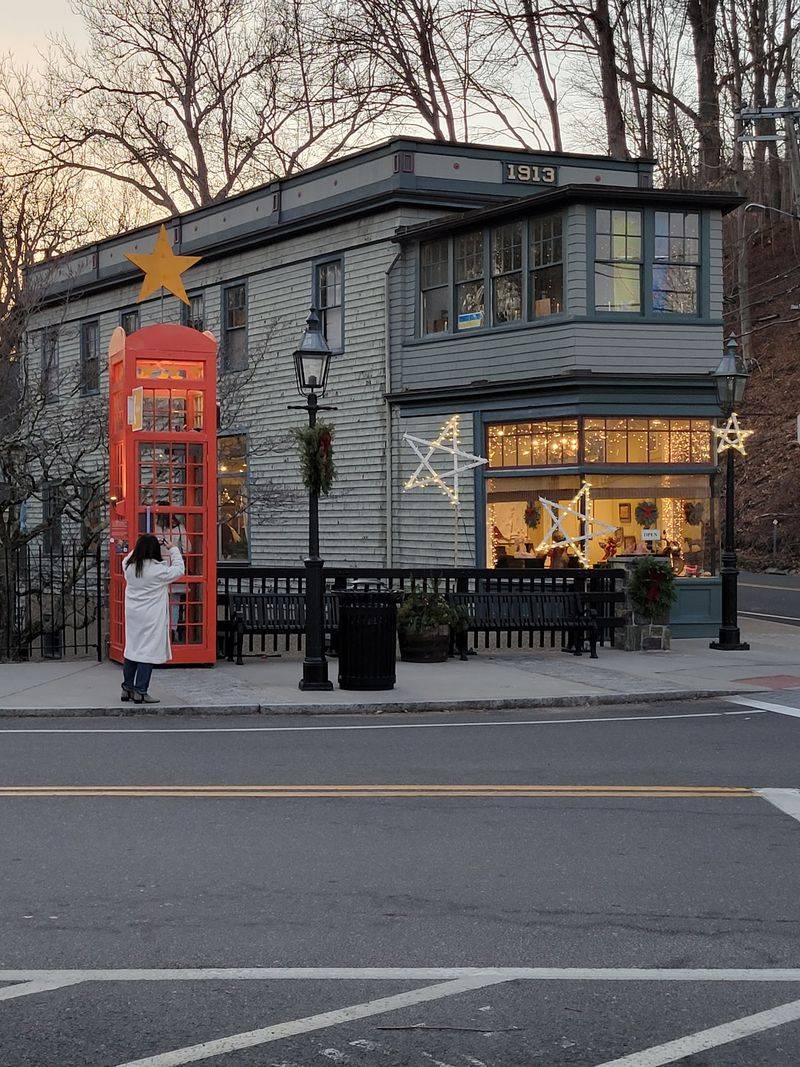
Mail addressed to Deep River, CT can still land you in the right story. The town in question is Chester, a small community in Middlesex County, Connecticut, in the United States.
Chester belongs to the Lower Connecticut River Valley Planning Region. That label sounds official, but it simply places the town among the river communities in the southern part of the state.
For retirees, location often matters as much as the town itself. Chester sits within a cluster of riverside towns, so neighboring communities are never far away.
The town keeps an official website at chesterct.com. It is a sensible first stop for anyone who wants up-to-date local information before visiting.
Chester is not a big city with sprawling suburbs. It is a compact New England town where the center plays an outsized role in everyday life.
That compact layout is a big part of why retirees are paying attention. A town center that works on foot can make errands, coffee meetups, and casual strolls feel easy rather than like a chore.
The sections ahead explain how the size, history, and setting all fit together, starting with a name that crossed an ocean to get here.
A Name Borrowed From England
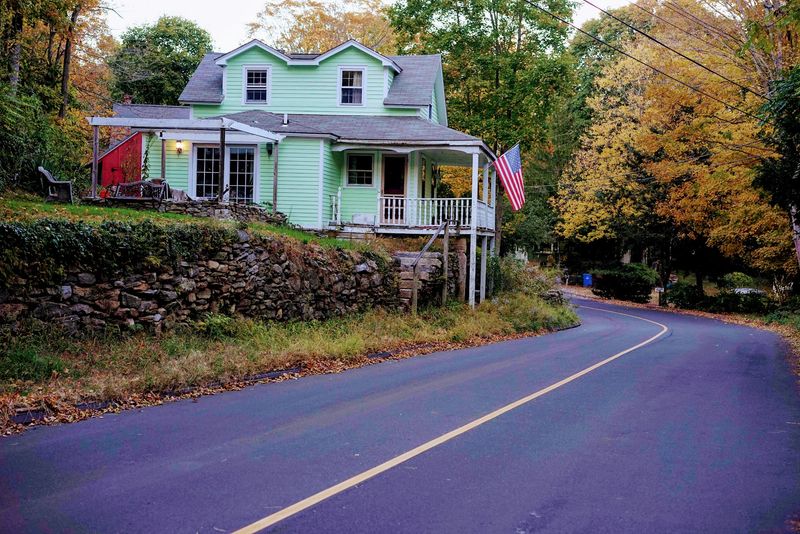
Plenty of American towns wear secondhand names, and Chester is proudly one of them. The name is a transfer from Chester in England.
That kind of naming was common across early New England. Settlers often carried the names of familiar English places with them when they founded new communities.
The result is a small Connecticut town that shares its identity with a much older English city. It is a fun bit of trivia to bring up over lunch with new neighbors.
For retirees who enjoy history, that link offers a starting point for deeper reading. Local libraries and historical groups in the region are good places to learn more about how the town took shape.
The English name also fits the look of many New England villages. Traditional town centers, modest buildings, and a strong sense of place are all part of the regional character.
Names alone do not make a town worth moving to, of course. Still, a place with roots this visible tends to attract people who appreciate continuity and community.
Chester carries its borrowed title well, and the town has had plenty of time to make it its own.
Fewer Than 4,000 Neighbors
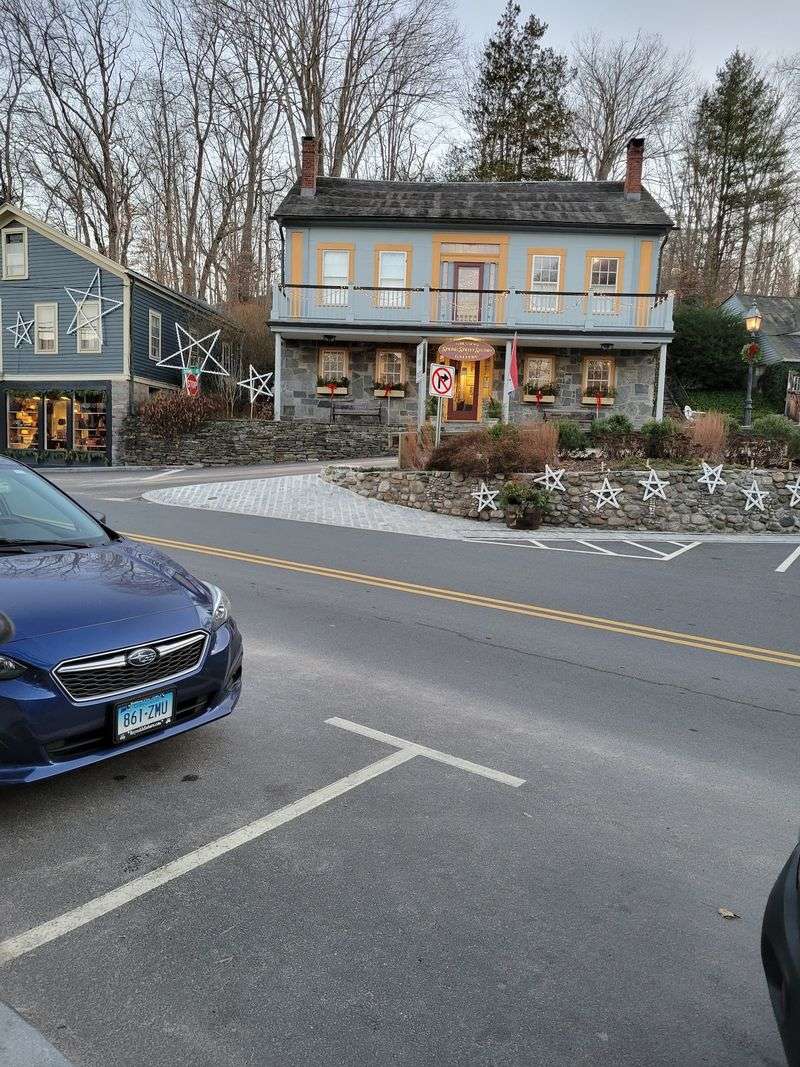
Here is a number worth remembering: 3,749. That was Chester’s population at the 2020 census.
For many retirees, that figure is the headline. A town of this size can feel personal in a way that larger places rarely do.
Small populations often mean familiar faces at the post office, the shops, and community events. Over time, a quick errand can turn into a pleasant conversation.
There is also a practical side. Smaller towns usually mean less traffic in the center and a calmer daily routine.
Of course, a small town is not for everyone. Those who want big-city variety every evening may find the pace quieter than expected.
That quiet, however, is exactly what many people are seeking after decades of busy commutes and crowded schedules.
Chester offers a chance to know a community rather than simply live near one. For a retirement chapter, that difference can matter more than any amenity list.
The Village Center at the Heart of It All

Census maps do not usually make for exciting reading, but Chester’s has a useful detail. The U.S.
Census Bureau defines the town center as a census-designated place.
In plain terms, the center is distinct enough to be counted on its own. That signals a real village core, not just a crossroads.
For retirees, a defined center is a big deal. It usually means homes, shops, and gathering spots sit close together.
That closeness is what makes a Main Street walkable. Errands can be stacked into one short outing instead of several drives.
A village core also tends to become the stage for community life. Seasonal events and casual meetups naturally happen where people already gather.
Anyone visiting should start right here. Parking once and exploring on foot is the easiest way to understand how the town works.
The center is small, so there is no need to rush. A slow loop is the local speed limit, more or less.
Why Walkability Wins Retirees Over
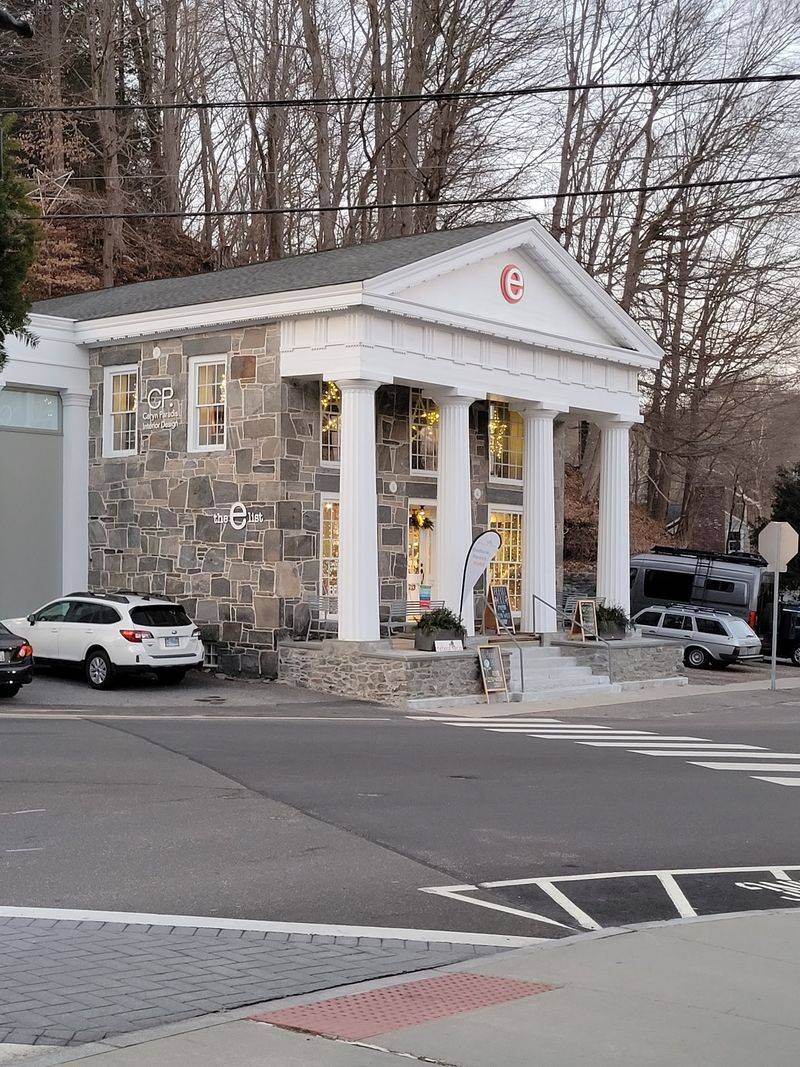
Car keys are useful, but they should not be required for a cup of coffee. That idea sits at the core of Chester’s growing appeal.
A walkable Main Street lets residents handle small tasks on foot. For many retirees, that brings independence and daily movement without a gym membership.
Walking also creates chance encounters. Neighbors cross paths, shopkeepers learn names, and the town starts to feel like home.
There is a long-term planning angle too. Many people think ahead about a time when driving may be less convenient, and a compact village helps with that.
Of course, walkability depends on where a home sits. Properties close to the center will offer the most benefit, while outlying areas may still require a car.
House hunters should map the distance from any property to the village core before deciding. A short stroll and a long hike are very different daily habits.
Chester’s layout rewards those who choose carefully, one step at a time.
Life Along the River Valley
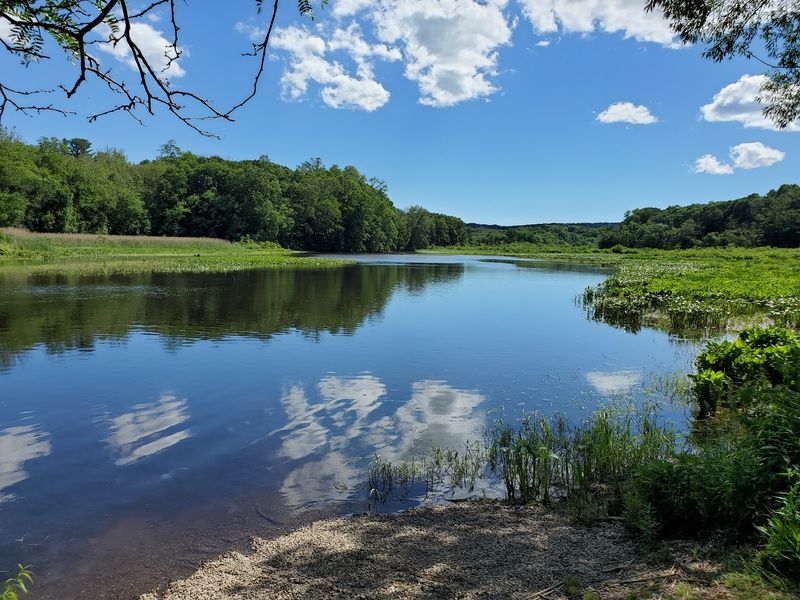
Rivers have a way of shaping towns, and the Connecticut River is no exception. Chester sits in the lower part of its valley.
The river is the longest in New England, and its lower valley is known for small historic towns. Chester is one of that group.
For retirees, river proximity often means scenic drives and outdoor time. It also means a landscape that changes with each season.
The valley setting keeps Chester close to its neighbors, including Deep River. Short trips between towns can expand options for shopping and activities.
Outdoor fans may want to research local parks and preserves before visiting. The town website is a good place to begin.
Living near a major river is not just about the view. It connects a small town to a larger regional identity shared by many communities.
Chester keeps the river close enough to enjoy and far enough to stay a quiet village at heart.
A Regional Neighborhood of River Towns
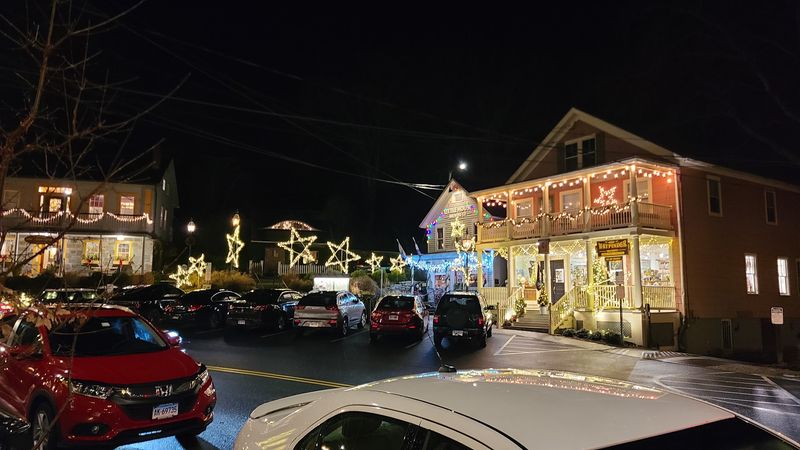
No town is an island, even a small one. Chester is part of the Lower Connecticut River Valley Planning Region, which groups it with nearby communities.
That regional link matters for practical reasons. Planning regions help towns coordinate on shared issues such as transportation and land use.
For retirees, it means Chester sits inside a wider web of services and destinations. A short drive can open up more options than the town alone provides.
The Deep River address tied to Chester shows how closely these communities connect. Boundaries on a map rarely match how people actually live.
Many residents of small river towns spend their week moving between neighboring villages. One town for groceries, another for a doctor, a third for a weekend outing.
Before settling in, it pays to explore the surrounding towns too. The full picture includes the whole valley.
Chester works best when seen as one strong link in a regional chain.
The Pace of a Quiet Weekday
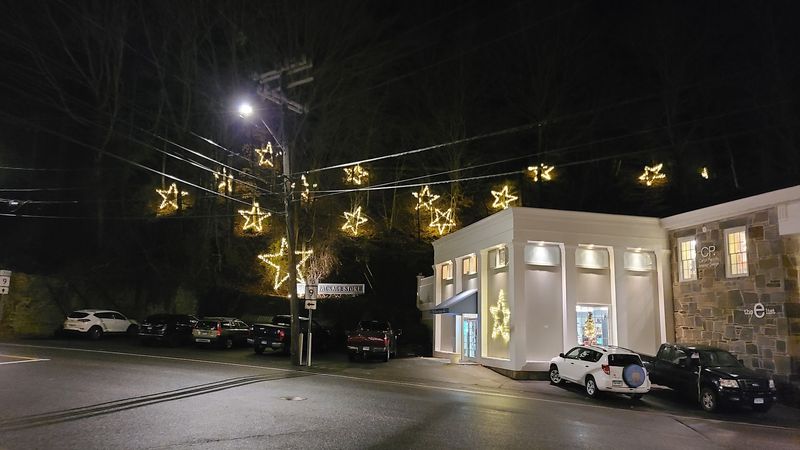
Weekends get the attention, but weekdays tell the real story of a town. Chester’s small size suggests a calm daily rhythm.
With fewer than 4,000 residents, the center is unlikely to feel crowded on an ordinary Tuesday. That can be a welcome change for people coming from busier places.
Retirees often build routines around these quiet hours. A morning walk, a stop in the village, and an unhurried afternoon fit naturally.
Quiet does not have to mean empty. Small towns often have active volunteer groups, clubs, and civic meetings for those who want to get involved.
The best way to judge the pace is to visit on a weekday. Seeing the town outside of event days gives a truer sense of daily life.
Some will find the calm restful. Others may want to balance it with trips to larger towns nearby.
Either way, Chester’s weekday personality is worth meeting before making any big decisions.
Who Feels Right at Home Here

Some places suit everyone a little. Chester seems to suit certain people a lot.
Retirees who value community over constant activity tend to fit well. The small population makes it easier to build real connections.
Walkers and people who enjoy short errands on foot will appreciate the defined village center. Daily movement becomes part of the routine.
History lovers have the English name and New England setting to explore. Nature fans have the Connecticut River valley close by.
On the other hand, anyone seeking nightlife, large malls, or big-city culture may feel limited. Those things are typically found farther away.
Families and working professionals live in small towns too, so Chester is not a retirement-only community. That mix can keep a town lively and balanced.
The best fit is someone who wants a smaller world that still feels full.
Four Seasons, Four Different Towns

New England does not do one season halfway, and Chester gets the full set. Each part of the year brings a different version of the village.
Spring and summer usually invite more time outdoors. A walkable center becomes even more appealing in mild weather.
Autumn is a popular time across Connecticut for scenic drives. The river valley setting makes it a natural season for exploring.
Winter calls for a bit more planning. Retirees should consider snow, icy sidewalks, and how close a home sits to the center.
Visiting in more than one season is smart for anyone thinking about moving. A town can feel very different in January than it does in June.
Seasonal change also shapes community life. Many small towns schedule gatherings around holidays and warmer months.
Chester rewards those who enjoy watching a familiar place change its outfit four times a year.
Homework Before the Move
Falling for a town is easy. Living in it well takes some research.
Start with the official town website, chesterct.com. It is the most reliable source for current local information.
Next, look at the practical side. Healthcare access, property costs, and transportation all deserve careful attention.
Small towns often depend on nearby communities for certain services. Checking travel times to clinics and stores can prevent surprises later.
It also helps to talk with a local real estate professional who knows the area. They can explain how different parts of town compare.
Spend a few days in the area if possible. Errands, walks, and quiet evenings reveal more than any brochure.
A careful plan turns a pleasant visit into a confident decision, and confidence is a fine thing to pack for a move.
Getting There and Getting Around

Directions start simple: head for Middlesex County in Connecticut. Chester sits in the lower river valley, with an address linked to Deep River, CT.
Most people arrive by car, which is typical for small New England towns. A map app pointed to Chester will do the trick.
Once in town, the plan changes. Parking once and exploring the center on foot is the easiest approach.
Because the village is compact, there is little reason to keep moving the car around. Comfortable walking shoes are the main gear required.
Retirees considering a move should test routes to nearby towns. Knowing how long it takes to reach services makes daily life easier to plan.
Public transportation options can vary in rural areas. Checking current schedules ahead of time is wise for anyone who prefers not to drive.
Arrival is the easy part, and slowing down once you are there is the real assignment.
Smart Tips for a First Visit

A first visit sets the tone, so a little preparation helps. Chester is small, but there is still plenty to notice.
Check chesterct.com before the trip. Town updates and event listings can help with timing.
Plan to visit on both a weekday and a weekend if time allows. The contrast shows how the town feels in different moods.
Leave room in the schedule for wandering. A compact village is best explored without a rigid itinerary.
Bring a short list of questions if the visit is part of retirement planning. Housing, healthcare access, and community groups are good places to start.
Consider adding nearby river towns to the trip. Seeing the region together gives a fuller picture.
Take notes along the way. Small details are easy to forget once the drive home begins, and they often end up shaping the final choice.
A Village Worth a Closer Look

Big promises are not Chester’s style. Its appeal comes from simple, steady strengths.
The town is small, with 3,749 residents at the 2020 census. Its center is distinct enough to be recognized by the Census Bureau.
It sits in the Lower Connecticut River Valley, close to neighboring river towns. Its English name hints at deep New England roots.
For retirees, those facts add up to a clear picture. A walkable village, a manageable size, and a regional setting can support a calm and connected lifestyle.
That does not mean Chester fits every plan. Anyone craving constant activity may prefer a larger place.
For those seeking a slower rhythm with familiar faces, though, the town deserves a visit. A day or two on its streets will say more than any article.
Chester may be quiet, but it is making a strong case for the next chapter.
Enjoyed this story?
Add Fast Food Club as a preferred source to see more of our reporting on Google.