


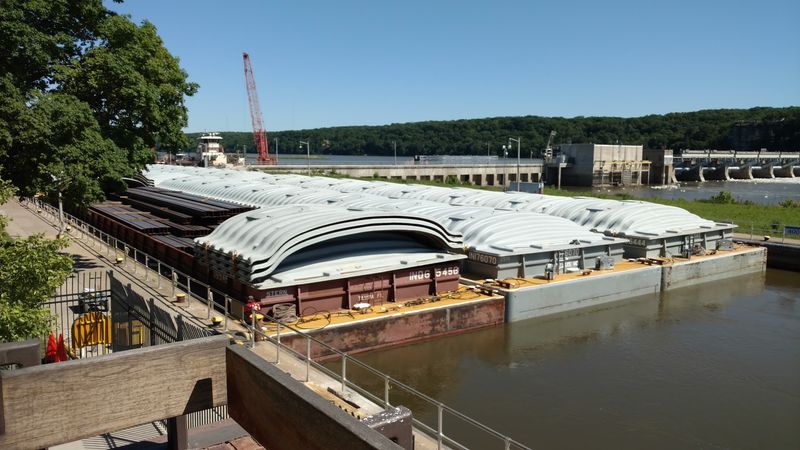
Every winter, a quiet stretch of the Illinois River near Ottawa turns into one of the best places in the Midwest to spot America’s national bird. Bald eagles show up in big numbers, and they come for a simple reason: open water and easy fishing.
The secret is a working piece of river engineering that keeps the water moving when much of the river freezes. Keep reading to learn where it is, why the eagles love it, and how to plan a calm, rewarding winter visit of your own.
A Dam With a Famous Neighbor
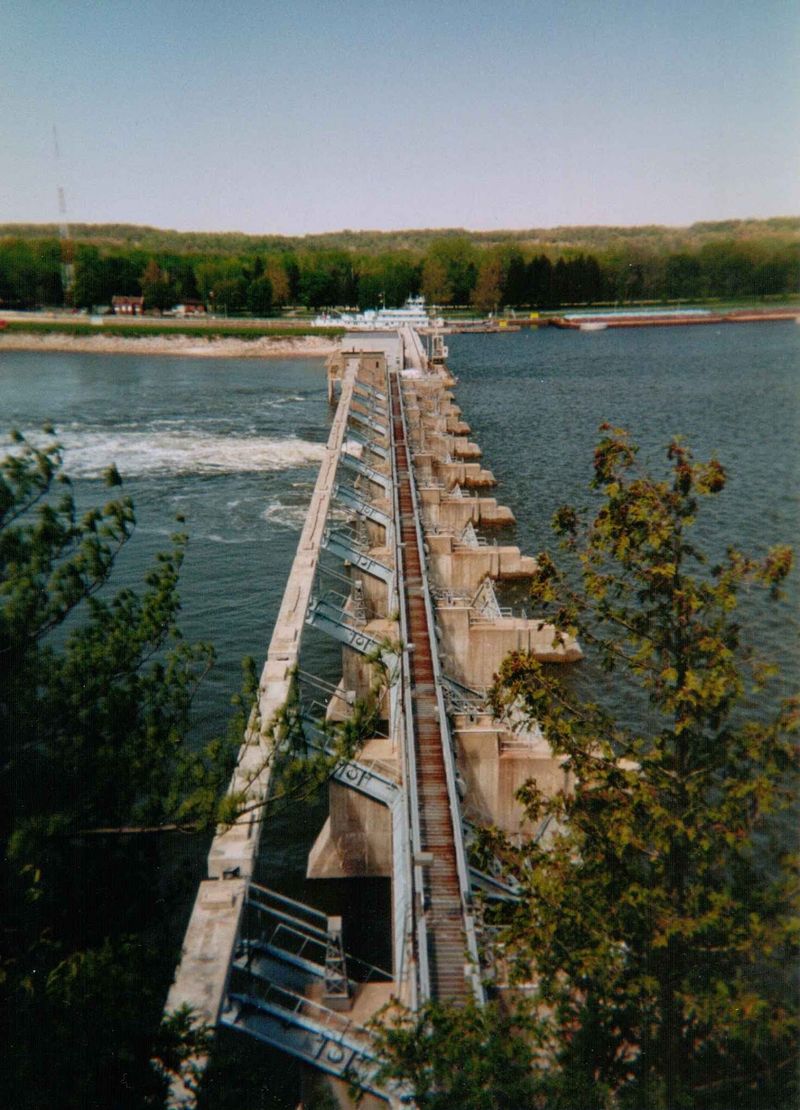
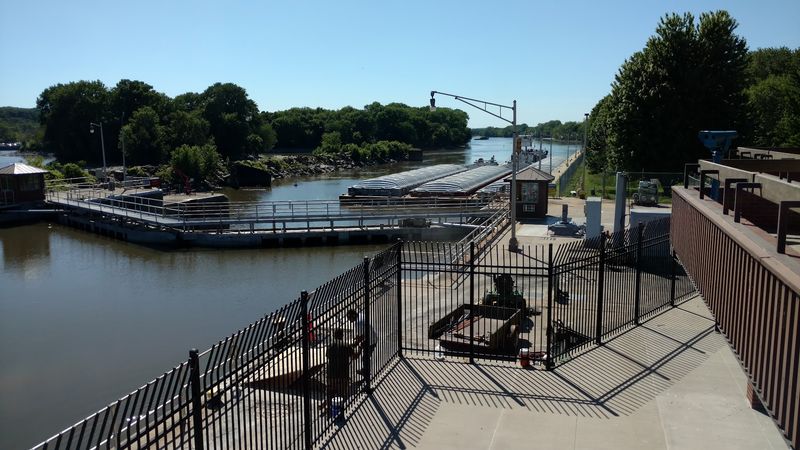
Some of the best wildlife watching in Illinois starts at a slab of concrete. The spot is Starved Rock Lock and Dam, found at Ottawa, IL 61350, USA, right on the Illinois River in north central Illinois.
It is a working dam, built to manage the river for boats and barges. Its name comes from Starved Rock, the well known sandstone landmark and state park area close by.
That pairing gives the site a double appeal. One side is all engineering and river traffic, while the other side leans toward bluffs, trees, and wide open sky.
For eagle fans, the dam is the main event. The structure shapes the river around it in a way that matters a great deal once winter arrives.
Ottawa itself is a modest river town, the kind of place that rarely makes headlines. Each winter, though, the area around this dam earns a quiet reputation among birders, photographers, and families who want a closer look at a national symbol.
The rest of this story explains why a utilitarian structure became a winter gathering spot, and how to make the most of a trip here.
Why Locks Matter on the Illinois
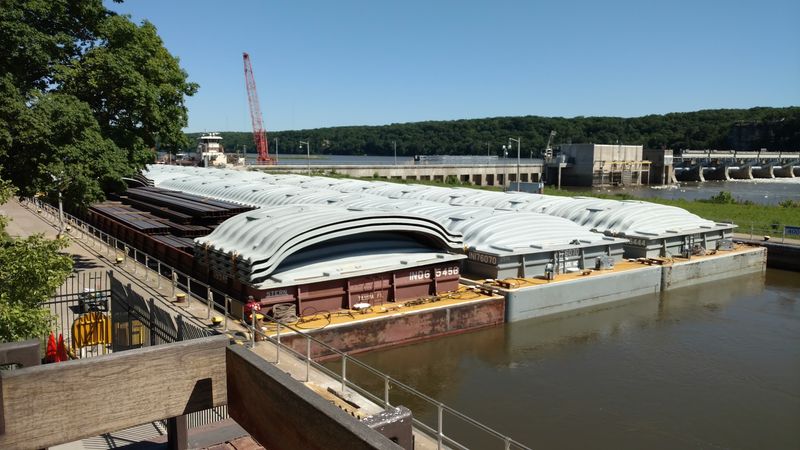
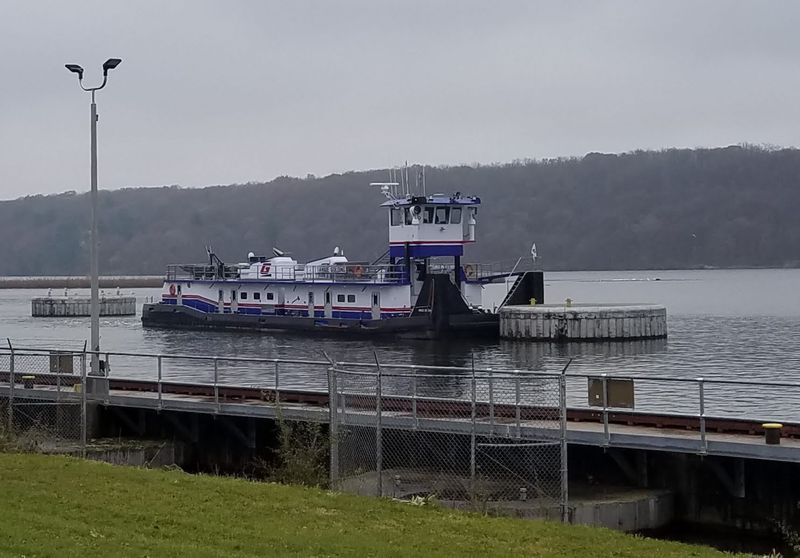
Rivers are not naturally built for big boats. The Illinois River drops in elevation as it flows, and locks and dams help turn it into a reliable route for commercial traffic.
A lock works like a water elevator. Boats enter a chamber, gates close, and the water level rises or lowers until the vessel matches the river on the other side.
The dam holds back water to create a deeper pool upstream. Together, the two pieces keep barges moving along a river that links the Great Lakes region with the Mississippi River system.
Starved Rock Lock and Dam is one link in that chain. It may look like a quiet structure from shore, but it plays a working role in moving goods across the country.
Watching a barge pass through is a small bonus for anyone who visits. It adds a bit of real world motion to a scene that otherwise feels peaceful and slow.
Knowing how the system works also explains the eagles. The same flow that serves barges creates conditions birds can use when the rest of the river locks up.
Open Water in a Frozen Season
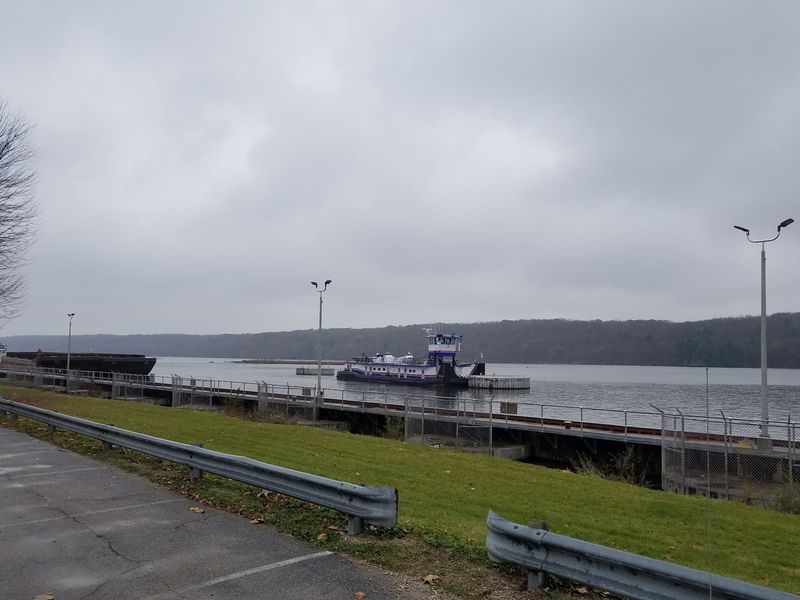
Ice is the eagle’s biggest winter problem. When lakes and slow rivers freeze over, fish become hard to reach, and hungry birds have to search for better options.
Water moving through and below a dam tends to stay open longer than calm stretches of river. That open water becomes a lifeline during cold months.
Fish passing through the churn below a dam can be easier to grab near the surface. For an eagle, that means a better chance at a meal with less effort.
The result is a simple equation. Open water plus available fish equals a reason for eagles to stay close.
That is why the colder stretches of winter are often the most productive times for sightings. When ice spreads elsewhere, the dam area stands out as a dependable feeding zone.
It is a neat example of how human-made structures can shape wildlife behavior. Nobody built the dam for eagles, yet the birds clearly found a use for it.
The Stars of the Winter Show
Few birds carry as much symbolism as the bald eagle. Adults are easy to recognize thanks to their white heads and tails paired with dark brown bodies.
Younger eagles look quite different. They can appear mottled brown and white, and many first-time watchers mistake them for another species entirely.
Around the dam, eagles are often seen perched in trees along the shoreline. From those posts, they watch the water and wait for a chance to swoop down.
Seeing one glide low over the river and snatch a fish is the moment most people hope for. Patience tends to pay off, because the birds return to the water again and again.
Some days bring just a handful of sightings. Other days can feel like an eagle convention, with birds spread across branches and soaring overhead.
Either way, there is something special about seeing a once rare bird thriving in a working river landscape. It is a feel good story with feathers attached.
Bluffs, Trees, and River Views
Scenery here does not depend on eagles alone. The landscape around the dam mixes river, wooded banks, and the bluff country that the Starved Rock area is known for.
In winter, bare trees open up the views. Without leaves in the way, it becomes easier to scan branches for perched birds.
The river itself is broad at this point, giving watchers plenty of room to follow a flying eagle from one side to the other. Wide views make spotting far simpler than in dense forest.
Nearby sandstone formations add to the setting. They give the region a character that surprises people who assume Illinois is entirely flat farmland.
Photographers often appreciate the layered scene. A dam, a river, a tree line, and a bird in flight can all fit into a single frame.
It is a setting that rewards slowing down. Even between sightings, the view gives the eyes plenty of places to wander.
Timing Your Eagle Trip
Timing can make or break an eagle outing. The winter months are when these birds tend to gather near open water, so that is the season to target.
Colder spells usually help rather than hurt. When ice spreads across the region, more eagles may concentrate in areas where fishing stays possible.
Early in the day is often a good window for activity. Birds are frequently out hunting, and the river can be quieter before more people arrive.
Weather is the wild card. Bright days can make spotting easier, while gray days still offer chances if the birds are active.
A flexible schedule helps a lot. Checking the forecast and choosing a cold, clear day can improve the odds without guaranteeing anything.
Wildlife never runs on a timetable. Still, a winter morning beside the dam gives a visitor a strong head start on a memorable sighting.
Gear That Earns Its Keep

Binoculars are the single most useful tool for this trip. Eagles may perch far across the river, and a good pair turns a dark speck into a clear bird.
A camera with a zoom lens is a fun extra. Photographing eagles takes patience, but the payoff can be a picture worth framing.
Warm layers matter just as much as optics. River areas in winter can be cold and windy, and standing still while watching makes that feel stronger.
Gloves that allow some finger movement help when adjusting a camera or focusing binoculars. A hat and sturdy boots round out the basics.
A small field guide or bird app can help sort adults from juveniles. It also helps identify other birds that share the river during winter.
Packing smart keeps the focus on the birds instead of on cold fingers. A well prepared watcher simply gets to stay longer.
Respecting the Birds
Good manners go a long way with wildlife. Eagles in winter are working hard to stay fed and warm, so disturbance can cost them valuable energy.
Keeping a respectful distance is the golden rule. Binoculars and zoom lenses exist precisely so people can enjoy the birds without crowding them.
Loud noises and sudden movements can flush eagles from their perches. Staying calm and quiet often leads to longer, better views anyway.
Drones and attempts to get closer for a photo are best avoided. Any posted rules near the dam should be followed carefully.
Staying in designated public areas is also important. A working lock and dam has operational zones that are not meant for wandering.
Treat the birds like honored guests and the experience stays good for everyone. The eagles will happily keep doing their thing while people watch from a polite distance.
More Than Eagles on the Water
Eagles get top billing, but the river supports a wider cast. Open winter water can attract other birds looking for the same fishing opportunities.
Gulls and various waterbirds may share the area below the dam. Their presence adds variety for anyone keeping a list of sightings.
Watching the interactions can be entertaining. Sometimes eagles go after their own catch, and sometimes they try to steal a meal from another bird.
That bit of avian drama is part of the fun. It shows how the whole river community depends on the same open patch of water.
Bringing a field guide helps here as well. Even casual watchers can enjoy learning a few new species during a trip.
A morning that starts as an eagle hunt can easily turn into a broader nature lesson. The river rarely runs short on characters.
A Calm Day for All Ages
Not every outing needs a packed itinerary. A trip to the dam fits people who enjoy slow, quiet time outdoors with a clear goal.
Families can turn it into a real-world science lesson. Kids learn about locks, river flow, and bird behavior all in one stop.
Photographers and birders tend to love the focused nature of the place. The eagles provide a reason to stay, wait, and watch.
Couples and solo travelers may appreciate the peaceful pace. There is room to think, talk, or just enjoy a winter scene.
The atmosphere is relaxed rather than flashy. It suits anyone who finds joy in small moments instead of big attractions.
Patience is the only real requirement. Those willing to wait a little usually leave with a story to share.
The Starved Rock Connection
Starved Rock is the name most travelers recognize in this part of Illinois. The nearby landmark lends its name to the dam and helps draw people to the region.
The area is known for sandstone bluffs and canyons that stand out in a mostly flat state. That geology gives the river valley its dramatic edges.
Pairing a dam visit with time in the broader Starved Rock area makes a fuller day trip. Eagle watching can fill the morning, while exploring the region fills the rest.
Winter conditions can affect trails and paths. Checking ahead and wearing proper footwear is a smart move in icy weather.
The combination of landmark scenery and active wildlife is a strong draw. Few places in the state offer both so close together.
It all adds up to a destination that feels bigger than a single stop on the map.
Getting There From Ottawa
Ottawa makes a handy base for this trip. The town sits along the Illinois River in north central Illinois, and the dam lies in the same area.
Driving is the most practical way to reach it. Using a map app with the dam’s name will guide travelers to the right spot.
Winter roads deserve extra care. Snow and ice can slow things down, so leaving a little extra time is wise.
Specific hours, fees, and parking details are not something to assume. Checking with official sources before heading out is the best way to confirm current access.
Because it is a working facility, some areas may be restricted. Public viewing spots should be the focus of any visit.
Planning these small details ahead of time removes stress. That leaves more energy for the fun part, which is finding eagles.
Small Town, Big Wings
Ottawa rarely tries to steal the spotlight. It is a modest town with a riverfront setting, and that low-key feel matches the eagle experience nicely.
Winter is usually a quieter season for many river towns. That calm atmosphere can make an eagle trip feel even more peaceful.
Visitors can pair their bird watching with time in town. A warm break between viewing sessions makes a cold day much more comfortable.
The contrast is part of the charm. A sleepy community sits just a short trip from one of the state’s best winter wildlife scenes.
Supporting local businesses during the trip is a nice way to give back. It helps keep small towns lively during the off-season.
Big wings in a small town make a memorable pairing. Ottawa proves that a place does not need to be loud to leave an impression.
A Winter Trip Worth the Chill
Some travel memories come from grand monuments. Others come from a cold morning, a pair of binoculars, and a bald eagle diving for a fish.
Starved Rock Lock and Dam delivers the second kind. It turns a practical river structure into a winter stage for one of the country’s most admired birds.
Nothing here is guaranteed, and that is part of the appeal. Each sighting feels earned, and each trip turns out a little different.
Bundle up, bring patience, and respect the birds. Those simple steps go a long way toward a great day.
Ottawa may stay sleepy, but the skies above the river stay busy all season. That mix of quiet town and active wildlife is hard to beat.
For anyone seeking a calm winter adventure in Illinois, this river spot deserves a place on the list. The eagles will likely be waiting.
Enjoyed this story?
Add Fast Food Club as a preferred source to see more of our reporting on Google.