


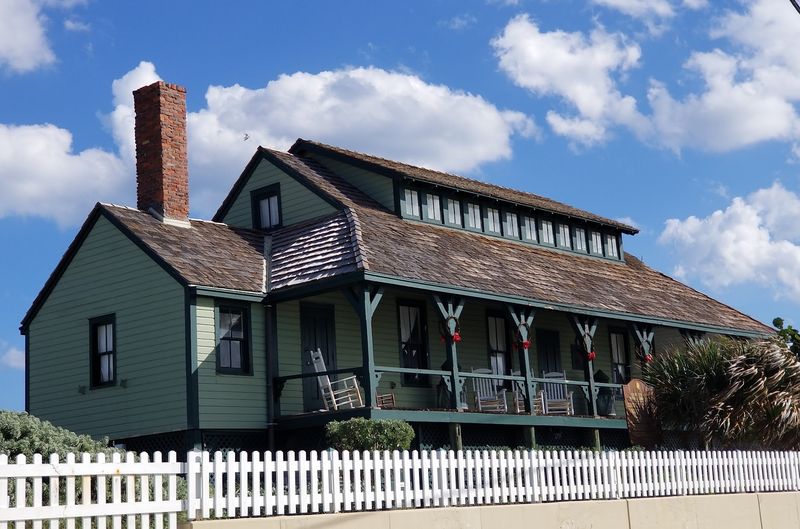
A tiny parking lot on a narrow strip of Hutchinson Island in Stuart fills up fast, and newcomers often wonder why. The answer is not a restaurant or a fried shrimp basket.
It is a weathered seaside station built to rescue shipwrecked sailors, sitting on rare rock formations that most people never expect to find in Florida. Inside are volunteer storytellers, pirate lore, a story about a two-headed sea turtle, and a back porch lined with rocking chairs facing the ocean.
The building also just finished a major restoration, so it looks better now than it has in years. Keep reading to learn its history, how to time your trip, where to park, and how to save a few dollars at the door.
That cramped lot will make complete sense by the end.
A Rescue Station on Hutchinson Island
Some landmarks shout for attention, but this one sits quietly between a road and the Atlantic. Gilbert’s Bar House of Refuge is found at 301 SE MacArthur Blvd, Stuart, FL 34996, in the United States.
The site is listed as a park, yet it works as a museum too. It was built as a house of refuge, a station where shipwrecked sailors could find shelter along a lonely stretch of coast.
Today it is the last house of its kind in the area. That alone makes it a rare stop for anyone curious about Florida before the high-rises and highways.
The property is cared for by the Martin County Historical Society. Volunteers keep the doors open, lead tours, and share stories with guests who wander in.
The location is easy to find, which helps. Follow MacArthur Boulevard along the island and the old house appears right where the land meets the sea.
Do not expect a large complex with crowds and gift kiosks everywhere. The appeal here is compact, focused, and steeped in maritime history.
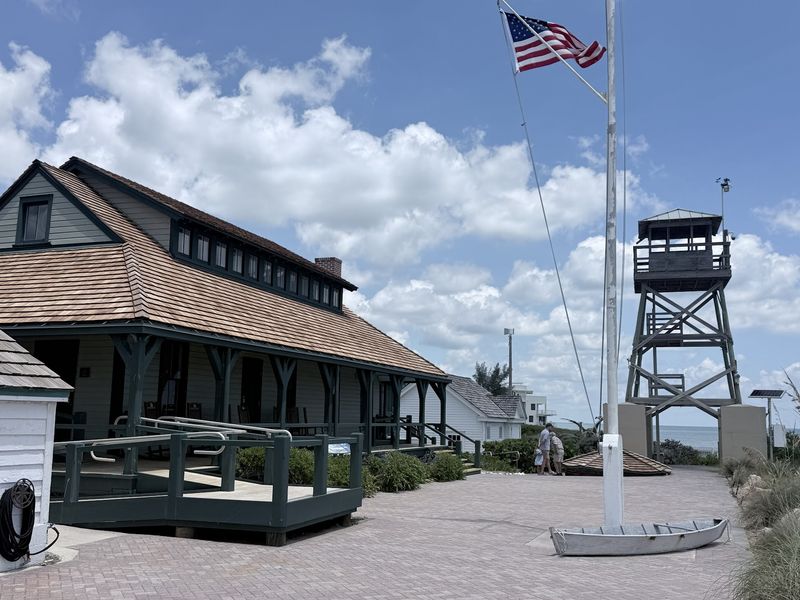
A short visit can cover the main house, a small theater, a watch tower, and the rocky beach below. Each piece adds a layer to the story of how people once survived this coast.
So why do people keep squeezing into that small lot? The next sections answer that, one piece at a time.
Shipwrecks, Sailors, and the Coast Guard Connection
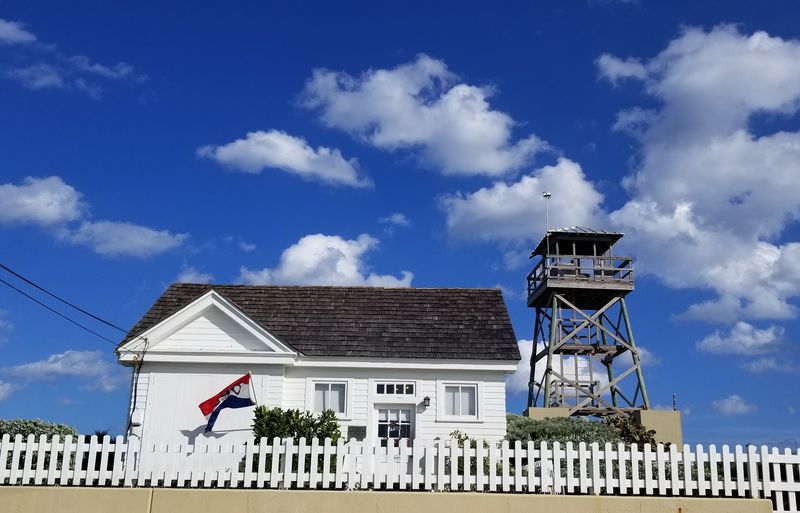
Long before beach towels and sunscreen, this coast was a hazard for ships. Sailors who wrecked here needed a place to recover, and that is exactly what this house provided.
The museum tells a brief history of how the Coast Guard got its start. The house of refuge system was part of that early chapter in lifesaving along American shores.
Life for the keepers stationed here was hard. They lived in isolation, watched the water, and stood ready to help strangers who washed ashore.
Exhibits inside the main house walk guests through that daily reality. Artifacts and historical presentations help explain the original purpose of the building.
Many people leave with a new respect for those who lived here. The work required patience, grit, and a steady eye on the horizon.
History fans will find plenty to chew on. The museum is small, but it focuses on a specific slice of Martin County maritime history rather than trying to cover everything.
That narrow focus is a strength. It lets the story stay clear and personal, centered on one house and the people tied to it.
A half hour inside is usually enough to explore the exhibits at a relaxed pace. Some guests linger longer, reading every panel and asking questions.
And the stories do not stop with rescue work, because this stretch of coast also carries a pirate legend.
The Pirate Behind the Name
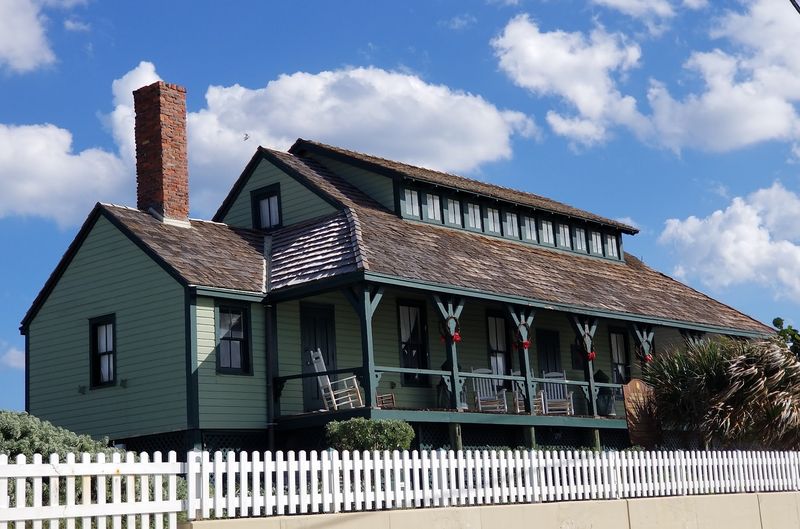
Gilbert was not a lighthouse keeper or a kindly sea captain. The name traces back to a pirate, and the staff are happy to share his story.
Tours cover the tale of Gilbert the pirate in detail. Guides make it clear that he was far from a hero, and his reputation was rough by any measure.
Pirate history surprises many first-time guests. Few expect a museum about lifesaving to include a chapter on someone known for the opposite.
Some people jokingly call it a fresh angle on the Caribbean pirate legends seen in movies. The real history, though, is more interesting than the fiction.
The contrast is part of the fun. A place built to save sailors carries the name of a man linked to danger on the seas.
Families with kids who love pirate stories may find this the hook that keeps young minds engaged. History becomes easier to follow when there is a colorful character at the center.
Ask a docent for the full story rather than skimming a sign. Volunteers here tend to add details that bring the tale to life.
The legend gives the place its name, but the people telling it today are the real draw.
Docents Who Make the History Stick
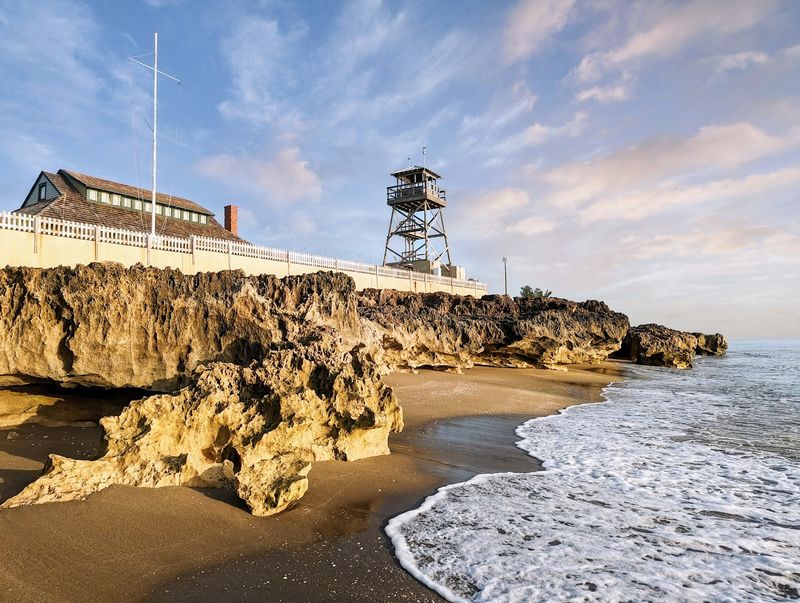
Ask almost anyone who leaves this house what they remember most, and the volunteers come up fast. They are friendly, knowledgeable, and clearly love the local history.
Guided tours are free with admission. A typical briefing runs about 20 minutes and covers the overall history of the house and the surrounding area.
Many of the docents are retirees who settled in the Stuart area. Their backgrounds vary widely, which gives each tour its own personality.
Guides often make themselves available without being asked. They share stories, walk groups around the property, and even offer to snap group photos.
That kind of attention turns a quick stop into a memorable afternoon. Guests often mention specific guides by first name when telling friends about the trip.
The talks are often held on the back porch while everyone sits in rocking chairs. It is a relaxed setting for a history lesson, with the ocean just beyond the railing.
Questions are welcome, and the volunteers seem to enjoy the deeper ones. Ask about the keepers, the pirate, or the sea turtles and watch the stories roll out.
Credit goes to the Martin County Historical Society for building such a dedicated team. Their enthusiasm is a big reason people bring friends back on return trips.
A Two Million Dollar Facelift
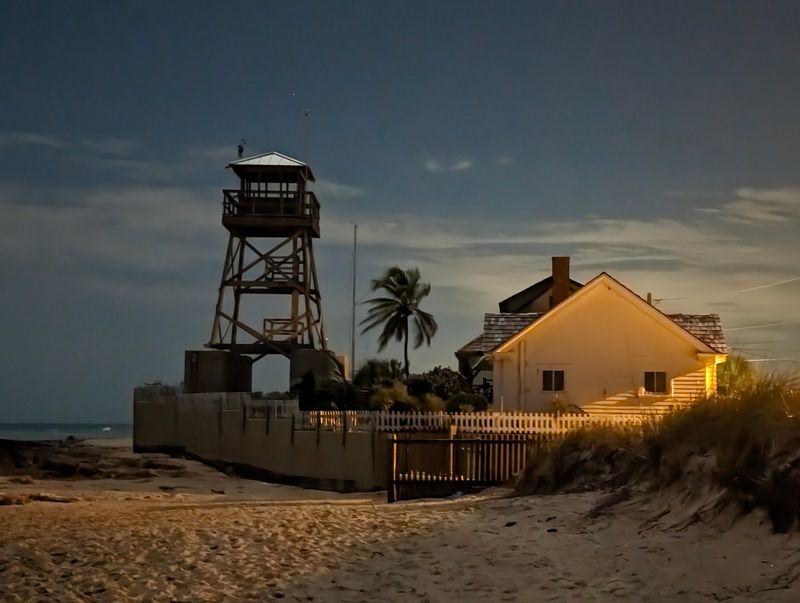
Fresh lumber and careful craftsmanship now define the main house. A restoration and renovation project worth about $2 million wrapped up in spring 2026.
The work brought the main refuge house back to an almost brand-new condition. High-quality wood framing stands out right away for returning guests.
The project did not stop at the main building. The courtyard behind the house was also renovated as part of the effort.
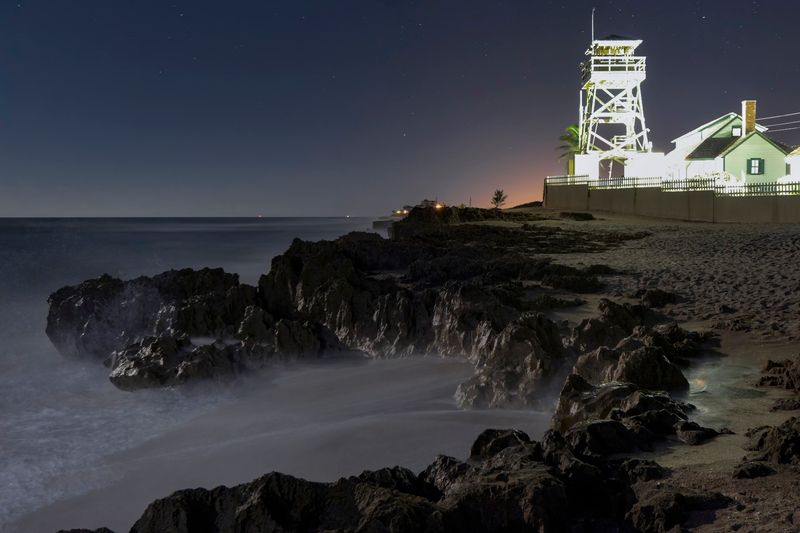
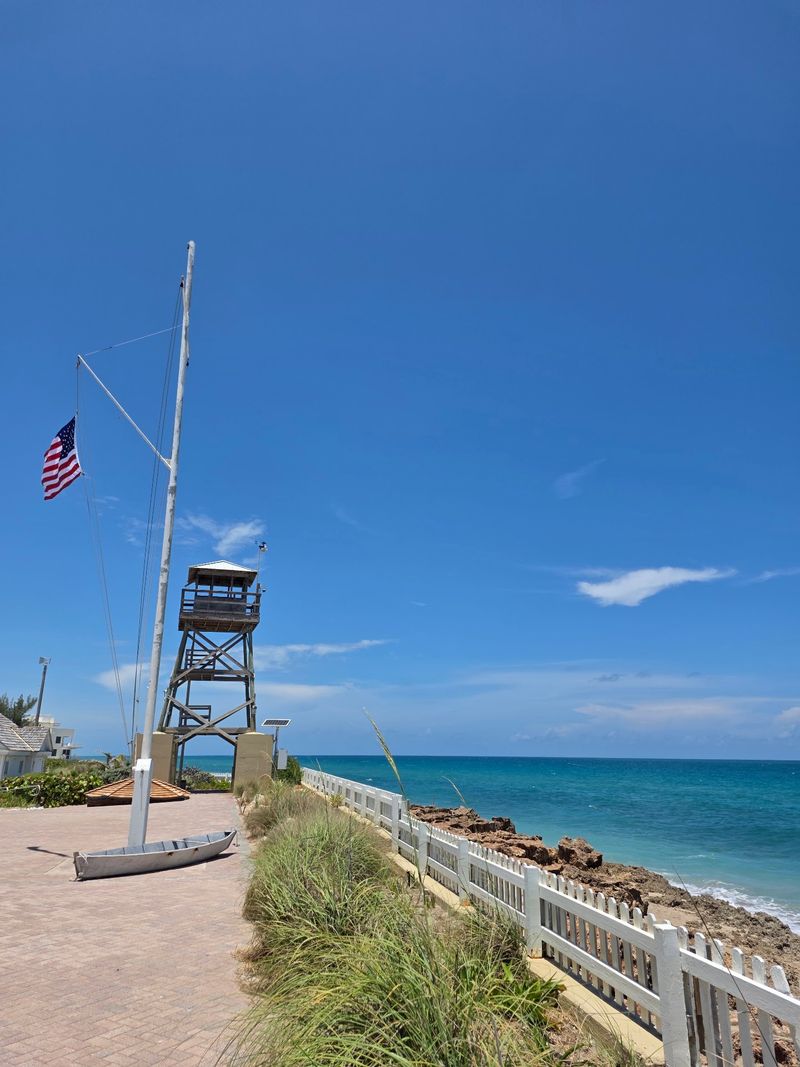
Another piece of the upgrade was the submarine watch tower. Both the tower and the courtyard overlook a short cliff and the beach below.
For anyone who visited years ago, the difference is noticeable. The house now presents its history in a setting that looks sharp and well cared for.
Restoration projects like this help protect a building that has stood on an exposed coast for a long time. Salt, storms, and sun take a toll on wooden structures.
The timing makes now a good moment to go. Exhibits, porches, and outdoor spaces are all in their freshest shape in years.
Of all the restored pieces, one tower in particular deserves its own spotlight, and it ties the house to a very different era.
The Submarine Watch Tower
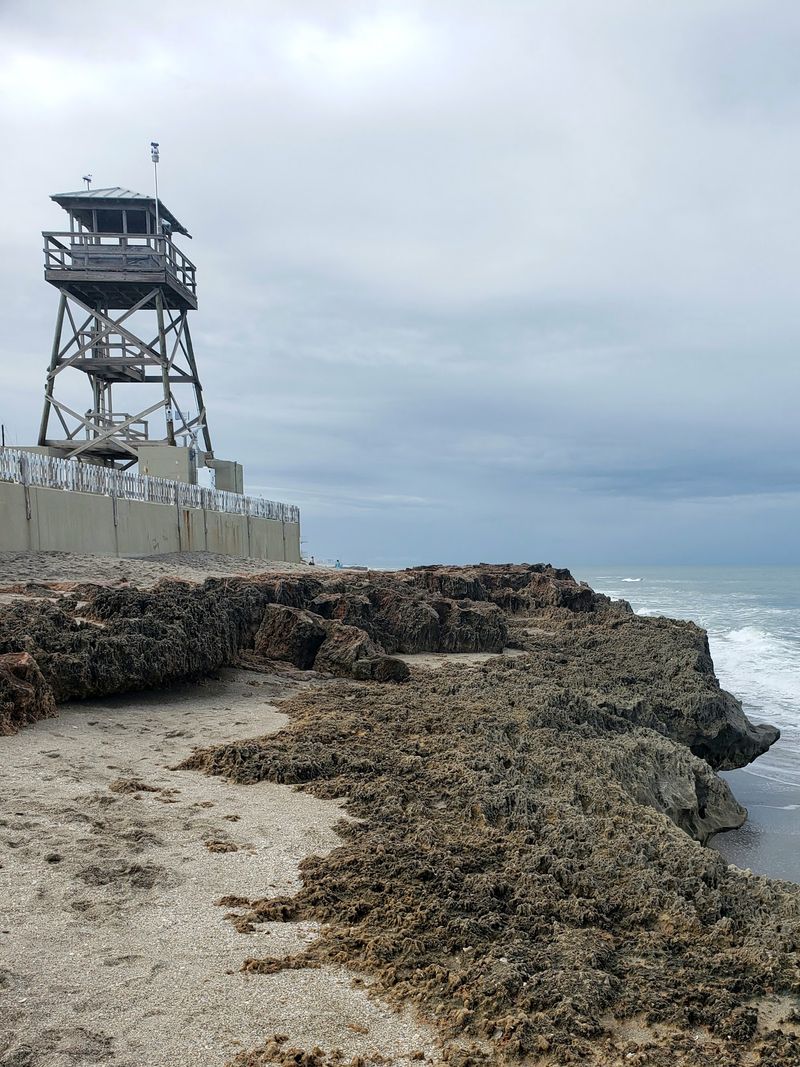
A lookout tower might seem out of place at a lifesaving station, until the wartime chapter comes up. The submarine watch tower on the property speaks to a period when the coast needed watchful eyes for a different reason.
The tower was part of the recent renovation. It now stands in renewed condition next to the main house.
Its position overlooks the short cliff and the beach below. From here, the open Atlantic stretches out ahead.
The tower adds a second layer of history to the visit. The house tells the story of rescues, while the tower hints at a time of coastal defense.
Ask a guide about it during the tour. Volunteers can fill in details that bring the structure’s purpose into focus.
The view from the area around the tower is a favorite for photos. Many people use it as a backdrop for family pictures.
It is a small structure, so it does not take long to see. Still, it is worth a few minutes of attention during any visit.
Once the history lesson ends, the shoreline below offers its own reason to stay.
Rare Rocks on a Florida Beach
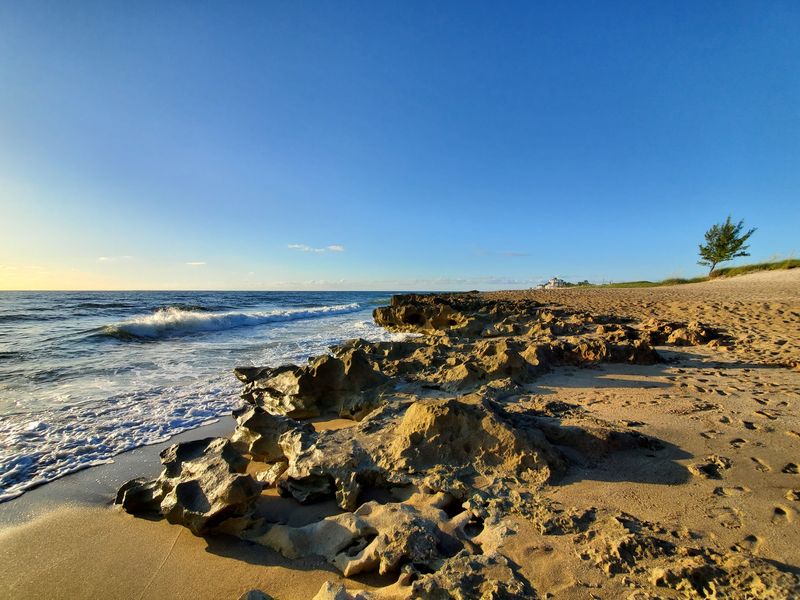
Florida is famous for sand, not stone. That is why the rocky shoreline here catches so many people off guard.
The beach features coquina and coral rock formations, something seldom seen along Florida’s coast. These rocks are one of the most talked-about parts of the property.
Timing matters. With the right tide, water shoots up through openings in the rocks, creating a show that keeps people watching for a while.
The formations mix with patches of sand, giving the beach a rugged look. It is a sharp contrast to the wide, flat beaches found elsewhere in the state.
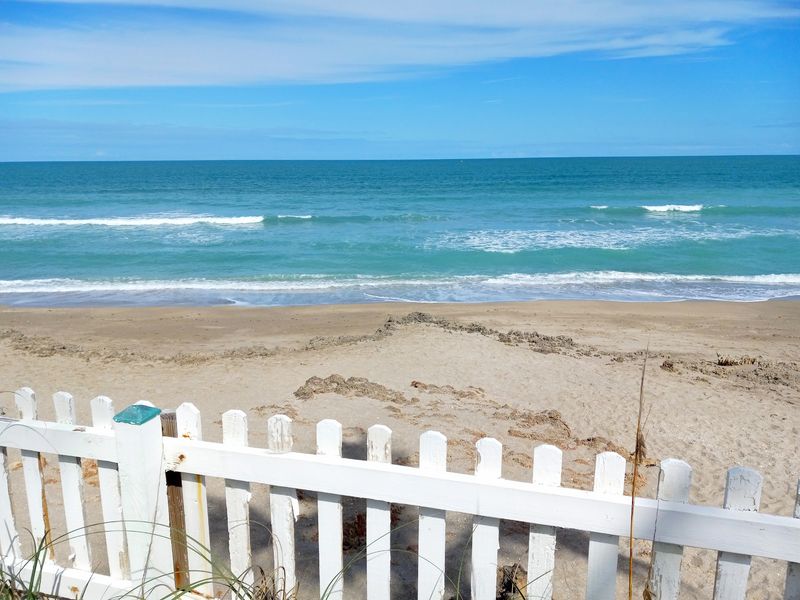
Beach access is available from the property. Many guests head down after touring the museum to explore the rocks up close.
Watch your footing on the uneven surfaces. Sturdy shoes make exploring easier than flip-flops.
Out-of-town guests are often impressed by this side of Florida. Locals like to bring relatives here to show off a beach that does not fit the usual postcard.
The rocks are only half the shoreline story, though. The water itself comes with a few rules worth knowing.
Fishing Yes, Swimming Maybe Not
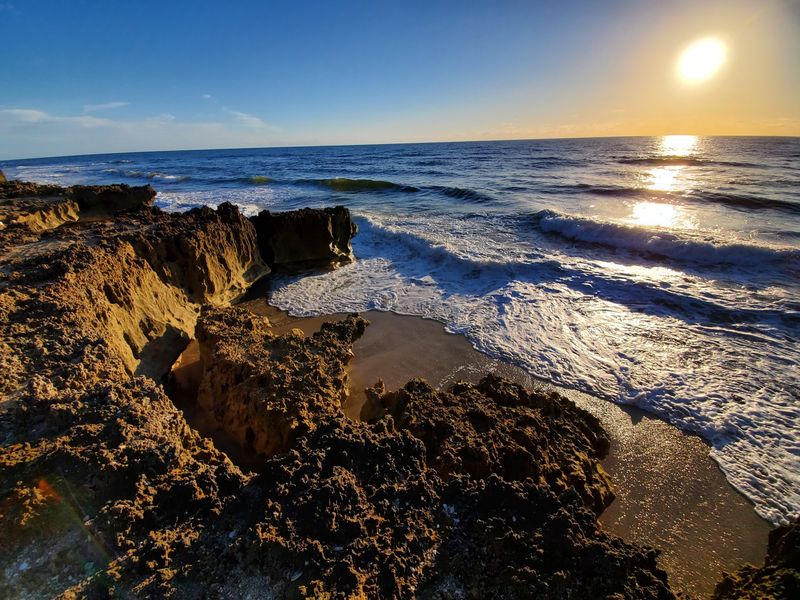
Here is a beach best enjoyed from the shoreline. The rocky setting is popular for fishing and simply relaxing near the water.
Swimming is a different matter. The rocks and conditions make it a poor choice for a casual dip.
Sharks have also been spotted from the shoreline. One group counted six in a single outing, which is enough to keep most people on dry land.
That does not take away from the appeal. Plenty of people come just to watch the waves and enjoy the quiet.
Anglers find the spot a good place to cast a line. Bring your own gear, since the gift shop focuses on small items rather than equipment.
Sunset views are another highlight. The beach is a peaceful place to end an afternoon after touring the house.
Keep an eye on kids near the rocks and the water’s edge. The terrain is part of the charm, but it calls for some care.
Treat this beach as a scenic stop rather than a swim spot. It rewards patient watchers far more than splashers.
Rocking Chairs, Murals, and Sea Turtle Tales
Some of the best moments here involve doing very little. The back porch is lined with rocking chairs, and many guests call sitting there a highlight of the trip.
The porch is old-fashioned in style and shaded. It looks right out toward the ocean, making it an easy place to rest between exhibits.
Inside the property, a large mural by an artist known as Papa is worth a close look. It hides a small detail that guests are encouraged to find on their own.
No spoilers here. Take a few minutes and scan the mural carefully.
The site also has a surprising wildlife chapter. Sea turtles were once cared for at this location, including a two-headed one.
That story tends to stick with kids and adults alike. It is a fun reminder that the house served more than one purpose over the years.
A small theater in the south building plays a 15-minute video loop. It is a good way to fill in gaps after the porch talk and museum walk-through.
The pace here is slow by design. Rocking chairs simply make it official.
Quiet Corners and Ghost Stories
Crowds rarely overwhelm this place, even when the lot is full. The atmosphere stays quiet, which suits history lovers and anyone looking for a calm break.
Families, couples, and solo travelers all fit in easily. The compact layout means no one feels lost or rushed.
Photographers love it too. The house, the tower, and the rocks make it a popular choice for photo shoots and wedding pictures.
There is also a spooky side. The house has a reputation as one of the more haunted places in Florida, and paranormal fans make the trip for that reason.
Whether or not ghost stories are your thing, the legend adds a little intrigue. Old buildings with long histories tend to collect tales like this.
Beach lovers, history buffs, and the curious all find something worth their time. It is a spot that suits a slow afternoon better than a packed itinerary.
Locals often bring out-of-town guests here. Many are surprised it is not busier, given how much it offers.
Quiet, scenic, and a little mysterious, the atmosphere keeps people lingering well past their planned exit.
Eight Spots and a Plan B
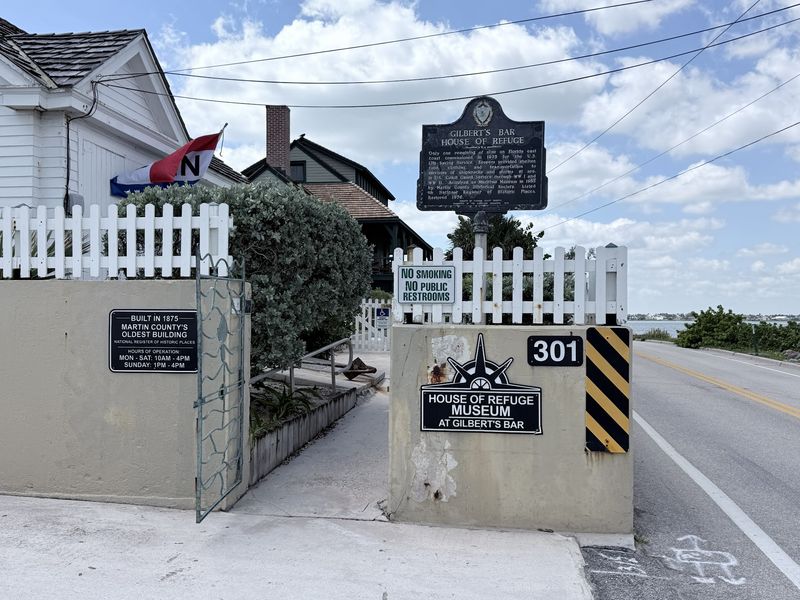
About that packed parking lot. The site has only around eight parking spots, which explains why it fills up so quickly.
There is little room to pull off nearby. If the lot is full, expect to walk roughly half a mile from roadside parking.
Arriving early helps. Weekday mornings right at opening are a smart move for snagging a space.
Hours run from 10 AM to 4 PM Monday through Saturday. On Sunday, the doors open later, from 1 PM to 4 PM.
Plan for about an hour or more. A porch talk, the museum, and the short video together take roughly an hour, not counting beach time.
Comfortable walking shoes are a good idea. Between the possible parking walk and the rocky beach, you will be on your feet.
Restrooms are available on site. That small detail matters more than people expect on a hot Florida day.
Bring sunscreen or pick some up at the gift shop. The coastline offers limited shade beyond the porch.
A little planning goes a long way here. Patience with parking pays off once you are inside.
Tickets, Discounts, and a Smart Combo
Your visit starts in the gift shop, which doubles as the entrance. Staff there handle admission and ask about available discounts.
Veterans can get in free. Guests over 65 may receive a 50 percent discount on admission.
There is also a combination ticket worth asking about. It covers this site and the nearby Elliott Museum, about a mile north.
With a senior discount, the combo has come to $18 for both museums. Many people feel both stops are well worth the time.
The gift shop itself is small, with a modest selection of items. Cold drinks and sunscreen are also sold there, which is handy before heading to the beach.
Check the official website before your trip for current admission details. Prices and programs can change over time.
So, does one visit explain the packed lot? Rare rocks, pirate lore, a fresh restoration, and some of the friendliest volunteers on the coast make a strong case.
Arrive early, grab a rocking chair, and let the history unfold. The small lot is simply the price of admission to one of Stuart’s most rewarding stops.
Enjoyed this story?
Add Fast Food Club as a preferred source to see more of our reporting on Google.