



Some retirees chase beaches and high rents. Others are packing up for a river city in western Illinois where an older home with real character can still come in at a price that will not drain the savings account.
The town sits right on the Mississippi River, holds about 39,000 people, and serves as the hub of a region with more than 114,000 residents. Here is why this small city keeps landing on retirement shortlists and what newcomers should know before they unpack.
A River City in Adams County

Plenty of towns claim a river view, but few sit on the Mississippi itself. Quincy does, and that single fact shapes much of its identity.
The city’s official location is Quincy Township, IL, USA. It serves as the county seat of Adams County in western Illinois, near the state’s border with Missouri.
Being the county seat matters to retirees more than it might seem. Government offices, courts, and public records all sit close at hand, so routine paperwork rarely requires a long drive.
The city also maintains an official website at ci.quincy.il.us. Newcomers can use it to look up local departments, public notices, and city services before making a move.
Geography gives Quincy a practical edge too. The river has long tied the town to trade and travel, and that history still shows in the way the city is laid out along the water.
For anyone mapping out a retirement relocation, the first step is simply knowing where a place stands. Here, the answer is clear: a established Illinois river town with deep roots and a manageable size.
Numbers Behind the Quiet Appeal
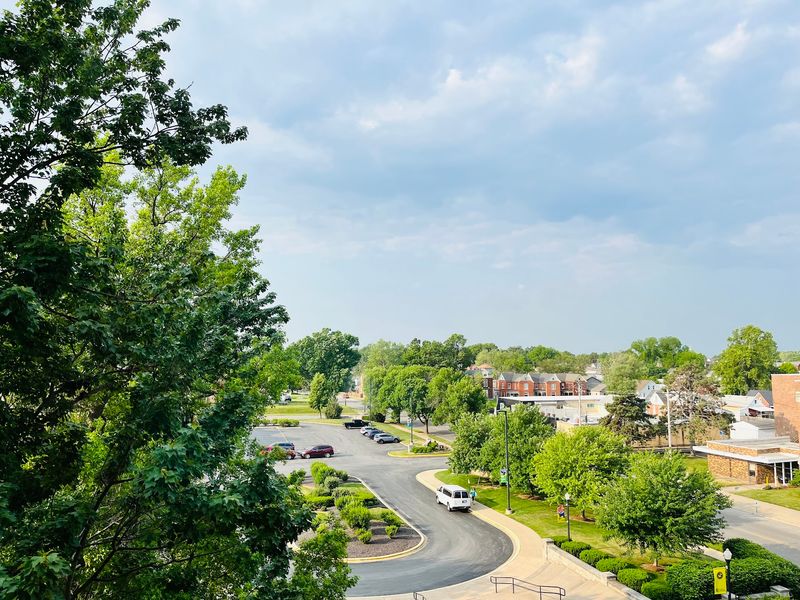
Census figures tell a story that real estate listings only hint at. Quincy counted 39,463 residents in 2020, down from 40,633 in 2010.
A small dip like that may sound like bad news. For buyers, though, slower growth often means less competition for homes and fewer bidding wars.
The broader Quincy micropolitan area held 114,649 residents. That larger population supports the shops, services, and healthcare options a retiree might want nearby.
So the setup is a bit of a balancing act. The city itself stays modest in size, while the surrounding region adds enough people to keep things running smoothly.
Retirees often say they want a town that is neither sleepy nor hectic. On paper, these numbers suggest Quincy lands right in that middle zone.
Population trends are worth watching over time, of course. Still, for someone hoping to settle in without fighting crowds, the current figures read like an invitation.
Historic Homes at Gentle Prices
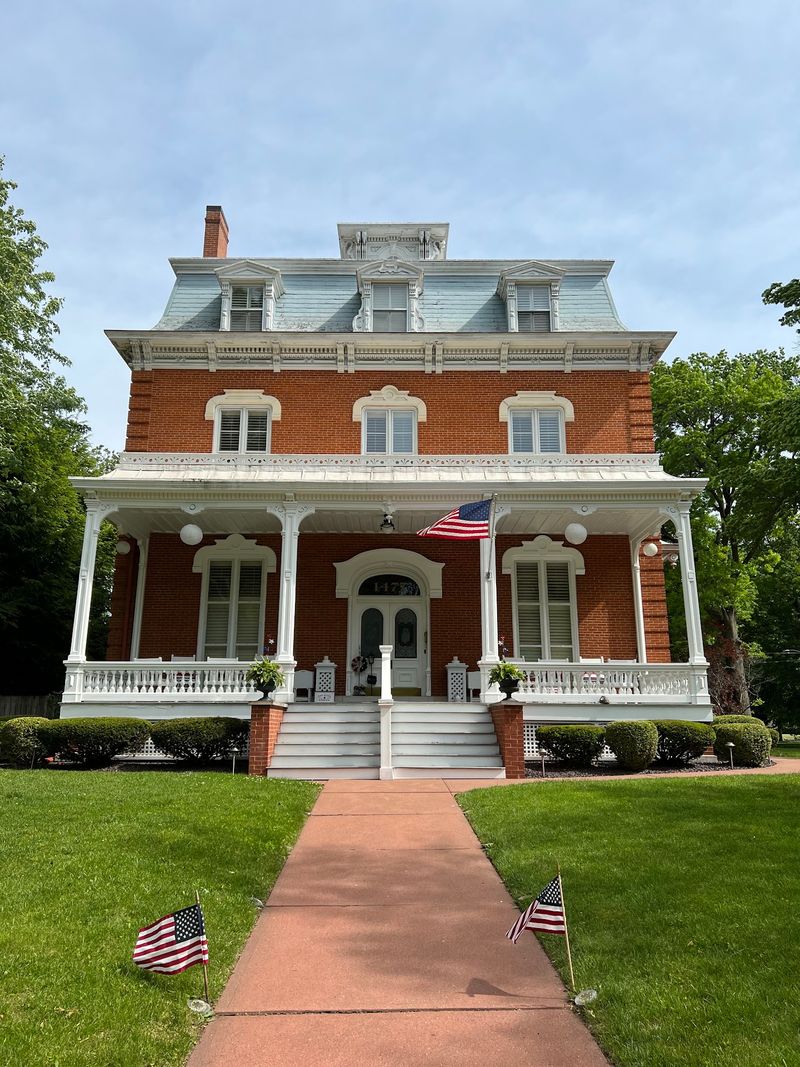
The headline draw is no secret: historic homes that can still sell for under $200,000. In many parts of the country, that figure barely covers a down payment.
Older houses come with personality built right in. Porches, brick work, and classic layouts give buyers something newer subdivisions rarely match.
Lower purchase prices can free up money for other goals. Some retirees put the savings toward travel, family visits, or a comfortable cushion for later years.
That said, older homes ask for some homework. Inspections, repair estimates, and a realistic look at upkeep should come before any signature on a contract.
Prices also vary by street, size, and condition, so the under $200,000 mark is a possibility rather than a guarantee. Working with a local agent helps sort the bargains from the money pits.
For buyers who love character and do not mind a few creaky floorboards, the math here can feel refreshingly kind.
Life Along the Mississippi
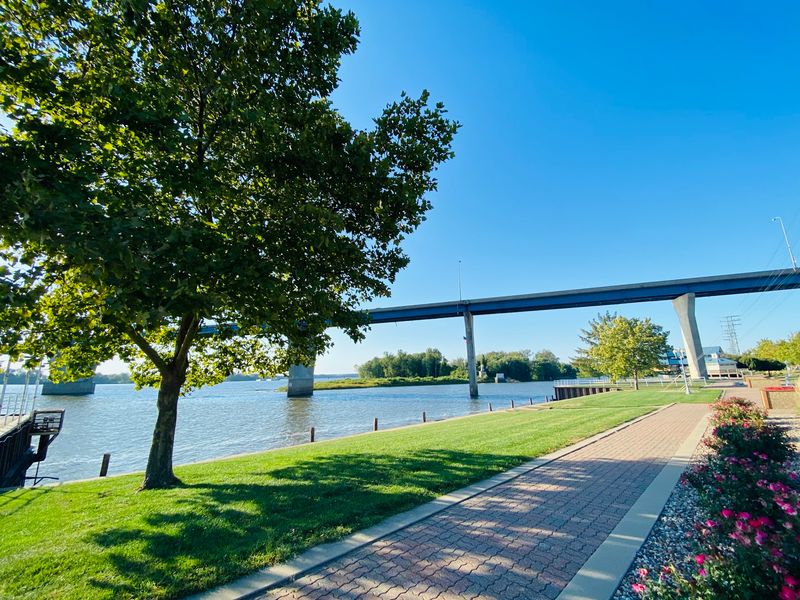
Water has a way of setting the pace of a town. In Quincy, the Mississippi River is part of daily life rather than a distant landmark.
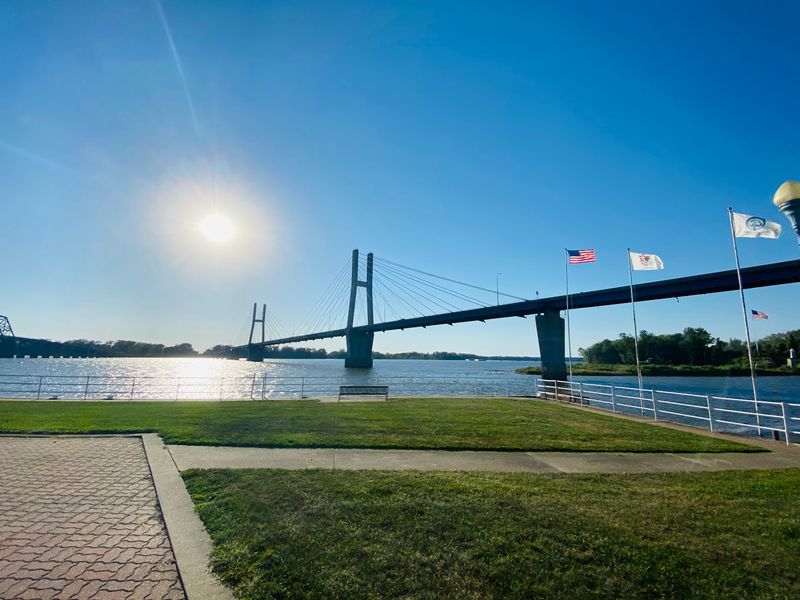
The riverfront gives residents an easy spot for a stroll, a quiet sit, or a look at passing boat traffic. Those small routines add up to a calmer rhythm.
Retirees often prize outdoor time that does not require a big trip. Having one of the nation’s best known rivers within the city limits checks that box nicely.
The river also connects Quincy to its past. Towns along the Mississippi grew through trade and travel, and that heritage remains part of the local character.
Seasons change the river’s mood throughout the year. Watching those shifts from a bench becomes its own small hobby for many longtime residents.
Not every retirement town can offer a front row seat to American history. Quincy simply rolls it out, one river bend at a time.
Who Feels at Home Here
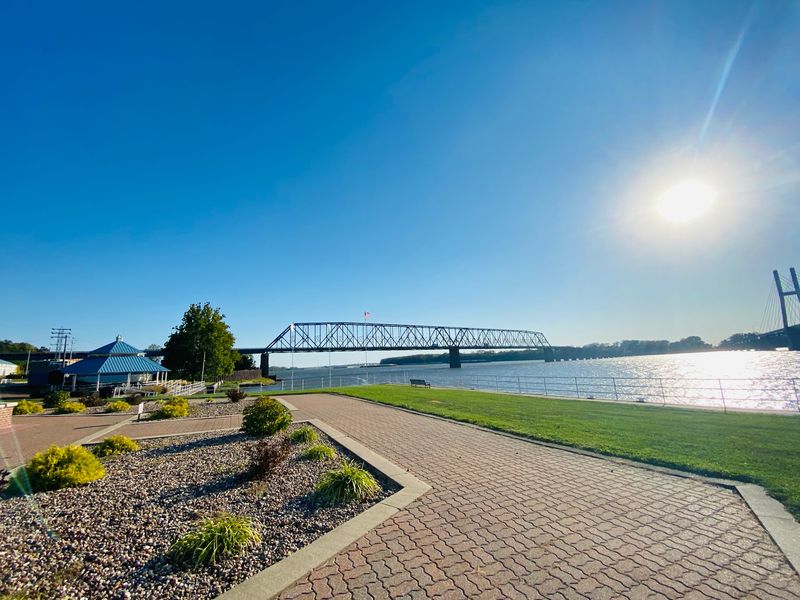
Not every retiree wants the same thing. Quincy tends to suit a particular kind of newcomer.
People who value affordability over flash often find a good match. The city offers the basics of a regional center without big city costs attached to every purchase.
History lovers also tend to settle in comfortably. Living in an older home, in a long established river town, carries a sense of continuity that many find grounding.
Those who want a smaller community, yet not total isolation, fit the profile too. The surrounding micropolitan area keeps services within reach.
On the flip side, anyone craving year round warmth or a nonstop nightlife schedule may want to look elsewhere. Quincy is a Midwestern town with Midwestern seasons.
The best fit is someone who sees value in steady, practical living. For that crowd, the city feels less like a compromise and more like a smart decision.
County Seat Convenience
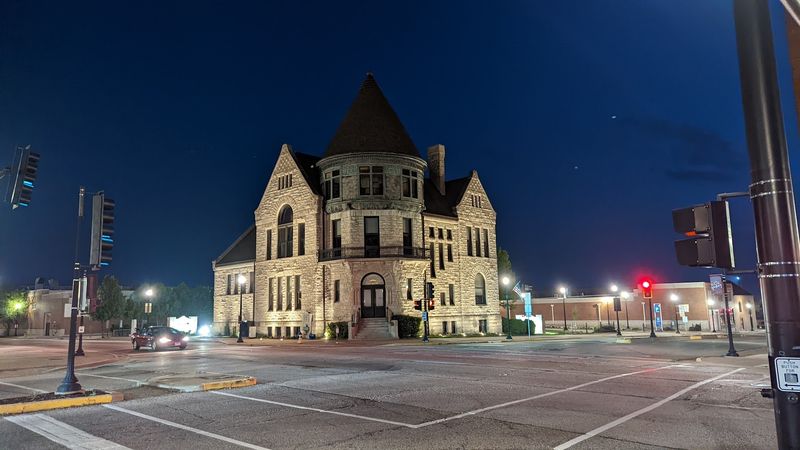
Here is a perk that rarely makes travel brochures: living in a county seat. As the seat of Adams County, Quincy is where much of the region’s official business happens.
For retirees, that can simplify life. Property records, local government offices, and civic services are typically close by rather than a county away.
A county seat also tends to anchor regional activity. People from surrounding communities come into town for appointments, errands, and shopping.
That steady flow helps support local businesses. It also means the town stays active even with a modest population.
Paperwork is nobody’s favorite pastime. Still, being near the offices that handle it can turn a dreaded chore into a quick errand.
Small conveniences like these often matter more in retirement than splashy attractions. Quincy delivers them quietly, without much fanfare.
Research Before the Moving Truck
Smart moves start long before the boxes come out. A little research can save plenty of stress later.
The city’s official website, ci.quincy.il.us, is a useful starting point. It offers information on city departments and services that newcomers will eventually need.
Visiting in different seasons is another wise step. Western Illinois experiences a full range of weather, and seeing it firsthand helps set expectations.
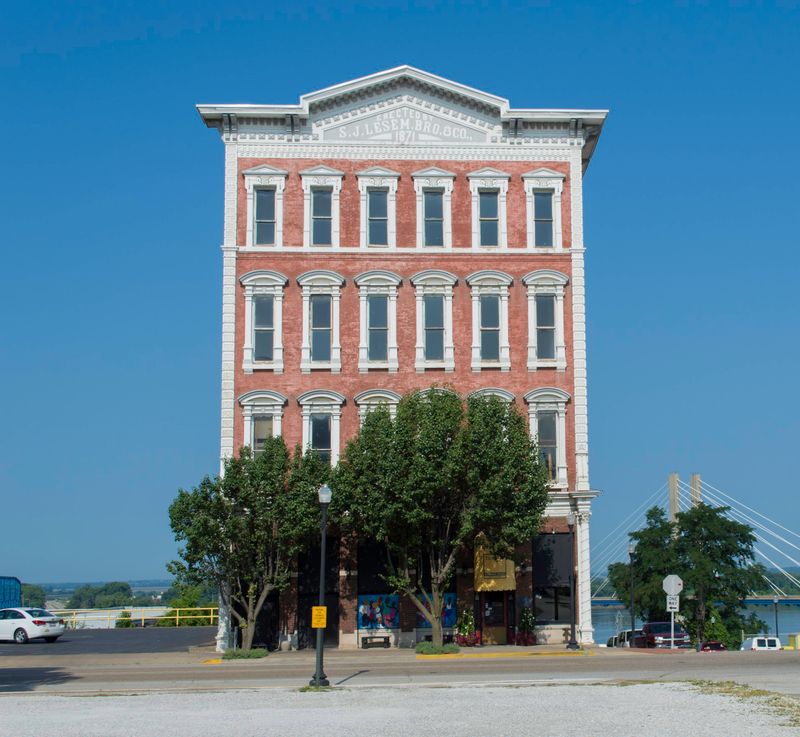
Touring several neighborhoods also pays off. Historic homes vary widely in condition and setting, and two houses at the same price can feel completely different.
Retirees may want to check on healthcare access, property taxes, and insurance costs. Those numbers affect the true cost of living more than the purchase price alone.
Doing this groundwork turns a hopeful idea into a confident plan. The goal is to arrive ready, not surprised.
Getting to Quincy
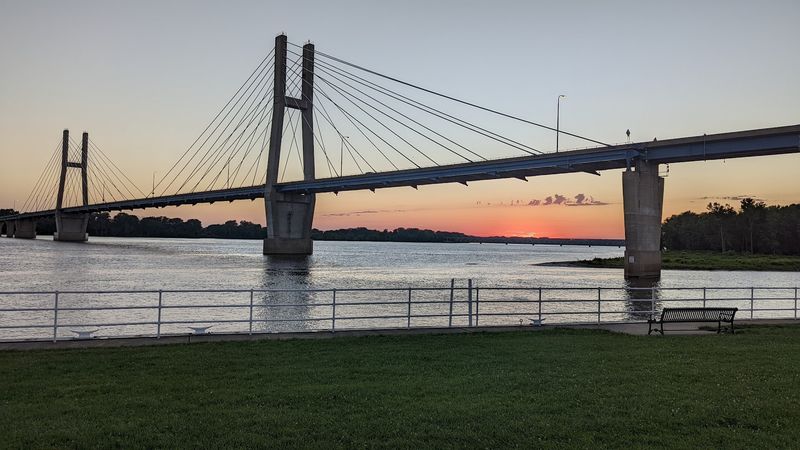
Reaching a river town is half the adventure. Quincy sits in western Illinois right along the Mississippi, close to the Missouri line.
Most people arrive by car, which makes sense for scouting homes and neighborhoods. Having a vehicle also helps when exploring the wider Adams County area.
Its spot on the river places it near the meeting point of two states. That position can be handy for retirees with family on either side of the border.
Planning a scouting trip of a few days gives enough time to see several properties. It also allows for a feel of daily life beyond a quick drive through.
Families visiting later will appreciate clear directions too. Sharing the city’s location early helps grandkids and relatives plan their own trips.
A town is only as useful as it is reachable. Quincy’s river setting keeps it on the map in more ways than one.
A Soft Verdict on a River Town
Some places shout for attention. Quincy prefers to make its case quietly, and for many retirees that approach works.
The basics line up well. It is a county seat on the Mississippi River, with nearly 40,000 residents and a regional area of more than 114,000 people.
Then there is the housing angle. Historic homes that can still sell for under $200,000 give buyers a chance to own character without stretching their budgets.
Nothing here is a perfect fit for everyone. Cold winters and older homes call for realistic expectations and careful planning.
Still, for retirees who want affordability, history, and a steady pace, the city offers a strong combination. It rewards people who look a little closer.
The quiet migration may not stay quiet forever. For now, this river town remains an appealing chapter for anyone writing their next one.
Enjoyed this story?
Add Fast Food Club as a preferred source to see more of our reporting on Google.