


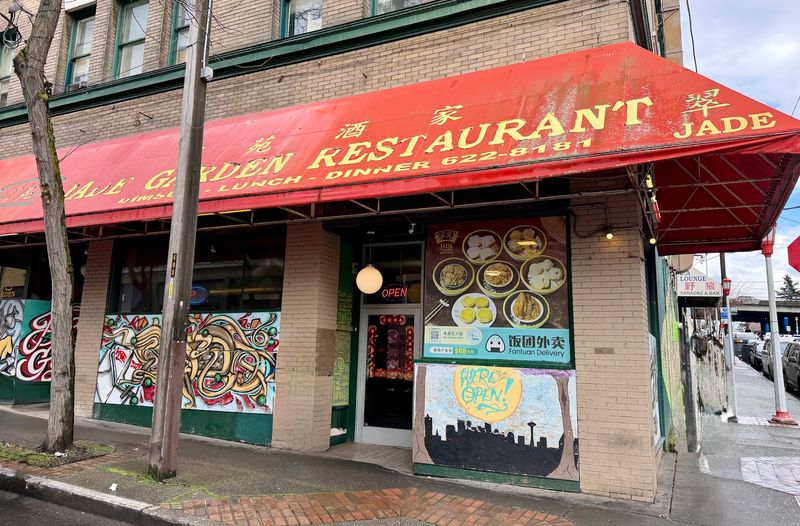
Some Seattle lunches come with a dress code and a reservation system, and some come with a pot of tea before anyone has said hello. This story is about the second kind.
Tucked into an old building in the Chinatown-International District, one family-run dim sum hall has stayed busy for years by keeping things simple, fast, and generous. Read on to learn how ordering works now, when to beat the line, what to budget, and why so many local grandparents keep coming back.
A Busy Corner at Seventh and King
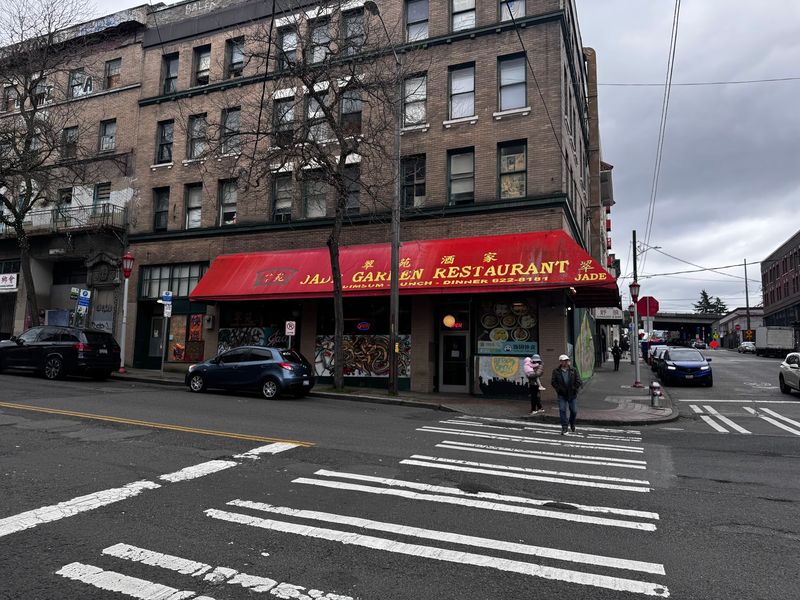
Every neighborhood has one address that locals hand to friends without a second thought. In Seattle’s Chinatown-International District, that address is often Jade Garden Restaurant, 424 7th Ave S, Seattle, WA 98104, United States.
The restaurant sits near the intersection of 7th and King, right in the middle of the district’s walkable grid of shops, bakeries, and markets. It is a dim sum restaurant at heart, though the menu stretches well beyond small plates into larger family-style dishes.
The official description keeps it short and honest. It calls the place a popular, lively spot for dim sum at budget prices in a no-frills Chinese setting that stays open late.
No-frills is the key phrase here. Nobody comes for chandeliers or a fancy host stand.
People come because the kitchen is reliable, the tables turn over quickly, and the bill rarely causes heartburn. Travelers on vacation have been known to hop off the train in Chinatown, ask a stranger for the best Chinese meal nearby, and get pointed straight to this corner.
Guidebooks have noticed too, with at least one couple tracking it down through a Lonely Planet tip. So the word of mouth runs in two directions at once, from neighbors and from printed travel advice.
That kind of steady reputation usually has a story behind it, and this one starts with a family and a very old building.
Family Roots Inside a Historic Building
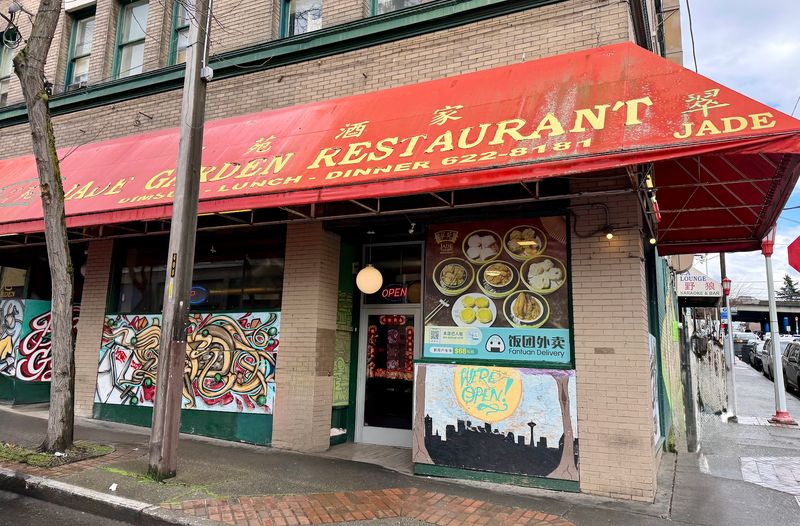
Old buildings in the Chinatown-International District carry a lot of history, and Jade Garden lives inside one of them. The restaurant occupies one of the historic structures at 7th and King, a corner that has watched the neighborhood change for generations.
The business is family-owned. That detail matters more than it might seem.
Family-run dim sum halls tend to keep their habits, and regulars describe this one as old school in the best way. The phrase that comes up is that the kitchen does not cut corners.
Plenty of dishes are described as tasting homemade. A few diners mean that as high praise, while one or two call it comfort cooking rather than polished restaurant fare.
Either way, the word homemade keeps showing up, and it fits a place where the same family sets the tone day after day.
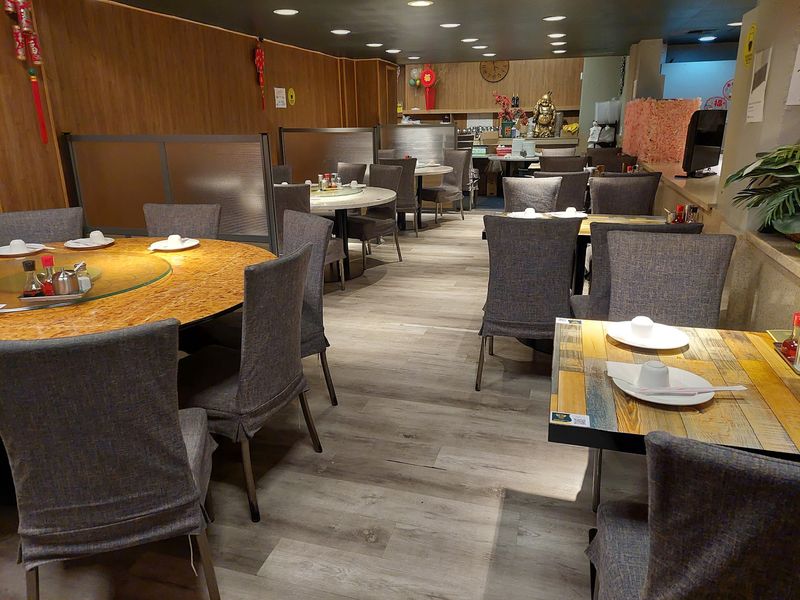
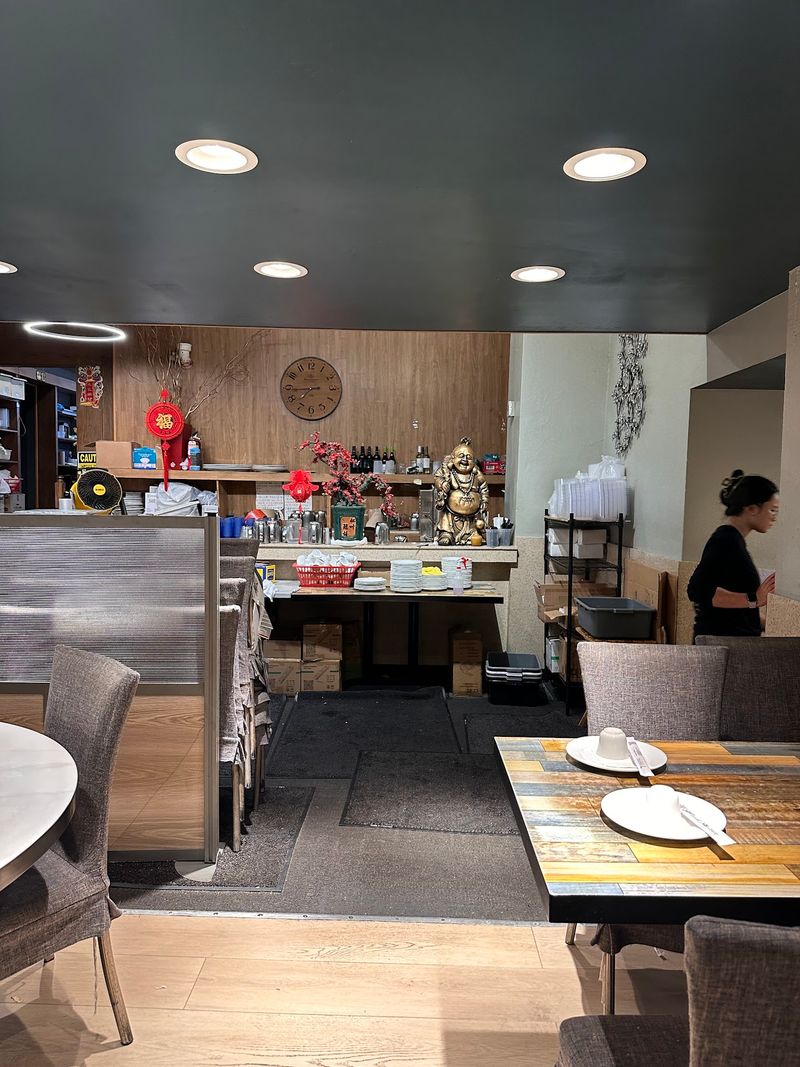
The dining room has seen a slight refresh in recent years, mostly to the seating. Longtime customers returning after a break have noticed the update without feeling like the place lost its identity.
The room is described as small to medium in size, with a good number of tables packed into the space. It stays clean and well kept, which is no small feat for a room that turns over so many meals.
History and family pride set the stage. The next question is the one in the title, and it deserves a straight answer.
The Cart Tradition and the Modern Twist
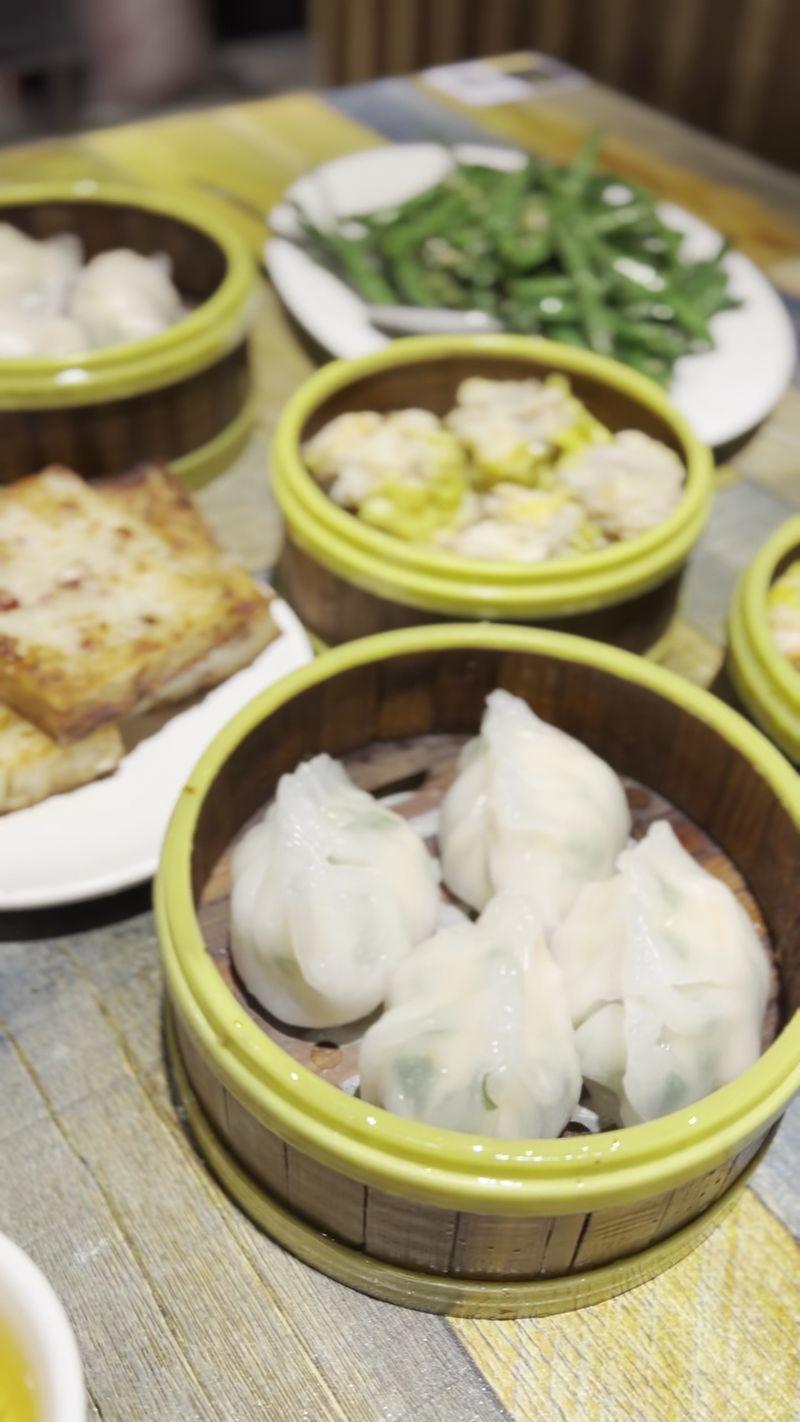
Classic dim sum culture is famous for the rolling cart, a parade of steamers moving table to table. For many families, that image is the whole point of a weekend brunch.
So how does Jade Garden fit into that tradition today? The honest answer is that the spirit of cart-style dim sum lives on here, but the mechanics have shifted.
Current diners describe an order-to-make style. Dishes are requested at the table and then prepared and sent out, rather than chosen off a passing cart.
That change has real upsides. Food arrives quickly, often almost as fast as a cart would bring it, and nothing has been circling the room for twenty minutes.
The feeling of a crowded dim sum hall remains, with packed tables, shared plates, and constant movement between the kitchen and the floor. Servers still hustle through the aisles carrying dishes to waiting groups.
Purists who expect carts should adjust expectations before arriving. Everyone else may find the system easier, since there is no need to flag down a passing server and guess what is under each lid.
The tradition, in other words, has kept rolling while the wheels changed. The tool that replaced those wheels sits right on the table, and it takes a little getting used to.
A QR Code Where the Menu Used to Be
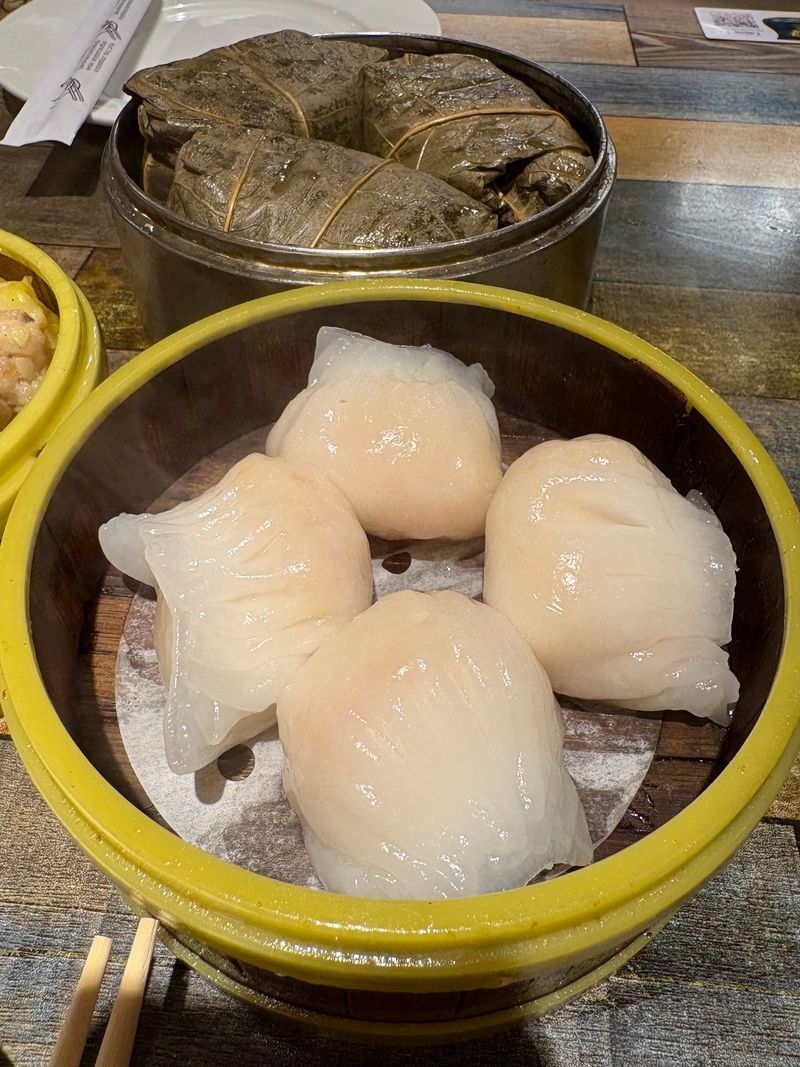
Scan, tap, wait, eat. That is the rhythm at most tables now, and it is the most talked-about feature of the whole operation.
Each table has a QR code that pulls up the menu on a phone. Guests choose dishes and send the order straight to the kitchen.
Fans of the system love how little talking is required. The menu is long, with lots of items to choose from, and orders come out quickly once submitted.
First-timers sometimes find it confusing. The digital menu has no pictures and little guidance, so newcomers may sit for a bit before realizing they are supposed to scan and order themselves.
A quick tip helps here. Look for the code as soon as you sit down, and do not wait for someone to arrive with a printed menu.
Spotty phone service can be another hurdle. When the network will not load the page, staff can provide a paper order form instead, so nobody goes hungry over a weak signal.
Staff also confirm orders with diners, which helps catch mistakes. One host even steered a guest away from a strongly flavored dish they had never tried, suggesting something more familiar.
So the tech is simple once you know the trick. The front of the restaurant holds something far less digital, and kids tend to spot it first.
Live Tanks Near the Entrance
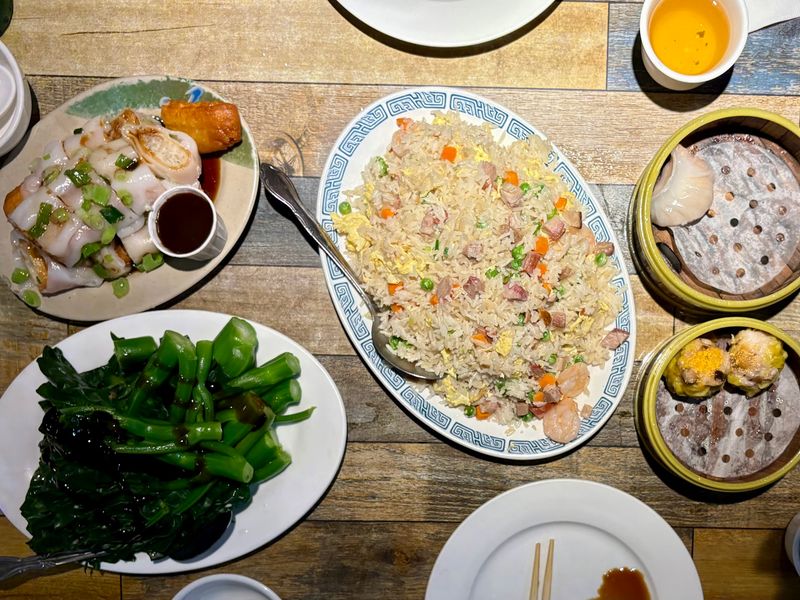
Some restaurants greet you with a host stand. This one greets you with live seafood tanks at the front of the room.
The tanks are a classic feature of Cantonese-style restaurants, and they signal that the kitchen handles fresh seafood alongside its dim sum menu.
Families with children get a bonus. Staff have been known to let a curious kid climb up a small ladder for a closer look at the crabs and lobsters.
That small gesture says a lot about the place. It may be busy and brisk, but it is not stiff.
The seafood is more than decoration, too. One couple who found the restaurant through a guidebook ordered a seafood dish and called it the reason the whole trip was worth it.
For groups planning a bigger meal, the tanks are a reminder that the menu goes beyond small bites. Larger plates meant for sharing are a big part of the experience, especially at dinner.
It is worth a pause by the tanks on the way in, even if seafood is not on your list. It sets the tone that this is a working kitchen with real ingredients on display.
And speaking of larger plates, the size of the servings here tends to surprise people.
Portions That Fill the Lazy Afternoon
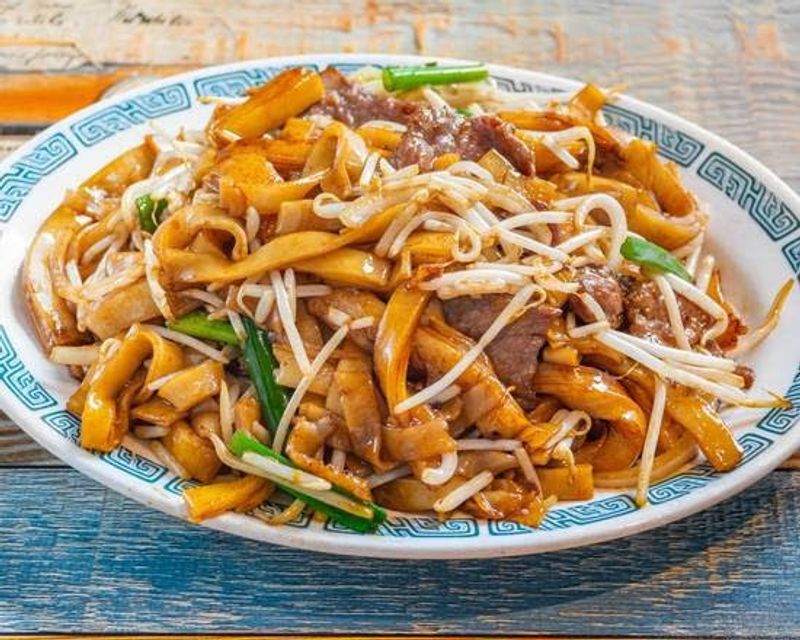
Leaving hungry is not much of a risk here. Large portions are one of the most frequently mentioned traits of the restaurant.
Diners describe walking out completely stuffed, sometimes on more than one visit. Out-of-town guests have been pleasantly surprised by how much food landed on the table.
Generous servings of meat in the larger dishes come up often. Chunks are described as big and tender, with more protein than some guests expected based on restaurants back home.
Most dishes are served family style, meant to be passed around and shared. That makes the place a natural fit for groups who like to order widely and sample a bit of everything.
Not every opinion is glowing on this point. A diner from the San Francisco Bay Area felt some dim sum items, especially the smaller pastries, could have been larger for the price.
So the bigger plates tend to be the real bargain, while some small dim sum items are just that, small. Ordering a mix of both seems to be the sweet spot.
A good strategy is to start modestly and add more through the QR menu. Since food arrives quickly, there is little downside to ordering in rounds.
Big portions draw big crowds, of course. And those crowds are handled by a staff with a very particular style.
Brisk Service in the Hong Kong Spirit
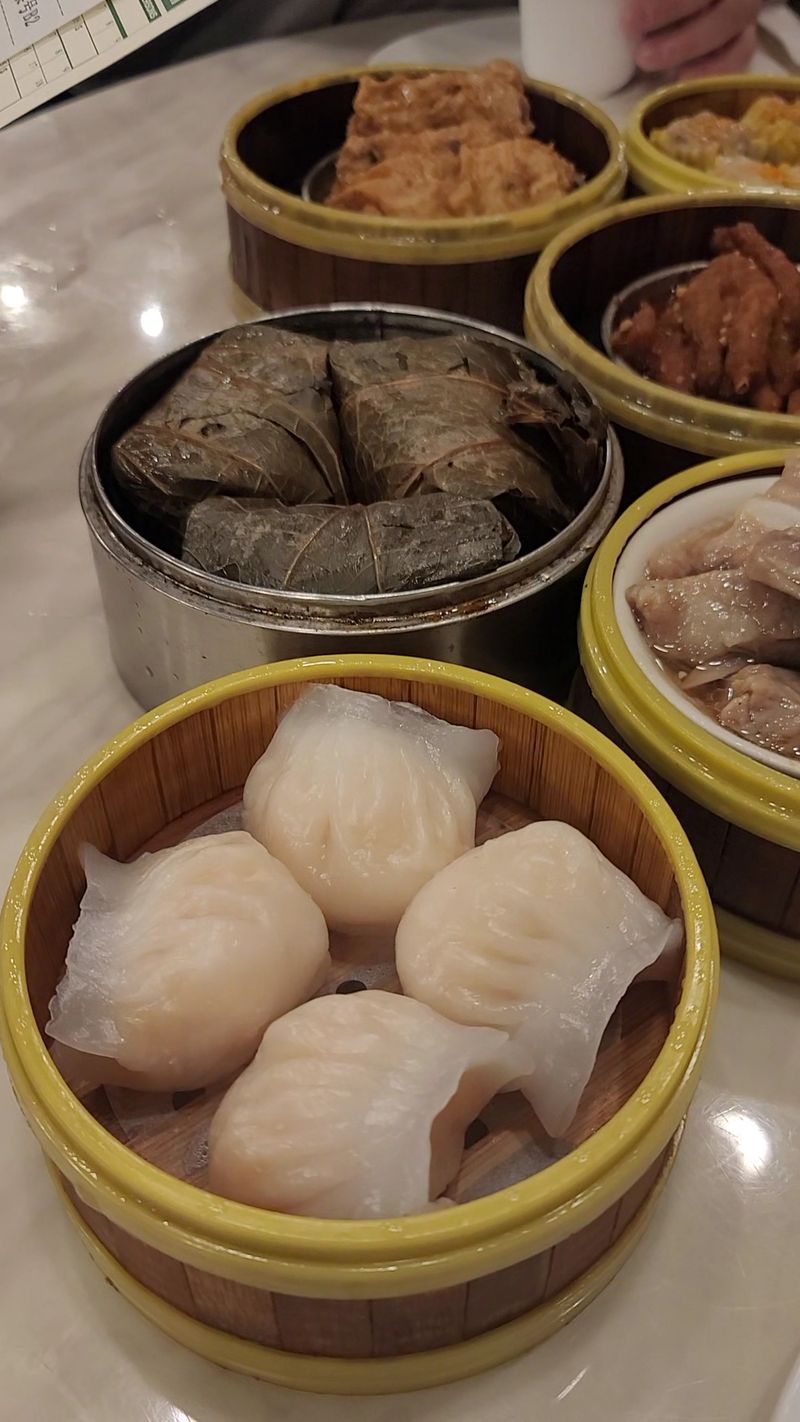
Expect efficiency, not small talk. Service at Jade Garden runs fast and focused, and that suits most regulars just fine.
When guests sit down, staff often bring tea and chopsticks right away. Silverware is not automatically offered, which some diners see as a mark of authenticity.
Many describe the service as fast and attentive without feeling rushed. Food comes out extremely quickly, even when the room is packed.
Others have had a rougher time. A few diners felt certain servers were curt or unfriendly, particularly on hectic evenings.
One longtime fan of Chinese dining offered useful context. In Hong Kong, servers do not usually greet guests with big smiles or check in constantly, and that is considered completely normal.
So it helps to arrive with the right expectations. The staff are there to get good food to the table quickly, not to chat.
Plenty of diners still call the employees nice and helpful, especially when confirming orders or offering suggestions. Some even describe a warm welcome that made them feel at home.
The experience can vary with the day and the crowd. Patience and a clear order go a long way.
That brisk pace also shapes who chooses to eat here, which is the next piece of the puzzle.
Grandparents, Tourists, and Everyone Between
A good sign at any dim sum spot is the age range at the tables. Here, you will often see lots of Chinese grandparents, which many take as proof of a true local favorite.
Those older regulars share the room with a wide mix of people. Out-of-state tourists, guidebook readers, Seattle families, and sports fans all find their way in.
One group even ducked in after a Seahawks parade and managed to snag a table just before a large crowd formed behind them.
Local friends seem to be a powerful recruiting force. Repeat travelers often say they first came because a Seattle resident insisted.
The crowd shifts throughout the day. Dim sum hours draw families and longtime regulars, while dinner seems to attract more non-Chinese diners ordering large plates.
The place suits people who care more about the food than the decor. It also suits groups, since shared dishes and big tables make a crowd feel natural.
Couples and solo diners fit in well too. A solo guest can order a few items, eat quickly, and be back on the street in no time.
Anyone looking for a quiet, candlelit evening might want another option. This is a lively room, built for energy and conversation.
With so many fans, timing your visit becomes a real strategy.
Outsmarting the Wait
Wait time is the single most discussed topic about Jade Garden. Good news, though, the line tends to move faster than it looks.
The dining room has a lot of tables for its size. Even when the restaurant is packed, groups often get seated sooner than expected.
Some diners have walked right in and been seated immediately, even during busy stretches. Others have had no wait at all on multiple visits.
Weekdays are the easiest bet. Regulars say it is simple to grab a table Monday through Friday, but the room fills fast on weekends.
Saturday and Sunday mornings are prime dim sum time, so expect company. A Saturday visit around 1 p.m. still worked out for one party of three.
The restaurant opens at 9 a.m. every day, which gives early risers a head start. Arriving near opening is a smart move if your schedule allows.
Big local events can create sudden surges. After a parade or game, crowds may pour into the neighborhood all at once.
On quieter days, like a rainy holiday, the room can feel calmer. One Christmas Day visit was described as a peaceful, well-fed refuge from an emptied, soggy city.
Once seated, the next practical question tends to be about the bill.
Budget Math and a Small Card Fee
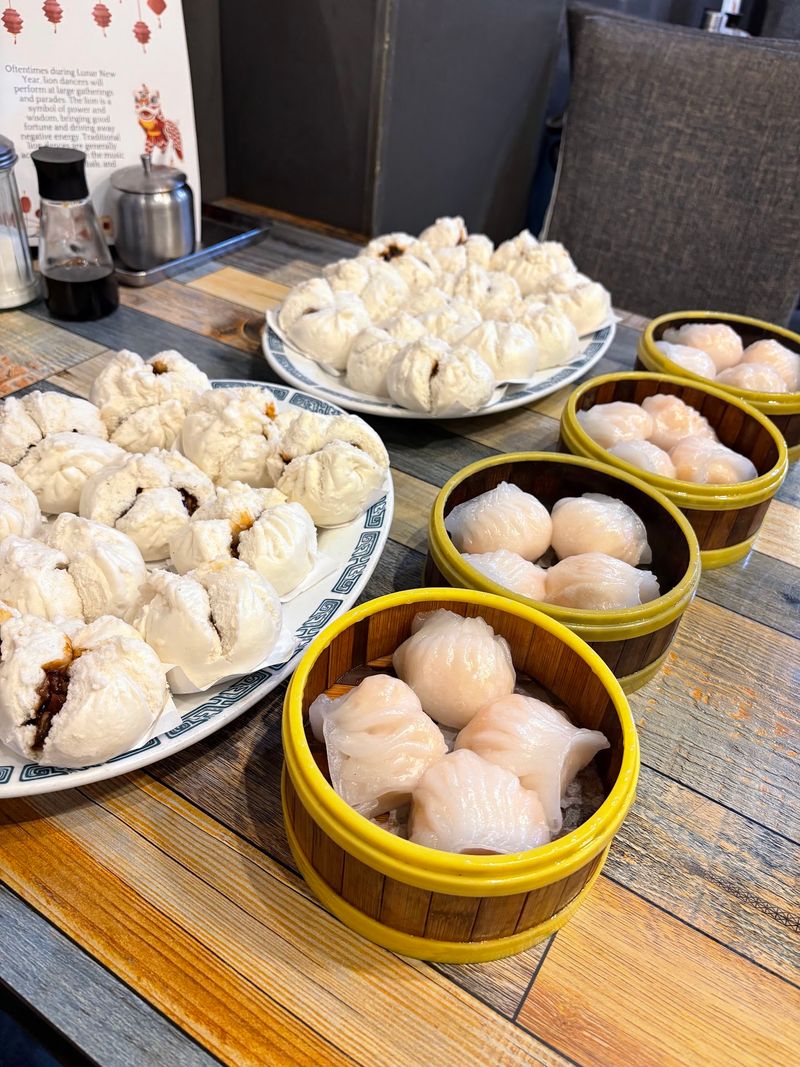
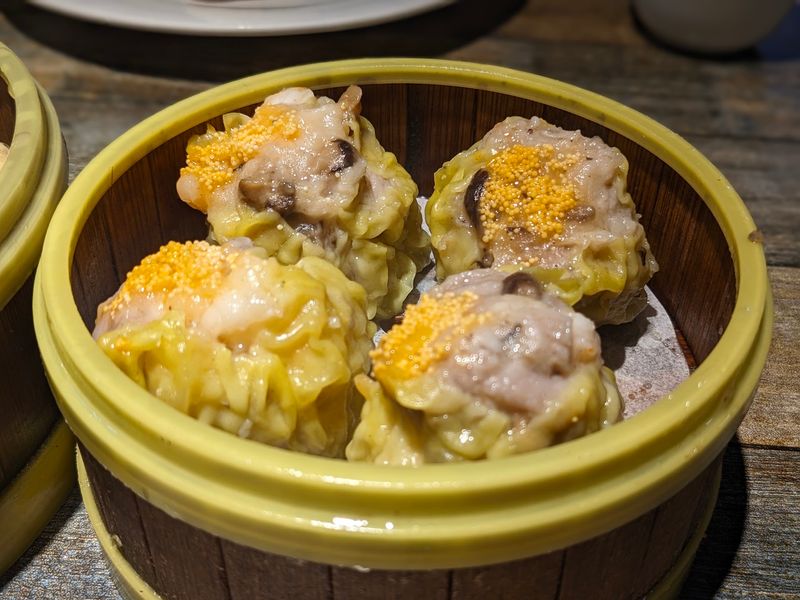
Dim sum at budget prices is part of the official description, and most diners agree the value is strong. Prices are often described as moderate and well worth it for the quality.
To give a sense of real numbers, one party of three spent about $71 on an afternoon dim sum meal. Another diner noted larger dishes running about $18 each.
Visitors from the San Francisco Bay Area often point out that prices here come in cheaper than back home. That comparison comes up more than once.
A bigger group celebrating on a Friday night spent around $162, so a full dinner spread will naturally cost more than a quick lunch.
Here is the detail that catches people off guard. A 3% fee is added when paying by credit card.
Some diners felt the fee was not clearly mentioned before ordering. It is not a huge amount, but knowing about it ahead of time avoids a surprise.
Bringing cash or simply planning for the extra few percent is the easy fix. On a $70 tab, the fee adds roughly two dollars.
Overall, the money side works in your favor, especially if you lean on the big shared plates. Big portions at fair prices remain the main draw.
With the budget sorted, all that is left is actually getting there.
Trains, Streets, and Opening Hours
Transit is your friend for this trip. Travelers have hopped off the train in Chinatown and walked a short distance to the restaurant.
The Chinatown-International District is one of Seattle’s most connected neighborhoods. That makes it easy to combine lunch with a stroll through nearby shops.
Driving is possible, but there is a catch. The restaurant offers street parking only, so plan for some circling on busy days.
Weekends and event days make parking especially tricky. Arriving early or using transit can save frustration.
Hours are refreshingly simple to remember. Jade Garden is open seven days a week from 9 a.m. to 9 p.m.
That schedule covers an early dim sum breakfast, a late lunch, or a relaxed dinner. There is no need to memorize different hours for different days.
The long daily window also makes the place handy for travelers on tight schedules. Arriving fresh off a flight or squeezing in a meal before a game both work.
Holidays seem to be covered as well, at least in some years. Diners have enjoyed meals on Christmas Day.
Calling ahead before a holiday visit is still a good idea, since hours can change. Everything else is about as easy as it gets.
So the logistics are covered, and that leaves one last question.
Worth the Table, Quirks and All
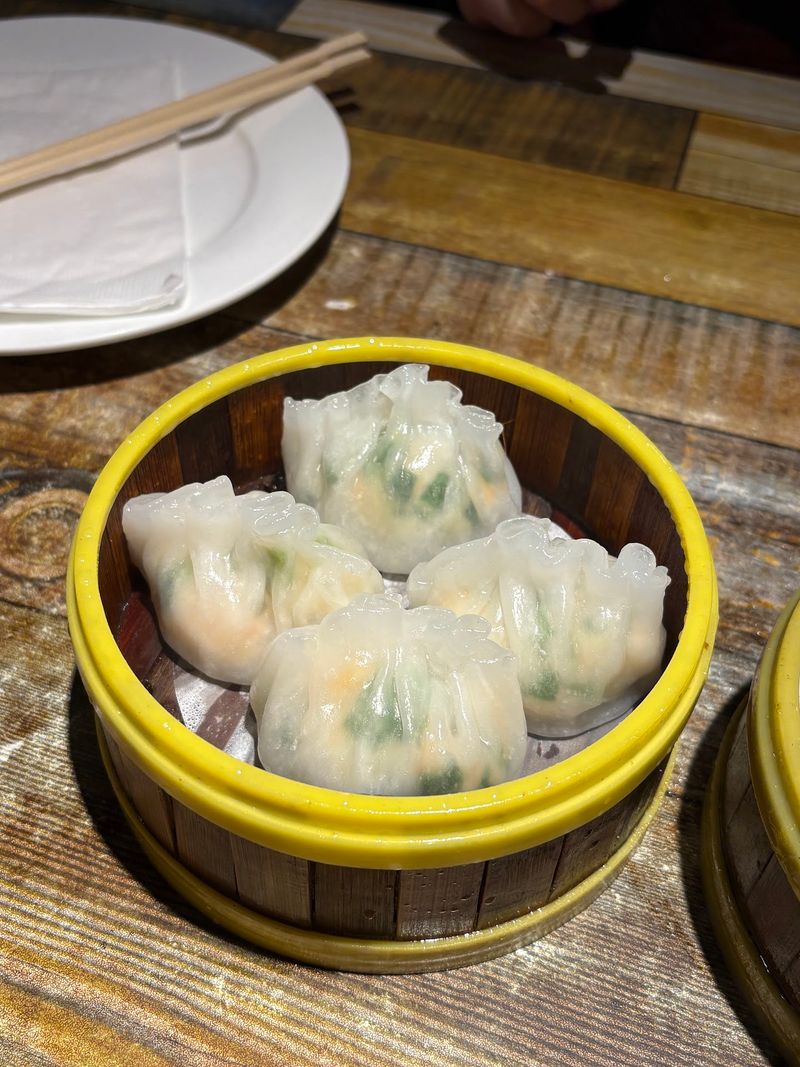
No restaurant pleases everyone, and Jade Garden does not pretend to. It simply keeps doing what it has done for years, serving dim sum and family-style dishes to a full room.
The strengths are clear. Fast food delivery, generous portions, fair prices, and a strong local following give it staying power.
The quirks are real too. The QR system confuses first-timers, the card fee surprises some, and service can feel brisk.
For many diners, those trade-offs are easy to accept. People who care most about authentic, homestyle cooking tend to leave happy.
Repeat visits are common. Travelers mark it as a must-stop whenever they return to Seattle, and locals bring visiting parents to share the experience.
The carts may no longer roll exactly as they once did. Even so, the heartbeat of a classic dim sum hall is still here, with crowded tables, shared plates, and tea poured almost as soon as you sit.
Go on a weekday morning, scan the code, order more than you think you need, and plan for the card fee. That is the whole playbook.
It is not fancy, and it never tries to be. For a casual, filling meal in one of Seattle’s most storied neighborhoods, this corner at 7th and King keeps earning its line.
Enjoyed this story?
Add Fast Food Club as a preferred source to see more of our reporting on Google.