


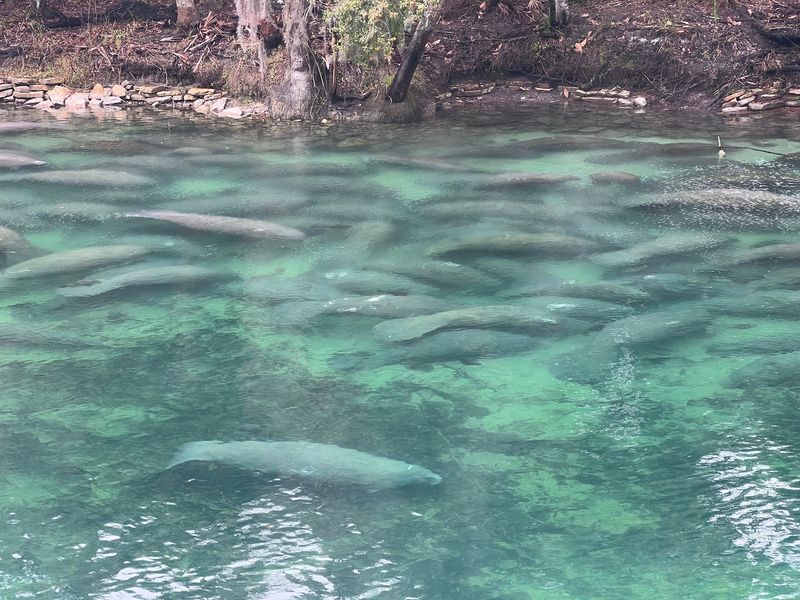
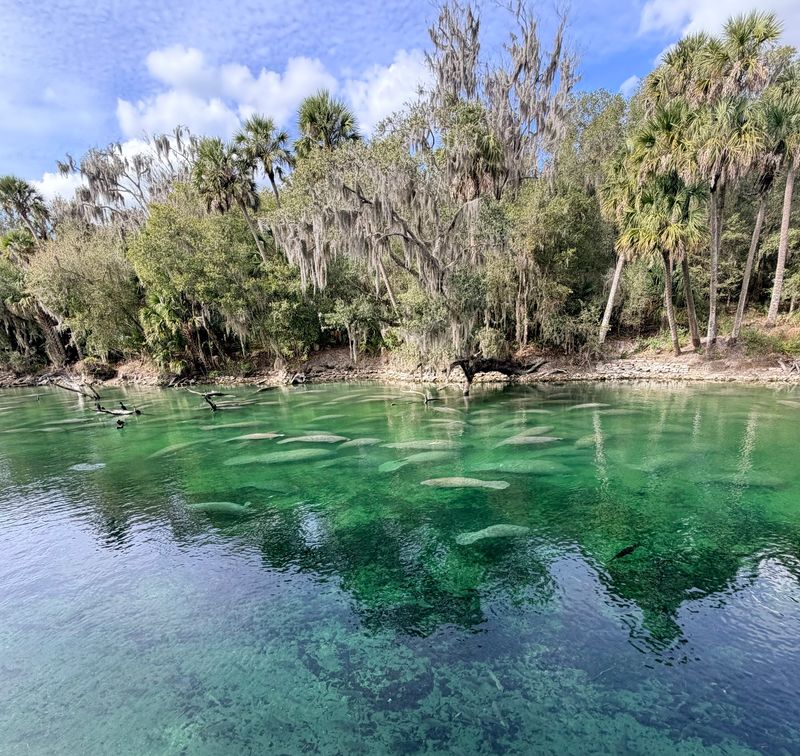
Some winter days, hundreds of manatees crowd into one small spring run in Central Florida, and park signs have counted as many as 700 in a single day. That is a lot of sea cows in one place.
The reason is simple: the spring water stays at about 72 degrees all year, while the nearby river turns chilly. Families line up early, boardwalks fill with curious faces, and kids count gray backs drifting under the surface.
This park near Orange City offers far more than one season of wildlife watching, though. Swimming, tubing, kayaking, a narrated boat ride, a historic house, cabins, and even a firefly season all share the same stretch of woods.
Keep reading to learn when to go, what to book ahead, and how to dodge the longest wait at the gate.
A Spring on the St. Johns River
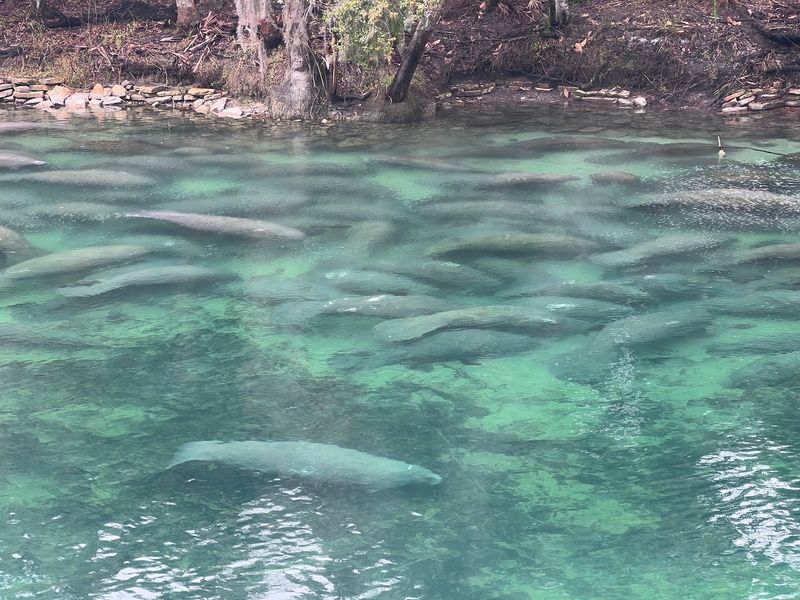
Central Florida hides plenty of springs, but few draw a crowd like Blue Spring State Park. The park sits near Orange City in Florida, United States, right along the St. Johns River.
Its spring feeds a clear, cool run that flows out to the river. That run is the star of the show, especially once the weather turns cold.
The park works as an outdoor sanctuary built around water. Swimming, kayaking, tubing, and wildlife watching all happen here, often on the same day.
Getting there is easy for many Florida travelers. From Orlando, the drive takes about 45 minutes, which makes it a popular day escape from busy city life.
The park is managed as part of the Florida State Parks system. Its official page on the Florida State Parks website lists schedule updates and reservation details, so it is smart to check there before heading out.
Size matters less than you might think. The spring itself is fairly small, yet it packs in a long list of things to do.
Trails, picnic areas, a playground, a gift shop, a canteen, and a historic house round out the grounds. Plenty of locals return again and again, which says a lot about a park that could easily be a one-time stop.
The real headliners, however, arrive when the thermometer drops.
Winter Headcount of Sea Cows
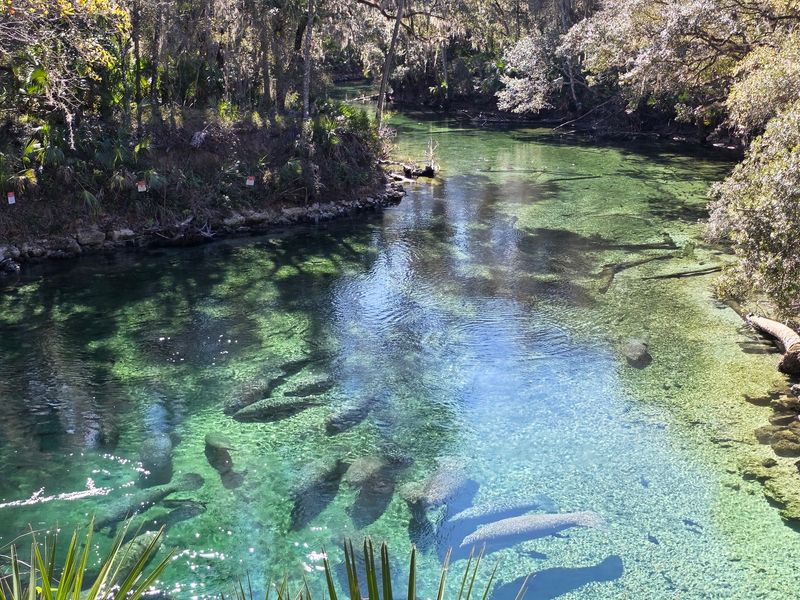
Seven hundred. That is the number some park signs have shown for manatees counted in a single day at the spring.
Manatees head into the spring run each winter to escape cold river water. The spring holds steady at about 72 degrees, which makes it a warm refuge when the St. Johns cools off.
Daily counts change with the weather. On one ordinary winter day, a posted count showed 215 manatees inside the spring, and colder stretches can push numbers much higher.
Many viewing platforms line the run. They give families several spots to watch without crowding into one place.
Manatee season runs through the colder months. During that time, swimming is not the focus, and the animals get the spring to themselves.
A few manatees stick around even outside winter. One showed up in August, so a summer trip can still offer a surprise sighting.
Manatee viewing is the single most talked-about part of the park, and for good reason. Few places in Florida make it this simple to see so many of these big, slow swimmers at once.
Just remember they set the schedule, not you.
The Boardwalk Beside the Run
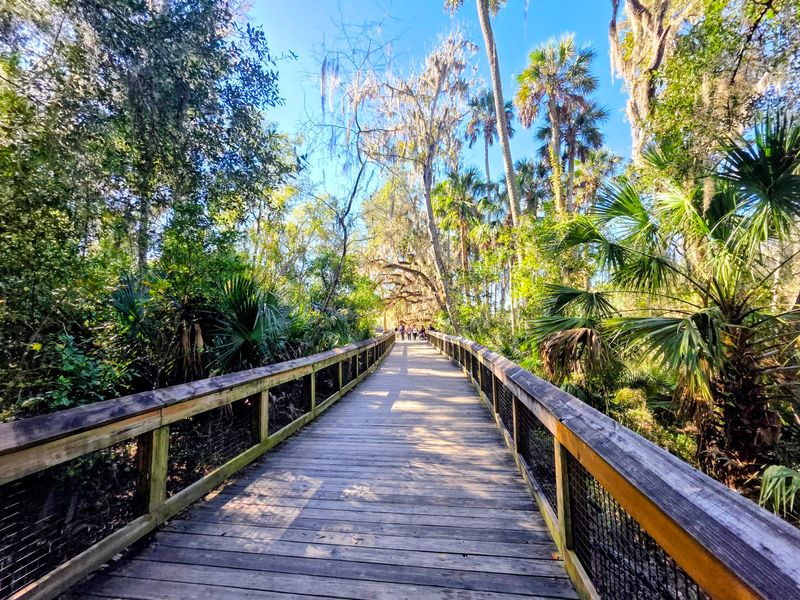
Good news for anyone who prefers dry shoes: the best manatee views come from a walkway, not a wetsuit.
A boardwalk follows the spring run, giving clear looks down into the water. Viewing platforms along the way let people pause and scan for wildlife.
Fish are a big part of the show. Florida gar, plecos, pacu, and many other kinds of fish gather in the clear run, sometimes by the thousands.
Fishing is not allowed, and the fish seem to behave like they know it. They cruise along without much concern for the crowds above.
Alligators also turn up in and near the spring. Turtles, anhingas, and even a bald eagle have been spotted by people out paddling.
The walk itself is paved, so it works well for strollers and casual walkers. Shade from the trees keeps it pleasant through much of the day.
Locals often treat the boardwalk as a regular stroll. Some stop for lunch at a nearby picnic table afterward.
Beyond the paved path, dirt trails head deeper into the woods. Those quieter routes suit anyone who wants a longer walk under the tree cover.
It is a stroll where the wildlife does most of the talking.
Paddles, Tubes and a Narrated Cruise
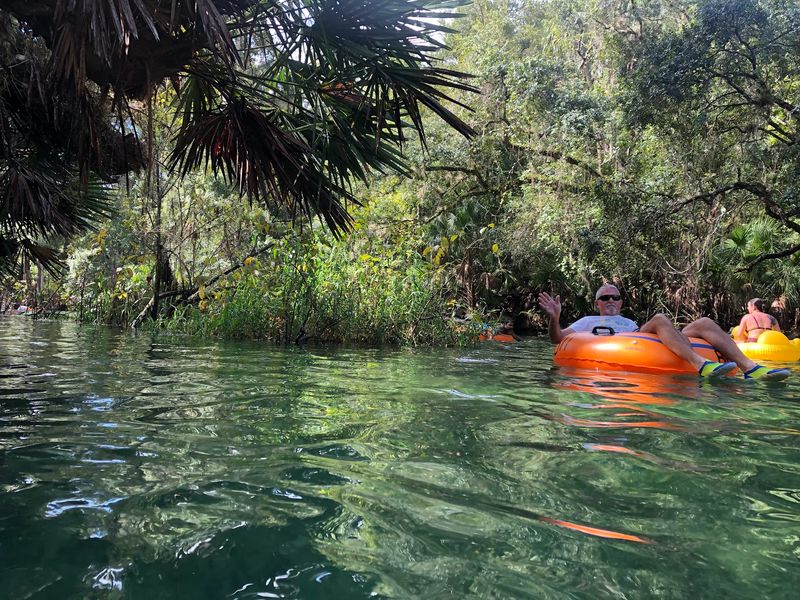
Some people want to watch wildlife from shore, and others want to float right past it. The park makes room for both.
Kayak rentals are available, along with canoes and paddle boards. Bringing your own gear is also allowed.
Paddlers have spotted manatees, alligators, turtles, anhingas, and a bald eagle during a single outing. After a paddle, many people cool off with a swim in the spring.
Tube rentals are offered too. A tube trip is a relaxed way to enjoy the water without much effort.
The narrated boat tour is a standout for families. The two-hour wildlife ride heads out to look for birds and alligators along the river.
Captains work to make sure everyone on board sees the animals. Guides keep things light, sometimes with a few groan-worthy dad jokes.
Accessibility is a plus. The boat can take a wheelchair, which opens the tour to more guests.
A booked boat ride also comes with a handy perk. Tell the ranger at the entrance during busy season, and you may be let in at the halfway point of the line.
That tip alone can save a good chunk of the morning.
Summer Swims and Gar Companions
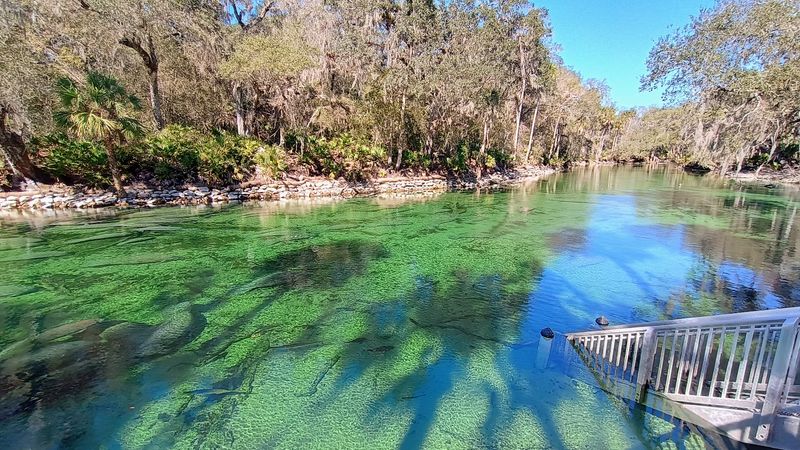
Once the manatees leave for the season, people take their turn in the water.
Summer turns the spring into a swimming hole. The water stays cool, which makes it a welcome break from Florida heat.
Steps lead all the way into the swim area. That makes getting in and out easier for kids and older swimmers.
Snorkeling is popular here. The clear water gives a good look at the fish moving below.
Long-bodied gar often swim right alongside people. It is a wildlife swim without needing a boat or a guide.
Weekends get busy. Up to a hundred swimmers can fill the spring during the day.
Every so often, a small group of manatees still glides through the swimmers on the way to the head of the spring. Those moments catch plenty of people by surprise.
Shaded spots and picnic areas sit close to the water. Families often split the day between swimming and resting under the trees.
For a quieter scene, evenings work well. After about 6 p.m., most swimmers have gone, and the fish and gators become easier to watch.
The spring basically switches from pool party to nature program.
Steamboat Days at the Old House
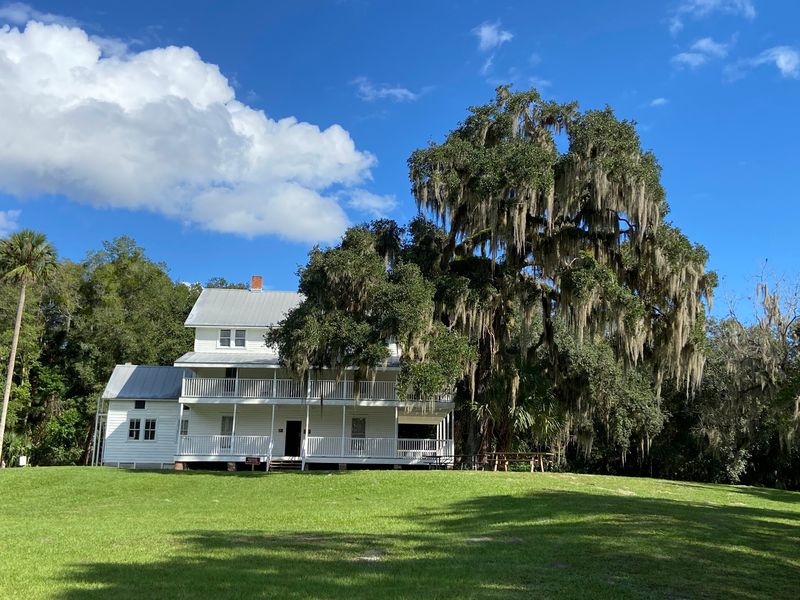
Long before kayak rentals, steamboats ran along the St. Johns River. A historic house in the park tells that part of the story.
The old mansion is open for touring. Inside, exhibits explain what life looked like when steamboats traveled the river.
A guide is often on hand to share history about the building. The talks also cover the family who once lived there.
History buffs tend to linger here. It adds a slower, thoughtful break between the busier water activities.
The house helps explain why the area matters beyond its wildlife. The river was once a main route for travel and trade in this part of Florida.
Kids may find it a good change of pace, too. After a morning of counting manatees, a walk through an old home gives them something new to explore.
Plenty of people call the park scenic and historic in the same breath. The old house is a big reason for that second label.
Plan a few extra minutes for it. Many guests almost skip the building, then end up glad they stopped in.
It turns out the river had a busy past long before the manatees became famous.
Fireflies, Cabins and Family Days
Manatees get the headlines, but a tiny glowing insect has its own loyal fan base here.
Firefly season brings evening crowds to the boardwalk. As the woods get dark, thousands of small flashes blink through the trees.
Rangers manage the crowds during these events. Guests are asked to keep lights low and respect the wildlife.
Arriving early helps with parking. Bug spray and patience are both recommended.
Cabins give families a chance to stay overnight. They are clean and updated, with linens provided and a kitchen stocked with pots, pans, and cooking utensils.
Air conditioning in the cabins works well, which matters during a Florida summer. Many guests say they would happily book again.
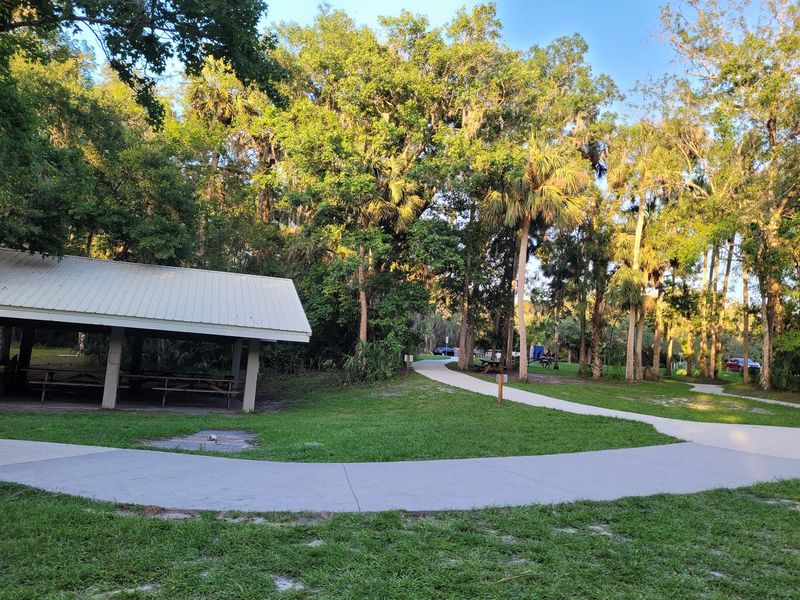
Day visitors have plenty of comforts as well. Picnic tables are spread across the grounds, and grills make cookouts easy.
A playground keeps younger kids busy. Bathrooms, a canteen, and a gift shop round out the setup.
Rangers patrol the area regularly, and the park feels well maintained and safe. All of that makes it a strong pick for a full family day, not just a quick look at the water.
Reservations, Fees and Timing
A little planning goes a long way at a park this popular.
Reservations are required at certain times of year. Summer visits have needed advance booking through the Florida State Parks website, and the process generally runs smoothly online.
Policies can change, so check the park website before every trip. Schedule updates are posted there too.
Entry is affordable. The park fee has been about $6 per vehicle, though it is wise to confirm current rates online.
Florida State Parks also offers a lifetime pass that some veterans may qualify for. Pass holders should still review reservation rules, since registration requirements apply.
Winter is the busiest season. During manatee months, the wait to get in can stretch to an hour.
Going early helps. Weekdays also tend to be calmer than weekends.
A quick visit to the springs takes about an hour. A full day easily fits swimming, paddling, a boat tour, and a picnic.
With manatees in winter, swimming in summer, and fireflies in their season, there is no bad month to go. Pick your favorite headliner, book ahead, and let the spring handle the rest.
The sea cows will be waiting, at least when the river gets cold.
Enjoyed this story?
Add Fast Food Club as a preferred source to see more of our reporting on Google.