


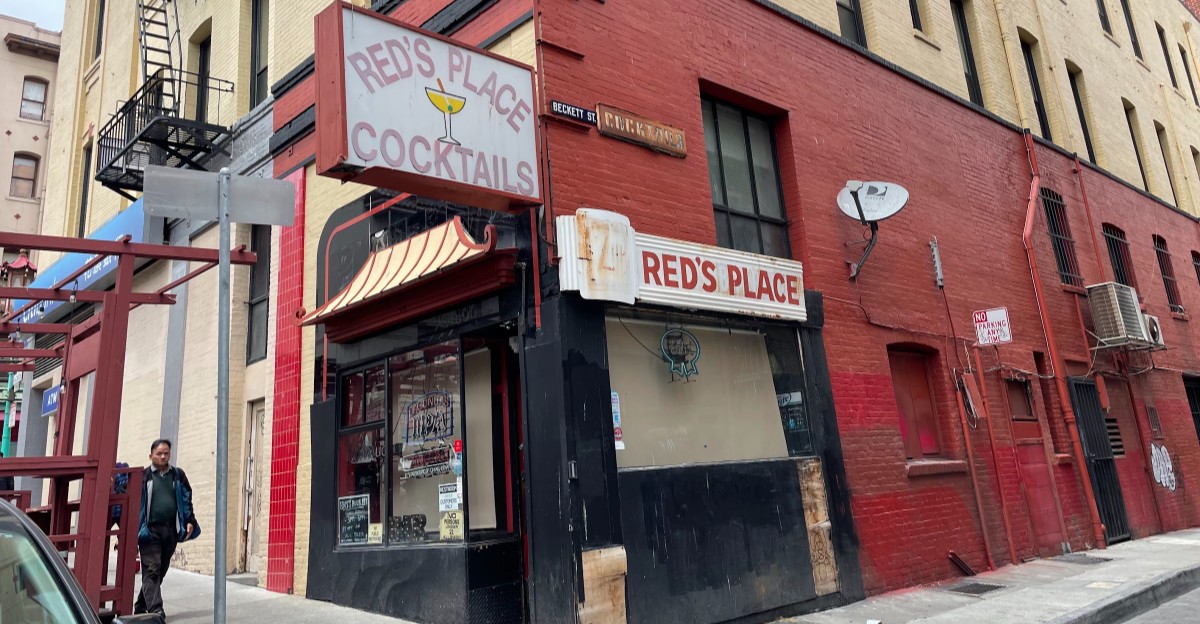
San Francisco’s Chinatown is famous for its lanterns, parades, and packed sidewalks, but one of its best stories sits behind a small doorway that many people walk right past. The place behind that door was already serving its neighborhood before World War II began.
Think about that for a second. Generations of locals have pulled up stools here, swapped stories, and claimed their regular spots while the city around them changed again and again.
Nobody here is chasing trends, and the furniture would happily tell you so if it could talk. What keeps people coming back is something harder to build: a room full of history, a crew that treats strangers like old friends, and a karaoke mic that rarely stays quiet for long.
Keep reading for the backstory, the quirks, the hours, and the tips that make a visit worth planning.
A Little Bar With a Big Address in Chinatown
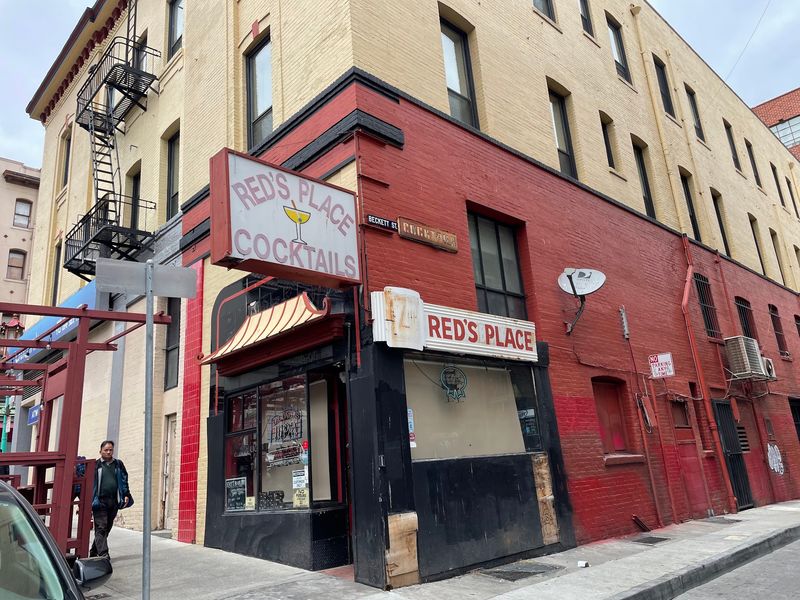
Every great neighborhood has a spot that locals guard like a family secret. In Chinatown, that spot is Red’s Place, found at 672 Jackson St, San Francisco, CA 94133, in the heart of one of the oldest Chinatowns in the United States.
Jackson Street runs through the busy core of the neighborhood, so the bar sits close to shops, bakeries, and the steady flow of people exploring the area. Plenty of folks discover it by accident while wandering, and a good number of them end up staying longer than planned.
The bar is known as Chinatown’s oldest, and it carries that title with zero fuss. It is a no-nonsense neighborhood hangout with low-key surroundings and a reputation for treating everyone fairly.
Don’t expect a grand entrance or a velvet rope. The building blends into the block, and the sign in the window is about as flashy as things get.
That modest front is part of the appeal. Behind it is a room that has watched San Francisco change for generations, and it has outlasted countless trendy spots along the way.
Small footprint, huge reputation. Let’s look at where all that history started.
Open Since Before World War II
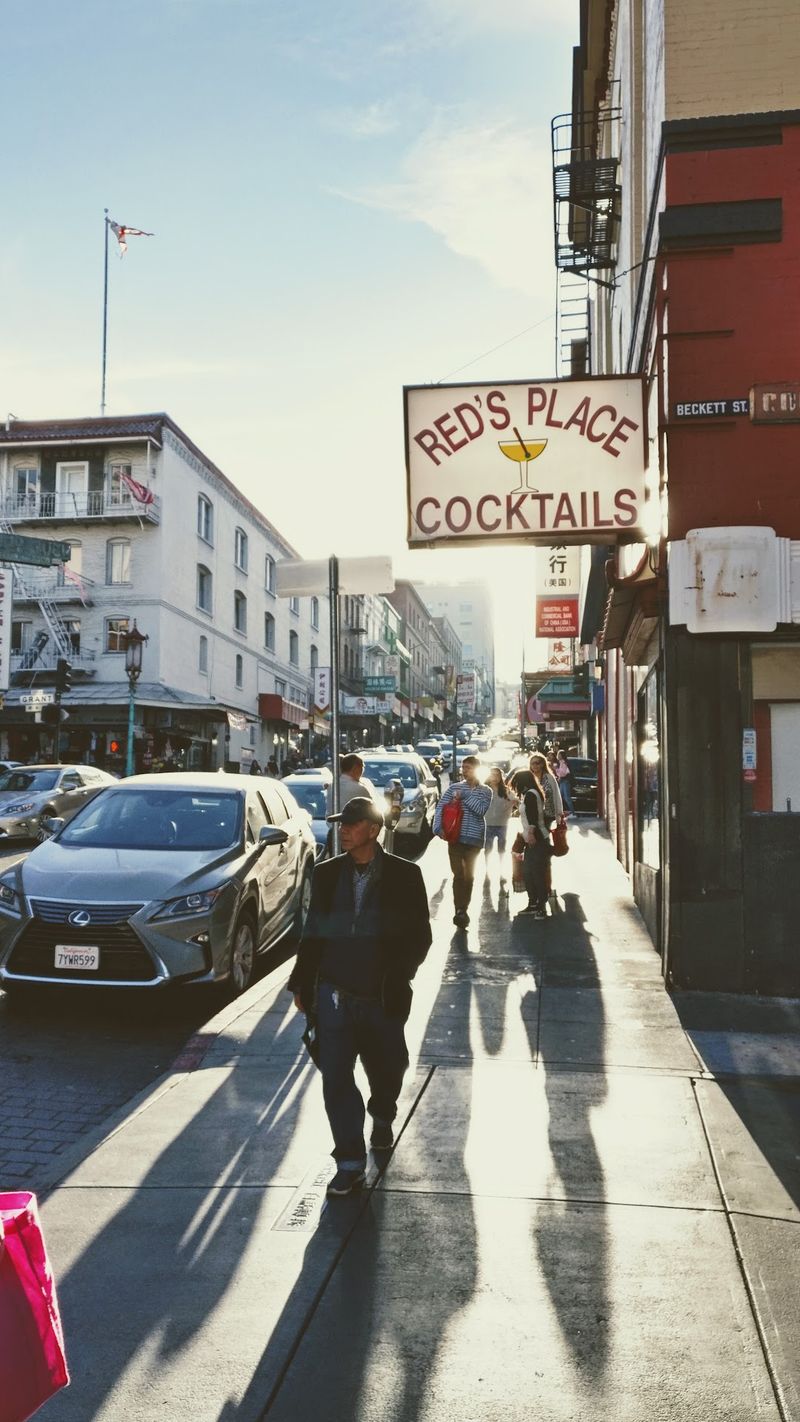
History buffs, take note. Red’s Place opened its doors before World War II and has stayed open ever since, which makes it a living piece of Chinatown’s story.
Few businesses anywhere can claim that kind of staying power. Think of how many decades of neighborhood life have passed through that single room.
The owners are known for sharing tales about the bar’s past with curious guests. If the timing is right and the room isn’t too busy, asking a question or two can open the door to some fascinating local lore.
Those stories matter because so much of a neighborhood’s memory lives in places like this. Families, workers, and friends have used the bar as a meeting point for years, and that steady presence gives it a sense of continuity that new spots simply cannot copy.
The owners, Jerry and Cuong, have earned a reputation for being friendly and welcoming. Longtime regulars credit Jerry with keeping the doors open, and the regulars keep showing up in return.
It’s a simple deal that has worked for a very long time. Next up is the room itself, which has its own personality.
Charmingly Worn, Proudly Unpolished
Interior designers might faint. Regulars, on the other hand, wouldn’t change a thing.
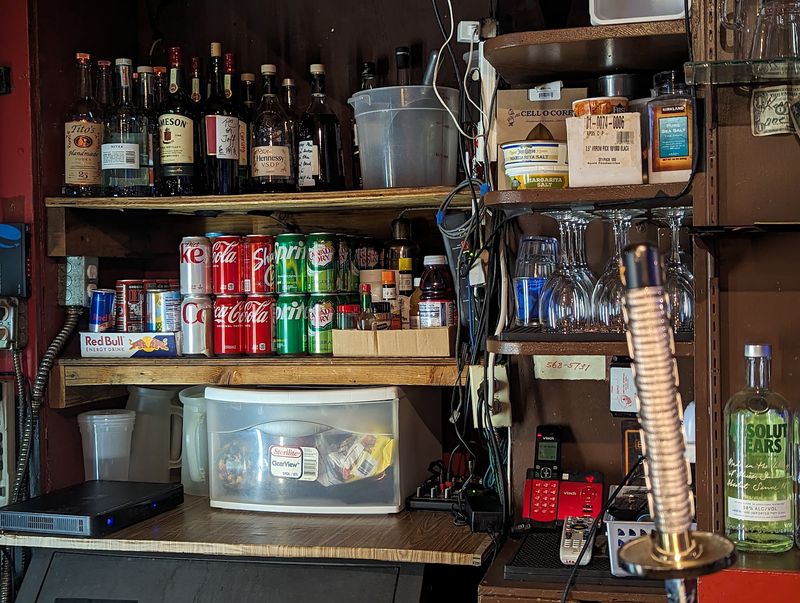
The space is small, a bit cluttered, and wonderfully unbothered by appearances. Boxes of supplies and glassware are tucked into corners and sometimes under tables, and some of the seating is the folding kind you might find at a garage sale.
Chairs occasionally rest upside down on tables, and electrical cords run wherever they need to go. Polished it is not.
Yet somehow, it all works. The bar breaks just about every rule of modern hospitality, and the crowds keep coming anyway.
There are a few nice touches worth spotting. Asian-inspired details appear around the room, including a red frame surrounding the mirror behind the bar.
The seating is basic, with small tables and stools that fill up quickly when the evening crowd arrives. Space is tight, so grabbing a spot early is a smart move on busy nights.
What the room lacks in polish, it makes up for in honesty. It is not pretending to be anything other than a neighborhood bar with decades of stories baked into its walls.
Consider it a time capsule with a pulse.
The Karaoke Mic Rarely Gets a Break
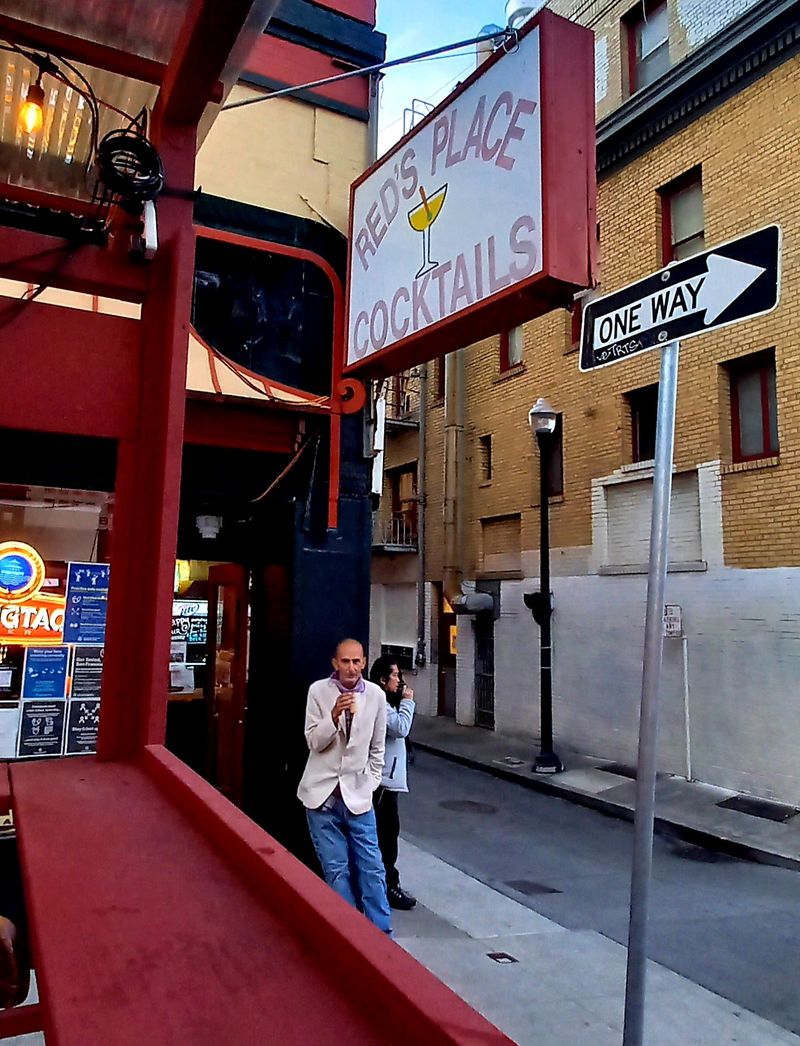
Shy singers, consider this your warning. Karaoke is one of the biggest draws here, and it turns a quiet evening into a full-on group performance faster than you can pick a song.
Travelers passing through have ended up spending entire nights belting tunes alongside locals. That mix is what makes the experience special, since you never quite know who will grab the mic next.
Busy holiday weekends bring an especially lively scene. Even when the room is packed and the karaoke is in full swing, the bartenders are known for staying on top of everything.
Talent is optional. Enthusiasm is the only real entry requirement, and the crowd tends to cheer for effort rather than perfect pitch.
For groups, karaoke offers an easy way to break the ice with strangers. A shared chorus can turn a table of tourists and a row of regulars into one big audience in a single song.
Planning a karaoke night? Weekend evenings tend to get loud and crowded, so arriving earlier helps if you want a seat close to the action.
Warm up those vocal cords, and maybe pick a backup song just in case someone steals your first choice.
Bartenders Who Feel Like Local Guides
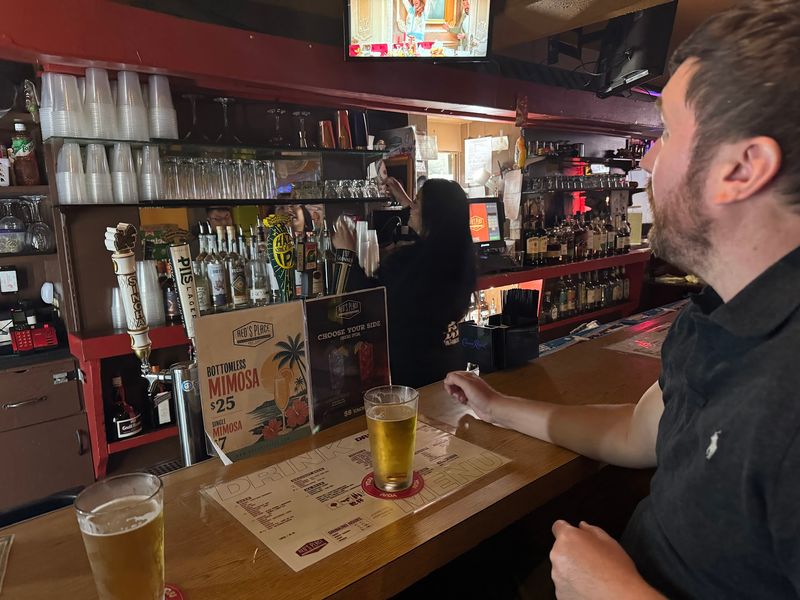
Some people come for the history. Many come back for the folks behind the bar.
The bartending crew earns steady praise for being friendly, quick, and genuinely fun to talk with. Several of them have built loyal followings, with regulars planning their week around a favorite bartender’s shift.
Out-of-towners often leave with more than a good memory. The bartenders are known to share tips and advice about exploring Chinatown, which makes a stop here a handy part of any walking tour.
Helping guests pick from the bottled options is another specialty. If you feel unsure what to order, just ask, and someone will steer you in a good direction.
Pours here have a reputation for being generous, so pacing yourself is wise. Excellent service comes up again and again, even on nights when the room is shoulder to shoulder.
One note for planning: the crew takes ID checks seriously. Bring a valid government ID and expect it to be examined carefully, especially on crowded karaoke nights.
A warm welcome, smart local advice, and a staff that remembers faces add up to something rare. No wonder so many first-timers turn into return guests.
Regulars, Rounds, and a Family Feel
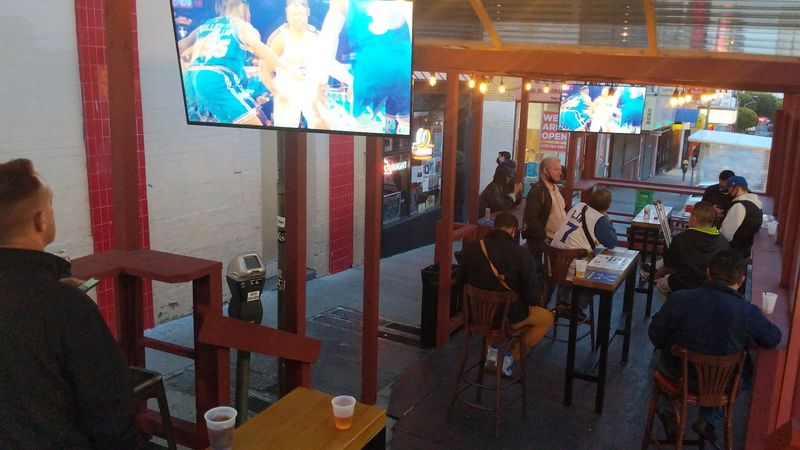
Fifteen years. That is how long some regulars have been claiming their stools here, and they speak about the place like a second family.
The crowd is a lively blend of longtime locals and curious newcomers. What surprises many first-time guests is how quickly they get folded into the group.
People who walk in alone often find themselves welcomed as if they had been coming for years. On at least one memorable night, a regular named Mr. Wong bought a round for the entire room, newcomers included.
That kind of generosity says a lot about the culture inside. This is a place where people chat with strangers, swap stories, and actually look up from their phones.
Bringing a friendly attitude and some social energy pays off. The room starts quiet on some evenings, then fills up as the night goes on, and the personality of the place grows right along with the crowd.
Small space, big hearts. The bar rewards people who show up ready to mingle.
So say hello to the person on the next stool. There is a decent chance they have a great story about this very room.
Game Nights and Easygoing Evenings
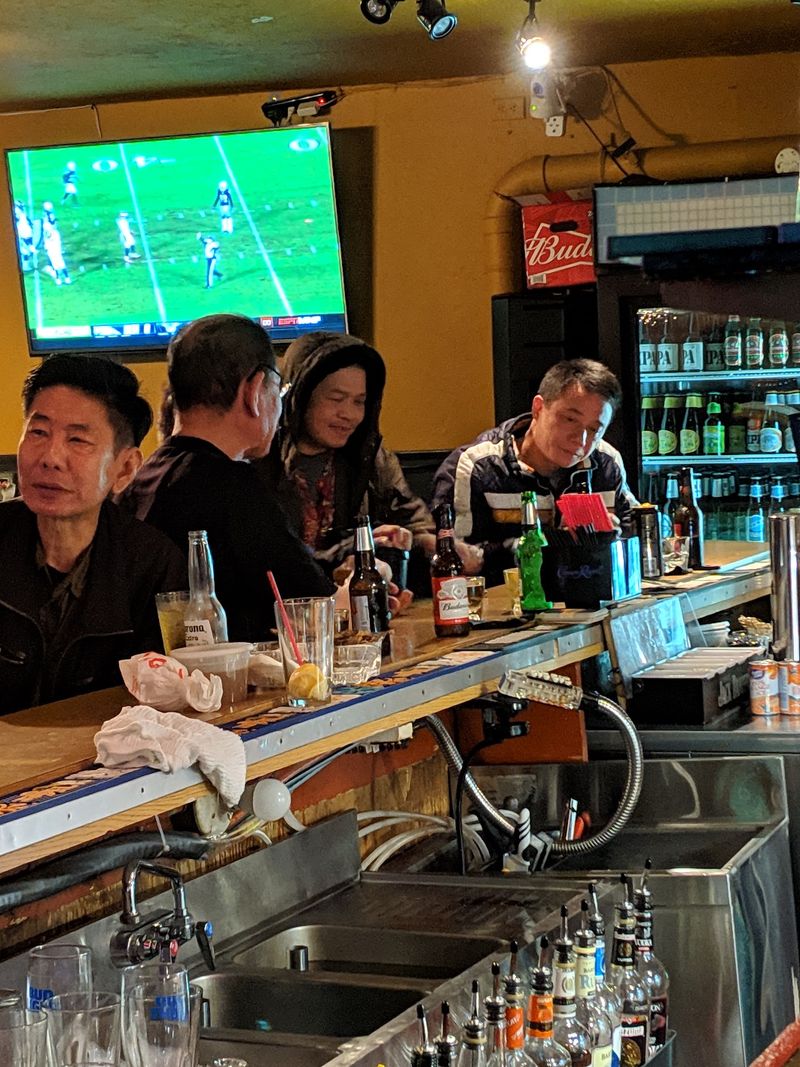
Not every night here revolves around a microphone. Sometimes the main event is simply a game on the screen and a seat with good company.
Basketball has been known to play on the TV, giving sports fans a laid-back place to catch the action. It is a relaxed setting for cheering on a team without the chaos of a giant sports bar.
The bar also works well for catching up with friends. Groups touring Chinatown often duck in for a break between sights, then realize they would rather stay put for a while.
There is even a running joke among couples. One partner explores the neighborhood shops while the other is perfectly happy parking here for a rest.
A happy hour adds another reason to stop by in the late afternoon. Those early hours tend to be calmer, which suits anyone who prefers conversation over crowd noise.
Dinner nearby, then a nightcap here? That is a popular game plan too, since the bar sits right in the middle of a neighborhood full of restaurants.
Easy, unhurried, and refreshingly unfussy. Some evenings just need a comfortable stool and nowhere else to be.
Budget-Friendly Rounds Without the Frills

Wallets everywhere can relax. Red’s Place is known for being very inexpensive, a welcome surprise in a city with a reputation for high prices.
The menu keeps things simple, with options on draft, by the pitcher, and in bottles. Nobody here is building elaborate creations with twelve ingredients and a garnish garden.
One bottled favorite is notable for its design. It comes in a bottle with a Buddha figure carved into the glass, which makes it a fun conversation starter and a popular photo subject.
Pitchers make it easy for groups to share, and the low prices mean a night out does not have to break the budget. That value is a big part of why locals have stuck around for decades.
Fancy drinks and gourmet bites are not part of the plan. The bar focuses on the basics and does them well.
For travelers trying to stretch their spending money, a stop here is a smart way to enjoy an evening in Chinatown. You get history, good company, and a karaoke show without the usual downtown price tag.
Simple can be a very good thing.
Hours, Snacks, and Smart Planning
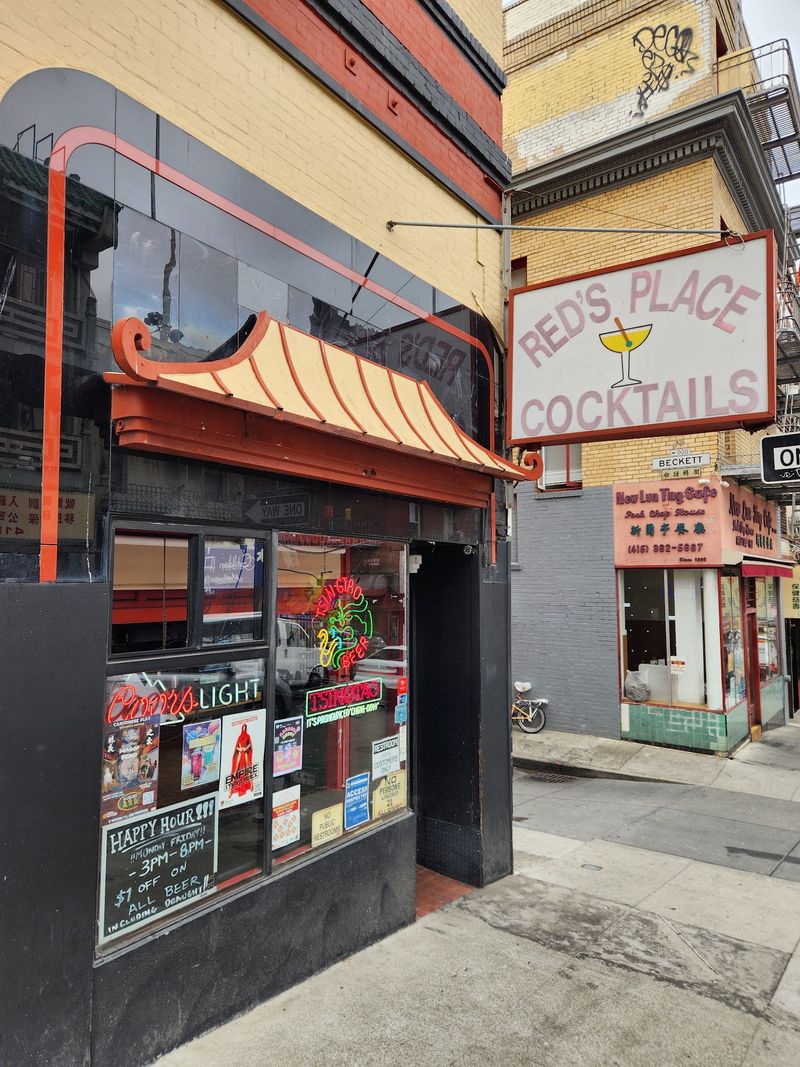
Timing is everything, especially at a bar this small. Knowing the schedule helps you snag a seat before the rush.
Monday through Thursday, the doors open from 4 pm to 11 pm. Friday starts a little earlier, running from 3 pm to 1:30 am.
Saturday is the longest day of the week, open from 12 pm to 1:30 am. Sunday runs from 12 pm to 11 pm, making it a nice option for an afternoon break.
Here is a key detail: the bar does not serve food. Eating beforehand or bringing a snack is a good idea, and luckily Chinatown has plenty of nearby options.
Bring a valid ID, since checks are taken seriously. A passport or standard government ID should do the trick.
Getting there is easy if you are already exploring Chinatown on foot. Jackson Street sits in the busy center of the neighborhood, so the bar fits naturally into a walking route.
Weekend nights fill up fast, particularly when karaoke is rolling. Quieter weekday afternoons are better for chatting with the owners and hearing those historic stories.
Plan ahead a little, and the visit will run smoothly.
Why This Old Bar Still Wins Hearts
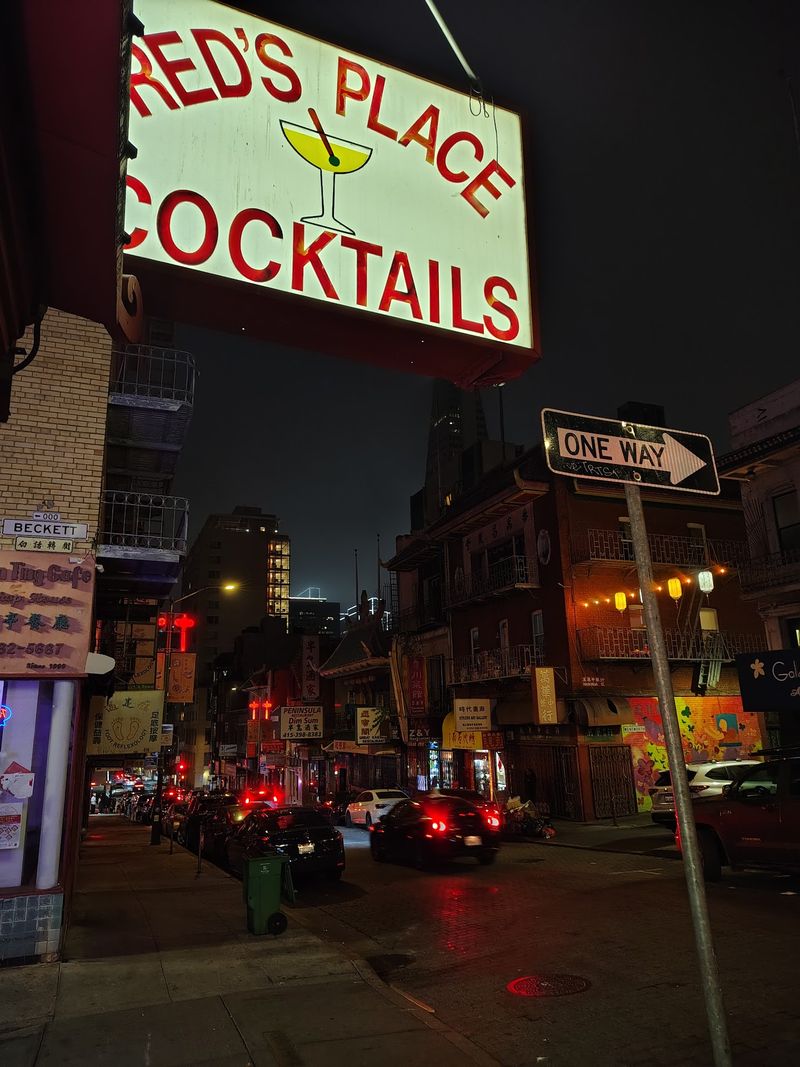
Plenty of bars chase the newest look. Red’s Place has spent generations proving that character beats polish.
It holds a strong 4.6 star standing from more than 220 guests, which is impressive for a spot with folding tables and supplies stacked under the seats. Clearly, people are not grading on decor.
What they value is the mix of history, kindness, and fun. The owners share stories, the bartenders offer local advice, and the regulars welcome newcomers like family.
This is not the right pick for anyone seeking fancy drinks, a full dinner, or a sleek interior. It is a great pick for travelers who want an authentic slice of neighborhood life away from the usual tourist path.
Fans of karaoke, sports, and easy conversation will feel right at home. History lovers get the bonus of sitting inside Chinatown’s oldest bar, open since before World War II.
The place has outlasted decades of change by staying true to itself. That kind of steadiness is rare in any city, and especially in one as fast-moving as San Francisco.
Save room in your Chinatown itinerary for this one. A short stop could easily become your favorite story from the trip.
Enjoyed this story?
Add Fast Food Club as a preferred source to see more of our reporting on Google.