


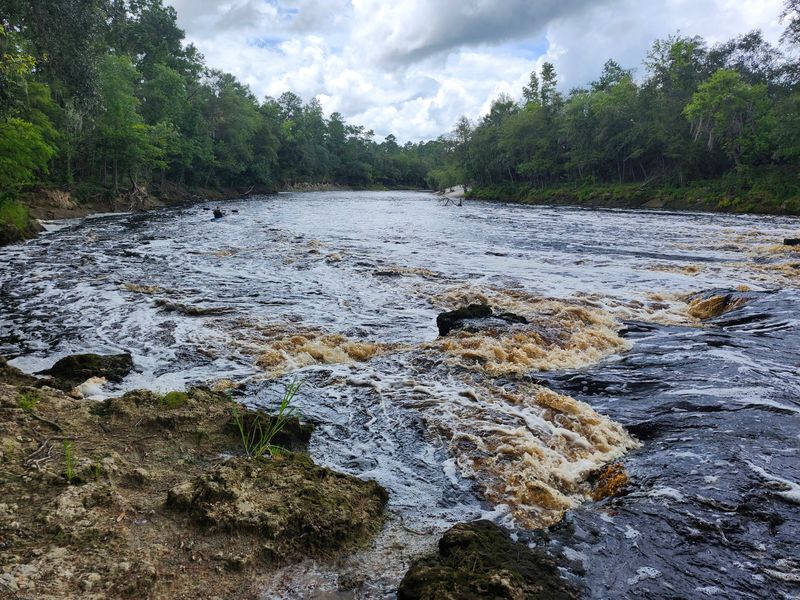
Florida is famous for flat beaches, calm springs, and roads that never seem to climb a hill. So it surprises people to learn that the state has real whitewater rapids tucked away in the north woods near White Springs.
The Suwannee River tumbles over a band of limestone here, and the result looks like it belongs in the mountains of another state. Getting there takes a short hike, a bit of patience on a sandy road, and some bug spray.
The reward is a stretch of river unlike anything else in the Sunshine State. This guide covers where the park sits, what the trails are like, when the rocks show up, which wildlife might cross your path, and the practical details that make a trip go smoothly.
Keep reading, because the best time to go may not be the one you expect.
A Wild Corner of North Florida
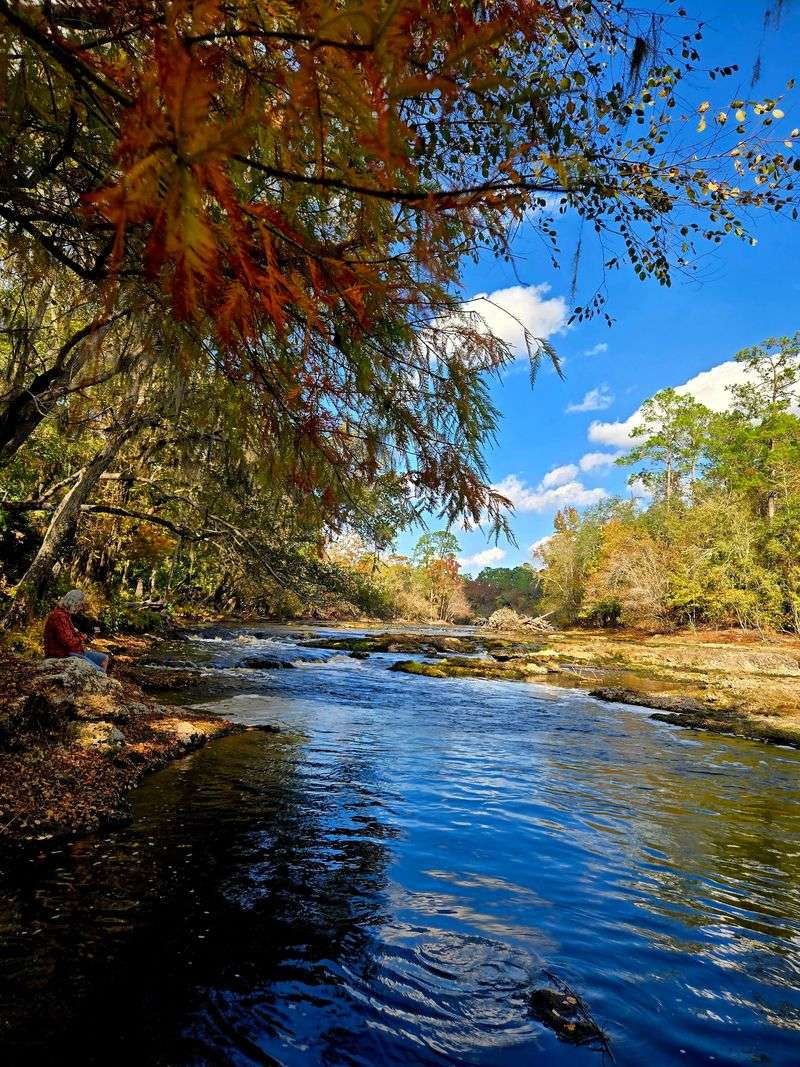
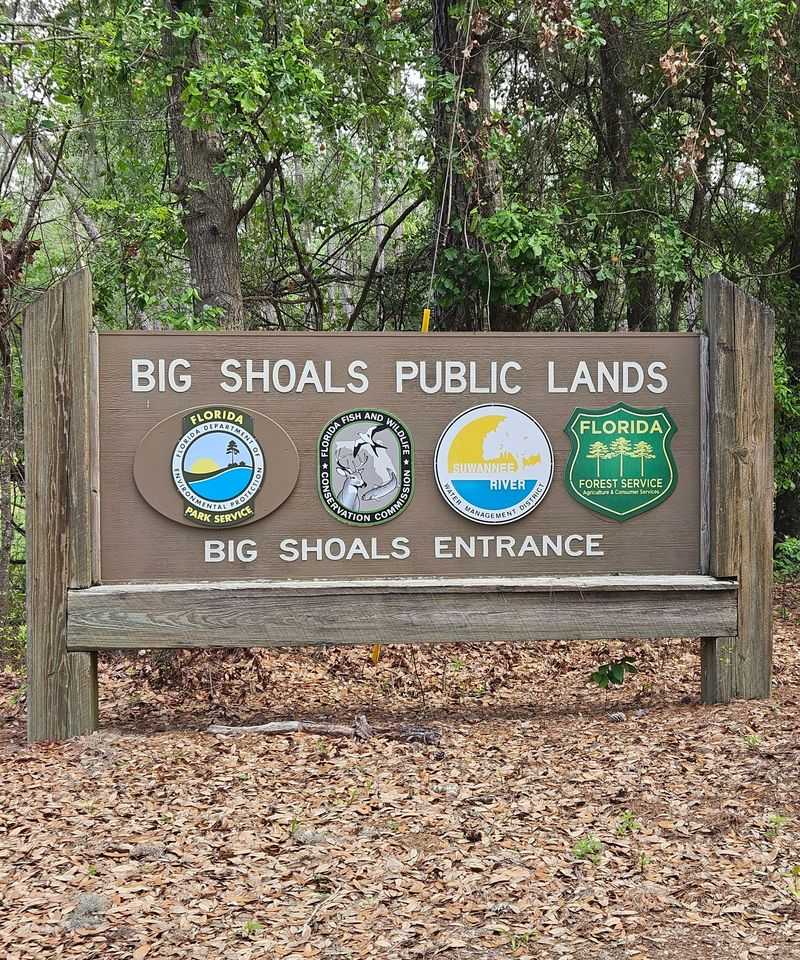
Hidden in the pine woods of Hamilton County sits a park that quietly breaks every rule about Florida scenery. Big Shoals State Park is found at 18738 SE 94 St, White Springs, FL 32096, in the northern part of Florida, United States.
The park is managed as part of the Florida State Parks system. Its main attraction is the Suwannee River, which flows past limestone ledges and forms the rapids that give the place its name.
White Springs is a small town, and the park is slightly out of the way. That distance is part of the appeal, since it keeps the crowds thin.
Most trips here focus on hiking. Trails wind through the woods along the river, with overlooks and side paths that lead closer to the water.
There are also mixed-use trails and plenty of picnic spots. The park works well as a half-day outing or a longer ramble for anyone who likes to keep walking.
Many people call it a slice of the real Florida. It shows a side of the state that postcards rarely bother to cover, and that is exactly why it deserves a closer look.
Rapids Where Nobody Expects Them
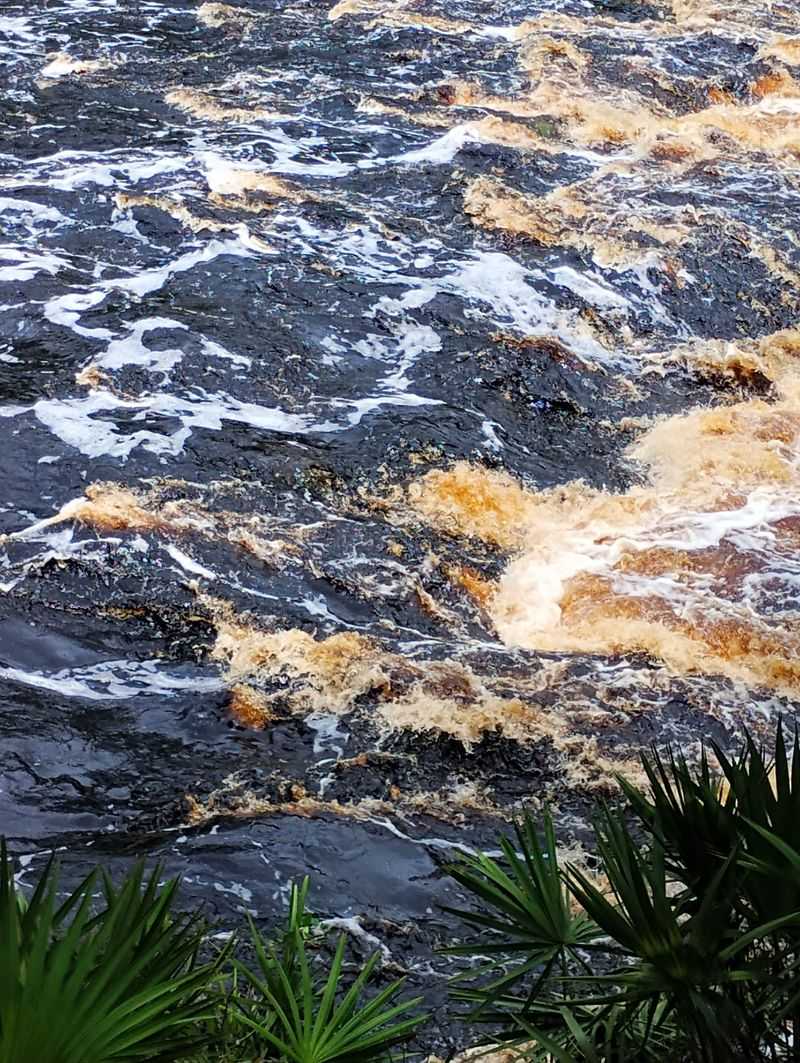
Ask most people where to find whitewater in Florida, and they will probably laugh. The joke is on them, because the Suwannee River has a stretch here that earns the name.
Big Shoals is known as the largest set of whitewater rapids in the state. The river drops over limestone outcrops, and the flow churns into a stretch of real rapids.
That alone makes the park unusual. Florida is a low, flat place, and features like this are rare.
The rapids are impressive to see, and there is nothing quite like them elsewhere in Florida. People often describe the park as a change of scenery from the rest of the state.
The look of the shoals changes with the water level. During high water, the rapids are at their most dramatic.
During low water, the rocks become visible, and the shoals take on a completely different character. Both versions are worth the trip, which is a nice problem for a river to have.
The Suwannee’s Rocky Personality
Plenty of rivers in Florida drift along like they have nowhere to be. The Suwannee at Big Shoals has other plans.
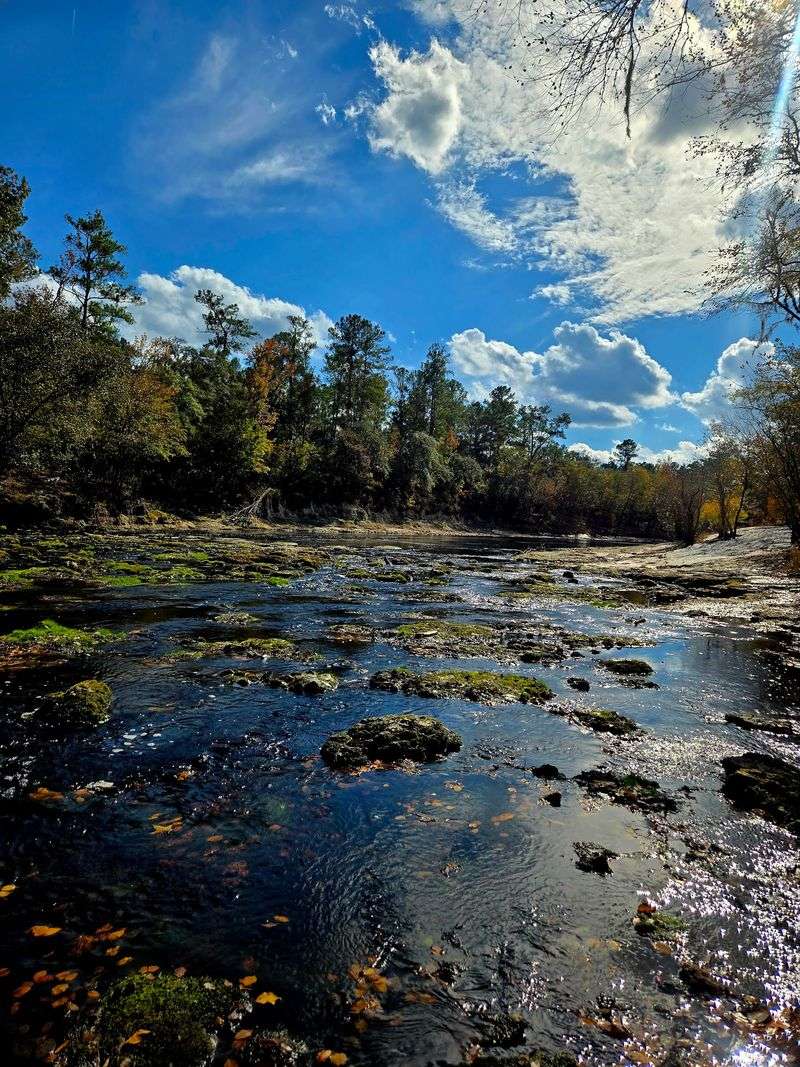
Here the riverbed holds limestone that pushes up and breaks the current. That rock is what creates the shoals, and it gives this section of river its rugged look.
When the river runs low, these rock shelves come into view. It becomes possible to head down to the bank and walk on the rocks in some spots.
Many people consider low water a special treat. Seeing the shoals with the stone exposed is something some longtime fans only manage after several trips.
Even with a low river, the scene remains spectacular. The rocks tell the story of how the rapids form, almost like the river is showing its work.
The banks can be steep in places, so care matters when climbing down. Sturdy shoes and steady footing go a long way on this rocky stretch.
The Trail to the Overlook
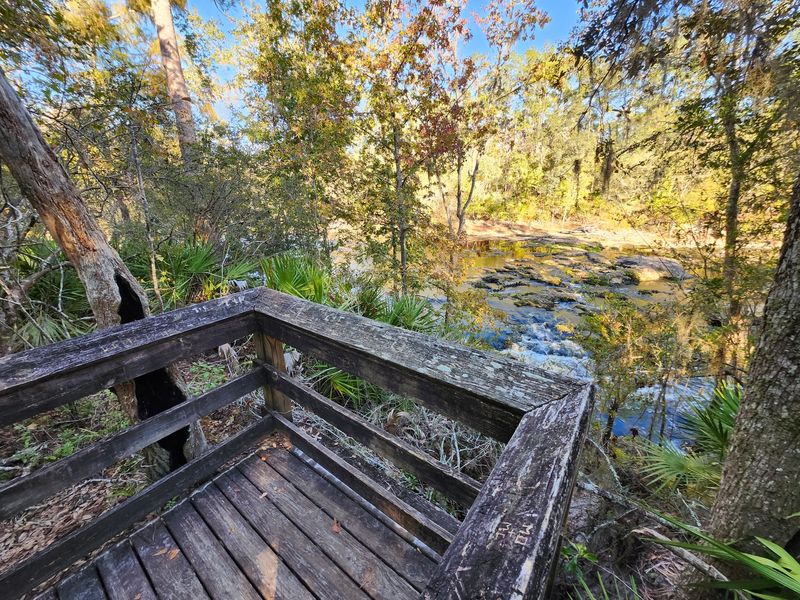
Good news for anyone who prefers views without a marathon: the main payoff comes early. The Big Shoals hiking trail reaches the overlook point in roughly a mile, or a little less.
Most people cover the walk to the rapids in about 45 minutes. A round trip comes in around 2.5 miles for many hikers.
The trail is considered easy to moderate. There are a few ups and downs, along with spots where tree roots cross the path.
Those roots are the main thing to watch. Sturdy shoes help, especially when the ground is damp.
Along the way, side paths lead to more challenging descents toward the river. These spots offer chances to get closer to the water and the rocks.
Signs along the paths are clear, so getting turned around is unlikely. The overlook makes a fine turnaround point, though the trail network has more to offer for those with energy to spare.
Little Shoals and the Longer Loops
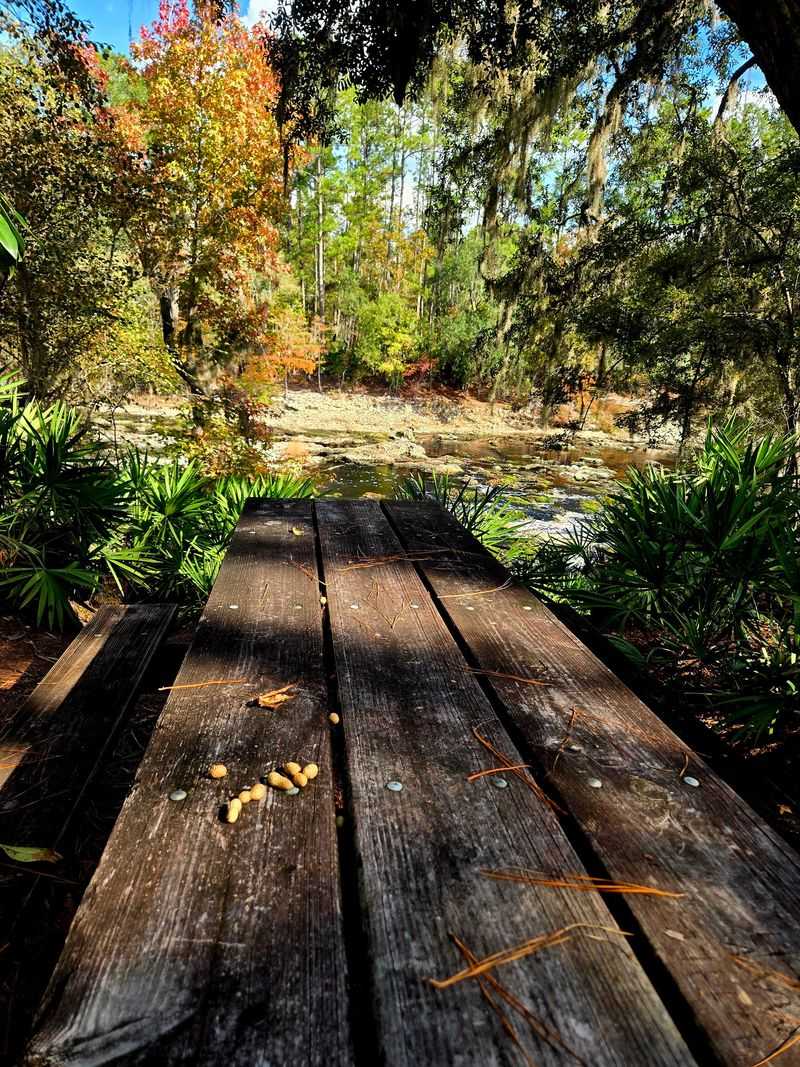
Big Shoals has a smaller sibling, and it is worth meeting. The trail system connects to Little Shoals, a second rocky stretch of the Suwannee.
Reaching it takes more time and effort. Plan for a few hours of walking if the goal is to see both spots.
The park also connects with looping trails through the surrounding management area. These loops let hikers make the outing as long or as short as they like.
That flexibility is a big plus. A family with young kids can stop at the overlook, while seasoned hikers can keep going for miles.
There is much more here than water alone. The longer trails pass through forest that shows off the wild side of north Florida.
Packing water and snacks makes sense for the longer routes. Little Shoals may be the smaller star, but it rewards the hikers who go the extra mile, quite literally.
Side Trails to the Water’s Edge
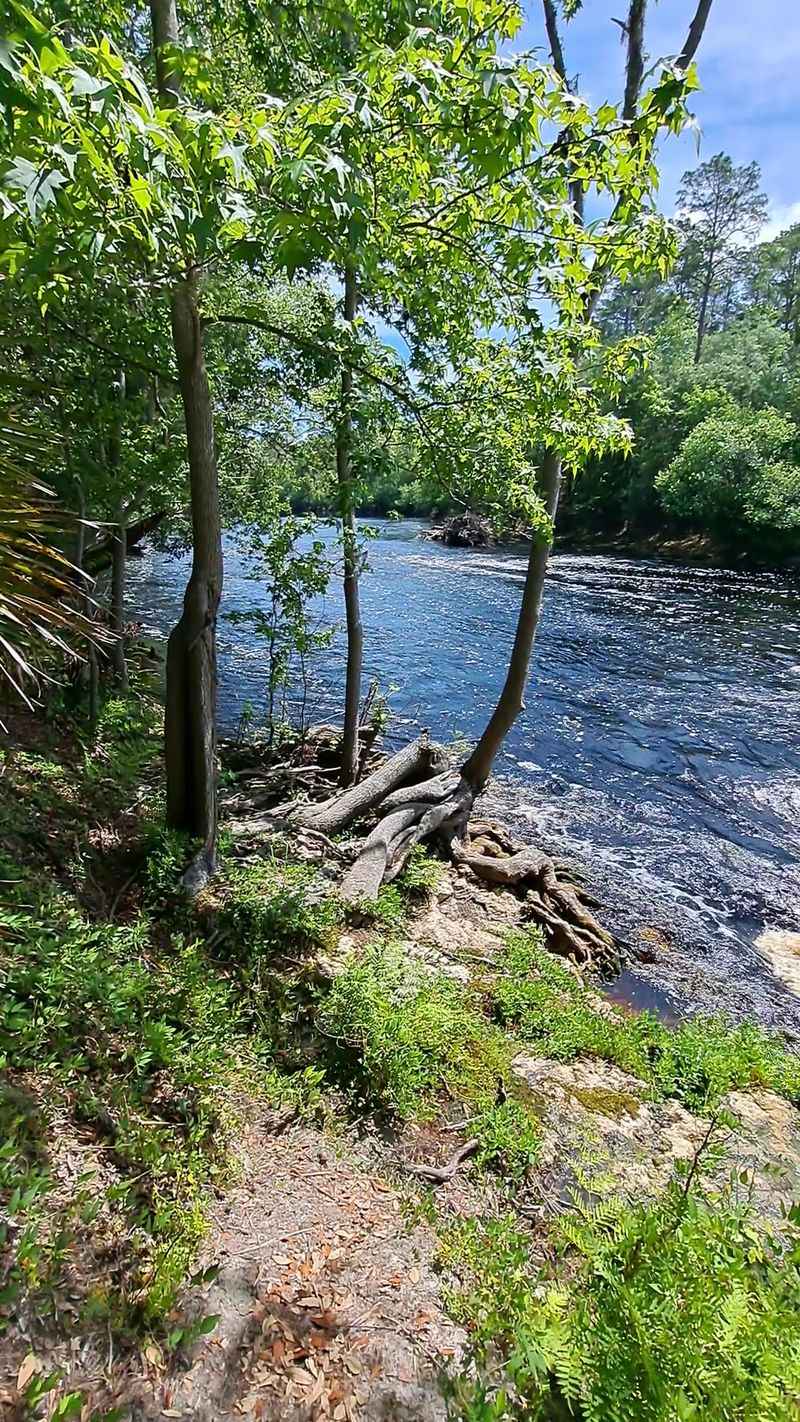
The overlook is great, but some people want to get a little closer. The park makes that possible with a handful of side trails.
Further down the main path, there are several spots where it is possible to walk down near the shore. These side trails lead close to the shoals themselves.
Some of the descents are steeper than the main trail. A careful pace and good shoes are the best tools here.
During low water, these paths open up the most. The exposed rocks invite careful exploring along the bank.
During higher water, the river claims more of the shoreline. In those times, admiring the rapids from above is the smarter choice.
These little detours are some of the most popular parts of the park. They turn a simple hike into a closer meeting with the river, which is the whole point of coming.
Gators, Bears, and Other Locals
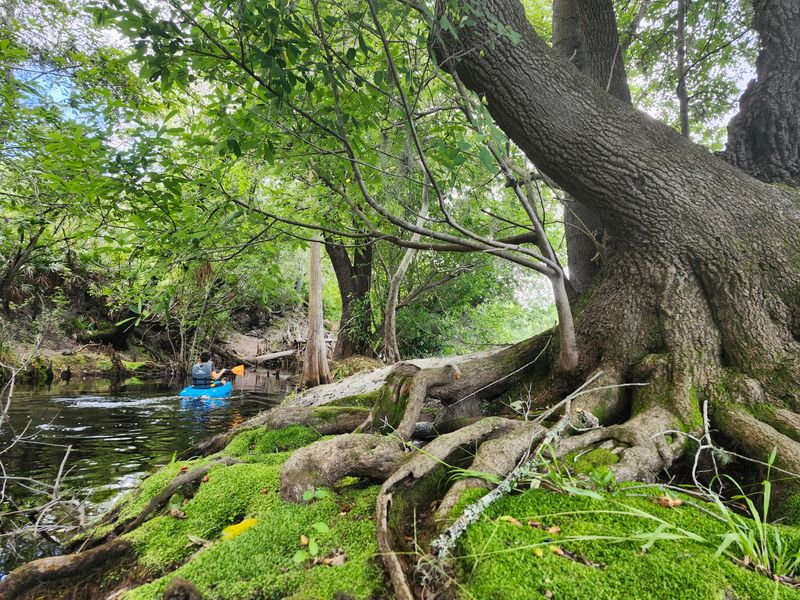
The people are not the only residents here, and the others were here first. Wildlife is part of the deal at Big Shoals.
Alligators show up in the Suwannee River. Sightings range from tiny gators floating in the current to a good-size adult.
Signs in the park mention black bears. Wild pigs also seem to roam the woods near the trails.
None of this should scare anyone off. It simply means staying alert and giving animals plenty of space.
The variety of plants and animals along the trail is one of the park’s quiet highlights. Many hikers come away talking about the wildlife as much as the rapids.
Keep a respectful distance from the water’s edge when a gator is around. A good wildlife sighting is one where everyone, scales and fur included, goes home happy.
Why Cooler Months Win
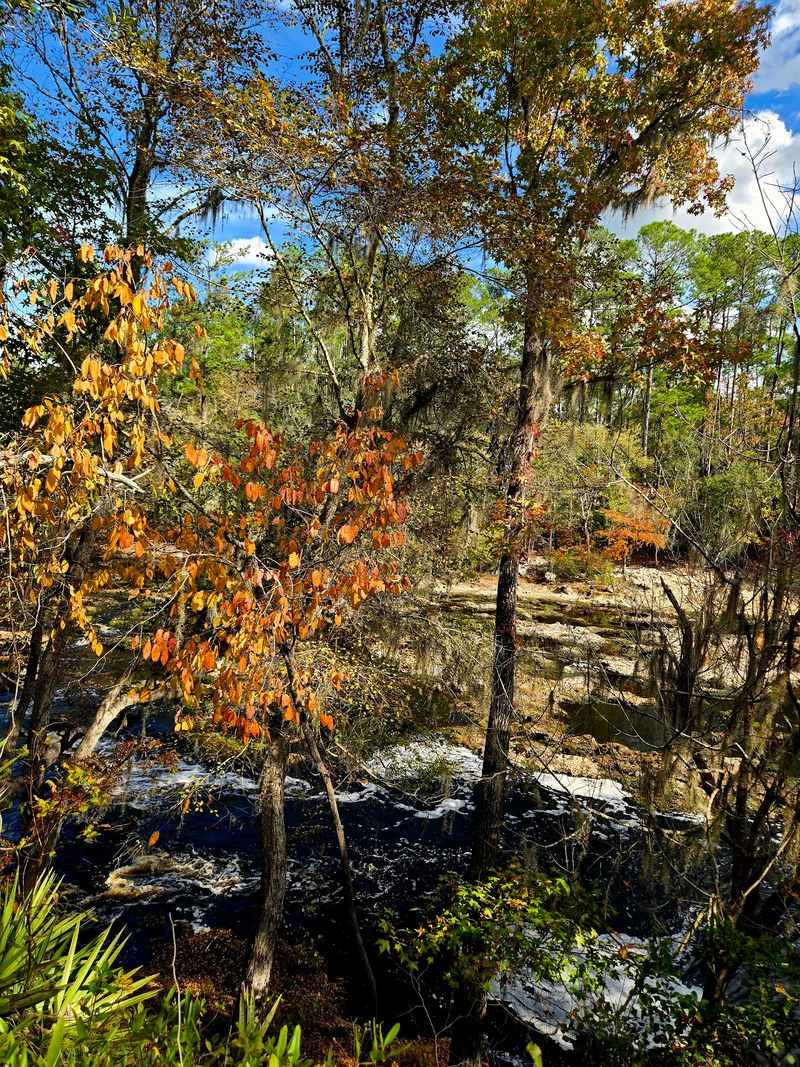
Timing a trip here is a bit like timing a joke, because it makes all the difference. The cooler months are a favorite choice for many.
Fewer bugs is the biggest reason. The pleasant weather also makes a long walk much more comfortable.
Cooler months often bring lower river levels. That opens the chance to climb down and explore the riverbank and rocks.
Warmer months tell a different story. Deer flies can be aggressive, especially in late spring.
Spring has its own appeal for people who want to see the river with more water. Some plan return trips just to compare seasons.
Bug spray is wise in any month. With good planning, the season becomes a choice between rocky views and fuller rapids, and both are winners.
Quiet Trails and a Retreat Feel
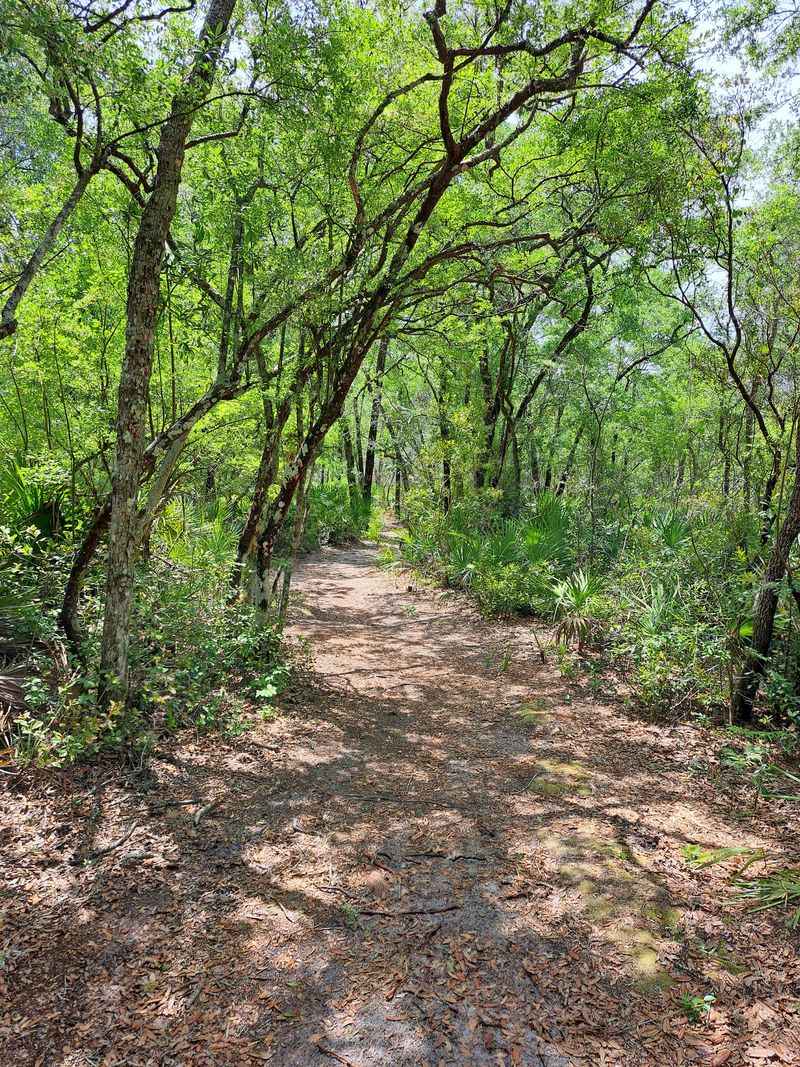
Crowds are not much of a problem at Big Shoals. The park often feels secluded, like a retreat into nature.
Its out-of-the-way location keeps things calm. With so many trails to walk, people spread out quickly.
That makes it a fine pick for anyone who wants a slower day outdoors. Couples, families, and solo hikers all find room here.
Pet owners get good news too. Pets are welcome throughout the park, except in the picnic area.
Hikers who want a gentle walk can stick to the overlook trail. More adventurous types can head for the longer loops and Little Shoals.
The park suits people who like nature without much fuss. It is a place where the river does the talking, and everyone else gets to listen.
Picnic Spots and Clean Facilities
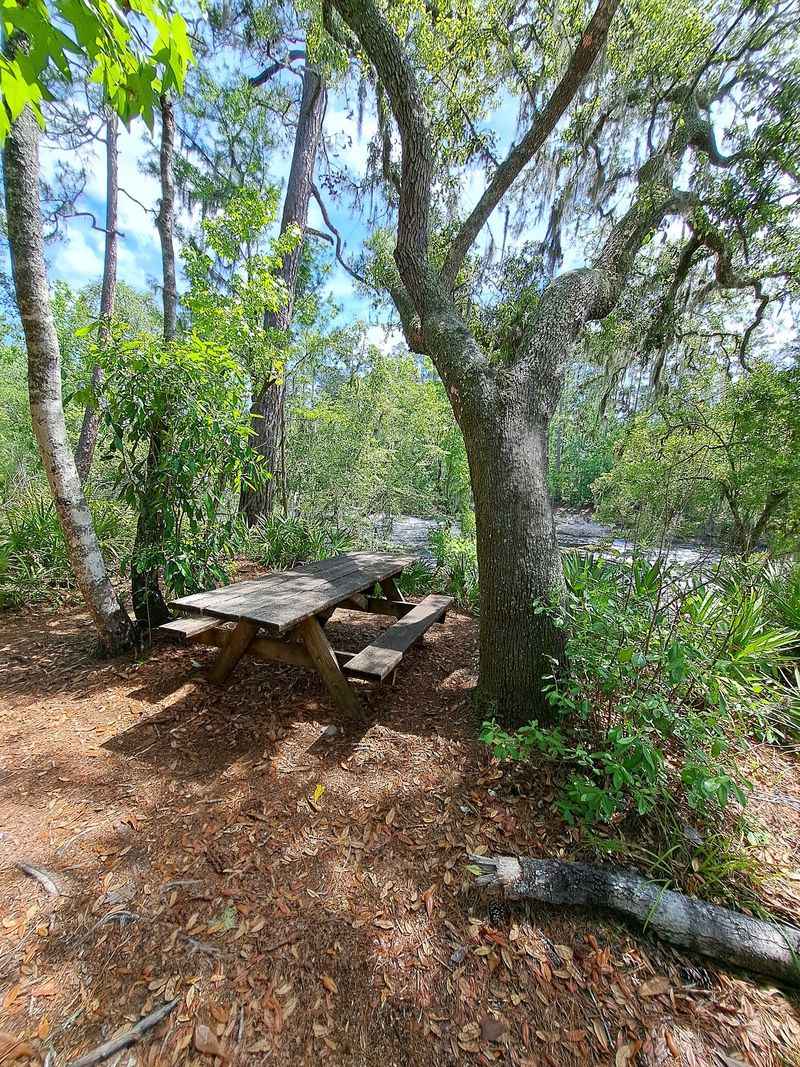
Nobody hikes well on an empty stomach, and the park seems to know it. There are plenty of picnic locations to settle in before or after a walk.
The facilities get steady praise for upkeep. Restrooms are clean and well stocked.
Trash cans are emptied, and the parking area is well groomed. Clear paths and good signs round out the tidy picture.
It is the kind of care that makes a remote park feel easy to visit. Many call it one of the best maintained parks around.
Remember that pets need to stay out of the picnic area. Everywhere else, four-legged hikers are welcome.
A picnic stop here makes a natural break between trails. After all, the rapids are not going anywhere, so there is time for a sandwich.
Getting There on a Sandy Road
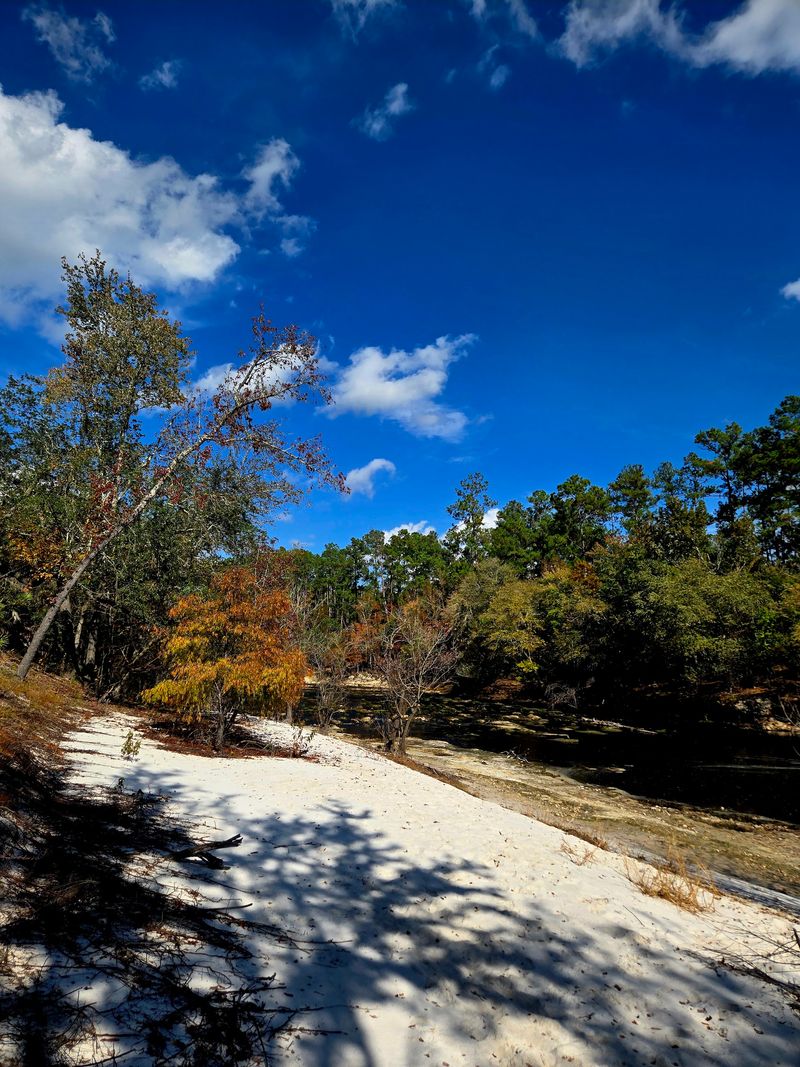
The last stretch to the rapids starts before the trail does. The road into the park can be very sandy.
Drivers should take it slow and use extra caution. An SUV or a vehicle with good clearance makes the trip easier.
The park sits a bit off the beaten path near White Springs. Planning the route ahead of time saves headaches.
Once there, the parking area is well kept. From the lot, the trails are easy to find thanks to clear signs.
Changes can happen without much warning in a remote park. A trail or entrance may be closed at times.
Checking the official Florida State Parks website before leaving is smart. A quick look online can turn a bumpy surprise into a smooth ride.
Hours, Fees, and Closures
Here is the fine print, and luckily it is short. Big Shoals State Park is open daily from 8 am to 6 pm.
Entry costs $4. Payment is cashless, using a scan-and-pay system, so bring a phone or card.
The park has dealt with closures in the past. Flooding closed it for a period starting in December 2023.
Fallen trees can also block parts of trails after storms. At times, a trail may be closed even if the website does not show it yet.
Staff may not always be on site. Packing what is needed for the day is a good plan.
Bug spray and sturdy shoes top the list. Water and a charged phone for the cashless payment complete the kit, and that covers the basics nicely.
Worth the Detour
Some places are easy to reach and easy to forget. Big Shoals is the opposite, a little tricky to reach and hard to forget.
The park offers something Florida rarely shows off. Real rapids, rocky banks, and quiet trails add up to a truly different outing.
The hike to the overlook is short enough for most people. The longer loops give serious hikers plenty to chew on.
Wildlife sightings add a bit of adventure. Clean facilities and clear signs keep the day comfortable.
A few small hurdles come with the territory. The sandy road, the bugs, and occasional closures all call for some planning.
Handle those, and the reward is a side of the Suwannee that feels like a secret. For anyone who thinks they have seen all of Florida, this river has one more trick to show.
Enjoyed this story?
Add Fast Food Club as a preferred source to see more of our reporting on Google.