


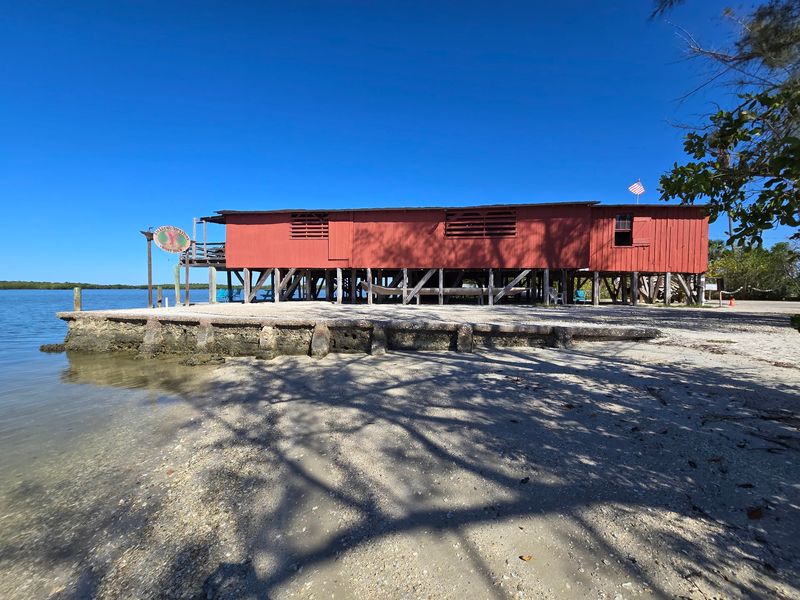
The road south from Everglades City keeps going after most maps seem ready to quit. A causeway carries it across open water to a small island village called Chokoloskee, where life still moves at the pace of the tide.
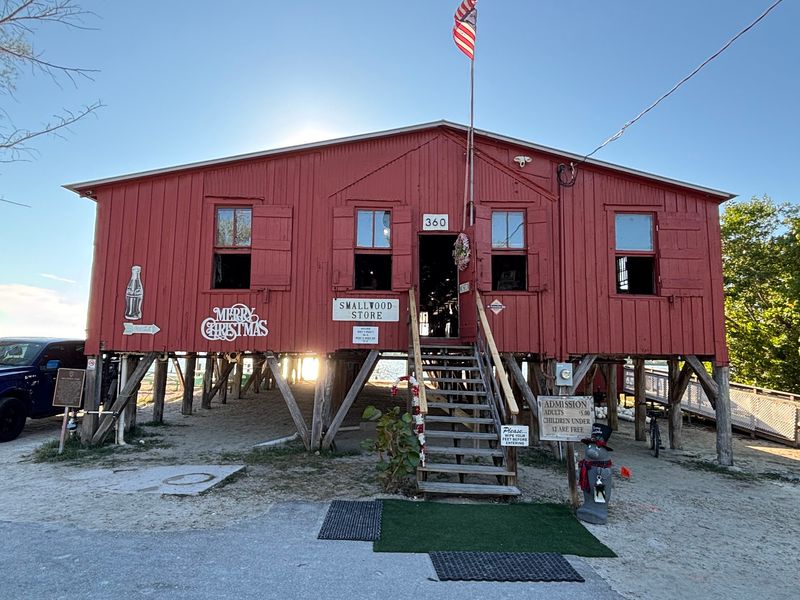
There are no big resorts here and no busy strip of chain shops. At the very end of the line sits a wooden building on stilts that has watched more than a century of Florida history drift past its porch.
Inside, shelves still hold the goods and odds and ends of a frontier trading post, left much as they were. Out back, the Ten Thousand Islands stretch toward the horizon, and boats leave from the landing to go looking for dolphins.
This guide covers the story, the artifacts, the boat tours, the hours, and the small entry fee that turns a quick stop into a lesson in Florida’s past.
End of the Road on Chokoloskee Island
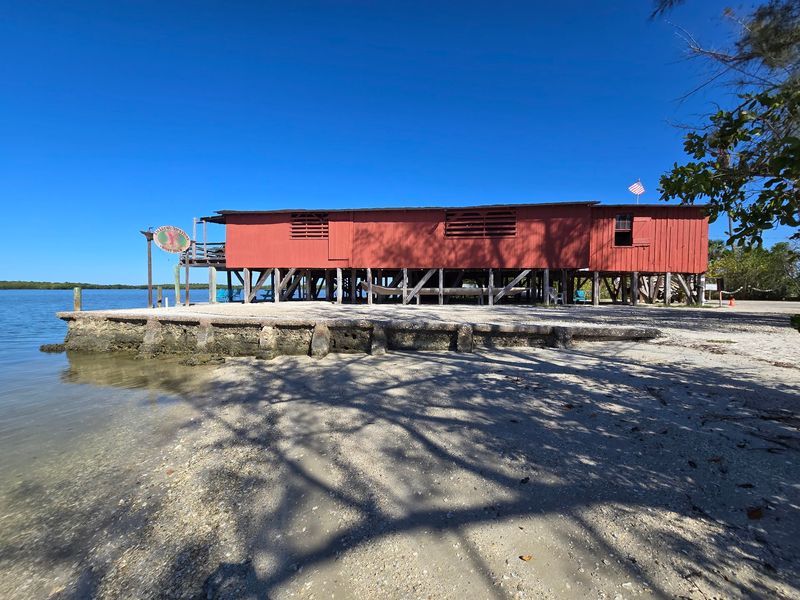
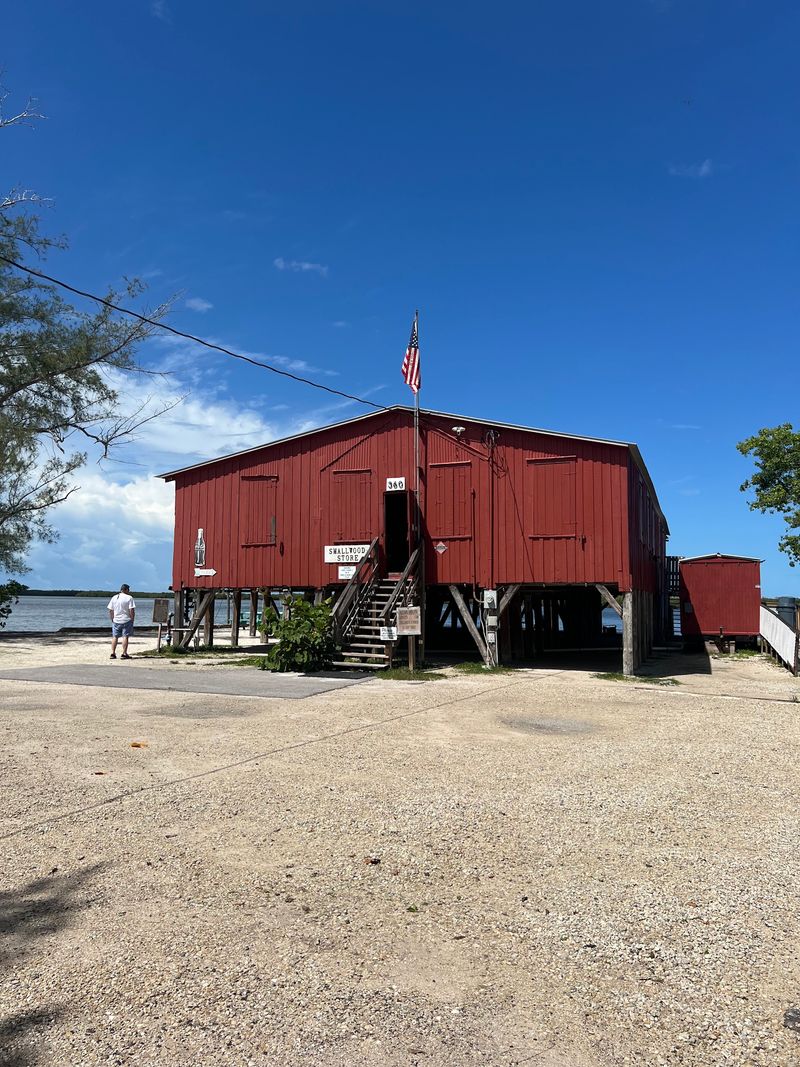
Some places sit at the end of the road by accident. The Smallwood Store sits there on purpose, guarding the southern tip of a tiny island as if it were the last stop before the Gulf.
Its address is 360 Mamie St, Chokoloskee, FL 34138, in the United States. That puts it on Chokoloskee Island, just past Everglades City in Collier County, along the southwest edge of the Everglades.
The building is listed as a tourist attraction today, but its roots are in trade. It began as a working store that served people living in a very remote corner of Florida.
Now it operates as a small museum, with the old shelves and stock still in place. A souvenir shop shares the space, and a boat landing waits out back.
Getting here involves a short drive from Everglades City across the causeway. The trip feels like a detour, yet the payoff is a building that has outlasted storms, floods and decades of change.
Many people describe the final stretch as a minor drive worth making. The Everglades is one of Florida’s best-known landmarks, and this spot sits at its southernmost reachable edge by car.
So the map may say the road ends here, but the story is only getting started.
A Frontier Trading Post Frozen in Time
Long before highways reached this coast, families on the islands needed a place to buy supplies and sell what they gathered. A trading post filled that role, and the Smallwood Store became that hub.
The phrase time capsule comes up often when people talk about the place. That is because the items on display were originally there, not brought in later to fill a room.
Shelves still hold goods from the store’s working years. The result is a rare look at what daily life required in a place reachable mostly by water.
Local history runs through every corner. The store helps explain how people lived, traded and got by in what was once an extremely remote part of Florida.
It also connects to Americana in a broader sense. Old signs, tools and packaging show how small-town commerce worked across much of the country a century ago.
None of it is behind glass in a grand gallery. The layout is modest, which makes the history feel close and personal rather than staged.
A short visit here explains more about the region than many longer textbook chapters could.
Raised Up After the Storm
Here is a fun fact worth carrying home. The building did not always sit as high as it does now.
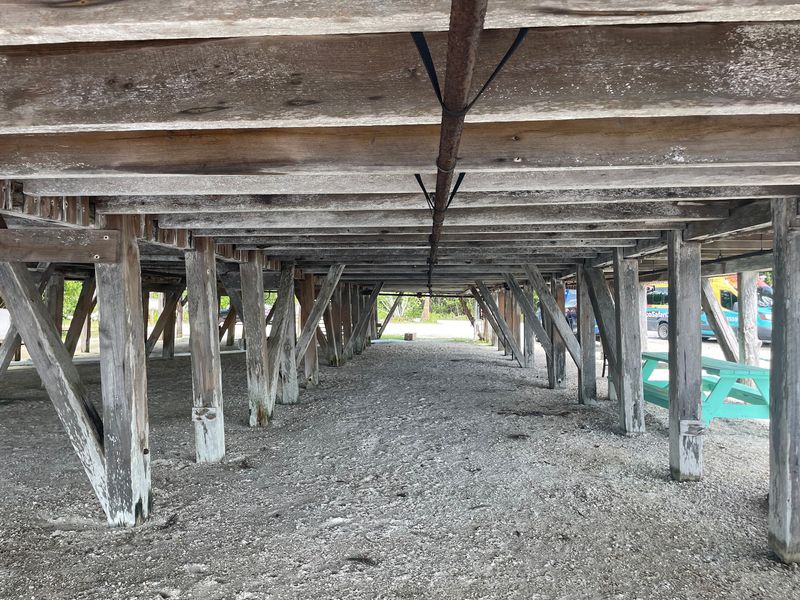
Staff explain that the store was originally at ground level. After a storm and flooding, it was raised to its current elevation in 1924.
The pilings and floor joists are original. That detail alone makes the structure worth a slow look, especially for anyone curious about old building methods.
Think about what this coast throws at a wooden building. Hurricanes, flooding and salt water have all tested it over more than 100 years.
Somehow it is still standing, still open and still telling its story. Modifications over the decades are part of that tale, showing how owners adapted rather than gave up.
It is described as a historic structure, and the label fits. The building itself is as much an exhibit as anything sitting on its shelves.
Take a moment on the stairs or porch to consider how it was built by hand in such an isolated place. Few attractions let people stand inside the very survival story they came to learn about.
Artifacts in Every Nook and Cranny
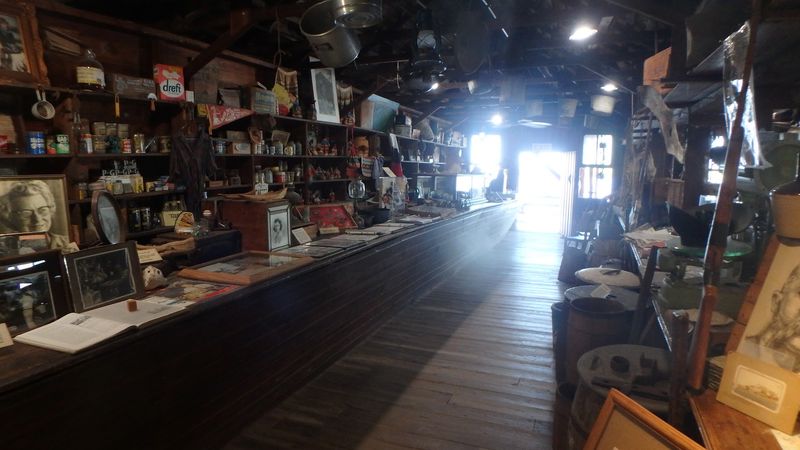
Plan on looking up, down and sideways. Every nook and cranny seems to hold some kind of artifact or a piece of history waiting to be noticed.
Antiques are among the most talked-about features of the store. The collection spans more than 100 years of items tied to the island and its people.
Craftsmanship gets plenty of praise as well. Many of the objects show the care and skill that went into everyday goods long before mass production took over.
The variety keeps things interesting. Shelves of old merchandise sit near household items, and each room adds another layer to the picture.
Families tend to treat it like a treasure hunt. Kids and adults alike can point out things they have never seen before and guess what they were used for.
Labels and context help, but asking questions helps even more. The people working inside often fill in the gaps with stories the displays alone cannot tell.
For a small building, the amount packed inside is surprising, so give the shelves the attention they have earned.
Rooms Beyond the Counter, Including the Old Bedroom
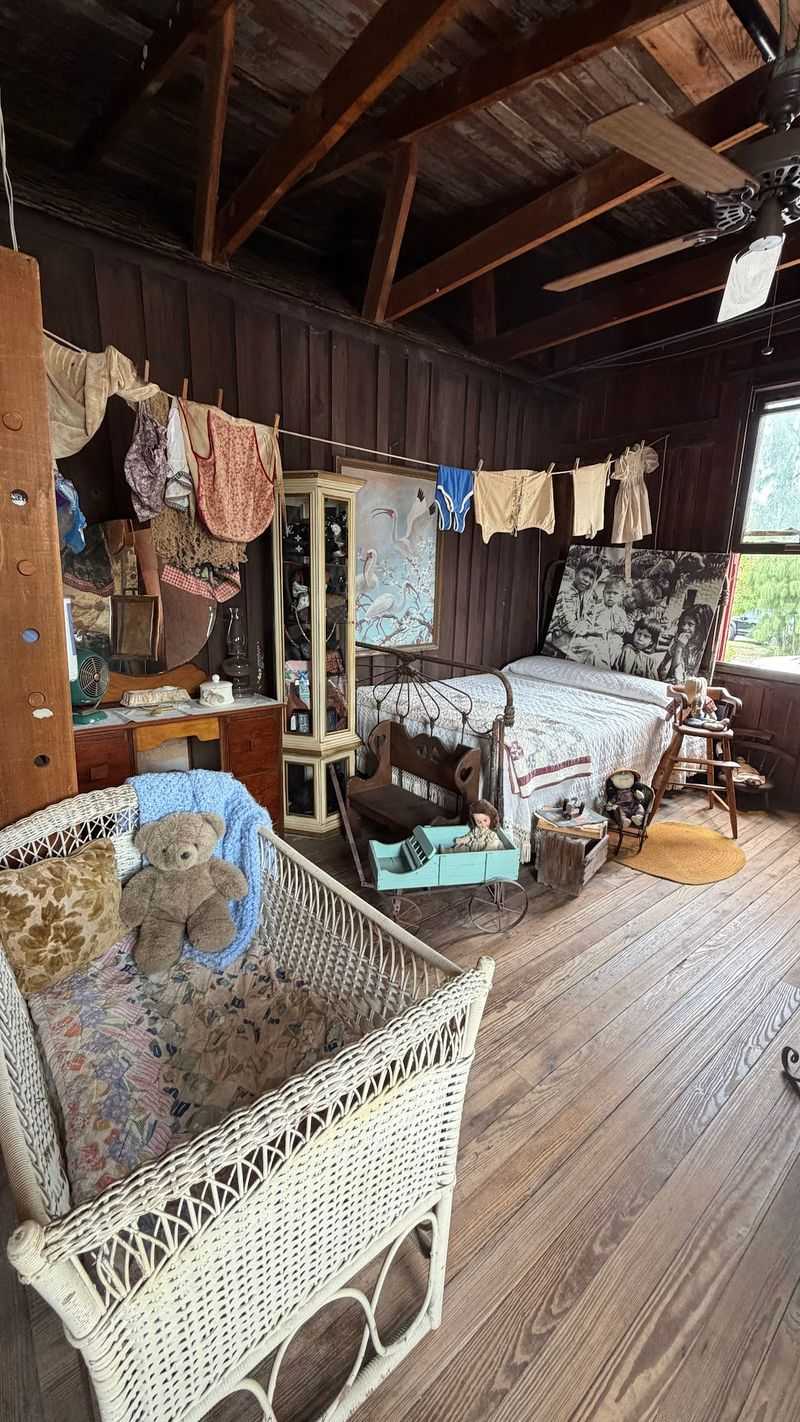
The front counter is only the beginning. The museum continues through several rooms, and each one shows a different side of life at the store.
A highlight is the old bedroom. It reminds guests that this was not just a business but also a place where people lived.
Seeing living quarters next to the shop helps make sense of island life. Work and home were rarely separate in such a remote setting.
Moving from room to room feels unhurried. There is plenty of space to browse without bumping into the next group, even on moderately busy days.
The rooms are modest in size, which suits the building. Nothing feels overbuilt or modernized beyond what is needed to keep it standing and safe.
Take time with the details here. Small personal touches often say more about the people who lived in the store than any sign could.
It is one thing to read about frontier families, and quite another to stand where they actually slept.
Stories Straight From the Family
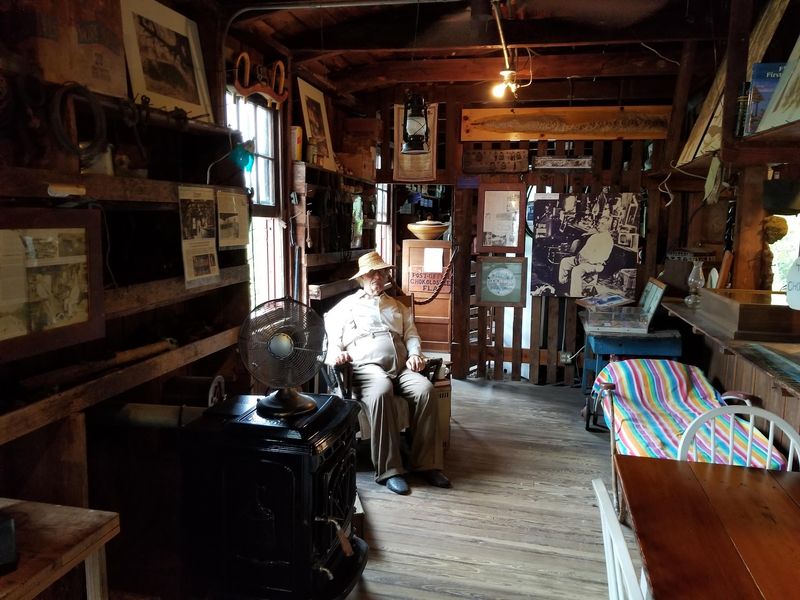
History hits differently when it comes from someone whose relatives lived it. At the Smallwood Store, that is a real possibility.
Family members are often on hand. They share stories about generations of their family in the area and how the store came to be what it is today.
Many guests come away saying those conversations were the highlight. One family member was described as a wealth of information about the place.
The staff in general earn plenty of kind words for being friendly and welcoming. Keeping the community and the family legacy going clearly matters to the people running it.
Experiences can vary from day to day, as they do anywhere. On at least one occasion, an attendant came across as less than warm, so a little patience can help.
Still, most people leave with a positive impression of the people behind the counter. It helps to arrive with a question or two ready.
A simple hello can unlock the best exhibit in the building, which is the memory of the family itself.
Porch Views of the Ten Thousand Islands
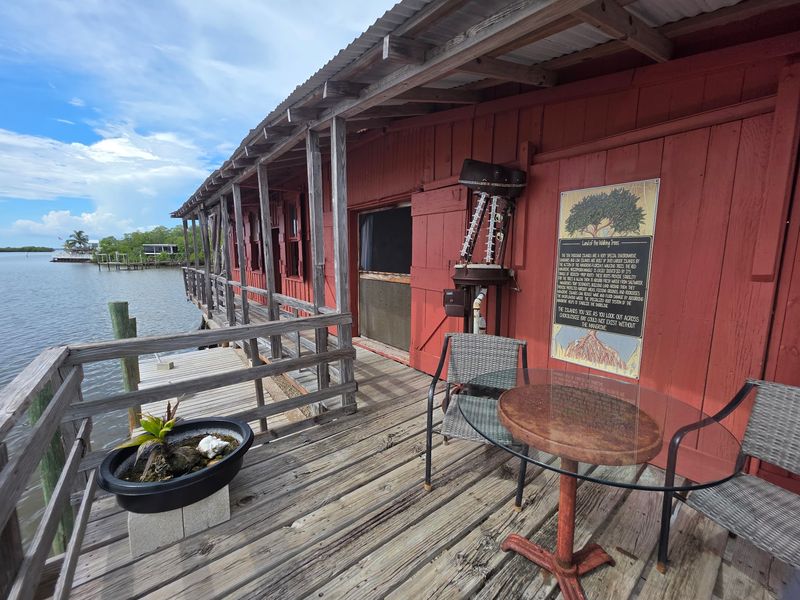
After the artifacts, step out back. The porch opens onto a wide view of the bay and the Ten Thousand Islands.
This view gets almost as much attention as the museum itself. People often mention it right alongside the history.
A few seats sit near the water, inviting a quiet break. It is a good spot to pause and take in the scenery without any rush.
A small beach-like area adds to the setting. Mangrove islands dot the horizon and give a sense of how many waterways surround Chokoloskee.
The water here often carries a reddish brown tint. That color comes from the red mangroves, a natural feature of these coastal waters.
Rainy days do not ruin the experience. Some guests even enjoy watching a shower roll across the bay from the shelter of the old building.
Save a few minutes for the porch at the end, because it frames everything the store’s founders once looked out on.
Boat Tours From the Landing
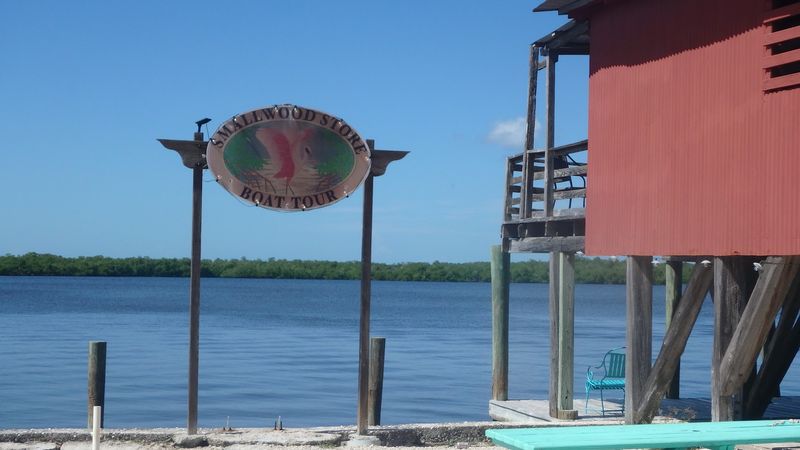
The museum is only half the reason people make the trip. Boat tours leave right from the landing, and they are the most talked-about topic tied to the store.
Several options are available. People mention a one-hour Everglades National Park tour and a 1.5-hour eco tour aboard a skiff.
Private tours are also offered. Flyers inside the store share details for anyone who wants to plan ahead.
Guides receive warm praise for being informative and knowing the water well. One guide had spent about 35 years fishing and crabbing in the area.
The tours show the Ten Thousand Islands in a way that is hard to manage otherwise. Calm waters, mangrove channels and plenty of birds are part of the trip.
Weather can shift plans on this coast. The tour operators have been flexible about rescheduling when conditions turn rough.
Even a soaking downpour has not kept some groups from calling their outing a vacation highlight. Sometimes the best history lesson happens on the water.
Dolphins in the Wake
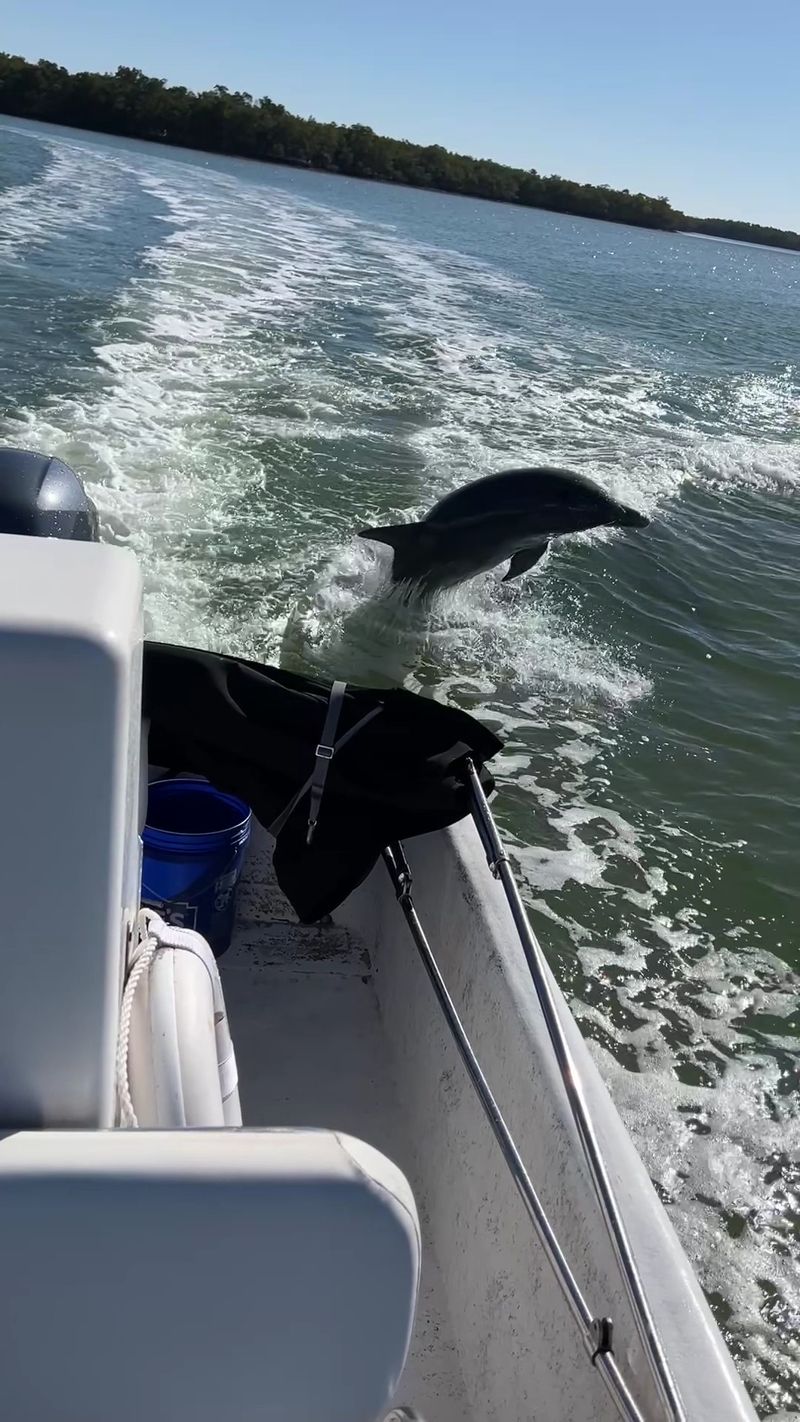
Dolphins seem to have a standing appointment with these boats. Sightings come up again and again among people who take the tours.
Bottlenose dolphins often play in the wake. Guides know how to encourage them, and the animals sometimes follow along for several minutes.
On one trip, a pod stayed with the boat for about 10 minutes. They jumped and turned on their sides, seemingly watching the passengers as much as the passengers watched them.
Plenty of people call it one of the most amazing things they have seen. Dolphin watching has become a big draw for the store’s tours.
Birds add to the wildlife count. Tours often pass many species as the boat moves through the islands.
Of course, wild animals keep their own schedules. No tour can promise a show, but the odds here appear to be quite good.
Bring a camera and keep it ready, because these locals rarely wait for anyone to finish adjusting settings.
Souvenirs, Snacks and a Slice of Key Lime Pie
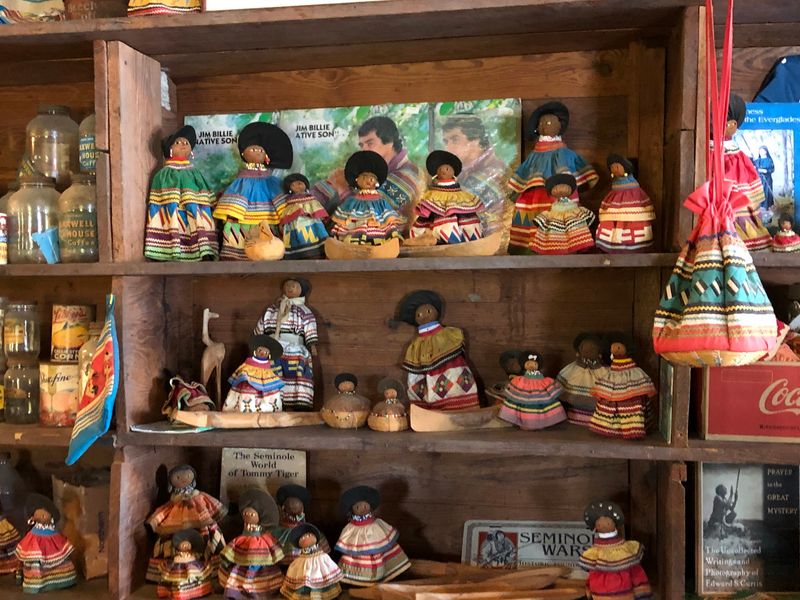
Every good trading post needs something to trade. The modern version includes a souvenir shop tucked into the historic building.
Shirts, keepsakes and small gifts fill the shelves. Picking up a shirt is a popular way to remember the trip.
Drinks are available for a quick break. The store also sells key lime pie, a classic Florida treat that fits the setting well.
Shopping here also supports the building. Sales and admission both help keep a small island museum open year after year.
Some of the merchandise leans toward simple trinkets. Others may find something with more local character, so browse with an open mind.
Remember that the shop area and museum flow together. It is easy to drift between the old displays and the new goods without noticing the line.
Leaving with a small bag in hand feels fitting, since people have been doing exactly that at this counter for generations.
Hours, the Five Dollar Fee and Cash Tips
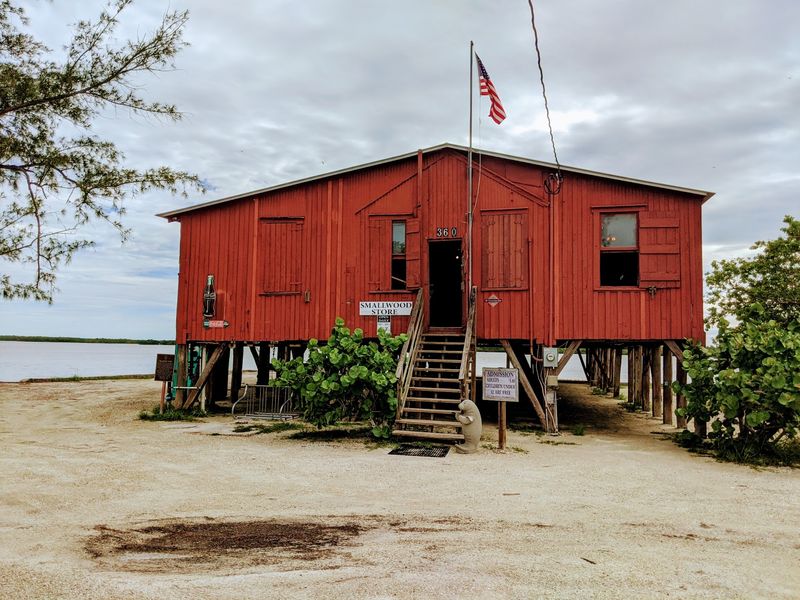
Practical details first. Current listed hours run from 10 a.m. to 5 p.m., seven days a week.
Seasonal schedules have been noted in the past. Hours of 10 a.m. to 5 p.m. from December through May and 11 a.m. to 4 p.m. from May through November have been mentioned, so checking the official website before driving out is wise.
Admission to the museum is $5 for adults. Some people walk away at the door over the fee, yet many others call it one of the best few dollars they have spent.
That small fee helps preserve the building and keep the doors open. For the price of a coffee, guests get more than a century of local history.
Cash only comes up in several conversations about the store. Bringing some bills is a safe move for admission or small purchases.
Tickets in advance are not usually needed. Walk-ins tend to get right in, though boat tours may call for booking ahead.
Parking is not huge, but the lot is rarely packed, which suits the island’s relaxed rhythm.
Who Will Love This Quiet Island Stop
Not every trip needs a theme park. Some of the best memories come from a quiet island, an old building and an afternoon on the water.
History fans will feel right at home here. So will road trippers, families and anyone curious about old Florida before the highways arrived.
Plan for about 30 minutes in the museum. Add a boat tour, and the stop easily becomes a half-day outing.
Some people return decades after their first visit. One guest came back roughly 60 years later and appreciated the history even more as an adult.
Travel videos have helped spread the word. Yet the island itself remains sleepy, with no crowds pushing the pace.
The verdict is gentle but clear. The Smallwood Store is small, honest and rooted in its place, and its 4.5-star standing reflects steady affection.
Drive past Everglades City, cross the causeway and keep going until the road runs out. The old trading post will be waiting, just as it has for more than a century.
Enjoyed this story?
Add Fast Food Club as a preferred source to see more of our reporting on Google.