


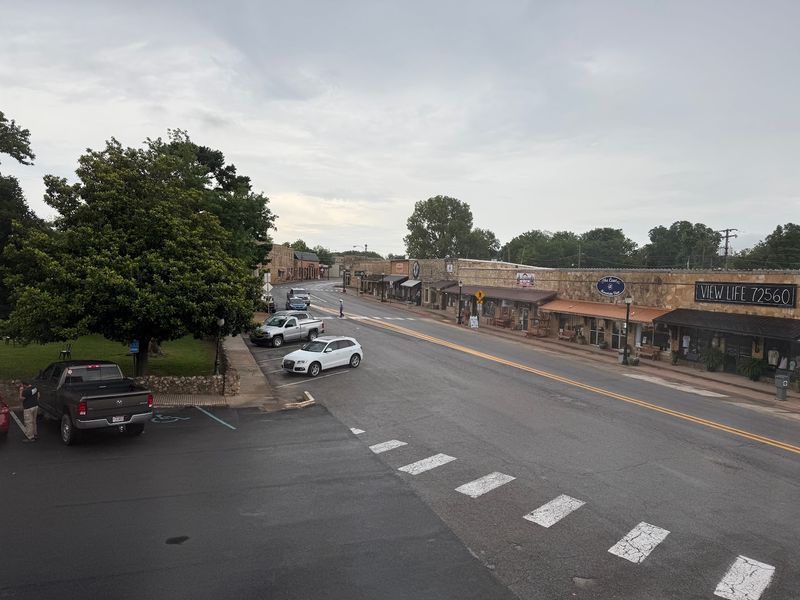
Some towns sell T-shirts about music. One small Ozarks town built its whole economy around it.
With fewer than 3,000 residents, this corner of north-central Arkansas carries a title most big cities would envy: Folk Music Capital of the World. Fiddles, banjos and old mountain ballads are not a museum exhibit here.
They are part of everyday life, and the tradition keeps drawing travelers back year after year. Add a slower pace, wooded hills, and a cost of living that still feels refreshingly modest, and it is easy to see why some people come for a weekend and start browsing home listings by Sunday.
Keep reading for the story behind the title, the setting that shapes it, what makes the town tick, who will feel at home here, and the practical details worth knowing before the trip.
A Small Seat With a Big Title
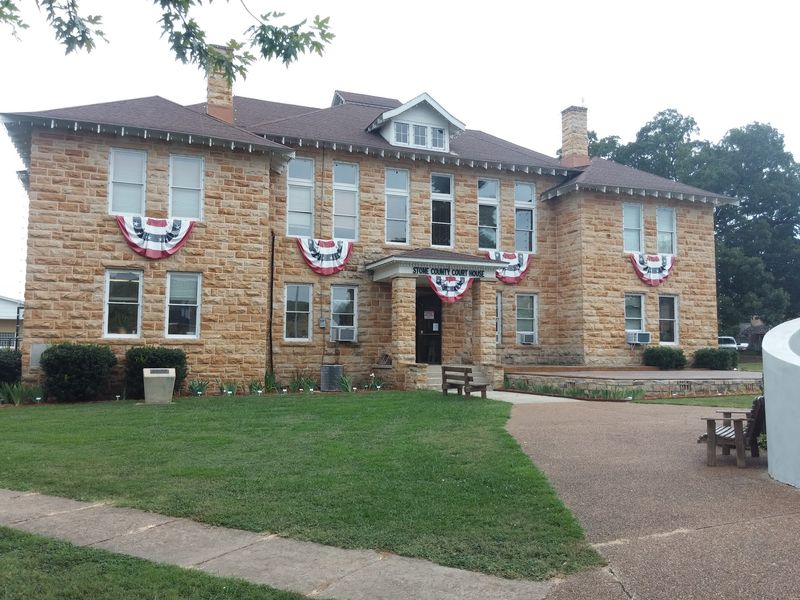
Mountain View sits at Arkansas 72560, USA, in the heart of the Ozark Mountains. It is the largest city in Stone County and also serves as the county seat.
Largest is a relative word here. As of the 2020 census, the population stood at 2,877 people, which means the whole town could fit inside a modest college arena with seats to spare.
That small size is a big part of the appeal. The town has not grown into a sprawling hub, and it has not tried to.
Instead, it leans on one clear identity. Mountain View calls itself the Folk Music Capital of the World, and that title is more than a slogan on a welcome sign.
Tourism tied to folk music drives much of the local economy. In other words, the songs people play here actually help keep the lights on.
For travelers, that creates an unusual mix. There is the feel of a quiet county seat with government offices and everyday errands, paired with a cultural draw that pulls in guests from far beyond Arkansas.
Stone County itself is rural, and Mountain View acts as its practical and social center. Groceries, services and community events tend to orbit around it.
Small town, tall order, and somehow it delivers.
How Old Songs Became a Town Economy
Folk music in the Ozarks did not start as a tourist attraction. It started as something families did at home, passing tunes and ballads from one generation to the next.
Mountain View took that heritage and built a reputation around it. Over time, the town became known as a place where traditional music is not only preserved but actively played.
The result is an economy where culture and commerce shake hands. Lodging, dining, shops and events all benefit when people show up to hear the music.
That connection gives residents a clear reason to protect the tradition. A town that earns its living from folk music has every incentive to keep the strings tuned.
There is also a quiet lesson in that history. Rather than chasing trends, Mountain View doubled down on what was already there.
Plenty of small towns across rural America have struggled to find a footing after older industries faded. Mountain View found its footing in a fiddle case.
The story is still being written, too. Each new player who learns an old tune adds another chapter to a local heritage that refuses to go out of style.
Ozark Hills on Every Side
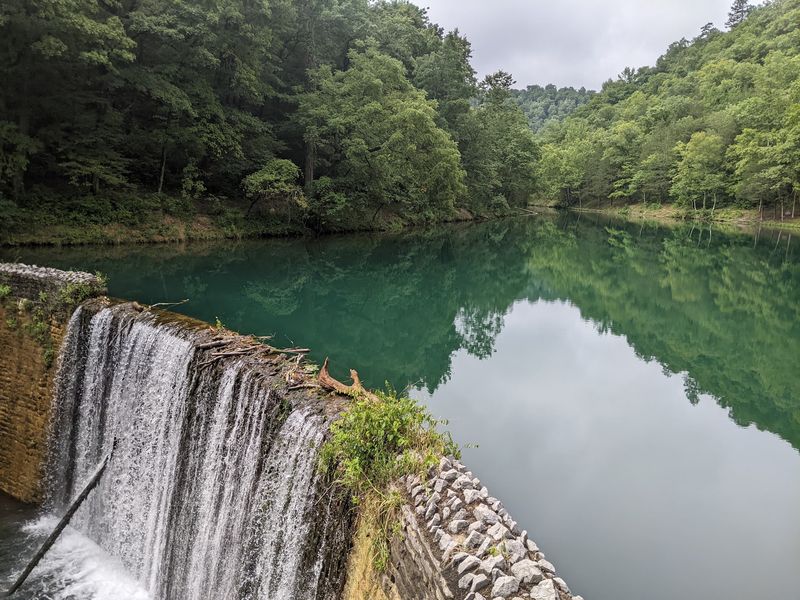
Geography explains a lot about Mountain View. The town is tucked into the Ozarks, a hilly, heavily wooded region spread across parts of Arkansas and Missouri.
Those hills shaped the culture. Communities that were once fairly isolated held tightly to their own songs, stories and ways of doing things.
Today, the same terrain is a big reason people visit. Winding roads, ridgelines and river valleys make the drive in part of the trip.
The name Mountain View is refreshingly honest marketing. Hills really do frame the horizon from many spots around town.
Outdoor lovers tend to find plenty to do in the wider Stone County area. Hiking, river time and scenic drives pair naturally with an evening of music.
The White River runs through the region, and the Ozark National Forest stretches across a large part of north Arkansas. Both add an outdoorsy layer to any visit.
For anyone thinking about moving, setting matters as much as price. Here, the backdrop is less concrete and more canopy.
It is the kind of landscape that encourages people to slow down, and in Mountain View, slowing down is practically a local hobby.
Jam Sessions on the Square
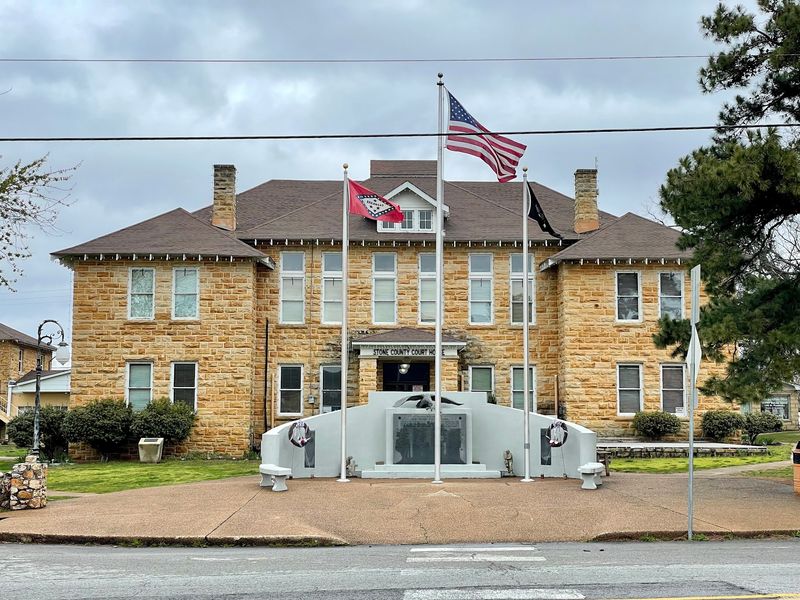
Music in Mountain View is known for spilling out of formal venues and into public spaces. The courthouse square has long been a gathering spot for informal picking sessions.
Musicians bring instruments, form circles and play together. Some are seasoned players, while others are still working through their first few chords.
The appeal is how casual it all feels. Nobody needs a stage, a ticket or a setlist to join the fun.
Listeners can wander from one group to another, catching a gospel number here and an old fiddle tune there. It is a moving concert with no fixed schedule.
These sessions tend to happen more often in warmer months and on weekends. Checking with the city or local tourism resources before a visit is a smart move.
For newcomers, the square offers an easy way to meet people. Music has a way of turning strangers into neighbors within a song or two.
It also shows that the Folk Music Capital title is not just a museum label. The tradition is alive, and it is being played in real time, by real people, on any given evening.
The Folk Center Up the Hill
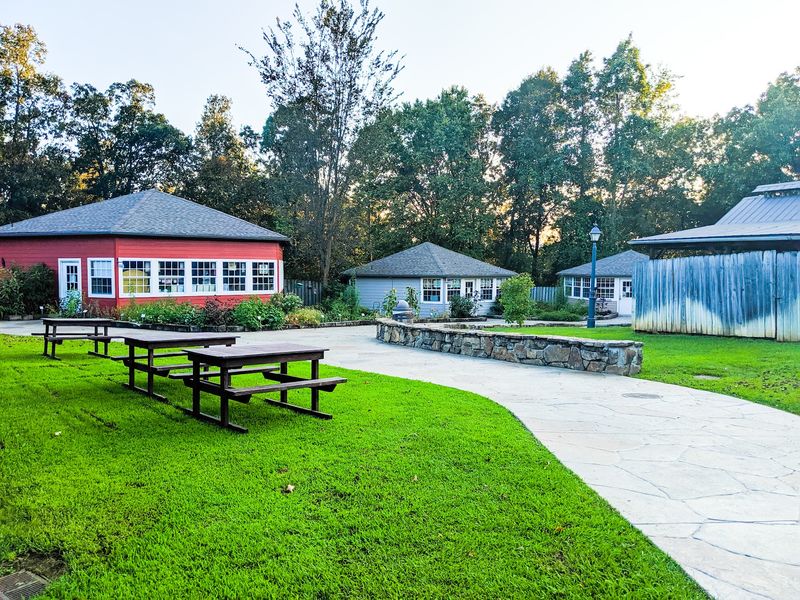
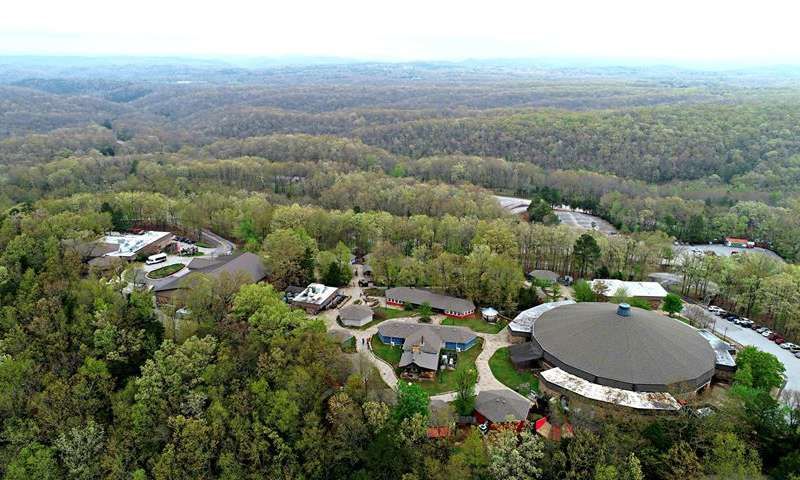
Just outside downtown, the Ozark Folk Center State Park gives the town’s musical identity a dedicated home. It focuses on preserving the music, crafts and heritage of the Ozark region.
The park is one of the main reasons people plan trips to Mountain View. It pairs live music with traditional craft demonstrations and educational programs.
Craft traditions get serious attention here. Skills that were once everyday necessities in Ozark households are shown and taught to new audiences.
The music side often features traditional styles that fit right in with the town’s heritage. Programs and schedules change by season, so planning ahead pays off.
For families, it works as a hands-on history lesson. Kids get to see how things were made and played long before streaming services existed.
For adults, it can spark a new hobby. More than one guest has left thinking about buying a dulcimer, whether or not that dulcimer ever gets played.
Hours and admission details can shift, so checking the official state park information before visiting is the best way to avoid surprises.
Caves and Clear Water Nearby
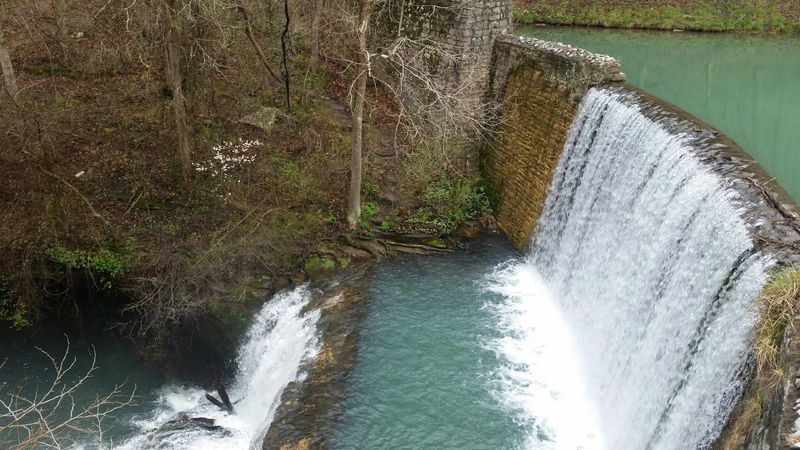
Music may be the headliner, but the opening act lives underground. Blanchard Springs Caverns, located in the Ozark National Forest north of Mountain View, is one of the region’s best-known natural attractions.
The caverns are managed by the U.S. Forest Service.
Guided tours lead groups through the cave system, showing off formations shaped over a very long stretch of time.
It makes a strong daytime plan before an evening of music back in town. Tour availability varies, so reservations or advance checks are wise.
Above ground, the White River draws people who like fishing, floating and spending time on the water. The river has long been part of life in this corner of Arkansas.
Together, these places make Mountain View a useful home base. Travelers can split their time between outdoor adventures and cultural experiences without long drives.
For those weighing a move, this nearby access matters. Weekend plans here tend to involve trails and rivers more than shopping malls.
In short, the area gives people plenty of reasons to stay longer than one night, and a few reasons to never leave at all.
Why Home Prices Turn Heads
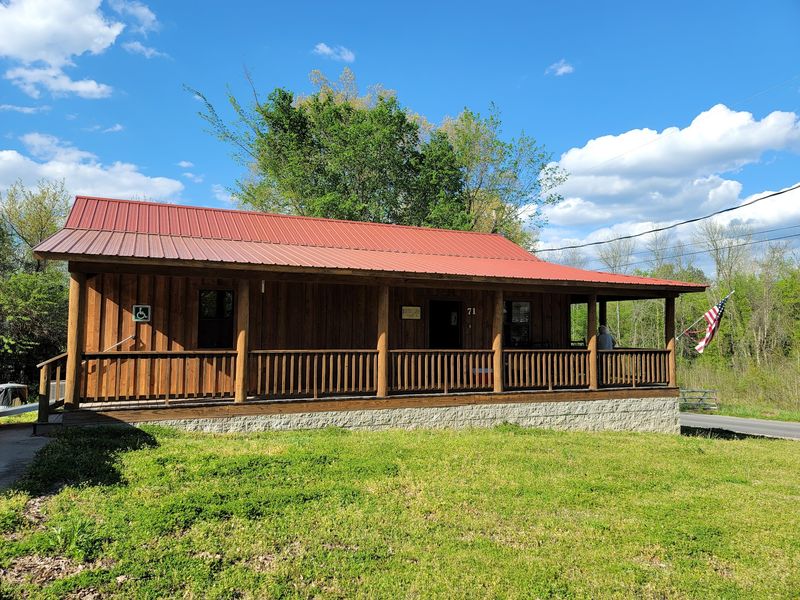
Real estate is where Mountain View tends to surprise people from bigger metro areas. Rural Ozark towns like this one have generally offered housing costs well below national averages.
Several factors play into that. The population is small, the area is rural, and there is no major metro market pushing prices upward.
That does not mean every listing is a bargain. Prices depend on the property, its condition, its acreage and its location.
Still, for buyers coming from expensive coastal or urban markets, the difference can feel dramatic. A budget that buys a cramped condo elsewhere may stretch much further in Stone County.
Buyers should do their homework. Local real estate agents, county records and current listings give the most reliable picture of what homes are actually selling for.
It is also smart to consider the tradeoffs. Fewer big-box stores, longer drives to major hospitals and airports, and a smaller job market are all part of the package.
For remote workers and retirees, though, those tradeoffs can be easy to accept. A lower housing cost paired with a strong sense of place is a combination that keeps catching attention.
Life at a Gentler Speed
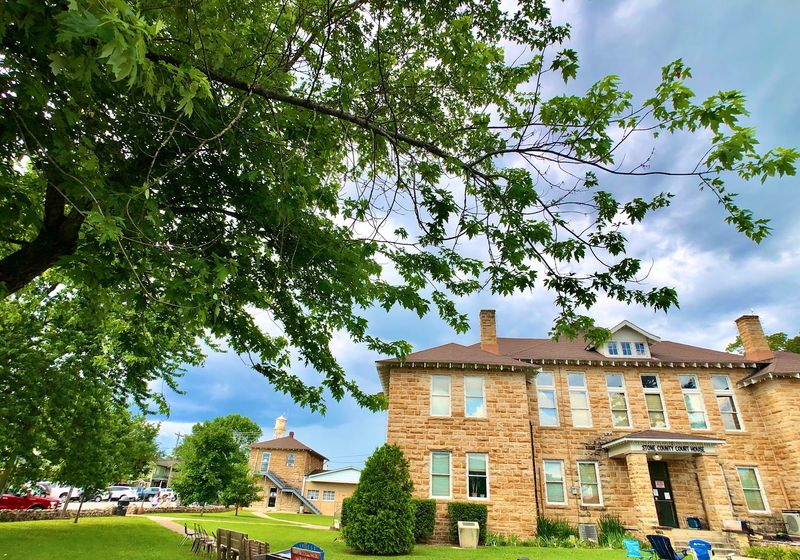
Traffic jams are rare in a town of under 3,000 people. Daily life in Mountain View runs at a pace that big-city residents may need a week to adjust to.
That slower rhythm is a selling point for many. Errands take less time, faces become familiar quickly, and community events carry real weight.
Being the county seat helps, too. Government services, local businesses and community gatherings tend to be centered in town.
The arts and music focus adds a cultural layer that many small towns lack. Residents are not limited to quiet nights at home when live music is part of the local fabric.
Of course, small town life comes with its own realities. Shopping options are more limited, and some specialized services may require a drive to a larger city.
For people who value connection over convenience, that trade often feels fair. Neighbors tend to matter more when there are fewer of them.
Mountain View is not trying to be a suburb. It is comfortable being exactly what it is, and that steady confidence is part of what draws newcomers in.
Festivals That Fill the Calendar
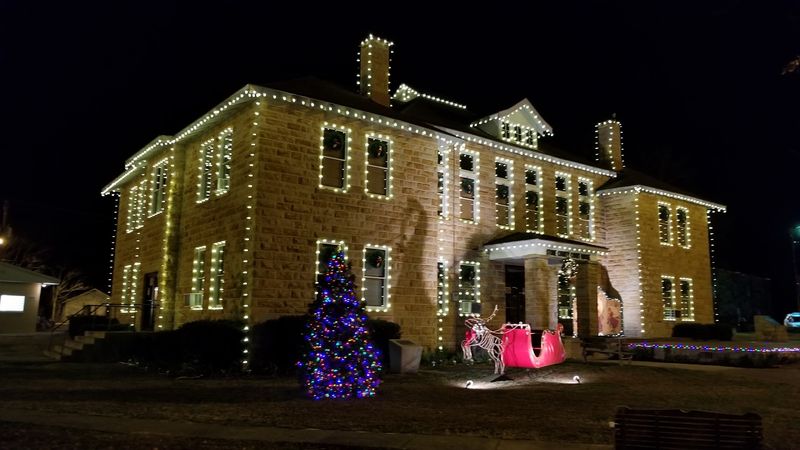
Spring and fall tend to be when Mountain View turns up the volume. The town hosts seasonal events that celebrate its music, crafts and heritage.
The Arkansas Folk Festival, held in the spring, is one of the best-known traditions in town. It brings music, parades and community activities to the area.
Bean Fest and the Great Arkansas Championship Outhouse Race are fall events that show off the town’s sense of humor. Yes, outhouse racing is a real thing here, and it is exactly as quirky as it sounds.
Dates change each year. The city website at mtnviewcity.com and local tourism resources are the best places to confirm schedules.
Festival weekends can be busy by small town standards. Booking lodging early is a good idea for anyone planning around a major event.
For prospective residents, these events offer a preview of community life. They show how locals celebrate, gather and support one another.
A town that can host both serious music and an outhouse race clearly knows how to have fun without taking itself too seriously.
Who Feels Right at Home Here
Some places fit almost everyone a little. Mountain View fits certain people a lot.
Musicians and music lovers are the obvious match. Few towns of this size offer so many chances to hear, learn and play traditional music.
Retirees often find the combination appealing. Lower living costs, a slower pace and a built-in cultural scene can make the later years feel full.
Remote workers are another group to watch. With a reliable internet connection, a job based elsewhere can pair nicely with small town housing costs.
Outdoor enthusiasts have plenty to like as well. Rivers, forests and caves are all part of the regional picture.
On the other hand, people who crave nightlife, large shopping centers or a big job market may feel boxed in. Honest expectations make all the difference.
Families should research schools, healthcare access and commute times carefully. Rural living works best when the practical details line up.
The best way to test the fit is simple. Spend a few days, attend an event, talk with locals, and see if the town’s tempo matches your own.
Getting There and Planning Ahead
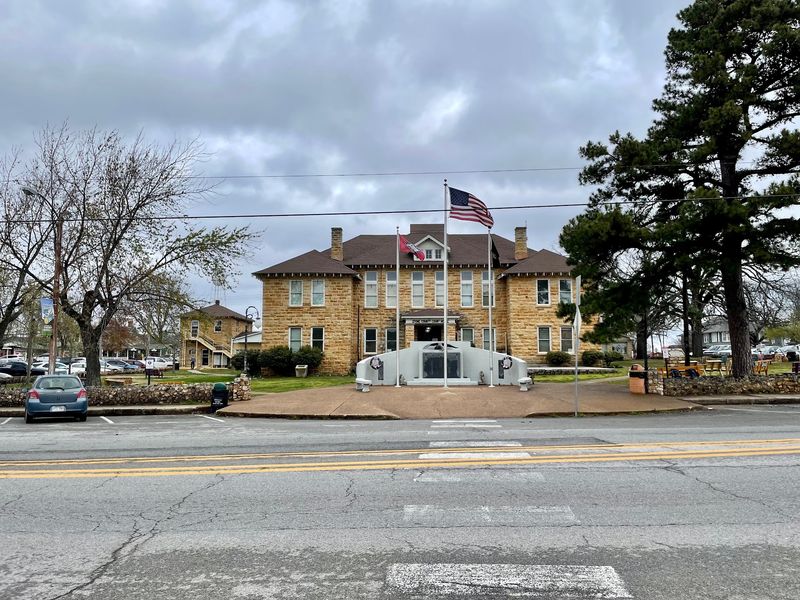
Reaching Mountain View usually means a drive. The town sits in rural north-central Arkansas, and there is no major commercial airport right next door.
Many travelers fly into a larger regional airport and rent a car. From there, scenic two-lane roads wind through the Ozarks toward Stone County.
A car is close to essential once in town. Nearby attractions like the caverns, the river and the Folk Center are easiest to reach with your own wheels.
Hours for parks, attractions and events can change by season. The official city website at mtnviewcity.com is a good starting point for current information.
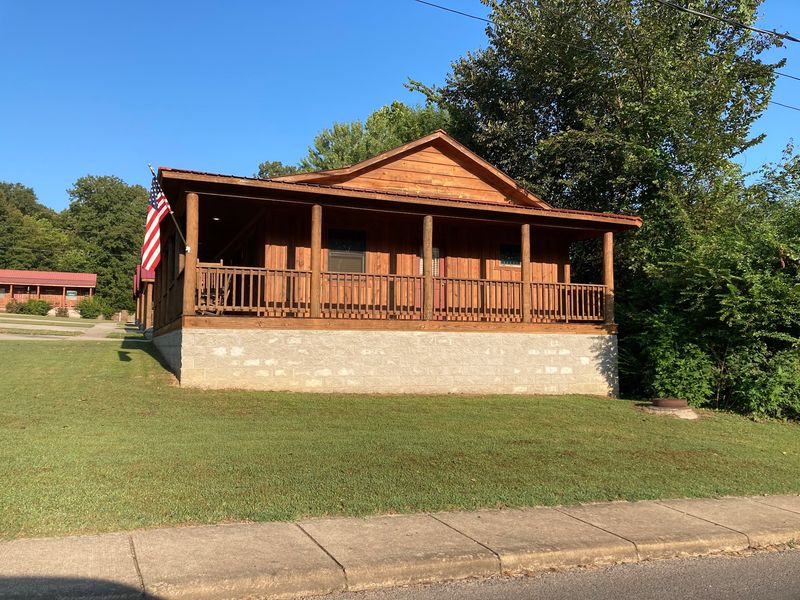
Lodging options tend to be smaller in scale, which is part of the charm. During festival weekends, rooms can book up, so early planning helps.
Spring and fall are popular times to visit because of the event calendar. Summer brings river activity, while winter is quieter.
Packing for hills and outdoor time is wise. Comfortable shoes go a long way between the square, the trails and the cave tours.
A little prep turns a simple trip into a smooth one.
A Verdict in Three Chords
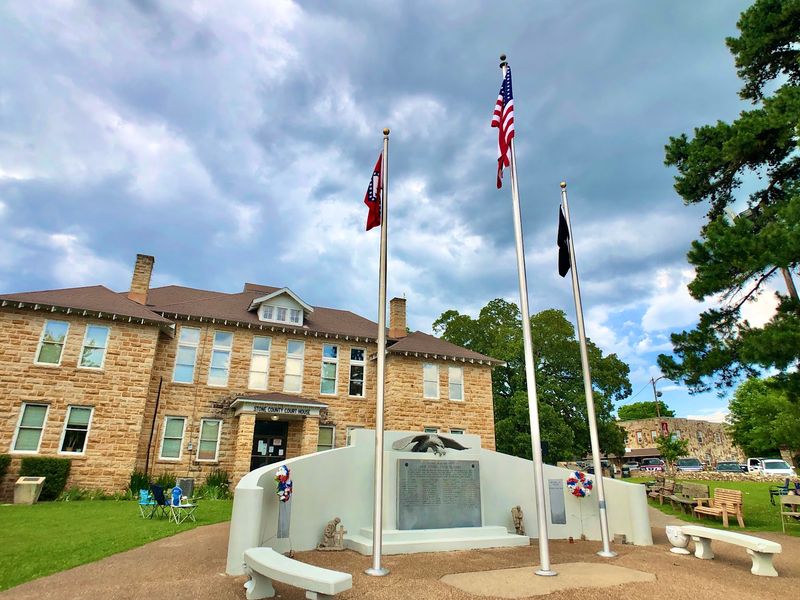
Plenty of towns claim to have character. Mountain View backs it up with a title, a tradition and a population that keeps the music going.
Its strengths are clear. A deep folk music heritage, an Ozark setting full of outdoor options, and housing costs that tend to stay well below big-city levels.
Its limits are honest, too. It is small, rural and far from major airports and large job centers.
For travelers, it makes a memorable stop. A weekend of jam sessions, craft demonstrations, cave tours and river time is hard to replicate elsewhere.
For people thinking about relocating, it deserves a serious look. The value is not only in the price of a house but in the kind of life that comes with it.
The smartest approach is to visit first. Attend a festival, browse local listings with an agent, and spend an evening around the courthouse square.
Mountain View will not suit everyone, and it does not need to. For the right person, this little county seat in the Ozarks might just be the song they did not know they were waiting to hear.
Enjoyed this story?
Add Fast Food Club as a preferred source to see more of our reporting on Google.