


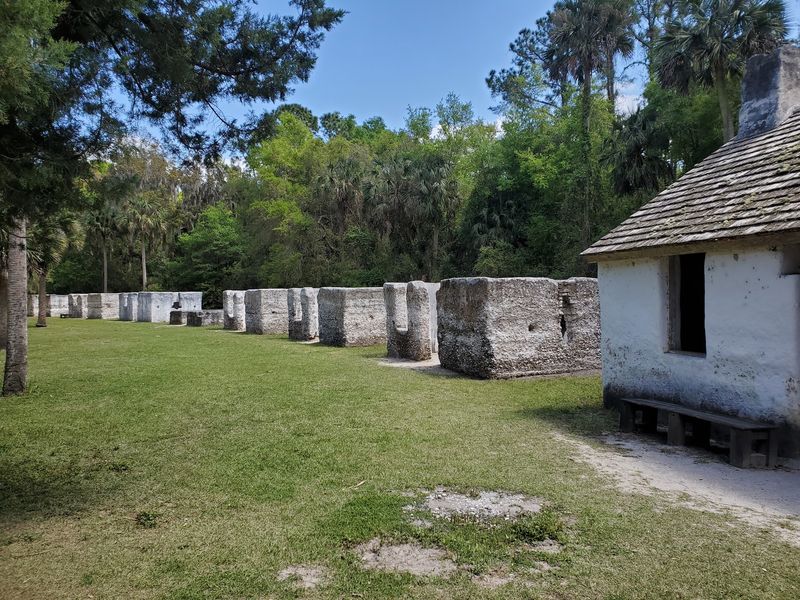
At the end of a narrow dirt road in northeast Jacksonville, a row of old tabby walls still stands in an open field. The road winds through swamp and tall trees hung with Spanish moss, and it asks drivers to slow down and share the way.
At the end waits one of the oldest plantation sites in Florida, run today by the National Park Service. It is free to enter, it is honest about a hard chapter of the past, and it leaves people thinking long after they head home.
A Riverfront Site on Fort George Island
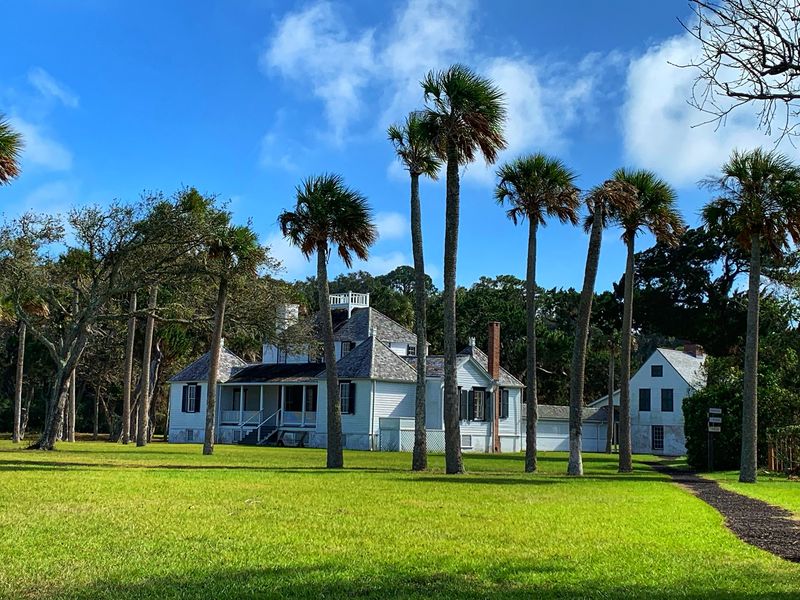
Kingsley Plantation sits at 11676 Palmetto Ave, Jacksonville, FL 32226, on the northern edge of the city. It is part of the Timucuan Ecological and Historic Preserve, managed by the National Park Service.
The property faces the water, with outbuildings scattered across open ground. Those include a barn, a main house, and a long line of quarters where enslaved families once lived.
Officially, the site is listed as a historical place, and that label fits. Nothing here feels like a theme park, and nobody pretends the story is simple.
Most people arrive expecting a quick stop. Many leave having spent an hour or more reading signs, listening to narration, and chatting with the park staff.
The setting is calm, with large fields, tall trees, and water views on the edge of the grounds. That calm sits side by side with a history that asks for real attention.
So the first thing to know is simple. This is a riverfront plantation preserved to tell the truth about the people who lived and worked on it, and the walk begins well before the gate.
The Long Dirt Road Through the Swamp
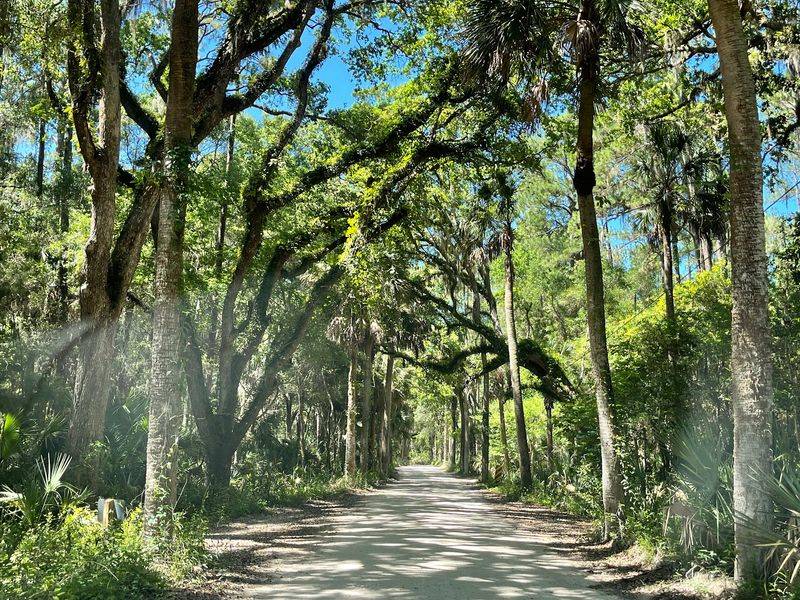
Getting there is half the adventure. The road in is gravel and dirt, cutting through swampy ground under a canopy of big trees and Spanish moss.
It is narrow, too narrow for two cars to pass comfortably in many spots. Drivers pull over into wider areas when someone approaches, and the local custom is patience and a polite wave.
Potholes can appear, so this is not the place to test anyone’s need for speed. Tour buses sometimes use the same stretch, which makes those pull-off spots even more useful.
Plenty of people count the drive as a highlight of the trip. The greenery is thick, the trees are large, and the scenery makes the slow pace easy to accept.
A little planning goes a long way here. Leave extra time, keep an eye out for oncoming traffic, and treat the road as the opening scene rather than an obstacle course.
By the time the trees open up and the fields appear, the outside world feels a long way off, which suits what comes next.
Tabby Walls That Refuse to Fall
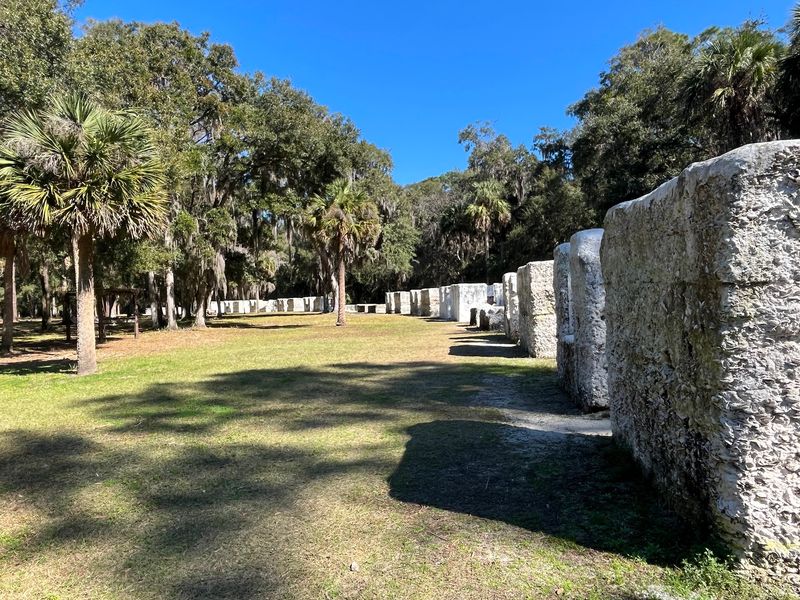
Tabby is a building material made with shells, and the walls here have outlasted generations. The remaining slave quarters at Kingsley Plantation are built of it.
The cabins stand in a row, some partly crumbling, others still holding their shape. They sit farther from the main house, so reaching them takes a bit of a walk.
That distance matters. The quarters are where the site’s story becomes personal, showing where enslaved families lived under extremely difficult conditions.
Many people describe this part of the grounds as humbling. Some come back again and again just to stand by the tabby and remember.
There is another layer worth noticing. The skill of the people who built these walls shows in how long they have lasted, a quiet record of craftsmanship that the structures themselves still carry.
Time near these walls is rarely rushed. Take it slowly, read the exhibits, and let the ruins do the talking.
A Story With a Surprise at Its Center
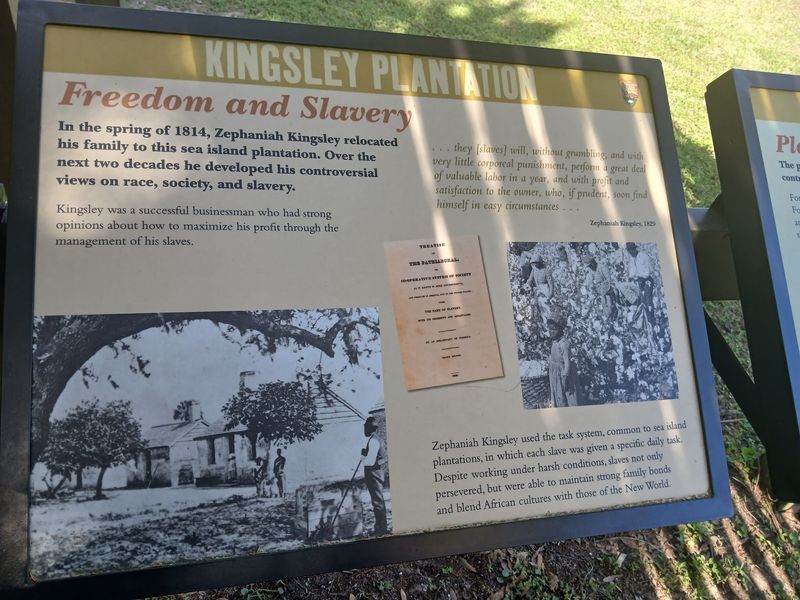
History here comes with a twist that catches many people off guard. The people who ran this plantation included an African woman alongside a white man, a fact the site explains openly.
That detail makes the story more complex than most expect. It is part of why so many leave saying they learned something new about Florida history.
The land grew crops common to coastal northeast Florida. Sea Island cotton was a major one, along with corn, sugarcane, and other products that depended on enslaved labor.
Gaps exist in the record, since a lot of information from that era was never documented. Rangers and exhibits are candid about what is known and what remains unclear.
The telling covers many people who lived on the property, not just the owners. It also looks at resilience and the lives that continued after emancipation.
The result is a balanced account that does not soften hard truths. Come curious, and expect a few assumptions to get rearranged.
Audio Narration in Your Pocket
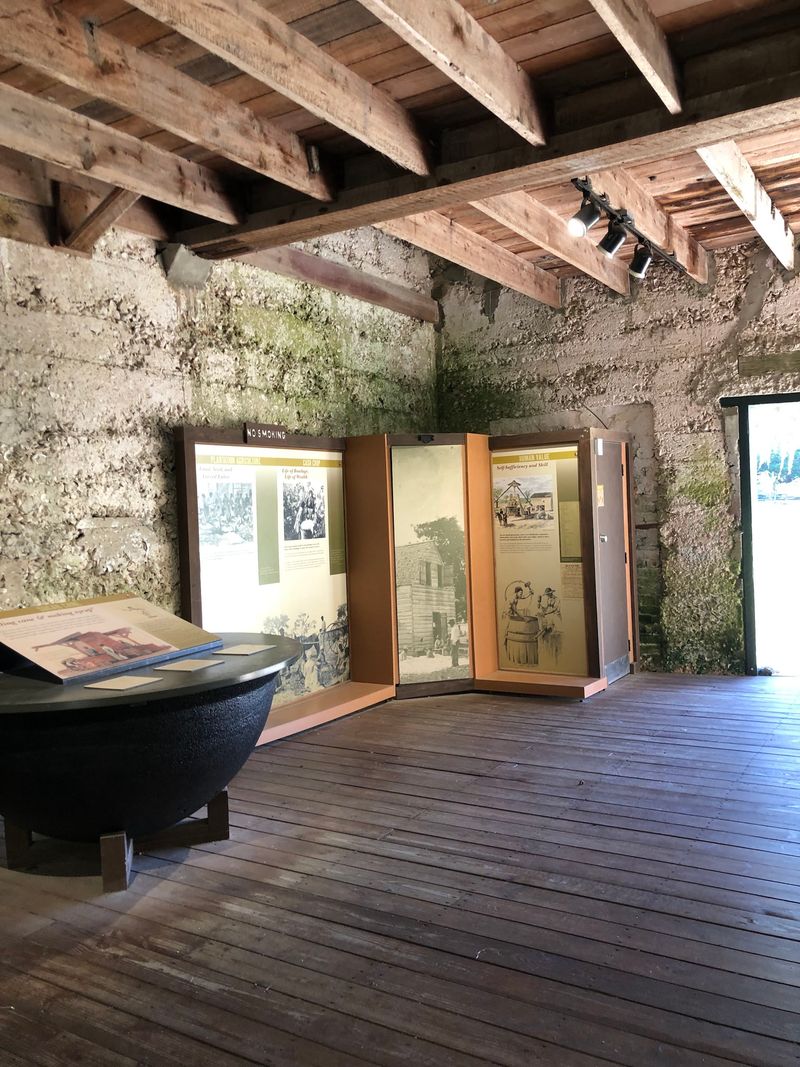
Some of the best guides at Kingsley Plantation fit in a phone. A self-guided audio tour covers stops throughout the grounds.
The narration can be accessed online, with recorded stories for each spot on the property. It shares details about the plantation, the people who lived there, and the era around them.
Many people call the audio tour the right decision. It turns a set of buildings into a connected story, which helps the history feel real.
Paths are clear and easy to follow, so moving from stop to stop is simple. The grounds are spread out, though, so comfortable shoes are a smart choice.
About an hour covers the main areas for most people, including time for photos. Those who listen to every recording and read every sign may want longer.
Charge the phone before the drive in. A pair of earbuds turns a simple stroll into a full lesson, no textbook required.
Rangers Who Know Every Corner
The person behind the gift shop counter is not just ringing up purchases. Rangers and park guides staff the visitor center, and they know this place deeply.
Their knowledge comes up again and again in what people share about the site. They answer questions, swap stories, and add context about lesser known parts of Florida history.
Some guests return mainly to keep the conversations going. Teachers have said they plan to bring students back after meeting the staff.
Rangers also lead tours, with weekend tours noted in the site description. Anyone hoping for a guided experience should check the National Park Service website before visiting.
Even a quick hello can change a visit. Ask about the buildings, the families, or the gaps in the record, and expect a thoughtful answer.
Good questions get good stories here, so bring a few.
Books, Stamps, and a Quiet Bench
Passport stamp collectors, take note. The visitor center has four stamps for the National Park Service passport book, which makes it a favorite detour on stamp road trips.
The bookstore and gift shop carry a solid selection of books and educational materials. Many items tie directly to the plantation and the region, so they work as learning tools rather than simple souvenirs.
Clean restrooms are available at the visitor center. That small detail matters on a site where the walk can stretch on.
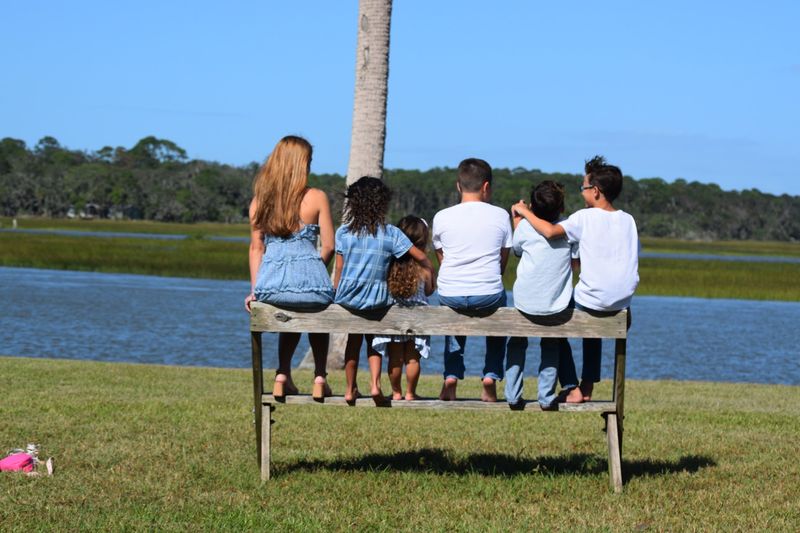
Outside, benches look out toward the water and sky. Sitting for a while is encouraged, and many people find it a peaceful way to process what they have seen.
The area by the water also works for a picnic-style break. Families with kids of all ages tend to enjoy the open space.
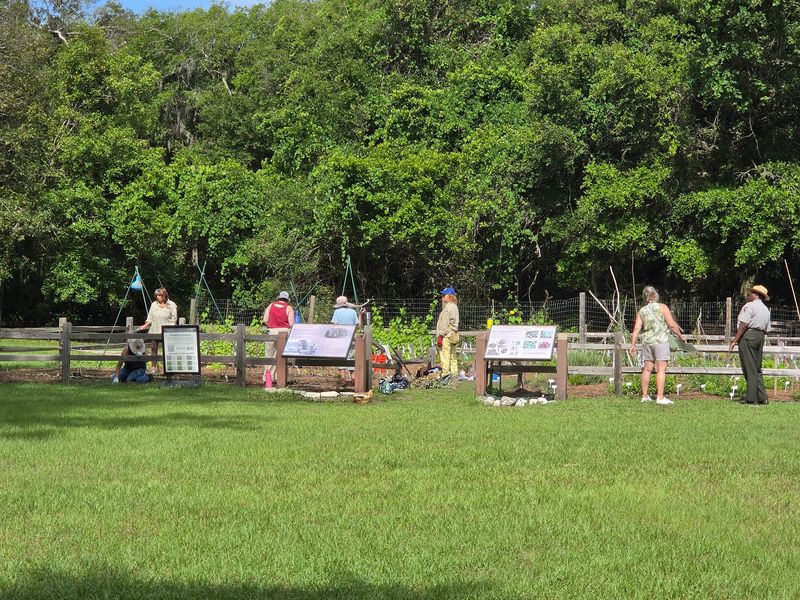
A garden sits on the grounds, too. Between the shop, the stamps, and the views, there is more to do than the ruins alone suggest.
Hours, Costs, and Smart Timing
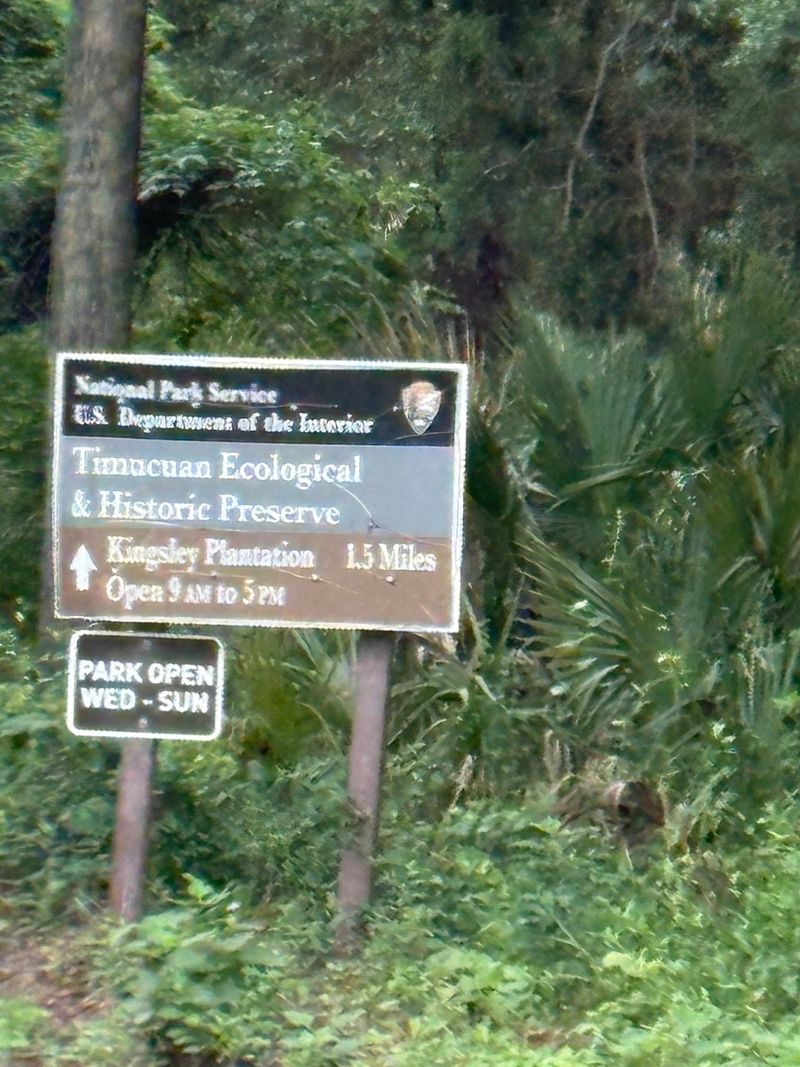
Calendars matter here. Kingsley Plantation is open Wednesday through Sunday from 9 AM to 5 PM and closed on Mondays and Tuesdays.
Entry is free, which makes it an easy add-on to any Jacksonville day. Budget the savings toward gas for that scenic drive.
The grounds get lots of full sun, so choose the day with care. Water, sunscreen, and insect repellent are good companions in warmer months.
Arriving earlier in the day tends to mean cooler temperatures and fewer people. It also leaves time to explore both the main house area and the more remote quarters.
Closures can happen during federal government shutdowns, when the gate may be locked. A quick check of the National Park Service website before leaving saves a wasted trip.
Plan for at least an hour on site. Add the slow drive each way, and a half day feels about right.
Why the Detour Earns Its Place
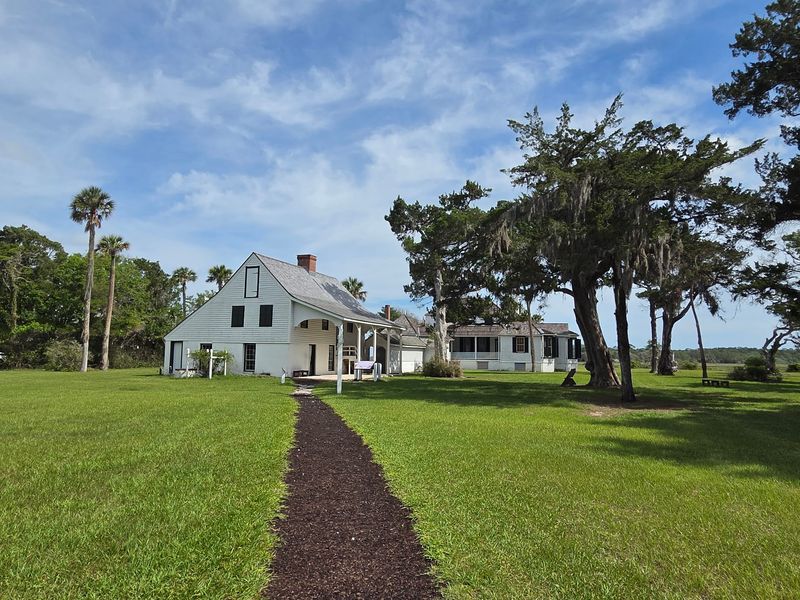
Plenty of historic sites ask for an afternoon. Few return as much for it as this one on Fort George Island.
The appeal is a mix of setting and honesty. Big trees, open fields, and water views sit beside tabby walls that tell a hard story without flinching.
It suits history fans, families, teachers, and stamp collectors alike. Anyone curious about Florida’s past will find more than expected.
The drive takes patience, and the sun takes planning. Both are small trades for a free visit with knowledgeable rangers and a well-kept property.
Many leave feeling both reflective and hopeful. The site makes room for grief over what happened and respect for the people who endured it.
For a quiet day that teaches something real, this corner of Jacksonville delivers. Those old walls have waited a long time, and they are still worth the walk.
Enjoyed this story?
Add Fast Food Club as a preferred source to see more of our reporting on Google.