


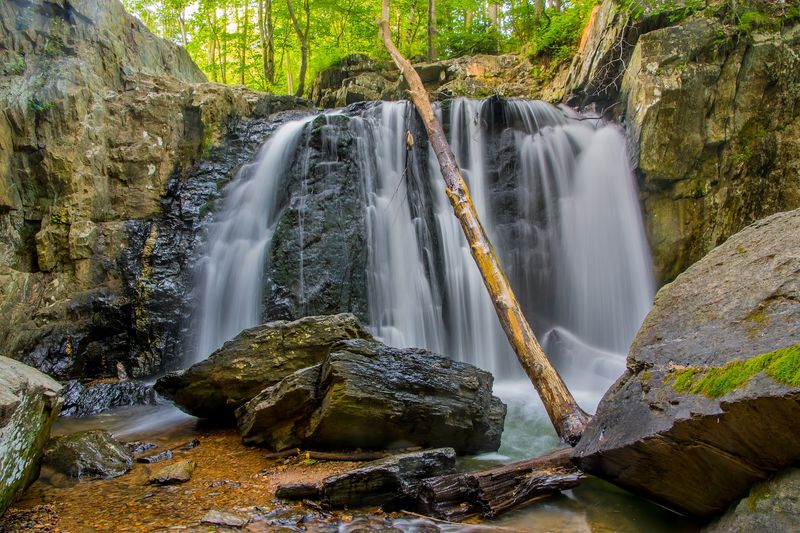
Some of the best adventures in Maryland do not need a long drive into the mountains or a full day of climbing. Up in the northern edge of Harford County, a short trail through the woods leads to a waterfall that ranks among the tallest in the state.
The walk is easy enough for kids, yet the setting feels far removed from busy roads and crowded towns. There is a creek to cross, boulders to sit on, and even a movie connection that surprises plenty of first-timers.
Keep reading to learn where it is, what makes it special, how the free reservation system works, and the smartest times to go so the trip runs smoothly from the parking lot to the falls.
A Hidden Cascade in Northern Harford County
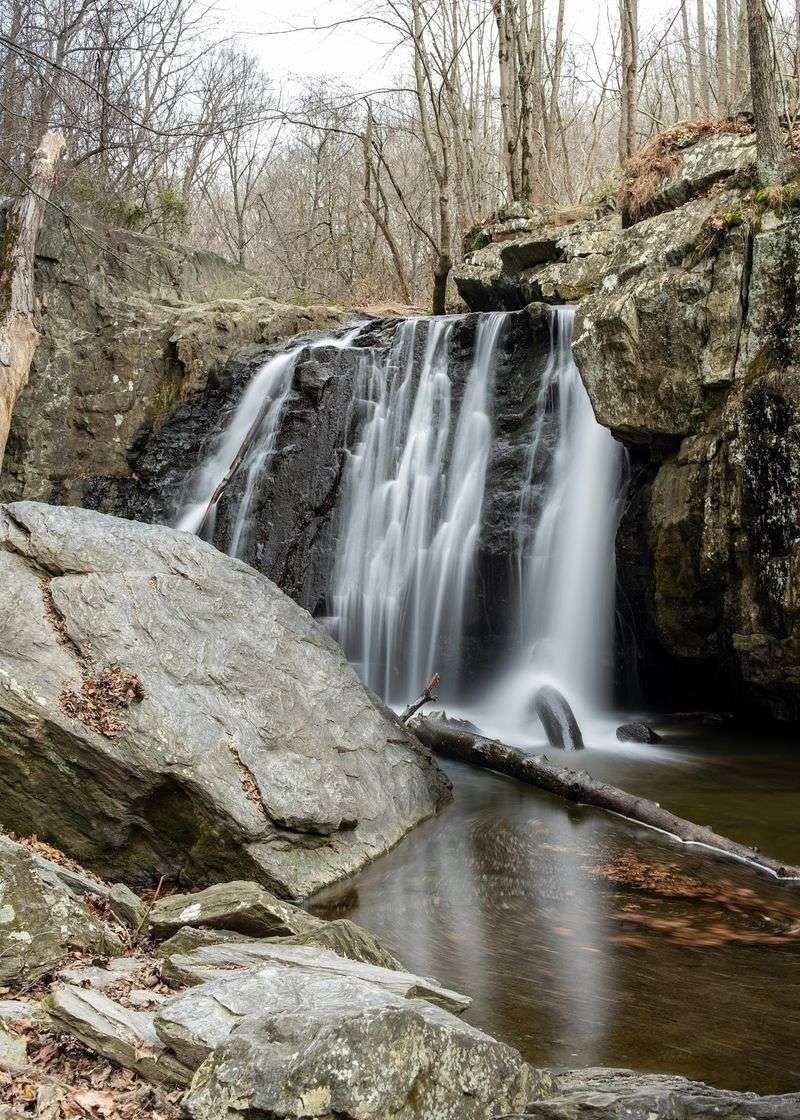
Tucked into the rolling countryside near the Pennsylvania line sits one of Maryland’s most beloved short hikes. Kilgore Falls is located at 1026 Falling Branch Rd, Pylesville, MD 21132, in the United States.
The falls belong to the Falling Branch area, which is managed by the Maryland Department of Natural Resources as part of Rocks State Park. That connection matters, because the state handles the rules, the hours, and the reservation system.
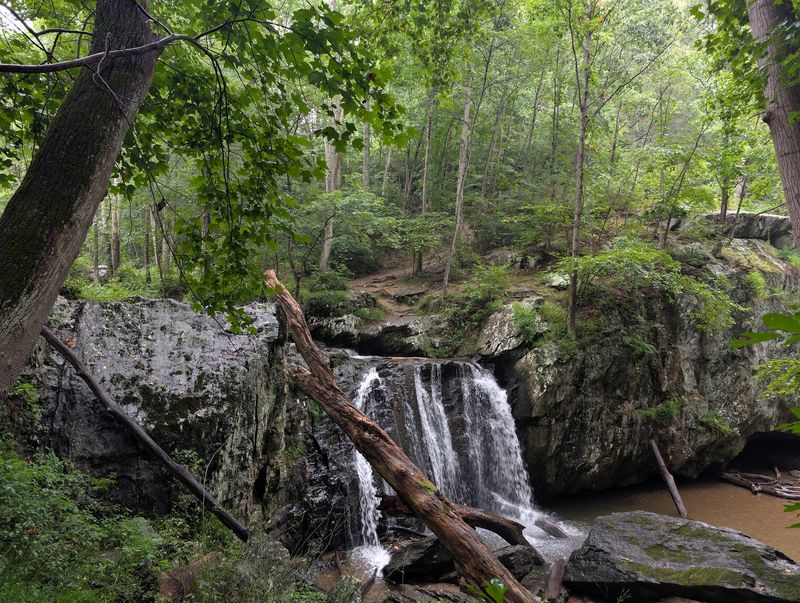
Google lists the spot simply as a scenic place, but that label sells it short. The main attraction is a 17-foot cascade that pours over a rock face into a shallow pool below.
The area carries a strong 4.6-star standing across more than 450 opinions, and the reasons are easy to spot. The trail is short, the payoff is big, and the surroundings feel wild without being hard to reach.
Pylesville itself is a small, rural community. Fields and farm roads lead the way in, so the drive becomes part of the slow-down feeling before the hike even starts.
Small parking lot, short trail, big waterfall. That simple formula is the whole story, and it explains why so many people return again and again.
Maryland’s Second-Tallest Vertical Drop
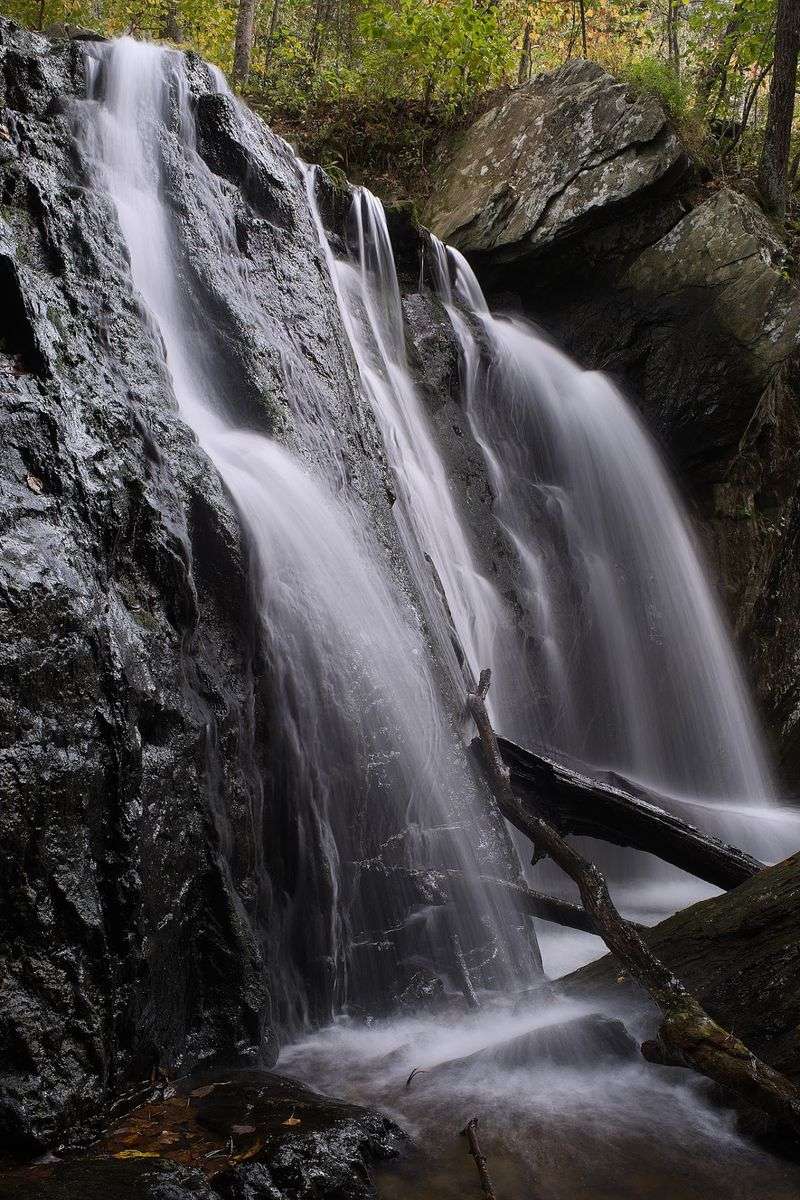
Seventeen feet might not sound like much on paper. In Maryland, though, that height earns Kilgore Falls the title of the state’s second-highest free-falling vertical waterfall.
That ranking gives the falls a bit of bragging power. Most waterfalls in the region tumble down rocky slopes rather than dropping straight off a ledge, so a true vertical fall stands out.
The stream feeding it is Falling Branch, a fitting name for a creek that literally falls. The water slides over a wide rock wall and spreads into pools at the base.
Flow levels change with the weather. After a dry stretch, the falls can look thin and quiet, while a few days of rain bring them back to full strength.
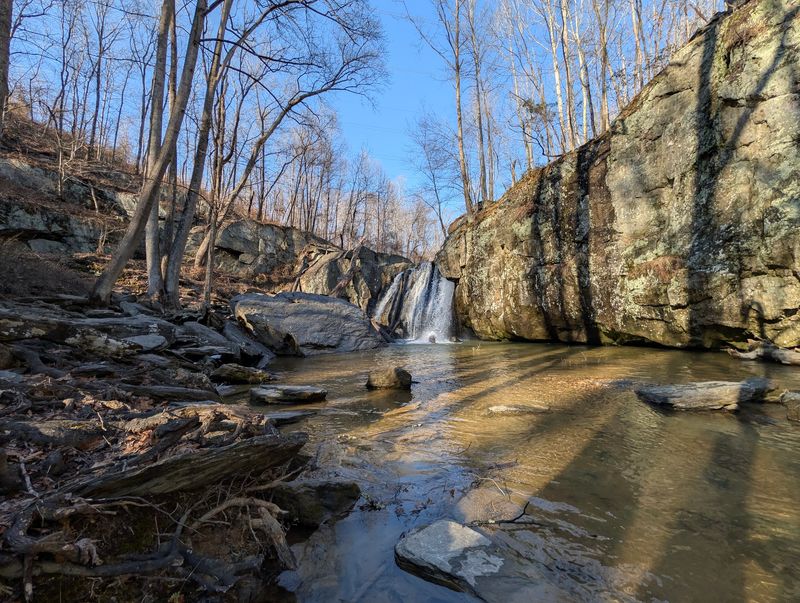
A December trip after weeks of little rain can show a much smaller stream than the summer photos suggest. Timing a visit after steady rainfall usually means a stronger show.
Even at low water, the rock formation itself is worth seeing. The ledge, the boulders, and the curved pool give the scene a shape that photographs well in any season.
Small state, tall falls, and a fun fact to share on the drive home.
The Hollywood Connection
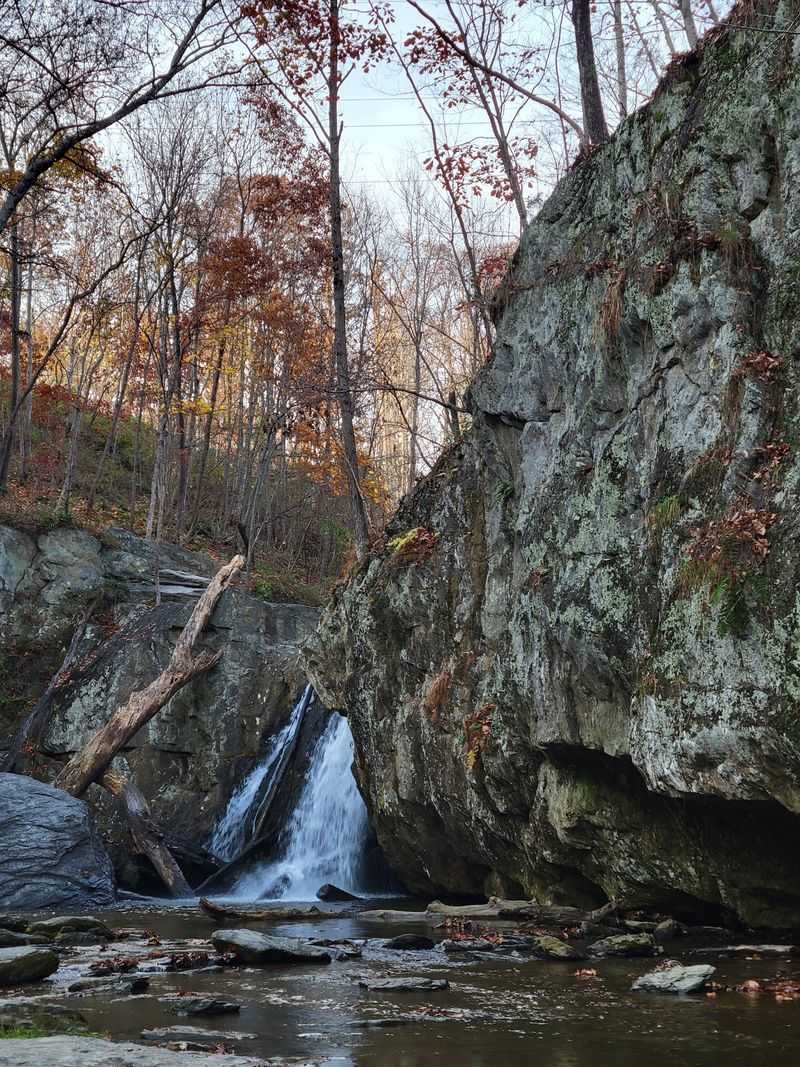
Movie fans, take note. Kilgore Falls appeared in the film Tuck Everlasting, which gives this quiet woodland corner a surprising bit of screen history.
Plenty of people arrive without knowing this detail. Learning it on the trail tends to add a fun layer to the walk, especially for families who have seen the movie together.
It makes sense that filmmakers picked this spot. The falls sit in a pocket of forest with large boulders and greenery all around, and the setting looks far from modern life.
That remote look is exactly what makes the place feel miles from anywhere. There are no buildings near the falls, no snack stands, and no paved plazas.
Fans who want to recreate a favorite scene should keep expectations realistic. Water levels, fallen branches, and the seasons all change the view from year to year.
Still, standing at the base of a waterfall that once played a role on the big screen is a neat bonus. Few short hikes in the state come with a credit roll attached.
Roots, Rocks, and a Short Shady Trail
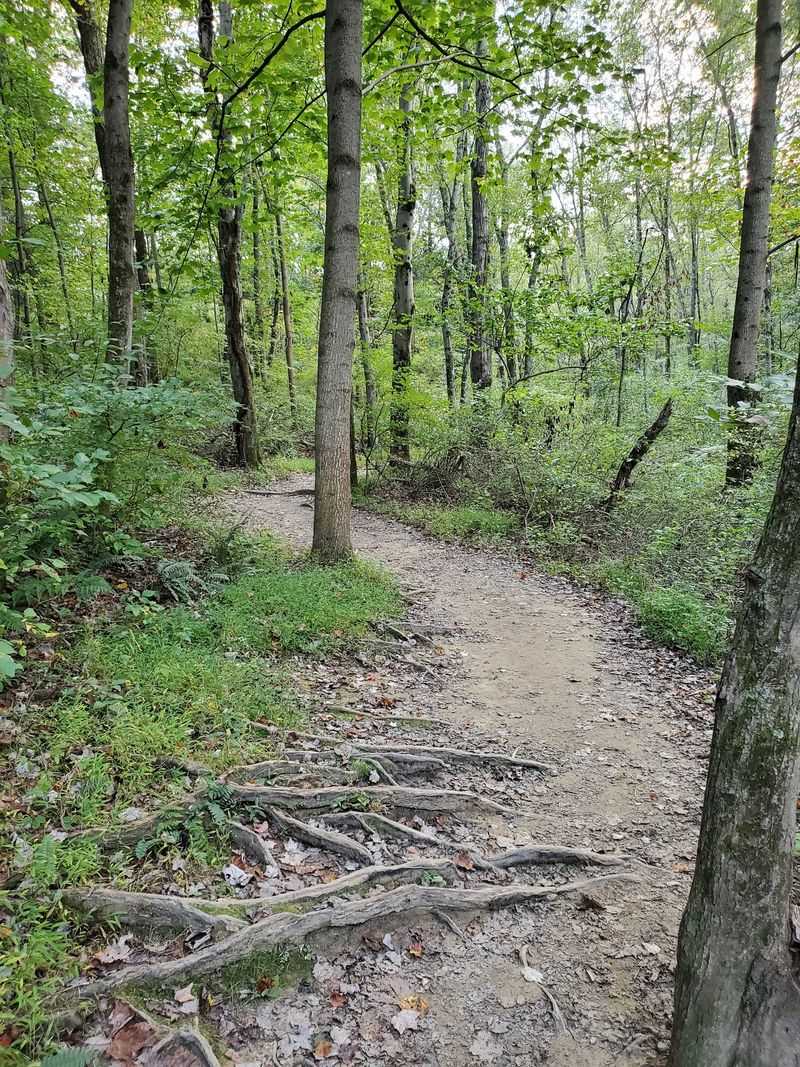
Half a mile. That is roughly the distance from the parking lot to the falls, which makes this one of the easiest waterfall payoffs in the region.
Some people count it closer to a mile depending on how much exploring they do. Either way, the walk stays short and manageable.
The path is mostly flat and well shaded by the forest canopy. Lush greenery lines the way during warmer months.
Easy does not mean smooth, though. Tree roots crisscross the trail, rocks pop up underfoot, and a few spots turn steep for short stretches.
After rain, the ground can get muddy. Shoes or boots that can handle some mess are a smart choice.
The trail is not suited for wheelchairs or people with significant mobility limits. Uneven ground and the creek crossing make access difficult.
For most walkers, including young kids and those who rarely hike, the route is very doable. People managing health issues have found it gentle enough to enjoy without strain.
A short split in the trail lets hikers choose between heading down to the base or up toward the top. Both options stay within easy reach.
The Creek Crossing Everyone Talks About
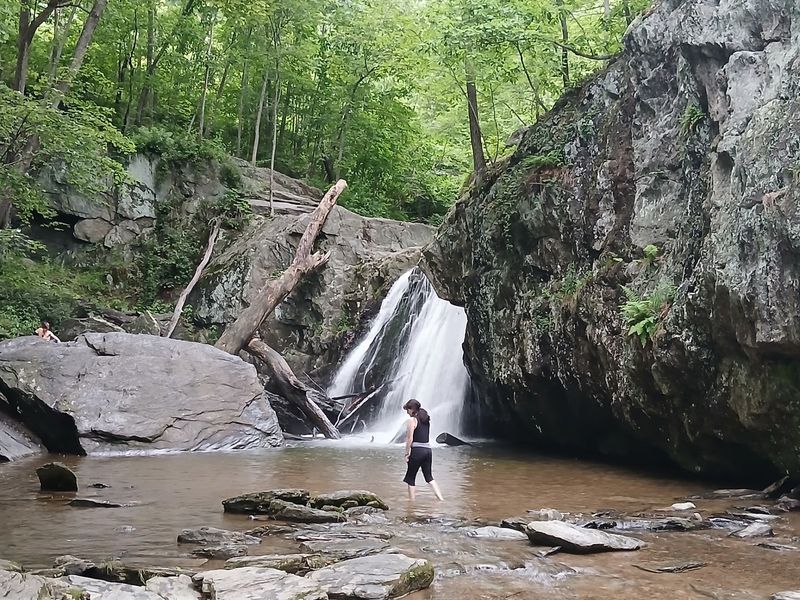
Here is the one obstacle between the trail and the best view. To get a front-row look at the falls, hikers need to cross Falling Branch.
The water is shallow in most spots. Stepping stones make it possible to rock-hop across with dry feet, as long as balance cooperates.
Those stones are often slick with algae. Careful footing matters, and rushing is a quick way to end up with soaked sneakers.
Water shoes are the popular solution. They protect feet from sharp rocks and remove the worry about getting wet.
An extra pair of shoes to change into afterward is another smart move. Wet socks on the drive home are nobody’s favorite souvenir.
Crossing closer to the falls tends to be easier. Some hikers also cross near the boulder wall, where the path across seems more direct.
During the rainy season, the creek can run higher and faster. Extra caution is wise then, especially with small children.
Skipping the crossing is an option too. The falls are still visible from the near side, just from a bit farther away.
Pools, Boulders, and Room to Linger
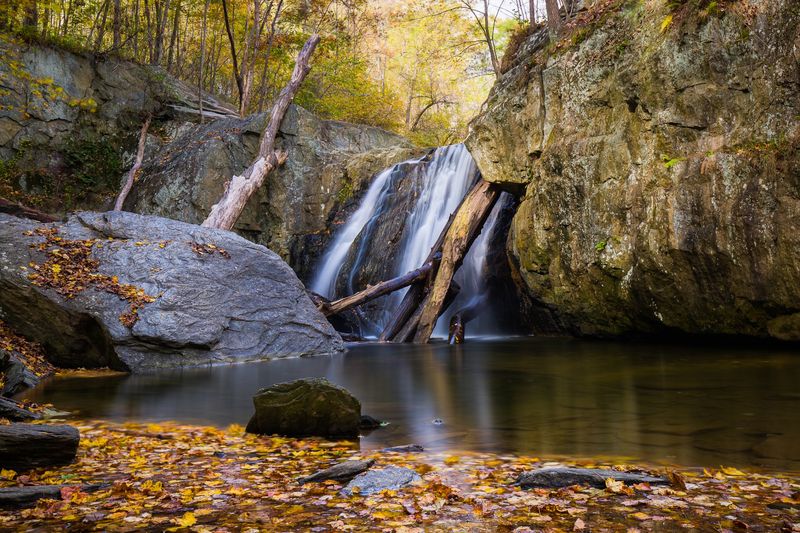
Once across the creek, the scene opens up. Large boulders surround the base of the falls, giving plenty of places to sit and rest.
The pool below the cascade is a favorite on warm days. Shallow sections let people wade knee deep, and some deeper areas near the rocks reach six feet or more.
The water stays cool rather than icy in summer. Combined with the shade, that makes the spot a popular escape from hot weather.
Kids especially love it here. Small pools form between rocks and fallen branches, creating natural splash zones for little ones.
There is also plenty of space to spread out. Groups can find their own corner without feeling packed in, at least on quieter days.
Photographers find many angles. The trails around the falls let people see the cascade from different perspectives.
Wet rocks remain slippery, so careful movement is important. Parents will want to keep a close eye on younger children near the water.
Bring patience and a little time. This is a place for lingering, not rushing.
A View From Above the Falls
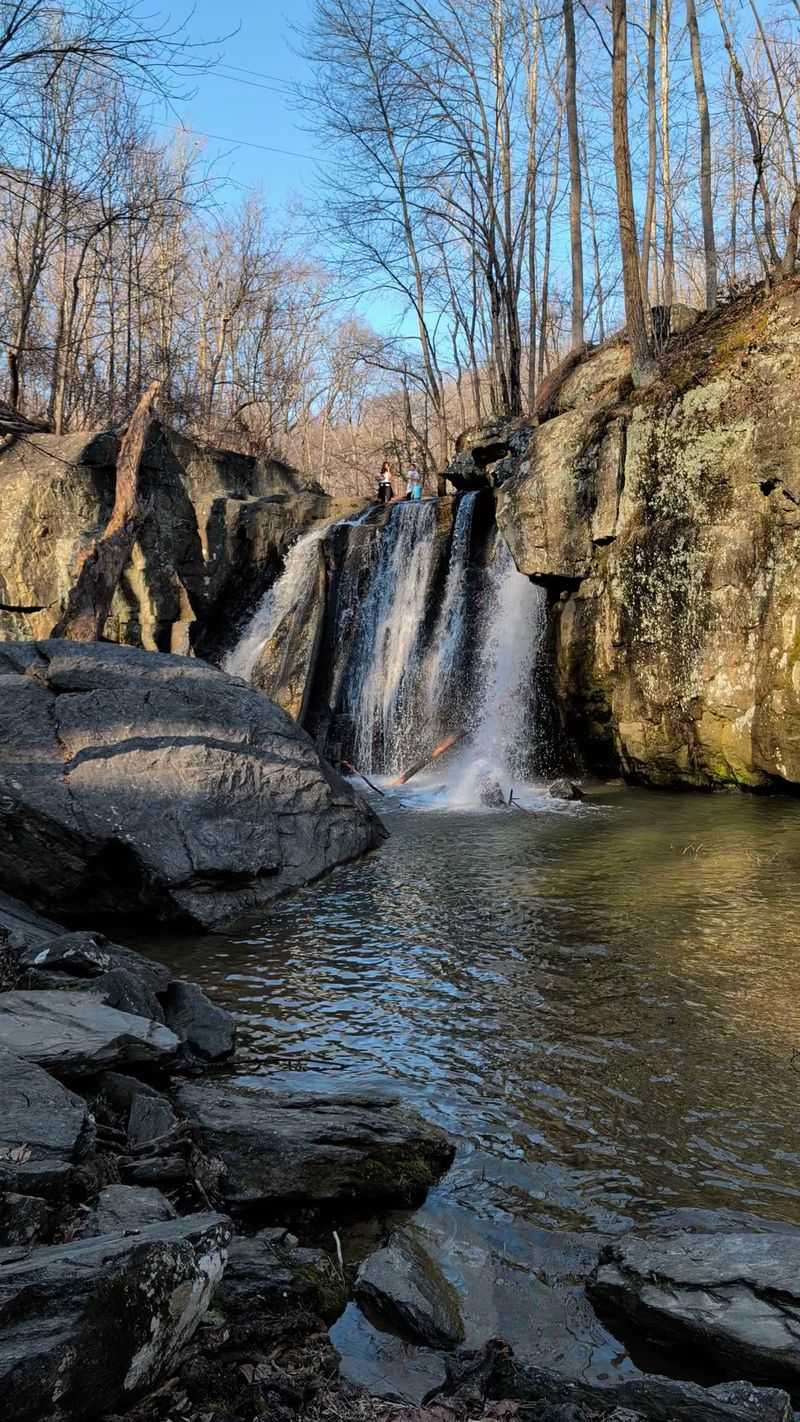
Most people stop at the bottom. The more curious ones head up for a different look.
A side trail climbs to the top of the waterfall, and the route is fairly easy to reach. It takes a bit more effort than the main path, but not much.
From above, hikers can see where Falling Branch gathers before it drops over the ledge. It is a fresh angle that many first-timers miss.
Some explorers cross over the top and follow the stream back along a loop. That makes the outing feel a little longer and more adventurous.
Care is essential near the edge. Rocks near moving water can be slick, and the drop is real.
Kids should stay close on this section. A steady pace and solid shoes make the climb comfortable.
The upper view rounds out the experience nicely. Seeing the falls from both the base and the top gives a fuller sense of the place.
Short hike, two vantage points, and bragging rights for taking the road less traveled.
Who Feels Right at Home Here
Some trails ask a lot. Kilgore Falls asks for very little and gives back plenty.
Young families top the list of fans. The short distance means small legs can make the trip, and the water play keeps kids busy for hours.
People who do not consider themselves outdoorsy also do well here. The route is approachable, and the reward arrives quickly.
Nature lovers who want calm come for the quiet. On a weekday, it is possible to have the falls almost entirely to yourself.
Photographers appreciate the variety of angles. The cascade, pools, and greenery offer plenty of material.
The crowd tends to be friendly. Even on busier days, the mood stays relaxed and welcoming.
One group should plan carefully, though. Anyone with serious mobility challenges may struggle with the roots, slopes, and creek crossing.
For most others, this is a low-pressure outing that still feels like a real adventure. That balance is hard to find.
Reservations, Hours, and Parking Rules
Planning ahead is the secret to a smooth trip. The parking lot is tiny, holding roughly 30 cars at most.
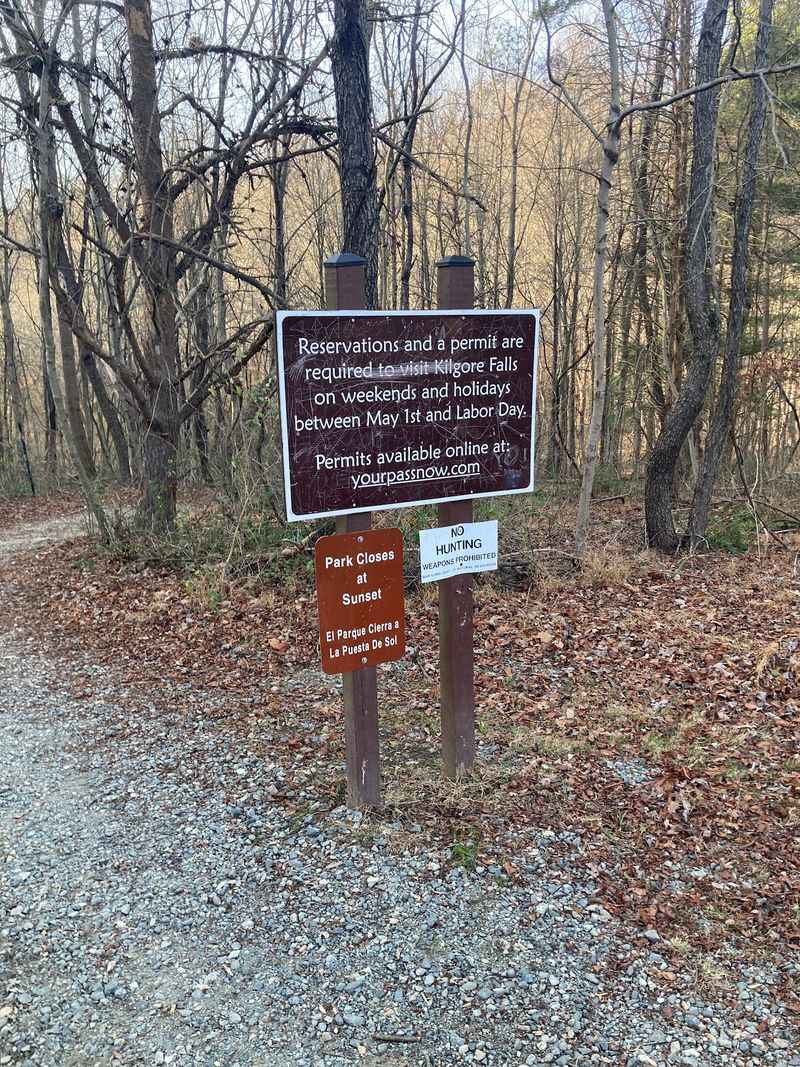
Because of that limit, the state uses a reservation system. From Memorial Day weekend through Labor Day, reservations are required on weekends and holidays.
The good news is that reservations are free. They are booked online through the Maryland DNR page for Falling Branch.
Spots can go fast. Booking early in the week is a smart move during peak season.
Outside the summer window, no permit is needed. Signage at the site can be confusing, so checking the official website before leaving home is the safest bet.
Parking outside the area is not allowed. Without a spot, there is no backup plan nearby.
Hours run from 8 AM to 8 PM every day of the week. Overnight stays are not permitted.
There are no trash cans or picnic facilities, so everything brought in must be carried out. Portable toilets have appeared at times, but they should not be counted on.
A little preparation keeps the day stress-free.
Best Timing for a Quiet Visit
Quiet is the whole point, so timing matters. Weekdays are the clear winner for anyone hoping to avoid crowds.
On a weekday, the lot can sit nearly empty. Some families end up alone with the falls for a while.
Early hours help too. Arriving around 8 to 10 AM, right after opening, beats most of the crowds.
Late weekday afternoons are another good window. Parking is easier and the trail feels calmer.
Warm weekends draw the biggest numbers, even in cooler months. A sunny Saturday in late February can still bring a busy lot.
For the strongest water flow, plan a trip after a few days of rain. Dry spells shrink the cascade noticeably.
Summer is ideal for wading, while spring and fall offer cooler hiking. Each season has its own appeal.
Pack water shoes, a spare pair of socks, and a bag for trash. Those three items solve most problems before they start.
Do that, and Kilgore Falls delivers exactly what it promises: a short walk to a big waterfall that feels far from everything.
Enjoyed this story?
Add Fast Food Club as a preferred source to see more of our reporting on Google.