


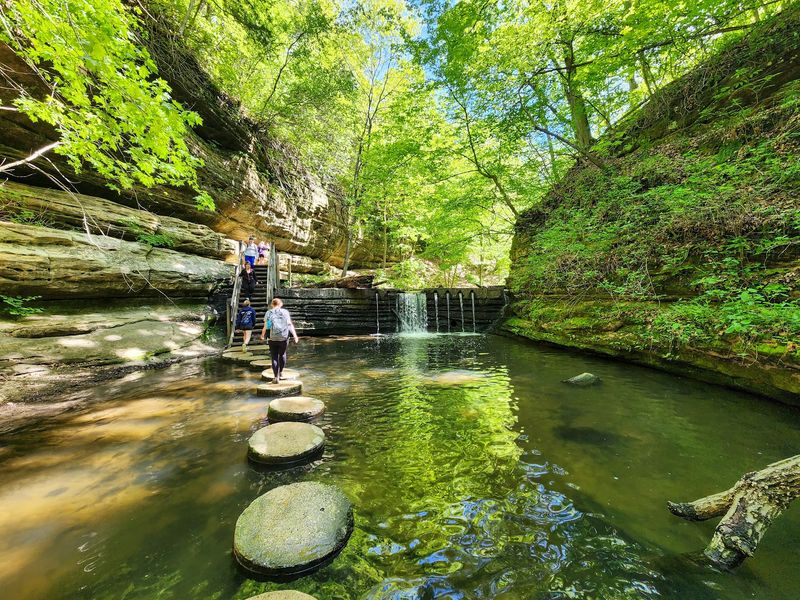
Everyone in northern Illinois seems to know the way to Starved Rock, and on a busy weekend it can feel like everyone is driving there at once. Just next door sits a quieter neighbor with its own deep sandstone canyon, two dramatic waterfalls, and creek crossings on round stepping stones.
It holds a 4.8-star average across more than 6,000 Google ratings, yet it still pulls a fraction of the foot traffic. The trails here ask more of your legs, with plenty of stairs and wet rock along the way.
In return, you get the same kind of canyon country without shoulder-to-shoulder hiking. Keep reading for the story behind the land, the best sections to explore, what to wear on your feet, and a few honest tips that can save your day.
Your sneakers may not thank you, but your camera roll probably will.
A Quiet Neighbor on Route 178
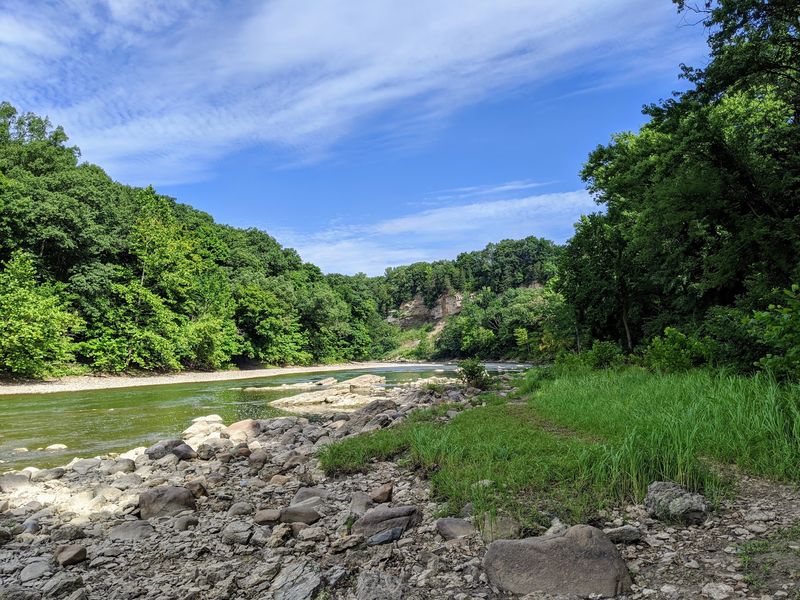
Starved Rock gets the headlines, but its neighbor has been quietly collecting fans for decades. Matthiessen State Park sits at 2500 IL-178, Oglesby, IL 61348, in north-central Illinois.
The park is described as a large forested area with a canyon, prairie land, springs, wildlife, camping, and horse trails. That mix gives it more variety than many first-timers expect.
Getting from the main parking lot to the trails is easy, which is a nice start before the stairs begin. The trails are generally well maintained and clearly marked, though a fallen tree or two can show up after storms.
Many people visit both parks in a single trip because they sit right next to each other. Plenty of hikers who have done both say that, if forced to pick one, they would choose this one.
The big reason is space. Weekday trips often feel close to empty, and even weekends tend to be calmer than at the famous park next door.
Holiday weekends are the exception, as later sections will explain. For now, just know that the address above is your ticket to a canyon with a lot more elbow room.
From Private Deer Park to Public Treasure
Long before it carried a state park sign, this land was a private estate called Deer Park. Its owner was Frederick Matthiessen, an industrialist and philanthropist from nearby LaSalle.
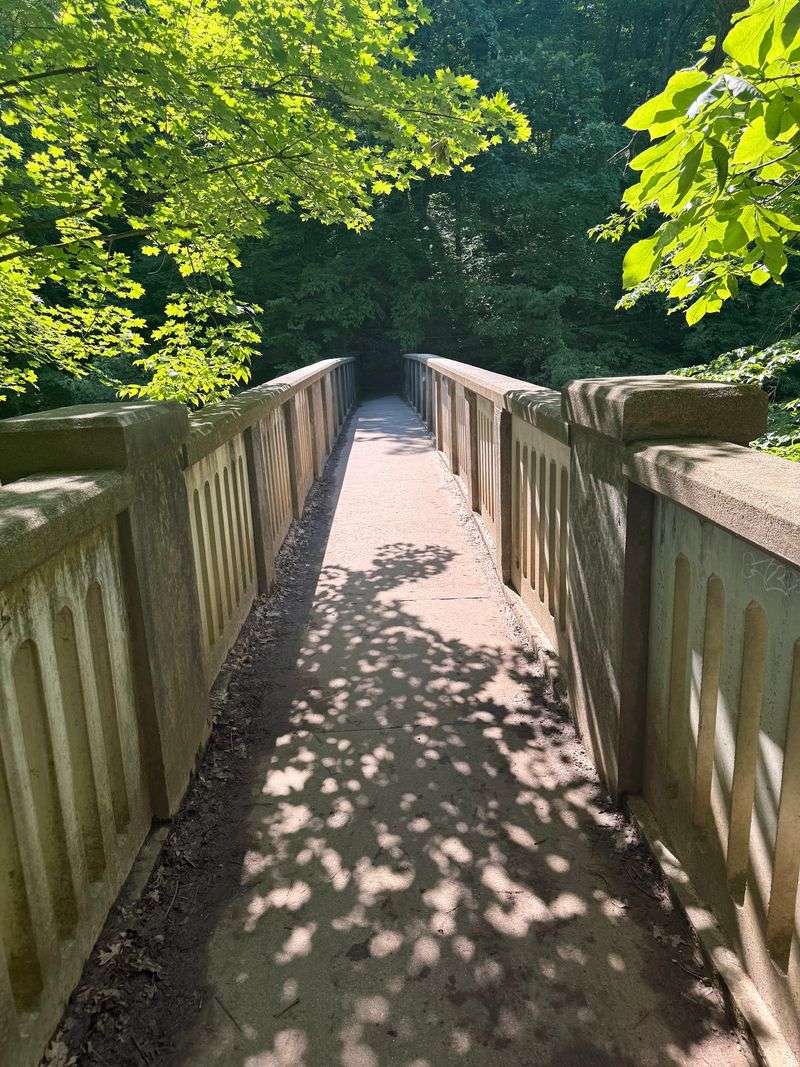
Matthiessen developed trails and structures here in the early 1900s. Some of his work still shapes how people move through the canyon today.
After his time, his heirs donated the land to the State of Illinois in 1943. The park has since grown to about 1,938 acres.
Interpretive signs along the trails share this history, so it is worth pausing to read them between staircases. They add context that makes the stone bridges and steps feel less random.
The staircases are mostly concrete rather than wood. They look old, yet they remain impressively sturdy after many Midwestern freeze-thaw seasons.
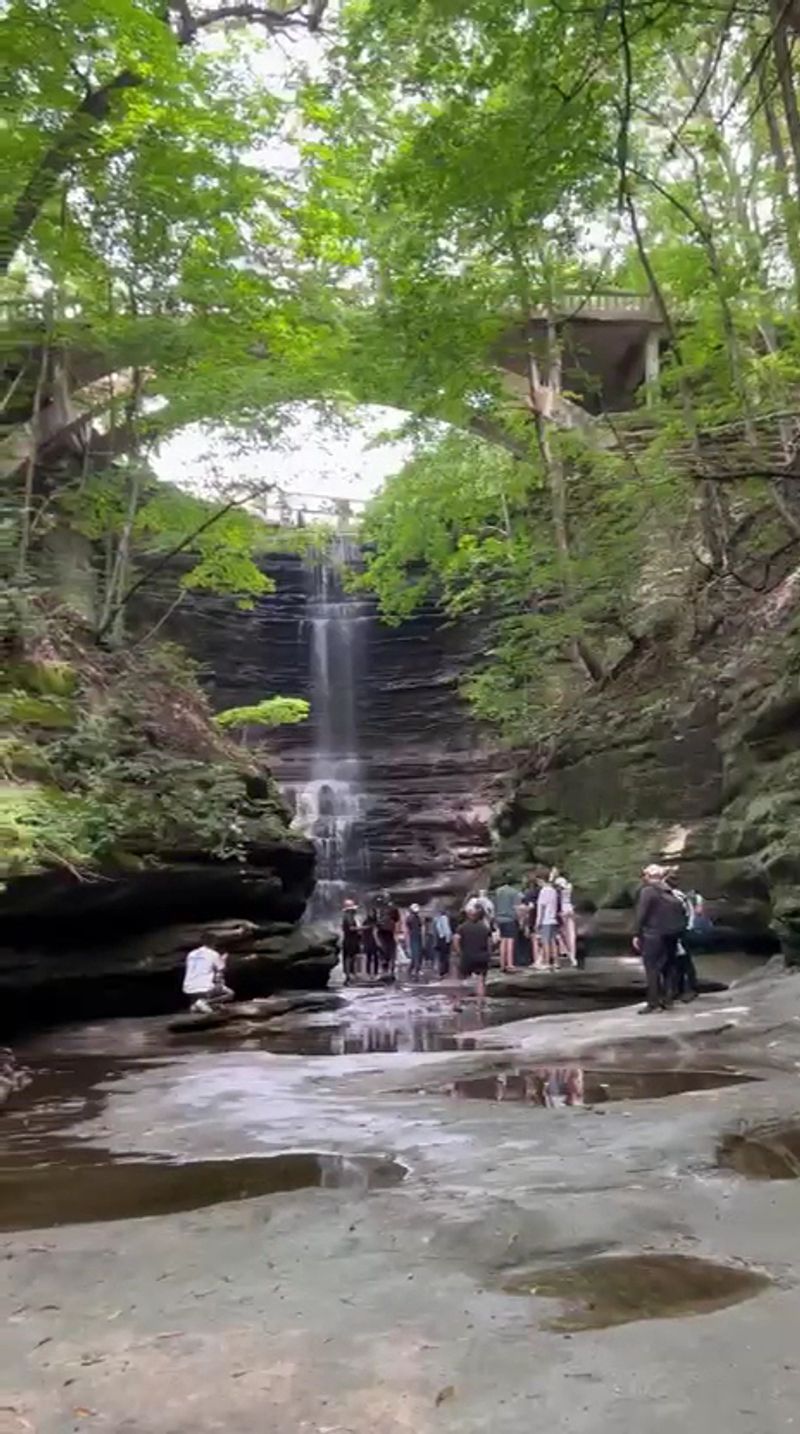
An arched stone bridge spans part of the canyon, and hikers can walk both across it and beneath it. Few trails let you check out a bridge from two directions in one afternoon.
So the next time your knees complain on the steps, you can thank, or blame, a man who built them more than a century ago.
The Dells, Main Event of the Park
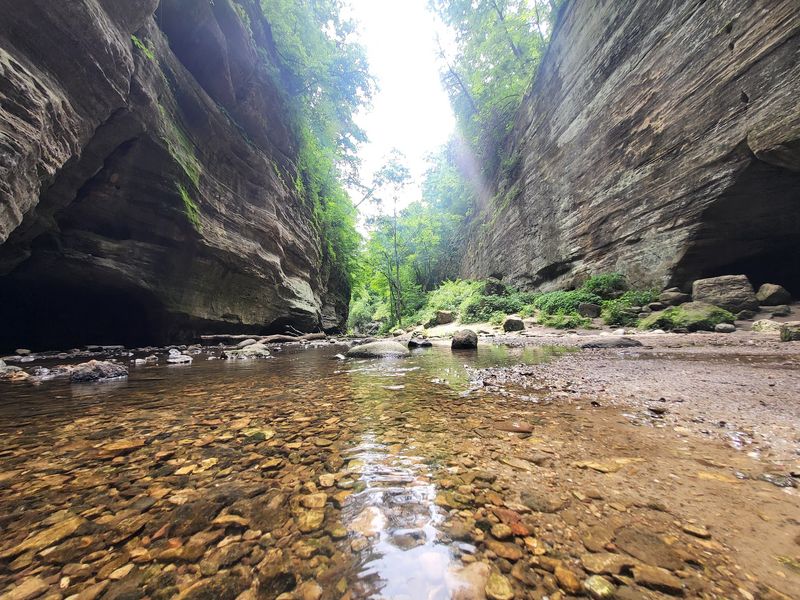
Most of the action here happens below your feet rather than up on the bluffs. The Dells canyon is the park’s headline attraction, and it is a long, narrow gorge with a stream running between layered rock walls.
Compared with Starved Rock, the canyon floor holds most of the points of interest. That gives the area a darker, deeper character that many hikers find more rugged and less polished.
Hikers often compare the Lower Dells to a slot canyon out west. Massive sandstone walls, small caves, and moss line the route.
A trail winds through the main canyon all the way to a large waterfall at the end. Along the way, some small caves offer different viewpoints of the falls.
Up above, the upper trails wind through forest and wrap around the canyon rim. You can stick to these elevated paths or take the stairs down to the bottom.
Doing both is the best plan. Seeing the canyon from above first makes the descent feel like a reveal rather than just another set of steps.
Two Waterfalls, Top and Bottom
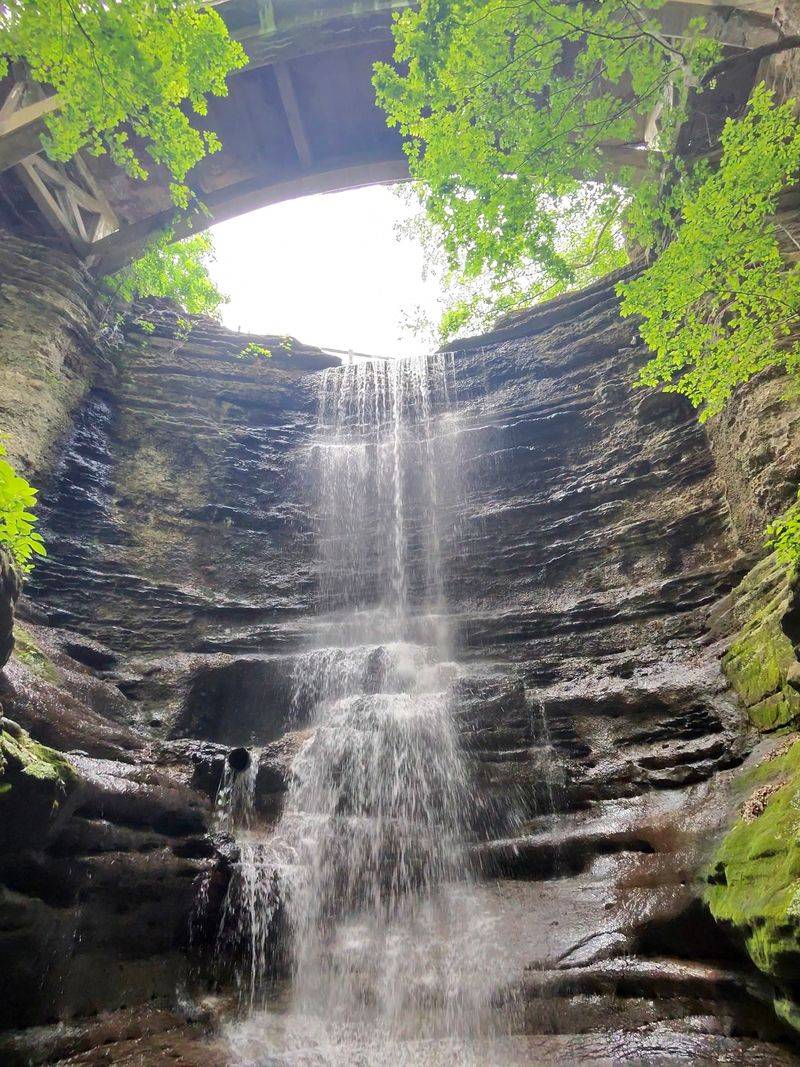
Waterfalls are easily the most talked-about feature here, and Cascade Falls leads the conversation. It sits in the canyon and draws hikers down the stairs like a magnet.
One of the park’s best tricks is perspective. You can stand at the top of a waterfall and then head down to view it from its base in the canyon.
Hikers rave about being up close to two beautiful waterfalls instead of watching from a distant railing. That closeness is a big part of the appeal.
There is also a waterfall at Matthiessen Lake, often grouped with the trails toward Matthiessen Falls. It makes a fine add-on once you finish the Dells.
Timing matters a lot. The falls are at their strongest after heavy rain or snowmelt, and late spring is a popular window.
During dry spells, the flow can shrink noticeably. The canyon still impresses, but the falls may look more like a trickle than a curtain.
Checking recent rainfall before you leave home is the easiest way to catch the water at full volume.
Stepping Stones and Wet Feet
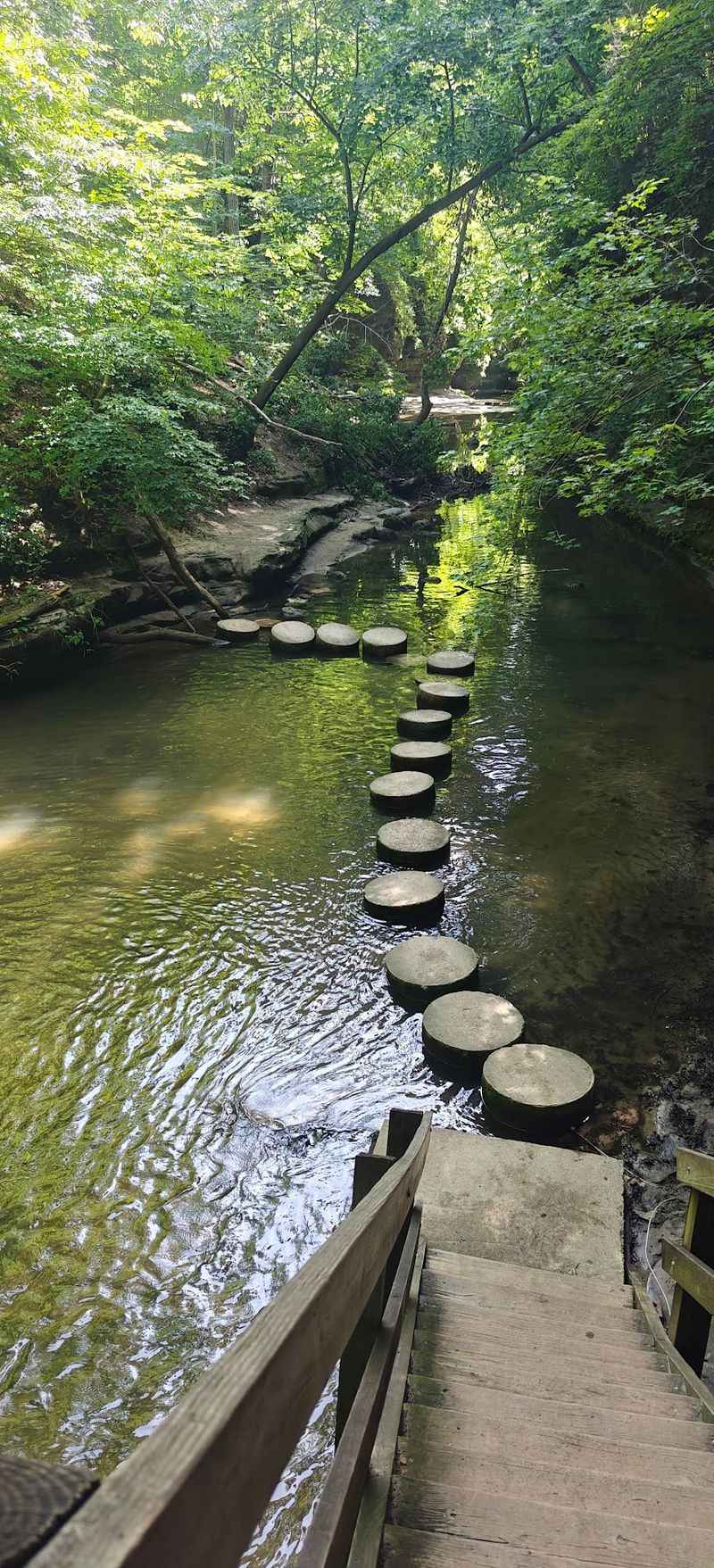
Here is the fine print nobody should skip: your feet will probably get wet. To reach the best parts of the canyon, hikers hop across the creek on round stepping stones.
The crossings are part of the fun, and many describe them as a small adventure. Still, the rocks can be slippery, and mud is common near the lower falls.
After big storms, the canyon floor gets even wetter and trickier to navigate. Some paths become harder to traverse when the water runs high.
Footwear is the single biggest decision you will make for this trip. Waterproof boots or water sandals work well, while nice sneakers are best left at home.
Some hikers bring a pair of sandals or clogs to change into once they reach the creek. Others carry a walking stick or hiking pole to stay balanced on uneven rock.
A pole can also help you stay dry if you would rather not wade at all.
Dogs tend to love this part. Some even end up swimming short stretches, which makes for a muddy but happy ride home.
So Many Stairs
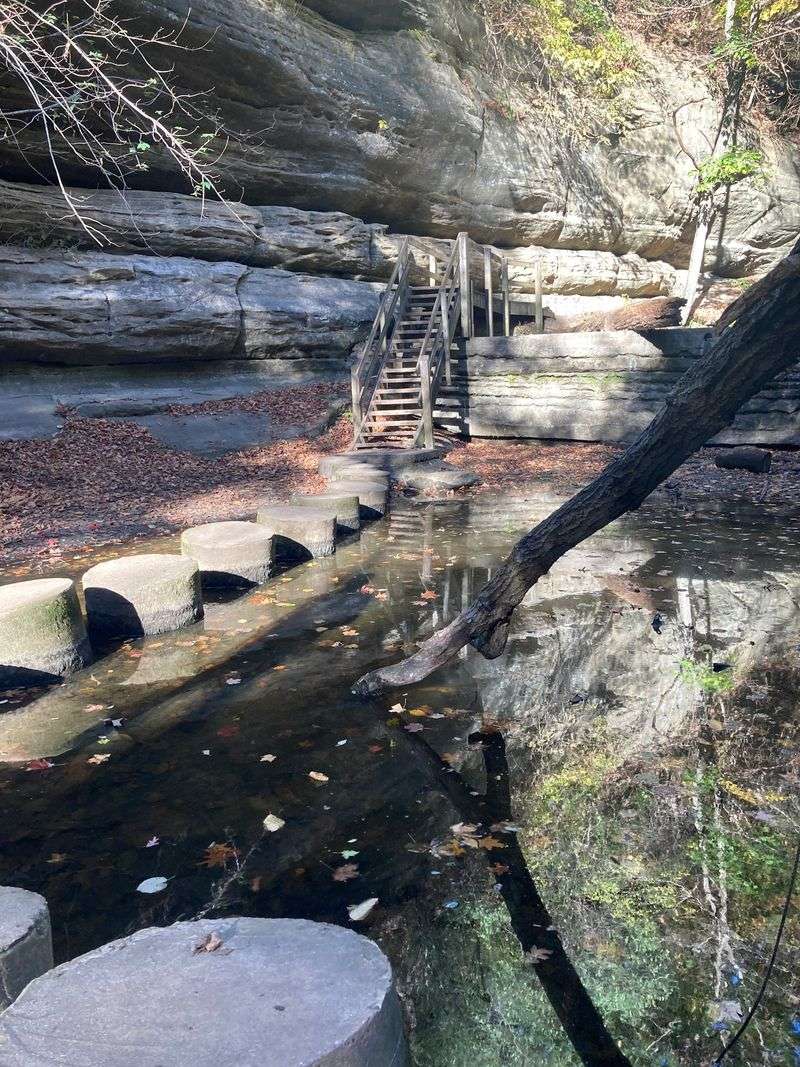
Stairs come up in conversation about this park nearly as often as the waterfalls do. Consider that a friendly warning for your calves.
The trails include several flights of both wooden and stone steps. Some sections feel easy, while others count as moderate to difficult.
Many hikers say the park is tougher to traverse than others in the area. You may feel it the next day, especially after a full loop of the canyon and rim.
The hike from the front parking area to the waterfalls is fairly easy aside from the steps. The stairs are the real workout.
Because of the steps and uneven ground, the park is not a good fit for anyone who cannot walk unassisted. Strollers and very young children will have a hard time here as well.
Plan on about one to two hours of walking for a solid visit. More time lets you explore extra trails without rushing.
Bring plenty of water, take breaks at the landings, and you will find the climbs are well worth the effort.
Forts, Strawberry Rock, and Other Surprises
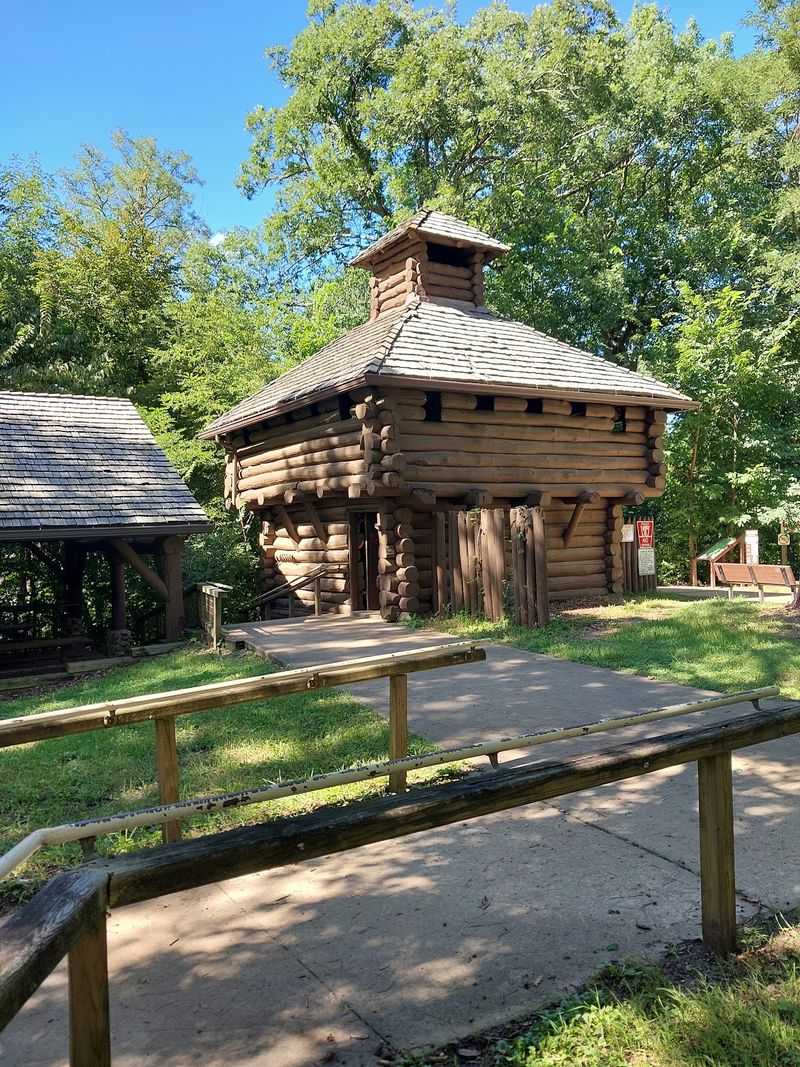
Not every highlight involves water. Near the trails, hikers come across log cabins and a blockhouse built as reconstructions of French colonial forts from the late 1600s and early 1700s.
These structures add a historical layer to a park that is otherwise all about rock and forest. They are a nice stop for kids who need a break from stair climbing.
Then there is Strawberry Rock. It is a large formation that is redder than its surroundings, and it is surprisingly easy to walk right past.
Some hikers end up doubling back to find it. Once spotted, it comes across as both impressive and a little silly.
Beyond the canyon, a walk out to sunflower fields is another seasonal draw. Arrive too early in summer and you may find native plants and wildflowers instead of blooms.
There is currently no live update about the flowers online, so timing is a bit of a gamble.
Even a missed bloom comes with a consolation prize, since the prairie paths are pleasant on their own.
Wildlife, Seasons, and the Calmer Crowd
Swallows swooping to and from canyon nests make a lively backdrop for a picnic. Wildlife is a regular part of the experience here.
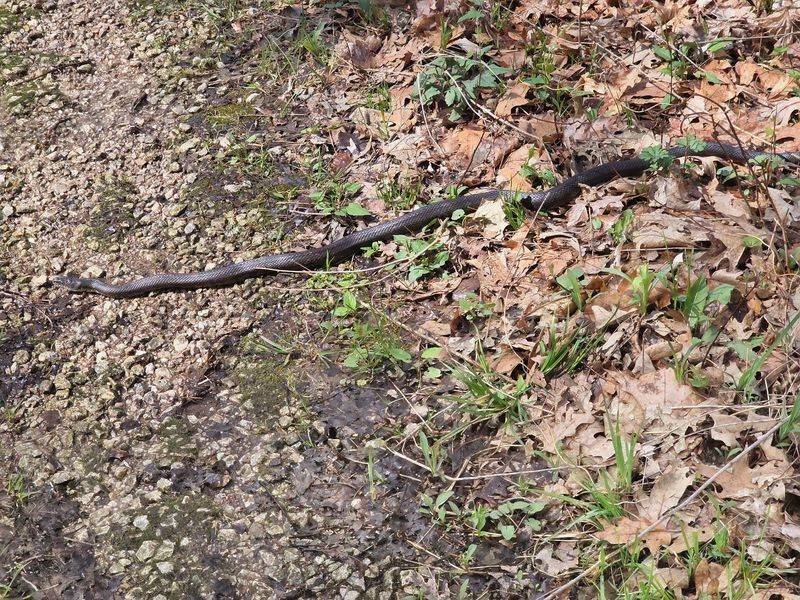
Snakes sometimes sun themselves on the paths, including a black racer that once blocked a trail for a few minutes before moving along. Patience is the best strategy when that happens.
Fall is a favorite season, with changing leaves and far fewer bugs. Late spring brings stronger waterfalls, while summer days can run hot and humid.
Hiking in the rain has its fans too. Just expect extra mud and slicker rocks.
The park is pet friendly, so leashed dogs are a common sight. Please pick up after your pup and carry out every bit of trash you bring in.
Crowds here stay lighter than at Starved Rock on most days, and weekdays are especially quiet. That makes the park a strong pick for nature lovers, photographers, and adventurous hikers who want some breathing room.
Families with toddlers may want to wait a few years before tackling it.
Parking, Restrooms, and Practical Notes
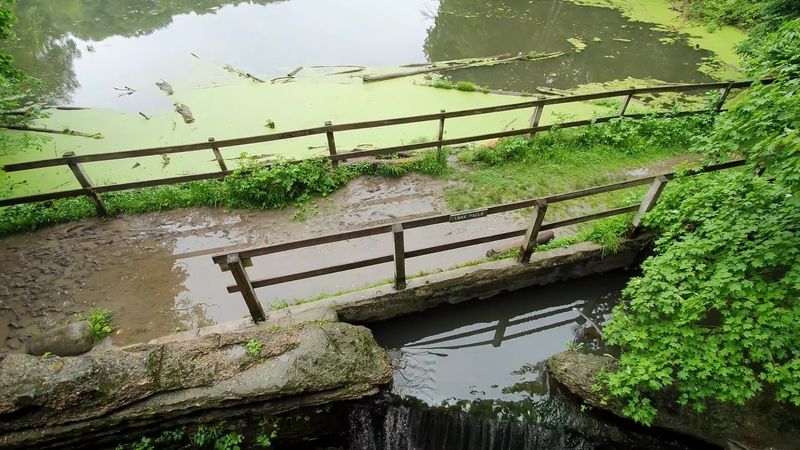
Smart planning starts in the parking lot. The main lot is limited, but several overflow lots sit nearby.
On holiday weekends like Memorial Day, the main lot can fill up fast. One workable plan is dropping your group at the front, then parking about three quarters of a mile away and hiking roughly two miles back.
That overflow hike is moderate, so factor it into your energy budget. Arriving early helps you skip the shuffle entirely.
Restrooms have been out of order during several recent visits, with portable toilets offered instead. Their condition can be rough, especially late in the day.
Packing hand sanitizer and tissues is a simple fix. Bringing a lunch is also wise, and picnicking in the parking area is a common choice.
Some areas, such as the River Area near parking lot 8, may have restricted access at times. It helps to check the official Illinois DNR park page before heading out.
For questions, the park can be reached through the contact details listed on that page.
A Rugged Alternative Worth Choosing
Some places win by being polished, and some win by being a little wild. This park clearly belongs in the second group.
It offers the sandstone canyons and waterfalls that make the region famous, with noticeably fewer people sharing the trail. The tradeoff is more stairs, wetter feet, and basic facilities.
For many hikers, that trade is an easy one. The strong 4.8-star average suggests most people leave happy, muddy shoes and all.
A helpful tip is to visit this park before Starved Rock. That way you can enjoy its rugged character without constantly comparing it to its better-known neighbor.
Go after a good rain for the best falls, or in autumn for color without bugs. Wear shoes you do not mind soaking, and bring water and a walking stick.
Leave the trails as clean as you found them so the next group gets the same experience.
Starved Rock will always have its crowds. Over here, the canyon is just as ready for you, with a lot more room to enjoy it.
Enjoyed this story?
Add Fast Food Club as a preferred source to see more of our reporting on Google.