


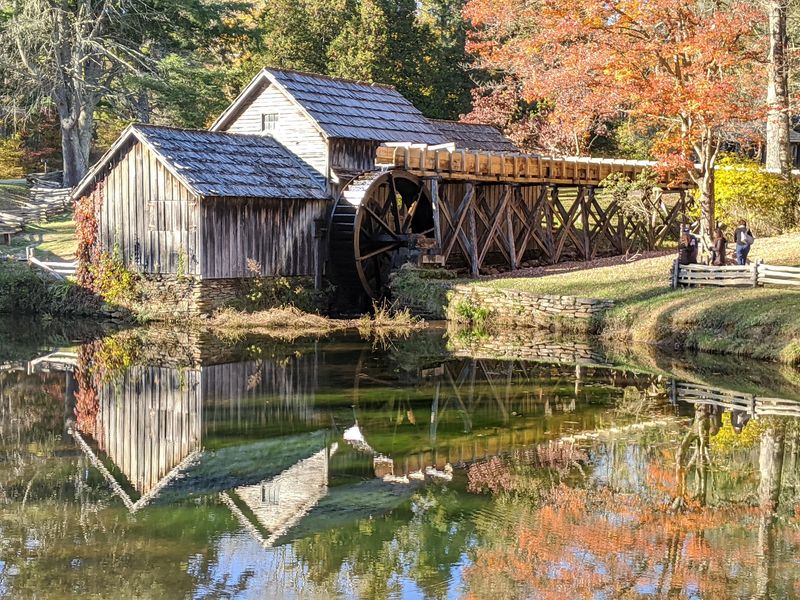
Some places on the Blue Ridge Parkway get a quick glance from the car window, and one spot near Meadows of Dan makes nearly everyone hit the brakes. It has a water wheel that still turns, a blacksmith shop with real work happening, and a restaurant whose pancakes have long been part of the stop’s story.
Hikers, road trippers, and locals all treat it as a tradition worth keeping. Here is what to know before you go, including what is open now, what is coming back, and when to visit.
A Roadside Classic at Milepost 176
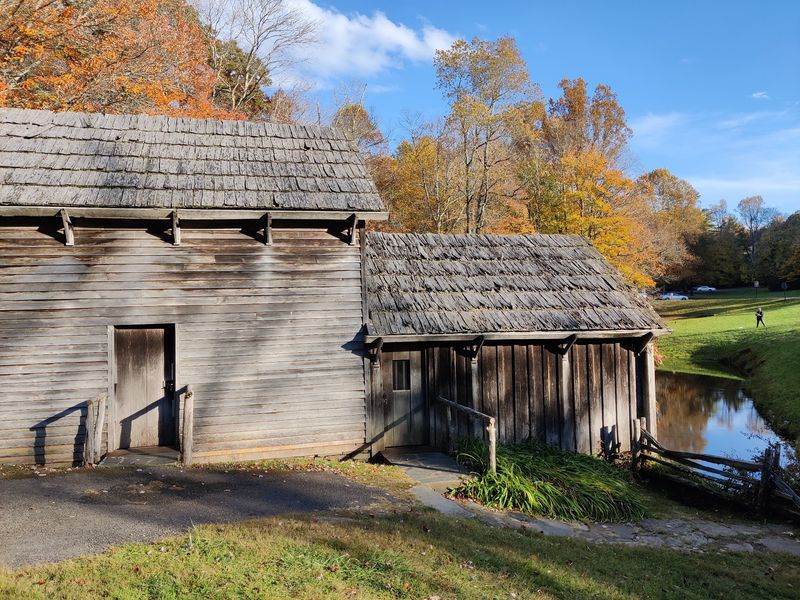
Few stops on the Blue Ridge Parkway have earned a reputation quite like this one. Mabry Mill sits at Blue Ridge Pkwy, Meadows of Dan, VA 24120, United States, at Milepost 176 in southwestern Virginia.
The site is listed as a historical place and museum, and it is part of the national park system. That means the mill, the grounds, and the walking paths are managed with history in mind.
At its heart is an old water-powered mill, surrounded by a small collection of buildings from mountain life long ago. Cultural demonstrations, mountain music, and short trails round out the experience.
The spot holds a 4.7-star standing from more than 2,000 opinions, which says a lot about its staying power. Road trippers often call it one of the most iconic stops on the entire Parkway.
It also has a restaurant with a long history of its own. Pancakes from that kitchen became part of the ritual for many families and hikers who passed through over the years.
The restaurant is closed for now, though, and that story gets its own section later. For the moment, the mill itself is the main attraction, and it does not need much help drawing a crowd.
More Than a Grain Grinder
Here is a fun fact that surprises plenty of first-timers. The mill was never just about flour and cornmeal.
The man who built and ran it used the water wheel to power several machines at once. A lumber saw, a wood lathe, and a jigsaw all drew energy from that single wheel.
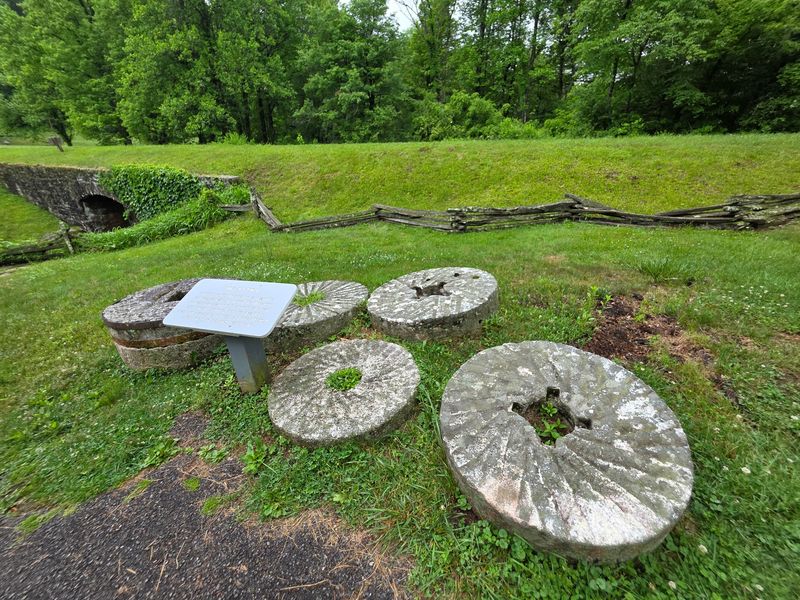
Then there are the grist mill stones, which weigh about 500 pounds. Turning stones of that size with nothing but moving water was a real feat of mountain engineering.
Inside, both the lumber side and the grain side of the operation can be seen. When a park volunteer is on hand, the doors are often open for a look at how the parts work together.
The mill was recently fixed up in 2025. That restoration helps keep the machinery and the building in good shape for future generations.
It all paints a picture of a household that relied on clever thinking more than store-bought tools. Self-reliance was not a hobby here, it was the daily routine.
So when the wheel is turning, it is worth remembering that it once ran a whole workshop. Not bad for a building that looks so modest from the path.
The Wheel That Launched a Thousand Photos
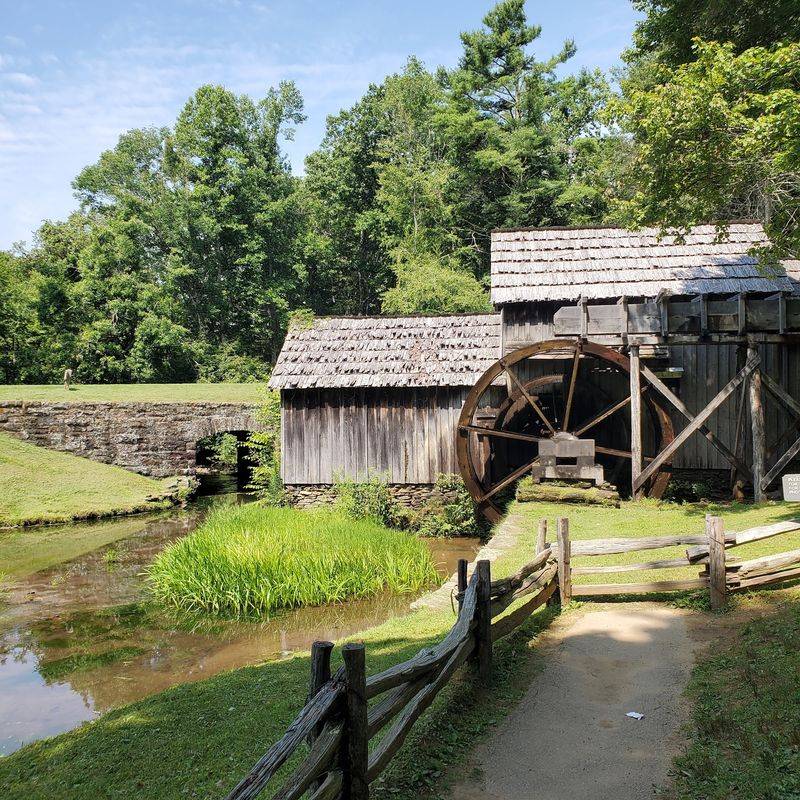
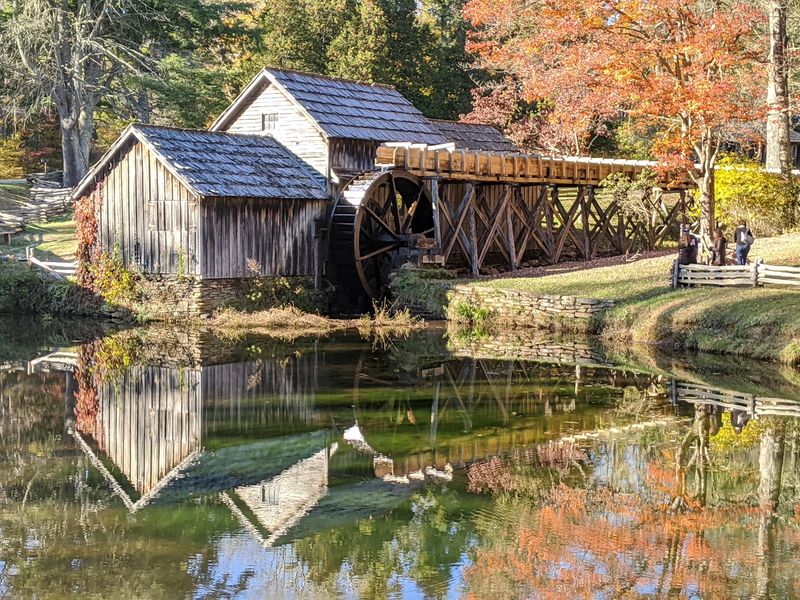
Cameras come out fast here, and for good reason. The water wheel is the most talked-about feature of the whole site.
Photos of the mill hang in businesses and hotels far from Virginia. Some have been spotted as far away as Nashville, Tennessee, and Fort Worth, Texas.
The scene is often compared to a postcard or a painting. With the wooden mill, the pond, and the mountains behind it, the composition practically sets itself up.
Rainy days have a bonus. When there is more water flowing, the wheel is more likely to be in motion, which makes for livelier pictures.
People also come here to have portraits made for special occasions. Families, couples, and groups use the mill as a backdrop for moments they want to remember.
Photography lovers will find plenty of angles beyond the classic front view. The flume, the pond edge, and the nearby buildings all offer different frames.
One small tip is to arrive early on busy days. A quieter path means fewer people wandering into the shot, and more time to get it right.
Sparks at the Smith Shop
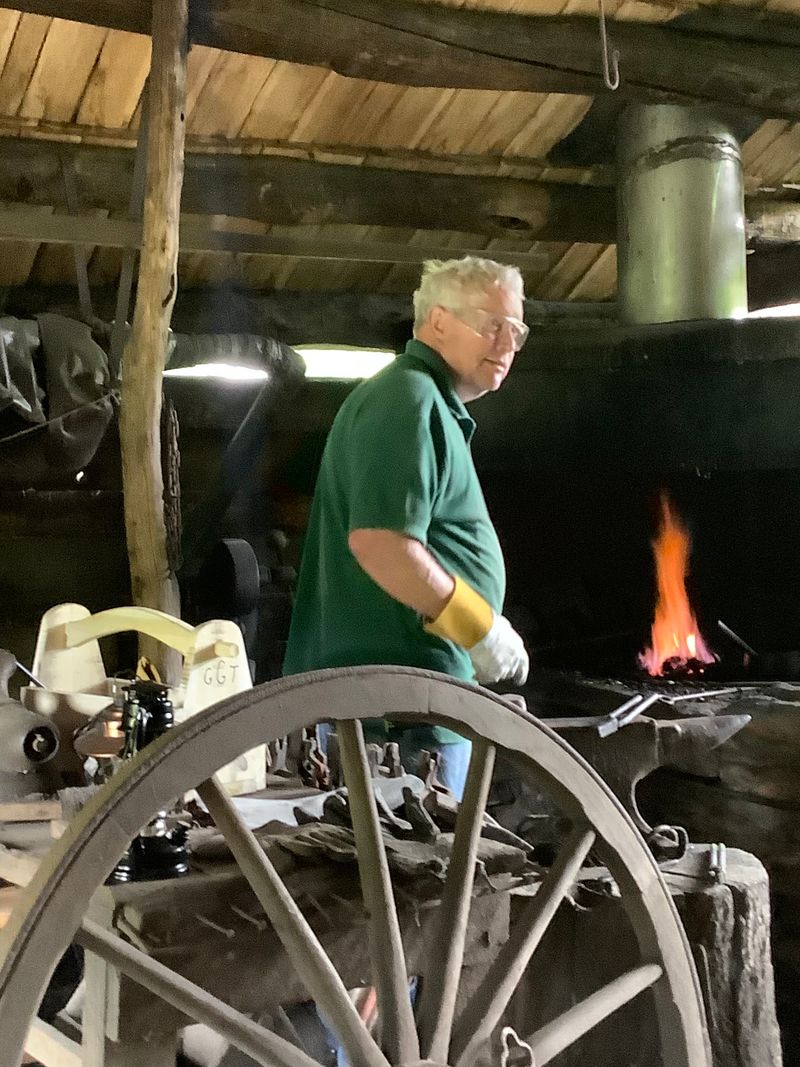
Hammer meets iron at one of the most popular corners of the property. The blacksmith shop draws almost as much attention as the mill itself.
On good days, a blacksmith is working on site and showing how tools and hardware were once made by hand. Seeing the craft in action turns a history lesson into something people actually remember.
The shop is just one piece of what is often called the mill camp. A wagon, a log cabin, and other farm buildings help show how the Mabry household lived and worked.
Informative signs line the path between them. Even when doors are locked, those signs explain what each building was used for.
The Appalachian houses give a fuller view of mountain life. They show that the mill was part of a working farm, not a standalone attraction.
It is worth knowing that some displays may be closed at times. A few items have also been missing from exhibits, so the full lineup is not always on view.
Still, a walk through the camp gives real context to the wheel out front. History here feels less like a museum shelf and more like a neighbor’s backyard.
Looms, Baskets, and Mountain Tunes
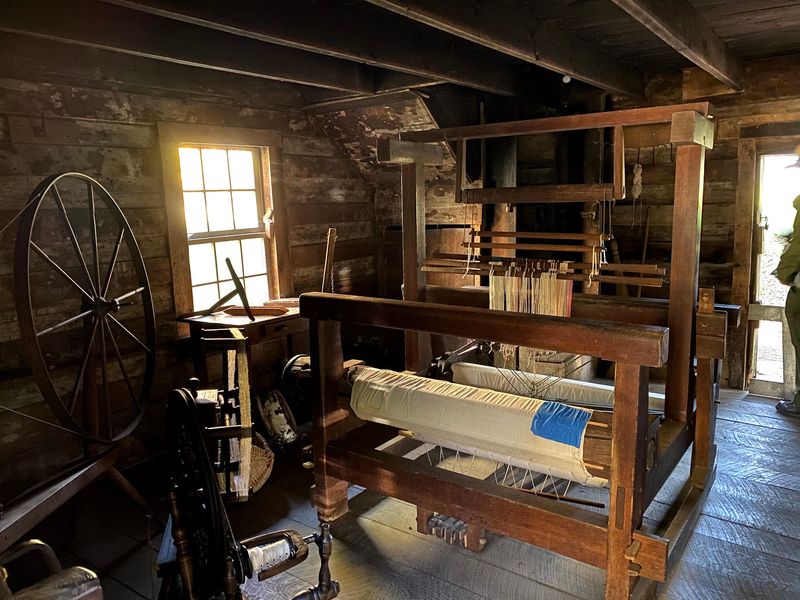
Old skills get a new audience when the demonstrators show up. Park rangers and talented local hands bring the past to life through crafts.
Spinning looms are part of the lineup. Demonstrators explain how families once turned raw fiber into fabric without any factory help.
Basket weaving is another favorite. Watching a basket take shape, one strip at a time, shows just how much patience everyday items once required.
Mountain music is also part of the site’s identity. It adds a cultural layer that connects the buildings to the people who once filled them.
Timing matters for all of this. Demonstrations depend on staff and volunteers, and they are not happening every day.
Saturdays have been a good bet for seeing inside the mill and the house. Friendly volunteers and rangers often answer questions along the way.
There have also been stretches when the buildings and demonstrations were paused. Calling ahead or checking the park website before the drive can save some disappointment.
When the crafters are there, though, the stop goes from pretty to memorable. Learning how a basket was made beats just looking at one any day.
The Pancake Question
Now for the part hungry hikers care about most. The restaurant at the mill has long been tied to its pancakes, and for many families a stack there was simply part of the trip.
Here is the honest update. The restaurant is currently closed.
Plans are in place to bring it back, with a reopening expected in 2027. That timeline gives fans something to look forward to without rushing the process.
Years ago, the restaurant building also held a unique gift shop. Its return would add a welcome stop for both breakfast and browsing.
In the meantime, there is still a place on the grounds to buy crafts and keepsakes. Hours can vary, and it may be closed on some days, such as Mondays.
The closure does not stop people from coming. The mill, the trails, and the camp remain open to everyone, so the drive is still worth it.
Hikers planning a meal should pack snacks or plan a stop elsewhere for now. Once the doors reopen, the pancake tradition can pick up right where it left off.
Short Trails and a Slower Pace
Calm is the word that keeps coming up about this place. A peaceful atmosphere is one of its most mentioned qualities.
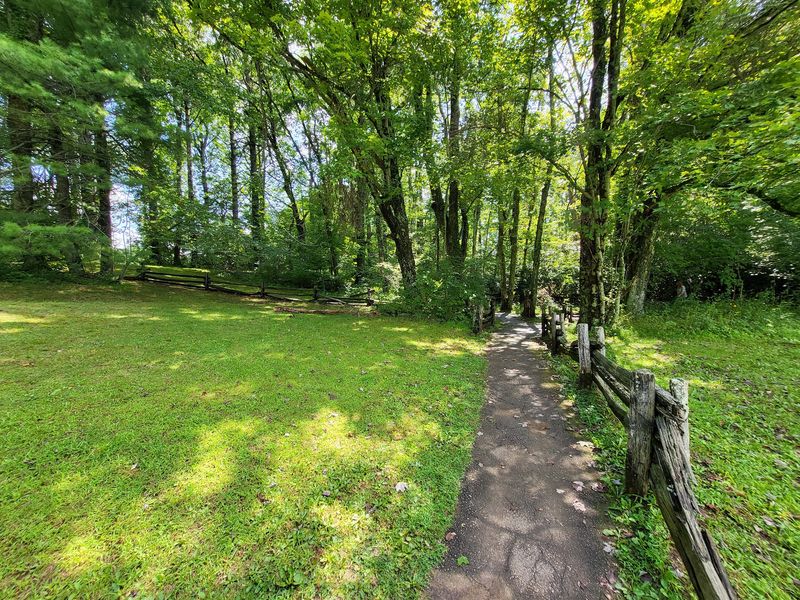
The walk around the property is short and easy. A quick loop through the woods passes the mill, the pond, and the camp buildings.
The path is mostly paved, which helps families with strollers and anyone who prefers steady footing. It is a good chance to stretch the legs after hours behind the wheel.
Nearby trails offer a bit more for those who want extra steps. They make the stop a natural fit for hikers working their way along the Parkway.
The site suits a wide range of people. History fans, photographers, and anyone looking for a quiet break will find something here.
Picnic plans need a little preparation, though. Seating near the mill has been limited, with just one bench noted at times and no picnic tables close by.
Some mentions point to a picnic area in the wider site, so bringing a blanket is a smart backup. A little planning keeps lunch from turning into a standing-room-only affair.
When the Leaves Steal the Show
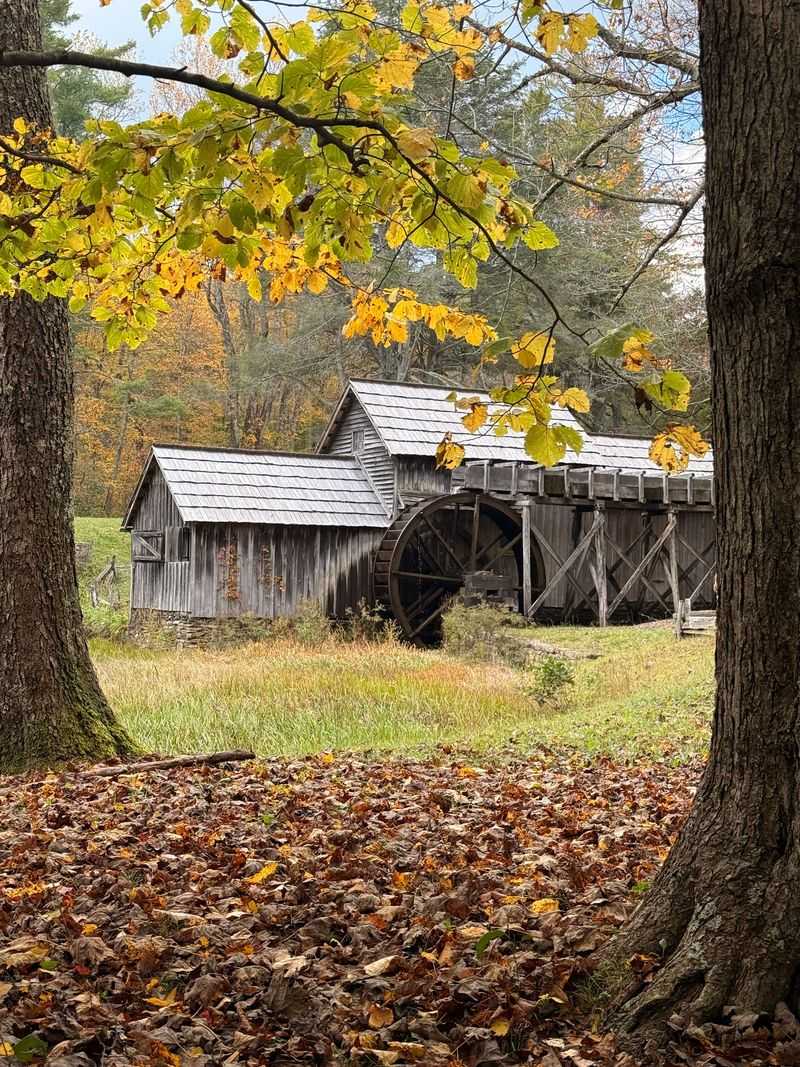
Mid-October gets a lot of votes as the best time to visit. Fall colors around the mill are a big part of its fame.
That popularity has a price. The parking area is likely to fill quickly during leaf season, so an early start is wise.
The good news is that the mill works well in every season. Many fans suggest visiting in all four to see how the setting changes.
Winter brings its own quirks. The visitor center has been closed for the winter season, and it has also been closed for remodeling at times.
Holidays can affect what is open as well. On some federal holidays the museum portion has been closed, while the outdoor grounds stayed open.
Government shutdowns have also limited access in the past. During one busy fall, the mill, blacksmith shop, and homestead were locked because rangers were furloughed.
None of this should scare anyone off. It just means checking current conditions before the trip pays off, especially when the calendar points to peak foliage.
Hours, Parking, and a Fond Farewell
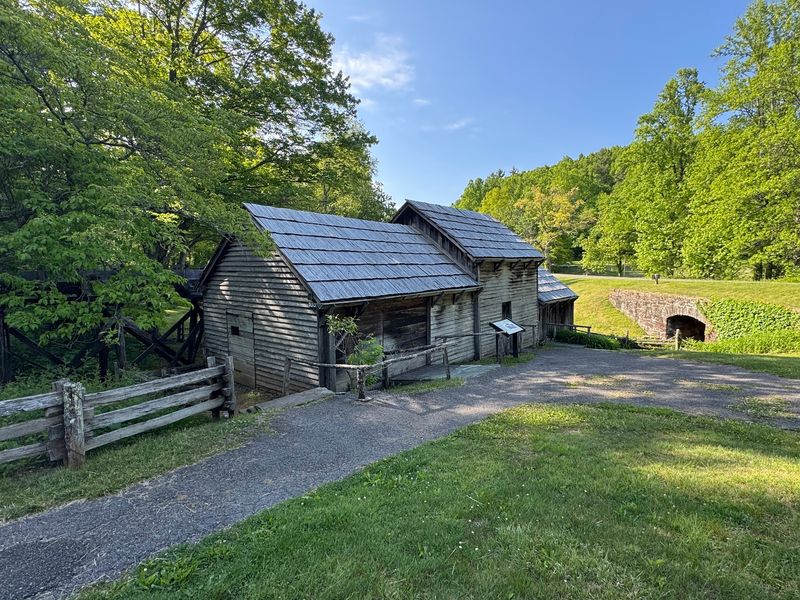
Practical details are refreshingly simple here. The site lists hours of 10 am to 5 pm every day of the week.
Parking is free, and there is plenty of it. Space for large vehicles is available, which helps RV travelers.
An overflow lot sits in the rear for busier days. That extra room comes in handy during fall weekends.
The mill is a short drive off the main Parkway route near Meadows of Dan. It works as a quick stop or a longer visit, depending on how much time the road allows.
For current updates on buildings, demonstrations, and the restaurant, the National Park Service page for Mabry Mill is the best place to check. Conditions change, so a quick look can shape the day.
So is it worth the stop? People have driven nearly six hours just to see it and called the trip worthwhile.
The wheel still turns, the crafts still teach, and the trails still invite a slower pace. And once the restaurant returns, those pancakes will be waiting to rejoin a tradition that never really left.
Enjoyed this story?
Add Fast Food Club as a preferred source to see more of our reporting on Google.