


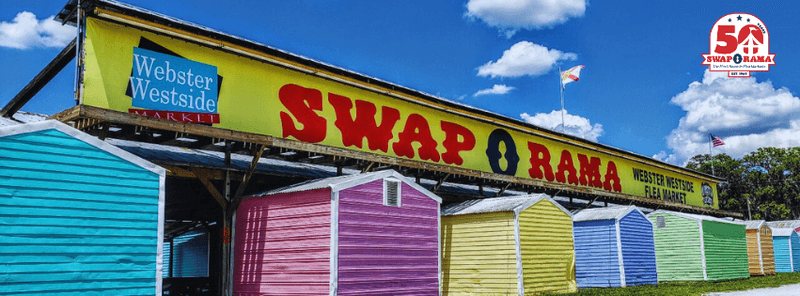
Most markets wait for the weekend, but one sprawling spot in Webster, Florida, does its best business on a Monday morning. Hundreds of booths stretch across a huge open field, packed with antiques, tools, plants, motorcycle parts, produce, and things nobody can quite name.
Shoppers who show up in flimsy sandals tend to regret it by the second row. Locals have a simple rule for this place: bring good shoes, bring some cash, and bring patience, because seeing it all takes hours.
The market opens at 7 AM and wraps up by 2 PM, so the clock is part of the game. Smart planning makes the difference between a tired shuffle and a great treasure hunt.
Keep reading to learn where to park, what to look for, when the crowds are biggest, and which little mistakes first-timers keep making.
A Monday Market In Sumter County
Webster is a small town in Sumter County, and its biggest weekly event happens at Swap-O-Rama’s Webster Westside Flea Market, 516 NW 3rd St, Webster, FL 33597. The address sits in west central Florida, inland from the Gulf coast.
The schedule is the first thing to learn. The market runs on Mondays only, from 7 AM to 2 PM, and stays closed the rest of the week.
That odd timing is part of the charm. Longtime Florida market fans call Webster a true Monday market, and plenty of people plan their whole week around it.
Holiday Mondays bring their own buzz too. Vendors mention coming back for Presidents Day, and shoppers have spent a happy few hours browsing here on Labor Day.
The place carries a 4.4 star standing from more than 3,700 Google ratings, which says a lot about how many people keep showing up. It is a flea market in the classic sense, with a swap meet spirit and a huge cast of sellers.
So mark the calendar for a Monday, set an early alarm, and lace up shoes that can handle a long morning.
Bigger Than Anyone Expects
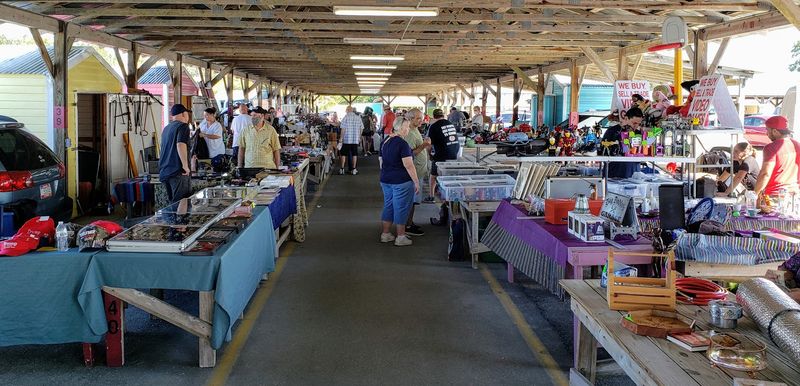
First-timers almost always say the same thing after an hour: this place keeps going. The grounds cover a huge area, and many shoppers leave without reaching every corner.
Part of the surprise comes from the layout. The market seems to have several distinct areas, so just when one section ends, another one appears around the bend.
Some guests have walked all day and still not seen it all. One steady shopper needed about three hours of nonstop walking just to cover the parts worth seeing.
That size is the whole reason for the shoe advice in the title. Worn sneakers or supportive walking shoes are not a style choice here, they are equipment.
There is no official map that most people notice, and some shoppers wish there were labeled sections for specific items. Wandering without a plan is easy, so it helps to pick a direction and work through the rows in order.
Big markets reward stamina. The person who keeps walking is usually the one who finds the best table at the far end.
Swap Area, Farmers Market, And More
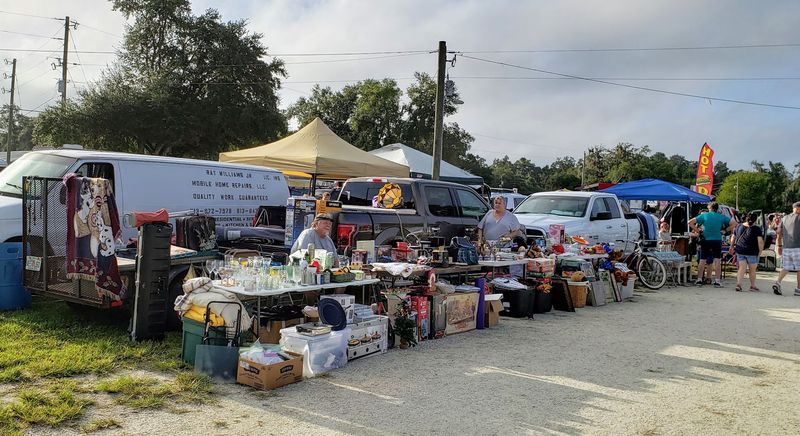
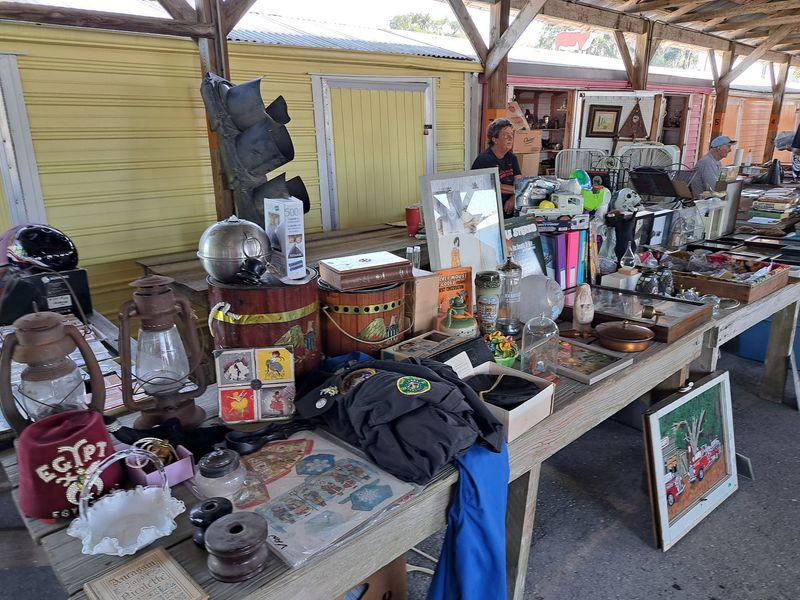
Different zones give this market its personality. There is a swap area, a farmers market section, a stretch of clothing sellers, and spots where small businesses clear out their inventory.
Each zone feels like its own little market. The swap side leans toward used goods and odd finds, while the farm area brings fresh produce to the mix.
Wholesale sellers show up often too. Shoppers who want items in bulk or at a low price per piece can find tables that cater to that.
One detail is worth knowing for clarity. The Sumter County Farmers Market operates right next door, and the two places are separate businesses, so it helps to know which one you are in.
Having several zones also makes the day easier to plan. Grab produce in one stop, browse collectibles in another, and finish with the clothing rows before heading home.
Think of the layout as a choose-your-own route. Every section adds a new reason to keep walking.
Antiques Worth The Hunt
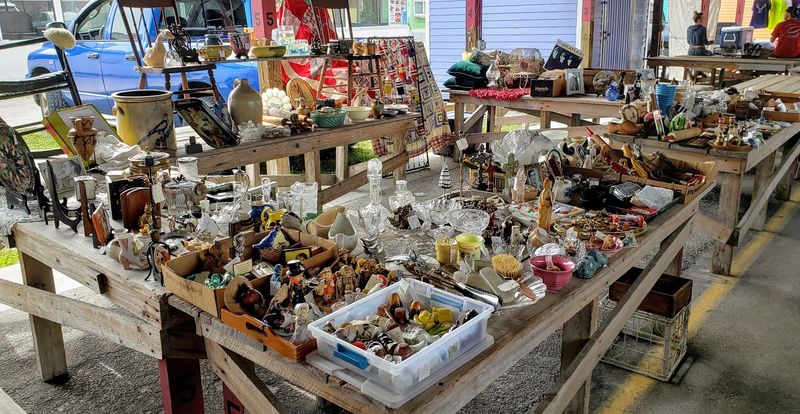
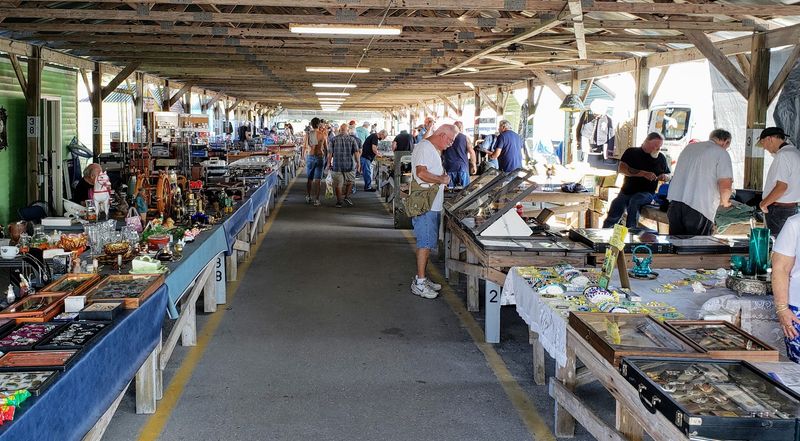
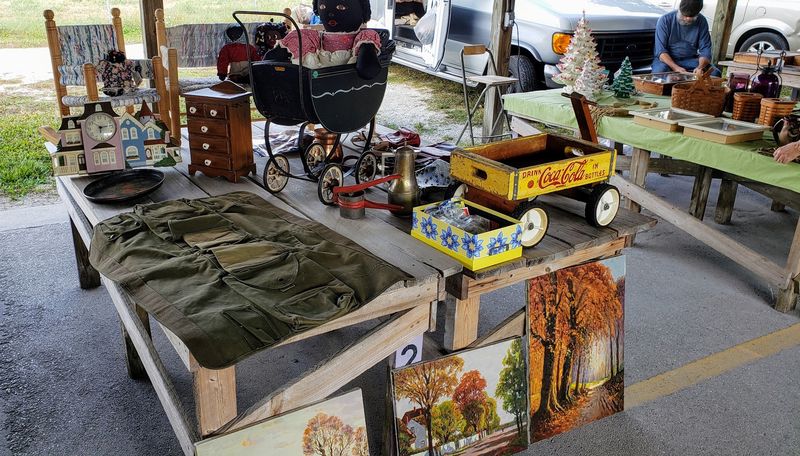
Antique fans have a soft spot for Webster, and for good reason. Old pieces come up again and again as one of the main draws.
Some regulars even rank it ahead of other well-known Florida antique markets. The mix of antique sellers and local vendors gives it a flavor that is hard to find elsewhere.
Collectors should bring sharp eyes. One-of-a-kind items sit on tables right next to everyday odds and ends, so a quick glance can miss something good.
A bit of haggling skill can help too. Some shoppers land sweet deals on collector items with friendly negotiation.
Not every seller wants to bargain, though. Some shoppers notice that many vendors hold firm on their prices, so it pays to ask politely and accept a no gracefully.
Patience is the real tool of the antique hunter. The rows are long, the tables are crowded, and the payoff often waits near the end of the walk.
Tools, Toys, And Motorcycle Parts
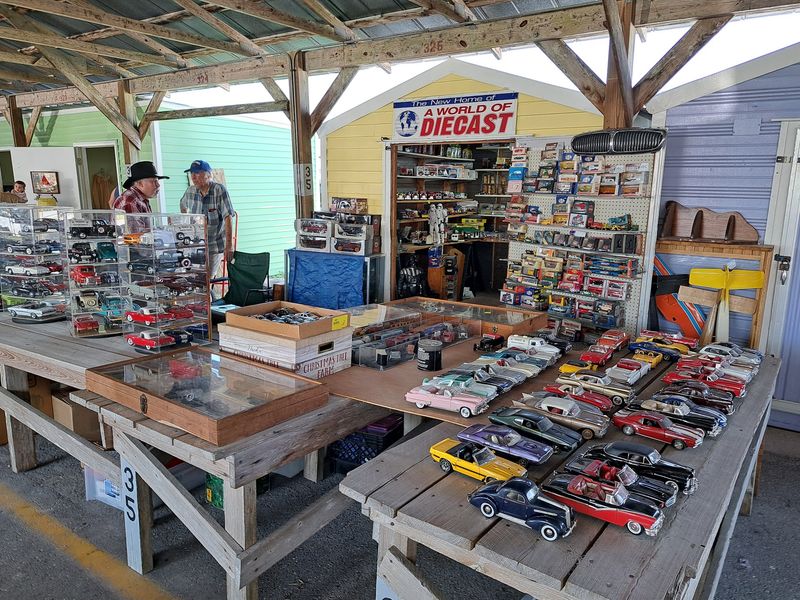
Gearheads, take note. Motorcycle parts pop up often enough here that bikers make the trip specifically to dig through them.
Tools are another big category. Many tables are stacked with hand tools and hardware, ready for someone who needs a wrench or a project piece.
Toys and music-related items round out a lot of the booths. Shoppers have found sections where these three categories show up table after table.
That repetition can be a plus or a minus. Someone hunting for a specific part gets plenty of options to compare, while someone browsing for variety may want to move to another zone.
The best approach is to check a few sellers before buying. Prices and condition can differ quite a bit between booths with similar goods.
Bring measurements or part numbers if you are shopping for something mechanical. It saves a long walk back to a booth you already passed.
Plants, Orchids, And Fresh Produce
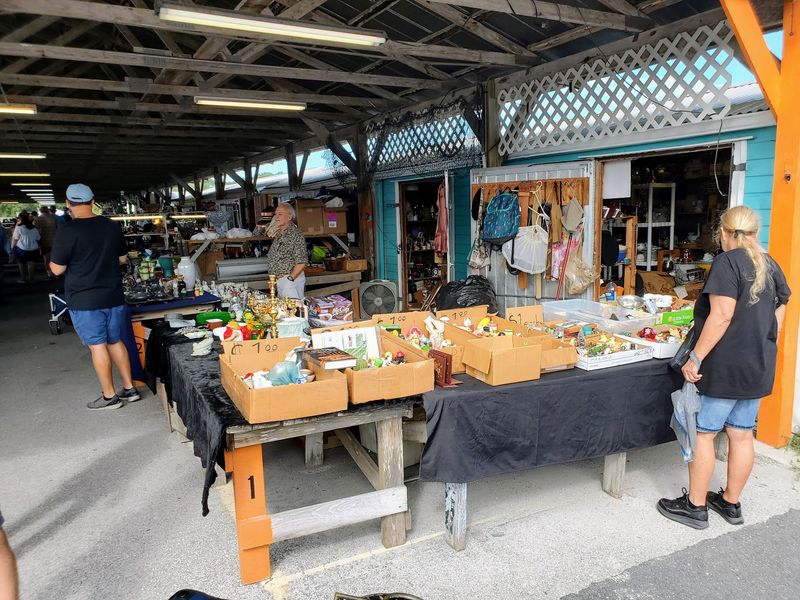
Green thumbs leave Webster with full arms. Plant sellers are scattered through the market, adding a nice change of pace between the tool tables.
Orchids get special mention. Shoppers have found great prices on them, which makes this a handy stop for anyone building a collection.
Produce is another strong category. The farmers market area brings fresh fruits and vegetables, and some shoppers head home with bags of healthy goodies.
Buying produce early is a smart move. Stock can shrink as the morning goes on, and the market closes at 2 PM anyway.
Plants and produce do add weight fast. A wagon or sturdy tote makes carrying everything back to the car much easier.
A Monday morning trip can cover both the garden and the kitchen. Few markets let you shop for orchids and vegetables in the same stroll.
Friendly Faces Behind The Tables
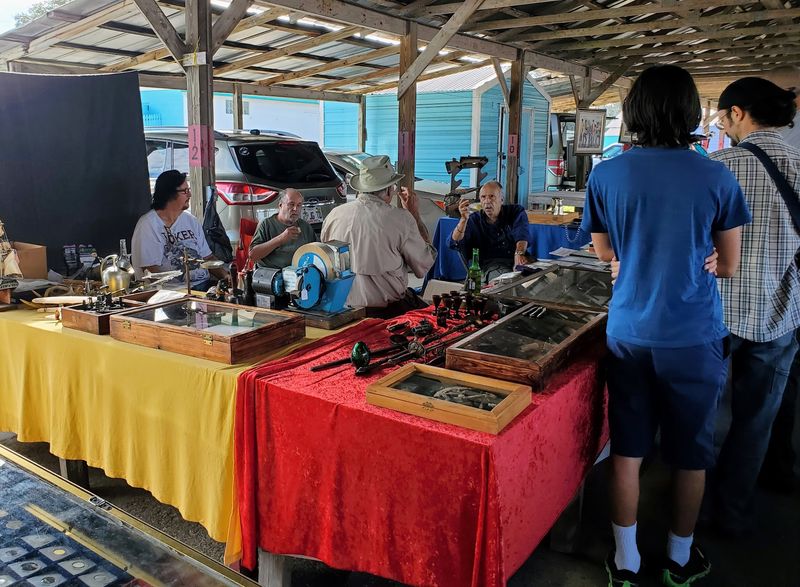
People make this market as much as products do. Many stallholders are friendly, chatty, and clearly proud of what they sell.
Shoppers say talking with vendors is half the fun. A quick conversation can lead to a story about an item or a tip about another booth.
There is also a relaxed side to the selling. Many vendors leave browsers alone instead of pushing them to buy, which makes it easy to look around freely.
The overall mood is casual and upbeat. It feels like a bunch of people having a good time, with no pressure and no politics.
Of course, not every seller will be in a great mood every Monday. If one booth feels unwelcoming, the next friendly neighbor is just a few steps away.
Vendors here range from longtime sellers to first-timers. Several new sellers have had good days and planned to come back.
Snacks, Lemonade, And Live Music
All that walking builds an appetite. Food stands are spread around the grounds, so a quick bite is never too far away.
Freshly squeezed lemonade is a favorite on hot, humid days. It helps shoppers keep going when the Florida sun is strong.
Refreshments are reasonably priced, which keeps the day affordable. Some shoppers feel the food options are limited, while others find plenty of places to eat, so it depends on the day and section.
Live music has been part of the scene too. A tune in the background makes the long rows feel a bit shorter.
Restrooms are available, but they get frequent criticism for cleanliness. Many shoppers wish the market would invest in upgrades, so it may help to plan a stop beforehand.
A water bottle is a wise companion here. Staying hydrated is the easiest way to make it to the last row.
Parking Fees And Roadside Walks
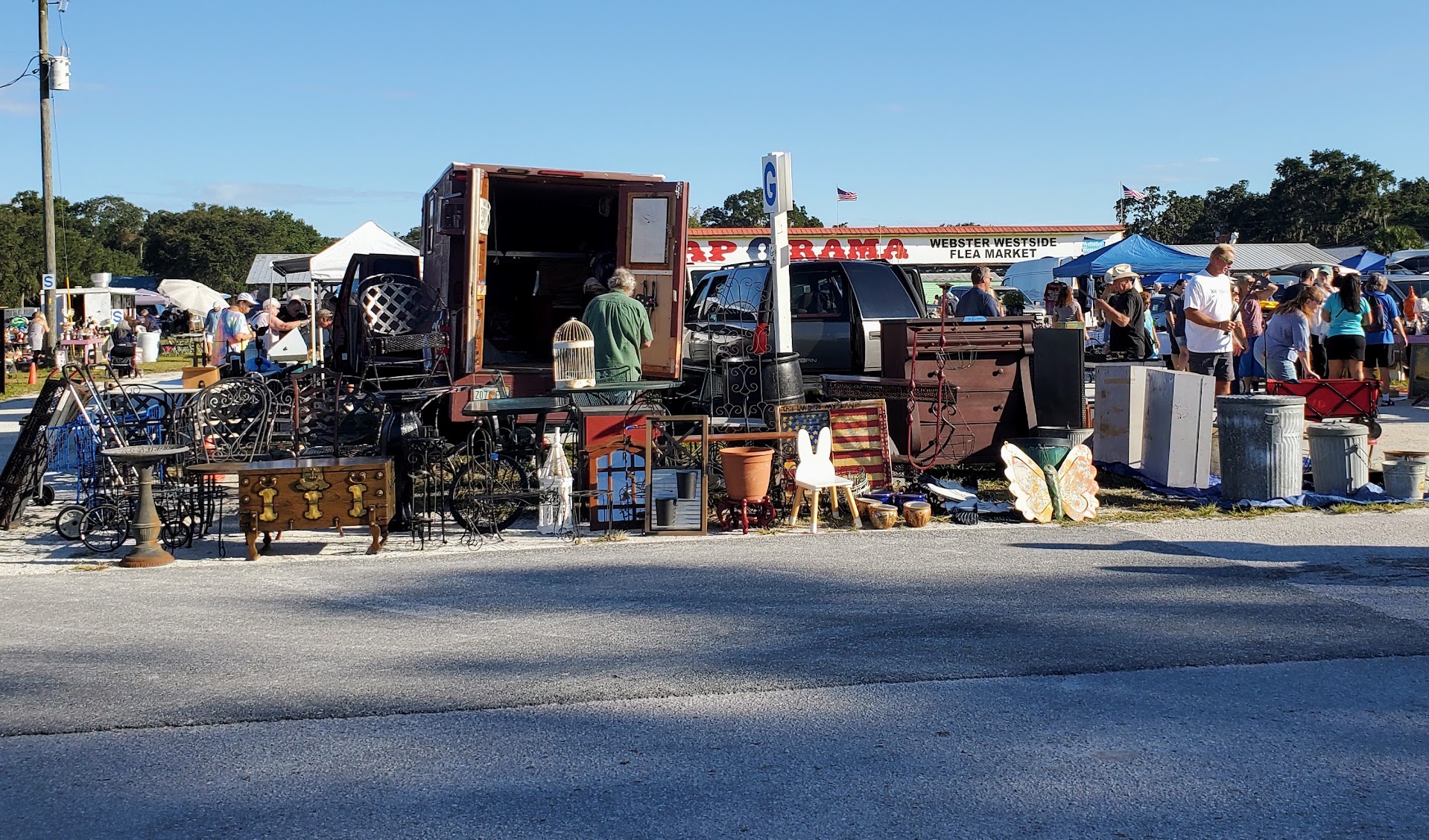
Parking is cheap but takes some thought. Most lots charge a few dollars, with many shoppers paying around $3 and some nearby private lots charging $5.
Bigger vehicles may pay a little more. One group with a large rig paid $6 and found plenty of room.
Free parking exists in one area, but it fills up. Arriving early or late gives the best shot at it.
Lots sit in the front and back of the market. The front spots go quickly on busy Mondays, so early arrival pays off.
Safety deserves attention. Some private lots have no sidewalk back to the cars, which means walking along the road beside moving traffic.
Keep small bills ready for the parking attendants. It makes the entry quick so the shopping can start sooner.
Winter Crowds Versus Summer Calm
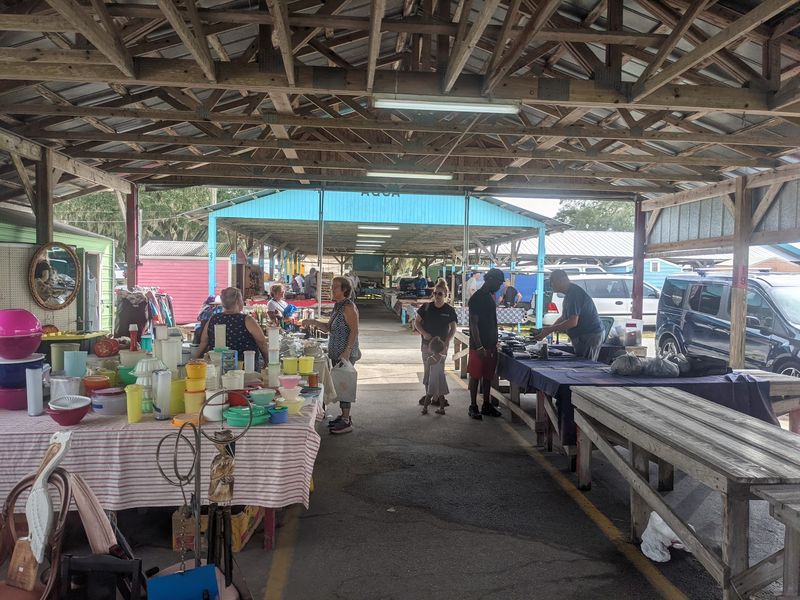
Timing changes everything at Webster. Winter Mondays bring the biggest crowds and the most vendors.
Summer is a different story. Fewer sellers set up, and in slower months some shoppers have counted only about a third of the booths in use.
Some people actually like the quiet season. Having the rows nearly to yourself can make browsing calmer.
Others leave a bit let down by the empty spaces. A few recent shoppers felt the seller count was low and hoped to see more vendors return.
Weather adds its own twist. Rainy, chilly days still happen in the cooler months, and sellers often show up anyway.
For the full experience, plan a trip during the winter season. Bargain hunters who like elbow room might prefer summer.
Gear That Saves The Day
Shoes come first, and the title is not kidding. Steady walking for three hours or more is normal here.
A folding wagon is the next best friend. Purchases get heavy fast, and wagon owners are glad they brought one.
Shade is scarce and there is no air conditioning. A hat, sunscreen, and water make the walk much more pleasant.
Cash in small amounts helps with parking, snacks, and quick buys. Shoppers commonly spend around $150 in a good morning.
Leashed dogs and dogs in strollers are welcome. Pet owners should bring water for them too, since the ground gets warm.
A short list of wanted items keeps the trip focused. With so many tables, it is easy to wander off track.
Selling A Booth For The Day
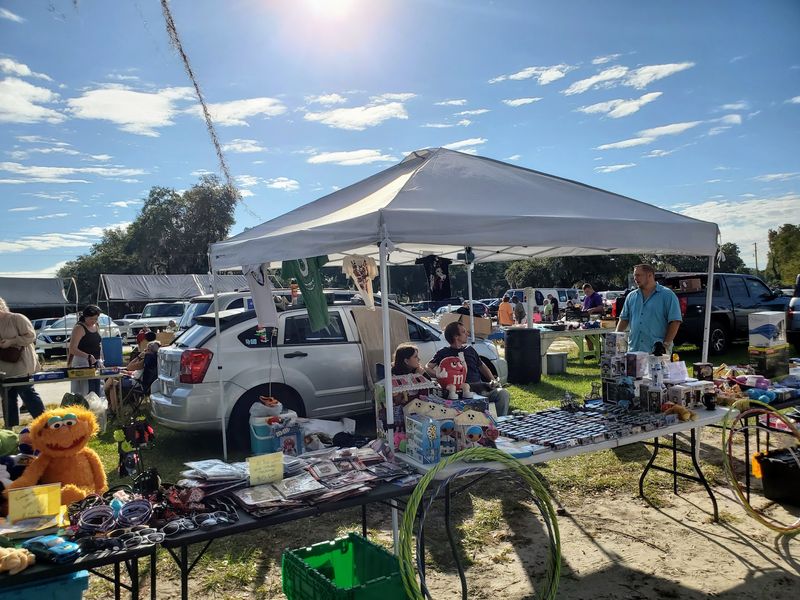
Plenty of people come to sell, not just shop. First-time vendors have set up here and enjoyed the friendly environment.
Field spaces have been quoted at around $40 to set up. Some sellers feel that cost is high compared with smaller weekday markets.
Results vary with the weather and the season. Even on a rainy, chilly Monday, one new seller reported doing okay.
Holiday Mondays seem to draw sellers back. Several vendors have planned return trips around Presidents Day.
Cart helpers are available to move goods, and tipping them is customary. Sellers should budget for that along with the space fee.
Checking current rules on the market website before the trip helps. Details can change from season to season.
Worth The Early Monday Alarm
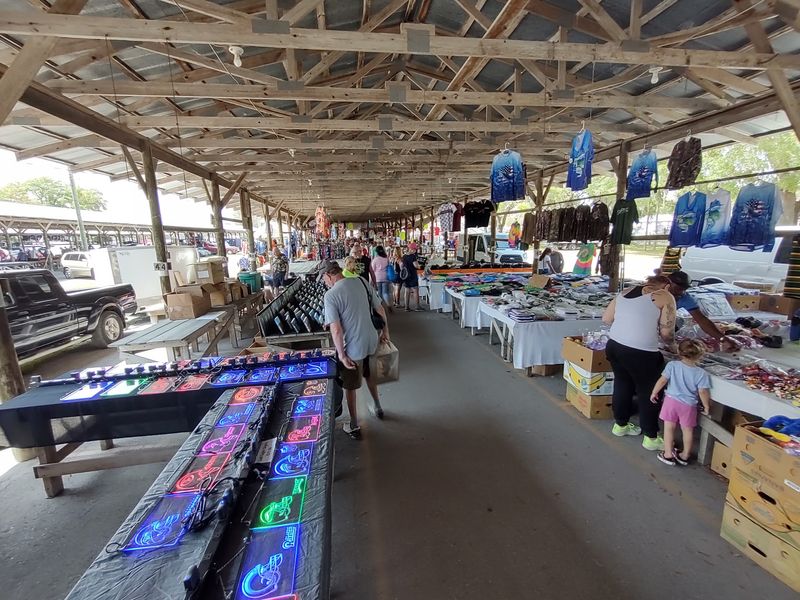
Few places turn a Monday into a highlight, but Webster pulls it off. The sheer number of booths keeps people coming back week after week.
It has rough edges. Restrooms need work, parking can feel confusing, and summer can be slow.
Still, the good outweighs the bumps for most shoppers. Variety, friendly sellers, low entry costs, and the thrill of the hunt keep spirits high.
The market suits collectors, gardeners, bargain seekers, and anyone who loves a long browse. Families and dog owners fit right in too.
The formula for a great day is simple. Arrive early, park smart, bring a wagon, and wear shoes ready for miles.
By 2 PM, the tables close and the field quiets down. The best finds will be riding home in your car.
Enjoyed this story?
Add Fast Food Club as a preferred source to see more of our reporting on Google.