


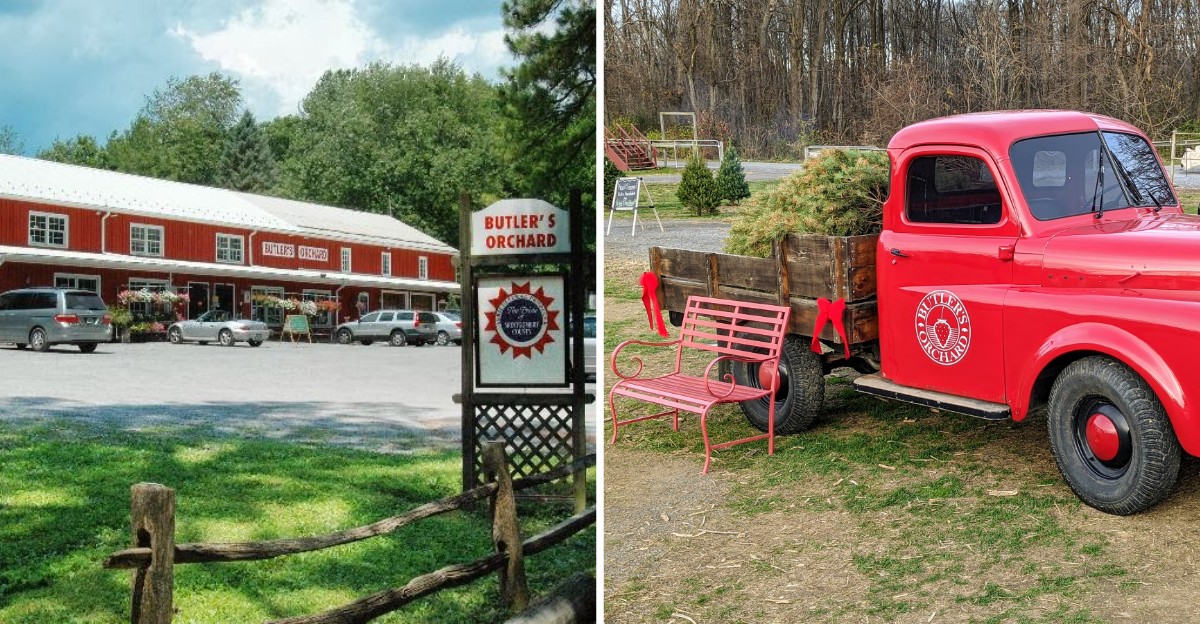
Some family traditions start with a plan, and some start with a muddy pair of boots and a farm road that winds a little more than expected. Out in the countryside of Germantown, Maryland, one family farm has been part of local routines for generations.
Kids who came here on school field trips now bring their own children. The calendar changes the activities, but the pull stays the same: wide-open fields, farm animals, a busy market, and a mug of cider at the end of the day.
This guide covers where the farm sits, how it got its start, what each season offers, and the practical details that save a family from wasted time. There are also a few insider tips about hills, parking, and timing that most first-timers learn the hard way.
Grab a coat and read on.
A Family Farm on Davis Mill Road
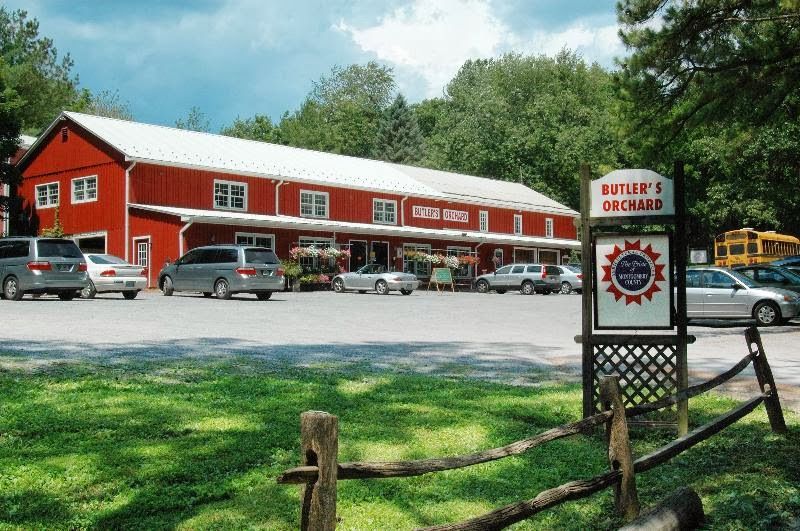
Germantown sits in Montgomery County, but the farm at its northern edge feels a world away from the suburbs. Butler’s Orchard is located at 22222 Davis Mill Rd, Germantown, MD 20876, in the United States.
The property is a working family farm built around the people who come to spend a day on it. Pick-your-own patches spread across the land, and a kids’ play area keeps younger guests busy between activities.
Hayrides roll across the grounds, and a market and cafe greet families near the entrance. That mix of farm work and family fun is what makes the place a regular stop on so many local calendars.
Getting there is part of the adventure. The final stretch follows a narrow, winding country road, so drivers should take it slowly.
Signage along the way is easy to follow, which helps first-timers find the entrance without stress. Once the car is parked, the layout opens up into fields, barns, and gathering spots that invite a full afternoon.
For families in the Washington area, the trip is shorter than many expect. Washington, D.C., is roughly a 35-minute drive away, close enough for a spontaneous weekend outing and far enough to feel like a real escape to the country.
Seventy-Five Years of Roots
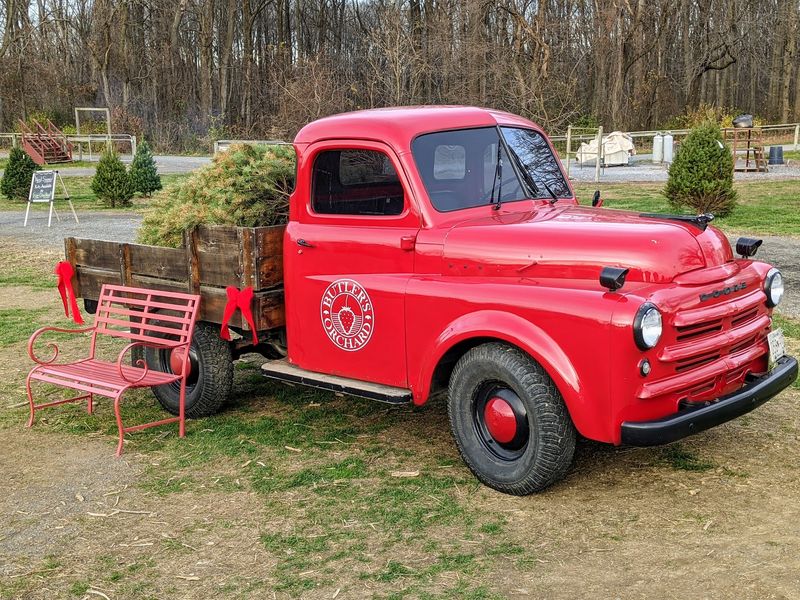
Plenty of local attractions come and go, but this one has staying power. The farm recently marked its 75th anniversary, a milestone few family businesses ever reach.
That kind of history shows up in quiet ways. Families describe first visiting on a child’s school field trip, then returning year after year for festivals, hayrides, and picking seasons.
Some households have been coming for so long that the farm feels like an extension of their own family traditions. The kids grow up, the seasons repeat, and the trip becomes a ritual instead of a one-time outing.
The anniversary also brought a round of small improvements across the grounds. Rather than chasing big flashy changes, the farm seems to focus on steady upgrades that keep the experience familiar while making it smoother.
Family ownership matters here too. Longtime guests point to the farm being run by a family as part of its appeal, and the welcoming atmosphere reflects that.
Staff are frequently described as kind, pleasant, and especially warm toward kids. That reputation has been built one season at a time.
Three-quarters of a century in, the farm still feels less like a business and more like a neighbor that happens to grow fruit and host a very good party.
The Cider Cup That Ends Every Trip
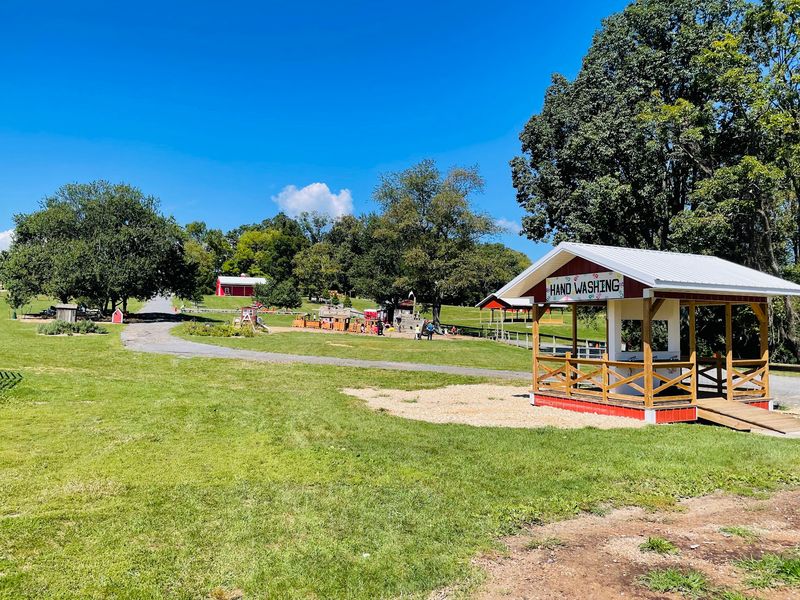
Ask a longtime regular what finishes a farm day properly, and cider tends to come up fast. Apple cider drinks rank among the treats families mention most when they talk about time spent here.
The farm even has a dedicated cider garden during its festival season. It gives grown-ups and kids a spot to sit down, regroup, and plan the next activity.
Timing matters, though. On at least one festival morning, the cider garden had not opened yet when the gates did, so families arriving at the very start may need a little patience.
Checking the schedule online before heading out is the easiest way to avoid that surprise.
Hot cider pairs naturally with the cooler months, when coats come out and the fields shift from berries to pumpkins and holiday preparations. A warm cup in hand makes a long walk back to the car feel a lot shorter.
The market near the entrance keeps the cider theme going with seasonal goods on its shelves. Families often stop in on the way out to carry a bit of the day home.
Call it a sip of tradition. For many households, the cider stop is not an add-on but the official end of the outing.
Fields That Change With the Calendar
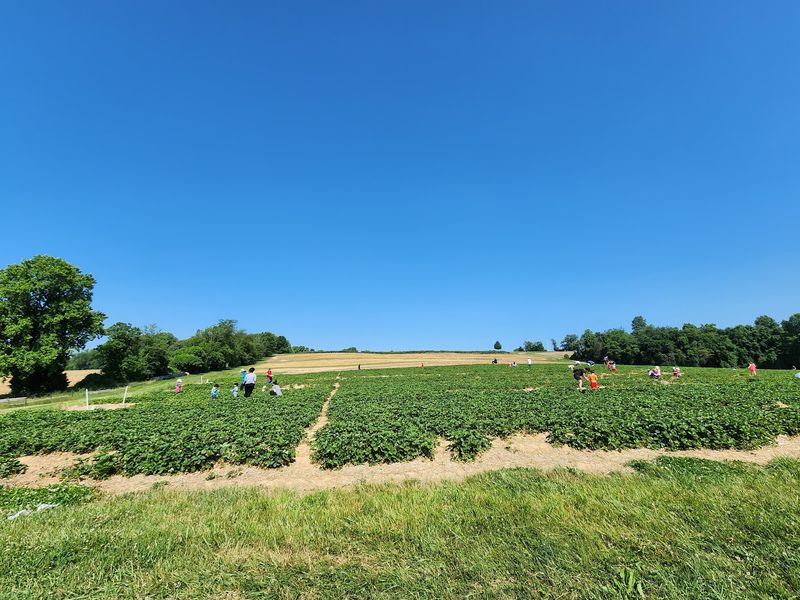
Strawberries in late spring, blueberries in summer, apples and pumpkins as the leaves turn. The farm runs on a rotating menu of picking seasons, and that rhythm is a big reason families return so often.
Picking works on a simple system. Families gather fruit in the field, then pay at fruit stalls nearby, so nobody has to haul a load back to the main building before continuing the day.
Apples are sold by the bag, and pumpkins are priced by the pound. That setup keeps costs manageable, especially for families who want just a few pieces.
A few details help avoid frustration. Some picking areas require driving a car from field to field, and apple picking has been limited to weekends during certain periods.
Field conditions can also vary with weather and timing. Late in a season, rows may be picked over, so calling ahead or checking online before a trip is a smart move.
Early arrival pays off as well. Morning pickers tend to find more fruit and fewer crowds, since the fields fill up as the day goes on.
Blueberry season earns especially strong praise for plentiful, easy-to-reach bushes. Little hands can do most of the work, and kids tend to take that job very seriously.
Shelves Worth a Second Lap
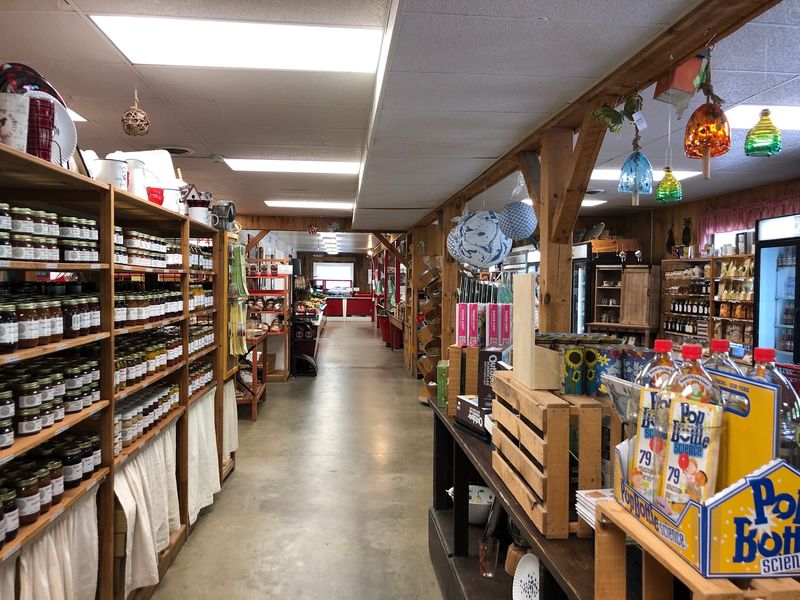
Fair warning: the farm market has a way of lightening wallets. Between produce, baked goods, jams, sauces, spreads, and seasonal decorations, it is easy to leave with more bags than planned.
The store sits right at the entrance, so it often becomes both the first and last stop of the day. Fresh fruit and vegetables share space with farm goods and an assortment of everything tied to the current season.
Beyond groceries, the shelves hold charming kitchen items. Tea towels, plates, cups, and handy gadgets make the market a quiet favorite for gift shopping.
The layout is easy to get around, which helps when the store is busy. Families can browse without feeling rushed, and the space stays clean and organized.
Prices land in a fair middle range for most items. The country store can feel pricey once everything adds up, but there is no pressure to buy anything if the budget is tight.
Seasonal displays keep things interesting. During fall, rows of pumpkins and odd-shaped squash in every size and color become a backdrop for photos as much as a shopping stop.
Shoppers snap pictures right alongside the people filling their carts. Sometimes the best souvenir is a family photo next to a wall of gourds.
Goats, Donkeys, and a Very Busy Playground
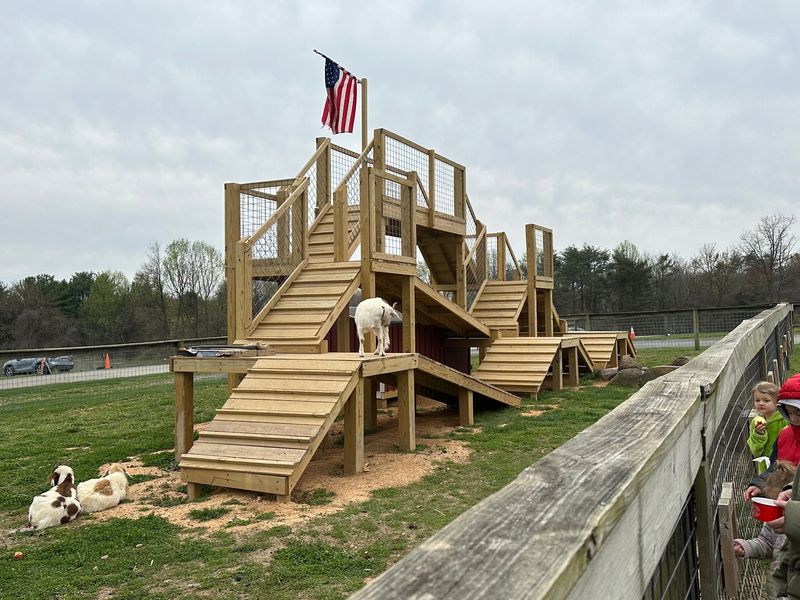
Two donkeys tend to steal the show. The farm keeps a small animal area where kids can meet the residents up close, and feeding the animals is one of the most mentioned highlights.
Goat feeding is especially popular. By late afternoon on busy festival days, the goats may already be well fed, so families who want an eager audience should visit that area early.
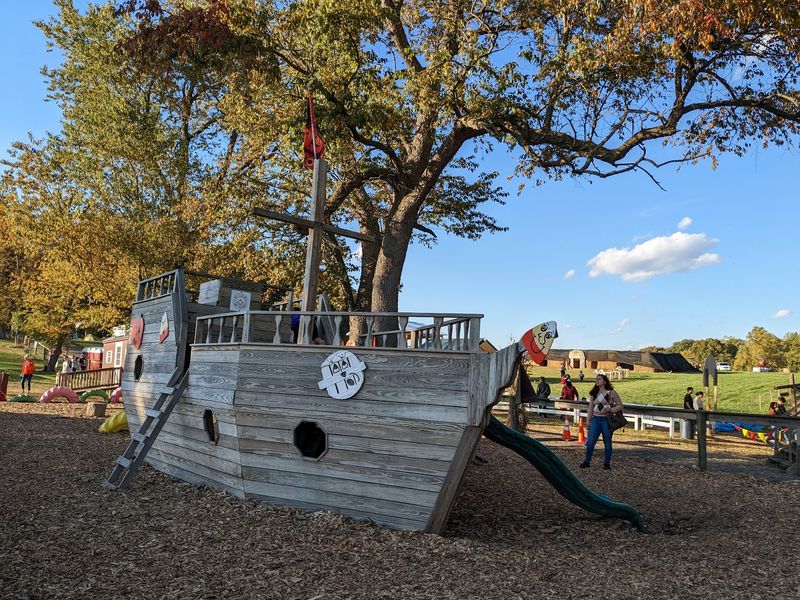
The playground earns nearly as much attention as the animals. Slides and play structures give younger kids a place to burn off energy between picking sessions and hayrides.
Parents appreciate having a spot where little ones can run while the adults catch their breath on nearby benches.
Hayrides add another layer of fun. Multiple tractors keep the rides moving efficiently, and a cute tractor-ride setup makes even a short trip feel special for small passengers.
The farm also offers space for kids’ birthday parties. For families planning a celebration with a built-in activity list, that option removes a lot of planning headaches.
Most attractions lean toward children, which is part of the charm. Teens and adults still find plenty to enjoy, though the real stars of the barnyard remain the four-legged ones.
Festival Season and the Maze on the Hill
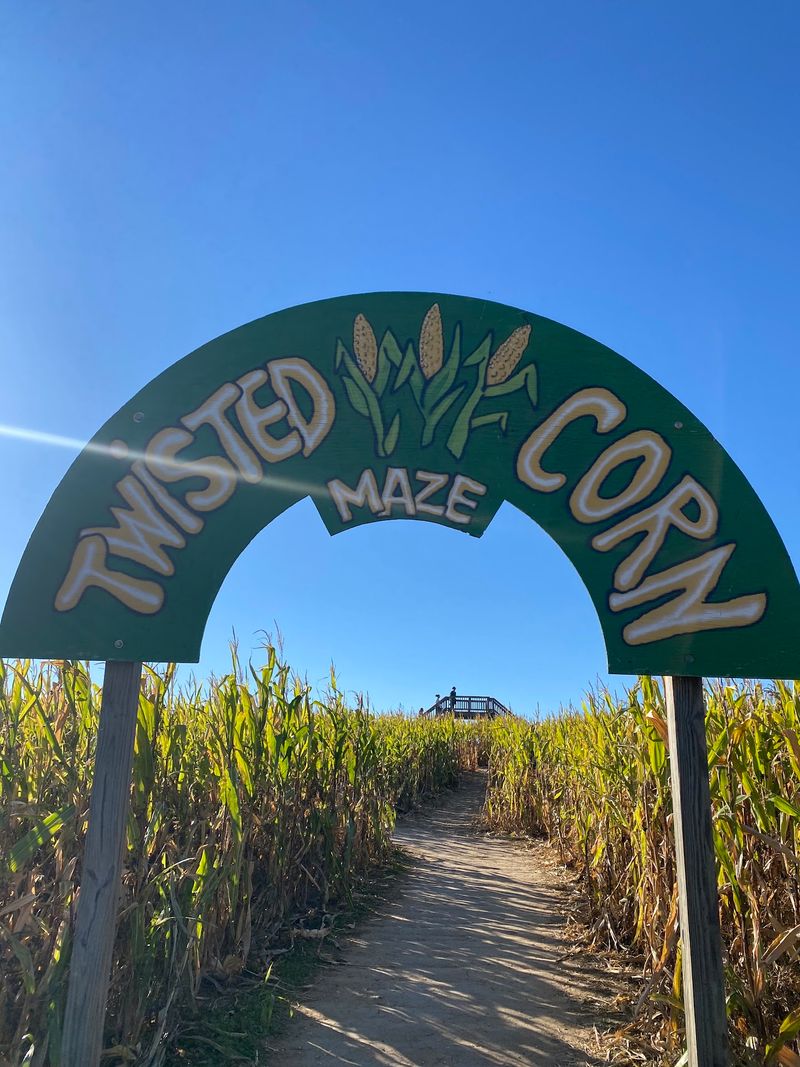
Forty minutes inside a corn maze is a long time to wonder about the exit. Families who tackle the farm’s maze often admit it is harder than expected, which is exactly the point.
Festivals are where the farm truly shines. The fall festival, often called the pumpkin festival, pulls in big crowds with more than 15 activities for kids, teens, and adults.
Hayrides, games, face painting, and live bands fill the grounds. Extra food options appear during festival weekends, and service moves quickly so meals do not eat up activity time.
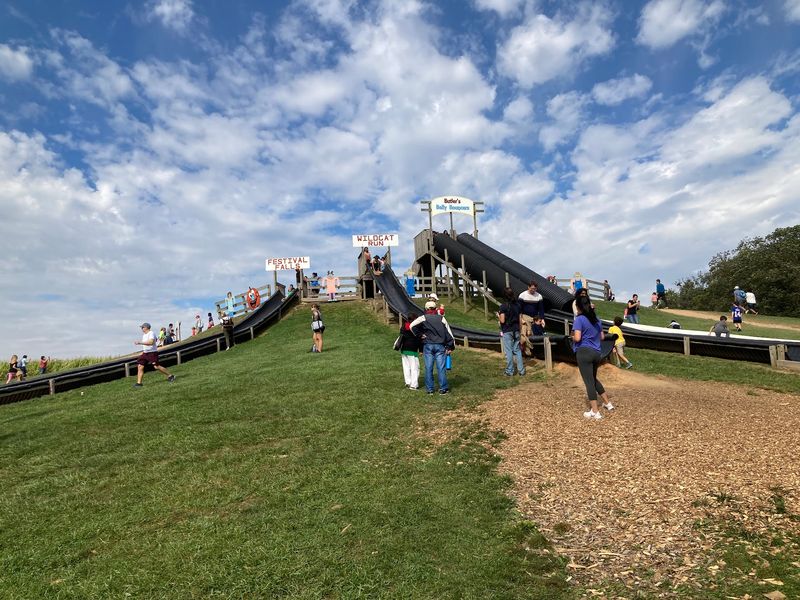
A little geography helps. The corn maze and tractor ride sit at the very top of the hill, and some families nearly miss them on the way out.
The pumpkin patch is also separate from the main festival area. It sits across the road from the market at the entrance, so plan the route before the kids get tired.
Not every attraction opens at the exact same moment the gates do. Arriving a bit after opening, or checking the online schedule, keeps expectations realistic.
Plan to stay a while. Kids regularly push back on leaving, even when nap time is calling loudly.
Sunset Nights and Year-Round Events
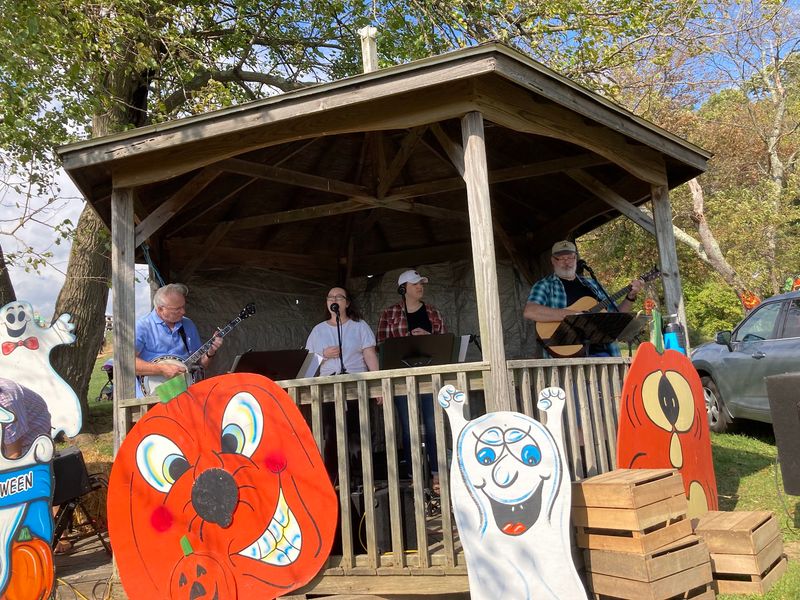
The farm does not shut its doors to fun once the pumpkins are gone. Events run throughout the year, giving families a reason to return in nearly every season.
Sunset Nights are a standout. These evening gatherings bring friends and families together on the farm as daylight fades, with a lively and welcoming crowd.
Live music shows up at many events. During festivals, a band often plays near a seating area where guests can sit, eat, and rest between activities.
The event lineup shifts with the calendar. Families heading out for holiday-season traditions, including any tree or winter activities, should confirm current offerings on the farm’s website before driving over.
That advice applies all year. Schedules, opening times, and specific activities change from season to season, and the online calendar is the most reliable guide.
The variety is what keeps regulars coming back. There is always something new to see, and the farm feels different with each visit.
Friends, couples, and multigenerational groups all find a place here. A spring berry trip and a winter outing can feel like visits to two entirely different farms, and that is a big part of the fun.
Hours, Tickets, and Muddy-Shoe Advice
Mondays are off the table. The farm is closed on Mondays and open Tuesday through Sunday from 9 AM to 6 PM.
Regular admission has been around $5 per person, a price many families consider a solid value. Festival tickets cost more, and some find them on the pricier side, though most say the day is worth it.
Booking online is easy for festival days. Staff simply scan tickets on a phone at the gate, though prepaid lines can still back up during peak hours.
Parking is plentiful once the traffic clears. Busy fall weekends can bring slow roads near the entrance, so building in extra drive time helps.
Dress for a working farm. High heels are a poor choice, and anything that cannot handle dirt, mud, or barnyard mess is best left at home.
Weather matters too, so check temperatures before leaving. Hot days can make field time tough on younger kids.
Some areas involve uphill walking, which may be challenging for older relatives. Benches are scattered around for breaks.
Food is sold on site, and families can also bring a picnic lunch. Signage inside the grounds can be thin in spots, so grabbing a map or asking staff saves wandering.
Why the Drive Keeps Paying Off
Not every outing earns a permanent spot on the family calendar. This one has, for households across the region, for decades.
The farm is not flawless. Picking conditions vary, some attractions open late, and signage could use a few more arrows.
Yet the big picture keeps winning people over. Friendly staff, clean and spacious grounds, a well-stocked market, and a steady stream of seasonal events add up to a day that feels both relaxed and full.
Families with young kids will get the most from it. The playground, animals, hayrides, and picking fields are clearly built with little explorers in mind.
Teens and adults are not left out, though. A tricky corn maze, live music, and the simple pleasure of an afternoon outdoors give older guests plenty to enjoy.
The best strategy is simple. Check the schedule online, arrive early, wear sturdy shoes, and leave room in the trunk for whatever the season has to offer.
End the day with a cup of cider, a bag from the market, and kids who are tired in the best possible way. That is how a farm trip turns into a tradition worth repeating every year.
Enjoyed this story?
Add Fast Food Club as a preferred source to see more of our reporting on Google.