


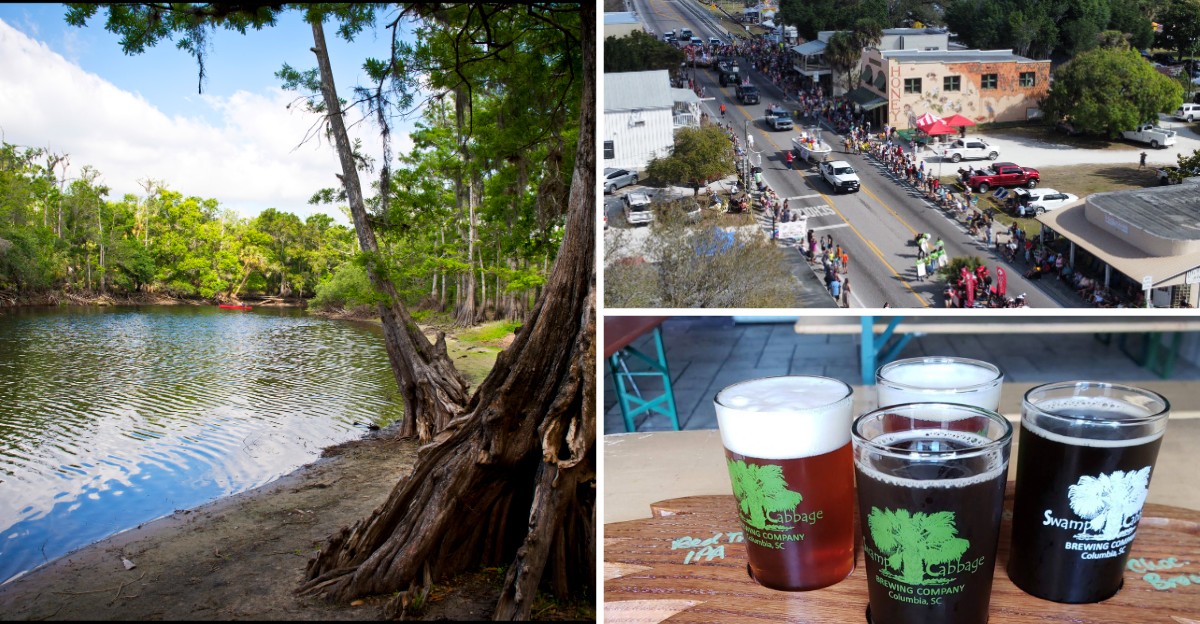
Long before Lake Okeechobee filled up with bass boats and weekend crowds, hunters and fishermen along Fisheating Creek were cooking what the land gave them. Swamp cabbage from the heart of the sabal palm and fried gator tail became backwoods staples in this corner of Glades County.
These foods still tell the story of Old Florida, from cattle camps to campfires to small-town festivals. Here are seven reasons this humble menu still matters around Palmdale and beyond.
1. Fisheating Creek, Palmdale, Florida
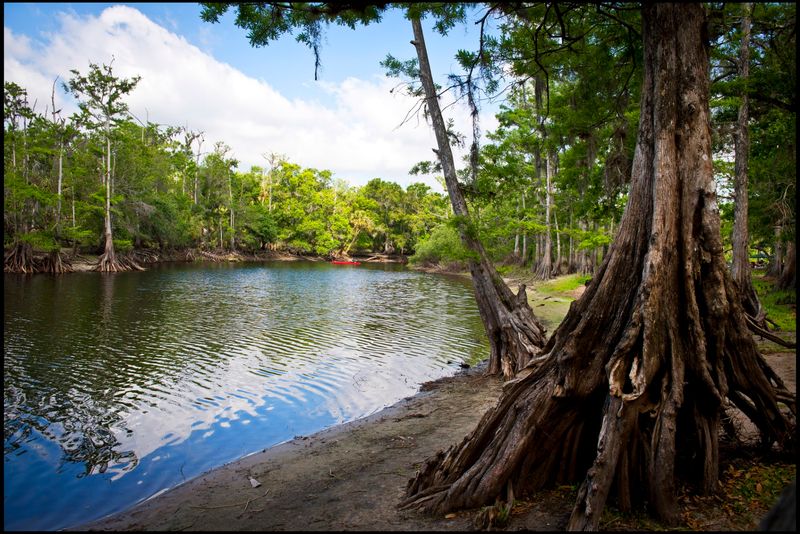
The creek gets its name from an old Seminole phrase often translated as a place where fish are eaten. That tells you how long people have treated this water as a pantry.
Fisheating Creek flows roughly 50 miles through Highlands and Glades counties before reaching Lake Okeechobee. It is considered the last free-flowing tributary feeding the big lake, which makes it unusual in a region shaped by canals and levees.
Cypress, oaks, and cabbage palms line much of the route. Hunters, paddlers, and anglers have used these banks for generations, long before the lake became a busy fishing destination with marinas and tournaments.
I like this creek as a starting point because it explains the whole menu. When the main ingredients grow along the shore and swim in the water, the food choices become pretty obvious.
2. Swamp Cabbage
Florida’s state tree doubles as dinner. Swamp cabbage is the tender inner core of the sabal palm, also called the cabbage palm.
Getting to it takes real work. The outer boots and fronds have to be chopped away with an axe or machete until the pale heart is exposed.
Cracker cooks traditionally boiled or braised it with salt pork or bacon, sometimes adding onion and a little sugar. The result is soft and mild, a little like artichoke heart or cabbage.
Harvesting removes the growing tip, so the palm does not survive. That is one reason it was treated as a special-occasion food and why rules now limit cutting on public land.
3. Fried Gator Tail
Ask any old-time Glades County hunter about the best cut on an alligator and the answer comes fast: the tail.
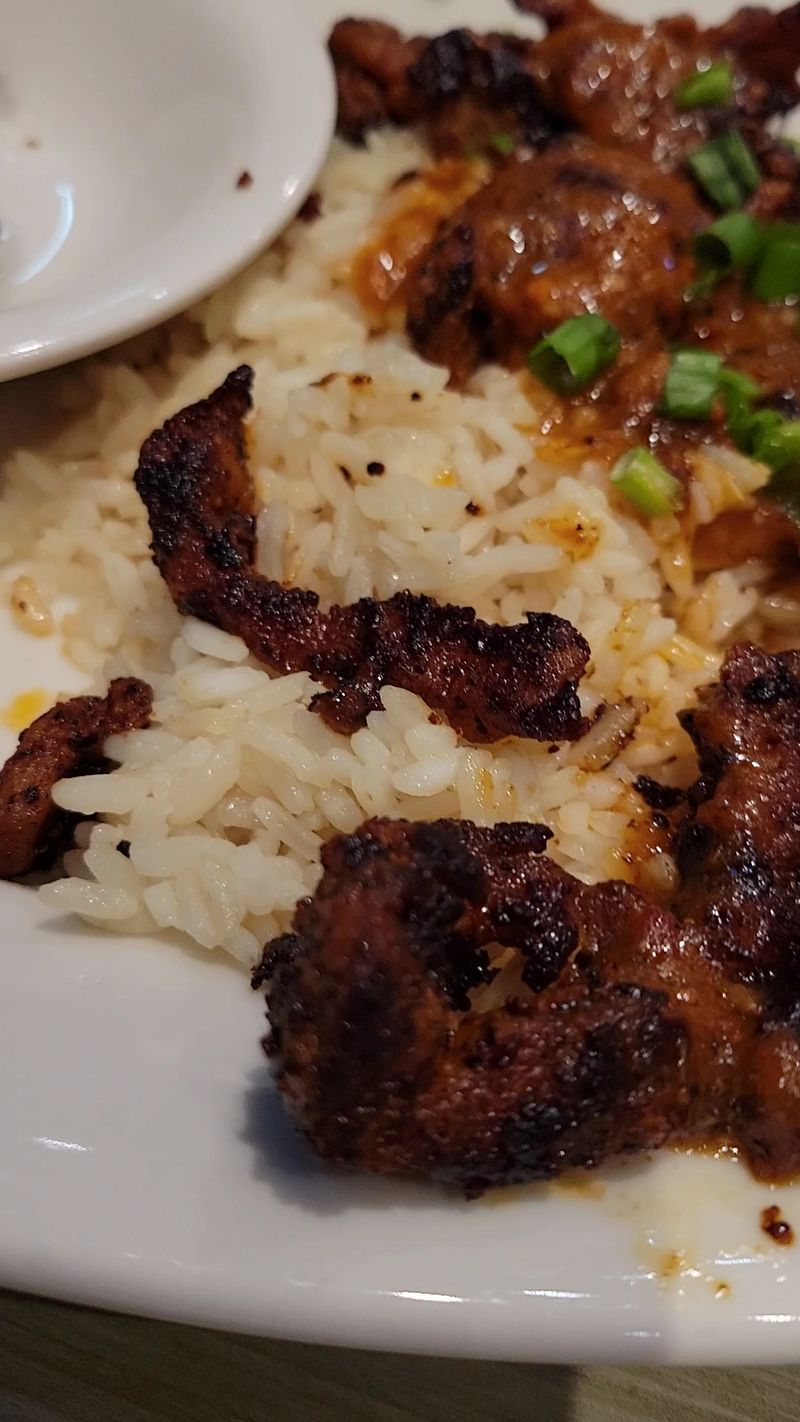
Tail meat is white and firm. Cooks usually cut it into bite-size pieces, soak it in buttermilk or a seasoned marinade, then bread and fry it.
Done right, it is mild and slightly chewy, often compared to chicken with a hint of fish. Overcooking turns it tough, so experienced cooks keep frying times short.
Today, gator meat sold in Florida comes from licensed hunts and farms. Florida runs a regulated statewide alligator harvest each year, and Lake Okeechobee and nearby areas are among its well-known hunting zones.
4. Fisheating Creek Outpost, Palmdale, Florida
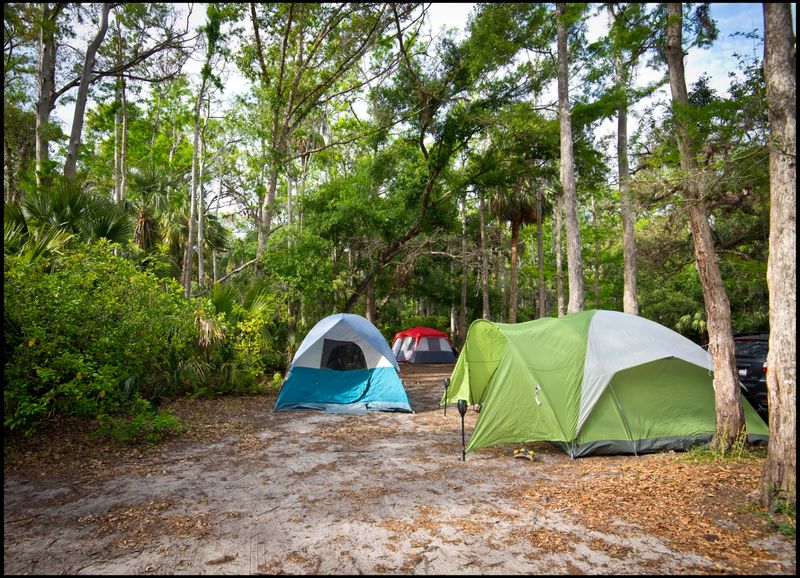
Road trippers on U.S. 27 can blink and miss Palmdale. Pull over, though, and you find the access point most visitors use for the creek.
Fisheating Creek Outpost offers camping, canoe and kayak rentals, and shuttle trips along the waterway. Sites range from primitive spots under the oaks to areas with hookups.
It sits within the Fisheating Creek Wildlife Management Area, a large tract protected through a state conservation agreement. That status keeps the setting close to what earlier hunters would have known.
Water levels change a lot with rainfall, so check conditions before planning a paddle. I would save this stop for cooler months, when bugs ease up and campfire cooking makes more sense.
5. Cracker Cow Camp Cooking
Picture a cattle drive across the prairie with no grocery store for miles. Florida cow hunters, as early cattlemen were called, ate what traveled well or grew nearby.
Cast iron pots, salt pork, grits, and cornbread showed up at camp again and again. Swamp cabbage fit right in because cabbage palms grew almost everywhere they rode.
Glades County still has deep ranching roots, and cattle remain part of the landscape around Palmdale and Moore Haven. The cooking habits from those camps shaped the menus at local gatherings.
This is where the food stops being trivia and becomes heritage. A pot of swamp cabbage carries a direct line back to those working days.
6. Swamp Cabbage Festival, LaBelle, Florida
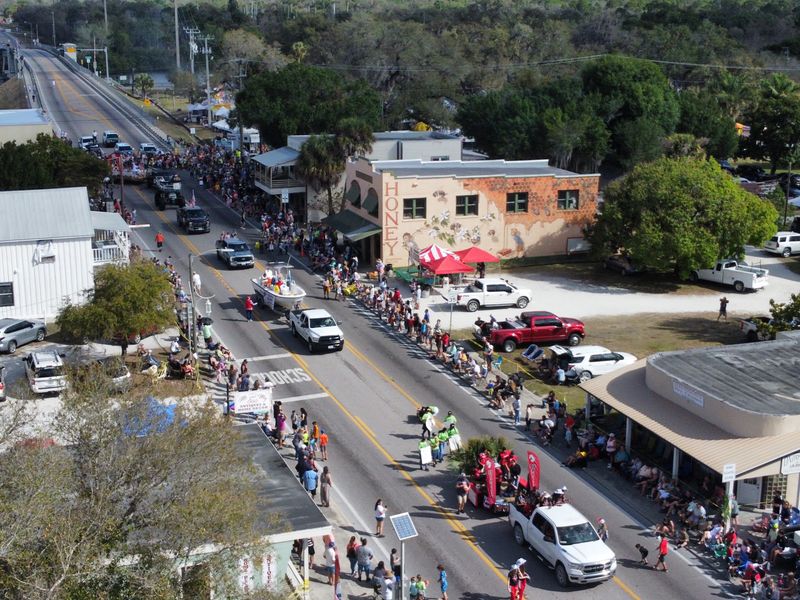
LaBelle took a backwoods vegetable and built a whole weekend around it.
The Swamp Cabbage Festival has been held in LaBelle, southwest of Lake Okeechobee, since the 1960s. It usually takes place in late February at Barron Park along the Caloosahatchee River.
Expect swamp cabbage served several ways, along with fried gator, a parade, an armadillo race, live music, and a rodeo. It is one of the easiest places for newcomers to try both foods in one trip.
Dates shift slightly each year. Check the festival’s official page before heading out.
7. Lake Okeechobee, Florida
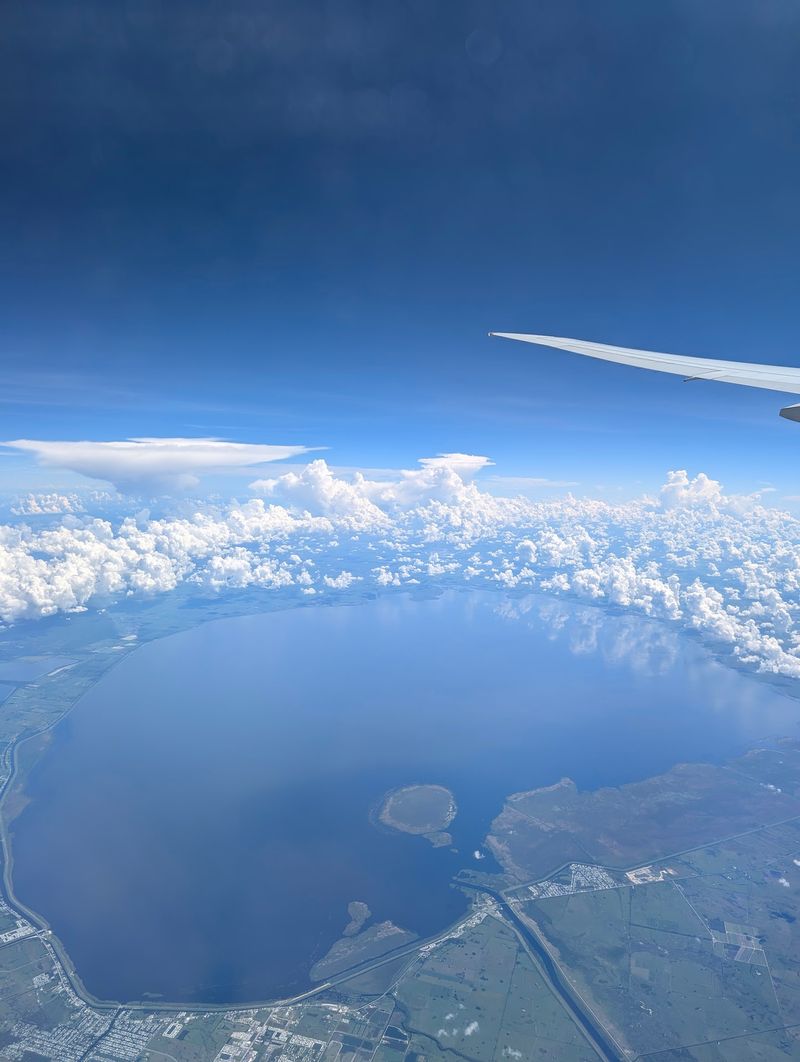
Here is the twist in the headline. The big lake gets the crowds now, but the creek fed it, both literally and culturally.
Lake Okeechobee covers about 730 square miles, making it the largest freshwater lake in Florida. It draws anglers chasing largemouth bass, and towns like Clewiston and Okeechobee cater to them.
The Lake Okeechobee Scenic Trail runs atop the Herbert Hoover Dike for views across the water. Many lakeside restaurants list fried gator next to catfish and speckled perch.
So when you order gator on a lake trip, remember where the habit started. Those creekside hunters were eating it long before anyone wrote it on a menu board.
Enjoyed this story?
Add Fast Food Club as a preferred source to see more of our reporting on Google.