


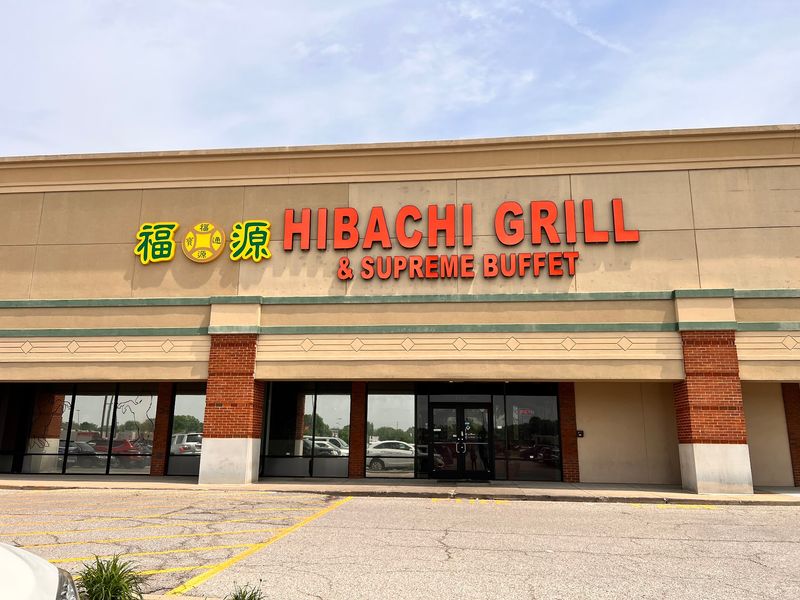
Some meals start with a menu. Others start with a plate, a long row of serving stations, and the quiet challenge of deciding where to begin.
On the south side of Indianapolis, one big all-you-can-eat spot has been handing out that challenge for years, and plenty of locals keep coming back to accept it. Crab and carving-station cravings are a big part of the pull, but the story goes further than one plate.
There is a live hibachi grill, a sushi corner, a dining room with a water fountain, and a crowd that ranges from loyal regulars to curious first-timers. Opinions run hot and cold, and that is part of what makes it interesting.
Keep reading for the address, the best times to go, what it costs, and the honest tips that help a buffet trip go smoothly.
A Big Buffet on US 31 South
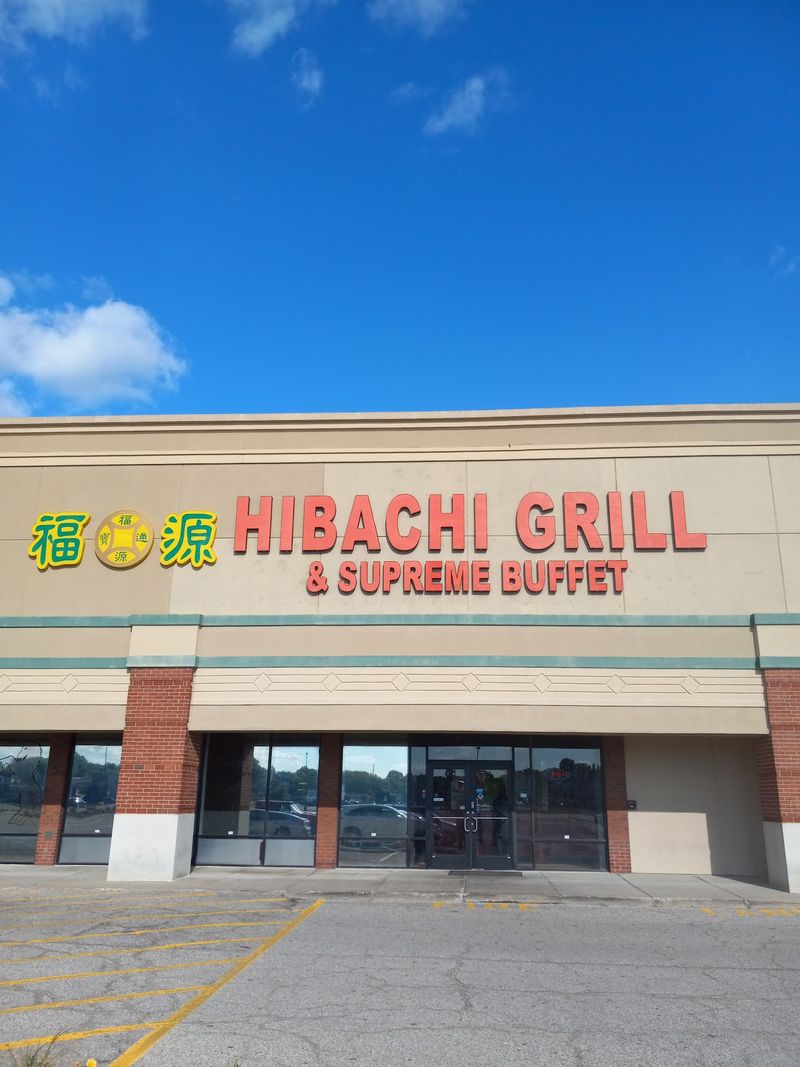
The mystery ends at 7737 US 31 S, Indianapolis, IN 46227, in the United States. That is the home of Hibachi Grill & Supreme Buffet, a casual Asian restaurant on the city’s south side.
The concept is simple. It is an informal all-you-can-eat place that serves popular Chinese and Japanese dishes, including sushi, under one roof.
The location makes it an easy stop for south side residents. It also sits close to the Greenwood shopping area, so plenty of diners swing by after running errands.
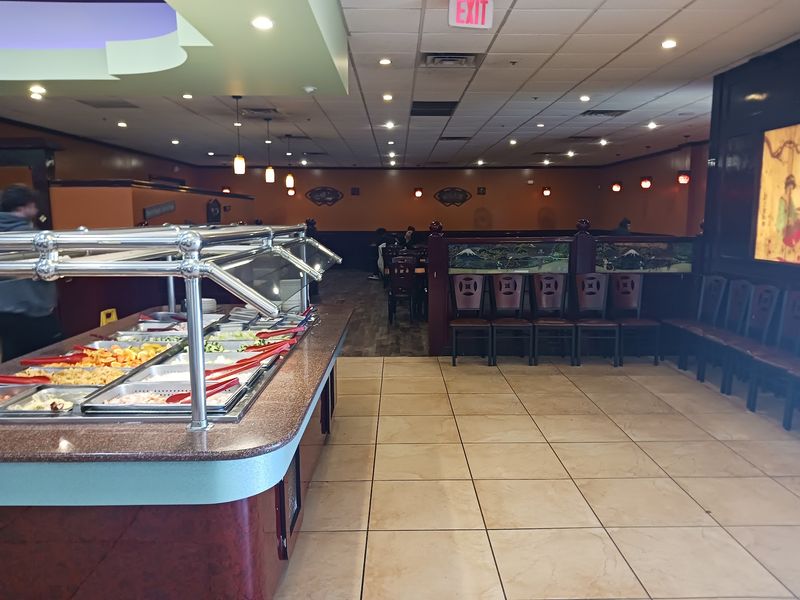
Inside, the setup leans on volume and choice. Diners grab a plate, work through several serving stations, and return as often as they like.
What sets it apart from a standard Chinese buffet is the grill. A hibachi section lets guests pick raw ingredients and have them cooked on the spot, which turns a regular buffet visit into something a bit more hands-on.
The restaurant carries a 3.3-star average across more than 2,400 opinions on Google Maps. That number tells a clear story of a place people talk about a lot, with strong feelings on both sides.
So the question is not whether it is popular. The real question is how to make the most of a visit, and the next sections break that down.
Ten Years of South Side Memories
Loyalty is a funny thing at a buffet. Some diners have been coming here for about a decade, and a few even plan return trips after moving out of state.
That kind of attachment usually comes from habit and good company. Families stop in when relatives visit, and some regulars treat it as a familiar lunch spot when a parent comes to town.
Longtime fans tend to describe a steady track record. One regular pattern is that the food lands well most of the time, with only a handful of letdowns spread across many years.
Not everyone shares that view lately. Some returning guests feel the restaurant has slipped compared to earlier days, and that tension shows up in the mixed overall score.
There is also some local history tied to the name. A few south side diners still mention an older hibachi grill that once operated near a Walmart, in a spot that later became an Aaron’s store.
That nostalgia matters because it shapes expectations. People who remember the good old days often walk in with a high bar.
Newcomers have a different experience. Several first-timers admit they arrived nervous after reading harsh comments online and left pleasantly surprised.
History, it turns out, is part of the menu here, and everyone brings their own helping.
The Fountain in the Dining Room
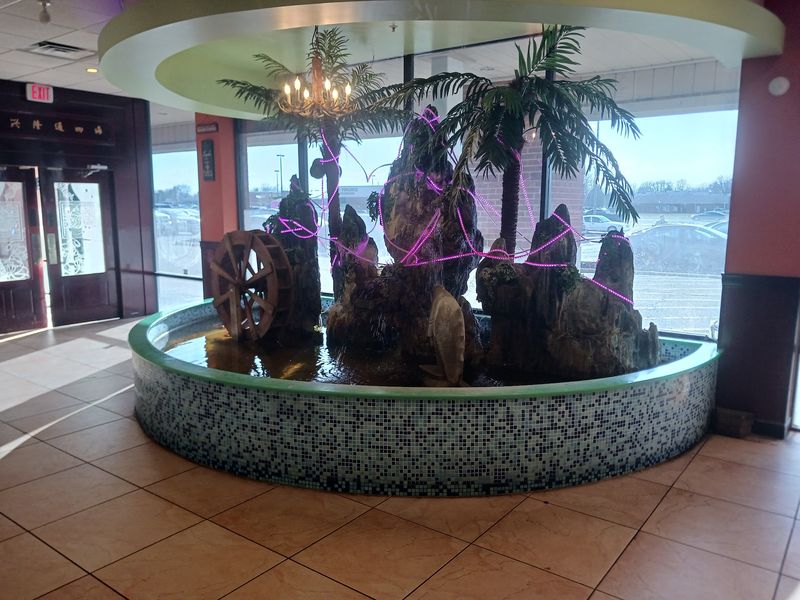
Few buffets bother with decor, but this one has a water fountain. It is one of the features people point out first when describing the interior.
The space itself is large and roomy. Diners often call it a beautiful room, with rows of tables and plenty of space to move between the serving stations.
Cleanliness comes up often, and mostly in a positive way. Many guests describe the dining area as very clean and organized, which helps at a place where hundreds of plates move through each day.
That said, the picture is not perfect. A few diners have raised concerns about restrooms or messy serving areas, and posted health inspection notes have caught some eyes.
The size of the room also makes it practical for groups. There is plenty of space for a party, so birthday meals and big family get-togethers fit without much trouble.
During quiet hours, the room can feel almost empty. At lunch on a weekday, it is often uncrowded, and seating happens quickly.
On busy weekend evenings, the same room fills up fast. That contrast is worth remembering when planning a visit.
A spacious hall and a fountain will not fill a plate, but they do set the stage for a long, relaxed meal.
Cooked to Order at the Hibachi Station
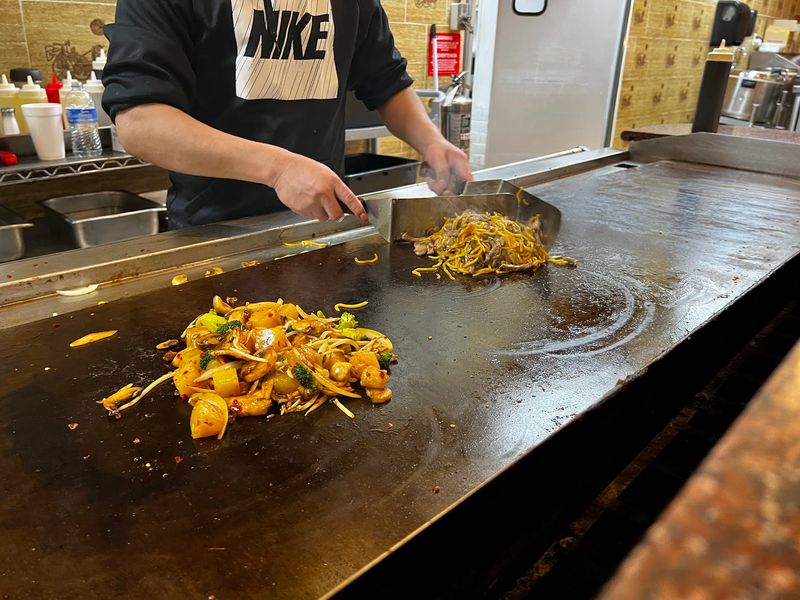
The name on the sign is not just for show. The hibachi grill is the most talked-about feature of the whole restaurant.
Here is how it works. Guests choose raw ingredients from a chilled section, hand them to the cook, and wait while the order is prepared on the flat-top.
Many diners like the idea of a live kitchen inside a buffet. It feels like a fresh twist on the usual format, and several regulars single out the cook as a real highlight.
Results do vary. Some guests call their hibachi plate great, while others describe it as just okay or below what they hoped for.
Staffing is the biggest wildcard. At slower times, a few diners have found the grill station empty with nobody there to cook, which is a letdown for anyone who came specifically for it.
A simple fix helps. Visiting during busier meal periods raises the odds that the grill is fully running.
It also pays to ask a staff member if the cook is on duty before loading up a bowl. A quick question saves a long wait.
When the grill is humming, it is the reason many people pick this buffet over others nearby. When it is not, the rest of the spread has to carry the load.
Crab, Carving Cravings, and the Sushi Corner
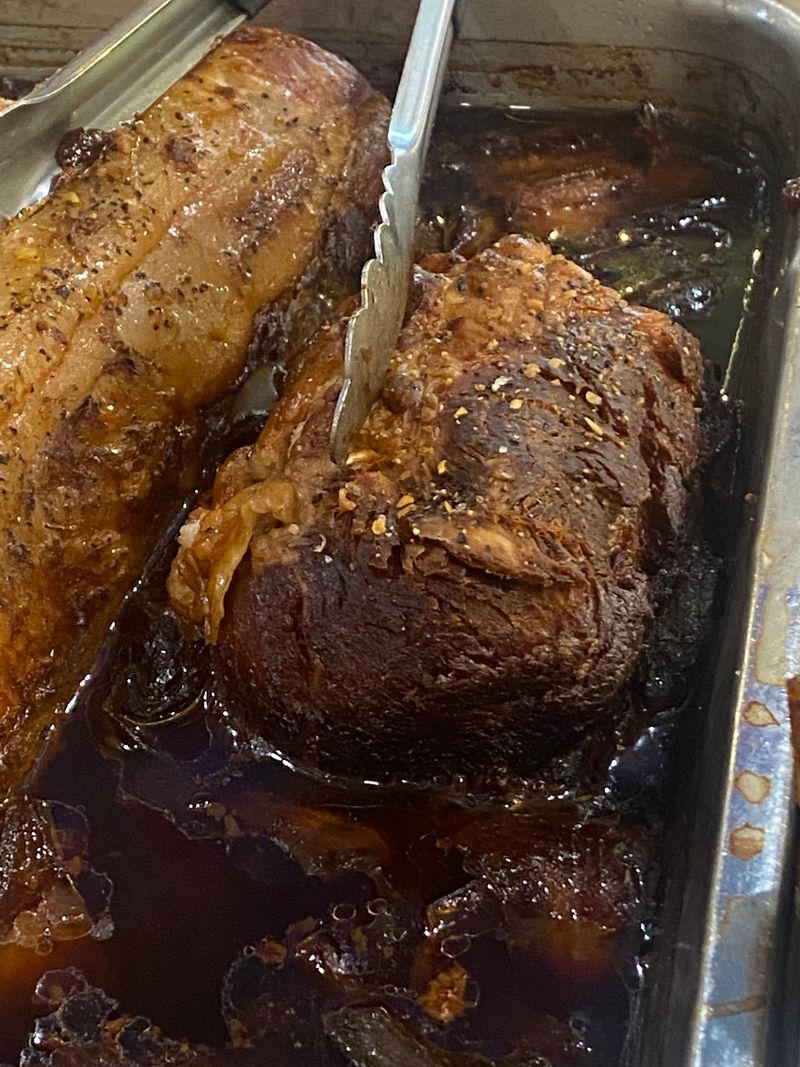
Crab legs and prime rib are the kind of words that get people into the car. They are the big draws that many diners chase at any all-you-can-eat spot in Indianapolis.
At this buffet, crab shows up in more than one form. Diners mention a baked crab dish topped with cheese and crab rangoon among the spread, alongside a seafood soup that sometimes joins the lineup.
The selection changes from visit to visit. That means it is smart to check what is out on a given day rather than count on one specific item.
The sushi corner is the other headliner. It sits in one part of the room and offers around ten different kinds of sushi.
Opinions on the sushi range widely. Some diners call it good, while others find the pieces small or the rice dry, especially later in the day.
For anyone new to sushi, staff can help explain the options. Asking is encouraged, and it is an easy way to try something without guessing.
Wasabi is available too, and longtime regulars give a friendly warning about it. A little goes a long way.
Seafood fans will find plenty to explore here, so the best plan is a small first plate and a second trip for favorites.
Six to Nine Stations of Choices
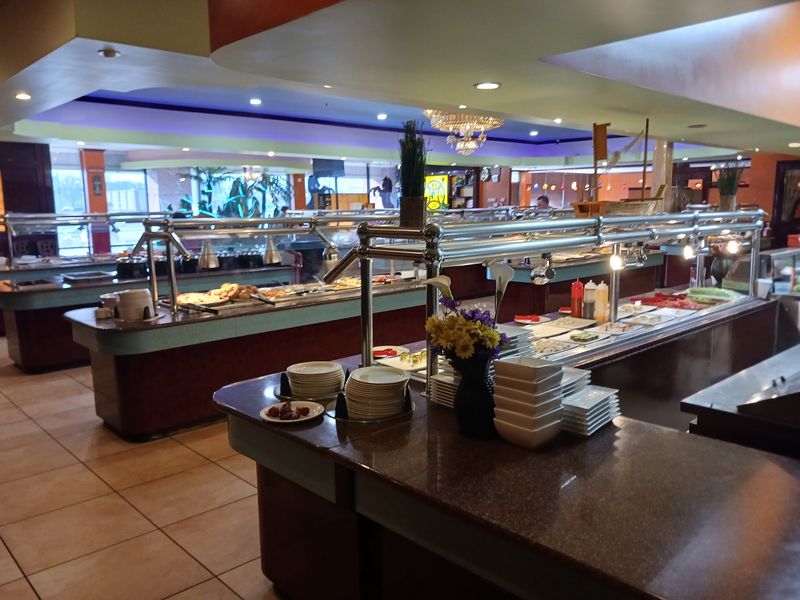
Variety is the headline that never changes. The restaurant runs somewhere between six and nine buffet lines, depending on how the room is set up.
Those lines cover more ground than many people expect. There are Chinese dishes, Japanese items, a sushi section, the hibachi area, and a surprising number of American choices.
Kids get their own corner of the action. Family-friendly items and ice cream make it easier to bring along picky eaters.
The soup section usually holds a few options. Not every pot is labeled, though, so asking staff is the quickest way to know what is inside.
Diners with dietary preferences will notice something else. The buffet includes pork selections, which some guests appreciate and others will want to watch for.
The dessert table is its own adventure. Some guests love it and make it their main stop, while others find the mix unusual and not to their taste.
A practical tip involves condiments. Soy sauce often comes in packets instead of bottles on the table, and salt shakers can be hard to find.
With this many stations, a lap around the room before grabbing anything is a smart move. Seeing the full spread first helps avoid filling up on the first tray in sight.
Timing Your Plate Right
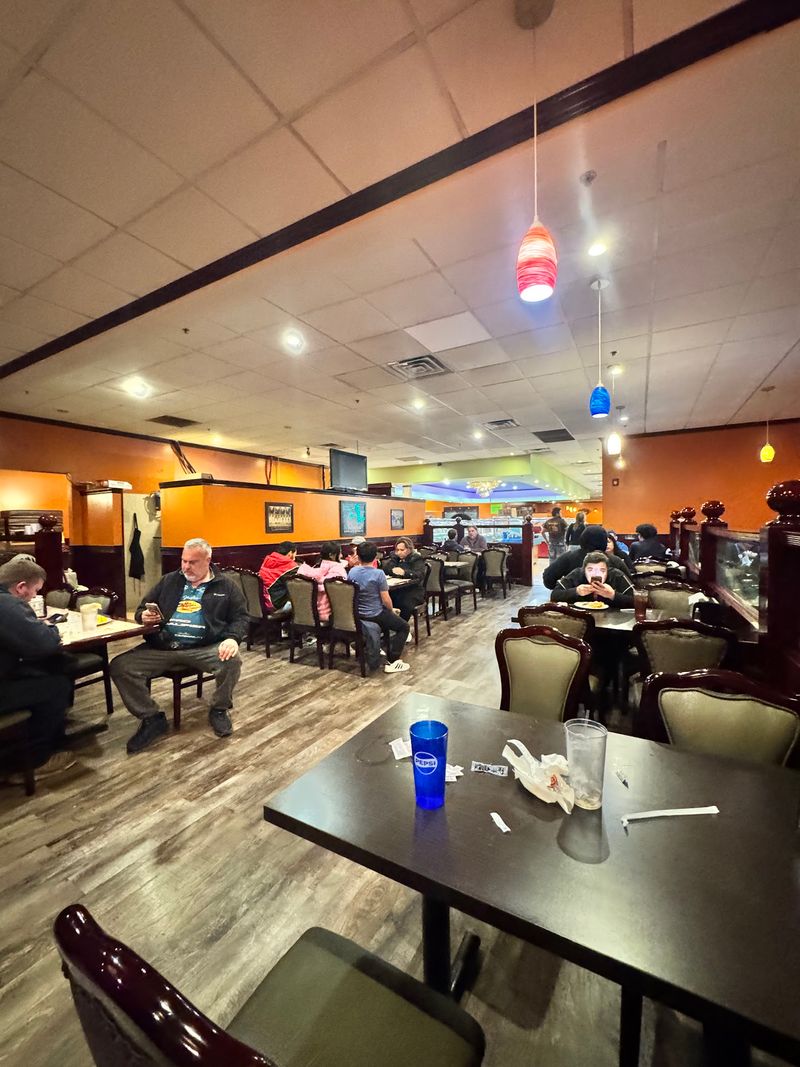
At a buffet, the clock matters almost as much as the menu. Timing can change the whole experience here.
Many regulars say quality varies with the hour. The same dish can turn out differently depending on when it was made, and weekdays tend to get the most consistent praise.
Weekday lunch has another perk. The dining room is often quiet, so seating is quick and the lines are short.
The trade-off is that quieter periods mean fewer refills. Some diners have found food sitting longer and not as warm during slow stretches.
Weekends bring the opposite situation. The room gets busy, and a wait of around ten minutes at the door is not unusual.
Sunday has its own fan club. Some longtime guests recommend it for fresh trays and steady turnover.
Very late arrivals can be risky. Showing up close to closing sometimes means picked-over trays and fewer dinner items left.
Right at opening can be tricky too. A few early birds note that some fried items may need a little more time on the line before they are at their best.
The sweet spot seems to sit in the middle of a busy meal period. Arrive when the crowd is steady, and the kitchen is usually keeping up.
Tables, Tips, and Checking the Total
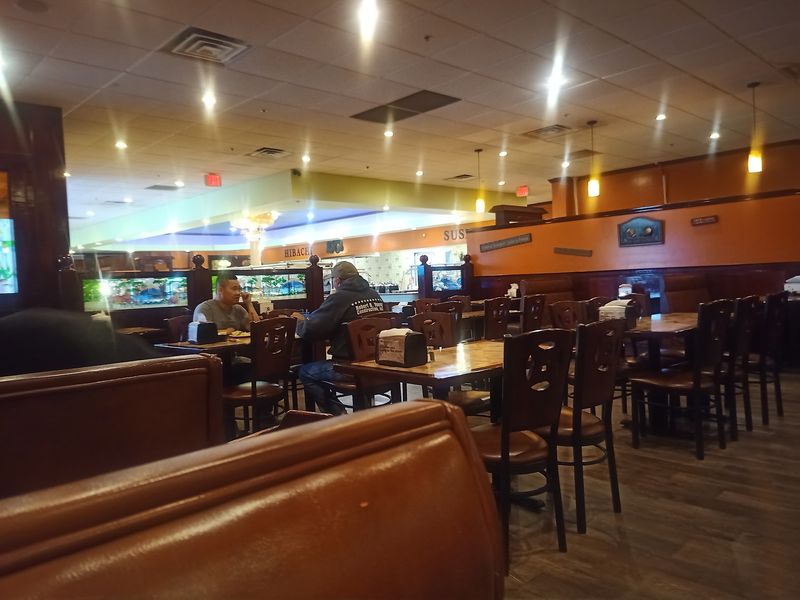
Table service at a buffet is a small thing until it is not. Here, it is one of the most talked-about parts of the visit.
Plenty of diners describe the staff as cheerful, friendly, and attentive. Plates often get cleared quickly, and some servers anticipate requests before guests ask.
Other experiences have been less smooth. Some guests mention drink refills that took a while, or servers who stood nearby while the bill was signed.
Tipping comes up often. A few diners have been asked directly to add a tip, so it helps to decide on an amount ahead of time.
The bill itself deserves a quick look. Some guests report totals that came out higher than the per-person price they were quoted.
A simple habit prevents surprises. Ask about the price for your group before sitting down, and compare that figure to the receipt at the end.
Takeout works on a weigh-and-pay basis. It is worth watching the scale and confirming the total before containers are packed and closed.
None of this has to spoil a meal. A clear conversation at the start and a careful glance at the end keep the focus where it belongs, on the plate in front of you.
Hours, Costs, and the Tuesday Rule
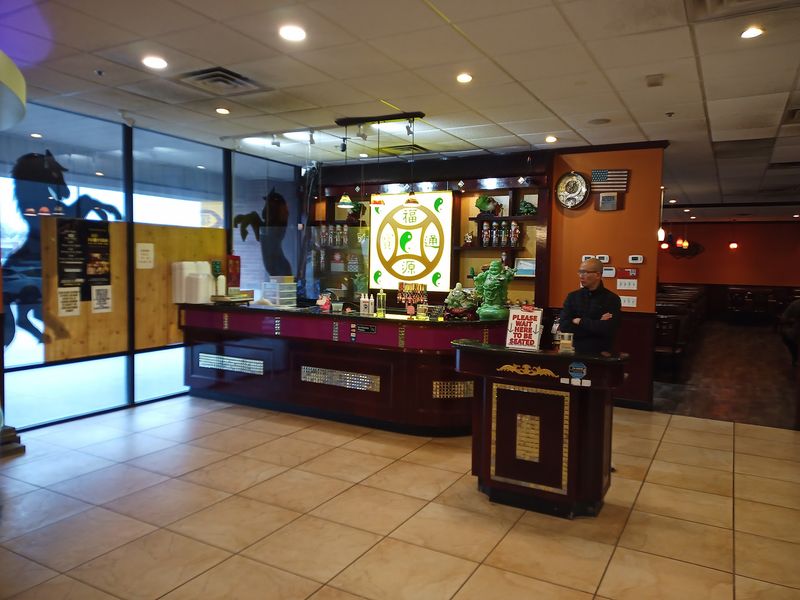
Before heading out, mark one day on the calendar. The restaurant is closed on Tuesday.
The rest of the week follows a steady pattern. Monday, Wednesday, Thursday, and Sunday run from 11 am to 9 pm.
Friday and Saturday stay open an hour longer. Those days run from 11 am to 10 pm, which gives weekend diners a bit more room.
Pricing is one of the biggest selling points. The cost per adult generally lands under 20 dollars, with around 17 dollars per person mentioned for a recent visit.
Dinner usually costs more than lunch. Groups should expect totals to climb with drinks, and two-person bills of roughly 40 to 44 dollars have been reported.
Many diners still call it very affordable. For the amount of choice on offer, the value is a big reason people return.
Getting there is straightforward for south side residents. The address on US 31 South puts it close to Greenwood, so it pairs well with a shopping trip.
Parking is generally easy, and the large dining room helps when the crowd builds.
A quick phone call or map check before leaving is a smart move. Hours can shift around holidays, and confirming saves a wasted drive.
Worth a Plate or Two
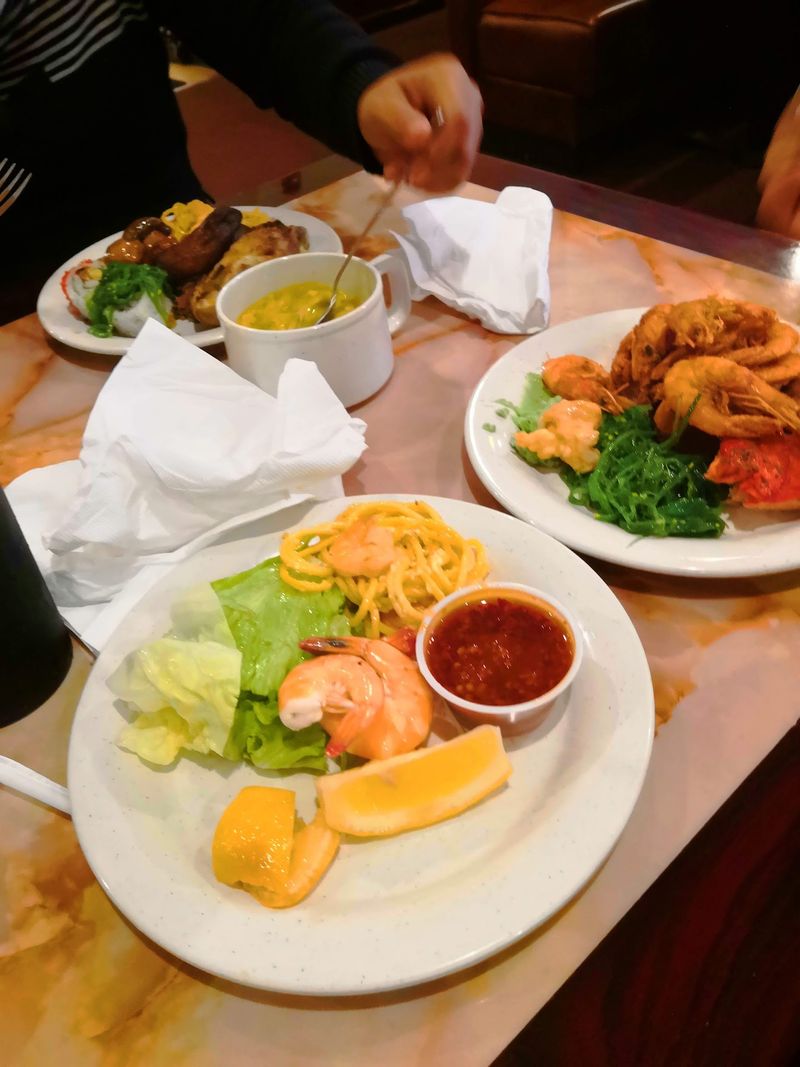
Every buffet asks the same question at the door. Is it worth the price of a plate?
For this south side spot, the answer depends on what a diner values most. Big variety, low cost, a roomy dining hall, and a live hibachi grill make a strong case.
Families with kids tend to do well here. The ice cream, American options, and open space make it an easy group outing.
Seafood fans and sushi lovers have plenty to try. Crab dishes and a dedicated sushi corner give the spread some extra appeal.
Consistency is the main caution. Food quality can swing with the time of day, and the overall score reflects those ups and downs.
The smartest approach is simple. Go during a busy weekday meal, confirm the price up front, check the bill, and start with small portions.
Longtime regulars clearly see something special here. Many have stuck around for years, and some first-timers leave happier than they expected.
Those who go in with realistic expectations usually find a good-value meal and a lot of choices. On the south side of Indianapolis, that combination keeps the parking lot busy, and it may earn this buffet a spot on your next lunch list.
Enjoyed this story?
Add Fast Food Club as a preferred source to see more of our reporting on Google.