


Some of the best stops in Ohio do not come with a ticket booth, a parking fee, or a long line. One of them sits on a quiet main street in Sugarcreek, in the heart of Ohio Amish Country, inside a building that dates back to 1927.
From the sidewalk it looks modest, almost easy to miss. Inside, three full floors hold butter churns, sheep shears, military uniforms, old medical kits, musical instruments, and a kettle where kids can pretend to make cheese.
The floors creak, the volunteers know their stuff, and the guest book has been signed by people from dozens of countries. Admission costs nothing at all.
Keep reading to learn what waits on each level, how long to plan for, and the one small rule at the front desk that everyone talks about afterward.
A Main Street Address With Swiss Roots
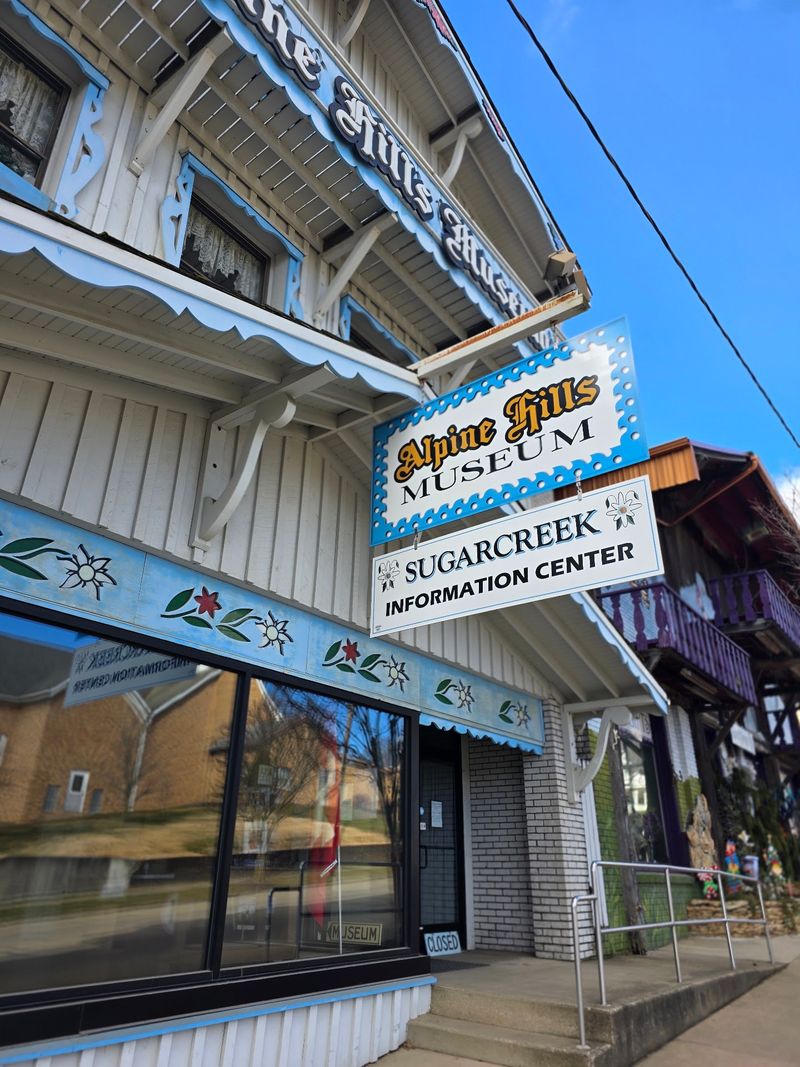
Sugarcreek calls itself a little Swiss village, and its local history has a home base that is easy to find.
The Alpine Hills Historical Museum and Information Center stands at 106 W Main St, Sugarcreek, OH 44681, in the United States. It doubles as a museum and a spot to get your bearings in town.
The focus is the story of the people who settled this corner of eastern Ohio. Swiss, German, and Amish heritage all get attention across the exhibits.
That mix matters, because Sugarcreek’s identity is tied to those families and the trades they brought with them. Cheese making, farm work, sewing, and music all show up inside.
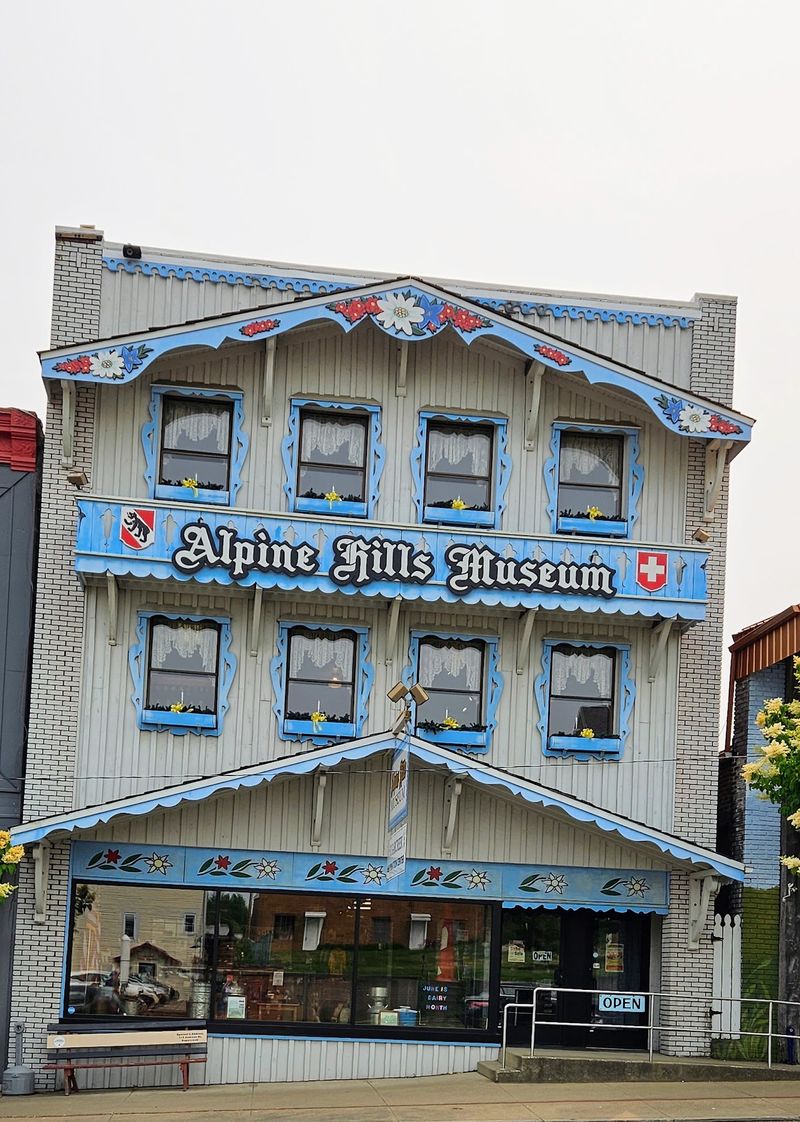
The building itself is part of the appeal. It was built in 1927, and the staff are open about its age, creaky floors included.
Many people walk in expecting a single room of old photos. They walk out having explored three levels of artifacts, many of them donated family heirlooms from local households.
Admission is free, with a donation jar for anyone who wants to help keep the lights on. For a town packed with shops, that makes it one of the easiest stops on the whole street.
Consider it the village’s attic, organized and labeled.
The Building That Turned 1927 Into a Feature
Old buildings have opinions, and this one shares them through its floorboards.
The structure dates to 1927. Every step across the wooden floors comes with a creak, and the staff have a cheerful answer for anyone who mentions it.
Their take is simple. Creaky wood beats carpet from the 1970s, and the age of the place fits the history it holds.
Some families find the vintage atmosphere a little spooky. Others think it adds character, since the setting matches the items on display.
The interior is laid out across three floors. Displays are arranged with care, and items are well preserved and kept clean.
Small details get attention here. The volunteers handle daily upkeep, and the effort shows in how tidy the cases and rooms stay.
Even the restroom earns a mention for being spotless. It is not a headline attraction, but it is a welcome bonus on a day of village wandering.
One practical note before heading upstairs. The building is not handicap accessible beyond the ground level, though the first floor alone offers plenty to see.
Old bones, well cared for, set the stage for everything that follows.
Three Floors of Village Memory
Here is the number that surprises people most: three.
Three full floors of exhibits sit inside a building that looks like it might hold one. The modest exterior hides far more than most expect.
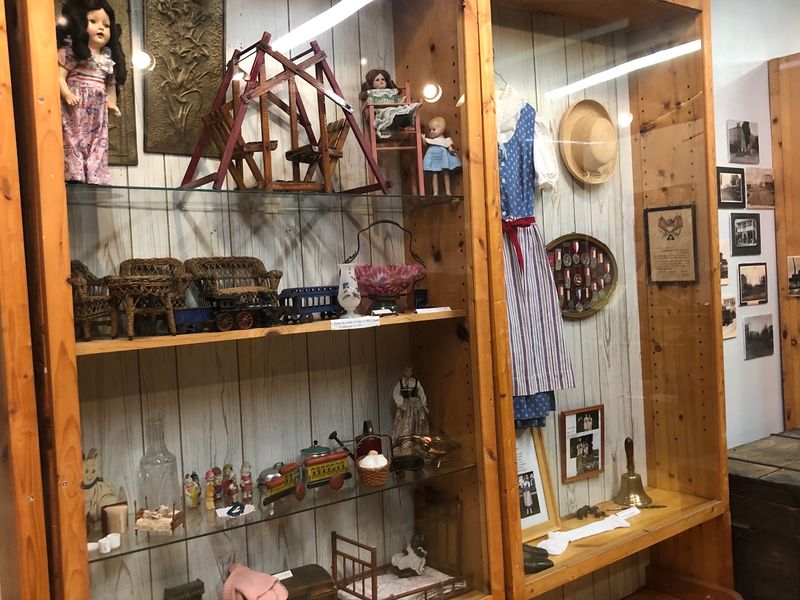
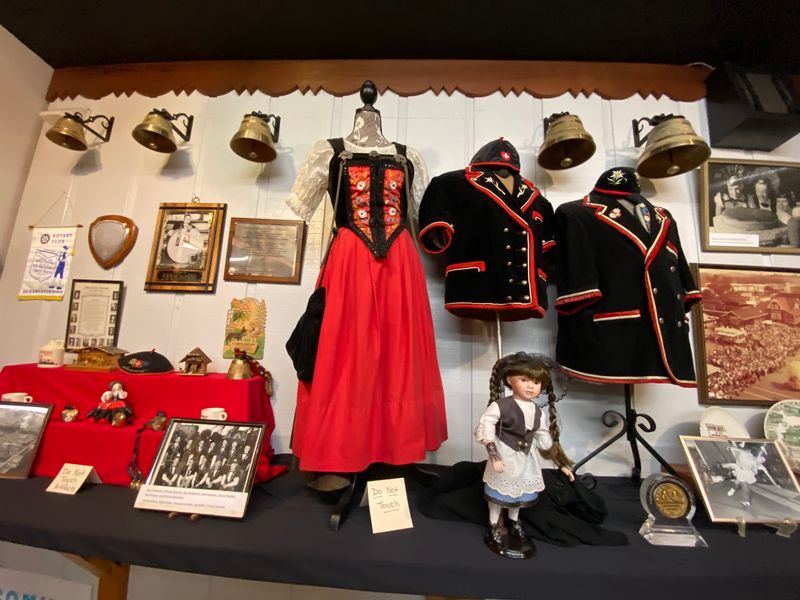
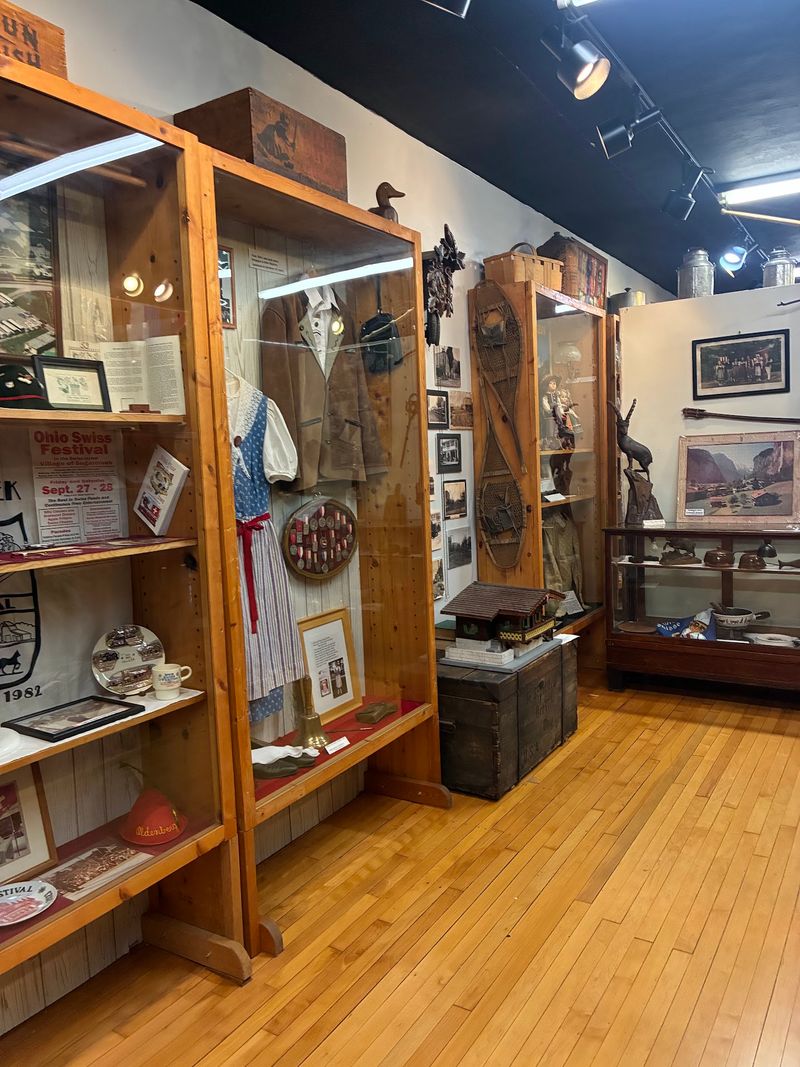
Each level is packed with local history. Tools, clothing, household goods, and items tied to the industries of early settlers fill the rooms.
Many pieces came from local families. Heirlooms passed down for generations now sit in cases where anyone can learn from them.
That gives the collection a personal quality. These are not objects bought at auction from far away, but things people in this area actually used.
The range is wide. Cultural items from beyond the region appear alongside Sugarcreek’s own story, which adds some cross-cultural variety.
Planning tip: most groups spend somewhere between 20 and 40 minutes. History fans who read every label could easily stretch that longer.
There is no rush either way. Taking time to look at everything, and snapping photos along the way, is encouraged.
Climb all three floors if you can, since the top levels hold plenty of the quirky finds.
Cheese Kettles and Amish Country Know-How
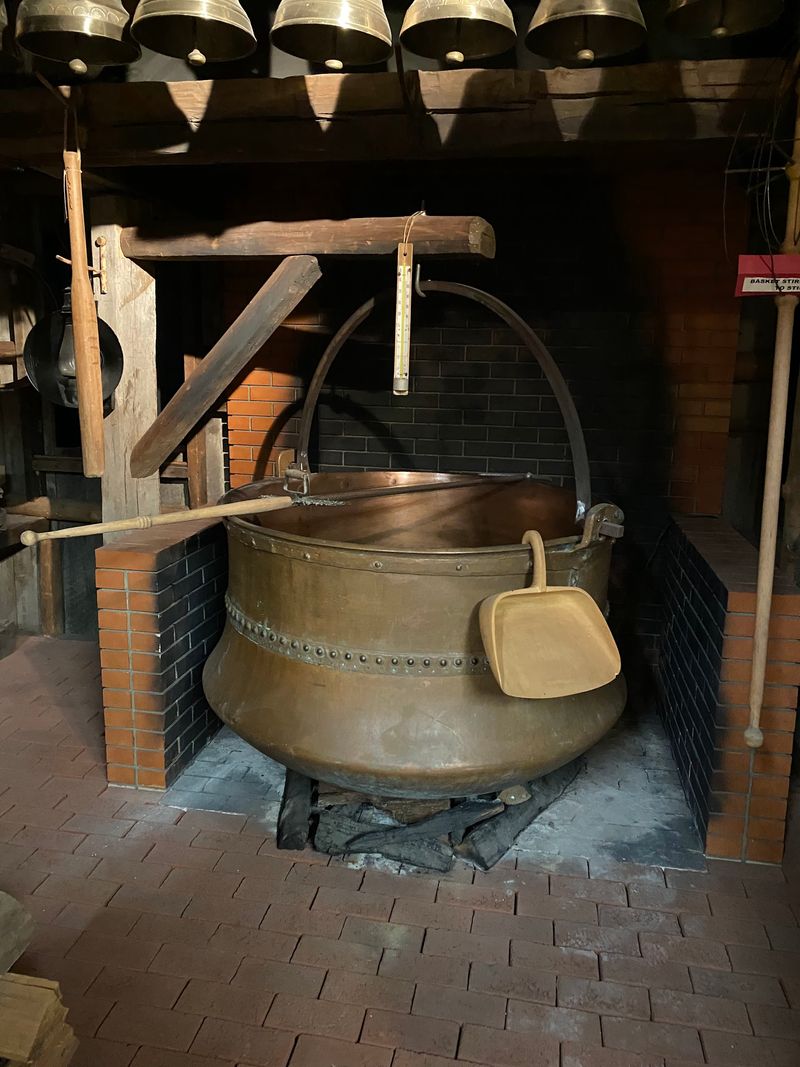
Cheese is serious business in this part of Ohio, and the museum gives it the spotlight it deserves.
Exhibits explain cheese making as part of local heritage. Swiss settlers brought the craft, and it became tied to the town’s identity.
The best part for kids is a large kettle where they can pretend to make cheese themselves. Young ones tend to treat it as the highlight of the trip.
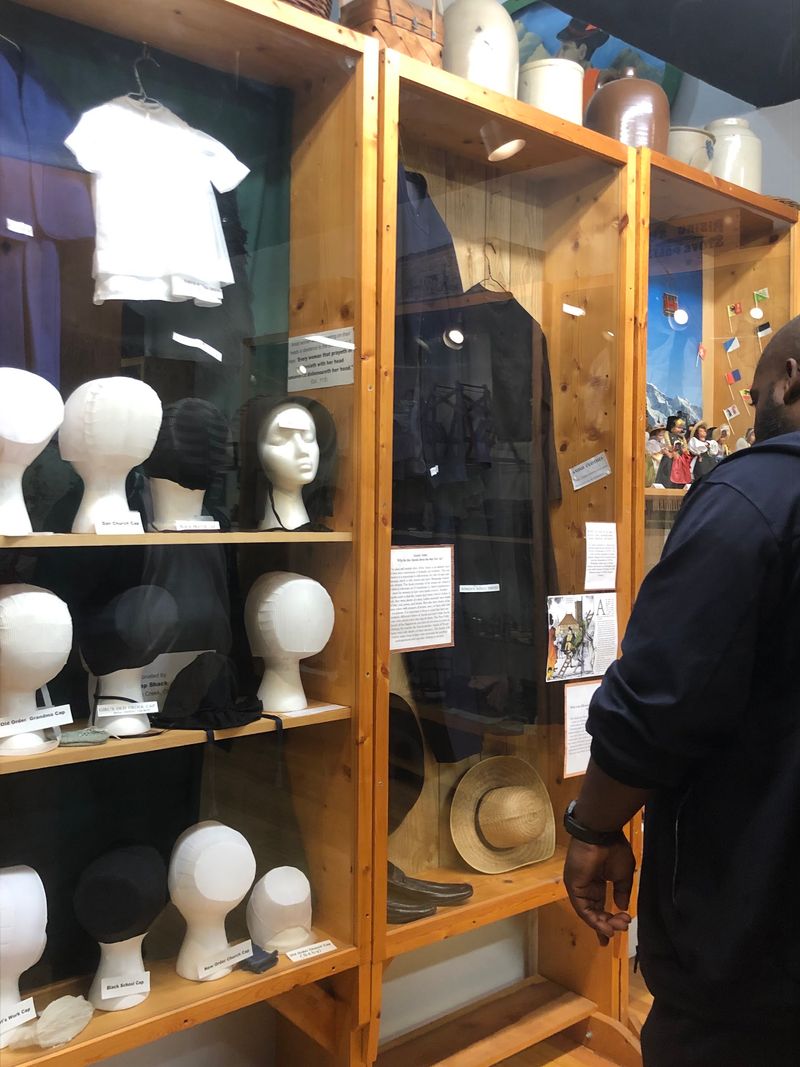
Amish culture also gets thoughtful coverage. Some consider the museum the best place in town to learn about Amish life and traditions.
Displays cover the tools, clothing, and work of the people who farmed and built this community. The aim is understanding rather than spectacle.
Families with children in the 8 to 11 range have found plenty to learn here. Swiss, German, and Amish stories all weave together across the rooms.
That blend helps explain why Sugarcreek looks and feels the way it does today. The shops outside make more sense after a stop inside.
For a town known for its dairy roots, it seems only fair that the kettle gets a little fame of its own.
Butter Churns, Sheep Shears, and Carrier Pigeons
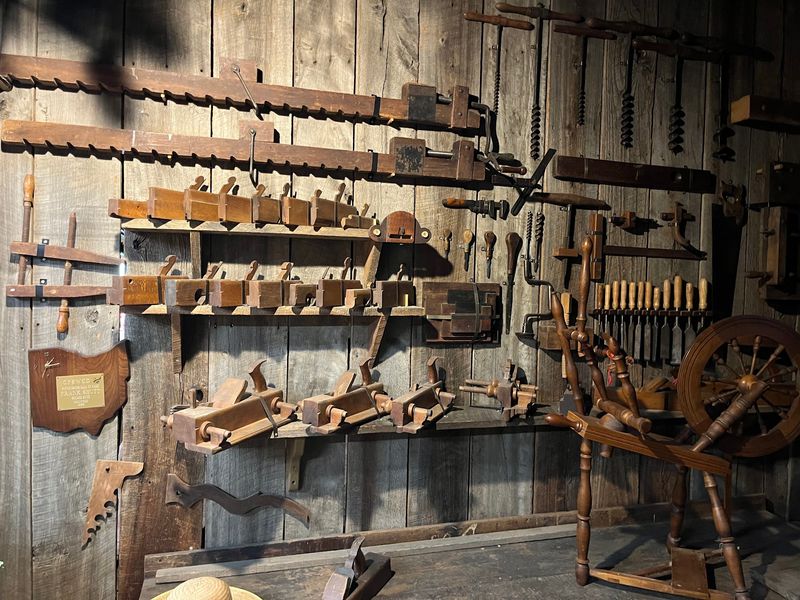
Few people plan to become experts in antique sheep shears on vacation. It happens anyway.
The everyday tools of past generations make up a big share of the collection. Butter churns, shearing equipment, and farm implements show how much work daily life once required.
There is also information on how people used to send messages by carrier pigeon. It is the kind of fact that sticks around long after the trip.
Sewing machines appear too. They hint at the hours of handwork that went into clothing families in the 1800s and early 1900s.
Old medical kits offer a look at how care was handled before modern clinics. They tend to get a second glance from almost everyone.
Military uniforms round out the mix. They connect local families to wider moments in American history.
None of these items are flashy. Their value comes from showing how ordinary people lived, worked, and stayed in touch.
Expect to leave with a pocketful of random 1800s trivia, ready to share at the next family dinner whether anyone asked or not.
Musical Instruments and an Alpine Horn
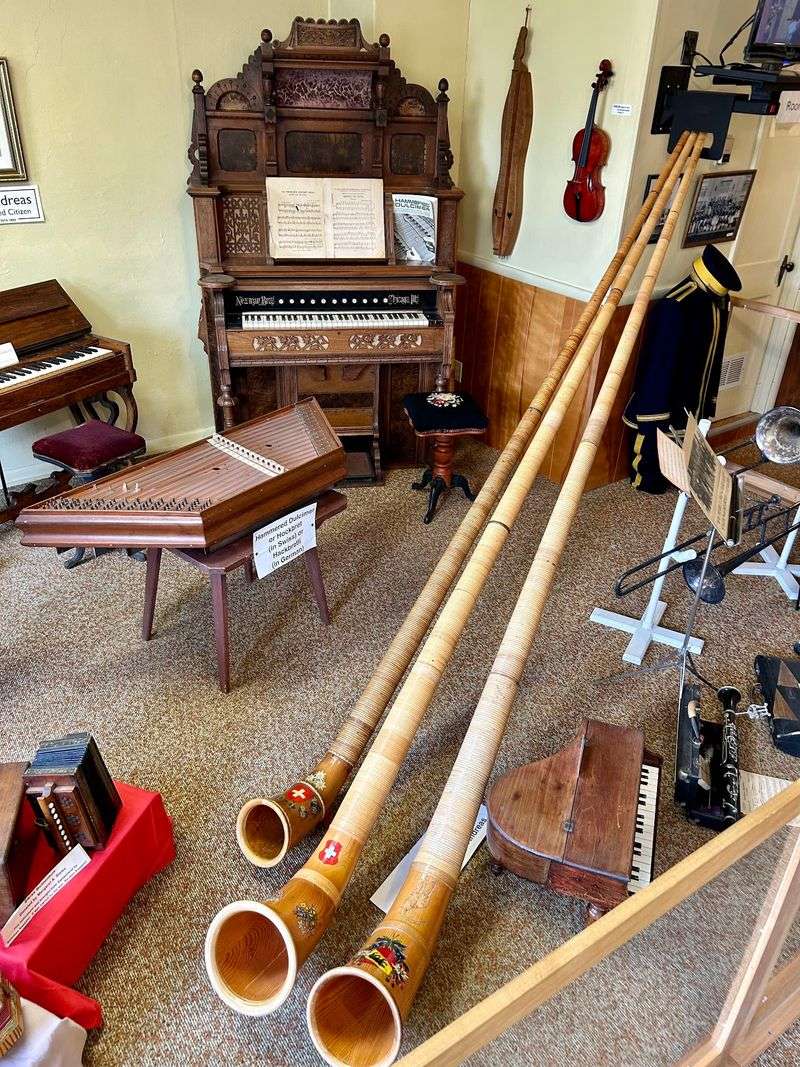
Swiss heritage comes with a soundtrack, and the instrument collection proves it.
Musical instruments are among the most talked-about pieces in the museum. They connect directly to the Swiss traditions that shaped Sugarcreek.
The alpine horn is the star. It is long, wooden, and unmistakably Swiss.
On at least one occasion, staff let children try playing an alpine horn. That kind of moment fits the museum’s stated goal of encouraging the next generation to enjoy history.
No promises that every group gets a turn, of course. It depends on who is working and what is happening that day.
Even without a demo, the instruments tell a story. Music was part of community life, gatherings, and celebrations for the families who settled here.
The collection also includes pieces from other cultures. That cross-cultural angle gives music fans more to study than they might expect in a small-town museum.
Fans of folk traditions should budget a few extra minutes here. A horn this size deserves more than a passing glance.
Push-Button Screens and Audio Stops
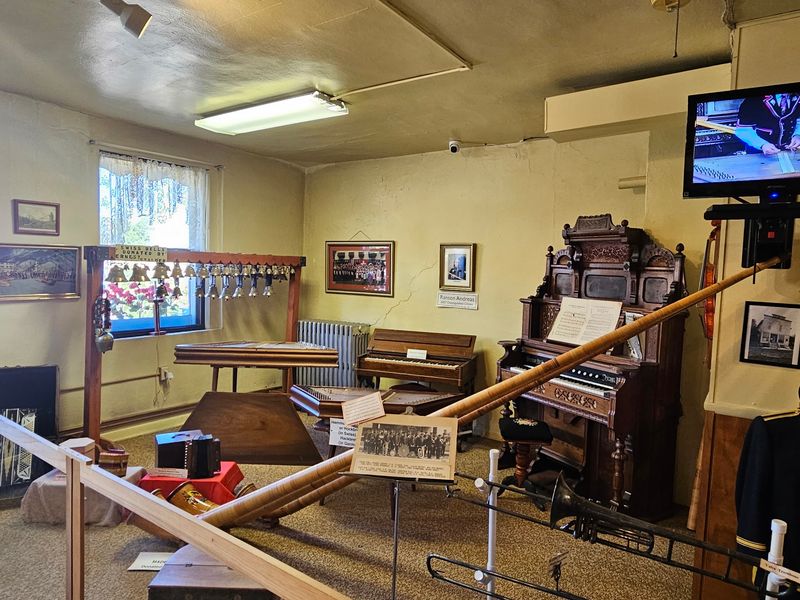
Old artifacts, new tricks. The museum mixes its antiques with some clever interactive touches.
Several displays feature TV screens with a button to start a short presentation. As the screen talks, lights switch on to highlight the exact items being discussed.
It is a simple idea that works well. The lights guide your eyes through a case so the story connects to the objects in real time.
Audio is built into some displays as well. Listening while looking makes the history easier to follow, especially for younger guests.
The staff have said they keep working on more hands-on features for children. The cheese kettle is one example, and more additions are part of the plan.
There is one firm rule to respect. Most exhibits are look-only, and guests are asked not to touch anything outside the hands-on areas.
That balance keeps heirlooms safe while still giving kids something to do. Buttons are welcome, glass cases are not.
Press play, follow the lights, and let the displays do the explaining.
The Guest Book Rule Everyone Remembers
First, the paperwork. Before exploring, guests are asked to sign the guest book at the front desk.
The team takes this seriously. Some people joke that it feels like a formal contract just to see a few butter churns.
There is a good reason behind it. The signatures help the museum track who comes through the door.
One recent year, the book recorded people from 63 different countries and 49 states. That is a remarkable reach for a small building on a village main street.
Those numbers help show the museum’s value to the community. They also reflect how far people travel to see Ohio Amish Country.
So grab the pen and add your hometown. It takes a few seconds and supports the place in a real way.
The front desk is also where the information center side shines. Staff have helped people find a cuckoo clock repair person and suggested places to eat nearby.
A signature, a question, and a local tip make for a solid start to the visit.
Volunteers, a Curator, and Small-Town Kindness
A museum is only as good as the people running it, and this one is in capable hands.
Volunteers keep the doors open and handle daily upkeep. A curator named Becky is a familiar face, and she clearly loves sharing local history.
She has been known to remember guests she met at town events. One family met her at a steam engine christening celebration, and she recognized them the next day.
Front desk staff come across as friendly and knowledgeable. Conversations about history are welcome, and questions get real answers.
The kindness goes beyond the exhibits. When one dad thought he left his wallet behind, a staff member searched the museum during his call.
She then checked the surrounding businesses and called him back a couple of hours later. That kind of effort sticks with people.
The curator responds personally to comments online too. It shows a team that cares about how every guest leaves.
History may fill the cases, but the people behind the desk are a big part of why so many leave smiling.
Free Entry, Donations, and Cash Tips
Good news for the budget: admission costs nothing.
The museum runs on donations. A jar is available, and contributions help pay for upkeep and new exhibits.
Many people choose to give a few dollars, and some drop in twenty. Supporting small museums helps preserve local history for future families.
There is a small gift shop inside. Souvenirs include items like hats, which make an easy keepsake from the trip.
Bring cash for purchases. The gift shop has required cash in the past, so it is smart to have some on hand.
Hours are not listed here, so check the museum’s website, alpinehillssugarcreek.com, before heading over. Schedules for small volunteer-run spots can change by season.
Accessibility is worth planning around. Upper floors require stairs, but the first floor has a solid share of exhibits.
Budget 20 to 40 minutes for a full loop. That leaves plenty of time for the rest of town.
Free door, open jar, cash for a hat. Simple math for a satisfying stop.
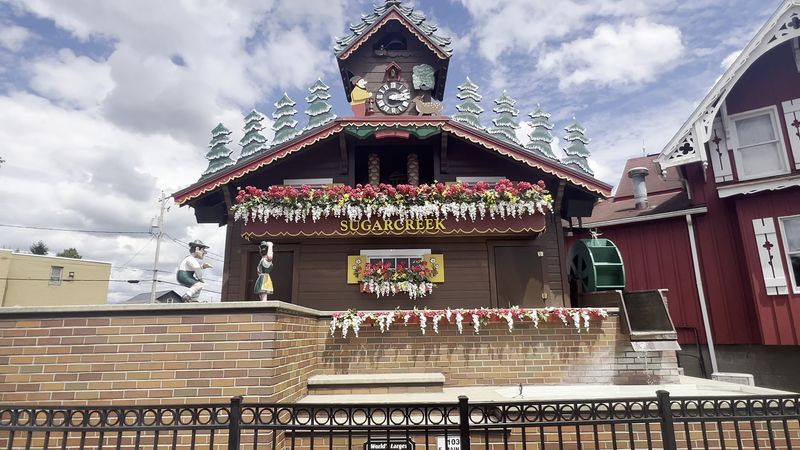
Across From a Giant Cuckoo Clock
Few museums can claim a neighbor quite like this one.
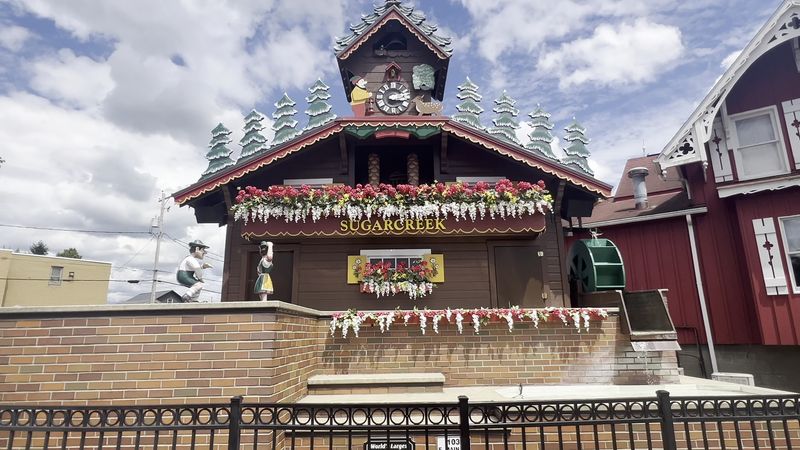
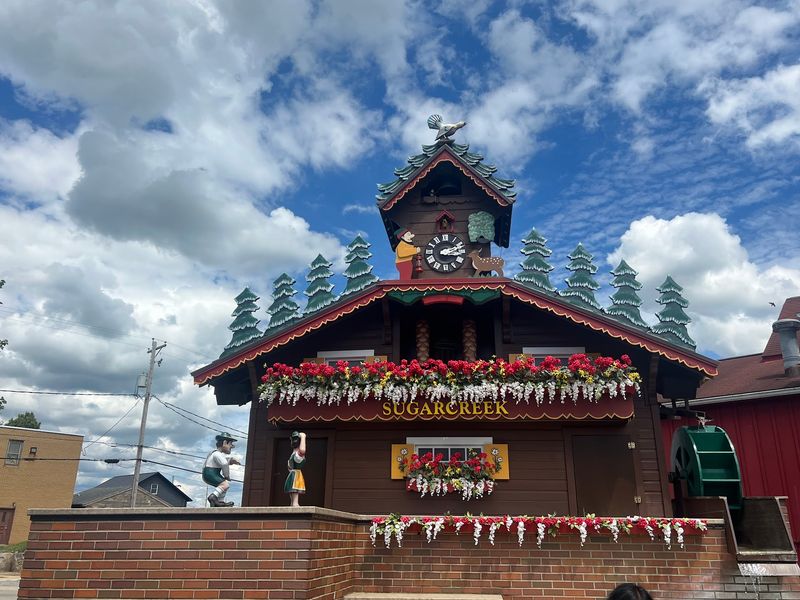
The building sits diagonally across the street from the World’s Largest Cuckoo Clock. The clock strikes every half hour, so timing a stop around it is easy.
That location makes the museum a natural part of a Sugarcreek walking day. Shops line the surrounding streets, and the village is known for its friendly residents.
Food lovers often head to nearby stores selling cheeses and meats afterward. The museum’s cheese history makes that next stop feel well earned.
Who is this best for? Families, couples on a casual date, and history buffs all fit comfortably.
Those with Swiss roots may connect most deeply with the exhibits. Others still find plenty of general Ohio history to enjoy.
It is not a full-day attraction, and nobody pretends it is. It works best as one piece of a broader day in Amish Country.
A quick look at the clock, a loop through three floors, and a stroll down Main Street add up to a well-rounded afternoon.
Small museum, big neighbor, short walk between them.
A Quiet Case for Stopping In
Not every great stop needs a marquee. Some just need an open door and a curious crowd.
This museum delivers more than its size suggests. Three floors, a 1927 building, and a collection built from local family heirlooms make a strong case.
It is not for everyone, and that is fine. Some find it a little dated or plain, especially without a personal tie to Swiss heritage.
Most, though, walk away pleasantly surprised. The mix of everyday tools, instruments, uniforms, and interactive displays keeps attention high.
The people seal the deal. Helpful volunteers and a dedicated curator turn a short visit into a friendly one.
Free admission removes any risk. A donation, a signature in the guest book, and maybe a hat from the gift shop are all it asks.
Pair it with the cuckoo clock and a walk through town for the full Sugarcreek experience.
Next time the road leads to Ohio Amish Country, give this little museum twenty minutes. It may well ask for forty, and you will probably let it.
Enjoyed this story?
Add Fast Food Club as a preferred source to see more of our reporting on Google.