


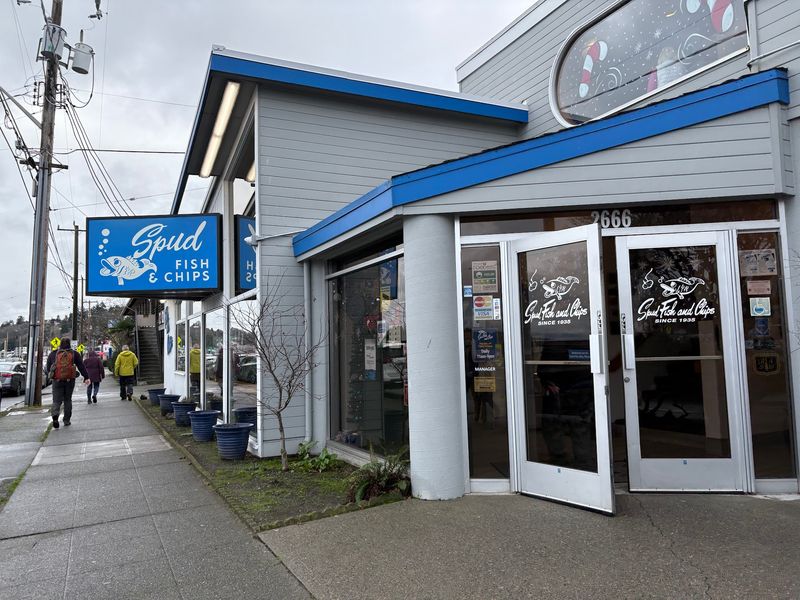
Some Seattle traditions are old enough to remember when the beach was quieter and lunch came from a tiny window by the sand. One of them started in 1935 as a small walk-up stand, and it is still frying cod for beach walkers today.
Families have made special trips for it across generations, and some regulars can trace their visits back to grandparents who lived around the corner. The food still comes wrapped in paper, ready to carry across the street to a table by the water.
In the sections ahead, you will learn where this spot sits, how it grew, what lands on the tray, where to sit for the best view, and how to time your visit so the wait stays short. Grab a napkin and hold on to it tightly, because the wind out here has opinions.
A Fish Counter Facing Puget Sound
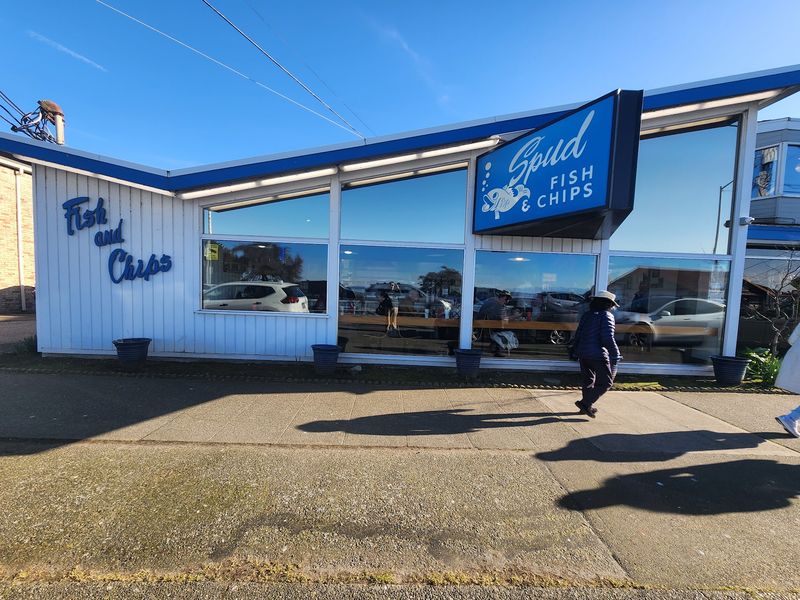
Right across from one of Seattle’s most loved stretches of sand sits Alki Spud Fish & Chips. You will find it at 2666 Alki Ave SW, Seattle, WA 98116, in the West Seattle neighborhood of Washington, United States.
The setup is simple. It is a casual fish and chips restaurant with counter service and a front-row seat to Puget Sound.
The menu leans on the classics that made the name famous. Fried cod sits at the center of it all, joined by halibut, fried clams, clam chowder, coleslaw, and the hand-cut fries that give the place its spud identity.
Nobody comes here for white tablecloths. People come for paper-wrapped baskets, a beach across the street, and a recipe with deep roots in the city.
The location does a lot of the heavy lifting. Alki Avenue is a favorite route for walkers, joggers, and families spending a day by the water, so the restaurant becomes an easy pit stop between strolls.
It is also part of a local chain, which means the name carries weight across the region. Still, this beachfront branch is the one that tends to show up in family stories and childhood memories.
Before the cod arrives, though, the story of how a tiny stand became a landmark deserves a closer look.
From Walk-Up Stand to Beach Landmark
Back in 1935, this business opened as a small walk-up stand along the beach. Franklin Roosevelt was in his first term, and Alki was already a place where Seattle came to unwind.
Over the decades, the stand expanded into the two-story restaurant that stands today. Even with the growth, it has kept its beachfront personality.
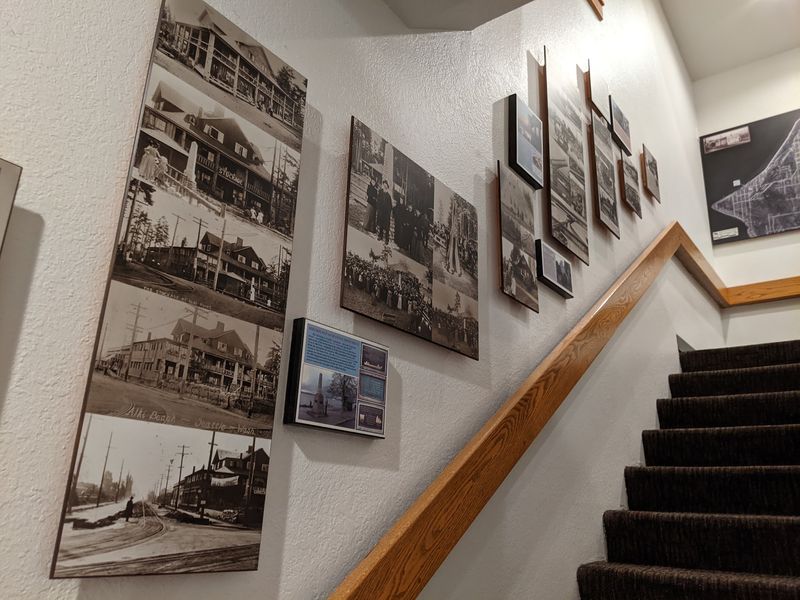
History is not hidden here. Photos inside the restaurant show how the spot looked in earlier years, giving diners a quick lesson while they wait for their order.
Some family ties run remarkably long. One longtime fan’s grandfather lived just around the corner in the 1930s, and the family has treated the shop as its favorite fish and chips ever since, even making special trips from hours away.
Others come back after a decade away and find the place nearly exactly as they remember it. That consistency is a big part of the appeal.
Not every return trip is a perfect walk down memory lane, and some longtime locals feel the experience has shifted. Yet the restaurant keeps pulling people back, generation after generation.
So what exactly keeps that cod worth crossing town for? The fryer holds the answer.
The Cod That Started It All
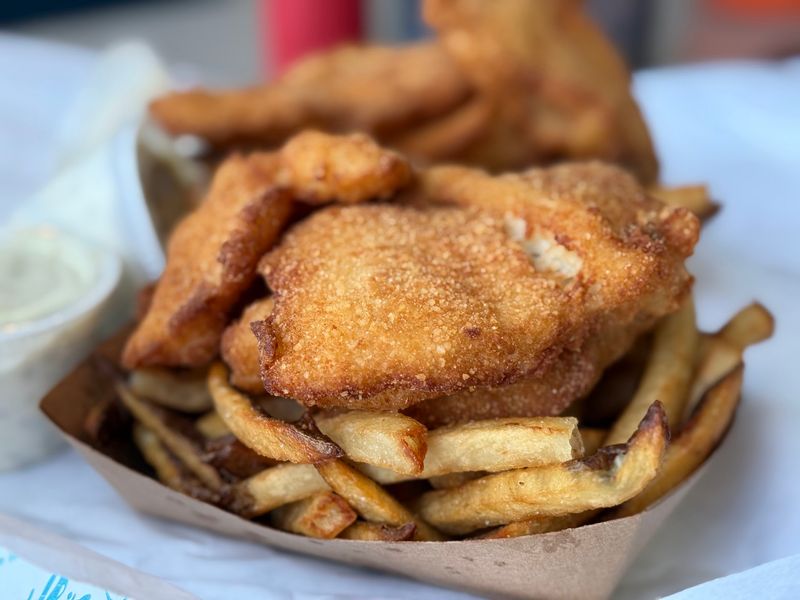
Fried cod is the headliner, and it has been for nearly 90 years. Orders come in sizes like two pieces with fries or fish only, so appetites of every size are covered.
The coating is a big talking point. It is crusted rather than batter heavy, with a breading that leans closer to cornmeal than flour.
That style takes a careful hand at the fryer. When it lands right, the outside is crisp and golden while the fish inside stays tender and flaky.
Fish is often cooked to order, which helps it reach the table hot. Portions run generous, with big pieces that leave many diners full.
Fans of a specific cut have options too. The butterfly cod has loyal followers who call it simple and dependable.
Opinions are not unanimous. A few diners have wanted more seasoning or found their portions smaller than hoped, so results can vary from visit to visit.
Still, for most people walking up to the counter, the cod is the reason they came. It is the dish that turned a beach stand into a Seattle classic.
Of course, a fish needs its chips, and here the potatoes get their own spotlight.
Spuds, Sauces, and the Supporting Cast
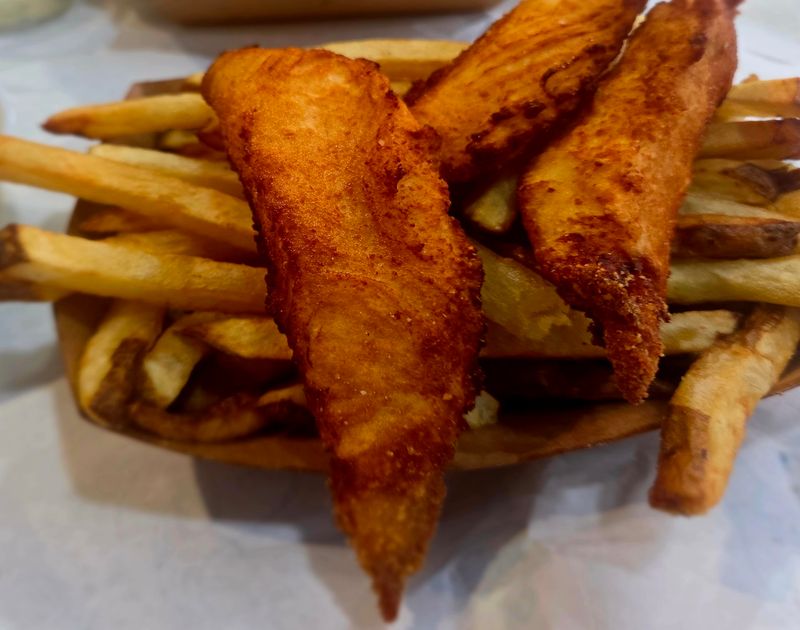
A restaurant named after potatoes had better take its fries seriously. The chips here are hand cut and house made, and they come thinner than the thick wedges many people expect.
Some love the slimmer cut. Others wish theirs were a little crispier, so fry fans may want to eat them early.
Then comes the tartar sauce, which earns plenty of attention. It is house made with chopped celery, and many diners call it a highlight.
One small heads-up: extra tartar can cost a bit more. Plenty of people happily pay it.
For something sharper, there is malt vinegar on hand. A garlic-infused vinegar also sits nearby and wins quiet fans.
Coleslaw rounds out the plate. It is a light side that balances all the fried items, even if some find it on the mild end.
Beyond the fryer basics, the menu stretches further. Halibut, fried clams, a prawn platter, and even chicken appear, giving groups plenty to share.
And then there is a cup of something that regulars order almost by reflex.
Chowder, Halibut, and Cold-Day Favorites
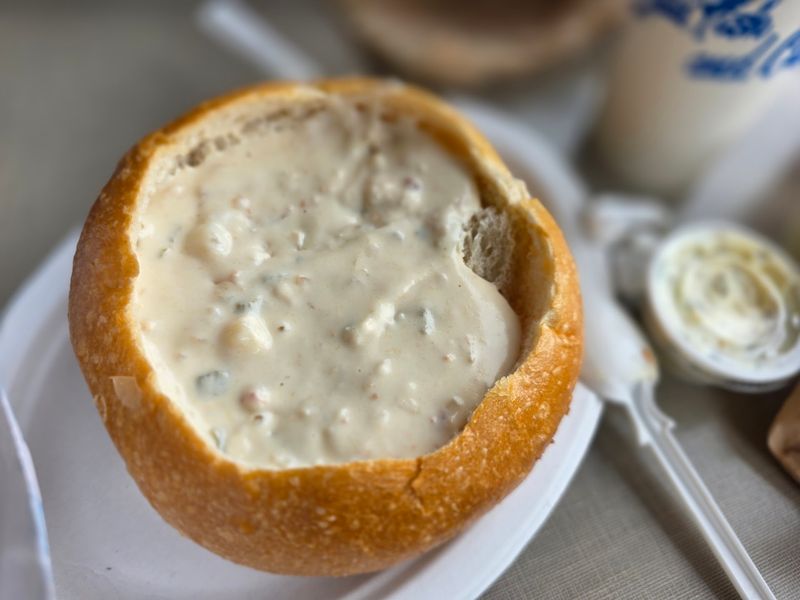
Seattle weather does not always cooperate with a beach day. That is when the clam chowder becomes the most popular item in line.
It ranks among the most talked-about dishes at the restaurant. A cup has been listed around $4.99, and many describe it as creamy and hearty with good chunks of clam.
Not everyone is sold. Some call it decent rather than memorable, and a few have been disappointed.
Halibut is the other big draw for those ready to upgrade. It is often described as fresh, with a light, crunchy batter and a slightly sweeter taste than the cod.
Plenty of diners order both fish side by side to compare. It is a fun way to settle the cod versus halibut debate at one table.
Fried clams also show up on many trays. They make a good pick for anyone who wants the full seaside lineup.
Sweet tooth calling? Milkshakes come up often too, and a seasonal candy cane shake has made a strong impression on past diners.
With food sorted, the next question is simple. Where should you actually sit?
Upstairs Seats With a Water View
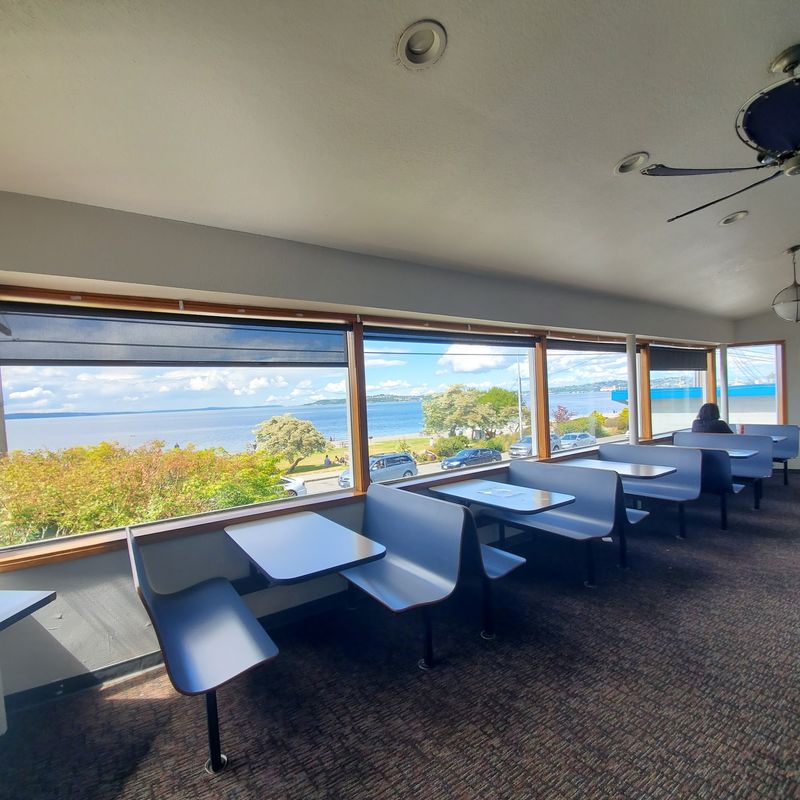
Ask regulars for one seating tip, and most will point up the stairs. The second floor holds a good amount of seating and offers the best view of the water.
From the upstairs chairs, Puget Sound stretches out beyond the windows. It turns a quick basket of cod into a lunch with scenery.
Downstairs has only a few tables. They fill fast during busy hours.
Accessibility is something to plan around. The top floor is not wheelchair accessible, so guests who need step-free seating should expect to use the lower level or eat outside.
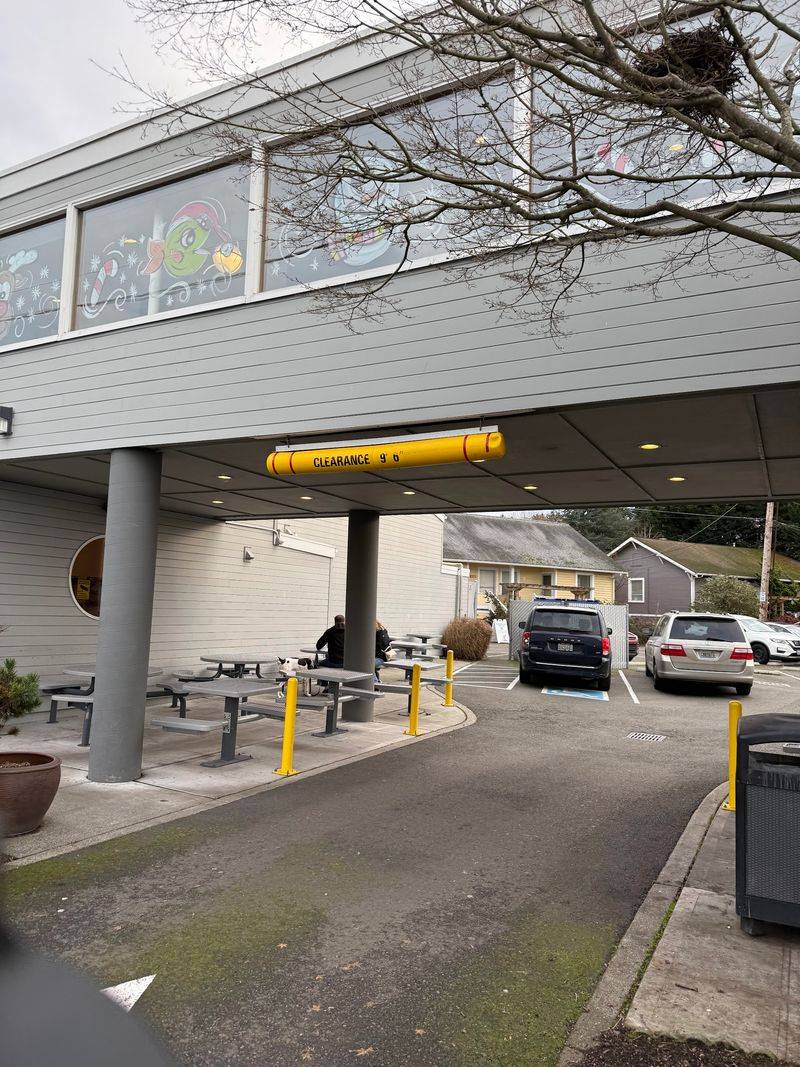
Holiday visits come with a quirk. The restaurant paints its windows for the season, which adds cheer but can block part of the view until the decorations come down after the new year.
The interior also doubles as a small history display. Old photos line the space, so the wait for food can feel like a mini tour.
Cleanliness has drawn mixed comments, with some finding tables in need of a wipe during rushes. A quick check before sitting saves a little hassle.
Of course, some people skip the indoor seats entirely and head straight for the sand.
Paper-Wrapped Picnics Across the Street
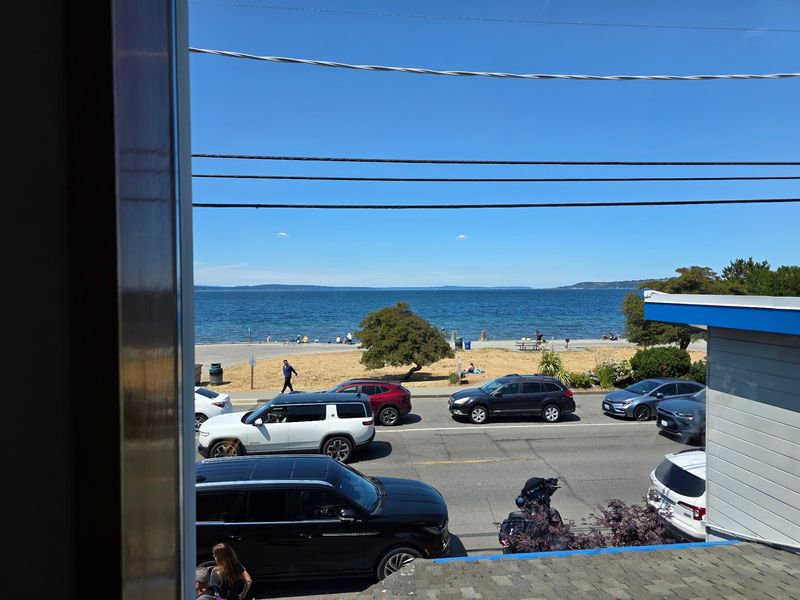
Old-school packaging is part of the charm. Orders still come in a small cardboard boat wrapped in paper, the way fried fish was handed over decades ago.
That wrapping makes the food easy to carry. Many diners walk it across to the beach and grab a nearby table.
For some families, the routine is a tradition. They pick up fish and fries, settle in by Alki Beach, and call it a mini picnic.
The beach view is the single most mentioned topic connected to this restaurant. That says a lot about how much the setting matters.
One practical warning is worth taking seriously. The outdoor seating area can get quite windy, so napkins and other light items should be held down.
Seagulls are not mentioned on any menu, but anyone eating outdoors at a beach knows to keep an eye on their fries anyway.
Takeout also helps when the dining room is packed. Instead of hunting for a seat, you can simply walk to the water.
All this popularity does come with a side effect, and it usually shows up as a line.
Crowds, Counters, and Quick Turnarounds
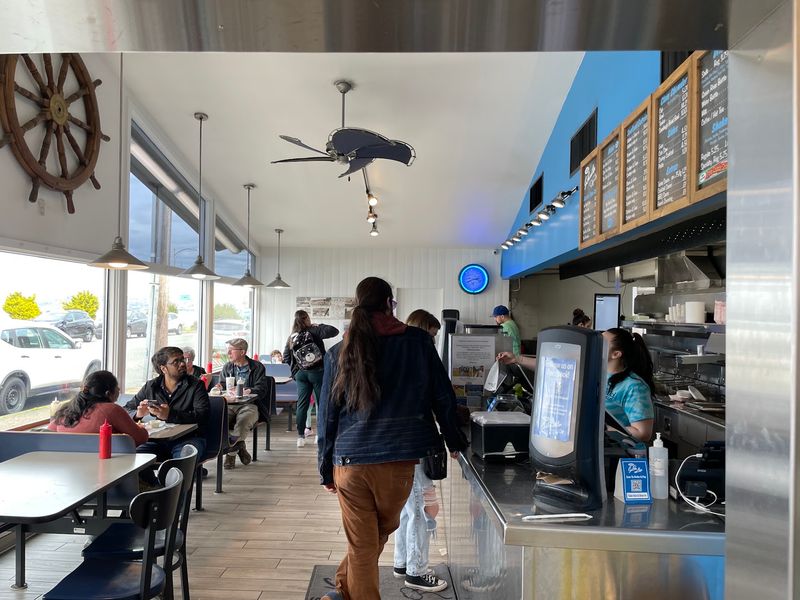
Popular places draw crowds, and this one is no exception. Lunch and dinner hours get busy, especially when Alki itself is packed with beachgoers.
Patience helps. The wait is usually short, and many diners say it is worth it.
Service runs counter style with a no-frills fish shack approach. You order, wait for your number, and grab your tray.
Speed tends to be a strength. Plenty of people describe the service as quick, efficient, and friendly.
Experiences do vary, though. A few diners have run into staff who seemed less than cheerful, so moods behind the counter are not always consistent.
Management does respond to feedback. The team regularly replies to comments, both happy and critical, which shows attention to how guests feel.
Timing your visit can make a real difference. Arriving before the noon rush or in mid-afternoon often means more seats and less waiting.
Once you know when to go, the next thing to plan is how much to bring.
Hours, Costs, and Parking Notes
Good news for flexible schedules: the doors open every day of the week. Hours run from 11 AM to 9 PM, Monday through Sunday.
That steady schedule makes it easy to fit in lunch after a morning walk or dinner after a sunset stroll.
Prices land in a moderate range for beachfront seafood. A two-piece fish only meal has been listed around $16.99, and a cod and fries order can approach $20.
For bigger appetites or groups, The Special has been priced around $24. It is often called a solid deal when feeding more than one person.
A full meal for two with drinks and extras can reach about $64. Some find that fair for the portions, while others feel it runs a bit high.
Parking is available, which is a welcome detail on a busy beach road. Still, sunny weekends bring heavy traffic to Alki, so arriving early helps.
The restaurant’s website, alkispud.com, is a handy spot to check the current menu before heading over.
With logistics handled, one question remains. Is this classic still worth the trip?
Why the Old Fryer Still Matters
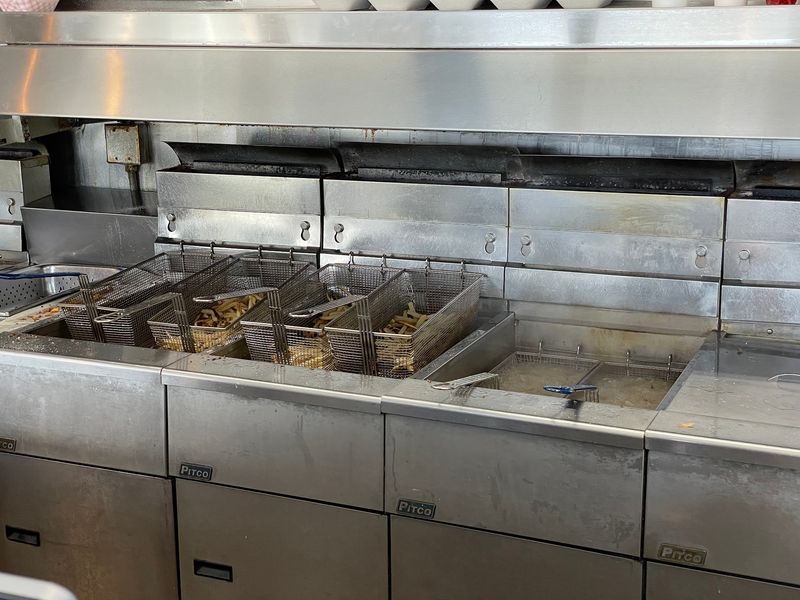
Nearly nine decades is a long time to keep doing one thing. Frying cod by the beach is clearly something this restaurant has figured out.
It is not trying to be fancy. Instead, it offers crisp cod, hand-cut fries, house tartar, and a view that costs nothing extra.
Not every visit is flawless. Some diners find prices steep or portions uneven, and busy days can test anyone’s patience.
Yet the place earns a strong 4.4-star average from more than 2,500 diners. That is a lot of satisfied beach lunches.
It works best for beach walkers, families keeping a tradition alive, and travelers who want a taste of Seattle history without dressing up. Grab the upstairs window seat or take your paper boat to the sand.
For locals, it is a place where childhood memories and grandparents’ stories meet. For newcomers, it is a simple introduction to how this city has eaten by the water since 1935.
Come hungry, hold onto your napkins, and save room for a shake. The cod has been waiting since the 1930s, and it is not going anywhere.
Enjoyed this story?
Add Fast Food Club as a preferred source to see more of our reporting on Google.