


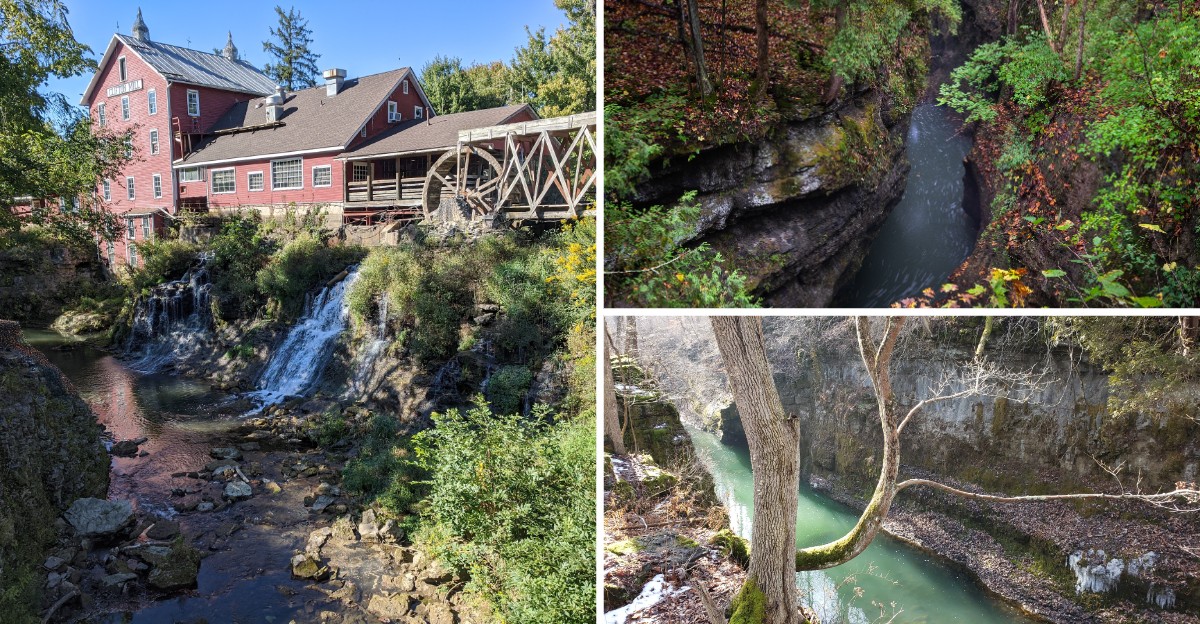
Most people in southwest Ohio put their hiking boots away once the first snow arrives. That leaves a dramatic river canyon near Yellow Springs almost entirely to the few who keep going.
Limestone and dolomite cliffs rise above a churning river, wooden walkways hug the rim, and lookouts open onto views that seem far too wild for corn country. The trails stay open every day, and entry costs nothing.
In winter, a light coat of snow on the ledges turns the whole canyon into a quiet, frosted maze. The paths are steep in places, the rules are strict, and the payoff is real.
The sections ahead cover where to park, which trail to pick, what the gorge holds in every season, and how to stay safe on its rocky lower path.
A Canyon Hiding Beside Route 343
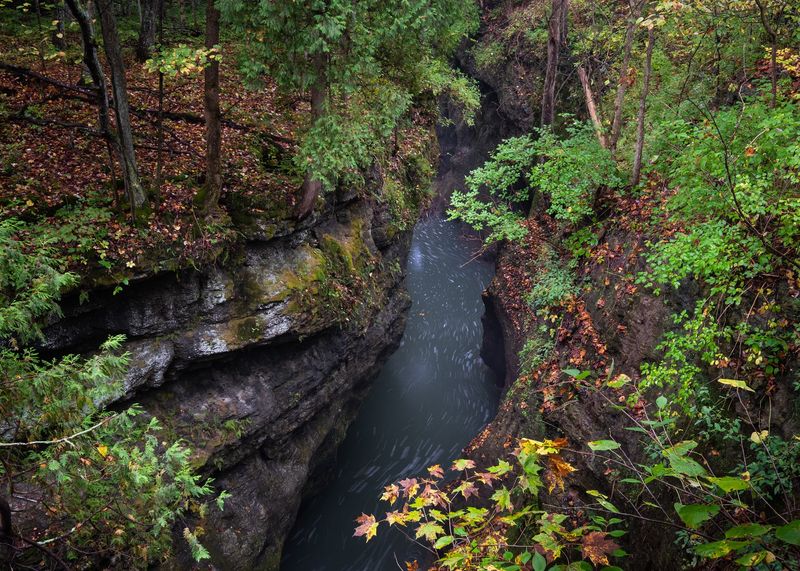
Farm fields roll along for miles in this corner of Greene County, and then the land simply drops away. That sudden plunge belongs to Clifton Gorge State Nature Preserve, found at 2381 OH-343, Yellow Springs, OH 45387, in the United States.
The preserve is managed by the Ohio Department of Natural Resources. It protects a narrow canyon carved by the Little Miami River through layers of limestone and dolomite.
Travelers often describe the surprise of driving past cornfields and then finding this deep, forested gorge with almost no warning. That contrast is a big part of its charm.
The preserve is officially a nature preserve, not a typical park. Its job is to protect plants, rock formations, and wildlife first, and to welcome hikers second.
That priority shapes everything, from the strict trail rules to the boot brushes near the trailheads. It also explains why the place feels calmer than many busier Ohio parks.
Yellow Springs sits close by, which makes the preserve an easy half-day trip from the village. The rest of the story begins with the river that did all the digging.
The River That Carved It All
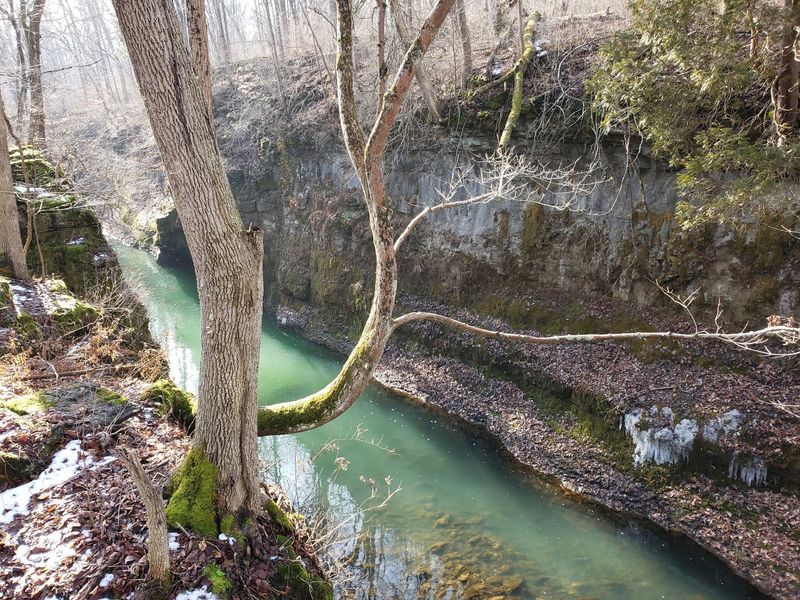
Every cliff in this preserve exists because a river refused to stop moving. The Little Miami River cut its way down through the bedrock, leaving behind a steep, narrow canyon.
The walls are made of limestone and dolomite, two sturdy rock types. They give the gorge its stacked, layered look and its many ledges and overhangs.
Water levels change a lot depending on the weather. After long stretches of rain, the river can run high and fast, turning the narrow channel into a stretch of rushing white water.
Late spring after a wet season is known for especially strong flows. Winter thaws can bring a similar boost when melting snow feeds the current.
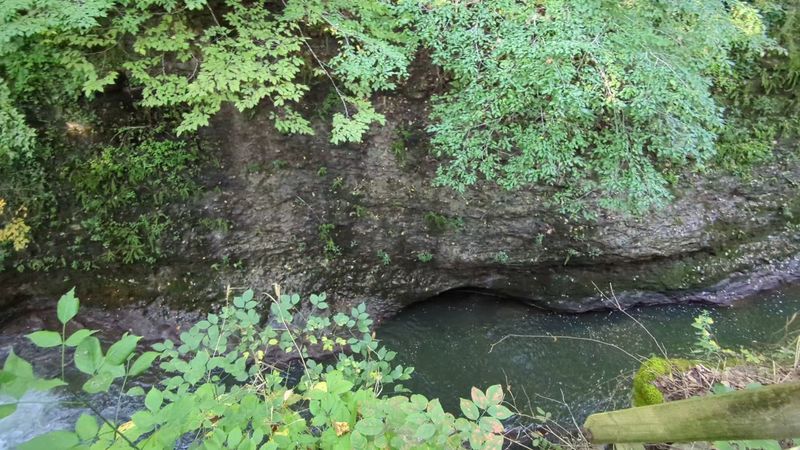
Small creeks and streams also join the river along the way. They add their own little cascades and help explain why waterfalls are one of the most talked-about features here.
Geology lovers will appreciate how much of the rock is exposed along the trails. Nobody needs a degree to enjoy it, though, since the views do most of the teaching on their own.
Winter Quiet on the Rim
Crowds are rarely a problem here, even in summer. Hikers have reported fairly light traffic on busy days such as the week of July Fourth.
Winter thins things out even more. Fewer cars fill the lots, and long stretches of trail can feel almost private.
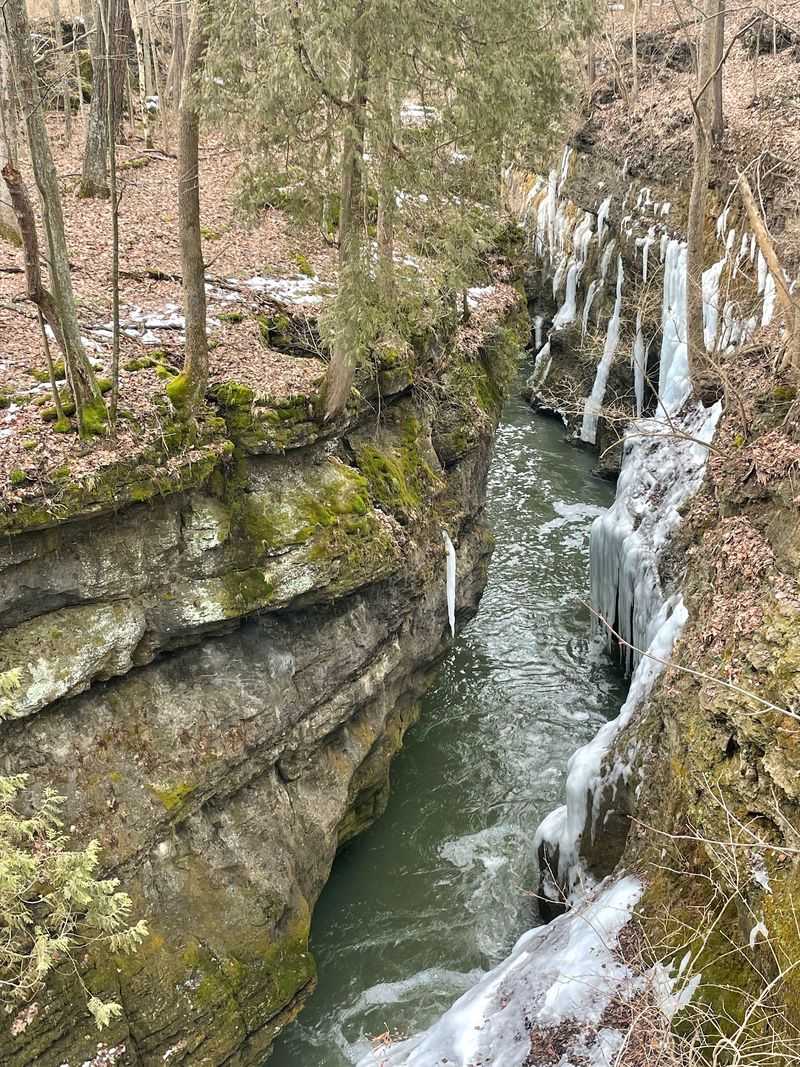
Snow changes the scenery in a big way. Hikers who have come in early February describe the snow making the gorge views especially striking, with white edges outlining every ledge and boulder.
The preserve keeps the same daily hours all year, from 8 a.m. to 5 p.m. Shorter winter daylight means an early start is a smart move.
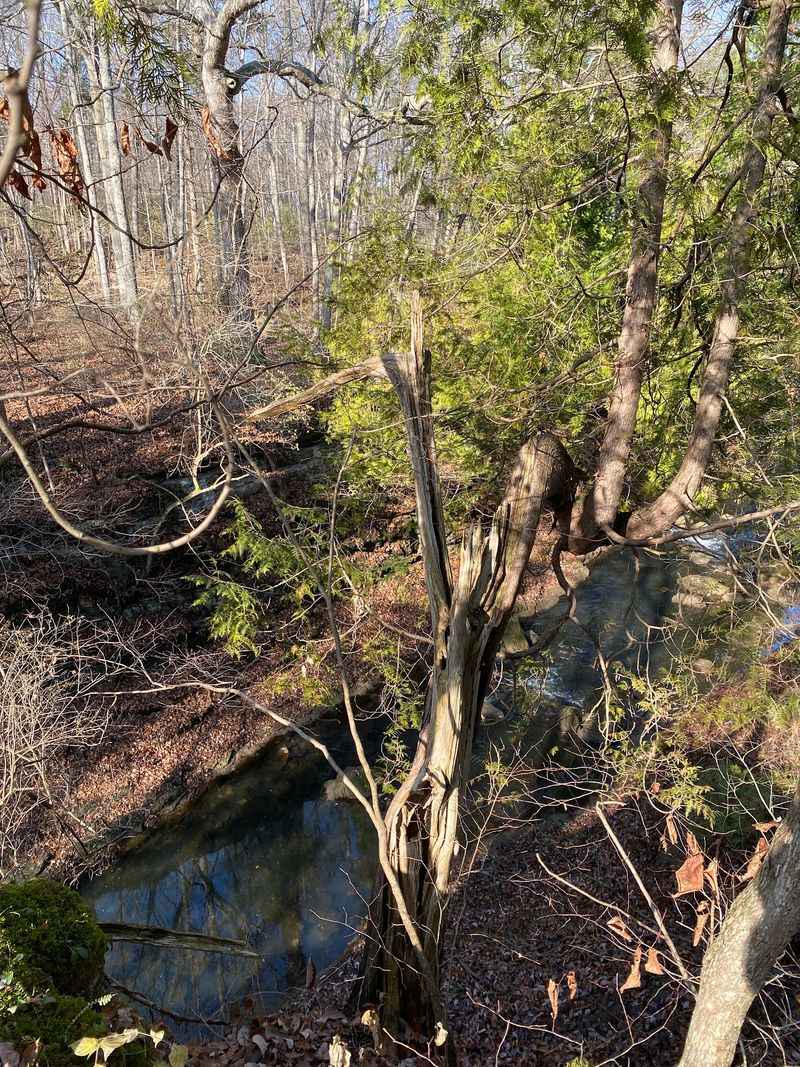
Cold weather also strips leaves from the trees. That opens up sightlines into the canyon that summer foliage usually hides.
Some regulars hike here in all four seasons and still pick a favorite, with autumn often getting the nod. Winter, though, offers something the others cannot match, which is solitude with a view.
Just remember that the same snow that makes the canyon pretty also makes the rocks slick. That trade-off is covered in more detail a few sections ahead.
Wooden Walkways and Lookout Points
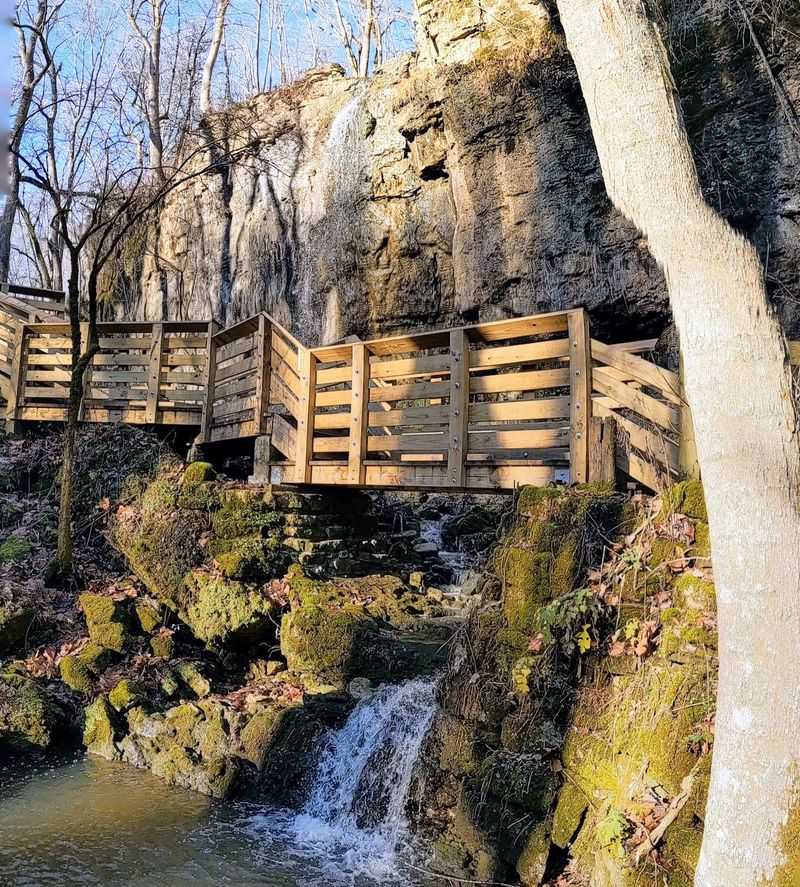
Some of the best views in the preserve require almost no effort at all. Wooden walkways and viewing platforms line parts of the rim, offering clear looks into the gorge below.
The lookouts are spread out along the trail. That means plenty of chances to stop and take photos without wandering off the path.
Hikers who park near the mill area note that the viewing platforms there sit just a short walk from the cars. It is an easy option for anyone who wants scenery without a full hike.
Along the wooden sections, the trail feels a bit like a storybook path. Some stretches have a fairytale quality that people mention again and again.
The Narrows area has especially dramatic views. The trail there runs near a road, so the hiking itself is less wild, but the canyon scenery makes up for it.
Platforms also give a safer way to admire the cliffs. They keep people back from the edges while still delivering the big picture, which is exactly the point.
Upper Trail or Lower Trail
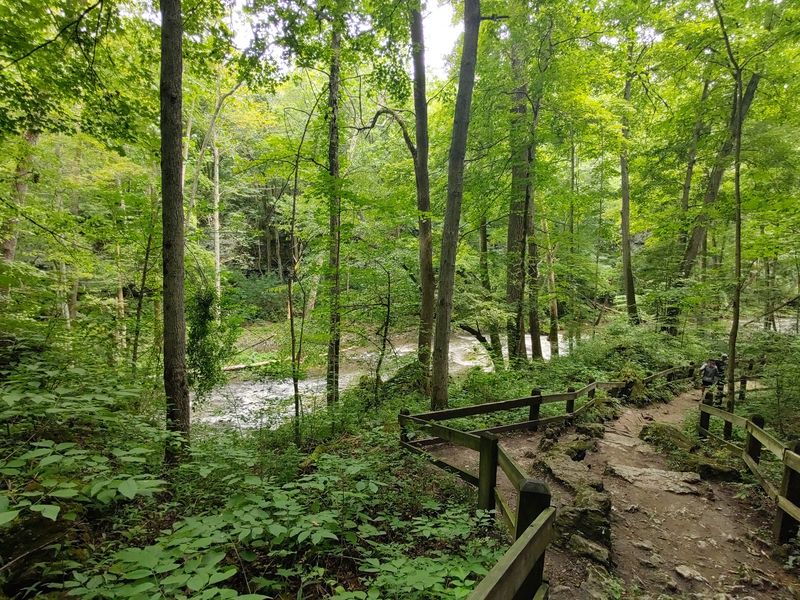
Two very different hikes share the same canyon. The upper trail along the rim is known as the easy one, while the lower gorge trail follows the river and asks a lot more of the legs.
The North Rim Trail gets plenty of praise for its views. Many hikers call it beautiful and fairly simple to walk.
Down below, the Gorge Trail is rocky, rugged, and full of ups and downs. It stays close to the water, which brings hikers right next to the rapids and rock walls.
A popular loop combines both. Hikers head down the stairs near the nature center, follow the lower trail, and then climb back to finish on the North Rim Trail.
That plan offers the best of each route. The lower path delivers close-up river scenery, and the upper path brings a calmer walk back to the car.
Families with young kids or anyone wanting a relaxed outing may stick to the rim. Those who enjoy a bit of scrambling will likely want the lower route, as long as conditions allow.
Those Steep Stairs
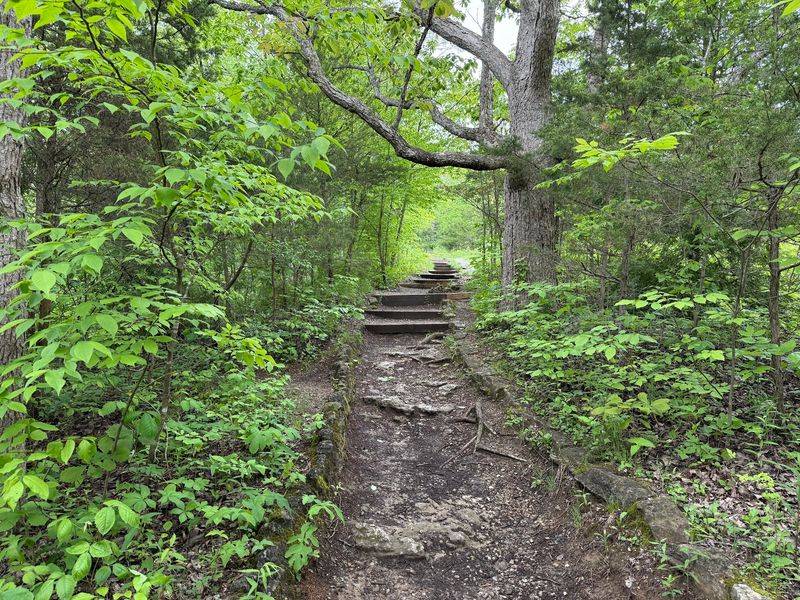
Fair warning comes up often about the staircases. The stairs that link the rim to the gorge floor are steep, and they can be tough without good footwear.
The lower trail is also very rocky. Hikers with poor health, mobility limits, or disabilities should think carefully before heading down.
Older adults may find some sections challenging. Several people have pointed out that the lower trail is not the right fit for everyone.
Shoes matter here. Hiking shoes are strongly recommended, though some people manage in regular sneakers when the trail is dry.
Photographers who came in ordinary shoes sometimes leave planning to return with sturdier boots. That alone says a lot about the terrain.
The good news is that the stairs lead somewhere worthwhile. A slow, careful pace turns a tricky climb into a manageable one, and the canyon floor rewards the effort.
Slick Rocks and Cliff Edges
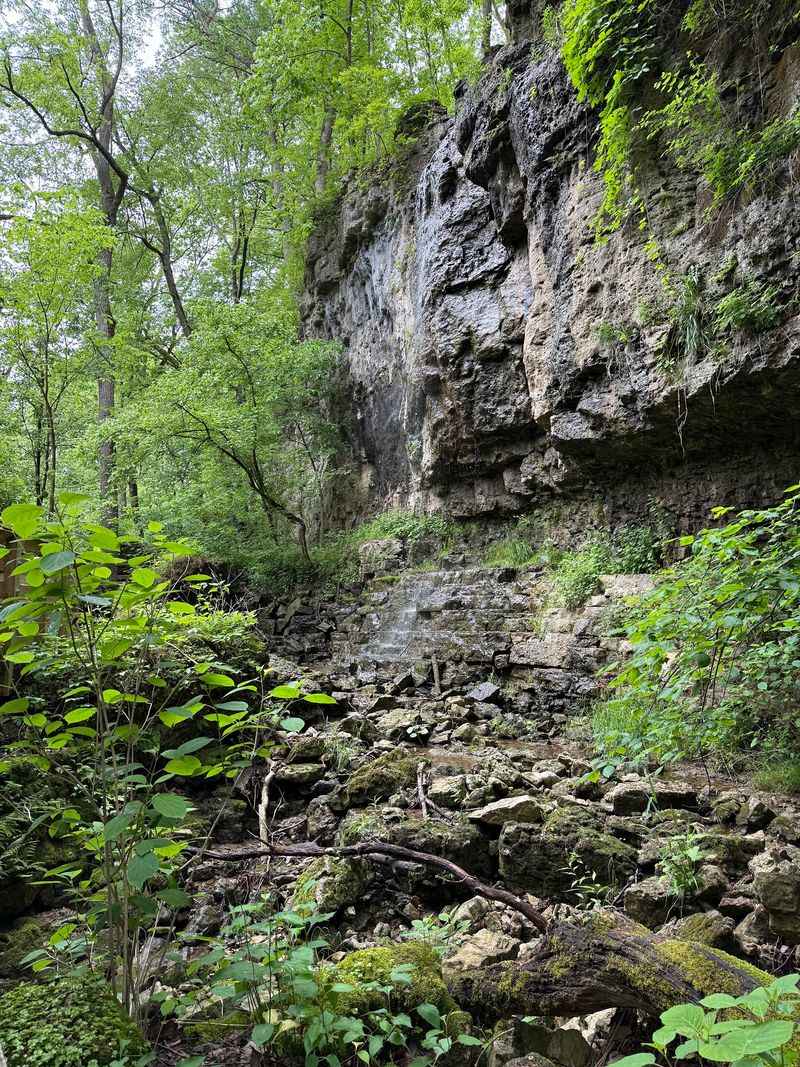
Safety gets its own section here for good reason. The lower trail can become very slick after rain, and snow or ice only adds to the challenge.
Rocky paths near the water call for sturdy footwear and steady balance. Many hikers stress the need to watch every step.
The cliffs can be quite high in places. Rim trails offer amazing views, but staying well back from the edges is the wise choice.
Plenty of seasoned hikers give the same short advice, which is to enjoy the water and stay away from the cliffs. It is simple, and it works.
Some trails also turn narrow and jagged. Going slowly in these spots keeps the hike enjoyable instead of stressful.
Winter hikers should check conditions before setting out. A dry rim walk on a frosty morning can be lovely, while the lower path may be better saved for a milder day.
Waterfalls Worth the Walk
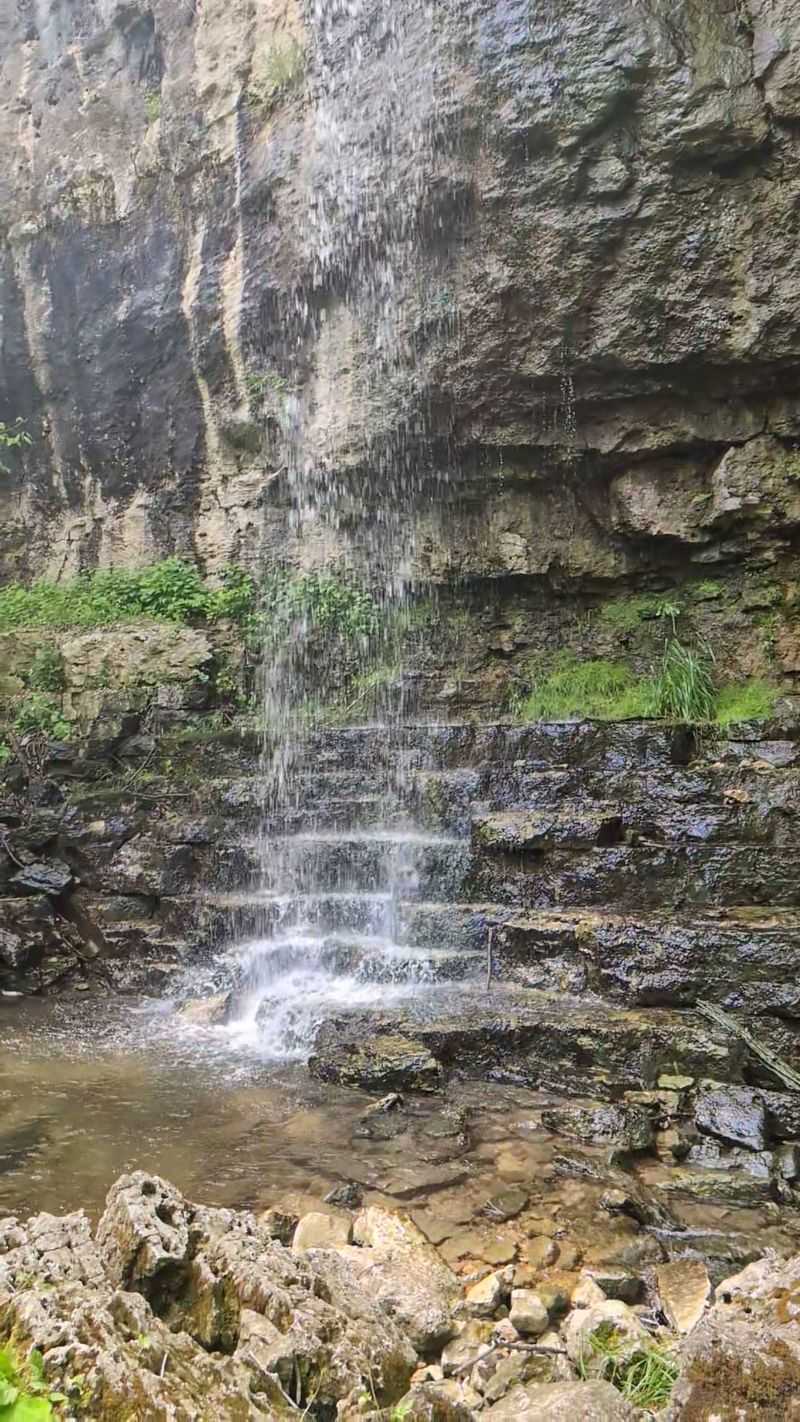
Waterfalls are the single most mentioned feature of the preserve, and that makes sense. Streams tumble over moss-covered rock and spill into the river below.
Flow levels rise and fall with the weather. After heavy rain, the falls and rapids run strong and full.
The river itself becomes part of the show during wet periods. White water racing through the narrow canyon can be one of the most memorable sights on the trail.
Babbling brooks and smaller creeks add variety along the way. Hikers often mention seeing several water features in a single outing.
In winter, the scenery shifts again. Cold snaps can leave ice along the edges of the falls, while snow frames the rocks around them.
Timing a visit right after a thaw or a rainy stretch tends to bring the most dramatic water. It is a small planning trick with a big payoff.
Wildflowers and a Very Careful Ecosystem
Spring arrives early on the forest floor here. Snow trillium is among the first blooms to appear, and it often shows up while winter is still hanging around.
Other native groundcovers soon follow. Some hikers compare the experience to strolling through a botanical garden.
Flowers seem to change with nearly every visit. Regulars note that something new is usually blooming each time they return.
Rare finds also happen. Marsh marigold, for example, has been spotted and identified as a special discovery by a naturalist on site.
The preserve works hard to protect these plants. Crews have cleared invasive honeysuckle so native species have room to thrive.
Some areas are closed to allow vegetation to grow back. Those closures may limit wandering, but they help keep the wildflower displays strong year after year.
Late winter hikers may catch the very first blooms. It is a nice bonus for those willing to brave the cold.
Birds, Deer, and Other Locals
Wildlife watchers have plenty to keep them busy. The preserve supports a wide range of plant and animal species.
Birds are a highlight for photographers. Turkey vultures and waxwings have been spotted in November, along with many other species.
Deer also wander through the woods. Even on summer weekends, hikers sometimes catch sight of one along the trail.
Late fall and winter are good times for birding. Bare branches make it easier to spot movement in the trees.
Cameras with a zoom lens can be helpful. The strict trail rules mean getting closer is not an option, so distance shots are the way to go.
Patience pays off here more than speed. A slow walk along the rim, with a few pauses at the lookouts, often brings the best wildlife moments.
Rules Built for Protection
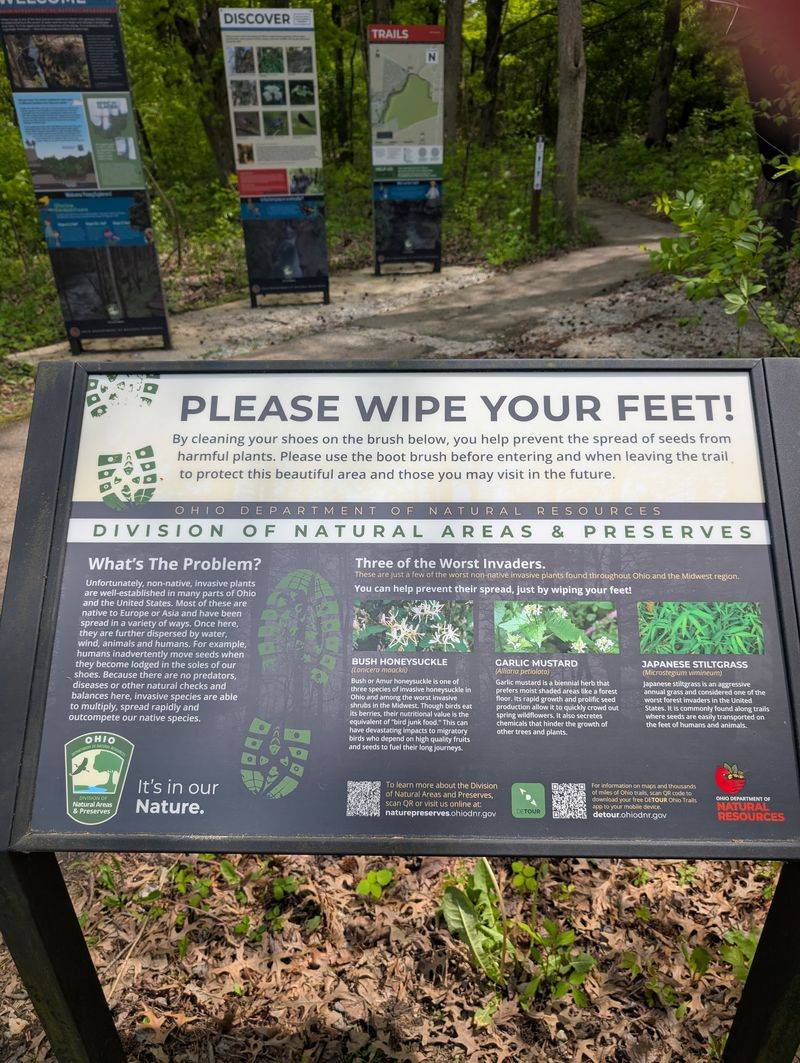
Nature preserves play by tighter rules than regular parks, and Clifton Gorge is a good example. Hikers must stay on marked trails, with little room for wandering or exploring off the path.
Boot brushes sit near the trailheads. Hikers are politely asked to clean their shoes so they do not carry in seeds from other places.
That small step protects the native plants. It keeps invasive species from sneaking in on muddy soles.
Dogs are not allowed on the trails here. Pet owners should plan ahead and leave furry hiking buddies at home.
Some people find the hands-off approach refreshing. It offers a calmer pace and a chance to focus on the scenery instead of scrambling around.
Climbers have their own guidelines too. Specific climbing areas and anchor points exist along certain upper rim trails, and they are marked with placards.
Following these rules keeps the gorge healthy. It also helps keep it beautiful for everyone who comes next.
A Long Hike Into John Bryan State Park
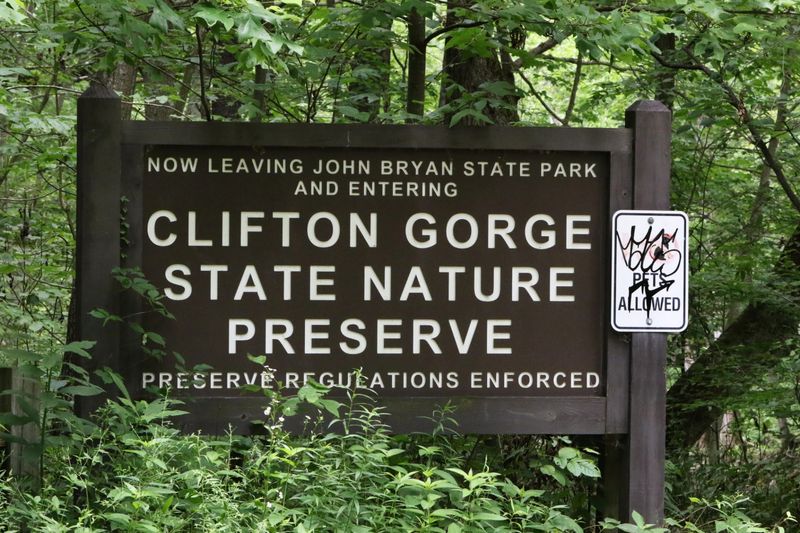
One canyon is never quite enough for some hikers. The preserve connects directly to John Bryan State Park, and the trails link together for a much longer outing.
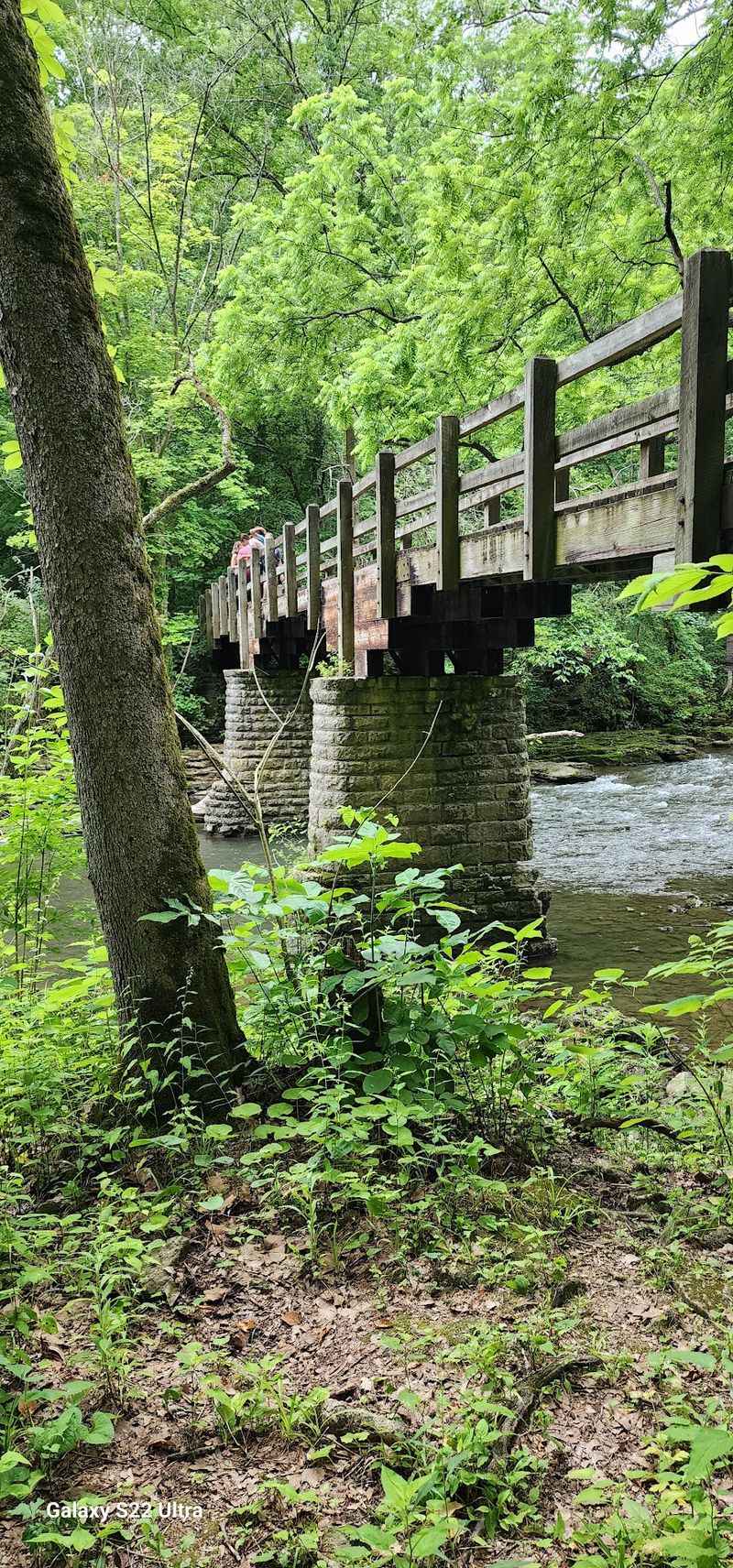
That connection makes full-day adventures possible. Some longtime hikers pack snacks and water, start at Clifton Gorge, and walk into John Bryan all the way to the farthest bridge.
From there, they cross the river and return on the other side. Families have followed that same route for years and still enjoy it.
Neither Clifton Gorge nor John Bryan charges an entry fee. Glen Helen Nature Preserve, also nearby, does charge one because it is privately run.
Plenty of miles await anyone who wants them. Trails range from easy strolls to more demanding routes.
Winter hikers should plan distance with daylight in mind. A long loop is wonderful, but finishing before the 5 p.m. closing time matters.
Parking, Restrooms, and Closures
Practical details can make or break a visit. The preserve is open daily from 8 a.m. to 5 p.m., and there is no entry fee.
More than one parking area serves the preserve. GPS sometimes sends drivers to a small lot beside a neighborhood, where a sign warns against leaving valuables in vehicles.
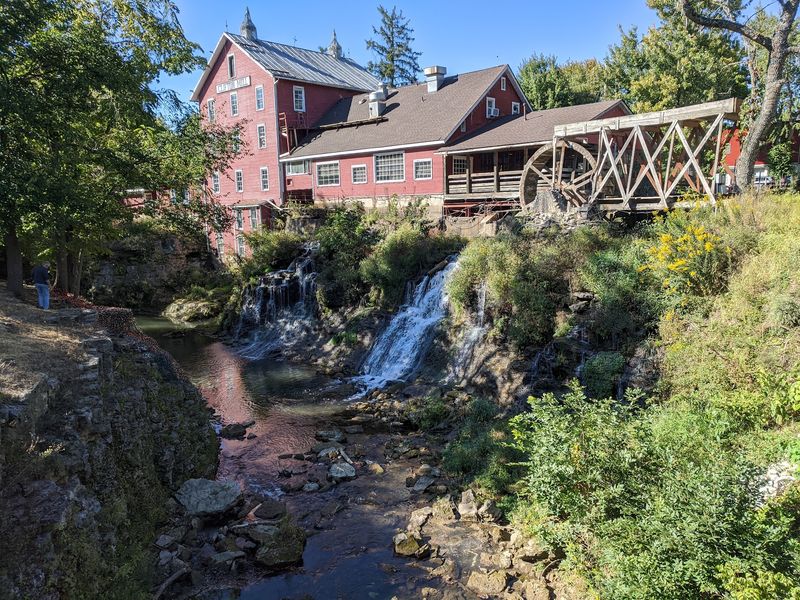
Another lot sits near Clifton Mill. It has plenty of space and offers a short walk to the viewing platforms.
Signage from the parking areas is clear. Finding the trailhead is usually easy.
Restrooms are limited. The mill-side lot has none, but two portable toilets sit near the nature center along the trail.
Construction work has closed some trails and parking in recent months. When one entrance is shut, the North Rim Trail can often be reached from another lot.
Checking the Ohio Department of Natural Resources website before driving out is a smart habit. Questions can also go to the preserve by calling its listed number.
A Quiet Verdict in Snow
Some places shout for attention, and others simply wait. Clifton Gorge belongs firmly in the second group, especially once snow settles on its ledges.
The preserve offers a lot for a free, daily outing. It has river views, waterfalls, wooden lookouts, and wildflowers that start blooming before winter fully lets go.
It also asks for respect. Steep stairs, slick rocks, and high cliffs mean careful footing and smart choices.
Hikers who choose the rim get easy scenery. Those who head into the canyon get a rugged, close-up adventure.
The strict rules help keep the whole place healthy and calm. That calm is exactly what makes a winter trip here feel special.
With a 4.8-star reputation built over many seasons, the gorge has earned plenty of loyal fans. For a quiet winter hike in Ohio, few spots deliver this much canyon for so little fuss.
Enjoyed this story?
Add Fast Food Club as a preferred source to see more of our reporting on Google.