


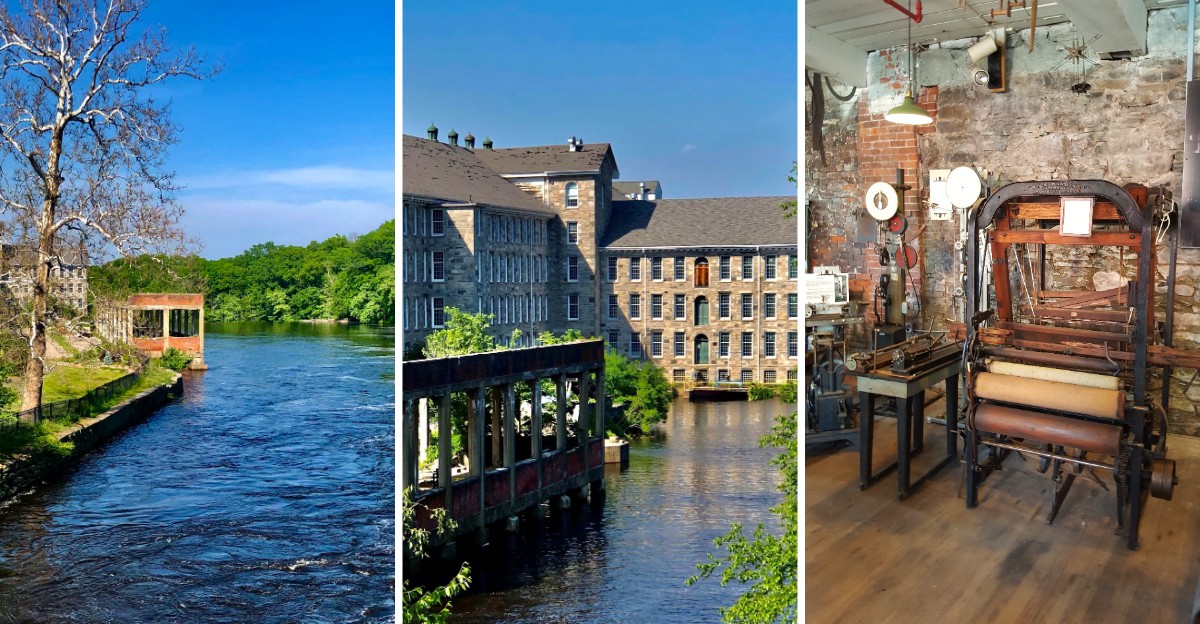
Some towns ask you to keep your car keys in your pocket at all times. This one in eastern Connecticut lets you leave them on the hook for most of the day.
Once a busy mill town that spun thread for a growing nation, it now offers a compact downtown, historic homes, river parks, and a college nearby. For retirees who want a slower pace without feeling cut off, that mix is hard to beat.
The town hall, cafes, diners, and gift shops all sit close together on one main street. Green spaces along two rivers give daily walks a purpose.
Read on to learn why this small New England community keeps showing up on retirement wish lists, and what to know before you visit or plan a move.
A Mill Town Tucked Inside Windham
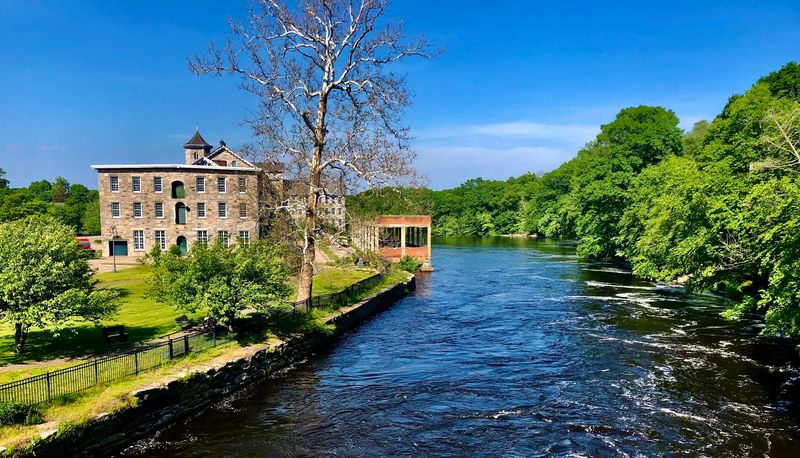
First things first: Willimantic is not a separate town on the map. It is a village and downtown center within the town of Windham, CT, USA, in the eastern part of Connecticut.
That detail matters for anyone house hunting or reading local news. Town services and official information run through Windham, and the town website at windhamct.com is a handy starting point.
Willimantic sits where the Willimantic and Natchaug rivers shape the land. Those waterways once powered the factories that made the place famous.
Today, the community blends a historic downtown with quiet neighborhoods and a state university. Main Street holds the town hall plus a row of cafes, diners, and gift shops.
For retirees, the appeal starts with scale. The key pieces of daily life cluster close together, so errands can turn into a pleasant stroll instead of a long drive.
The village also carries a strong sense of identity. Its past is not hidden away; it is celebrated in a museum and visible in its buildings.
Consider this the opening chapter of a place that rewards people who like to explore on foot. The rest of the story gets even more interesting from here.
Thread City Roots
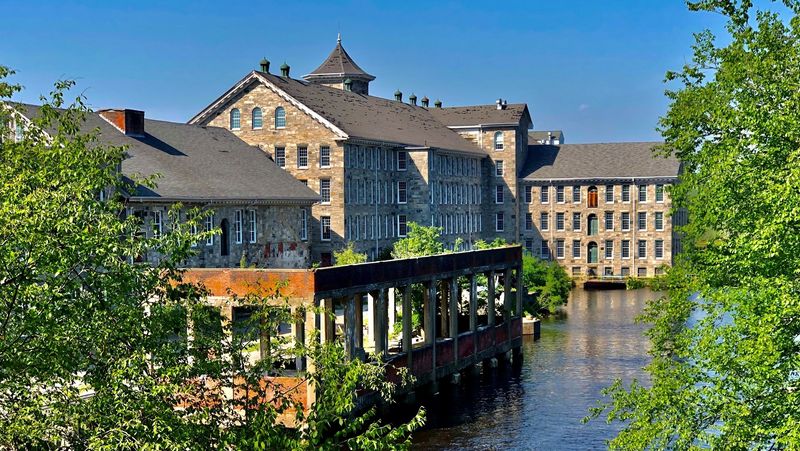
Long before anyone talked about walkability, Willimantic was talking about thread. The village built its reputation on a thriving 19th-century textile industry.
Mills along the rivers drew workers and families, and the downtown grew up around that energy. Much of what makes the place pleasant today traces back to that era of growth.
Retirees often say a town with history simply feels more grounded. Here, that history is not a footnote but the backbone of local identity.
Fun fact: the rivers that now frame peaceful parks were once the working engines of industry. Their current power gave mills a reason to set up shop here.
That legacy left behind sturdy buildings and a compact street grid. Both make it easier to get around without relying on a car for every trip.
Understanding this backstory adds meaning to an ordinary walk. A trip to the post office or a cafe can double as a quick lesson in American industrial history.
History buffs, take note. The best place to dig into the details sits right in town, and it deserves its own section.
The Windham Textile and History Museum
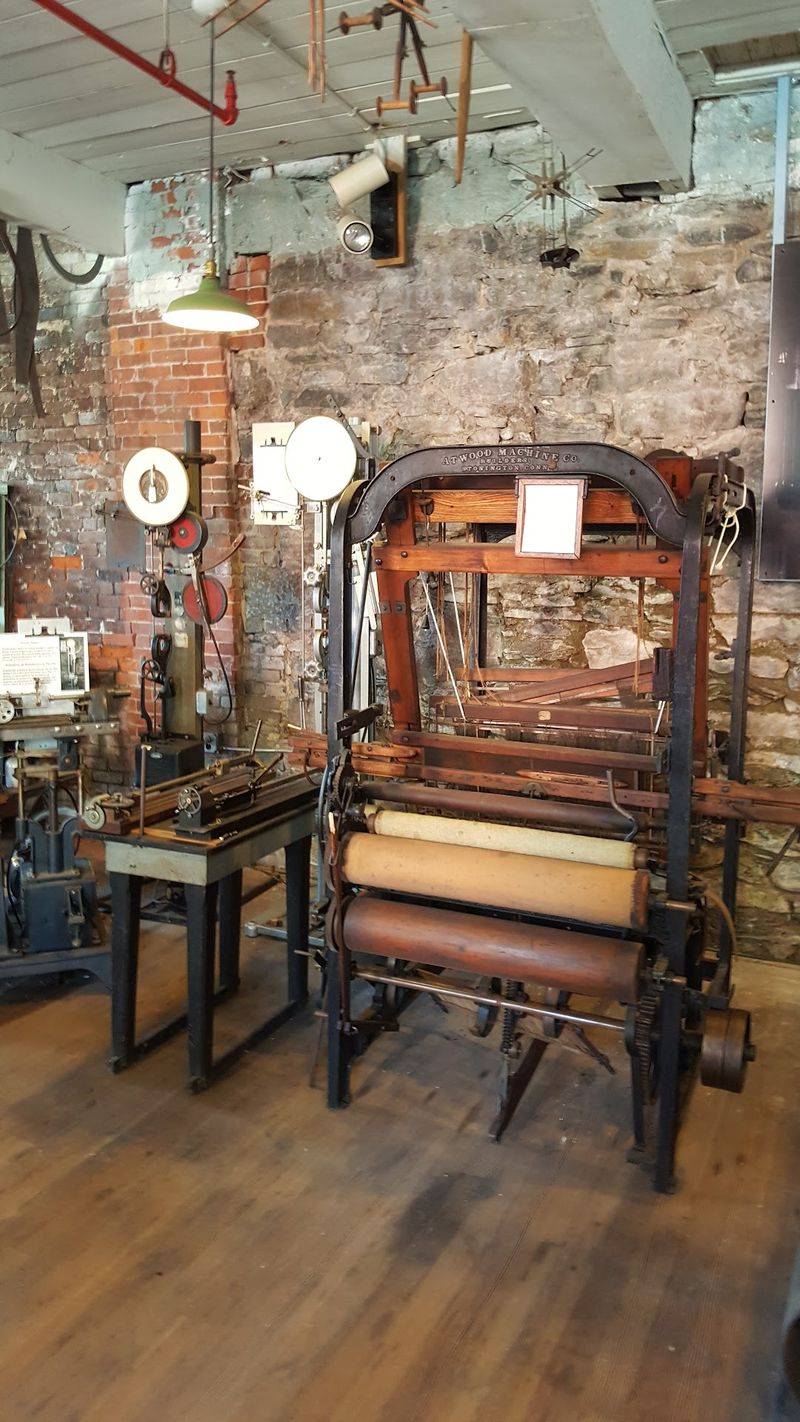
Every mill town needs a storyteller. In Willimantic, that job falls to the Windham Textile and History Museum.
The museum highlights the village’s rich 19th-century textile heritage. It gives context to the buildings and streets that residents pass every day.
For retirees, a local museum is more than a one-time outing. It can become a regular stop when family visits or when a rainy afternoon calls for something to do.
Having a cultural spot close to downtown also fits the walkable lifestyle. There is no need to plan a road trip just to learn something new.
The museum helps explain why Willimantic looks the way it does. Once you know the mill story, the architecture around town starts to make a lot more sense.
Grandkids in tow? A museum about how everyday fabric was made can spark questions that last the whole ride home.
Check current hours before going, since schedules at small museums can change by season. The town website is a good place to begin your search.
Consider it the thread that ties the whole visit together, pun fully intended.
Main Street Within Easy Reach
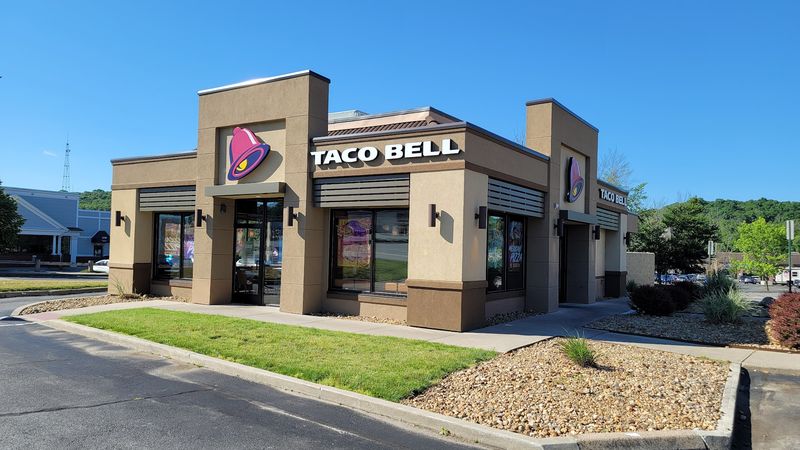
Short distances are the secret ingredient of a good retirement town. Main Street in Willimantic delivers exactly that.
The street brings together cafes, diners, and gift shops near the town hall. Coffee with a friend and a little browsing can fit into one easy loop.
Many retirees value routines that keep them moving. A daily walk to Main Street offers exercise, errands, and conversation all at once.
Gift shops make birthday and holiday shopping simple. There is no need to brave a crowded mall when a local store is a few blocks away.
Diners and cafes also serve as informal meeting places. Regular faces become familiar, and familiar faces become friends.
That social connection is a big part of why small downtowns appeal to older adults. A walkable street keeps people in touch with their community.
Main Street is not trying to be a big-city boulevard. It works because it is practical, close, and easy to navigate.
For anyone tired of parking lots, this stretch of sidewalk might be the best feature in town.
A Romanesque Revival Town Hall
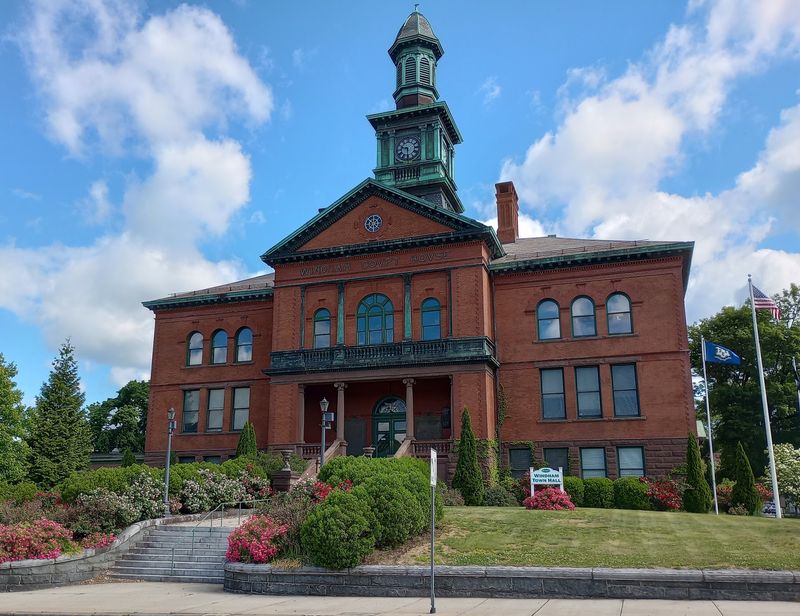
Civic buildings do not usually turn heads, but this one has earned a second look. The town hall on Main Street was built in the Romanesque Revival style.
That style is known for heavy stonework and rounded arches. It gives the building a solid presence on the street.
For residents, the town hall is a practical stop for local business. Its central location means paperwork and errands can happen during a regular downtown walk.
Architecture fans will appreciate having such a notable building right in the middle of daily life. It reflects the confidence of a town that was growing quickly during its mill years.
Retirees who enjoy photography often find historic buildings like this one a great subject. Morning and late afternoon walks offer chances to see it in different light.
The building also serves as an easy landmark. Directions in town often start with a simple reference to Main Street and the hall.
Few things say small-town New England quite like a grand civic building surrounded by local shops. It anchors the downtown both physically and symbolically.
Parks Above Two Rivers
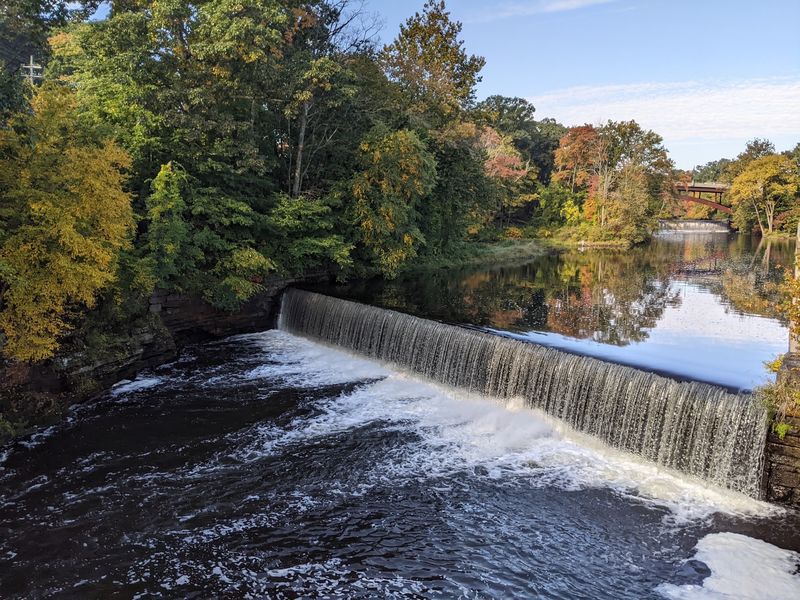
Two rivers, plenty of green space, and no need for a long drive to reach them. Willimantic offers scenic parks and gardens that overlook the Willimantic and Natchaug rivers.
These spots give walkers a destination. A loop to a riverside park adds purpose to a morning stroll.
For retirees, nearby nature can make a big difference in daily routines. A bench with a view is an easy invitation to slow down.
Gardens add seasonal variety to the scenery. Spring and summer bring fresh growth, while autumn brings classic New England color.
Parks also host chance meetings with neighbors and their dogs. Those small moments help build a sense of belonging.
The rivers that once powered mills now offer a quieter kind of value. They shape green spaces where people can rest, read, or simply watch the water.
Bring a good pair of walking shoes and maybe a book. The riverside parks reward unhurried time.
Victorian Homes on Prospect Hill
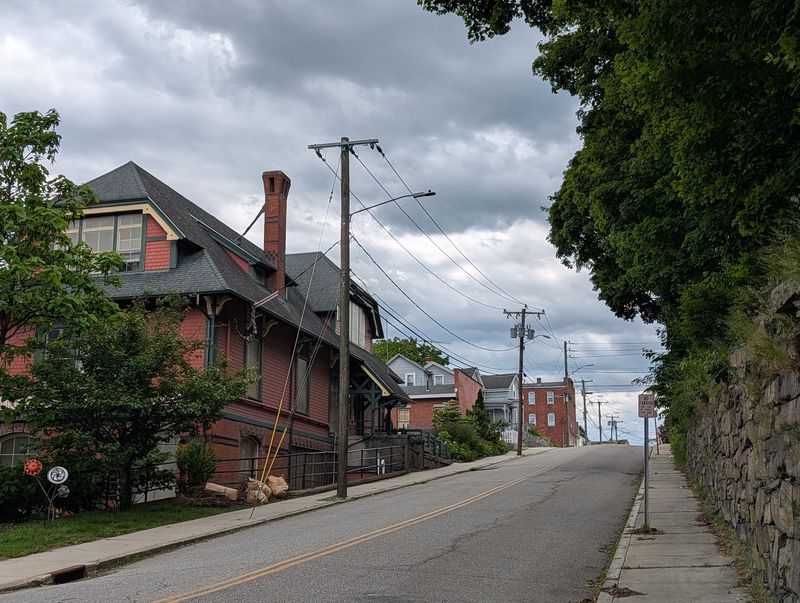
Porches, turrets, and detailed trim fill one of the most charming neighborhoods in town. The Prospect Hill Historic District is known for its many Victorian-era houses.
Many of these homes date back to the prosperous mill years. They show how the success of local industry shaped residential streets too.
For retirees, a stroll through Prospect Hill makes an excellent daily walk. Each block offers new architectural details to spot.
House hunters may also find the district appealing. Historic homes carry character that newer construction rarely matches.
Keep in mind that older homes can come with upkeep. Anyone considering a purchase should plan for inspections and maintenance.
Even for those not buying, the neighborhood is worth exploring. It is a living architecture lesson set along quiet residential streets.
Bring a camera and take your time. Prospect Hill rewards people who look up and notice the craftsmanship.
Life Near Eastern Connecticut State University
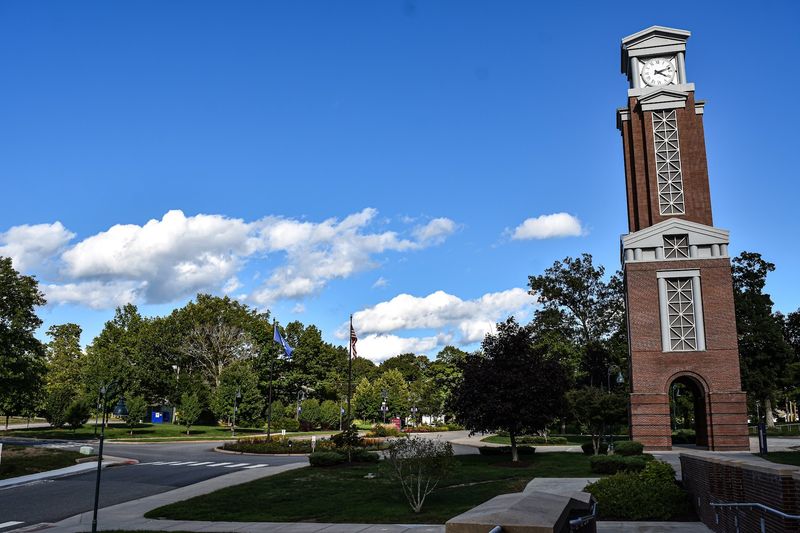
College towns tend to age well, and retirees often benefit the most. Eastern Connecticut State University sits not far from the Prospect Hill Historic District.
A university nearby can bring energy to a small community. Students and staff help keep local cafes and shops busy throughout the school year.
Retirees often enjoy the mix of generations. Living near young people can make a town feel lively without feeling hectic.
Campuses also tend to offer public events, such as talks or performances. Check the university’s own calendar for what is open to community members.
The campus can also serve as another walking route. Its grounds give a change of scenery from downtown streets.
Families visiting grandparents may appreciate the connection too. A college nearby can be a selling point for younger relatives thinking about their own futures.
In short, the university adds depth to daily life. It is one more reason Willimantic feels more active than its size might suggest.
Why Walkability Matters Here
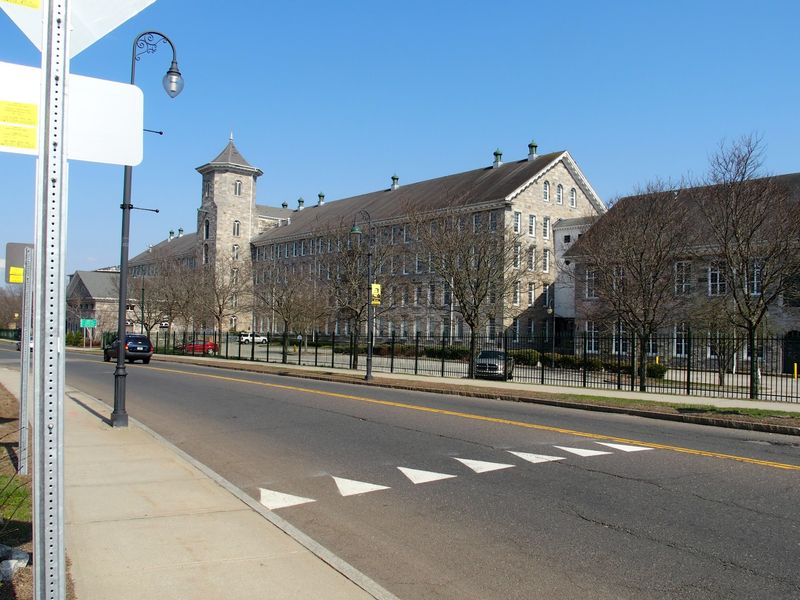
Walkability is not just a buzzword for younger city dwellers. For retirees, it can mean independence, health, and fewer trips behind the wheel.
Willimantic’s layout helps. The town hall, cafes, diners, and gift shops all sit close together on Main Street.
Historic neighborhoods like Prospect Hill and the riverside parks add even more walking options. Residents can mix errands with exercise in one outing.
Driving less can also ease budgets. Fewer car trips may mean less money spent on fuel and upkeep.
Walking also keeps people socially connected. A quick hello at a cafe can brighten an otherwise ordinary day.
Of course, walkability depends on exactly where someone lives. Homes closer to downtown naturally offer easier access than those farther out in Windham.
Anyone considering a move should walk the routes they would use most. Testing the distance in person beats guessing from a map.
The verdict on foot is simple: this is a town built for steps, not just miles.
The Affordable Angle
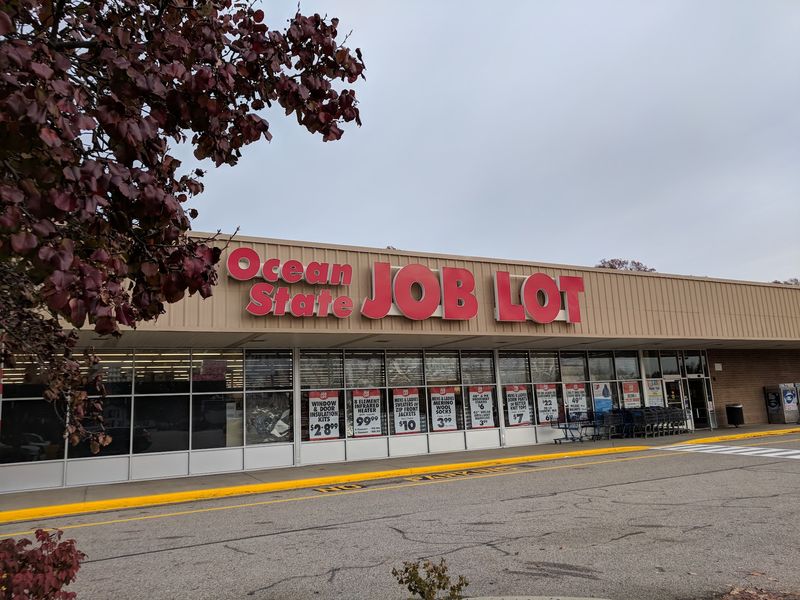
Budget matters in retirement, and smaller towns often stretch a fixed income further. Willimantic draws attention for feeling more affordable than many busier parts of New England.
Much of that comes down to everyday living. Free pleasures like riverside parks and historic neighborhood walks cost nothing.
Local diners and cafes also offer casual options for meeting friends. A simple outing does not have to become an expensive event.
Walkability supports the budget too. Fewer drives can mean lower transportation costs over time.
Prices for homes, rent, and taxes change often. Anyone weighing a move should check current numbers with local sources and the town of Windham.
Comparing costs with nearby communities can help clarify the picture. Every household has its own priorities and budget.
Affordability is not only about price tags. It is also about how much value a place delivers for daily life, and here that list is long.
Who Feels Most at Home
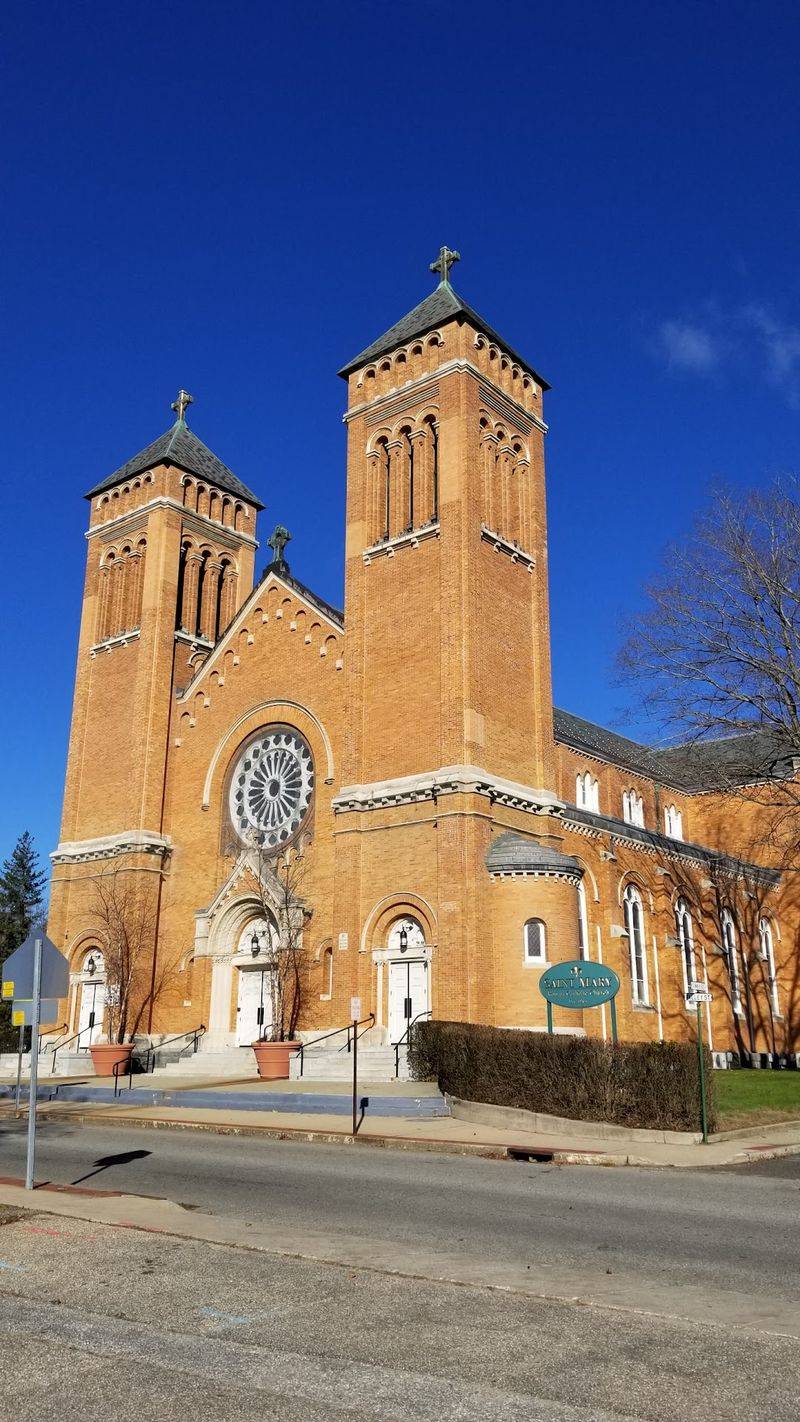
Not every retiree wants a golf course or a gated community. Willimantic tends to suit people who prefer character, history, and a compact downtown.
History lovers will find plenty to explore, from the textile museum to Victorian homes. Architecture fans will enjoy the town hall and Prospect Hill streets.
Nature-minded retirees have riverside parks and gardens within reach. Daily walks can follow the water instead of a treadmill.
Social folks will appreciate Main Street’s cafes and diners. These easy gathering spots help newcomers settle in.
People who enjoy a younger crowd may like the nearby university. The mix of ages keeps the town from feeling sleepy.
Those who want large shopping centers on every corner may prefer elsewhere. Willimantic leans small-town rather than suburban sprawl.
Spending a day here before deciding is wise. A single afternoon can reveal whether the pace matches your own.
Practical Notes for a First Visit
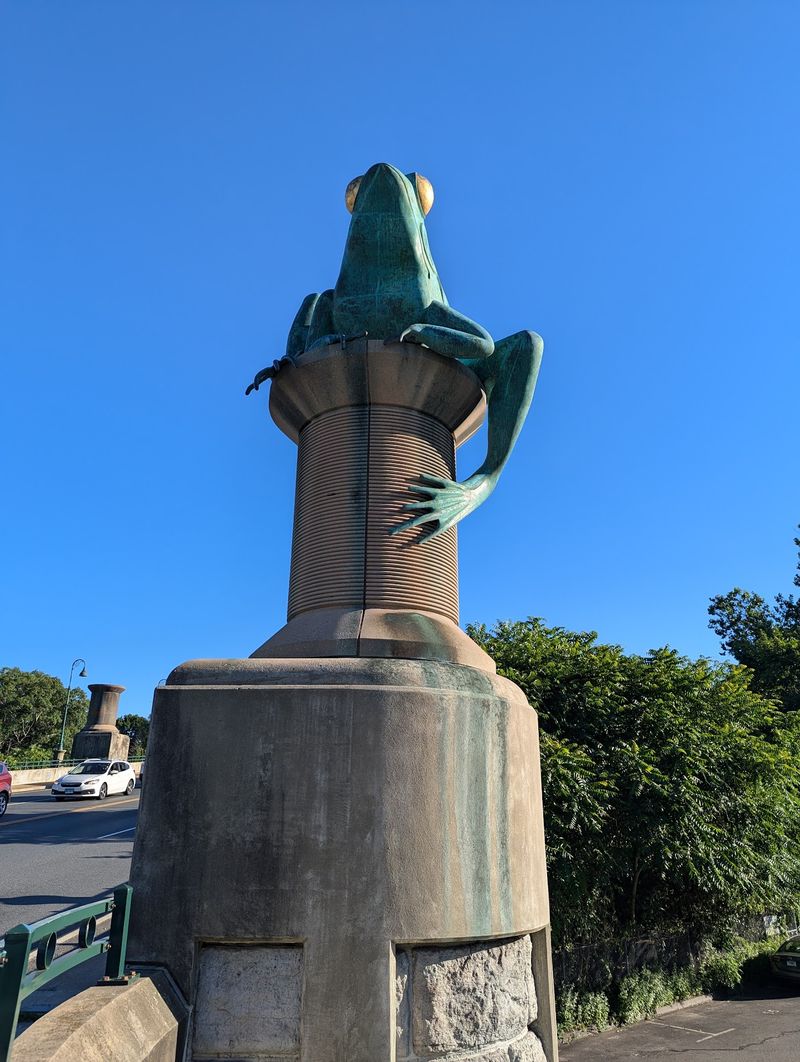
A scouting trip is the smartest first step for any possible move. Willimantic sits in the town of Windham in eastern Connecticut.
Start downtown on Main Street. The town hall makes an easy landmark, and nearby cafes offer a place to plan the day.
Next, visit the Windham Textile and History Museum. Confirm hours ahead of time, since small museums can keep limited schedules.
Later, head to Prospect Hill to see the Victorian homes. Finish with a riverside park overlooking the Willimantic or Natchaug rivers.
The town website at windhamct.com is useful for local updates. It can also help with questions about town services.
Comfortable shoes are a must. The whole point is to see how much can be done on foot.
Visiting in different seasons can help too. New England weather changes a lot across the year.
Bring a notebook for questions about housing and costs. A little homework now saves surprises later.
A Soft Verdict on Thread City
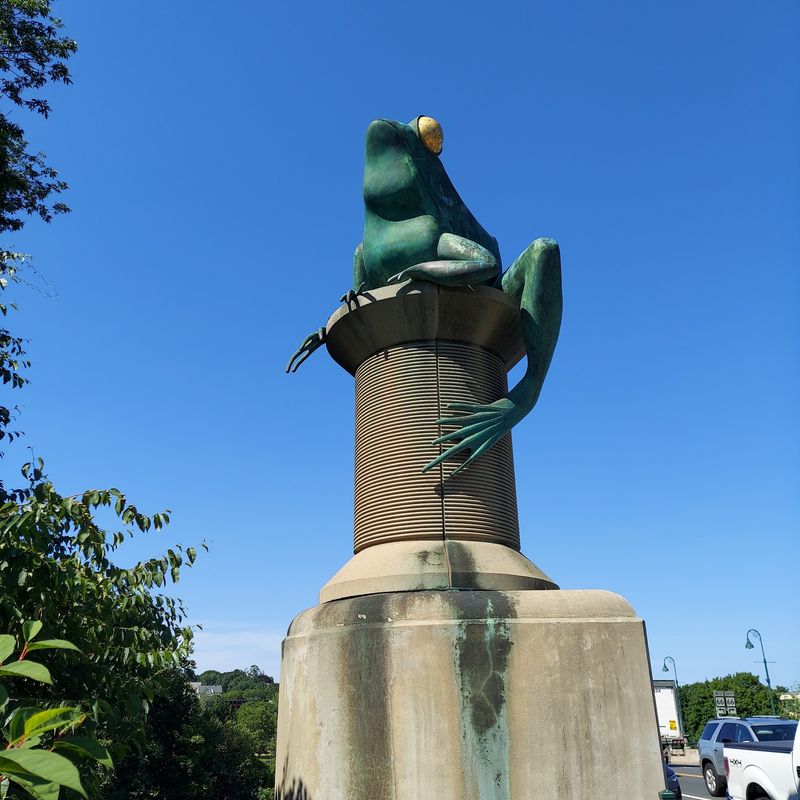
Some places win hearts with flash. Willimantic wins them with convenience, history, and a pace that leaves room to breathe.
The village pairs a Main Street of cafes, diners, and gift shops with a striking Romanesque Revival town hall. Riverside parks and Victorian streets add even more reasons to walk.
Its mill town past, told at the Windham Textile and History Museum, gives the place real depth. The nearby university adds youthful energy.
For retirees, that mix supports independence and connection. Errands, exercise, and friendships can all happen within a short stroll.
No town is perfect for everyone. Still, those who value walkable streets and everyday affordability have good reason to look closely.
Plan a visit, walk the routes, and ask the practical questions. Willimantic may turn out to be the thread that ties a happy retirement together.
Enjoyed this story?
Add Fast Food Club as a preferred source to see more of our reporting on Google.