


Winter in the northern Adirondacks has a way of clearing the calendar. The crowds thin out, the trails go quiet, and the birds that stick around suddenly become a lot easier to spot.
Tucked into the woods near the tiny community of Paul Smiths, New York, there is a trail network where a flat boardwalk crosses open marsh and bog, and where a family with a four-year-old can finish a loop without a single complaint. Snowshoes, skis, and binoculars all have a place here.
The trails are groomed, the signs are clear, and the staff seem to genuinely enjoy helping people find their way. Keep reading to learn where it is, which loops suit a slow winter morning, what to pack, and the practical details that make a cold-weather visit easy to plan.
A Nature Center on Route 30
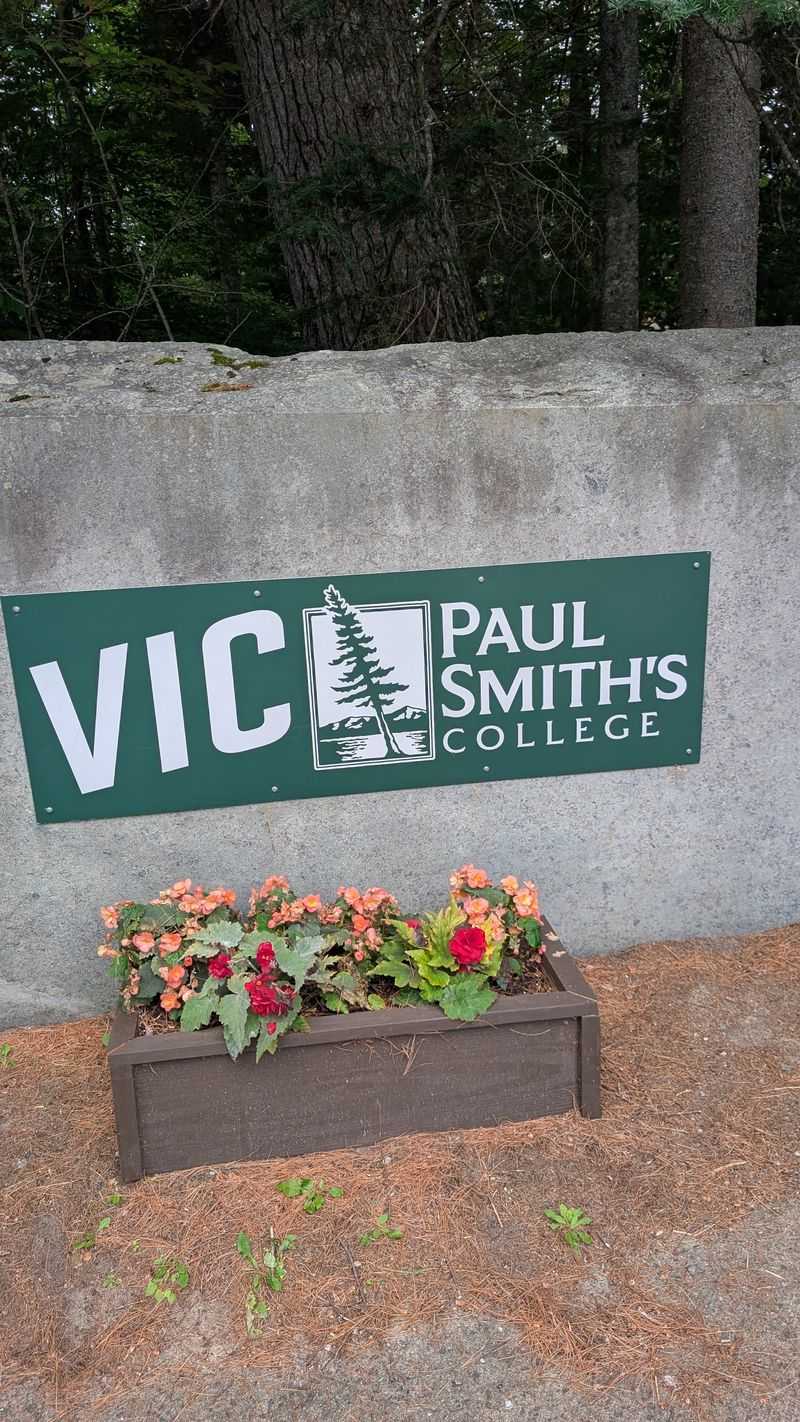
Out on a quiet stretch of state highway sits one of the most beloved trail systems in the northern Adirondacks. Paul Smith’s VIC is found at 8023 NY-30, Paul Smiths, NY 12970, in the United States.
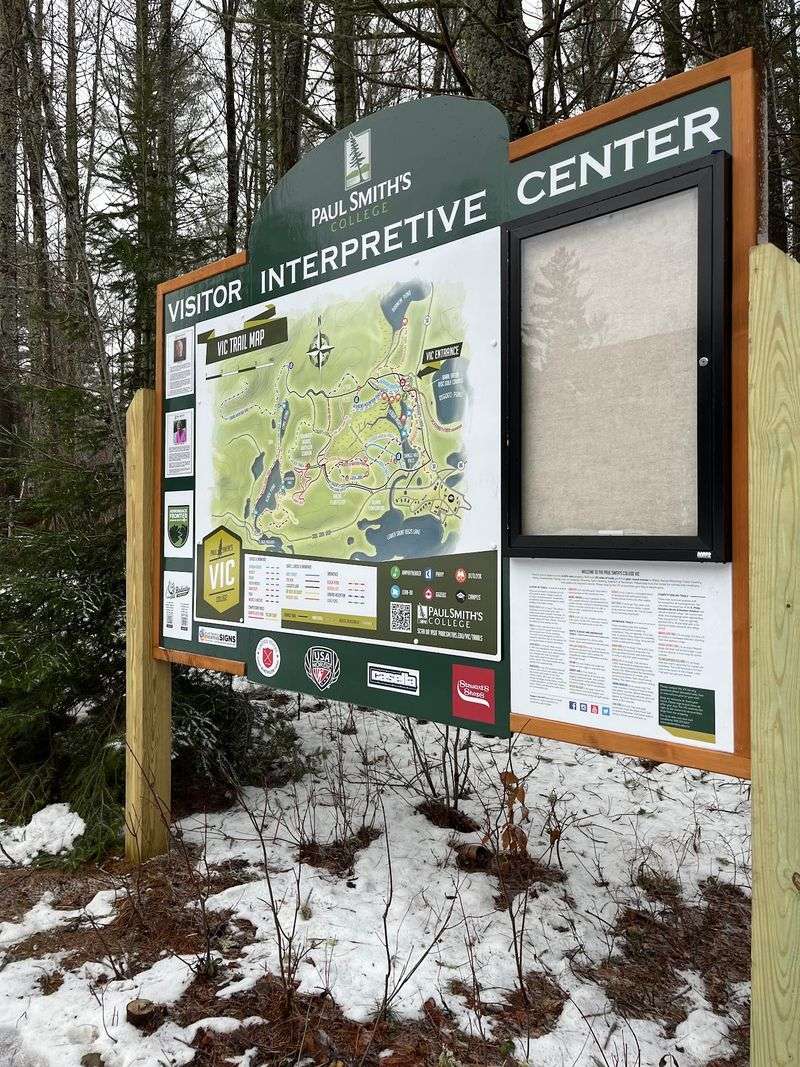
VIC stands for Visitor Interpretive Center. It is listed as a nature preserve, and it is connected to Paul Smith’s College, which has a museum section tied to the school’s story.
The property holds a large network of managed trails. Some are short, easy loops through the woods, while others reach out across marsh, bog, and brookside scenery.
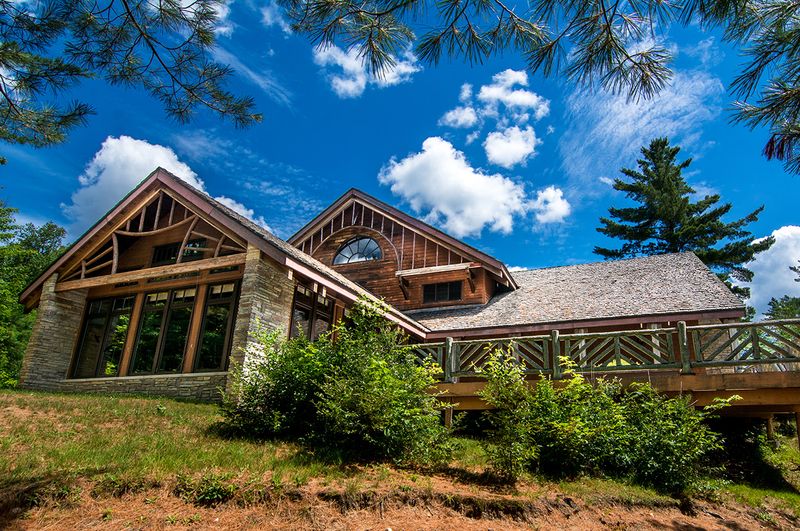
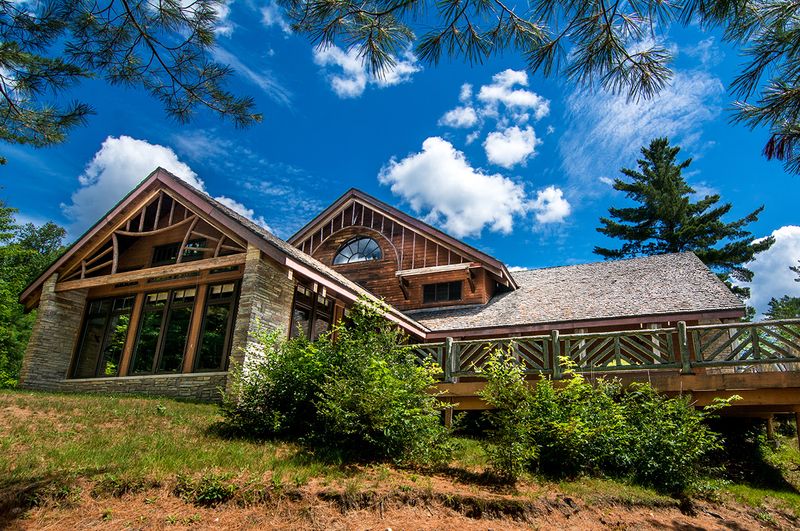
A central building anchors everything. Inside, there are maps, restrooms, a water fill station, education displays, and a gift shop that turns out to be bigger than most people expect.
The place earns a 4.8-star average from 140 people who have shared their thoughts online. That is a strong showing for a spot that is essentially a set of trails and a lodge in the woods.
For winter birders, the appeal is simple. The trails are well kept and easy, and the setting is calm, so the focus can stay on the treetops and the marsh edges instead of the footing.
The next stop on this tour explains why that calm matters so much.
Where a College Meets the Woods
Not every trailhead comes with a campus connection. This one does, and it shapes much of what happens here.
Paul Smith’s College uses the land as a living classroom. Students have long found plenty of places for scientific research on wildlife and habitats across the property, and the trails support certain classes and projects.
That academic link explains a lot. The trails carry many information signs, and the indoor exhibits go deep enough that a curious reader could spend 30 to 60 minutes taking in the museum section alone.
There is also a college museum on site. Some guests skip hiking entirely and come just for the exhibits and seasonal gardens.
The care shows on the ground too. Large trees line the paths, and the crews appear to work hard at removing invasive plants, which keeps the native habitat in good shape for the birds that rely on it.
All of this gives a winter walk an extra layer. A chickadee on a branch is fun to see, and a sign nearby explaining the habitat it depends on makes the moment stick a little longer.
Next comes the trail that makes the boardwalk famous.
The Heron Marsh Boardwalk
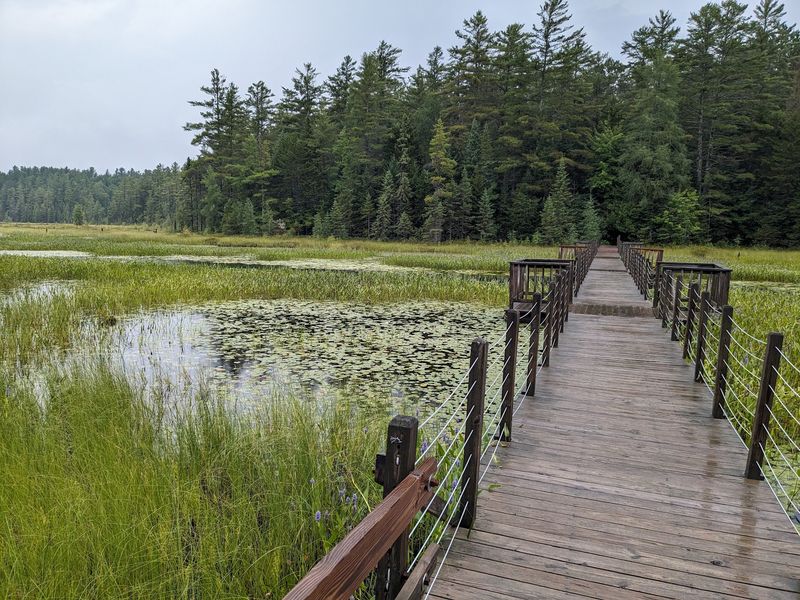
Ask around about the best walk on the property and one name keeps coming up. The Heron Marsh Trail loop is the headliner.
The route offers wide views through the marsh, and it tends to be quiet and not too crowded. That combination is exactly what a birder wants.
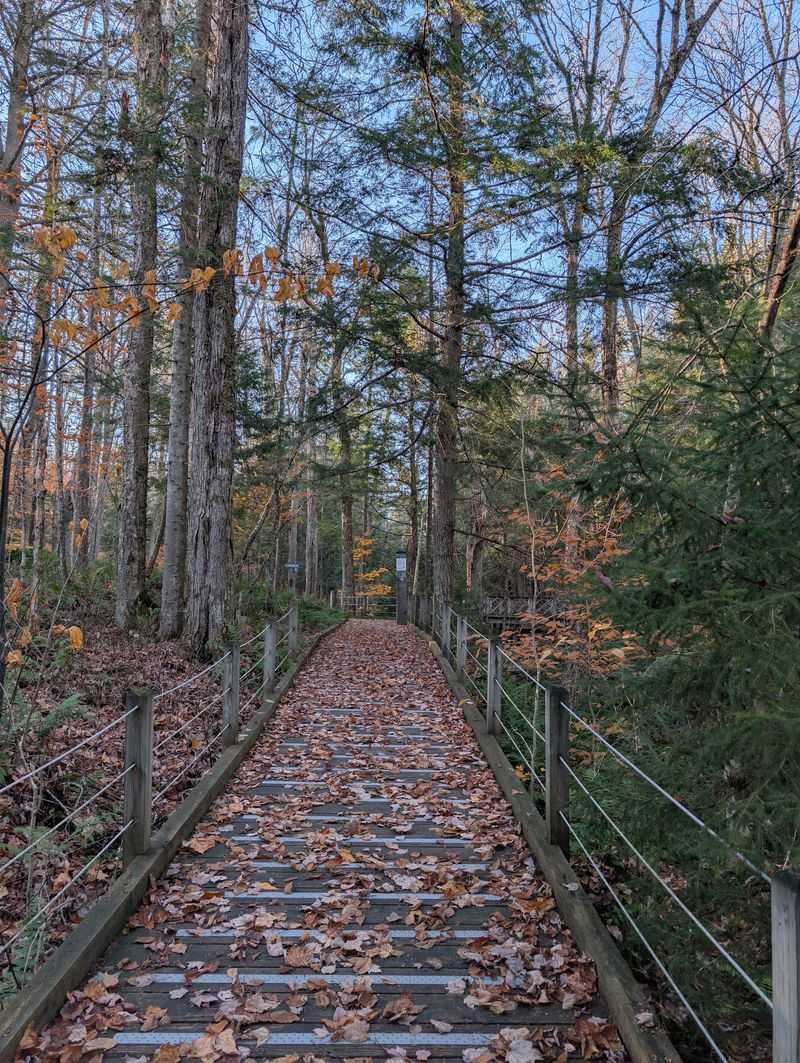
A boardwalk crosses the bog and marsh sections. People who come in other seasons say not to miss it, and in July the bog plants put on quite a show.
Winter changes the cast but not the format. The boardwalk still provides an easy, level way to cross open wetland, and open wetland means long sightlines.
Birders have logged an impressive list on this loop. One outing turned up Canada Goose, Common Merganser, Broad-winged Hawk, Hermit Thrush, Swamp Sparrow, Red-winged Blackbird, Palm Warbler, and more.
Many of those species are warm-weather visitors, so a winter list will be shorter. The fun lies in seeing which hardy residents remain, and in having the marsh mostly to yourself while you look.
A sandpiper story from this very marsh is up next.
Birds That Stay Through the Cold
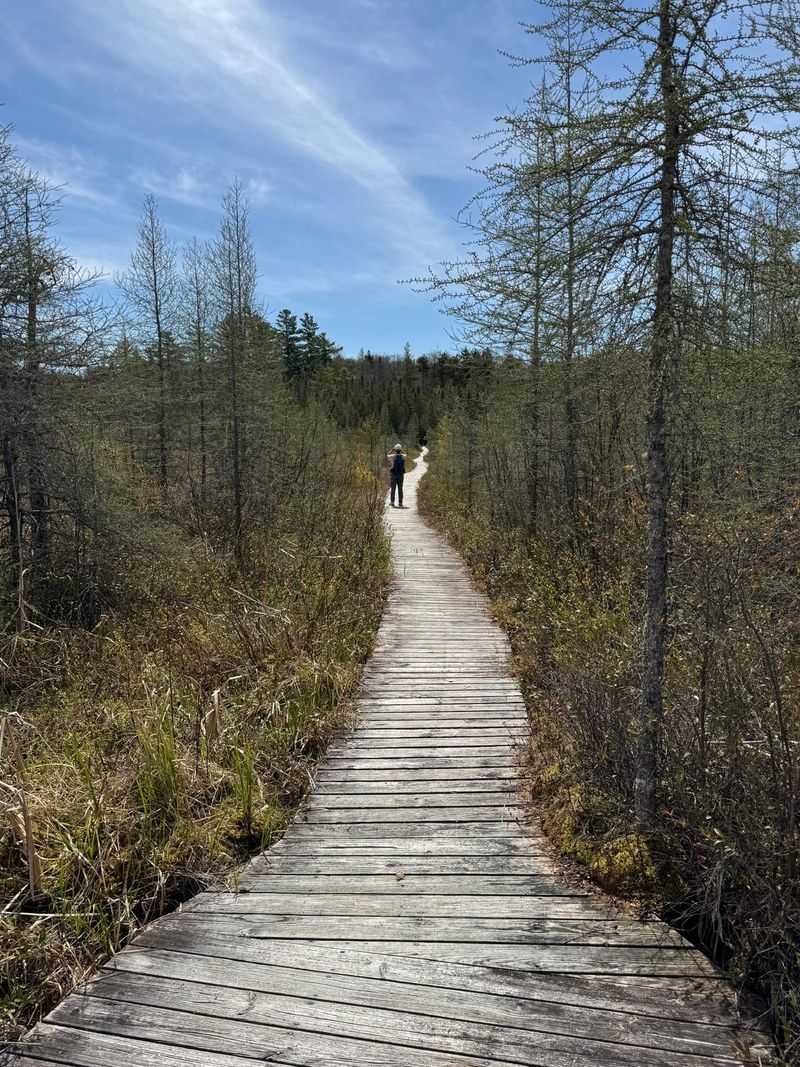
Here is a fun fact for the bird list. The Black-capped Chickadee is among the species recorded on the Heron Marsh loop, and it is famously tough in cold northern winters.
Winter birding at the VIC is less about volume and more about patience. Fewer species are around, so each one gets your full attention.
The marsh edges are worth scanning slowly. During warmer months, a Solitary Sandpiper was even seen nesting along the edge of the marsh, a sighting that delighted the birders who caught it.
In winter, keep binoculars ready for the forest stretches as well. The large trees along the trails offer perches and shelter, and the quiet means small movements are easier to notice.
A short field guide or a birding app makes a good companion. The interpretive signs add background, but a guide helps put names to the quick visitors flitting by.
Moving slowly also keeps the walk easy on the body. A loop that takes 40 minutes in summer may stretch into an unhurried two hours when every chickadee earns a pause, and that is perfectly fine here.
Speaking of easy loops, there is one that even toddlers can manage.
Boreal Life, Built for Small Legs
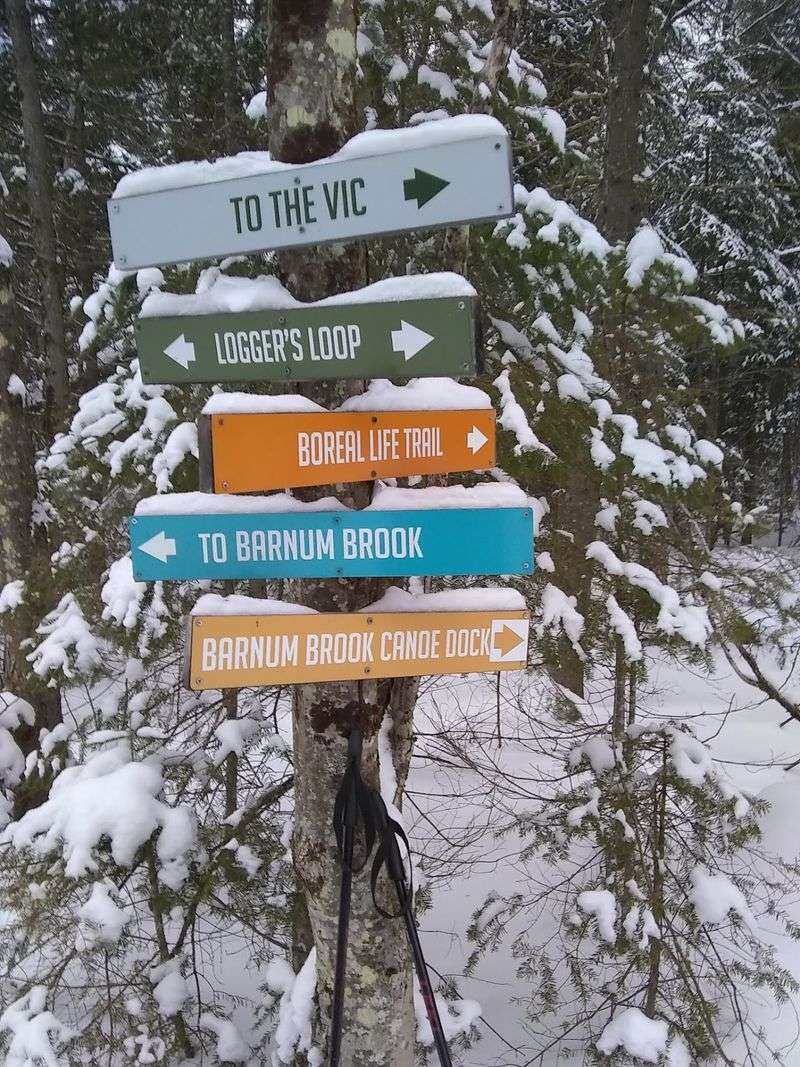
A four-year-old finished the Boreal Life Trail and still had energy left over. That says plenty about how gentle this loop is.
The Boreal Life Trail is often described as very easy. It is a short loop through the woods that still manages to be scenic, which makes it a solid pick for families with little ones.
Boreal forest is the northern woodland type that the Adirondacks share with colder regions to the north. A trail named for it hints at the kind of habitat, and the birds, that a winter walker may find along the way.
The trail is well maintained and interpretive. Signs along the route explain the environment, so kids can learn a bit while they walk.
For a winter outing, short is smart. A brief loop leaves room for warming up afterward, and it keeps the day enjoyable for everyone.
Families have finished the loop and then grilled lunch at the grills near the parking lot. It is a simple plan, and it works.
A short hike paired with a meal outdoors can turn an ordinary weekend into one the kids remember. Next up, what to strap onto your boots.
Snowshoes Welcome
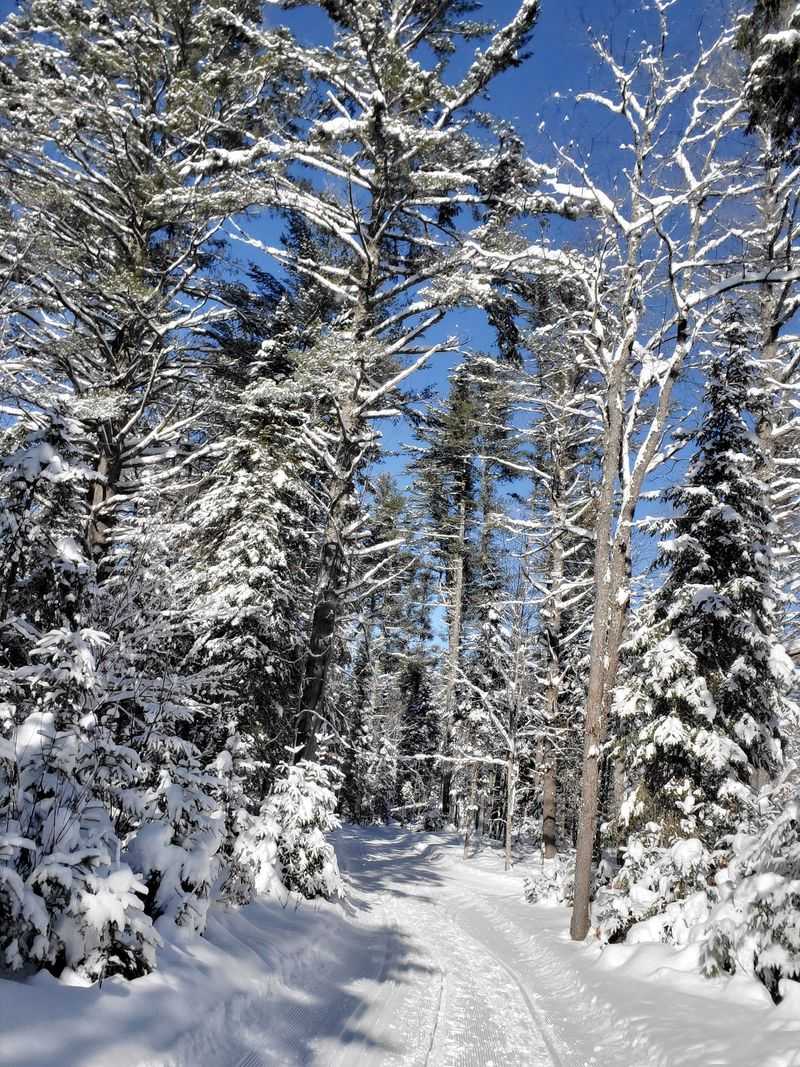
Snow does not shut the trails down. It just changes the footwear.
Snowshoeing is one of the most talked-about winter activities at the VIC. It pairs naturally with birding, since snowshoes allow a slow, steady pace through deeper snow.
The trails here are known for being well groomed and well marked. In winter, clear markers matter more than ever, because snow can hide the usual clues about where a path goes.
Snow conditions at the VIC can also beat nearby areas. One winter, there was snow on these trails when Lake Placid had none.
A few planning notes help. Check the website before heading out, since programs and conditions change through the season.
- Dress in layers and bring a warm hat and gloves.
- Pack water, since winter facilities can be limited.
- Keep binoculars on a strap so hands stay free.
Snowshoes also make the boardwalk loop feel like a small adventure. Crossing the marsh on a quiet winter morning, with tracks behind you and few others around, is a fine way to start a weekend.
Prefer to glide instead of stomp? The skiing comes next.
Cross-Country Skiing for First-Timers
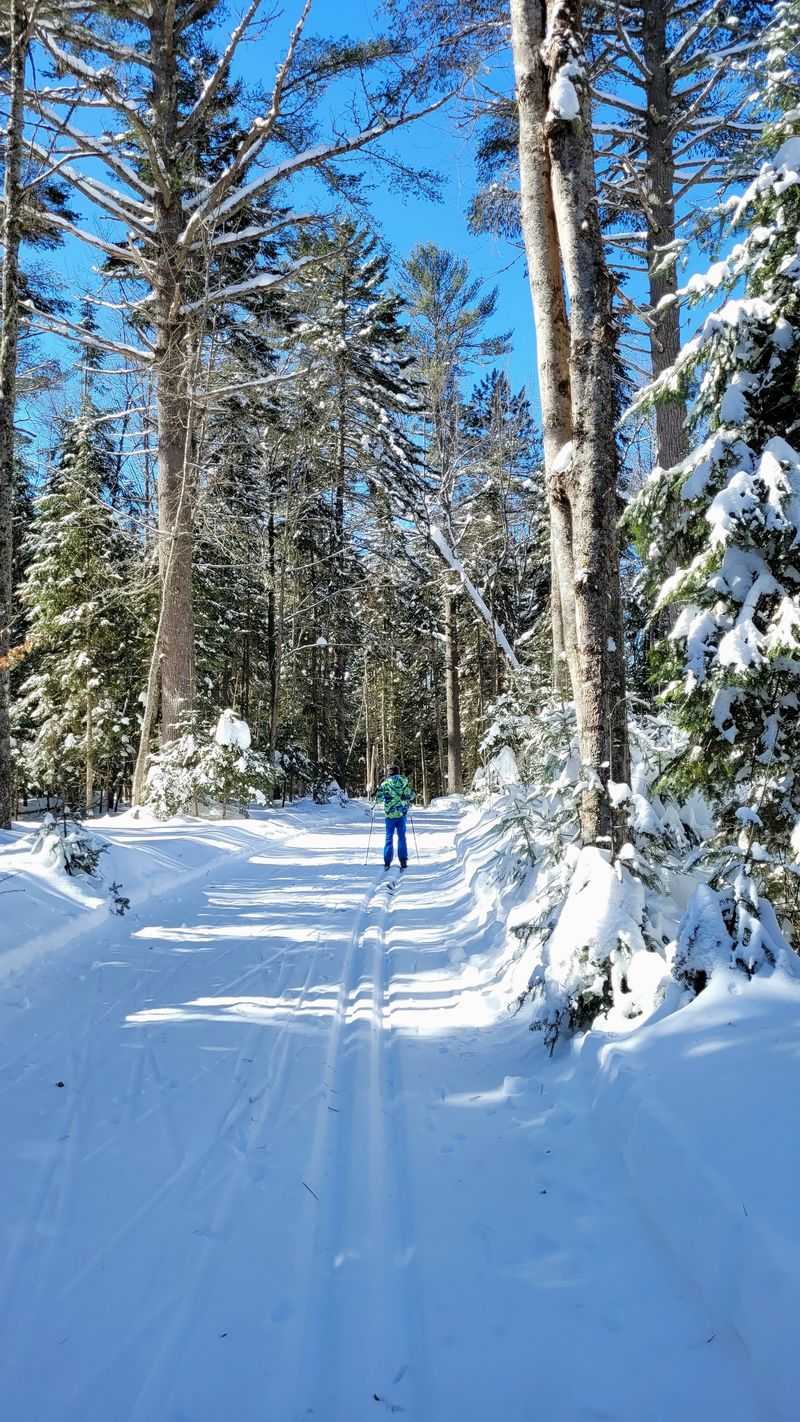
Clicking boots into skis for the first time can feel like a puzzle. The staff here have a knack for making it simple.
Cross-country skiing is a big part of the winter story at the VIC. Beginners have arrived with no experience and left having had a great time, thanks to patient, clear instructions.
The grooming earns praise too, even in difficult conditions. With good snow, the network has a strong reputation as a skier’s playground.
Not every day is perfect. Some visits land on thin or rough snow, yet groups still head out and enjoy themselves.
A friendly team member once helped a pair of new skiers who took a wrong turn and ended up heading away from the visitor center. He and his dog guided them back, showing a lot of patience and knowledge along the way.
One caution worth repeating: the trails are not labeled by difficulty. Ask staff which routes match your comfort level before setting out.
Birders on skis can cover more ground. Just remember to stop now and then, look up, and listen for movement in the trees.
Now, about that horse-drawn surprise.
Sleigh Rides and Group Outings
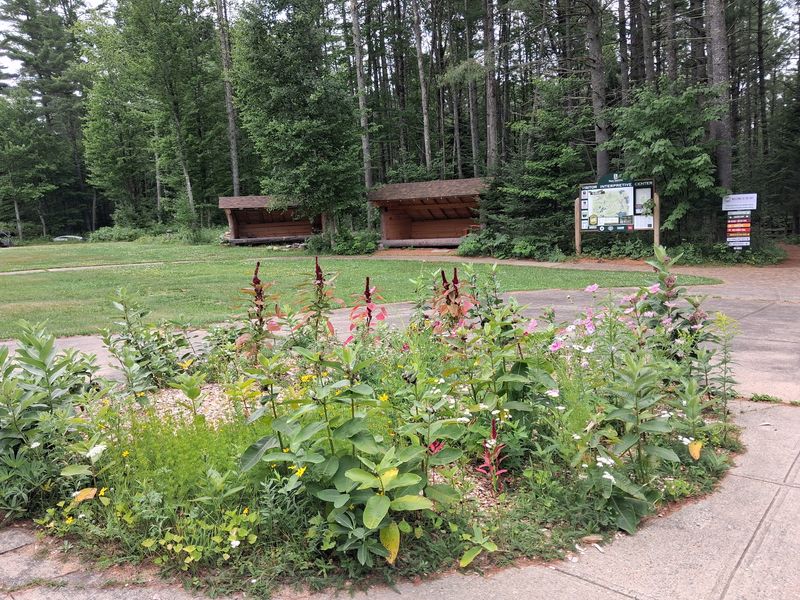
Not every winter guest wants to strap anything onto their feet. Horse-drawn sleigh rides offer another way to enjoy the season.
Sleigh rides have been part of the offerings at the VIC. One group of active seniors from an independent living community enjoyed a sleigh ride followed by a picnic lunch, and the outing was a hit.
That kind of experience opens the property to people who might not walk long distances in snow. It also makes the VIC a handy pick for group trips.
Availability for sleigh rides may vary by season and conditions. Calling ahead or checking the website is the best way to confirm what is running.
Groups of all kinds seem to fit here. Families, school groups, seniors, and friends on a weekend getaway all find something that works.
The staff deserve credit for that. People describe them as enthusiastic, knowledgeable, and friendly, and those traits shine brightest when organizing something special for a crowd.
A sleigh ride and a short boardwalk stroll together could make for a well-rounded winter day. The pace stays relaxed, and nobody needs to be an athlete to join in.
Inside the lodge, there is more to see.
Inside the Lodge
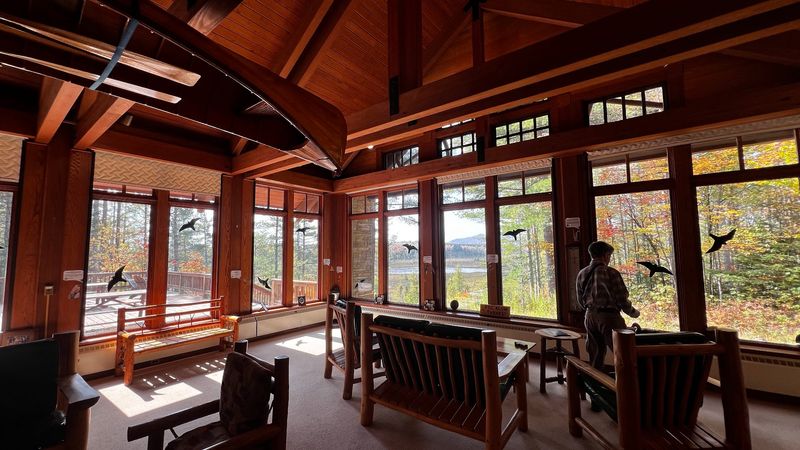
Cold fingers need a break sometimes. The visitor center building is where that break happens.
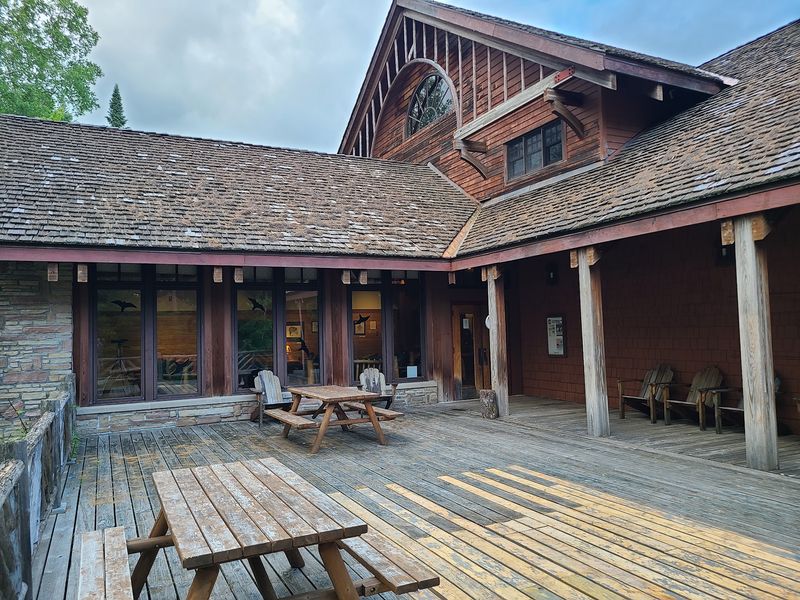
Inside, guests find trail maps, clean restrooms, and a water fill station. There are also nature education displays covering the local environment.
The museum section can easily fill half an hour or more. Reading every panel is a good way to learn what lives in the marsh and woods you just explored.
The gift shop surprises a lot of people. It is larger than expected and carries local craft items, which makes it a fun place to browse after a walk.
In warmer months, the deck is a popular spot for lunch. Winter guests may prefer to stay indoors, but the building still serves as a welcoming base.
One important note: the building has been closed at certain times, even while trails remained open. During some winter periods, only portable toilets and hand sanitizer were available outside, with no water.
Plan for that possibility. Bring your own water and snacks, and check ahead on whether the center is open.
With a little preparation, the lodge becomes a bonus rather than a requirement. Little explorers have their own corner next.
Playground, Geocaches, and Kid Appeal
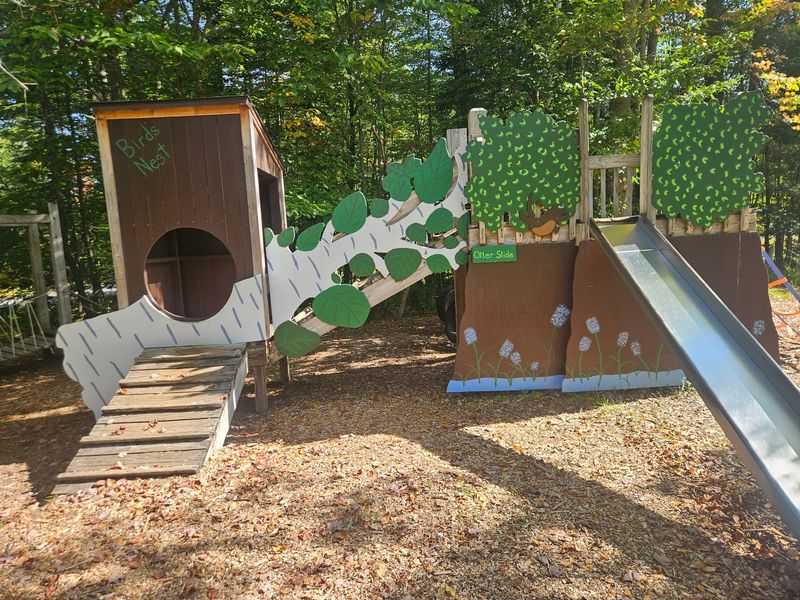
Kids who need a body break on a long drive have found this place by accident and been glad they did. That happens more than you might guess.
The VIC has a small playground for children. It gives younger visitors a chance to burn off energy before or after a walk.
Geocaching adds another layer of fun. Hidden caches on the property turn a hike into a treasure hunt, and some families have made finding them a highlight of their trip.
The easy trails help a lot. Most routes suit a wide range of fitness levels, so kids and grandparents can share the same path.
Interpretive signs keep young minds busy too. Every few minutes there is something new to read or point at.
For winter birding with children, keep expectations playful. A single bird spotted and named can feel like a big win for a young explorer.
Short loops, a playground, and a hidden cache or two can fill a morning nicely. It is a family outing that does not require much planning, and it rarely ends in tears.
Warmer seasons bring their own attractions, covered next.
Butterflies, Bogs, and Other Seasons
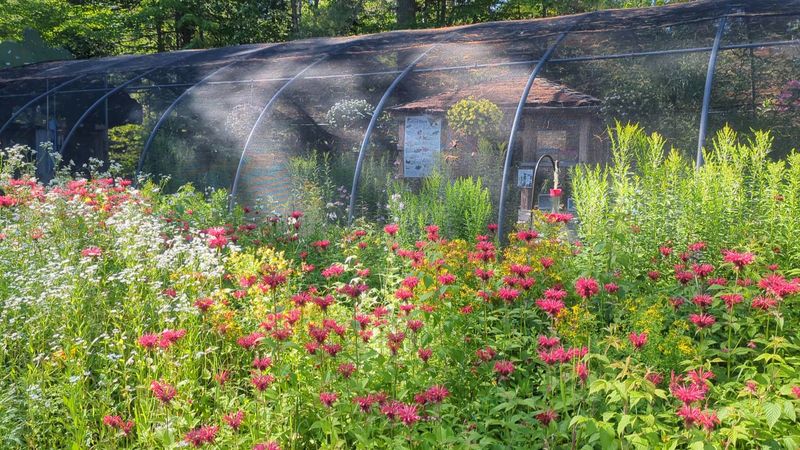
Winter is the quiet season, but it helps to know what the other months hold. A cold-weather visit often leads to a summer return.
The butterfly house and butterfly garden are a summer favorite. Sometimes the butterflies even land on guests, which kids especially love.
In July, the bog along the boardwalk comes into bloom. The plants draw plenty of admiration from those who time their trip right.
Fall is popular for weekend getaways. Walking the trails, seeing the water, and searching for geocaches have made autumn visits the most memorable part of some trips.
A brook runs through the property, and there are several scenic vistas along the way. These views remain in winter, just framed by snow instead of green leaves.
Seasonal programs fill out the calendar. Yoga and mushroom identification walks are among the offerings mentioned, and the website lists what is coming up.
Knowing the full year helps a winter visit make sense. The same boardwalk that hosts summer blooms becomes a calm, open walkway for winter birding, and it is worth seeing both ways.
Now for the practical side of the trip.
Hours Worth Writing Down
Timing a trip here takes one quick check. The weekly schedule has a twist.
The VIC is listed as open Thursday through Monday, from 9 am to 5 pm. It is closed on Tuesday and Wednesday.
Those hours apply to the center, and they may vary by season. Trails have been open at times when the building was closed, so it pays to confirm before you go.
The official website at paulsmiths.edu/vic is the best source for current hours, programs, and conditions. It also lists seasonal events.
Winter days are short, so an early start is smart. Morning hours leave plenty of daylight for a slow birding loop.
Here are a few quick reminders:
- Plan visits for Thursday through Monday.
- Arrive near opening time for quieter trails.
- Grab a map at the center if it is open.
- Ask staff which trails suit your skill level.
Weekends and weekdays both have their fans. A weekday visit may offer even more solitude on the boardwalk, which is good news for anyone hoping to hear every chickadee call.
Getting there comes next.
Getting There and Getting Ready
Route 30 does most of the work. The VIC sits right along this highway in the northern Adirondacks.
Lake Placid is a reasonable drive away, and some skiers have made the trip from there when their own snow ran thin. That makes the VIC a useful option for anyone staying in the broader region.
There is a parking area, and grills are located nearby. In past winters, families have cooked lunch there after walking a loop.
Packing well makes a winter visit smoother. Since water and indoor restrooms may not always be available, bring what you need.
- Water and snacks
- Warm layers, hat, and gloves
- Binoculars and a field guide
- Snowshoes or skis if conditions call for them
- A printed or downloaded trail map
Remember that trails are not labeled by difficulty. Choose an easy loop like the Boreal Life Trail or the Heron Marsh boardwalk if this is your first visit.
Camping spots have also been noted on the property in the past. Check with the VIC directly about current availability before planning an overnight stay.
With the logistics sorted, only one question remains.
A Quiet Verdict from the Marsh
Some places try hard to impress. This one simply keeps its trails tidy, its signs clear, and its doors open to anyone curious about the outdoors.
The VIC has earned a reputation as a bucket-list stop for Adirondack explorers. First-timers often leave planning their second trip.
For winter birding, the formula is easy to love. A level boardwalk, an open marsh, quiet woods, and a short list of hardy birds add up to a calm, unhurried outing.
Families get short loops and a playground. Skiers get groomed trails, and groups can enjoy sleigh rides and picnic lunches.
The staff tie it all together. Helpful, patient, and knowledgeable, they make even a wrong turn on skis end well.
Nothing here demands peak fitness or fancy gear. A pair of boots, some binoculars, and a free morning between Thursday and Monday will do.
So when winter settles over the Adirondacks and the calendar opens up, consider a slow lap around Heron Marsh. The birds may be few, but the quiet is generous, and that might be exactly what the season calls for.
Enjoyed this story?
Add Fast Food Club as a preferred source to see more of our reporting on Google.