


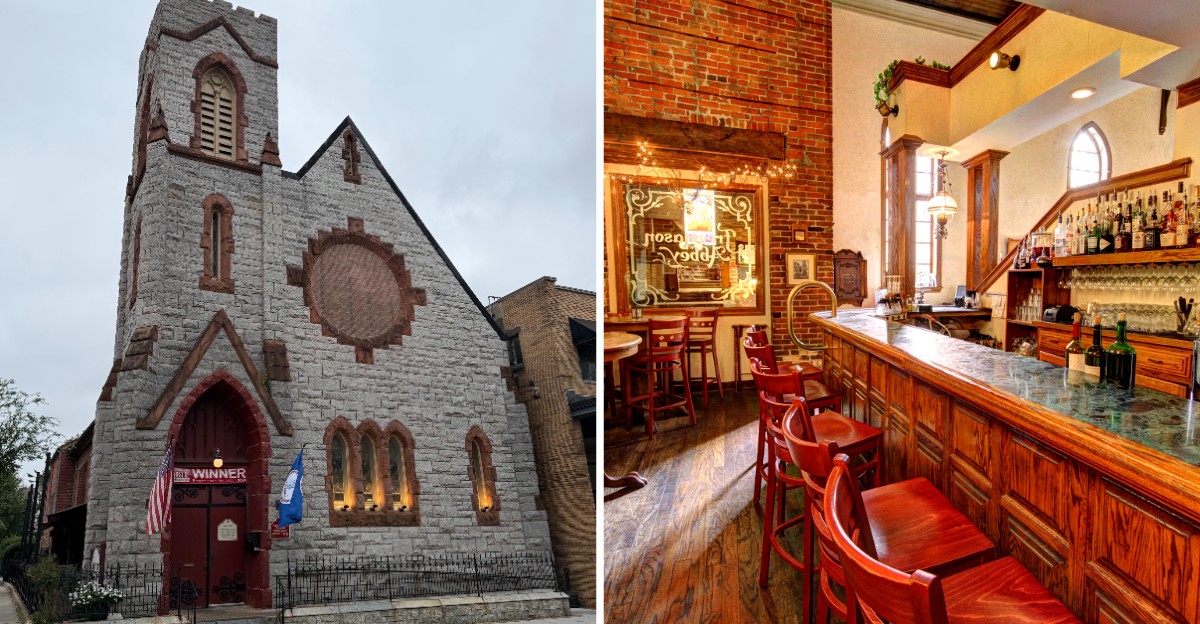
Ask around downtown Norfolk for a great bowl of soup, and the answers tend to point toward the same old building with tall windows and a long memory. It started life as a church in 1873, and today it fills plates instead of pews.
Locals have been sending friends there for more than 35 years, and the reasons go well beyond one creamy bowl. The soup that steals the spotlight is not clam chowder at all, which is the first surprise.
The second is how much history comes with lunch. Keep reading for the backstory, the dishes people keep ordering, the best times to show up, and a few smart tips that can save a weekend plan from a long wait at the door.
A Former Church on West Freemason Street
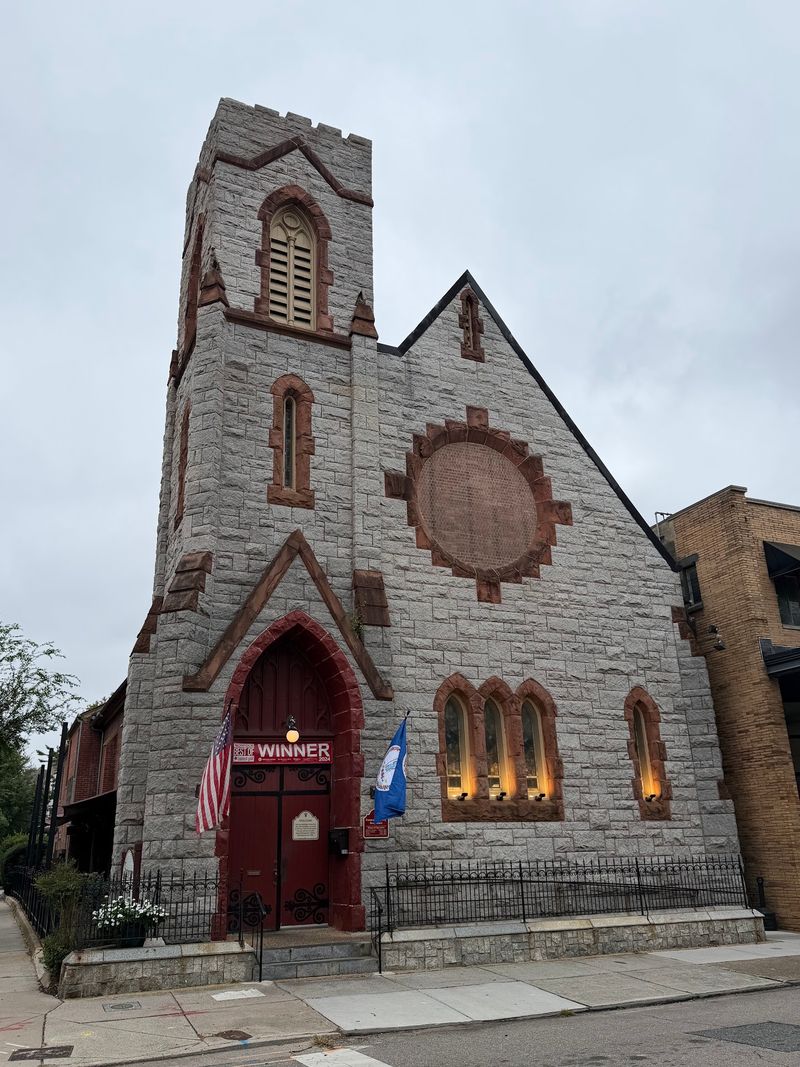
The mystery has a name and a street number. Freemason Abbey Restaurant sits at 209 W Freemason St, Norfolk, VA 23510, in the heart of downtown Norfolk, Virginia.
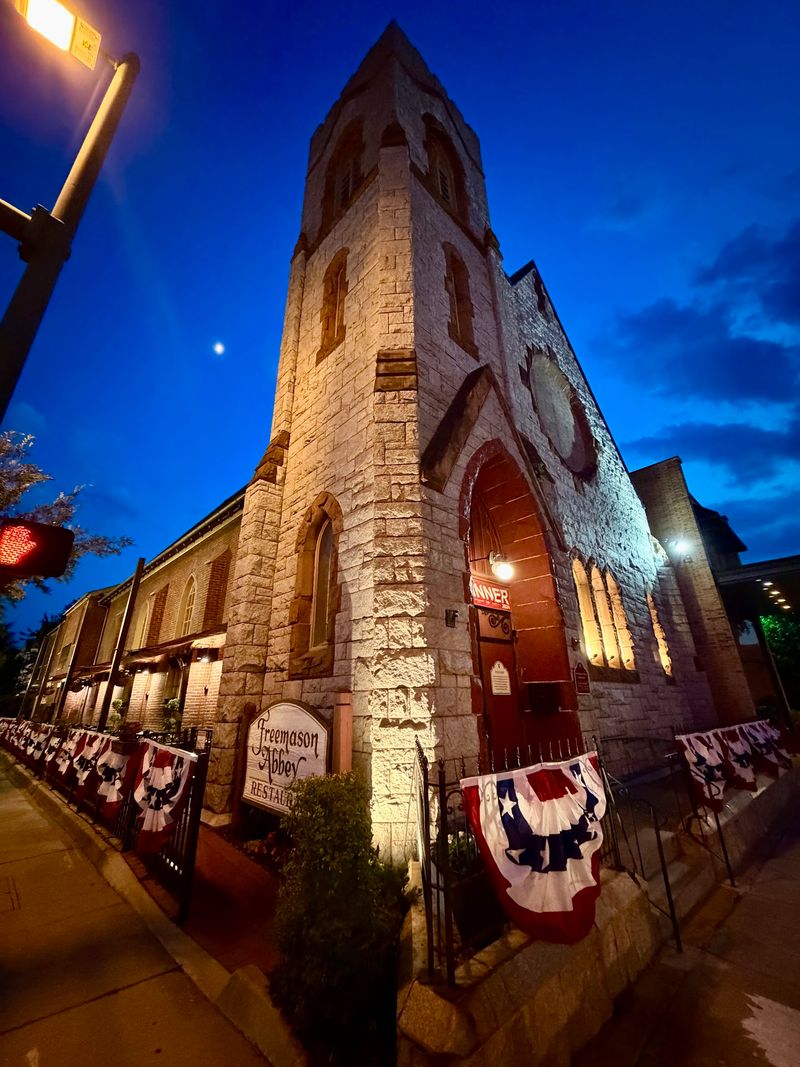
The listing calls it an American restaurant, but that label sells it short. The building went up in 1873 as the Second Presbyterian Church.
Since 1989, it has served as home base for Freemason Abbey. That means the dining room has been feeding Norfolk for more than three and a half decades.
So when a local answers a chowder question with directions here, there is a reason. The real headliner on the menu is a different coastal classic, and it has earned a loyal following.
Downtown streets keep things easy to reach for anyone exploring the waterfront area. The restaurant is an easy walk from the Nauticus complex, which makes it simple to fold into a day of sightseeing.
The address may be the first clue, but the building itself tells most of the story, and that story starts well before the first menu was printed.
From Pulpit to Plates
Some restaurants have a theme. Freemason Abbey has a past.
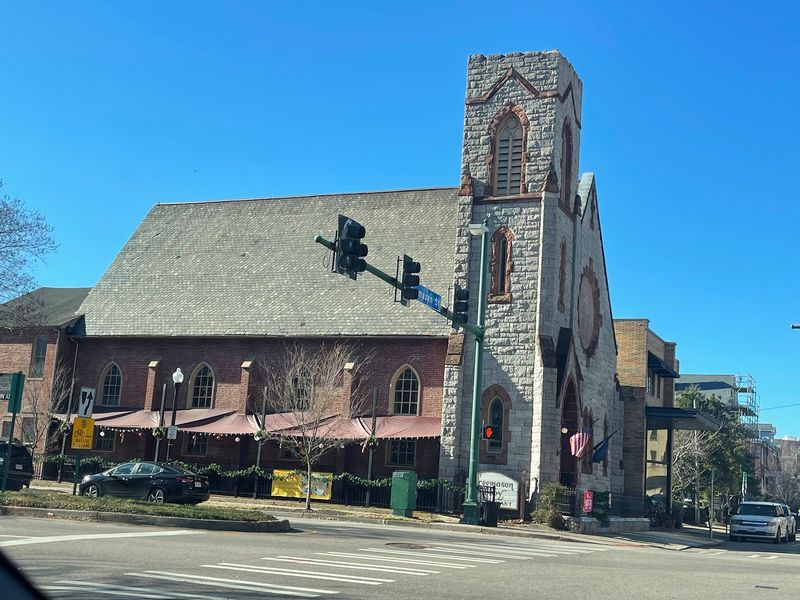
The building began as the Second Presbyterian Church in 1873, back when downtown Norfolk looked very different. More than a century later, in 1989, it found a second calling as a restaurant.
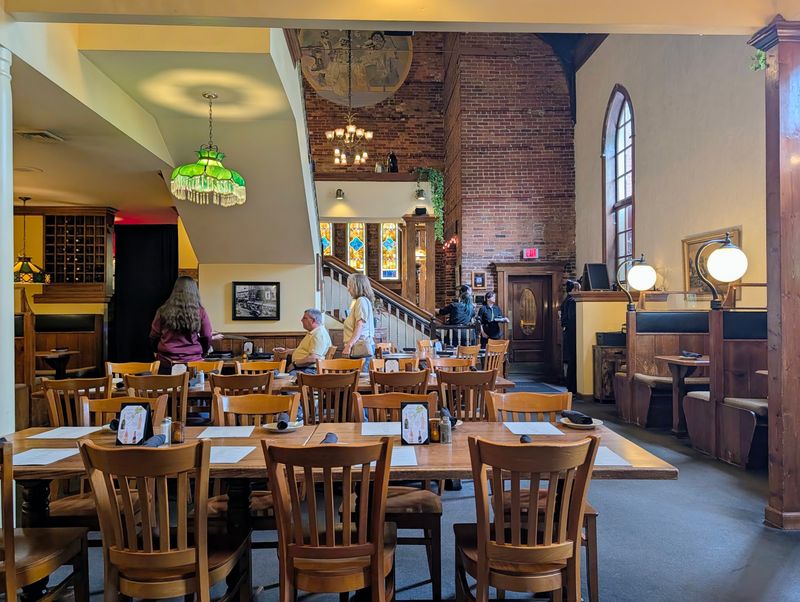
Plenty of the original character stayed put. The stained glass remains, and the historic details have been carefully preserved instead of covered over.
A handy bonus waits on the menu itself. It shares the history of the building, and taking a few minutes to read it adds real context to the meal.
History fans tend to linger here. Some diners take a short stroll around the building after eating, just to look at the architecture a little longer.
Converting a church into a dining room also left behind a large, open space. The result feels calm and a bit set apart from the busy streets outside.
A building with this kind of pedigree raises expectations, so the next question is fair: what does that old sanctuary look like now that it serves dinner?
Stained Glass and a Tavern Feel
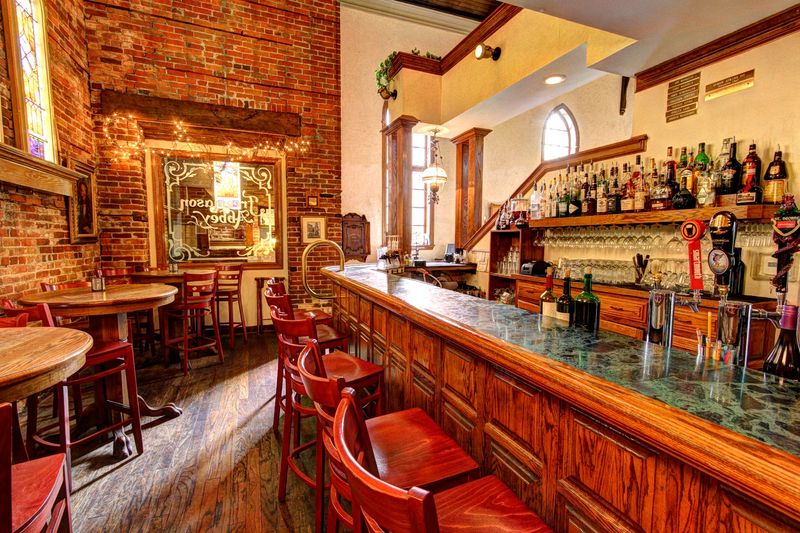
Tavern ambiance under stained glass is not a combination most towns can offer. The official description puts it plainly: traditional American fare in a circa-1873 church, with a tavern feel.
The mood leans slightly moody, in a good way. Lighting stays low enough to feel cozy while the historic details still get their moment.
Many guests point out how dining in a 19th century church turns an ordinary meal into more of an event. It is the kind of setting that makes a weeknight dinner feel planned.
The bar deserves its own mention. It is one of the standout features of the room and draws plenty of attention from first-timers.
Upstairs seating also exists, which gives a different view of the interior. Asking about it when booking is a smart move for anyone curious about the space.
The space manages to feel peaceful without being stiff. People come in for food and leave talking about the walls, the windows, and the ceiling.
Of course, a beautiful room only goes so far. The bowl that keeps locals talking is next.
The Soup That Outshines the Chowder
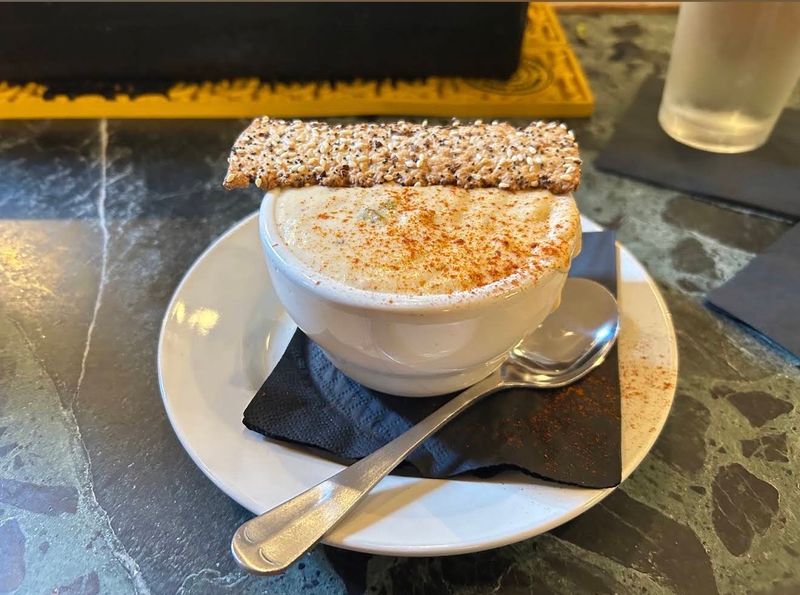
Here is the twist. Ask about clam chowder, and the conversation drifts toward she crab soup.
It is, by a wide margin, the most talked-about item at Freemason Abbey, with hundreds of mentions. Regulars treat ordering it as a given, even when they try something new for the main course.
The soup is one of the house specialty soups. It comes rich and creamy, with generous chunks of crab meat.
It arrives with crackers on the side. Some diners skip the crackers and dunk fried calamari straight into the bowl instead, which turns out to be a clever upgrade.
Opinions are not perfectly unanimous. A few find it simply okay, while most call it the best thing on the table that night.
Smaller portions are available too, so it works as a starter without crowding out dinner. A cup alongside an entree is a popular pattern.
Chowder fans may arrive with clams on the brain, yet this crab classic tends to win them over quietly, one spoonful at a time.
Starters Worth Sharing
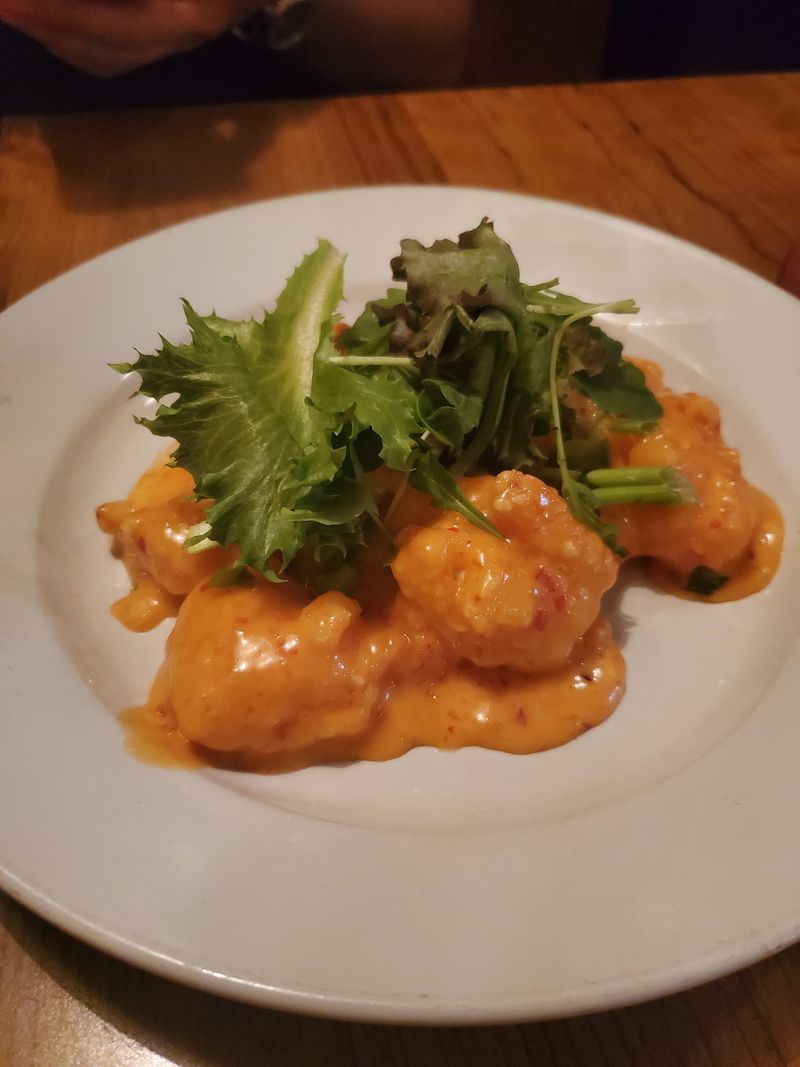
A good meal here often begins before the soup spoon even touches the table. The appetizer list holds several crowd favorites.
Crab dip gets plenty of attention, which makes sense for a spot this close to the Chesapeake region. Bang bang shrimp is another frequent pick.
Calamari shows up often too. It pairs nicely with the she crab soup, a trick some diners swear by.
Fried green tomatoes make an appearance for those who want a Southern touch. French onion soup is a second soup option that has its own fan base.
A chimichurri appetizer also appears on the menu. It comes with sauteed vegetables that win praise, though some wish it carried a bit more meat.
Sharing a few starters is a smart way to sample the kitchen’s range. It also buys time to read the building history on the menu.
Once the appetizer plates are cleared, the bigger decisions arrive, and the main course menu has more than a few heavy hitters.
Prime Rib, Pasta, and Seafood Fantasia
Decision fatigue is a real risk at this table. The main menu covers seafood, pasta, steaks, and chops.
Rock salt roasted prime rib is among the most mentioned entrees. Note that it may only be available at medium, so plan accordingly.
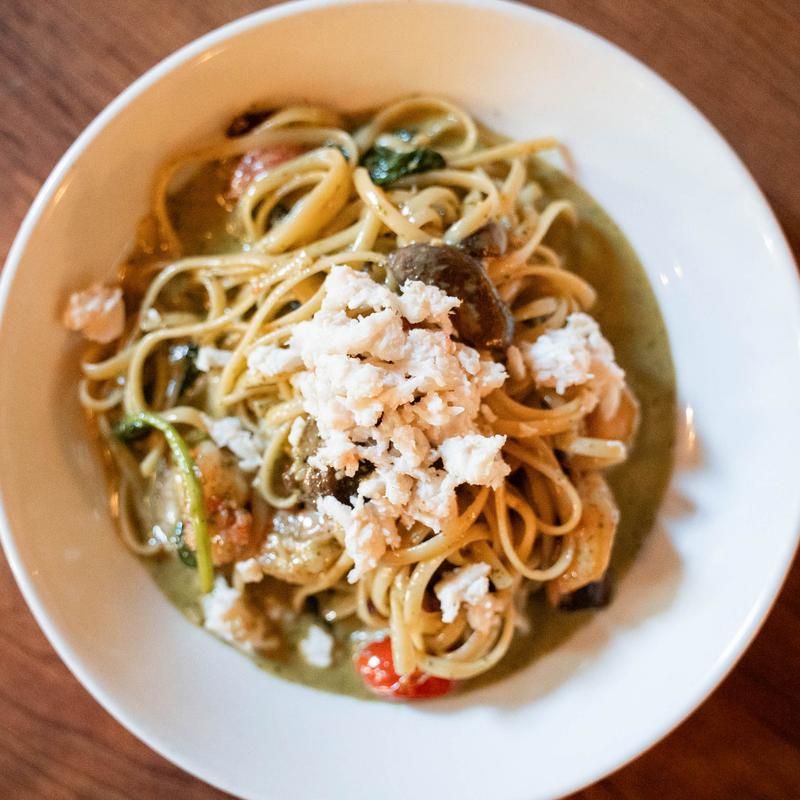
Seafood Fantasia, a pasta dish, has its own loyal crowd. Most enjoy it, though a few find it on the salty side.
Chicken asiago is another popular order. The smoked gouda tenderloin penne, sometimes listed as tenderloin tips with smoked gouda sauce, is a favorite for pasta lovers.
Grilled pork chops come thick-cut, with vegetables and smashed potatoes. A broiled seafood platter, surf and turf, scallop risotto, and crab and shrimp pesto pasta round things out.
Chef featured items sometimes go further afield, with dishes like grilled boar chops and elk steak. Daily specials appear as well, such as a chicken parm offered for $24.
Desserts deserve room too. The apricot bread pudding is a sweet finale worth saving space for.
Service With a Personal Touch
Refills that arrive before anyone asks are a small detail, yet they say a lot. That kind of attention comes up again and again here.
Servers are described as friendly, personable, and professional. A floor manager often walks the room checking on tables and even lends a hand.
Special occasions get noticed. Staff acknowledge anniversaries and milestones when they know about them.
Light humor is part of the style too. One crew joked with a teenager about having assigned seating elsewhere in the building, a nod to its church roots.
Things are not always fast. On busy nights the team can feel stretched, and service may slow down a little.
Kitchen consistency also varies at times. A few guests have received steaks cooked past the requested temperature, so being clear when ordering helps.
Still, the overall picture is a staff that wants people to leave happy, and most do.
Sunday Brunch Under the Arches
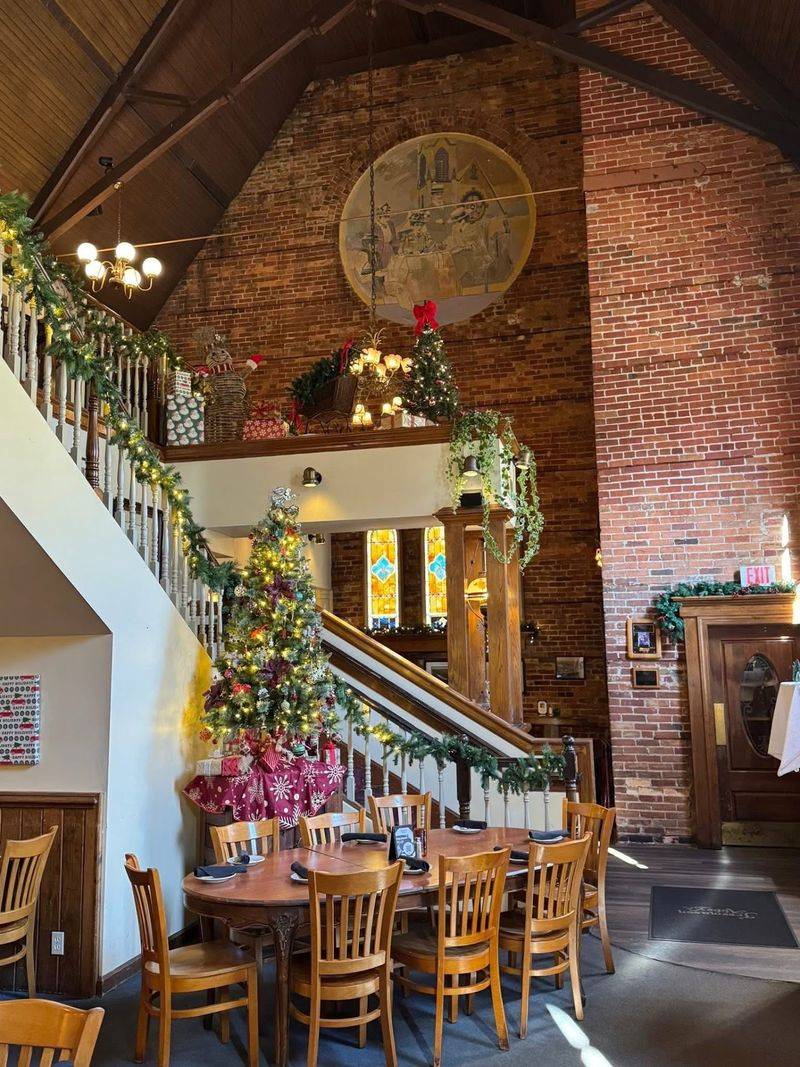
Sunday mornings take on a new meaning in a former church. The doors open earlier, at 10 am, to make room for brunch.
Weekend brunch is a local favorite. Couples book it for anniversaries, and families use it to celebrate milestones.
The space feels cozy and inviting in the daytime. The architecture gets its full due when the stained glass is front and center.
A weekend specialty menu also draws return trips. Some diners plan a second visit specifically to try it.
Reservations matter more on weekends. The restaurant can get very busy, and calling ahead is the safest bet.
Brunch is also a nice way for first-timers to see the building before committing to a full dinner. Many leave already planning their next evening visit.
Daytime is just one side of the schedule, though, and the evening crowd has its own reasons to show up.
Who Fits This Pew Best
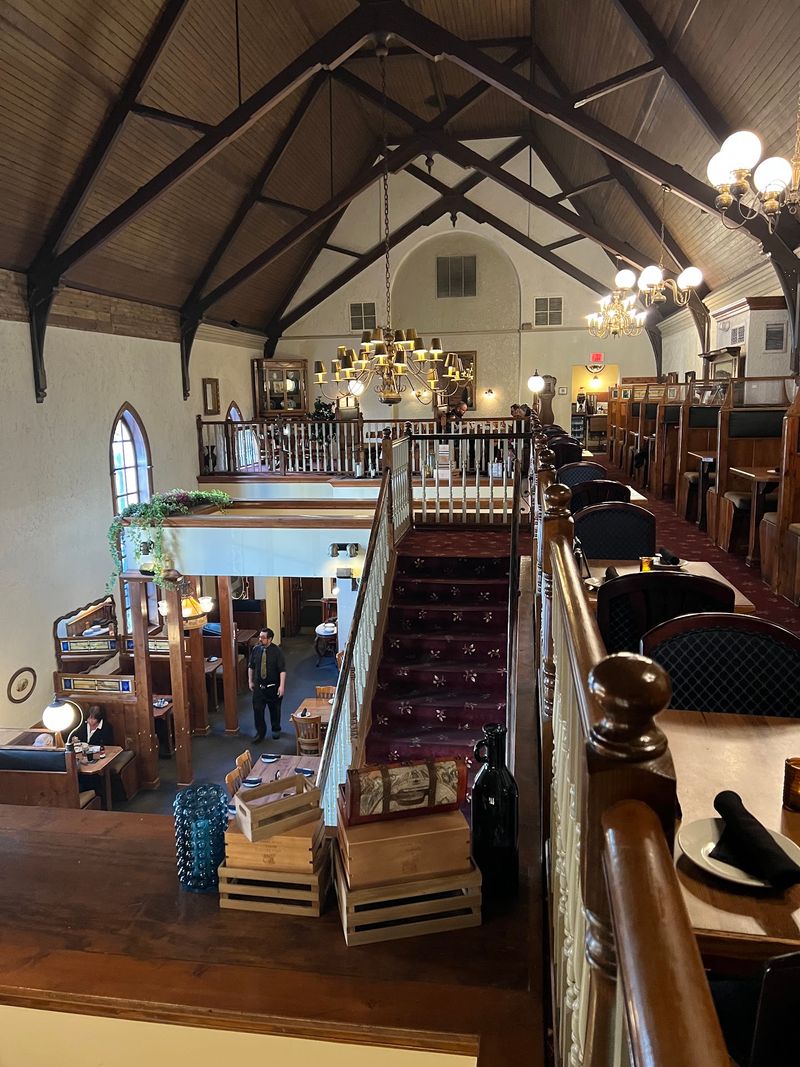
Some places suit everyone. This one suits certain occasions especially well.
Anniversaries, birthdays, and milestone dinners top the list. The setting adds a sense of occasion without extra effort.
History buffs are another natural match. The vintage architecture alone makes the trip worthwhile for anyone who enjoys old buildings.
Families do well here too, including parents traveling with teens. The relaxed staff and roomy space help.
Solo diners can grab a seat at the bar, where service tends to be quick. The crowd overall leans traditional and calm rather than loud.
Travelers exploring downtown should keep it in mind. The close walk from Nauticus makes it an easy add to a waterfront day.
Picky eaters may be pleasantly surprised. Dishes are seasoned well enough that extra salt or steak sauce often stays untouched.
With the right crowd identified, the practical side comes next: when to go and what to budget.
Hours, Costs, and Timing Tips
A little planning goes a long way at a place this popular. The schedule is open every day of the week.
Monday through Thursday, hours run from 11:30 am to 8 pm. Friday and Saturday stretch from 11 am to 9 pm.
Sunday opens earliest, at 10 am, and closes at 8 pm. That window covers brunch and dinner.
Costs sit above a basic diner but below high-end steakhouses. Entrees like Seafood Fantasia and the gouda tenderloin dish run around $28.
A 12 ounce steak with sides has been listed at $34. A dinner for two came to about $112 with tax, which gives a realistic ballpark.
Happy hour exists too, and special promotions appear at times. Arriving around 5:30 pm on a weekday tends to beat the dinner rush.
Weekend visits call for a reservation. The phone line is listed on the restaurant website, freemasonabbey.com.
A Soft Verdict on an Old Favorite
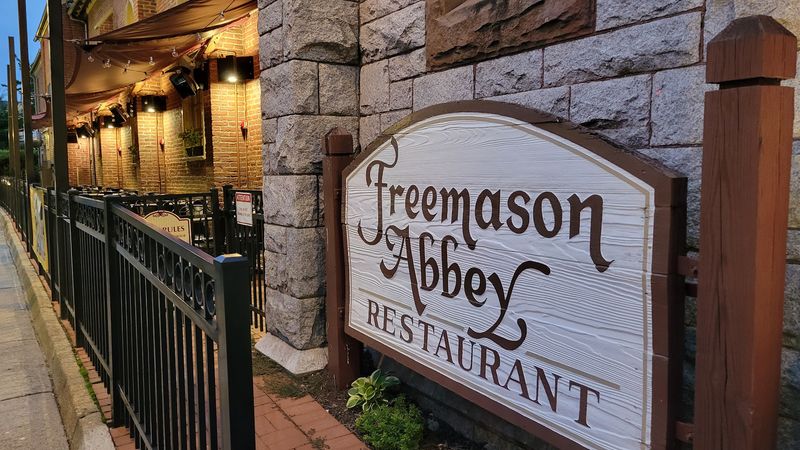
So, does asking about clam chowder really lead here? In Norfolk, it often does, and the detour pays off.
Freemason Abbey holds a 4.6-star standing across thousands of opinions. That kind of consistency over 35-plus years is hard to fake.
The building does a lot of the heavy lifting. Sometimes the building is half the meal, and this one has a story worth hearing.
The she crab soup carries the other half. Ordering it is close to a local rite of passage.
The kitchen is not flawless. Steak temperatures can wander, and busy nights may mean a slower pace.
Yet the mix of fair costs, warm staff, and a one-of-a-kind room keeps people coming back. Many plan their next visit before the check arrives.
Chowder may have started the conversation, but crab, stained glass, and a century and a half of history are what finish it.
Enjoyed this story?
Add Fast Food Club as a preferred source to see more of our reporting on Google.