


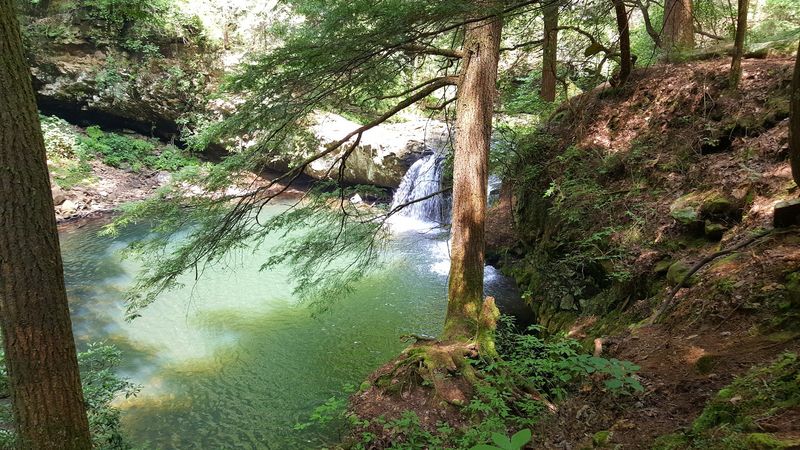
Some trails make you earn every view, and some hand out rewards before your coffee wears off. On the Cumberland Plateau in Tennessee, one path manages to do both.
The full route stretches 12.5 miles and carries a reputation as a challenging wilderness hike, yet its early stretches give an easy morning stroll with quiet waterfalls close at hand. Forest, stone, and creek water set the tone, and rustic campsites wait for anyone who wants to linger overnight.
The name alone sounds like a dare, and the story behind it is part of the fun. Keep reading to learn where this trail sits, how to plan a short walk or a long haul, and why a gentle first few miles can turn a casual outing into a favorite habit.
A Trail With a Fiery Name
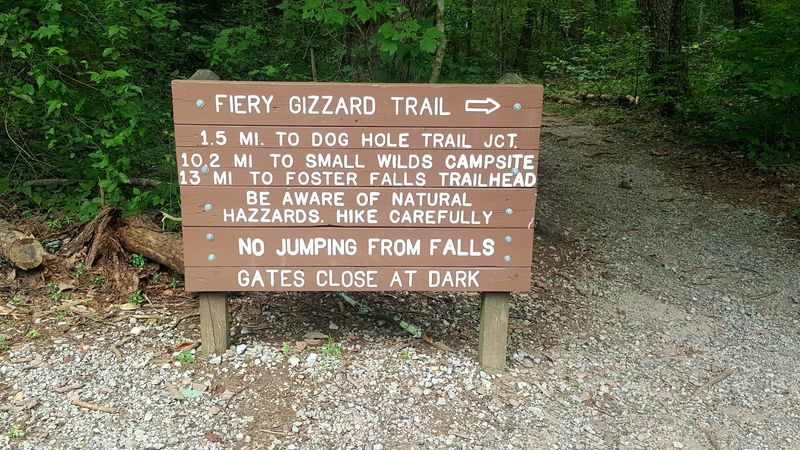
Few hiking paths in the South carry a name that sounds this much like a dare. Fiery Gizzard Trail sits in Tennessee, USA, on the forested Cumberland Plateau in the southeastern part of the state.
The route lies inside a state park in the mountains, and it is known as a popular wilderness hiking and camping site. Its full length runs 12.5 miles, a distance that earns it a challenging label among Tennessee hikes.
That number can scare off casual walkers, but there is no rule that says anyone must finish the whole thing. Many people simply head in from a trailhead, enjoy the first stretch, and turn around when the morning is done.
The trail rewards both approaches. Long-distance hikers get a demanding wilderness day, and short-distance strollers get forest, creek, and waterfall scenery without committing to a full trek.
Rustic camping also sits along the experience, which gives the place a split personality in the best way. It can be a quick morning outing or the backbone of an overnight trip.
So what exactly makes a trail with such a spicy name feel so calm at the start? The answer begins with the land it crosses.
Setting Out on the Cumberland Plateau
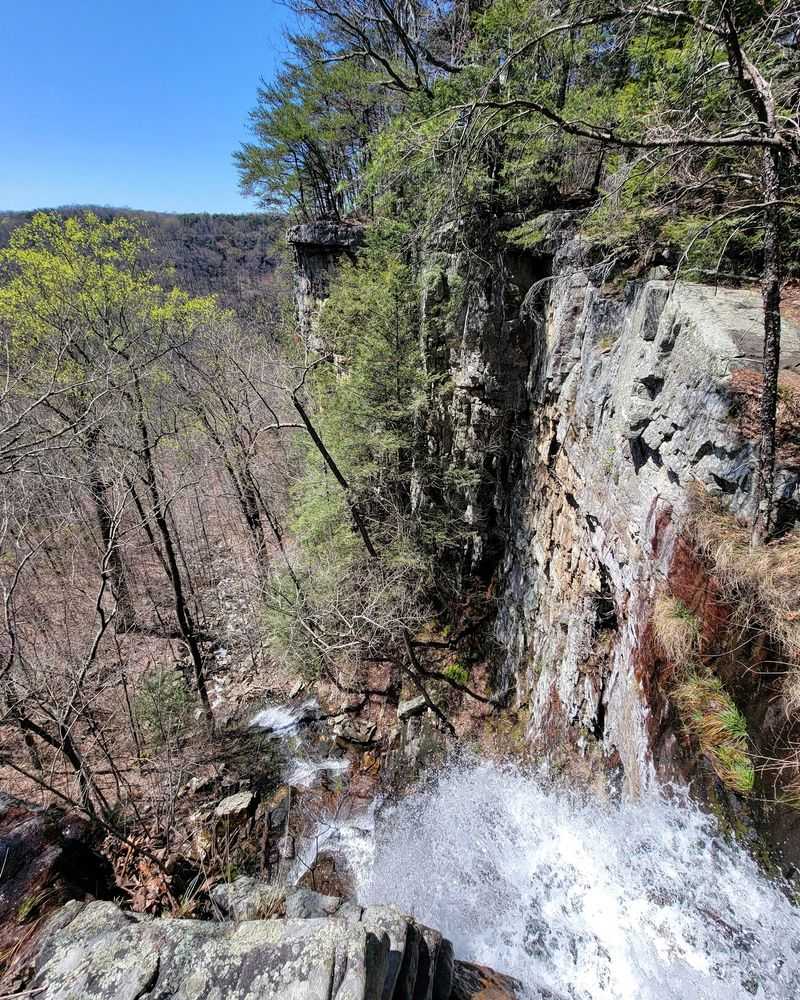
Geography does a lot of heavy lifting here. The Cumberland Plateau is a broad, raised tableland that stretches across a large part of Tennessee, and its edges are cut by creeks and gorges.
Fiery Gizzard Trail runs through this kind of terrain, inside a forested state park in the mountains. That setting is the reason the route can feel easy in one section and demanding in another.
Up top, the plateau tends to be flatter, which suits a relaxed morning pace. Where water has carved into the land, the ground drops and the trail grows more rugged.
For a short walk, that means the early miles can stay manageable for most people with decent shoes. For a long hike, it means the challenge builds as the trail moves deeper into wild country.
The forest also matters. Thick tree cover keeps the trail shaded for much of the way, which makes an early start comfortable through much of the year.
Knowing the shape of the land helps set expectations before boots touch dirt. Next comes the part everyone talks about first: the water.
Quiet Waterfalls Worth the Early Alarm
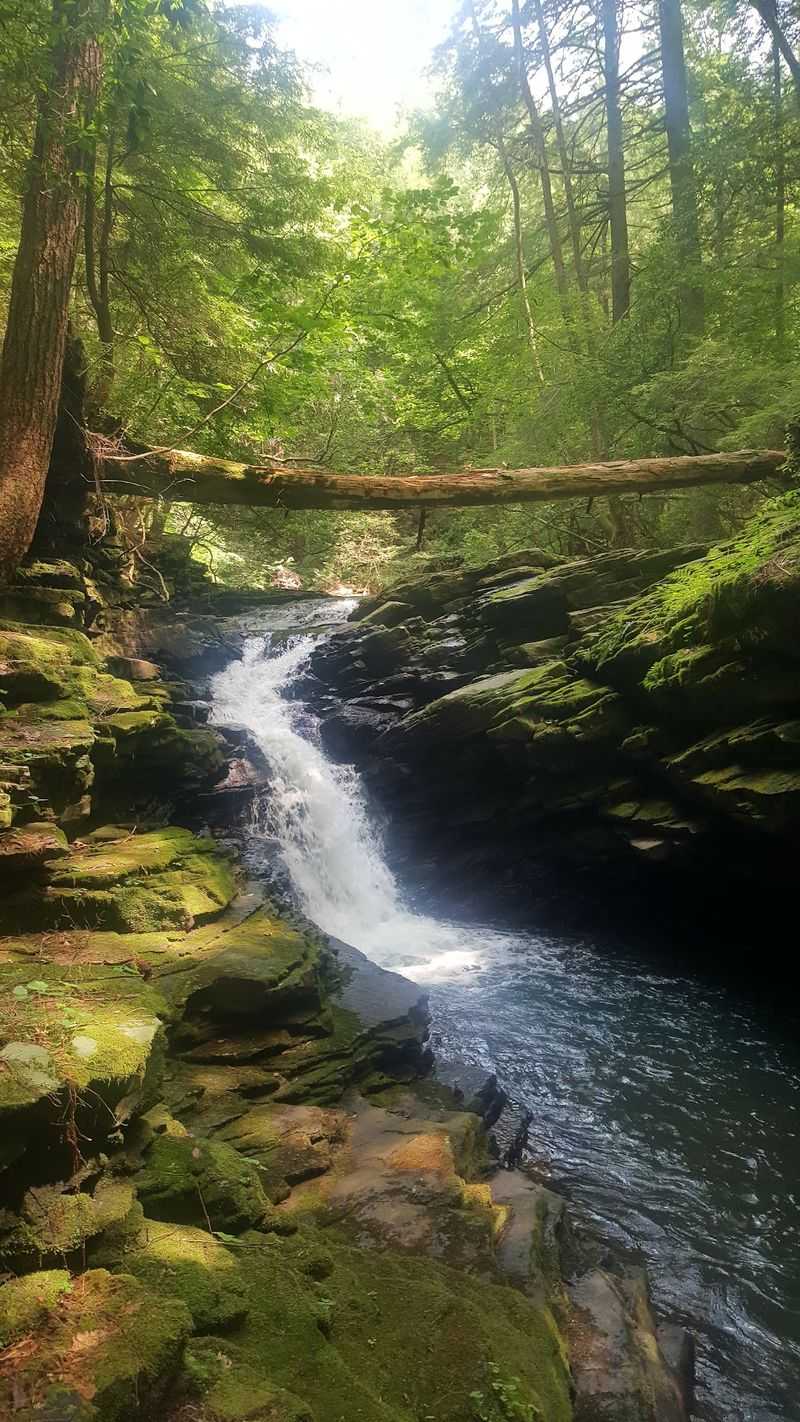
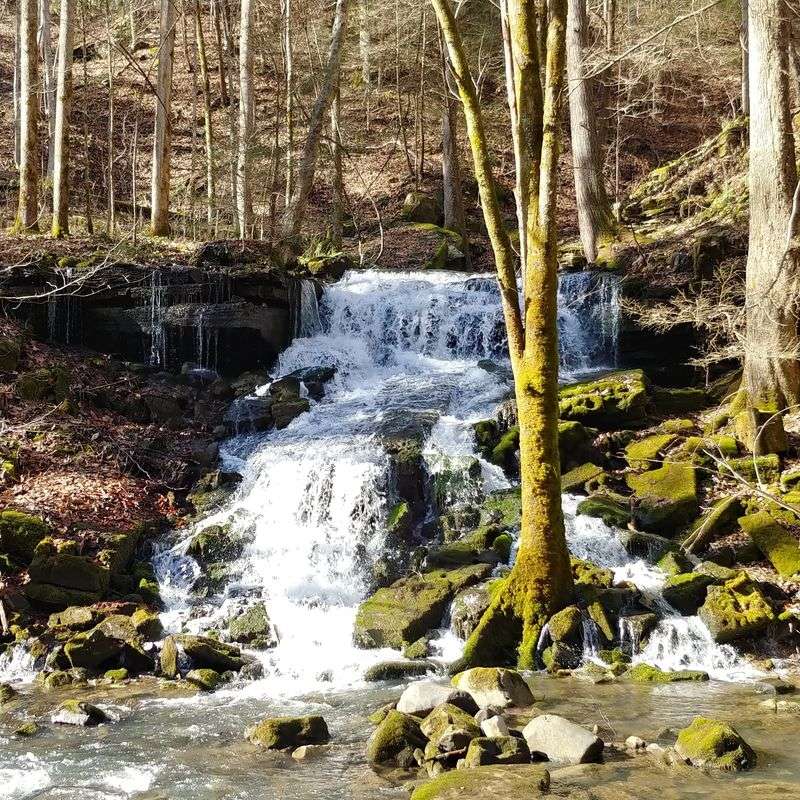
Waterfalls are the headline act on this stretch of the plateau. Creeks crossing the Cumberland Plateau spill over rock ledges as the land drops, and Fiery Gizzard Trail follows that kind of water through the forest.
The appeal is not one giant cascade with a crowded overlook. Instead, the charm comes from quiet falls tucked into the woods, the kind that feel like a private find on a calm morning.
An early start pays off twice. The trail tends to be calmer before midday, and the soft light suits anyone carrying a camera or phone.
Short walkers can reach waterfall scenery without tackling the full 12.5 miles. That makes this a rare trail where the reward arrives before the effort piles up.
Water levels change with the seasons, so flow will vary from visit to visit. Wetter months generally bring fuller creeks, while dry spells can slow things down.
Either way, a pause by moving water makes a fine turnaround point. Some people never go farther, and honestly, nobody can blame them.
Why an Easy Morning Works So Well
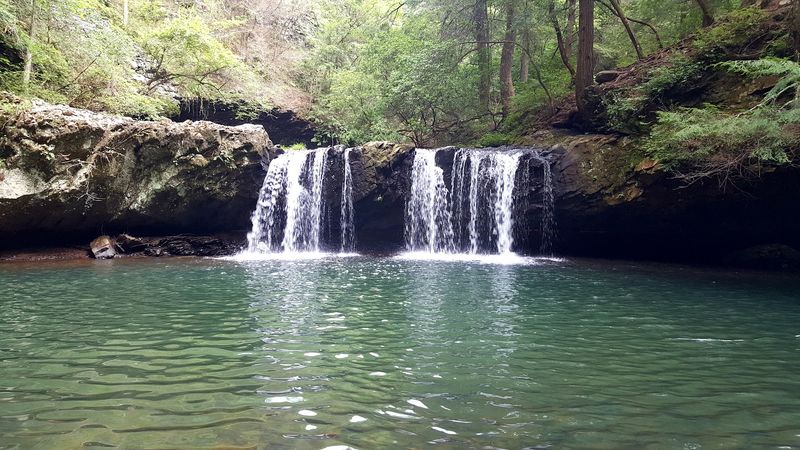
Here is a small secret about long trails: nobody checks whether you finished them. Fiery Gizzard Trail is listed at 12.5 miles and described as challenging, yet an out-and-back walk on its opening section can stay short and relaxed.
That flexibility is what turns a serious wilderness route into a morning-friendly outing. Walkers can set a time limit, enjoy the forest and creek scenery, and head back with plenty of day left.
A simple plan keeps things easy:
Pick a turnaround time before starting. Carry water and a snack even for a short stroll.
Turn back when the terrain stops feeling comfortable.
The early stretch suits families with older kids, casual walkers, and anyone easing back into hiking. It also makes a good scouting trip before attempting the full route later.
There is real satisfaction in a walk that ends while energy is still high. A morning like that leaves room for a picnic, a nap, or a second trail in the afternoon.
Of course, some people hear 12.5 miles and want the whole thing. That crowd gets its own section.
The Full 12.5-Mile Challenge
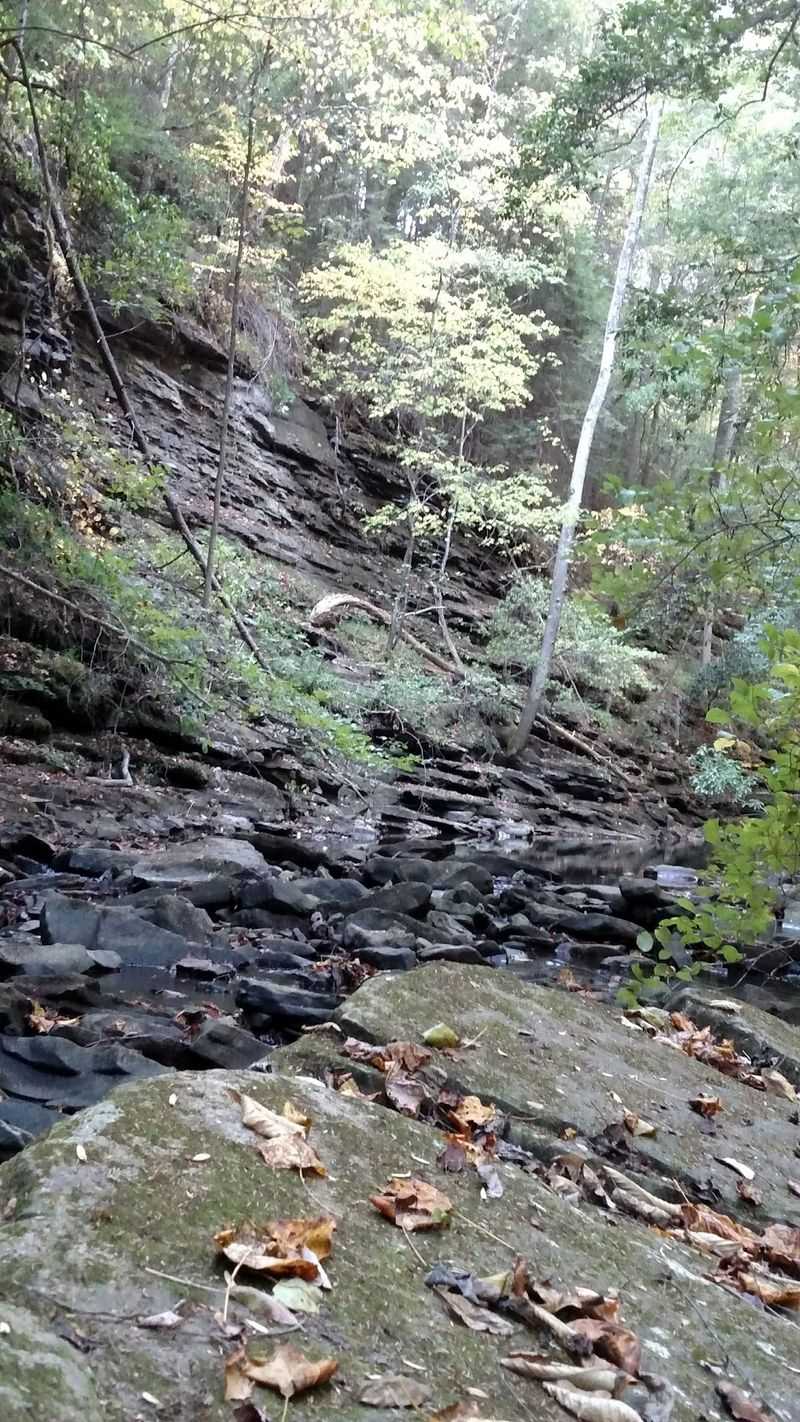
Ambition has a home on this trail too. At 12.5 miles, Fiery Gizzard Trail ranks as a challenging hike, and the full route asks for stamina and planning.
Terrain on the Cumberland Plateau changes as creeks carve into the land, so a long hike here means more than flat forest walking. Expect sections that require careful footing and a slower pace.
Many hikers tackle the full trail point to point, which calls for a car shuttle or a ride at the far end. Others split it into an overnight trip using the rustic camping available nearby.
Preparation matters more on a long day. Sturdy boots, plenty of water, a map, and an early start all make the difference between a tough day and a miserable one.
It also helps to tell someone your plan and expected finish time. Wilderness trails reward self-reliance.
The payoff is a full day spent deep in forested mountain country, earning every mile. Bragging rights are included at no extra charge.
Rustic Camping Under the Trees
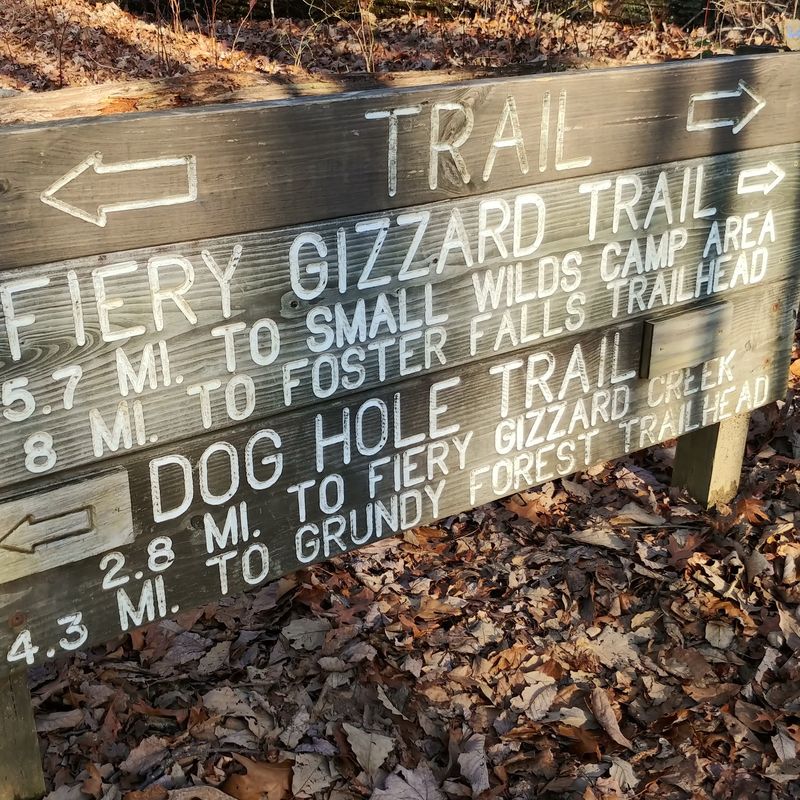
Not every trip needs to end at the parking lot. Fiery Gizzard Trail is known as a camping site as well as a hiking route, with rustic camping in its forested state park setting.
Rustic is the key word. Campers should plan to carry in what they need and expect a simple setup rather than a resort with full hookups.
Overnight stays open up a few options:
Split the full 12.5 miles across two days. Catch the waterfalls at their quietest in the early morning.
Spend an evening in the forest away from busy roads.
Permits or reservations may apply for backcountry sites in Tennessee state parks, so checking with the park ahead of time is a smart move. Rules can change, and sites can fill on popular weekends.
Pack out everything that comes in. Leaving camp cleaner than it was found keeps these sites open and pleasant for the next group.
A night in the woods turns a hike into a small adventure. Morning on the trail then starts right outside the tent flap.
The Forest Along the Way
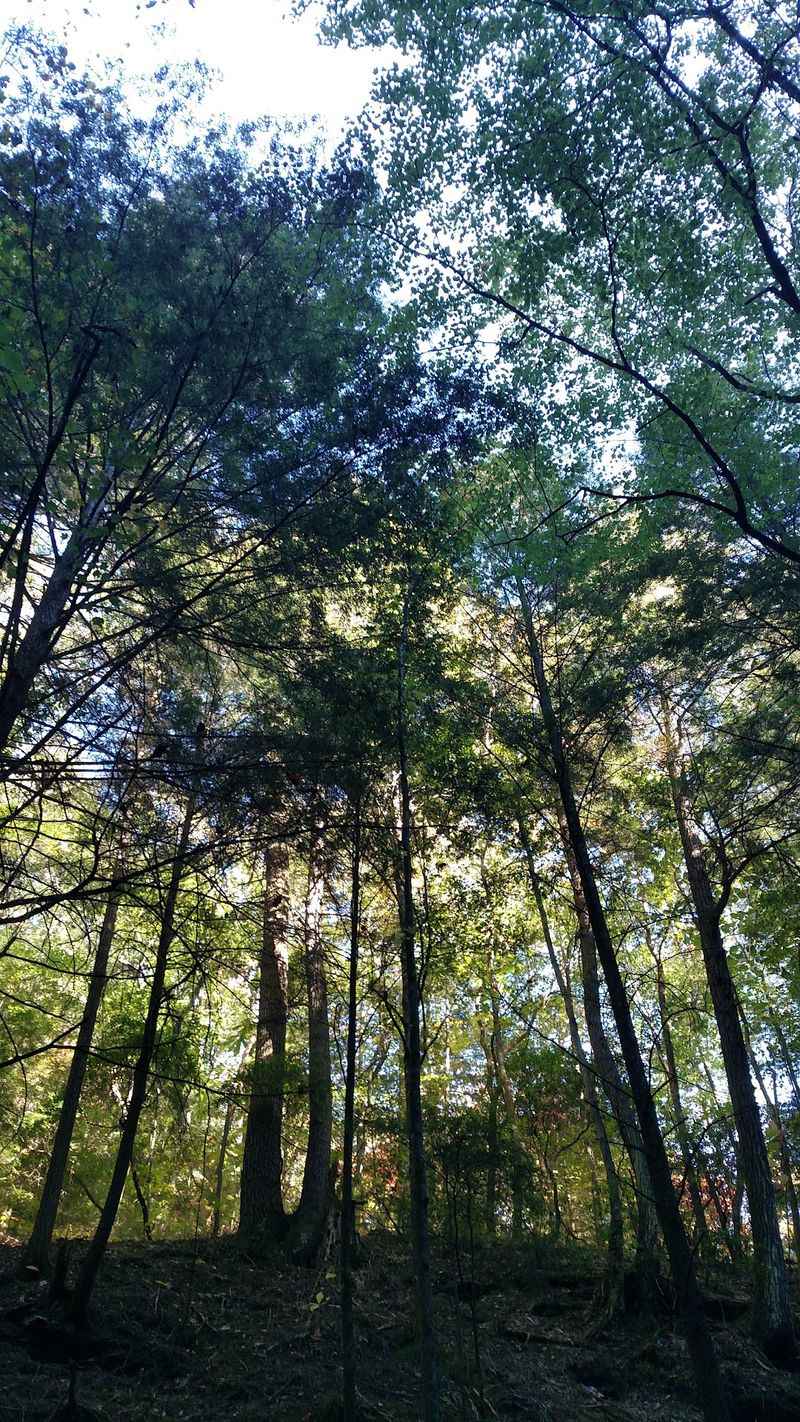
Trees steal the show between waterfalls. Fiery Gizzard Trail passes through a forested state park in the mountains, and that tree cover shapes the whole experience.
Shade is the obvious perk. A shaded route stays more comfortable for longer, which suits a slow morning walk during warmer months.
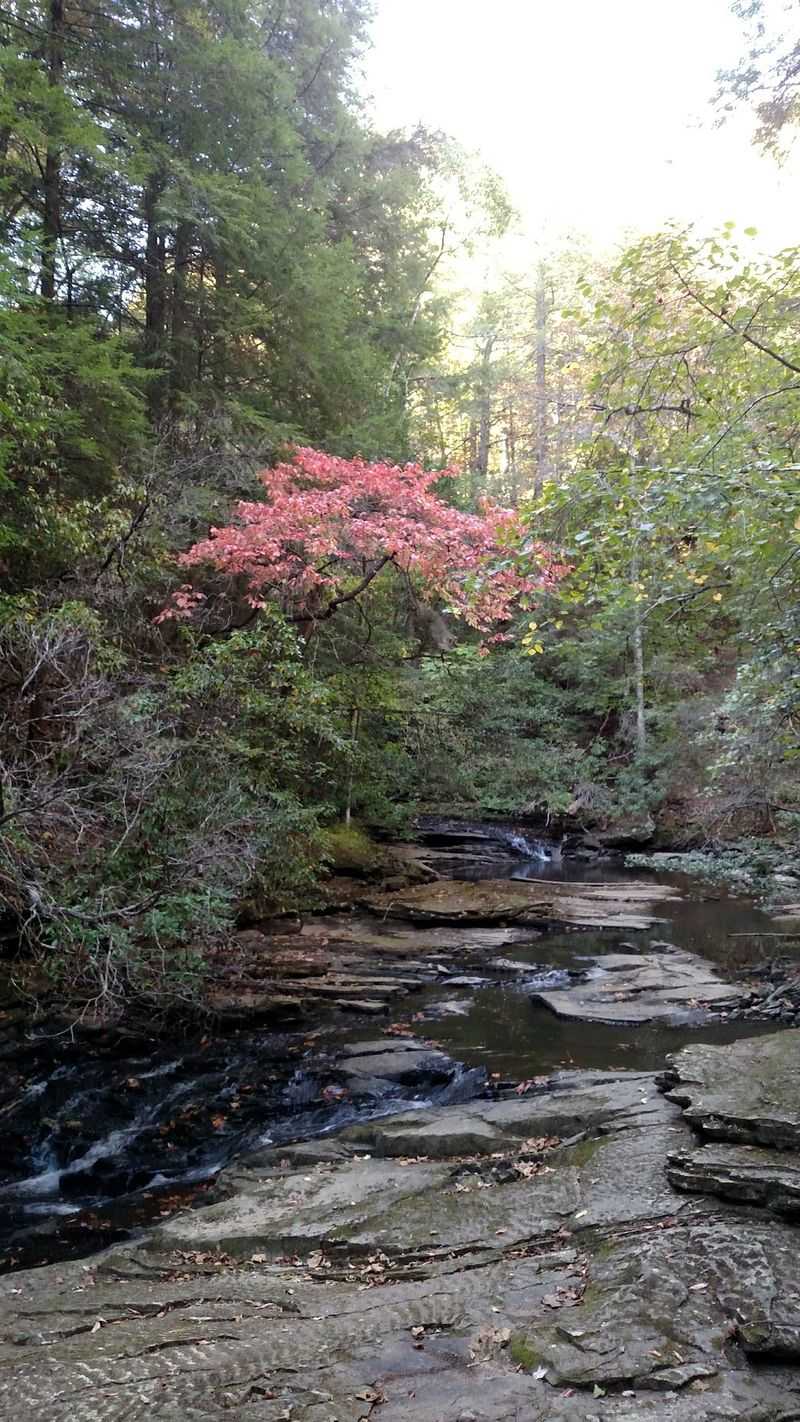
The forest also changes with the calendar. Spring brings fresh green growth, summer fills in the canopy, autumn brings color, and winter opens up longer views through bare branches.
Each season gives the same trail a different look, so repeat trips rarely feel repetitive. Locals in the region often return several times a year for that reason.
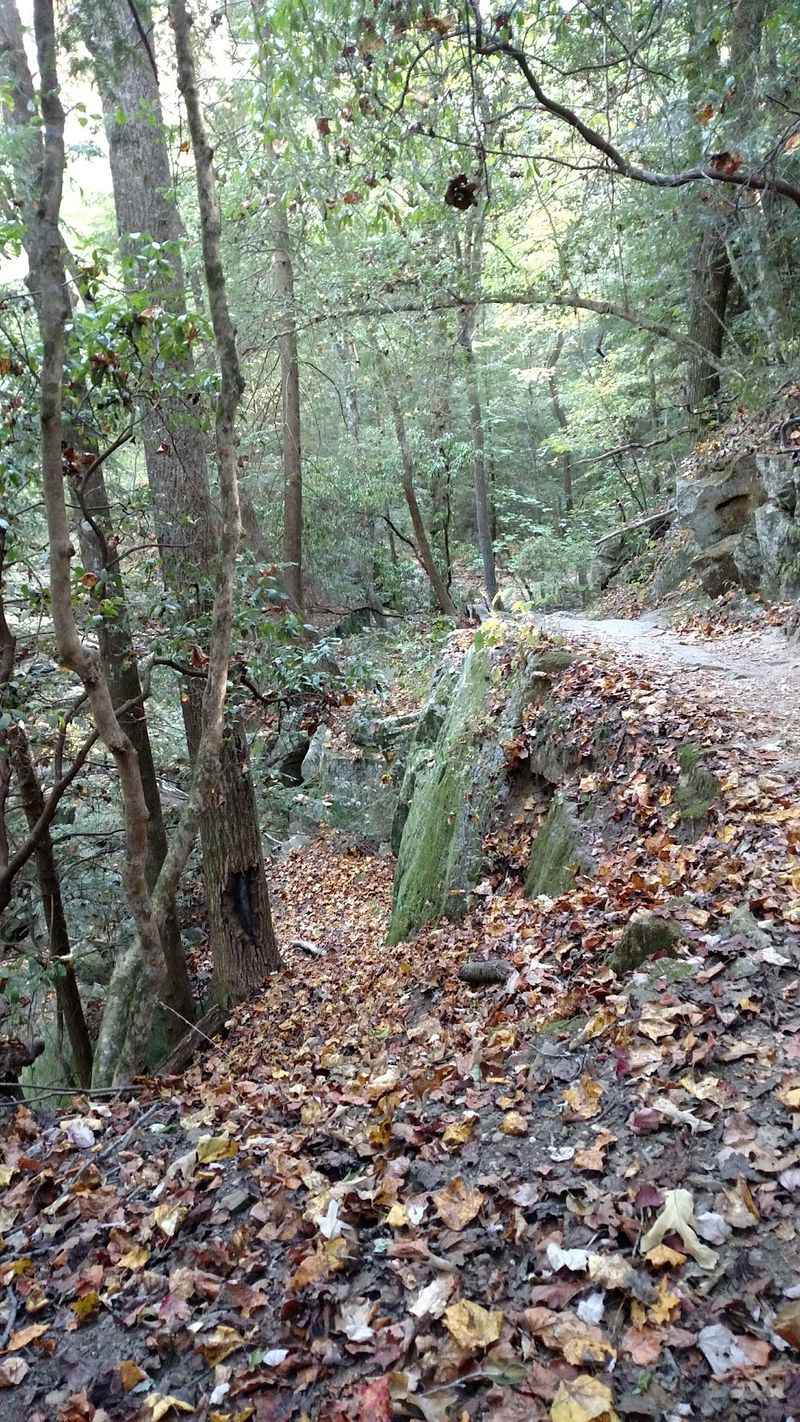
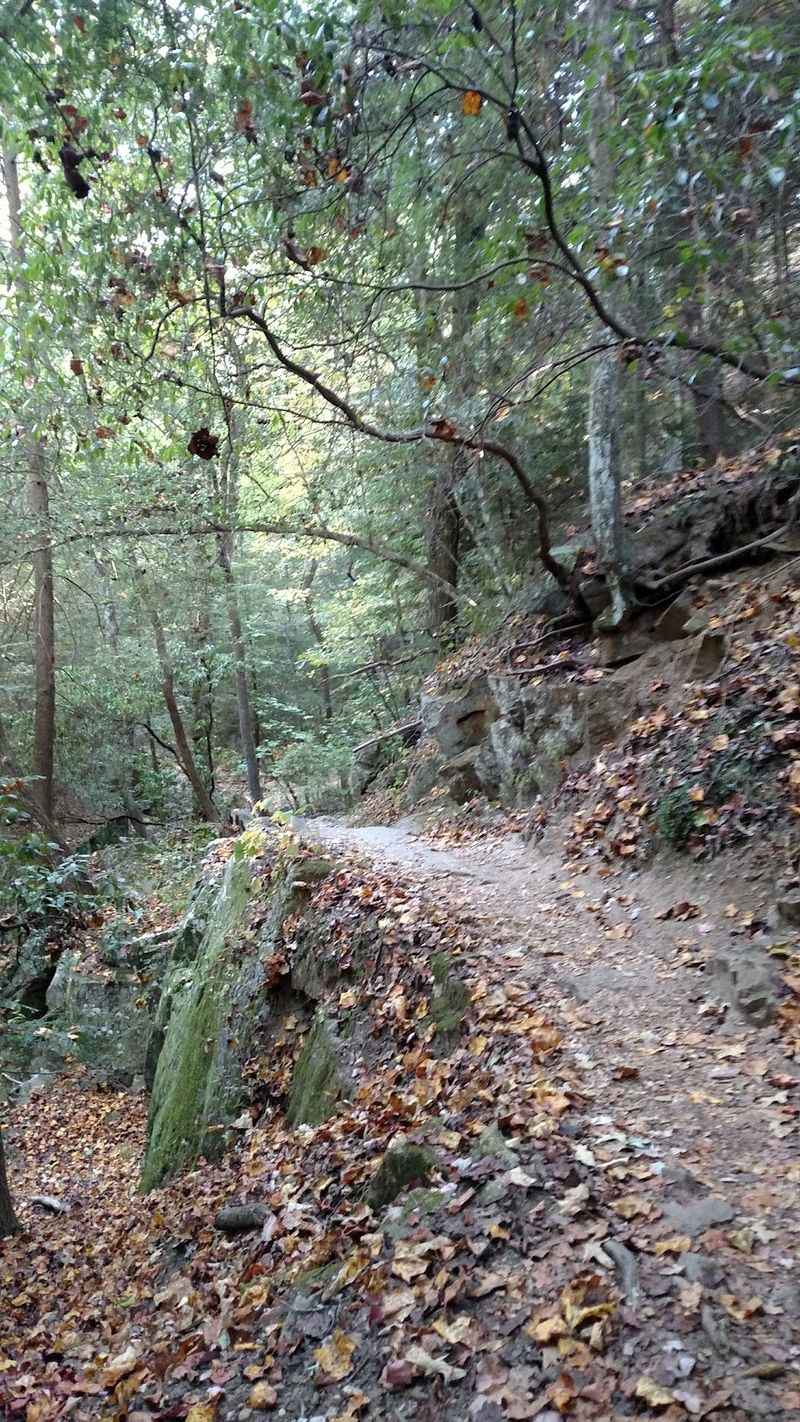
Keep an eye on the ground as well. Roots and rocks are common on forest trails, and fallen leaves can hide them in autumn.
Slowing down to notice the woods is half the purpose of a morning walk anyway. The trail is not going anywhere, and neither is the forest.
Who Will Love This Trail
Some places suit one type of traveler. This one manages to welcome several kinds without much fuss.
Casual walkers can stick to the early section and still leave with waterfall photos. Serious hikers can chase the full 12.5 miles and come home tired in the right way.
Campers get rustic sites for an overnight trip, while photographers get quiet water and forest scenes with soft morning light. Families with kids old enough to handle uneven ground can enjoy a short out-and-back.
Those who should think twice include anyone expecting a paved path or a fully accessible route. Wilderness trails come with roots, rocks, and creek crossings.
The atmosphere leans calm, especially early in the day. That makes the trail a good match for people seeking a quiet break rather than a busy attraction.
In short, the trail adjusts to the hiker, not the other way around. That rare trait explains much of its popularity.
Timing Your Visit
Early birds get the waterfalls. Arriving in the morning tends to mean a calmer trail, easier parking, and more time before afternoon heat in summer.
Season choice depends on priorities. Wetter months generally bring stronger creek flow on the Cumberland Plateau, which helps waterfall scenery.
Autumn draws people for color, and weekends during peak leaf season can get busier. Weekdays offer a better shot at quiet stretches.
Winter walks can be peaceful, though trails may turn slick or icy after cold nights. Summer brings full shade but also humidity.
Weather on a mountain plateau can shift quickly, so checking the forecast before leaving is wise. Heavy rain can make creek crossings and rock surfaces tricky.
Specific hours, fees, and parking rules are set by the state park, so a quick check of official Tennessee State Parks information before the trip prevents surprises. A little planning keeps the morning easy.
Practical Notes Before You Go
Good trips usually start in the trunk of the car. A short packing list goes a long way on a wilderness trail like this one.
Bring sturdy shoes with grip, since rocks and roots are part of the deal. Carry more water than seems necessary, plus snacks and a basic first aid kit.
A paper map or downloaded trail map helps, because phone signal can be spotty in mountain forests. Rain gear is useful in changeable weather.
Getting there means heading to the southeastern part of Tennessee on the Cumberland Plateau, where the trail sits in a forested state park. Use official park information for trailhead directions and parking details.
Hikers planning the full 12.5 miles should arrange a shuttle or plan an out-and-back distance that fits their day. Campers should confirm any permit needs in advance.
Follow trail markers and stay on the path to protect fragile ground near creeks. Small habits like these keep the trail in good shape for everyone.
A Quiet Verdict From the Plateau
Plenty of famous trails demand the whole day. Fiery Gizzard Trail stands out because it lets each hiker decide how much to take on.
The full 12.5 miles deliver a true challenge through forested mountain country. The early stretch offers an easy morning with quiet waterfalls and plenty of shade.
Rustic camping adds a third option for those who want more time in the woods. Few Tennessee trails cover so many moods in one route.
The fiery name may sound intense, yet the experience can be as calm as the hiker wants. That contrast is part of its charm.
For a first visit, a short morning walk to the water makes a smart introduction. Many people find that one easy trip sparks plans for a longer return.
The plateau keeps its best moments for those who show up early and take their time. Start small, listen to your legs, and let the trail invite you back.
Enjoyed this story?
Add Fast Food Club as a preferred source to see more of our reporting on Google.