


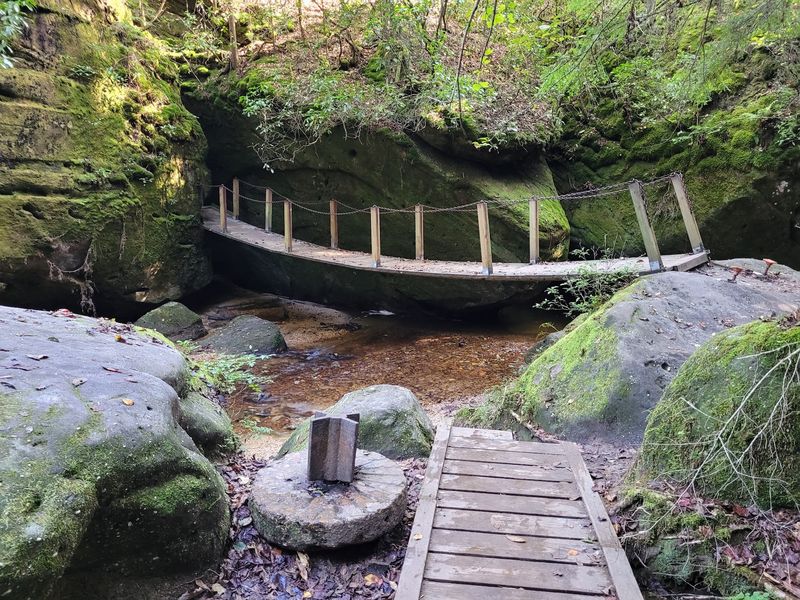
Somewhere in the hills of northwest Alabama, a trail drops below the treetops and into a world of moss, boulders, and cool shade. The sun barely reaches the bottom, so the stone walls stay wrapped in green all year.
Hikers squeeze between giant rocks, hop across a creek on stepping stones, and stop beside waterfalls that seem tucked away on purpose. After dark, something even stranger happens, because tiny glowing creatures switch on along the canyon walls.
The place is privately owned and run by friendly local folks, which gives it a homey feel you rarely find at big parks. It also comes with a few surprises, like a small parking lot and a ticket line that can test your patience.
Keep reading for the full story, from the trail and the night tour to the hours, the fees, and the shoes you will be glad you packed.
A Canyon Hiding in Phil Campbell
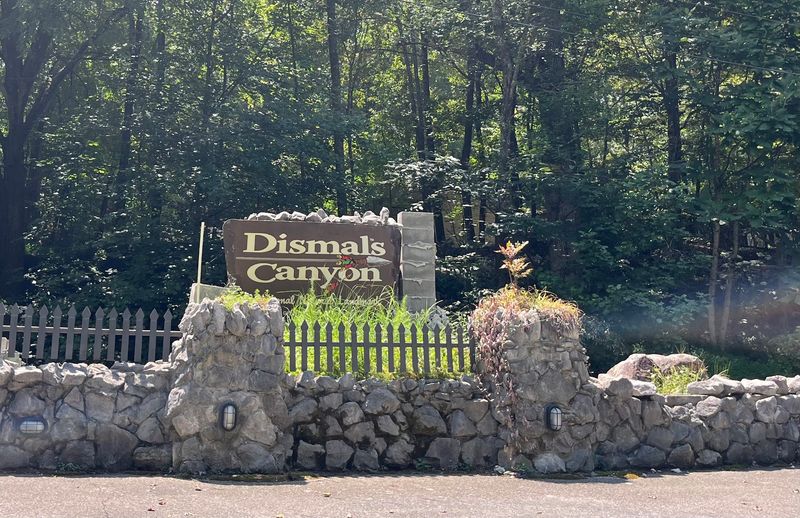
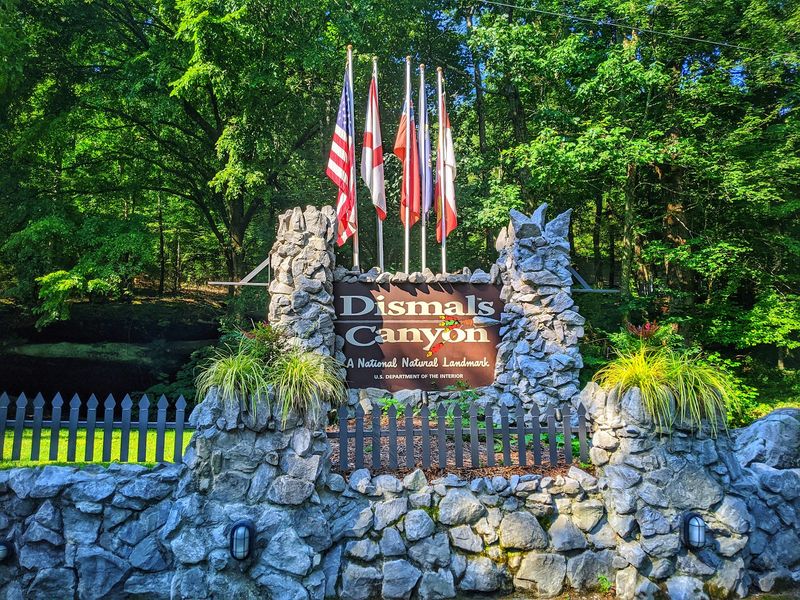
Down a county road in the rolling countryside sits a gate that looks like it belongs in a storybook.
Behind it lies Dismals Canyon, found at 901 County Rd 8, Phil Campbell, AL 35581, in northwest Alabama in the United States. The property is listed as a park and garden, but that label barely covers it.
Here you get a nature preserve known for waterfalls, a winding creek, massive rock walls, and glowing insects that light up during night tours. There are also campgrounds and cabins for people who want to stay longer than an afternoon.
The canyon is privately owned, and that shapes almost everything about the experience. Admission money helps keep the trails maintained and the doors open, which explains why it is not a free roadside stop.
Many people drive two or three hours just to get here. The trip often begins with a pass through those fairytale-looking gates, and plenty of guests say the magic starts right there.
With a 4.6-star standing from more than 1,400 opinions online, the canyon has clearly won over a crowd. The real question is what waits below the rim, and the answer starts at the front porch.
Fireplaces, Gift Shop, and a Warm Welcome
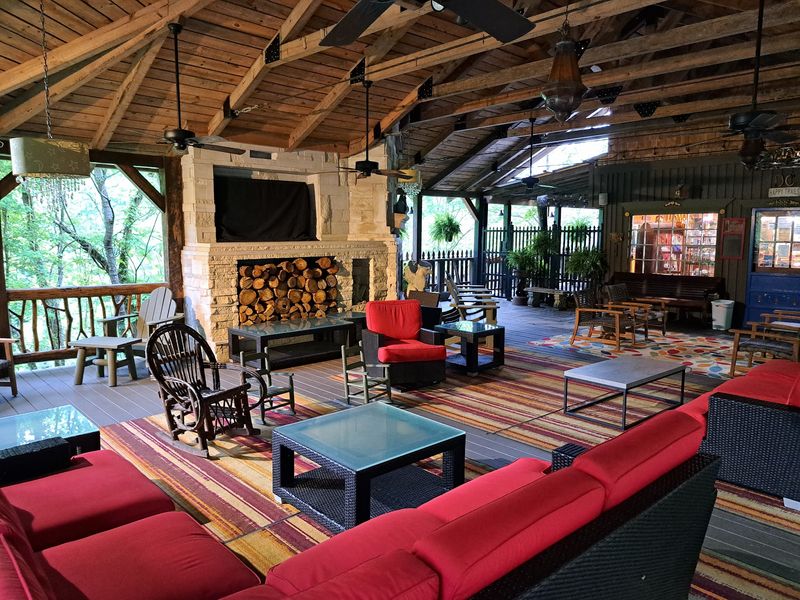
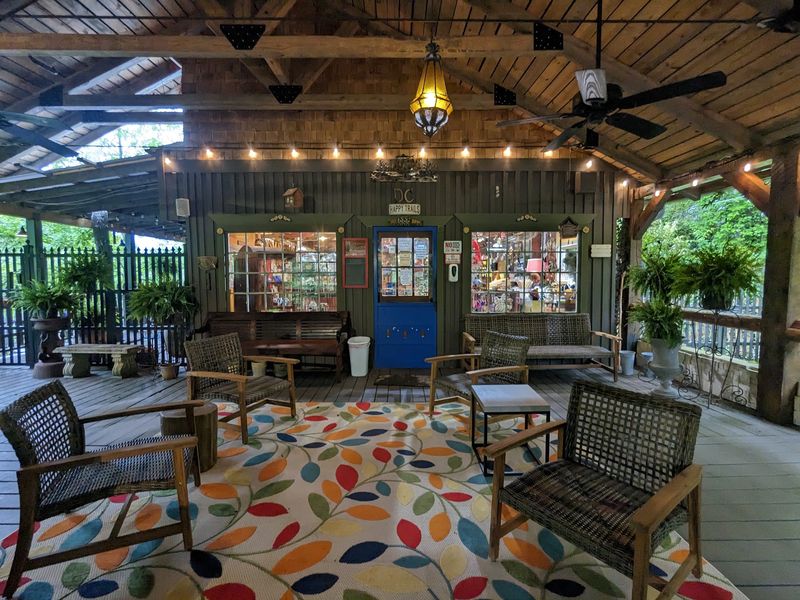
Before anyone sets foot on a trail, they pass through a hangout space with a few fireplaces.
The reception area has a quirky, nostalgic style that feels more like a family lodge than a ticket booth. There is a sitting porch with a big TV and a fireplace, a spot where some guests relax and catch SEC football after their hike.
Next comes the gift shop, stocked with nice retail items for anyone hunting a souvenir. Families often linger here longer than planned.
An indoor cafe counter serves ice cream, and the sundaes are known for being fairly priced. An outdoor patio adds another place to sit while waiting for the evening tour.
The staff get frequent praise for being friendly. Kids notice it too, and some leave talking more about the owners than the waterfalls.
That small-town hospitality sets the tone for the whole visit. The canyon is the star, but the welcome desk earns a solid supporting role before the main act begins.
Rocks With a Long Memory
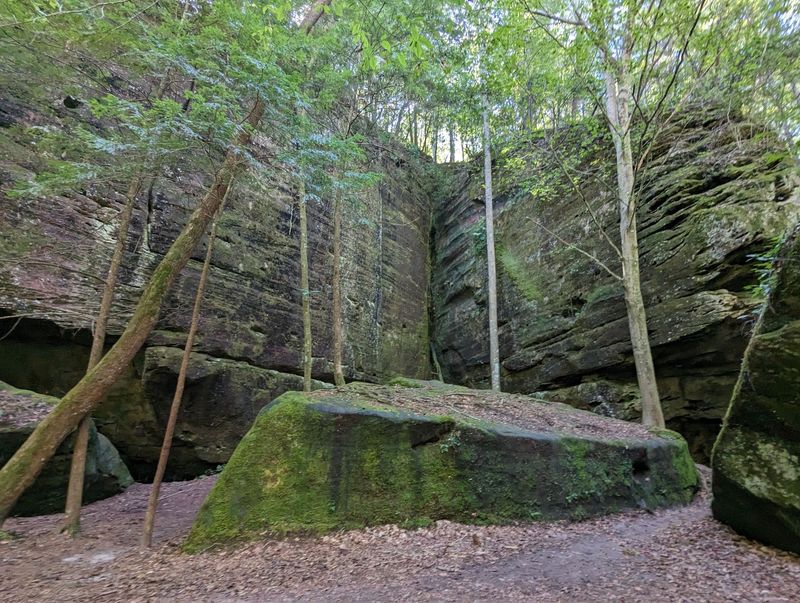
Long before trail maps and gift shops, the rocks here split apart and formed the deep passages hikers now walk through.
The staff encourage guests to read up on the canyon’s history, and it is worth the few minutes. Knowing how the land formed changes how you look at every wall and boulder along the way.
The canyon floor sits surrounded by moss-covered rock walls that rise high overhead. It is a reminder that this landscape took ages to shape.
Much of the area stays carefully preserved. Many guests point out that the trail improvements do not steal anything from the natural setting.
There are still a few remnants of past storm damage in spots. Those marks have become part of the canyon’s ongoing story rather than something hidden away.
History buffs and curious kids alike tend to leave with new questions. Good luck getting through the loop without asking how a stone wall that big ended up there in the first place.
The One-Way Loop Below the Rim
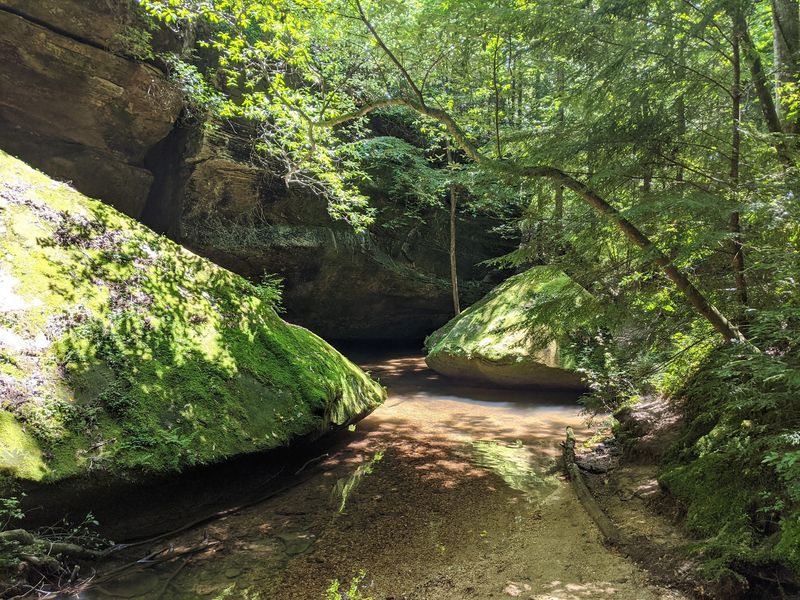
Grab the little map at the entrance, because the main trail is a one-way loop around the canyon floor.
The path is well marked and well maintained. Most groups finish in about two hours, especially if they stop often for photos or backtrack to catch a better angle.
Some hikers stretch it to three hours, and that pace makes sense here. Rushing past every waterfall would miss the whole point.
Families with more limited energy have options. Shorter loops branch off the main route for anyone who wants a lighter outing.
Man-made fencing built from trees helps guide people along certain parts of the trail. It keeps the route clear without looking out of place.
One small warning comes up more than once. It is possible to miss the end of the trail and wander too far, so keep an eye on the markers near the finish.
Overall, the loop feels compact but full. It is the kind of hike that packs a lot of scenery into a short distance, then sends you back wanting another lap.
Waterfalls Worth the Detour
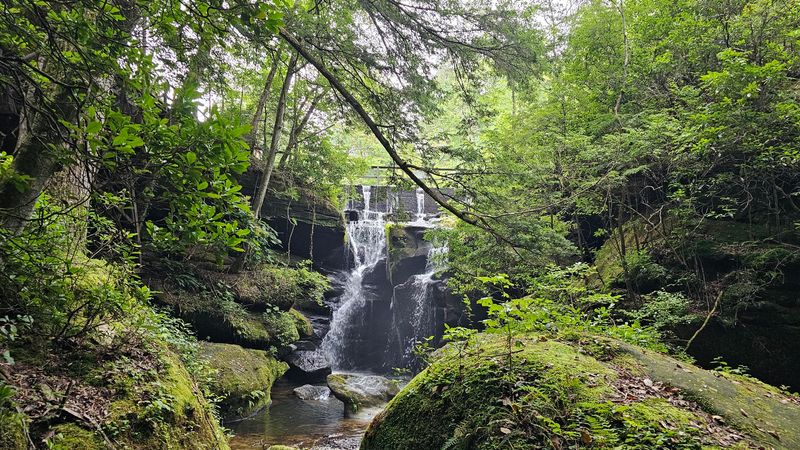
Waterfalls come up more than almost any other topic when people talk about this canyon.
Several falls appear along the loop, tucked between stone walls and boulders. Each one gives hikers a natural reason to pause.
For some kids, this is their very first waterfall. Parents often mention how much their children loved seeing one up close.
The water runs cold, and dipping a hand in is a popular trail habit. On humid days, that small moment feels like a reward.
Photographers tend to slow down here more than anywhere else. The mix of green moss, gray rock, and falling water keeps cameras busy.
The waterfalls are not giant, record-setting drops. Their charm comes from how they fit into the canyon, like they were placed there for a quiet break rather than a crowd.
Plan for extra minutes at each one. The loop might be short, but the waterfalls have a way of rearranging any schedule.
Creek Crossings and Stepping Stones
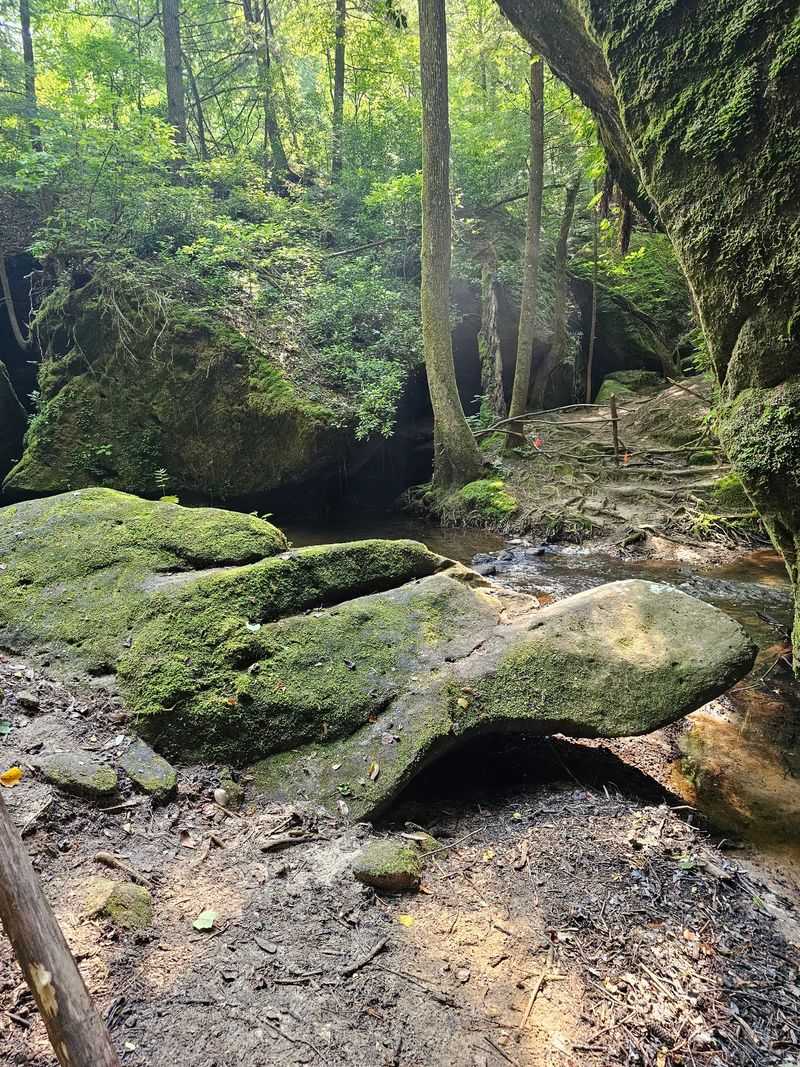
Here is a fair warning that pops up again and again: expect to get your feet wet.
The full trail crosses the creek twice. Pavers and rocks are set in the water to step on, but balance matters.
Hikers who miss a hop usually end up with soggy socks. Some think a few more stepping stones would help.
Tree roots and rocks line the crossings, so careful footing pays off. This is not a spot for flip-flops or slick-soled sneakers.
Water shoes or hiking sandals that can get wet are the go-to recommendation. They let you walk without worry and actually enjoy the creek.
Kids tend to treat the crossings as the highlight of the hike. A little splash turns into the story they tell on the drive home.
Once you accept that dry feet are optional, the creek becomes part of the fun. Call it a canyon with a built-in splash zone.
Squeezes, Steps, and Massive Boulders
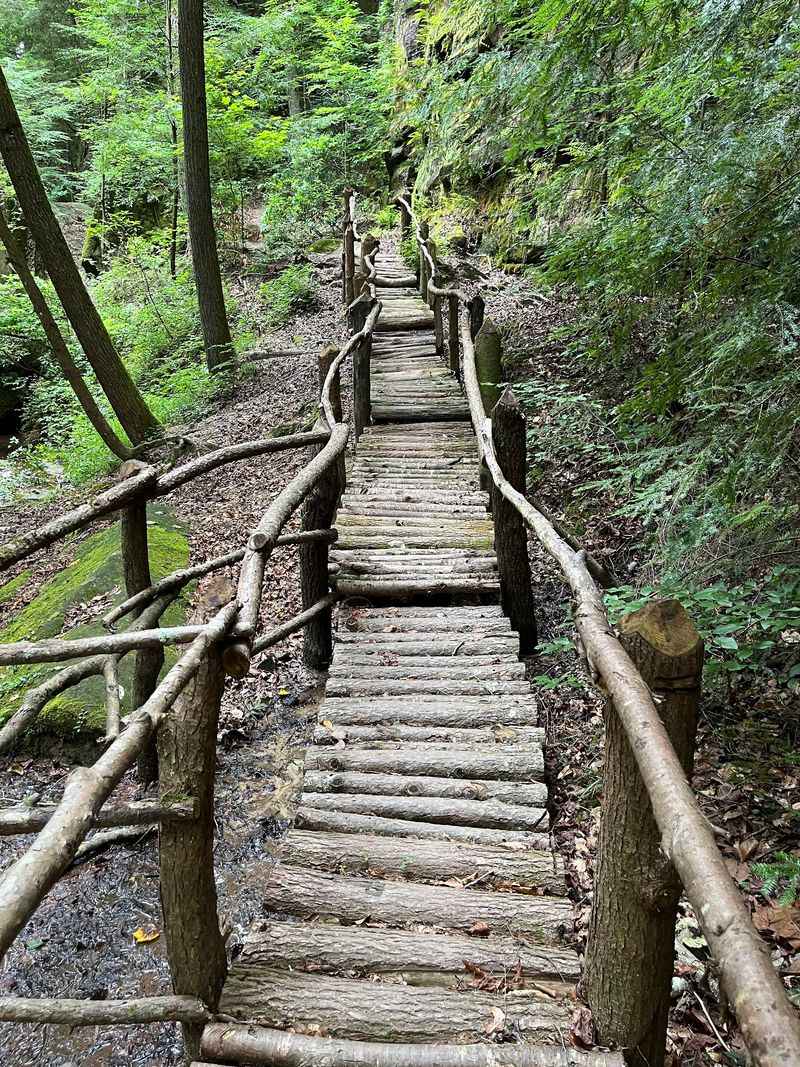
Some parts of the trail ask you to turn sideways and squeeze.
Several tight spots wind between massive stone walls and boulders. Small caves and rock formations add even more variety along the way.
Many hikers compare the scenery to a fantasy movie set. The Lord of the Rings comparison comes up often, and it is easy to see why.
There are lots of steps throughout the loop. A few sections also require scrambling over rocks.
Leaf-covered paths can turn slick after rain. The trail can also get muddy quickly, since little sun reaches the canyon floor to dry it out.
Small children may need help climbing over certain rocks. Kids as young as four have done it with a hand from a parent.
The boulders are the backbone of the canyon’s character. They make the hike more adventurous than a simple stroll, and that is exactly why people keep coming back.
Where the Swinging Bridges Fit In
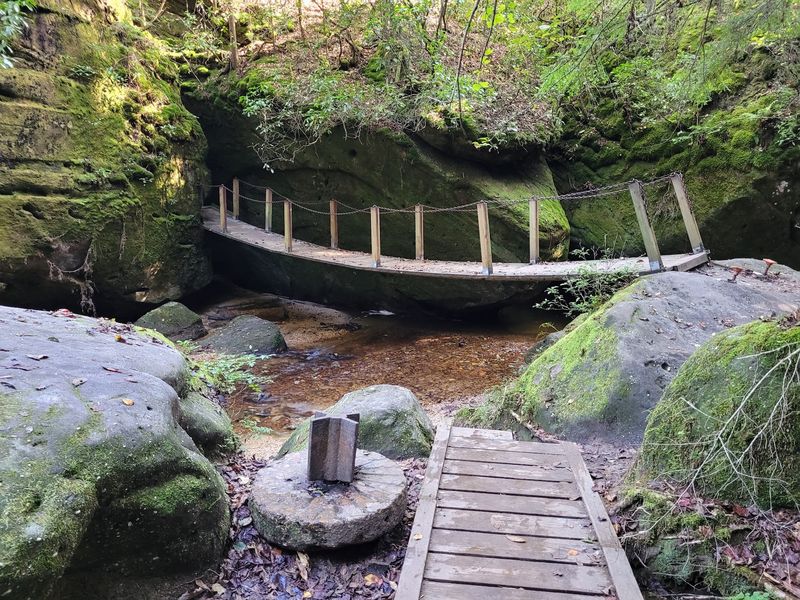
Bridges help tie the canyon trail together, carrying hikers over parts of the terrain that would otherwise be tricky.
They add a bit of bounce and a fresh viewpoint on the canyon below. Many people treat a bridge as a natural place to pause and look around.
The best way to enjoy them is slowly. Rushing across misses the view of the creek and the green walls underneath.
Groups with young kids should keep little ones close on any raised walkway. A steady hand keeps the fun from getting wobbly.
Bridges also break up the rhythm of rocks, roots, and steps. After a few squeezes and stair climbs, a crossing can feel like a small victory lap.
Photos from these spots often become favorite trip souvenirs. The canyon looks different from above, and that change of angle is worth a moment of your time.
Take your time, then keep moving. The quiet canyon floor is waiting on the other side.
Dismalites After Dark
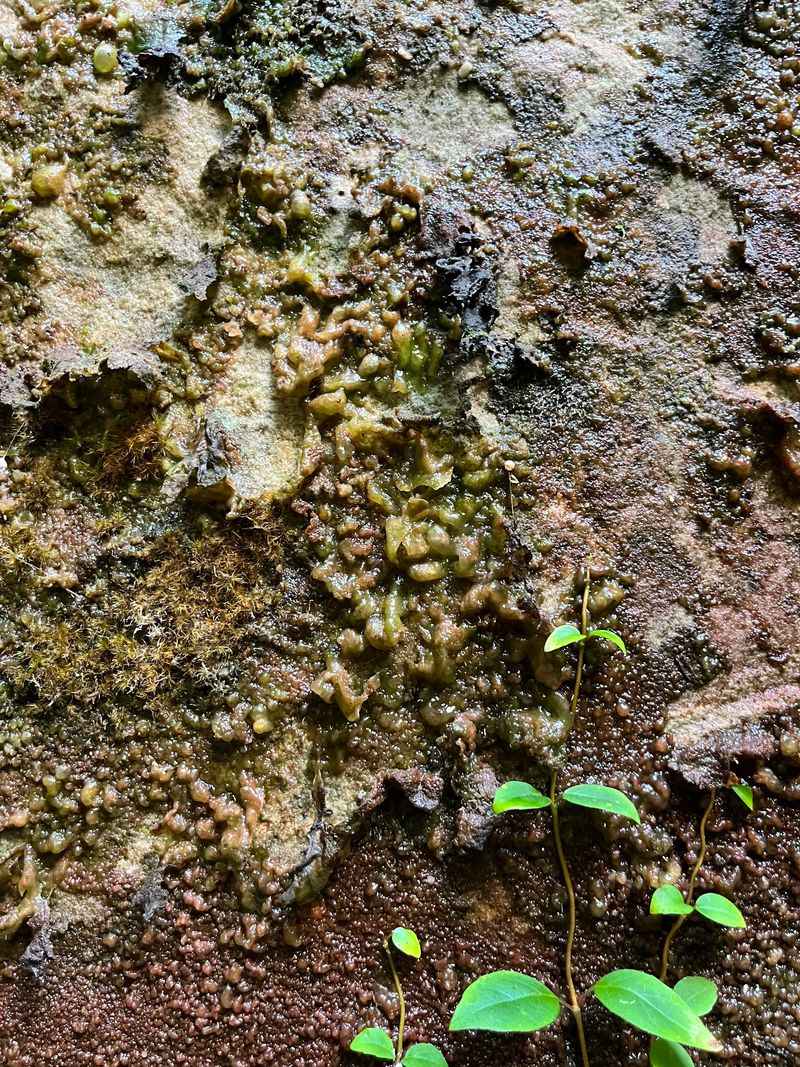
When the sun goes down, the canyon gets a second personality.
The famous night tour takes groups through the canyon to see dismalites, the bioluminescent glowworms that light up the walls. It is one of the most talked-about parts of the whole property.
The tour means hiking very slowly on rocky trails in pitch black. Some call it a little scary, but well worth it.
Guides lead the way, and one named Kevin earns plenty of praise for being knowledgeable and fun. The tour can feel shorter than expected, though.
The dismalites are very dim. Your eyes need time to adjust, and regular white flashlights can ruin the view for everyone.
A red light is the smart choice. It helps you see your footing without washing out the glow.
Season matters too. Near the end of the season, the glowworms show up in smaller numbers, so timing your trip can make a big difference.
Who Should Tackle the Trail
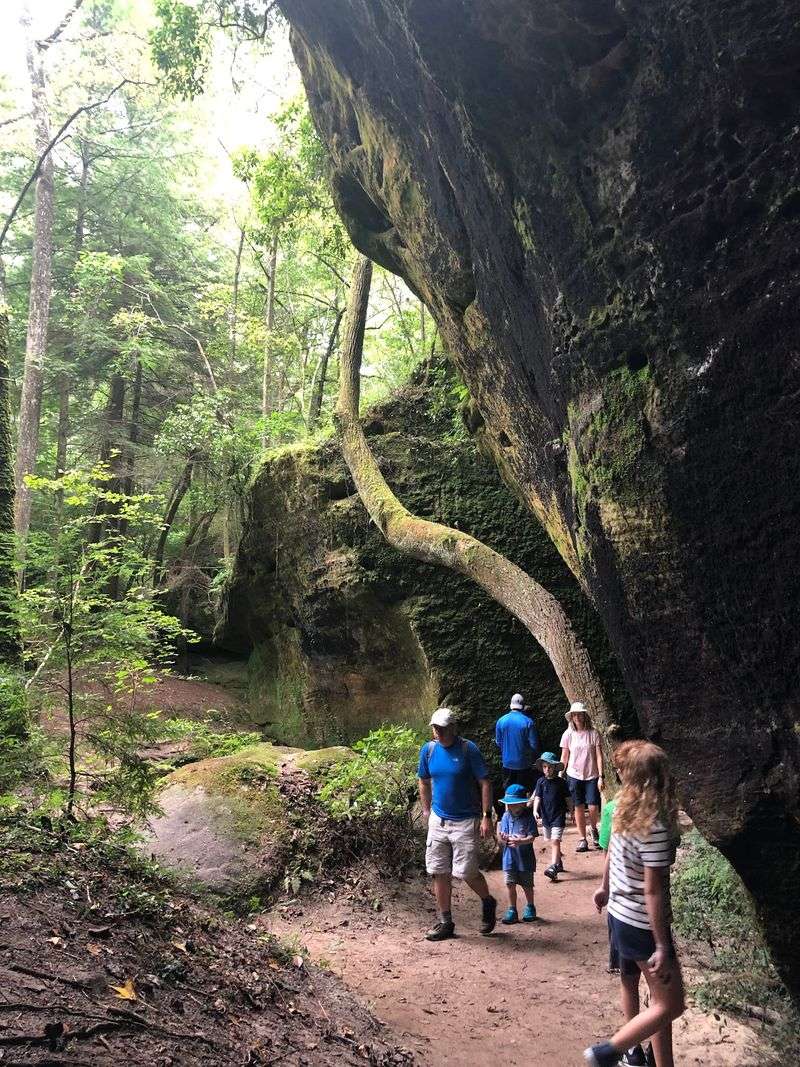
Families, couples, and solo hikers all find something to love here, but the trail is not for everyone.
It is not wheelchair accessible. Uneven ground, stairs, and tight spaces rule that out.
Anyone with knee trouble should do some research first. The steps and rock scrambles can be demanding.
Kids generally do well on the day hike, even young ones with a little help. The night tour is a different story.
The website advises against bringing young children, roughly under 10 to 12, on the night tour. It is very dark, hard to navigate, and carrying a frightened child would be nearly impossible.
Dogs are another tricky topic. Some people bring small dogs, while others notice owners struggling with them on the rocks.
Wildlife deserves attention too. A water moccasin has been spotted in the creek, so keep your eyes open, especially around the water.
Know your group, plan around it, and the canyon will reward you.
Packing for a Shady, Sticky Hike
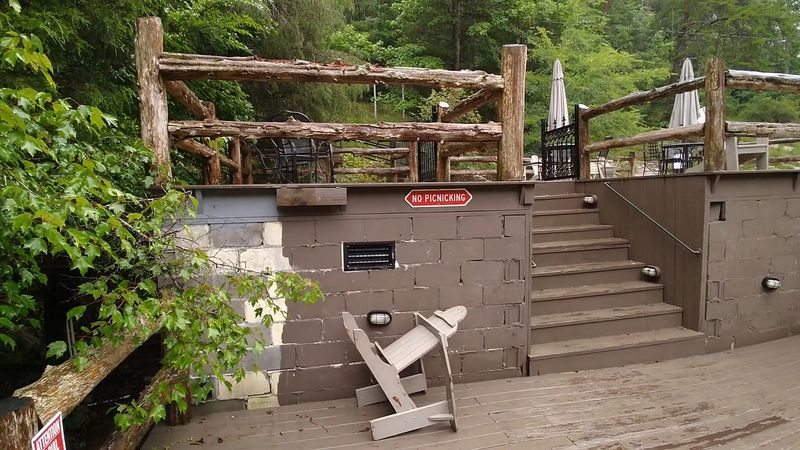
Shade does not mean cool and dry, and the canyon proves it.
Even under the trees, the air gets humid. Bring water, because you will sweat more than you expect.
Good shoes you do not mind getting dirty are a must. Water shoes or wet-friendly sandals work well for the creek.
There is no cell service during the hike. Download the map, share your plans, and enjoy a break from your phone.
Restrooms are only located in the parking lot area. Plan a stop before starting the loop.
Night tour guests should bring a red light. Flashlights help, but red light protects the view of the dismalites.
The bathrooms are kept clean, which is a small but welcome detail. A tidy start makes the whole day smoother.
Pack smart, and the trail feels easy to enjoy. Skip the basics, and the humidity will remind you every step of the way.
Hours, Fees, and Parking Puzzles
Timing is everything, because the canyon keeps a short weekly schedule.
It opens Friday, Saturday, and Sunday from 10 am to 5 pm. Monday through Thursday it is closed.
Adult admission has been around $25 to $26. One family of one adult and two kids paid $65.
Some guests feel it is steep for a short hike. Others see it as support for a privately owned preserve that needs upkeep.
Getting night tour tickets can take persistence. One group made about 25 calls before getting through, so call early before tours sell out.
Weekend afternoons and Sundays can be fairly calm. Busy days do happen, though.
The parking lot is small and tight and can fill up. A compact car helps, while a big pickup may struggle to fit.
Check the official website before driving out. A little planning keeps the trip about the canyon instead of the parking lot.
A Quiet Floor Worth the Drive
So, does the canyon live up to the drive? For most people, the answer is a happy yes.
The trail is short but packed with waterfalls, creek crossings, giant boulders, and mossy walls. It feels preserved rather than polished.
The night tour adds a rare chance to see dismalites glowing in the dark. That alone draws many guests back for a second trip.
The friendly owners and staff give the place a homey spirit. The fireplaces, gift shop, and ice cream counter round out the day.
There are trade-offs. The fee raises eyebrows for some, the parking lot is cramped, and the trail is not accessible for everyone.
Still, plenty of people call it one of the prettiest places in Alabama. Many plan to return in fall or bring the rest of the family next time.
Pack water, wear shoes that can get wet, and call ahead for tickets. The quiet canyon floor will handle the rest.
Enjoyed this story?
Add Fast Food Club as a preferred source to see more of our reporting on Google.