


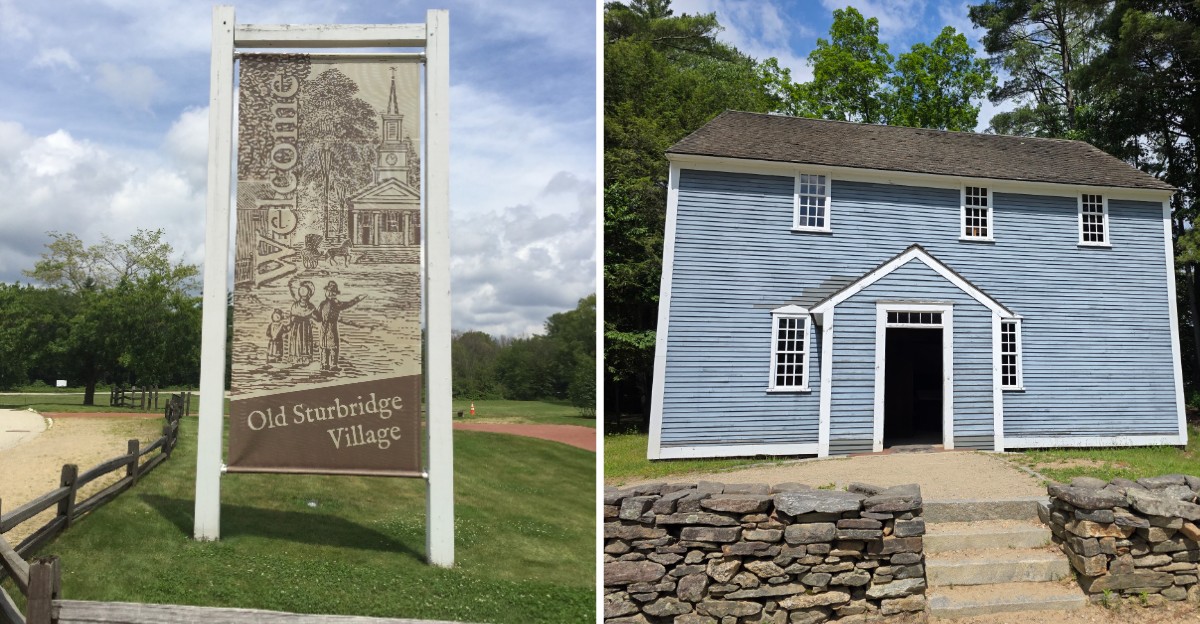
Some places in Massachusetts are built for crowds, and some are built for slow walks and long conversations. This one, tucked off the highway in Sturbridge, rewards the second kind of trip.
It is a full village frozen in the 1830s, with a sawmill, a meeting house, a bank, a tinsmith, and people in period clothing ready to explain how life worked two centuries ago. On a quiet day, every chat feels personal and every path feels like your own.
The cooler months bring holiday decorations and fewer people on the lanes. Keep reading for the story behind the village, the buildings worth your time, the seasonal events, and the practical details on hours, parking, and admission perks that can make your visit easier on the wallet.
A Small Town on Route to the Past
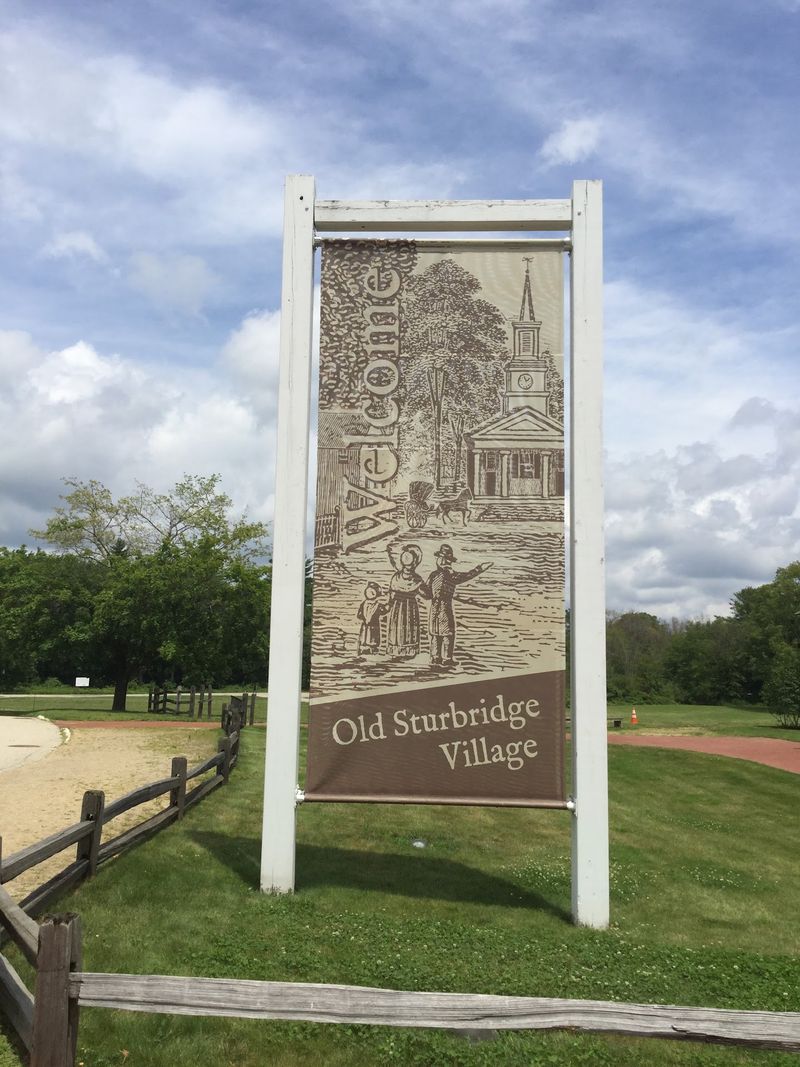
A small exit sign off the road leads somewhere surprisingly big. Old Sturbridge Village sits at 1 Old Sturbridge Village Rd, Sturbridge, MA 01566, in central Massachusetts, United States.
It is a history museum, but calling it just a museum misses the point. The site is a re-creation of an 1830s New England settlement, staffed by costumed interpreters who live out their roles inside homes, shops, and mills.
Some people find it by accident. Travelers have pulled off on a whim, curious about the sign, and ended up staying for hours.
Others plan their trip around it, driving well over an hour for a day among farms and village buildings. Both groups tend to leave with the same reaction, a wish that they had come sooner.
The village is spread across more than 200 acres. That space matters, because it means the place rarely feels packed, even when events draw a crowd.
Families, friend groups, homeschool classes, and solo explorers all find their own pace here. Some wander and read on their own, while others prefer to learn through conversation with the people in costume.
Consider this your first stop on a trip that runs on a much older clock.
Life in the 1830s, Rebuilt Building by Building
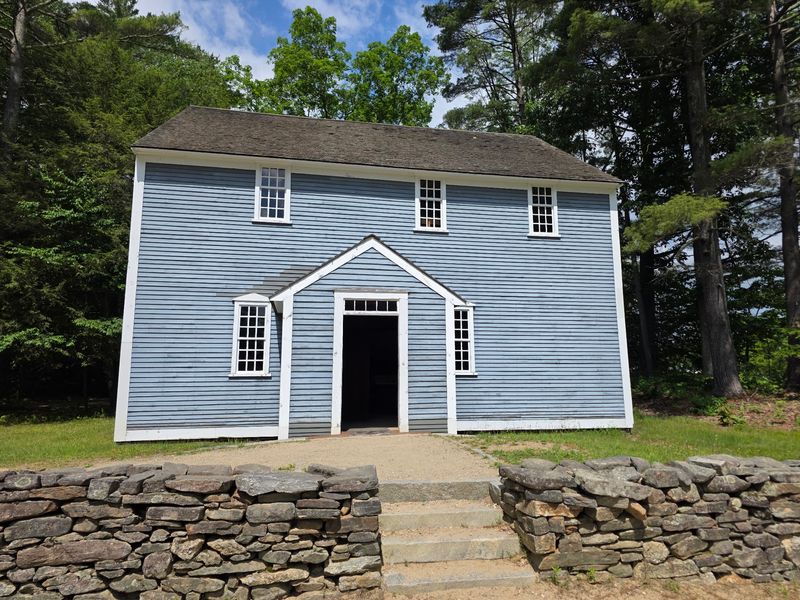
History books tell you what happened. This village shows you how people actually got through a Tuesday in rural New England.
The setting reflects late 1700s and early 1800s life, with the 1830s as its anchor. Farms, town buildings, mills, and businesses have been recreated to depict that period of American history.
The variety is what stands out. Within a single walk, you can pass homes, a meeting house, a church, a bank, a lawyer’s office, and a shoemaker’s shop.
Working spaces fill in the rest of the picture. There is a blacksmith, a carding mill, a joinery shop, a ceramics barn, and a tinsmith.
Each building helps explain how a small community kept itself running. Money, faith, law, trade, and farming all had their place on the map.
That approach gives the visit a real sense of scale. It is less a collection of exhibits and more a functioning town you are allowed to wander through.
Plenty of guests note they could easily return several times and still find something new. With so many doors to open, that claim holds up well.
Why the Off-Season Belongs to You
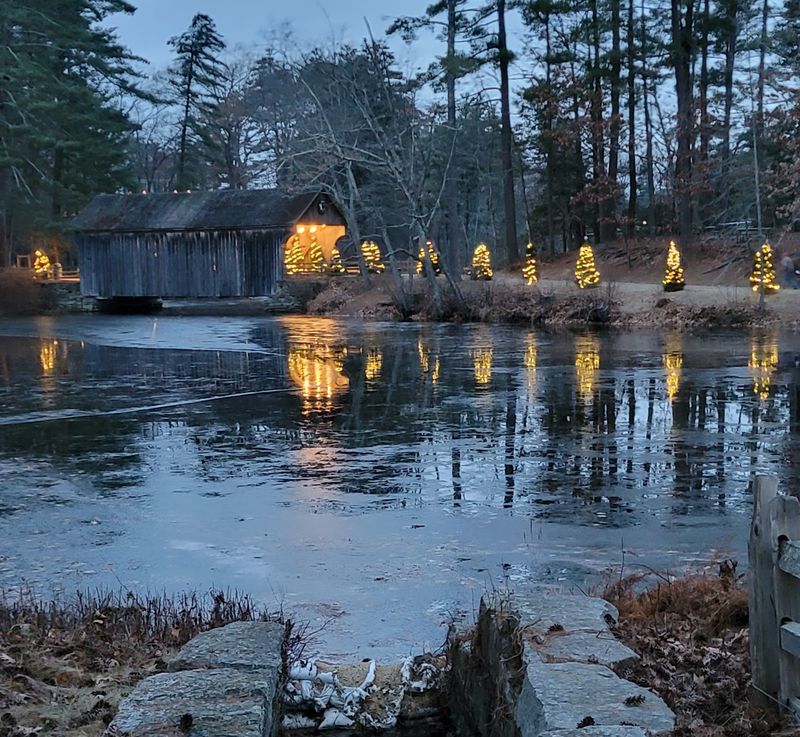
Crowds are optional here, and the calendar is your best tool for skipping them.
Quiet days change the whole experience. On a calm day with few people around, every encounter with an interpreter can feel personal, almost like a private tour.
The atmosphere on slower days is described as tranquil, ideal for exploring 19th-century history without the burden of crowds. Paths open up, and there is room to linger at each building.
Winter adds its own appeal. The village is known for decorating the whole town for the holidays, and Christmas time is a favorite for members who return year round.
A practical caution comes with the cold months. Be prepared with hats and gloves, since much of the visit happens outdoors and most buildings are not climate controlled.
Weekdays also tend to be quieter, though that has a tradeoff. Some guests have noticed fewer staff members on weekdays, and not every building is always open.
Even so, a slow day here has a special charm. The lanes feel wide, the conversations run long, and the village starts to feel like it belongs to you.
The Interpreters Who Steal the Show
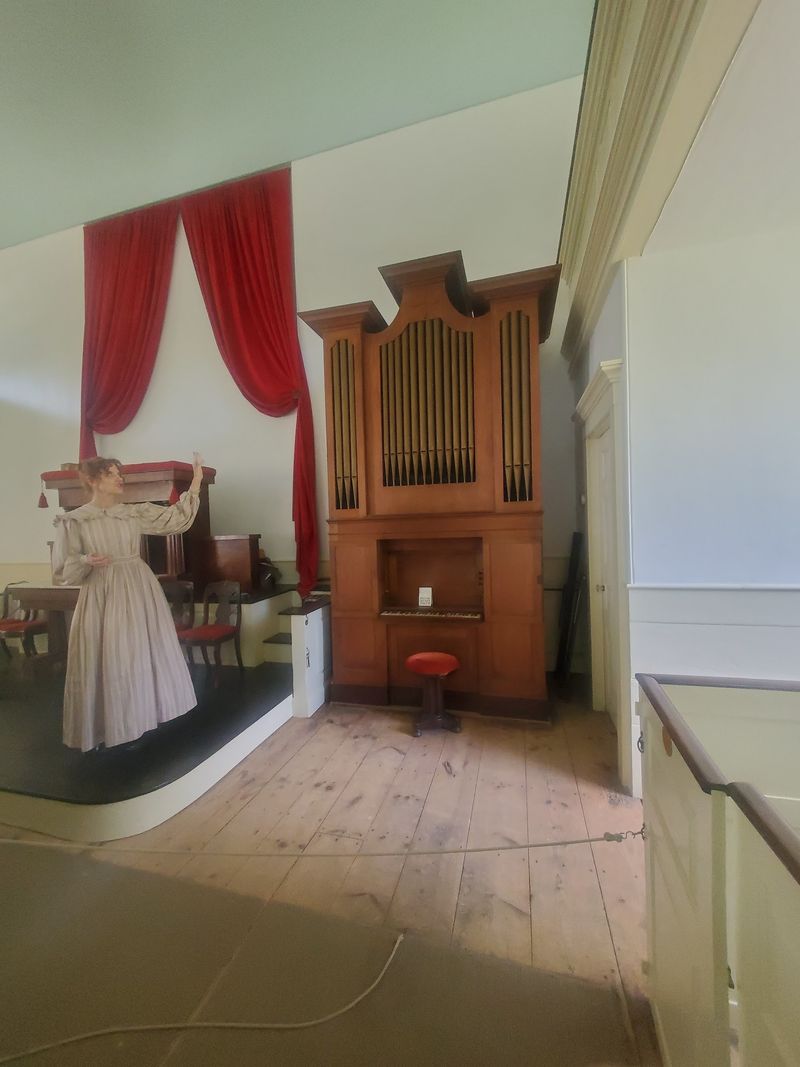
Ask almost anyone what made their trip, and the answer points to the people in costume.
Knowledgeable staff is by far the most talked about feature of the village. The interpreters play their parts well and show real patience with questions from all ages.
Many guests say conversations inside the houses are the best part of the whole experience. Explanations from the actors on site can be eye-opening, even for people who arrived expecting a light history lesson.
Topics run in every direction. Some families have learned how yarn was spun from sheep’s wool, and others walked away with an unexpected botany lesson.
Individual characters leave a mark too. A lawyer interpreter has earned praise for his attention and language skills.
The staff also manage to stay friendly through tough conditions. Wearing period clothing all day on a hot summer afternoon takes real commitment.
One spouse showed up expecting to tag along for a partner’s sake. By the end of the day, the enjoyment was equal on both sides.
That is the quiet power of good storytelling. History stops feeling like homework once someone is talking to you about it directly.
Across the Covered Bridge to the Sawmill
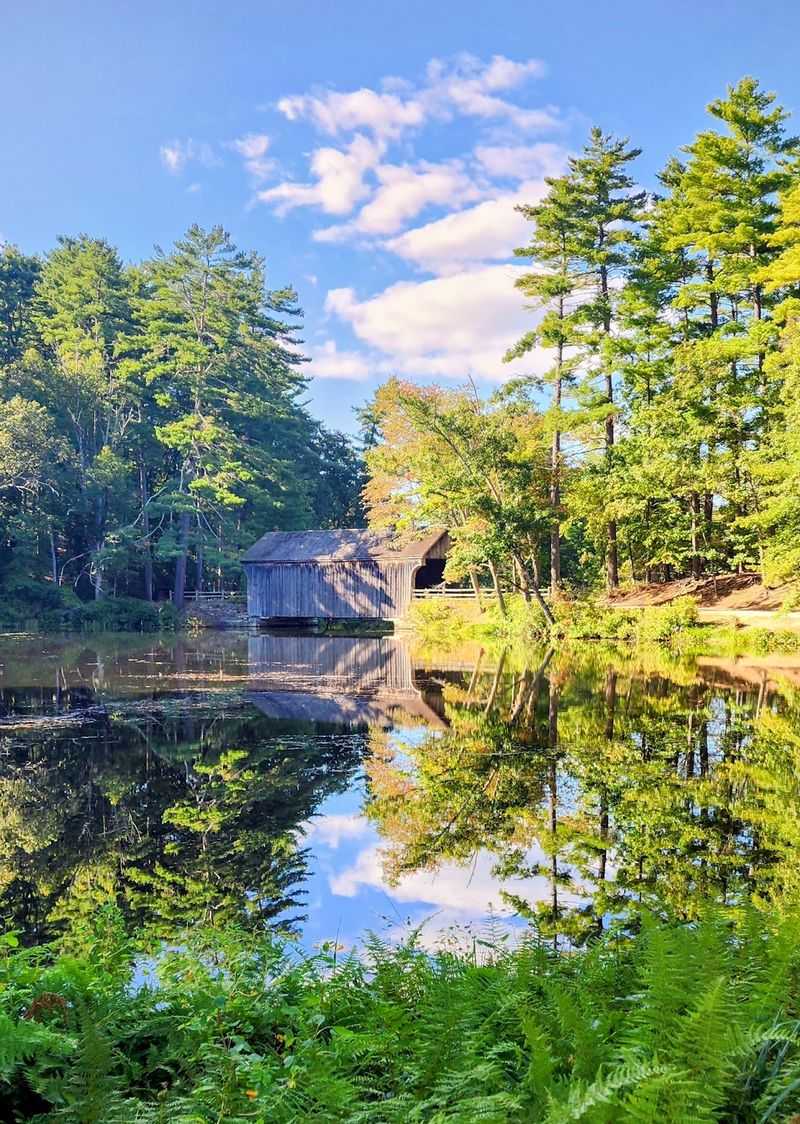
Few spots in the village get mentioned as often as the sawmill. It is one of the clear favorites on the grounds.
Getting there is part of the fun. A covered bridge leads across to the mill area, making it a natural point for photos.
The sawmill represents a key piece of early New England industry. Lumber shaped homes, barns, and businesses, and mills like this one powered that work.
Nearby, the carding mill adds another layer to the story. Wool had to be prepared before it could become yarn, and that work happened at mills, not just at home.
The area also serves as a stop for the horse-drawn ride that circles the village. Some families split up here, with one person snapping photos while the others climb aboard.
Plan for walking, since the mill sits a fair distance from the village center. Good walking shoes are a frequent recommendation for good reason.
Photographers will want extra time in this corner. Between the bridge, the water, and the mill buildings, the photo opportunities stack up quickly.
Industry rarely looks this peaceful, which may be exactly why people keep wandering back.
Tinsmiths, Blacksmiths, and Busy Hands
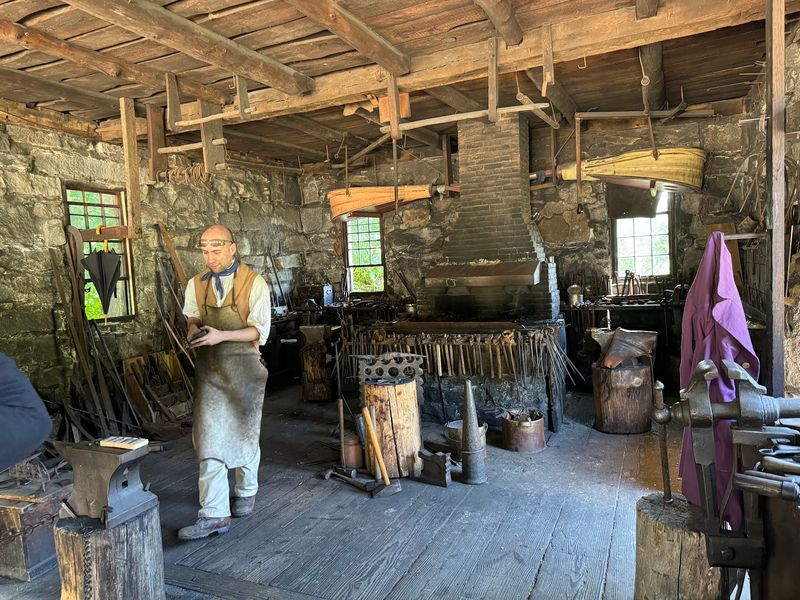
Hammers, anvils, and workbenches tell the story of a town that made most of what it needed.
The trade shops are a highlight for anyone curious about how things got built before factories took over. A tinsmith, a blacksmith, a joinery shop, and a shoemaker’s shop all appear across the grounds.
The ceramics barn adds another craft to the list. Together these spaces explain how ordinary goods reached ordinary homes in the 1830s.
Interpreters in these shops usually walk guests through the process. The result is a hands-on feel, even when the rule is to keep your own hands to yourself.
That rule matters. Many items on display are around 200 years old, so touching is off limits in much of the village.
Families should keep this in mind with younger children. Kids who can follow directions will do fine, and they often ask some of the best questions.
Watching a craft in action makes a strong impression. A tin cup or a shoe suddenly looks like a small achievement.
Leave these shops, and everyday objects at home may never look quite as simple again.
Horse-Drawn Rides and a Talkative Driver
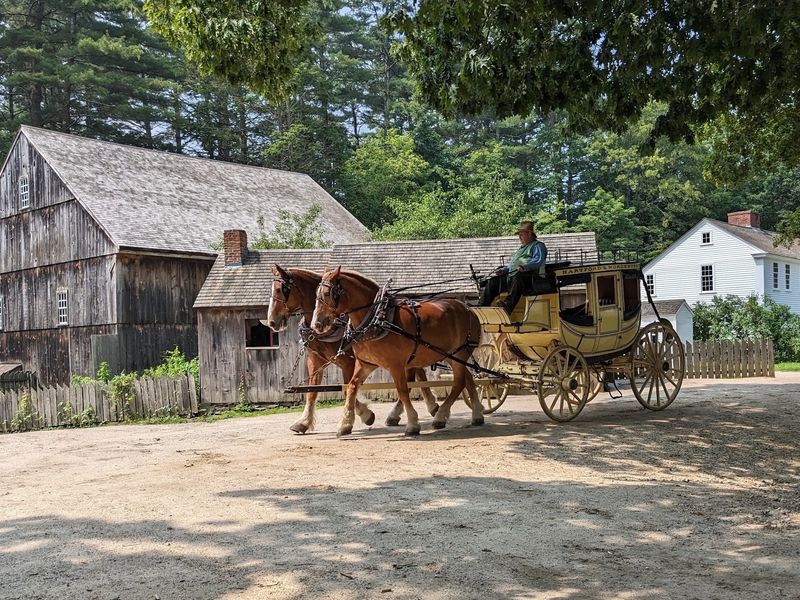
Tired feet, meet your solution. The horse-drawn carryall is one of the most recommended experiences in the village.
Guests describe it as something you simply must do. The ride loops around the grounds, offering a break from walking and a fresh view of the landscape.
The real draw is the driver. Drivers are known as excellent storytellers who keep a steady stream of stories and facts going for the entire circuit.
Families with small children find it especially handy. A grandparent can wait with the stroller while little ones and another adult climb aboard.
The ride also connects nicely to the sawmill area, where it pulls up for passengers. That makes it easy to fit into a walking plan rather than treating it as a separate outing.
Keep an eye on the weather, since the ride is outdoors. Dress warmly in colder months.
For first-timers, it works well as an overview. One loop gives a sense of how the farms, mills, and town buildings fit together.
It may be the only commute in Massachusetts that people actually ask to repeat.
Gardens, Sheep, and a Few Dancing Pigs
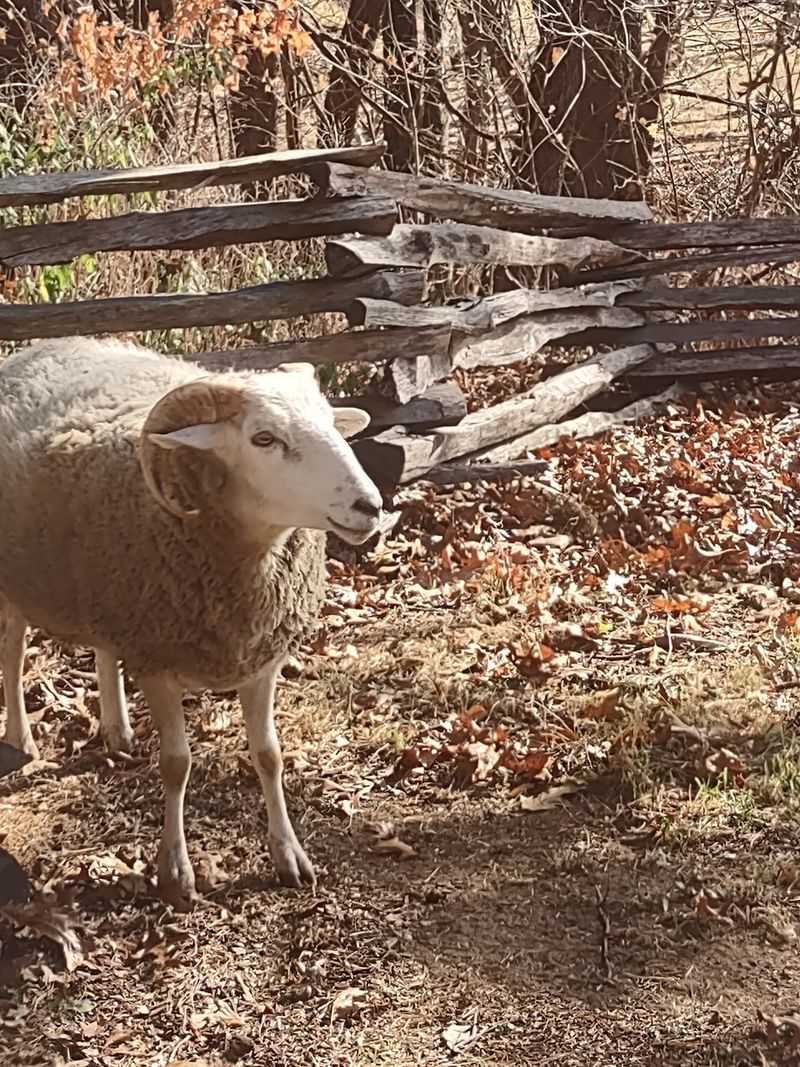
Not every lesson here comes from a person in costume. Some come from the animals.
The farm side of the village shows how much rural life depended on livestock. Sheep are available to pet, which tends to be a hit with younger guests.
The pig pen has its own fan club. One young visitor announced that two of the pigs were dancing, a moment her grandparents still laughed about later.
Herb gardens and other planted areas appear throughout the grounds. They earn steady praise for their beauty and for how well the grounds are kept.
These gardens also connect to real history. Plants served as food, medicine, and household supplies, and interpreters can explain how they were used.
The overall mix gives the visit a nature walk quality. Homeschool groups have called it a strong blend of history and time outdoors.
Seasonal changes affect what you will find in the beds and pastures. Winter offers a quieter version of the farm, with fewer distractions and plenty of open space.
The animals do not follow a script, and that unpredictability is half the fun.
Phantoms by Firelight and Other Big Events
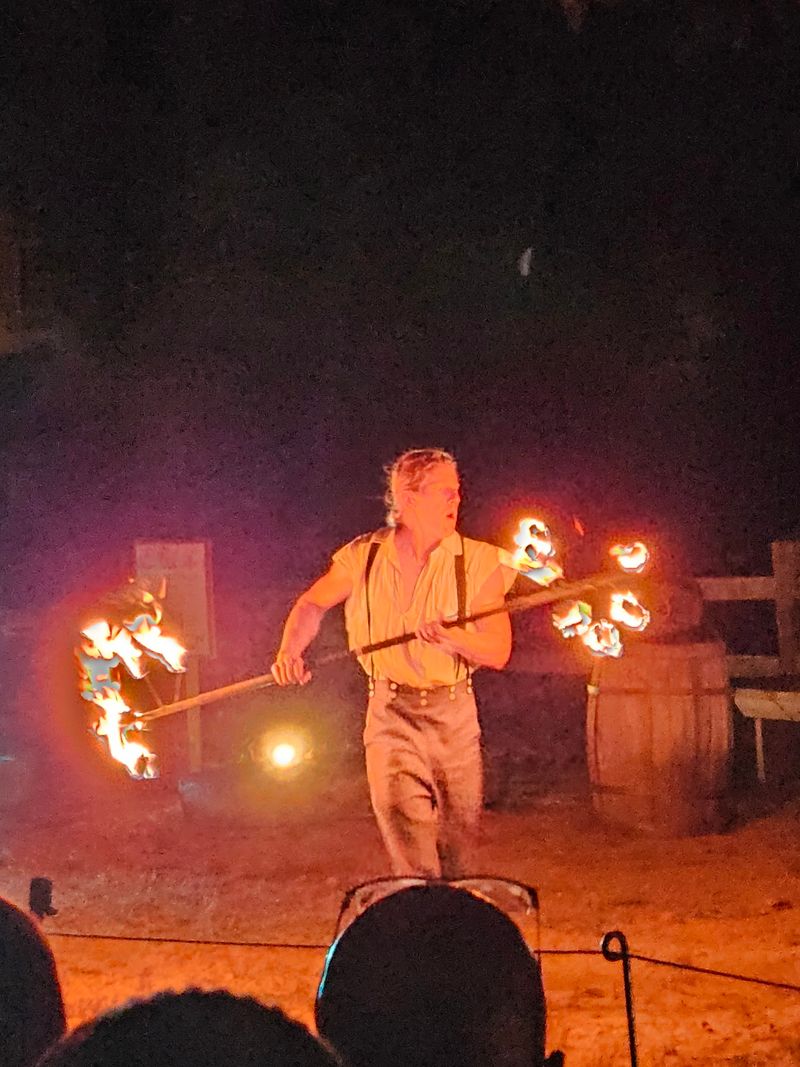
When the sun goes down in October, the village switches genres.
Phantoms by Firelight is a popular Halloween event. One recent edition took its theme from Mary Shelley’s Frankenstein, with short skits staged throughout the village and homesteads.
Guests could build a cardstock creature by collecting body parts at each homestead. Finishing the quest earned a bag of goodies on the way out.
Event regulars offer smart advice. Arrive right at the start, which was 4:30 pm for that event, and show up to each skit about 10 minutes early for a good spot.
Read the event map carefully before starting. Missing a stop is easy when the paths get busy.
The holidays bring a different feel, with the whole town decorated for Christmas. Autumn decorations also draw praise.
Special presentations have marked the USA 250 celebration as well. Events happen through the season, so checking the schedule pays off.
Tickets for events are best bought in advance online. Lines do move along, and the grounds are big enough to spread people out once inside.
The quiet weekdays and the lively event nights feel like two different villages sharing one address.
Lunch Breaks and Pack-Your-Own Options
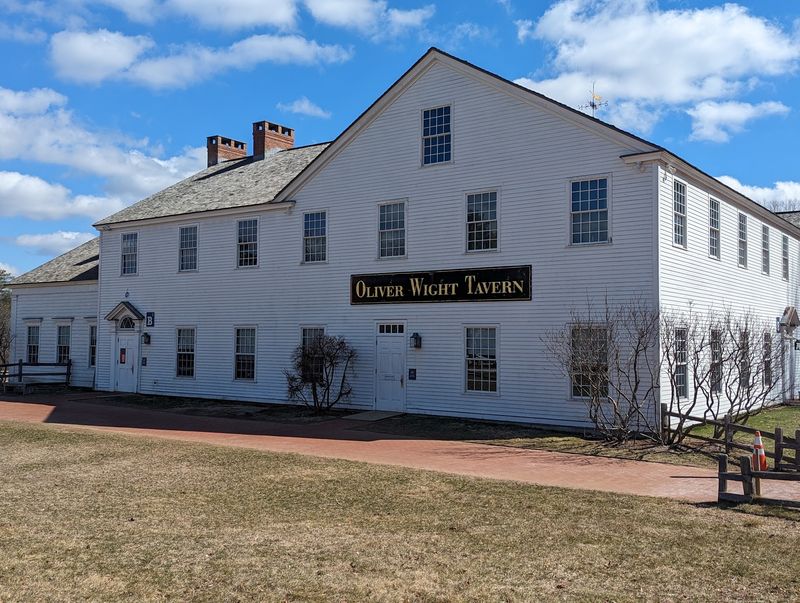
A full day of walking calls for a plan, and the village gives you more than one option.
The Bullard Tavern serves lunch on site. Families have stopped there midway through the day and found the prices fair.
Food and drink costs draw mixed opinions. Bottled water has been priced at around $4 and other drinks at about $5.
Bringing your own supplies is allowed. A backpack, a bag, a drink, or even an umbrella for shade can come with you.
Picnic tables are scattered across the grounds. Packing a lunch and settling in at one of them is a simple way to save money and time.
The village scoop shop is another stop, but watch the clock. It has been known to close at 3 pm.
The gift shop carries handmade products. Some shoppers appreciate the craftsmanship, while others find the prices on the higher side.
Restrooms are available, though some are a bit outdated. They are still a big step up from the historic outhouses on display.
Plan your breaks well, and the afternoon stays as comfortable as the morning.
Hours, Parking, and Admission Perks
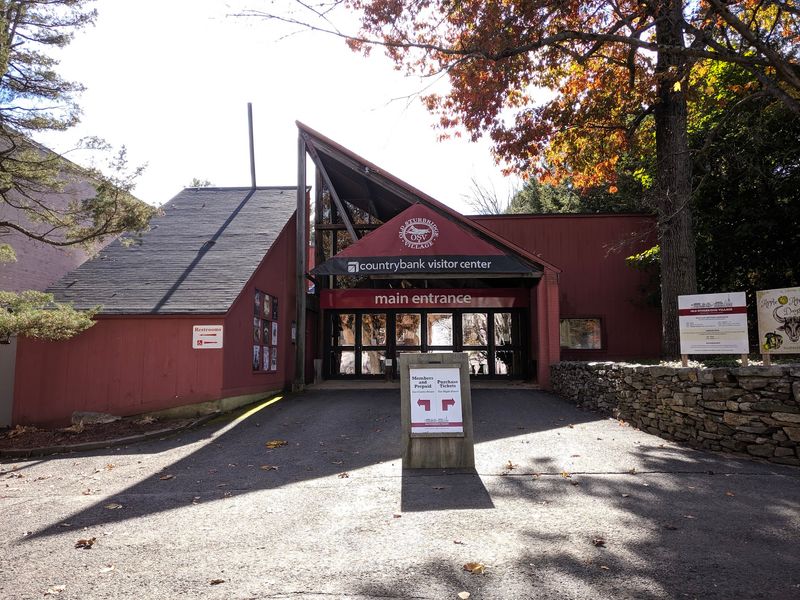
Timing is everything, because the village keeps a short weekly schedule.
Current hours run Wednesday through Saturday, 9:30 am to 4 pm. The village is closed Sunday, Monday, and Tuesday under the current schedule, so check the official website before driving out.
Parking is free, and there is plenty of it. That alone takes some stress out of the day.
Admission prices are generally described as reasonable. Several discounts can make them even better.
Military members get in free, along with up to five family members. Veterans and their families have also been admitted free.
Seasonal promotions show up too. Half-price senior admission has been offered during September, and kids have entered free during August.
These deals change, so confirm details on the website at osv.org before you go.
The welcome center holds a small surprise. A clock exhibit filled with grandfather clocks and other styles sits inside, though its sign is small and easy to miss.
A little planning here goes a long way, and the best savings tend to reward those who check ahead.
Worth the Detour, Especially When It’s Quiet
With a 4.7-star standing across more than 5,000 opinions online, the village clearly connects with a wide range of people.
Its strength is the human side of history. Interpreters, drivers, and craftspeople turn old buildings into living spaces full of answers.
It suits a lot of travelers. Friend groups, families, solo explorers, and school groups all find something to hold their attention.
A few tips round out the plan. Wear good walking shoes, dress for the weather, and remember that most buildings are not climate controlled.
Families with young children can mix in the playground area and the farm animals. Kids who enjoy asking questions tend to have the best time.
Those hoping for maximum quiet should aim for calmer days. Fewer people means longer conversations and an easier pace through more than 200 acres.
Holiday decorations add extra reason to visit as the year winds down. Just bring warm layers and confirm the schedule first.
Some places ask you to hurry through. This one works best when you slow down, and on a quiet winter day, the 1830s might feel like they were waiting just for you.
Enjoyed this story?
Add Fast Food Club as a preferred source to see more of our reporting on Google.