


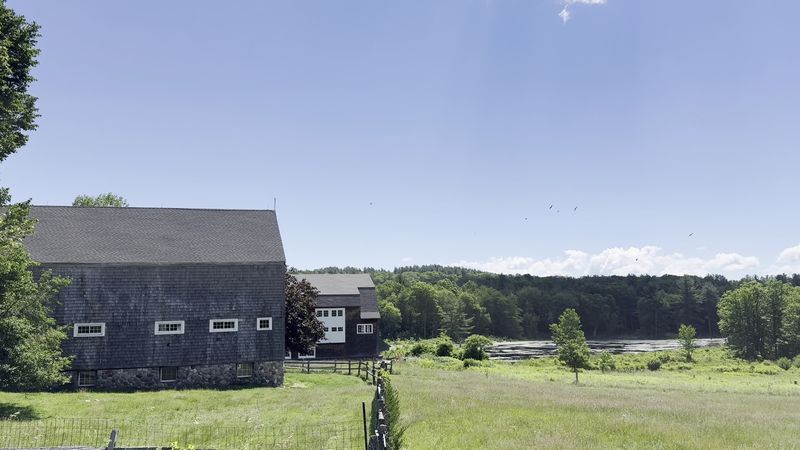
Winter in Princeton, Massachusetts, has a way of slowing everything down, and that is exactly the point. Tucked into this small hill town is a wildlife sanctuary where snowy meadows, forest paths, a giant boulder, and a flock of friendly sheep share the same few miles of trail.
Strap on snowshoes, follow the well-marked routes, and finish the day with a warm cup of cocoa. Keep reading to learn which trails to pick, when to go, and how to make a winter outing here feel like a real reward.
A Sanctuary on Goodnow Road
Some winter adventures start with a long drive into the wilderness. This one starts with a turn onto a quiet country road in central Massachusetts.
Mass Audubon’s Wachusett Meadow Wildlife Sanctuary sits at 113 Goodnow Rd, Princeton, MA 01541, in the hill country of Worcester County. It is a nature preserve run by Mass Audubon, the long-standing conservation group known across the state for protecting wild land.
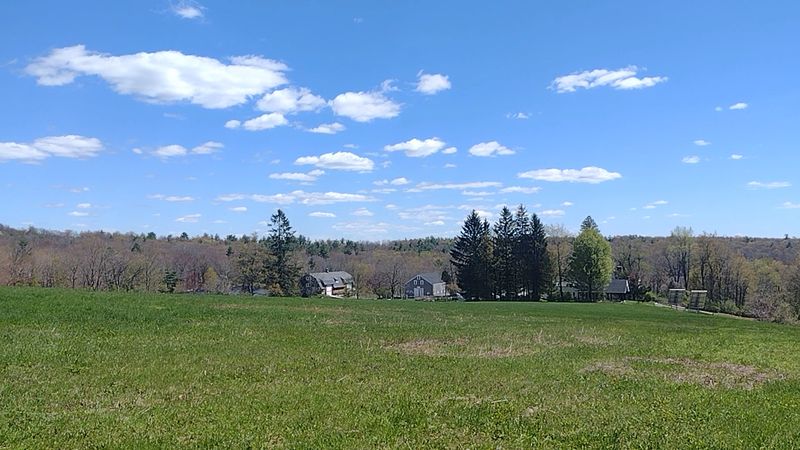
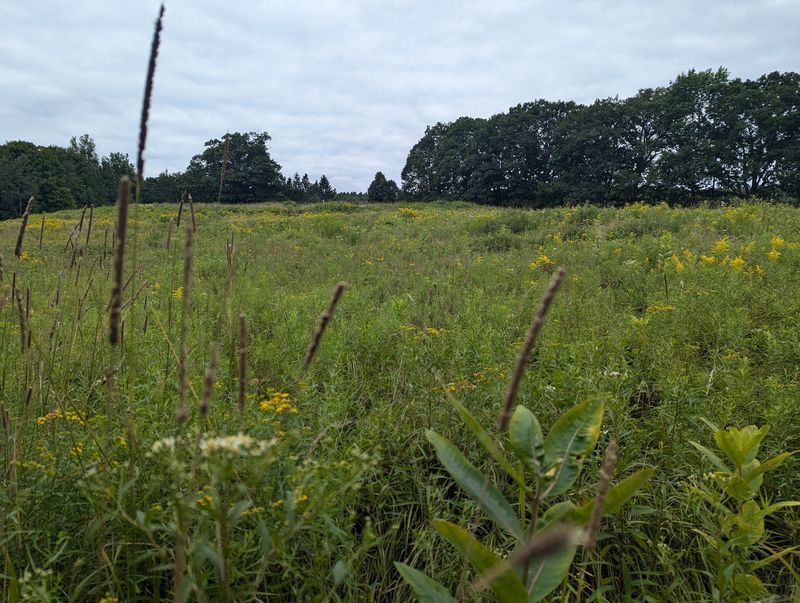
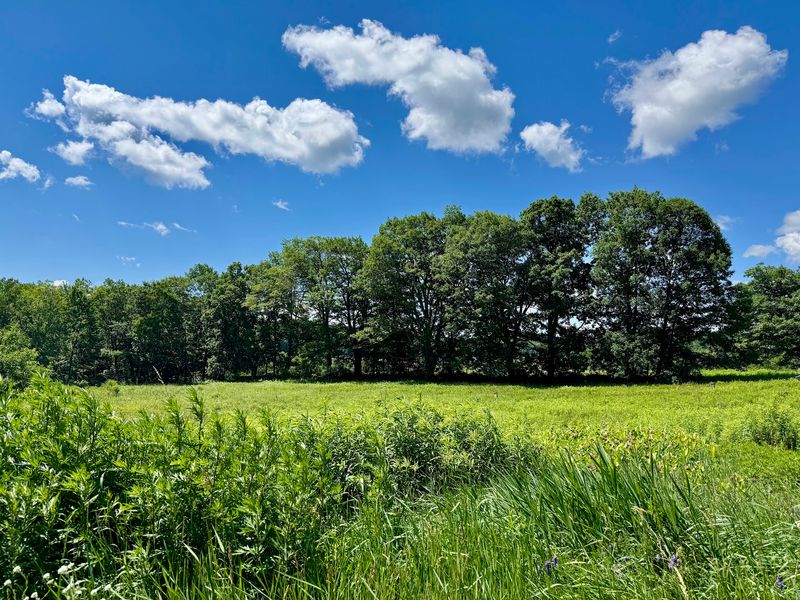
The sanctuary blends several kinds of landscape into one property. Open meadows roll away from the visitor area, while forest trails lead into the woods and up toward higher ground.
There are ponds, a large marsh wetland downhill from the historic farm, and a hilltop clearing with a wide view. Few places this size pack in so much variety.
For snowshoers, that mix matters. A single outing can move from wide-open fields to sheltered woodland paths without ever leaving the property.
The trail network is large enough for a full day yet tidy enough that nobody needs a map degree to get around. Signs are clear, and the routes are well marked from start to finish.
Princeton itself is a small town with a big view of Mount Wachusett, which gives the sanctuary its name. Keep that mountain in mind, because it shows up again later in this story.
Farmhouse Roots and an Old Barn
Before it was a sanctuary, this land worked for a living. The clues are still standing in plain view.
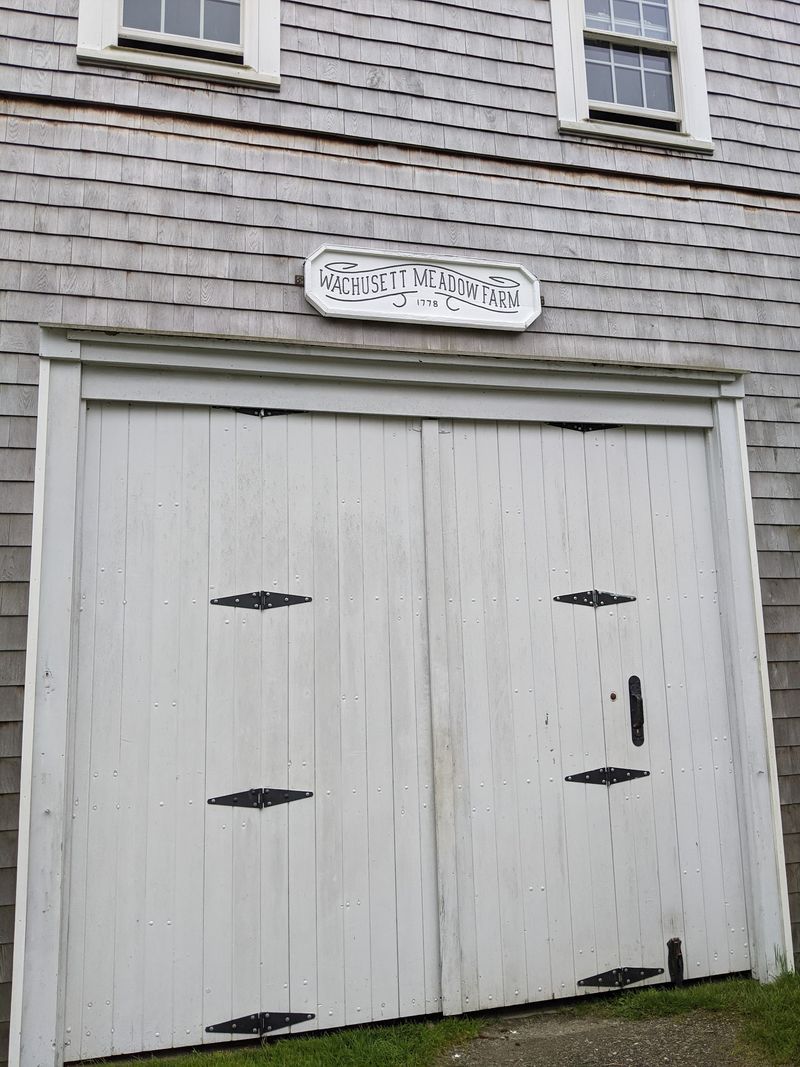
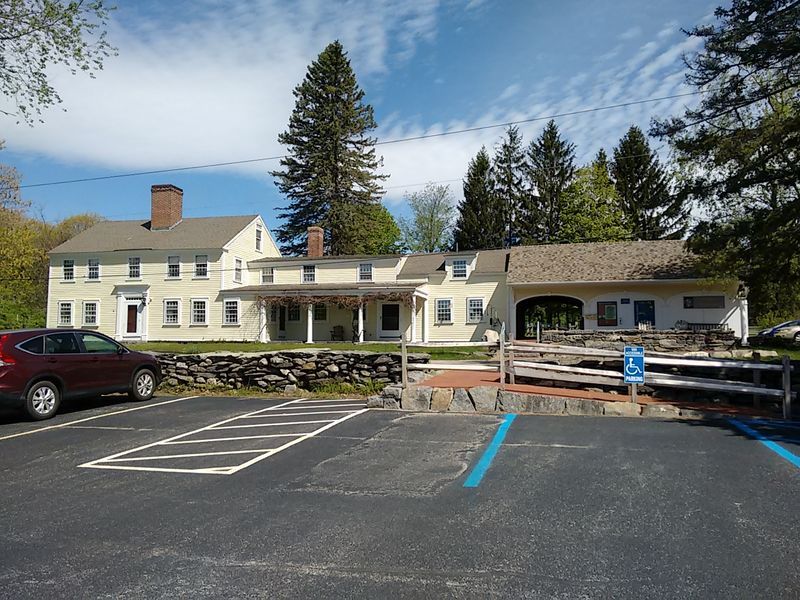
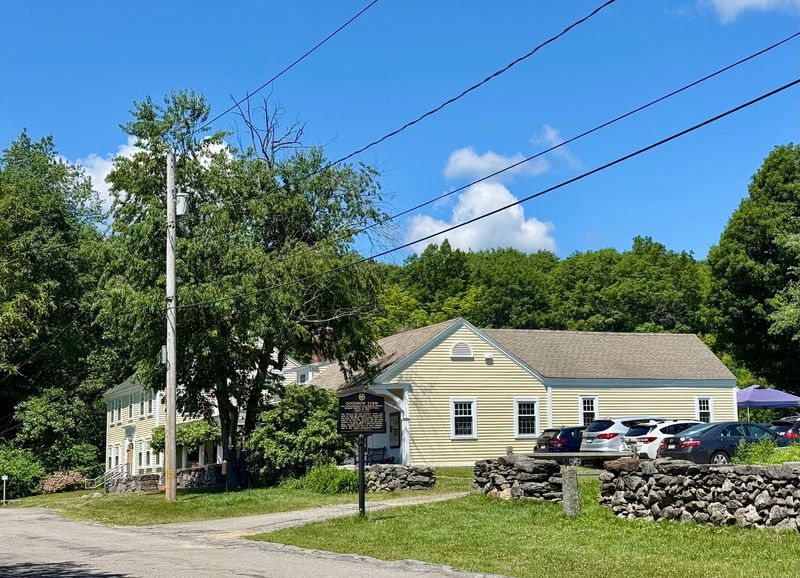
The Mass Audubon office on site is a renovated farmhouse. Nearby stands a historic barn, along with other old structures that anyone can walk around and explore.
In fact, there are two barns on the grounds. They give the property a farm-town character that sets it apart from sanctuaries that feel more like pure forest.
The farmhouse is also where the day officially begins. Check-in happens at the office, and the friendly staff there are happy to suggest a route based on time, energy, and conditions.
Inside, shelves hold Mass Audubon branded clothing and publications for sale. A hat with the sanctuary logo makes a practical winter souvenir, and it actually gets used.
The historic farm also sets up one of the property’s best geographic features. Downhill from the buildings, a large open marsh wetland spreads out, showing how the old farmland meets wilder ground.
Taking a few minutes to wander around the barns before heading out is worth it. The buildings help explain why the meadows exist at all, since open fields like these usually trace back to farming days.
History here does not sit behind glass. It sits right next to the parking lot, ready for a look.
Snowshoe Tracks on the Pasture Trail
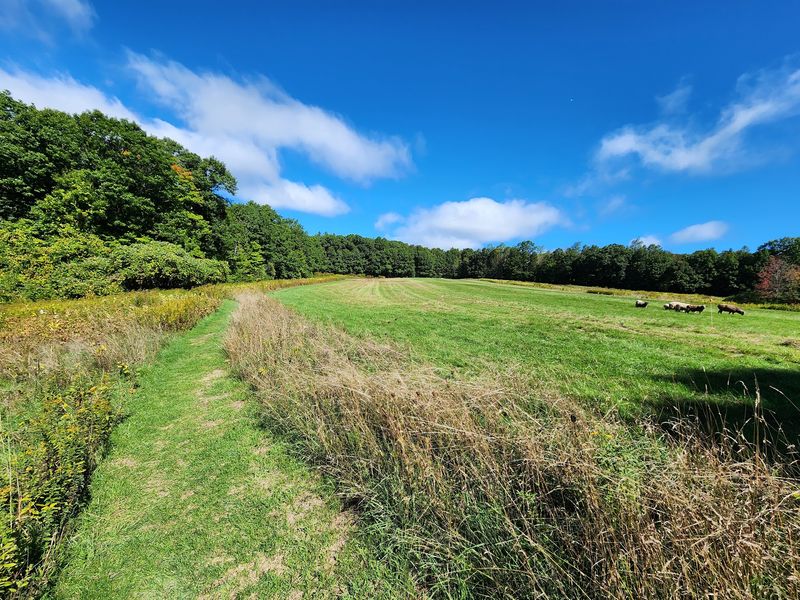
Ask the folks at the visitor center where to begin, and the Pasture Trail tends to come up first. It is a smart starting point with a few options for looping back to the center.
That flexibility is gold in winter. Snowshoeing takes more effort than a summer stroll, so having easy exit routes means nobody gets stuck on a longer outing than planned.
The Pasture Trail has earned praise as a wonderful meander, even on windy days with snow flurries drifting across the fields. Cold weather does not shut this place down, it just changes the scenery.
Meadow trails like this one are wide and open. They make a comfortable warm-up before heading into the forest, where the paths narrow and the trees close in.
The well-marked signage is a real advantage once snow covers the ground. Blazes and trail markers keep snowshoers on course when the usual footpath is hidden under fresh powder.
Pace matters too. A loop that takes an hour in sneakers could take longer on snowshoes, so starting with a shorter circuit is a reasonable plan.
Bring the gear from home, since this is a self-guided outing. Then let the meadow do the rest of the work.
The Climb to Brown Hill
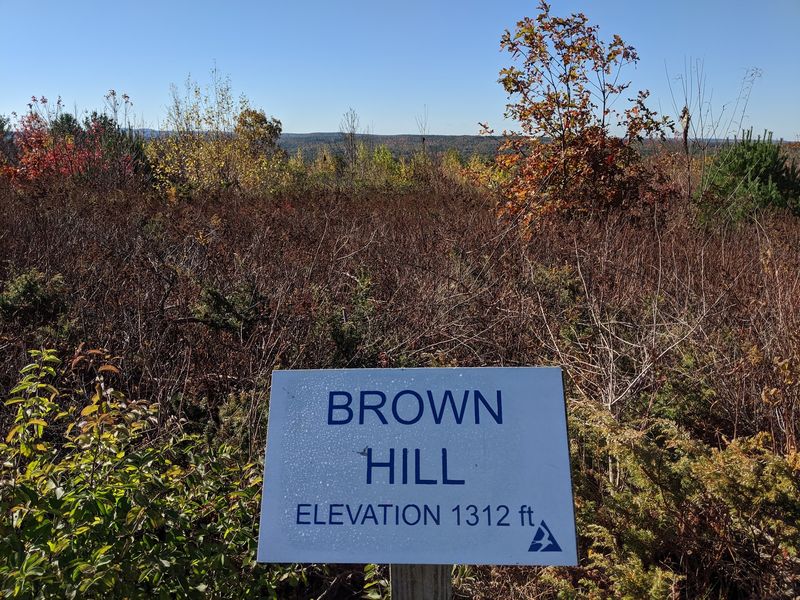
Every good outing needs a high point, and this one comes with an actual summit. Brown Hill rises along the northern set of trails.
The top features a large clearing with a nice view. It is the kind of payoff that makes the uphill stretch feel like a fair trade.
The hike up is short from the meadow, which keeps it reachable for most people. Still, there is a bit of an incline, and that gives it some challenge for anyone who wants their legs to feel the outing.
On snowshoes, the climb becomes a small workout. Snowshoes with heel lifts or good traction help on slopes, so this is the place where gear choice pays off.
Many people pair the summit with a walk around the meadow circle. That combination covers both the wide-open lowland and the hilltop in one trip.
The clearing at the top also makes a natural rest stop. It is a good spot to pull out a thermos, catch a breath, and look out over the hills.
Views are a theme across this sanctuary, but Brown Hill delivers the widest one. Save some energy for the descent, because the trail back has its own surprises waiting.
A Boulder Left by Ice
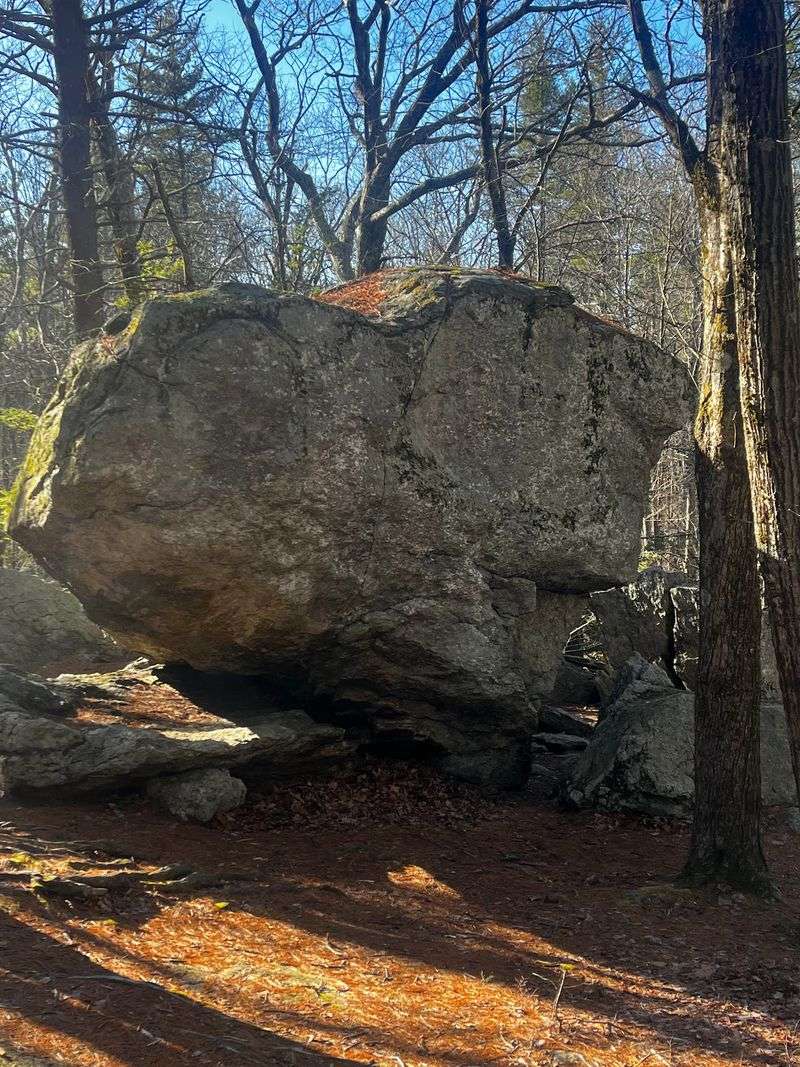
Some landmarks are subtle. The Glacial Boulder is not one of them.
Found along the northern trails, this rock is impressively big. It stands out in the woods as one of the sanctuary’s signature features, and it rarely fails to stop people in their tracks.
Here is a quick history bit. Boulders like this are called glacial erratics, rocks carried and dropped by moving ice sheets during the last Ice Age, long before any farm or trail existed here.
That makes the boulder a fun winter stop. Ice moved it here ages ago, and now snowshoers shuffle past it on frozen ground.
Kids especially tend to find it memorable. A rock taller than a grown-up turns an ordinary walk into a small expedition with a clear goal.
The boulder also works well as a waypoint. Pairing it with Otter Pond and the Brown Hill summit makes for a satisfying northern loop that touches several highlights.
Photographs rarely capture the scale, so having a person stand beside it helps. Call it the most patient model in Princeton, since it has not moved in thousands of years.
Otter Pond and the Beaver Engineers
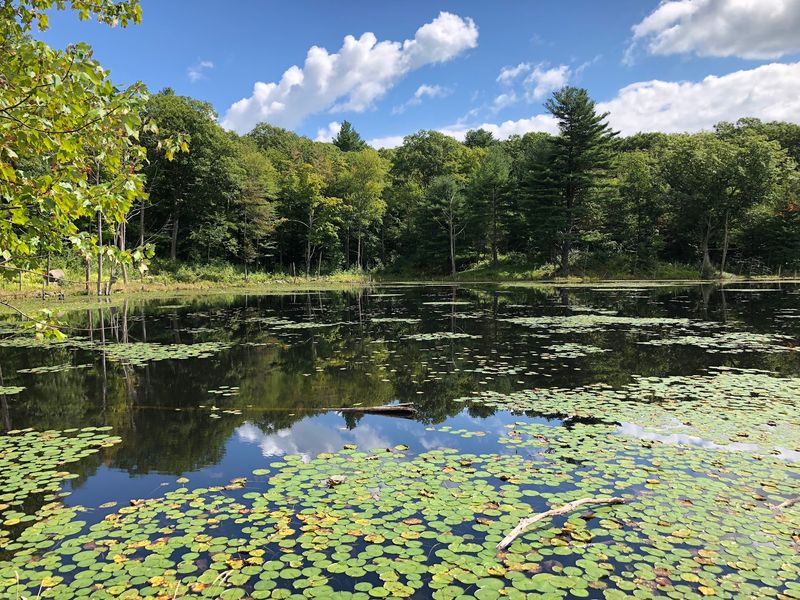
Water shapes a lot of the story at this sanctuary. Otter Pond sits along the northern trails and ranks among its most loved features.
Nearby, an excellent beaver dam offers a front-row look at one of nature’s busiest builders. Beavers turn streams into ponds, and the evidence is right there for anyone who walks by.
The pond area has a calm, wide-open character. Some describe it as an infinity lake, since the water seems to stretch to the edge of the view.
In winter, the scene changes. Ice and snow can cover the surface, so the safe choice is to stay on marked trails and enjoy the view from shore.
Beyond Otter Pond, the property holds other wet places worth knowing. The large marsh wetland below the farm and the vernal pools in the woods all support wildlife through the seasons.
There is even a pond popular for kayaking in warmer months. That gives anyone who falls for the place in winter a solid reason to return in summer with a boat.
Beavers do not take winter off, by the way. They stay in their lodges and live on stored branches, keeping the dam ready for spring.
Meet the Resident Sheep
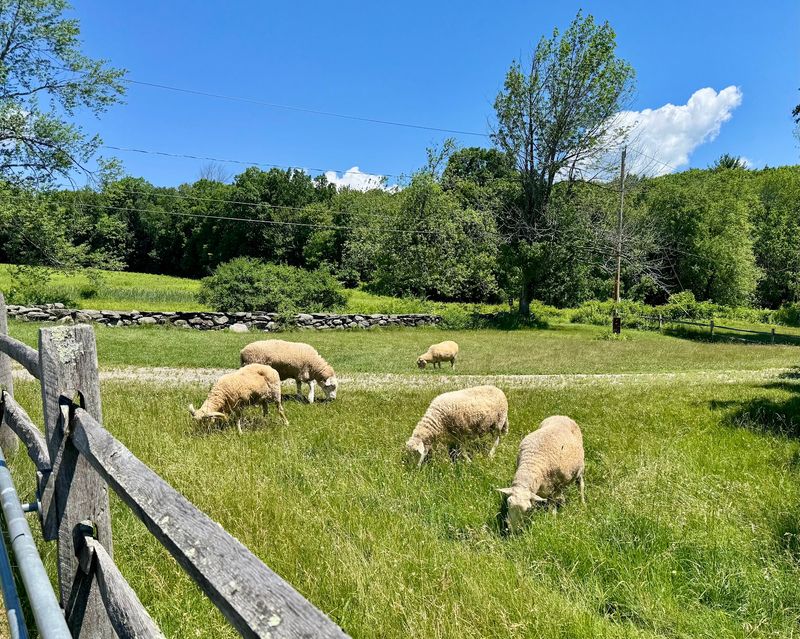
Not every sanctuary comes with a welcoming committee. This one has sheep.
The property’s sheep hang out in the barn or paddock, and they also free graze on the meadow. They are known for being very friendly, which makes them an instant favorite for kids and adults alike.
The flock is not just for show. Grazing animals help keep meadows open, so the sheep play a quiet role in caring for the land.
In summer they are often out busy doing sheep things across the fields. In colder months, the barn and paddock are the likely places to spot them.
A short stop to say hello makes a nice warm-up before heading onto the trails. It also makes a gentle cool-down at the end, especially for younger snowshoers running low on energy.
Good manners apply here. Admire them from the fence, follow any posted guidance, and let them carry on with their woolly business.
Plenty of nature preserves offer birds and trees. Few let a hike begin with a flock of ewes looking on, and that small touch gives this place a farm-friendly personality that is hard to forget.
Binoculars on Loan for Birders
With the Audubon name on the sign, birds were always going to be a big part of the plan. Birding is one of the most talked-about activities on the property.
Here is a helpful perk. The sanctuary offers loaner binoculars, so forgetting a pair at home does not ruin the day.
The meadows are a strong spot for watching birds, with open sightlines across the fields. Forest edges and wetlands add even more habitat, which means more chances for a sighting.
Wild turkeys and swallows have both turned up on outings here. Plenty of other birds pass through the meadows and woods, depending on the season.
Winter birding has its own appeal. Bare trees make it easier to spot movement, and fewer people on the trails can mean quieter conditions for watching.
Snowshoers can easily blend birding into a trek. A pause on one of the benches along the trail turns into a chance to scan the treetops.
No expert skills are needed. Curiosity and a little patience are enough, and the staff at the visitor center are known for being friendly and helpful with questions.
Creatures Great and Small
Snow hides a lot, but the wildlife list here runs long. Watching where you step is solid advice in every season.
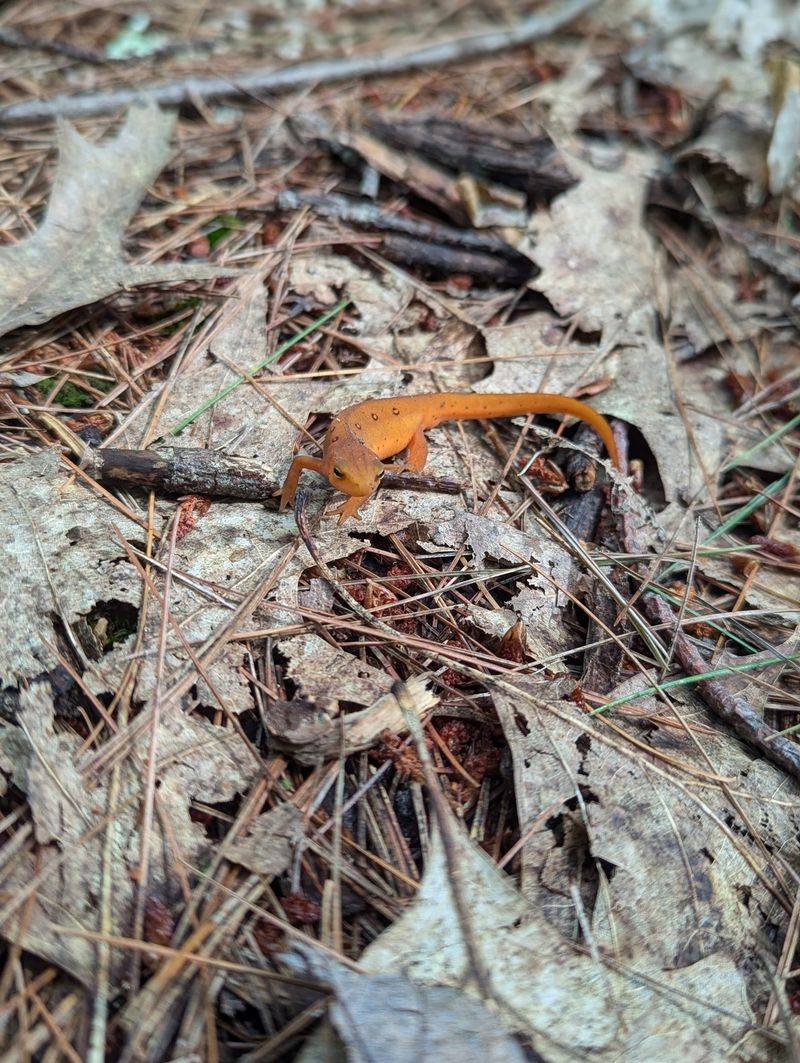
In warmer months, the trails can be dotted with little orange salamanders called efts. On cool, rainy summer days, dozens of them appear on the paths.
A fun fact: the eft is the young land stage of the eastern newt. It spends a few years on land before returning to water as an adult.
Neighbors who walk the trails often report regular run-ins with birds and the sheep. Less regularly, they spot snakes, deer, turtles, beaver, and even porcupine.
Winter shifts the action. Deer and porcupine stay active in cold months, while turtles, snakes, and salamanders wait things out until spring.
Fresh snow can turn the trails into a record of who passed through overnight. Tracks are a bonus for snowshoers who slow down and look.
Going after rain or in fall is a popular tip for spotting critters both big and small. Winter is simply a different chapter, where the clues matter as much as the animals.
Benches, Easy Paths, and Room to Rest
A great trail system works for more than just seasoned hikers. Here, the range of options is part of the charm.
Some trails are very easy, short and flat. Others are longer, with uneven terrain and uphill portions for anyone hunting a tougher workout.
Several walking paths are passable for people with mobility challenges who use a rollator or cane. Some meadow trails have even been called accessible with large-wheeled chairs.
Seating is spread across the whole site. Wherever someone ends up, there always seems to be a place to sit down and enjoy the fresh air.
Benches also line the trails, offering spots for rest or quiet reflection. They come in handy for snowshoers who need to adjust bindings or take a short breather.
Winter conditions change accessibility, of course. Snow and ice can make even easy paths trickier, so checking with the office first is wise.
The staff are known for keeping the grounds neat and accessible. That effort shows in the small details, and it makes the sanctuary welcoming for a wide mix of ages and abilities.
Where Kids Get to Explore
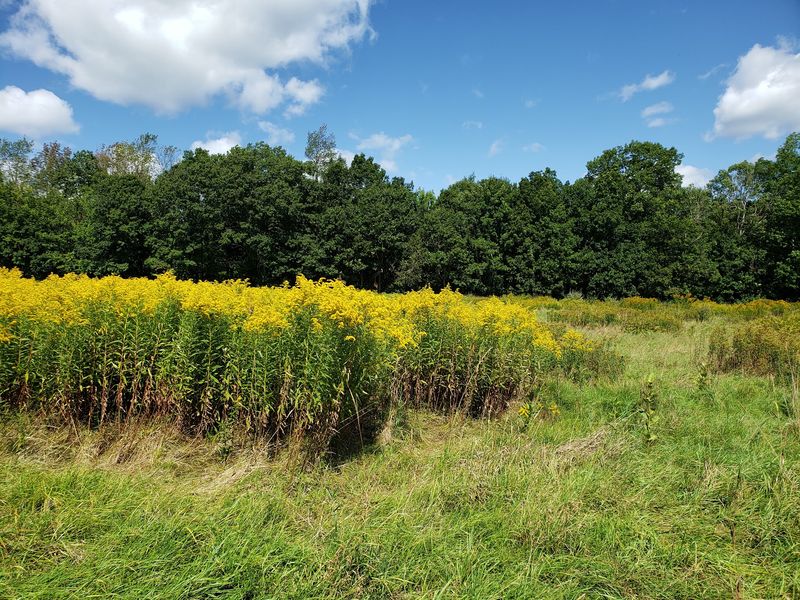
Families have quietly made this sanctuary a regular stop. Most trails are kid friendly, and the meadows keep young explorers busy.
A rustic nature play area gives children room to use their imagination. It is simple, natural, and a welcome break from screens.
During summer, kid campers can be seen busy doing camper things around the property. The place clearly has deep ties to outdoor learning for young people.
Some families have also held birthday parties here. Hiking plus a celebration is a pretty strong combination for an energetic group.
The sanctuary also hosts a Hay Day festival, which is worth checking out for anyone planning visits beyond winter. Event details are best confirmed on the Mass Audubon website.
For a winter outing with kids, short loops make sense. Pair the sheep, the Glacial Boulder, or a meadow circle with a snack break, and the trip stays fun.
Snowshoeing is a great skill for children to try. The well-marked trails help them feel like trail leaders, and the clean restrooms near the office take some stress off parents too.
Links to the Mid State Trail
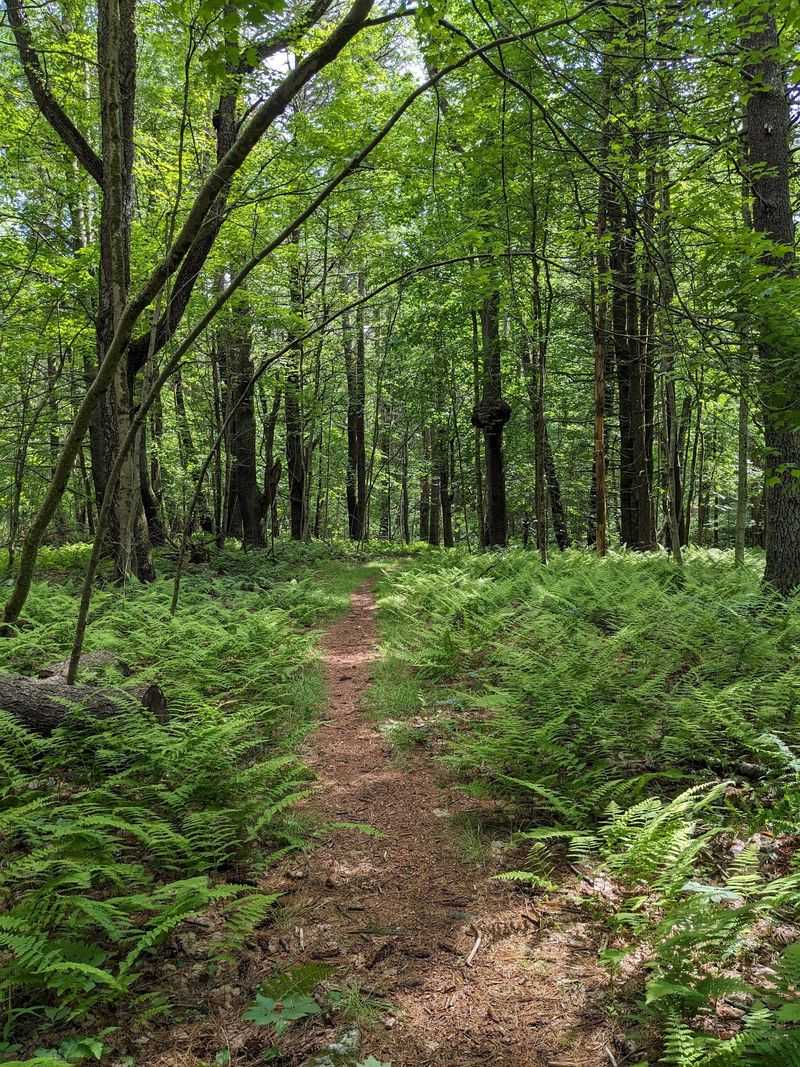
Most people treat the sanctuary as a destination. Ambitious hikers treat it as a launch pad.
The trail network includes linkages to the Mid State Trail and to Wachusett Mountain. One route will lead all the way to the summit of Mount Wachusett.
The Mid State Trail is a long-distance path that crosses central Massachusetts. Being connected to it means the sanctuary plugs into a much larger web of trails.
That opens up big possibilities, from short walks to multi-mile perambulations. It is a rare setup for a property that also offers flat, easy loops.
In winter, long routes require extra planning. Daylight is shorter, conditions change fast, and snowshoeing burns more energy than summer hiking.
Keep the sanctuary hours in mind too. The office closes in the afternoon, so a long trek needs a clear plan for returning before dark.
There is also a whole southern set of trails below the parking lot and visitor center that many first-timers never reach. Between the north, the south, and the long-distance links, a single trip barely scratches the surface.
Hours, Fees, and Parking Basics
A little planning goes a long way here. Knowing the schedule saves a wasted drive.
The sanctuary is open Tuesday through Saturday from 9 am to 4 pm. On Sunday, hours run from 11 am to 3 pm, and the property is closed on Monday.
Admission has been listed at $4 for adults, and Mass Audubon members get in free. The fee is considered reasonable for what the property offers.
Check in and pay at the office in the farmhouse. There is also an honor system, where bills go into a wooden box, so bringing exact change is smart, especially when the nature center is not open.
Clean, enclosed restrooms sit across from the office. Many people mention them, and they are a big plus before or after a snowy loop.
The parking lot is reasonably sized, though it can fill up at peak hours. Earlier arrivals or quieter times, such as late afternoon, tend to bring ample space.
Fees and details can change, so checking the Mass Audubon website before heading out is a good habit. Fresh information beats a surprise at the gate.
Cocoa and a Quiet Verdict
The snowshoes come off, the cheeks are pink, and the next step is obvious. It is cocoa time.
Packing a thermos of hot cocoa is the easiest way to close the loop. A bench by the meadow or a seat near the farmhouse makes a fine spot to sip and recap the trails.
That small ritual fits the spirit of the place. The sanctuary is known as a spot to slow down, reconnect with nature, and find some calm.
It is not a flashy attraction. Instead, it offers steady rewards: friendly sheep, a giant boulder, a beaver dam, a hilltop view, and trails marked well enough to enjoy without worry.
Winter shows one side of it, while fall foliage, summer efts, and spring wildlife reveal others. Many people leave already planning a return trip in another season.
Staff, volunteers, and supporters keep the land natural and protected. Their care is a big reason the place feels so peaceful.
So grab the snowshoes, fill the thermos, and point the car toward Princeton. The pines will be waiting, and the cocoa tastes like a well-earned victory lap.
Enjoyed this story?
Add Fast Food Club as a preferred source to see more of our reporting on Google.