


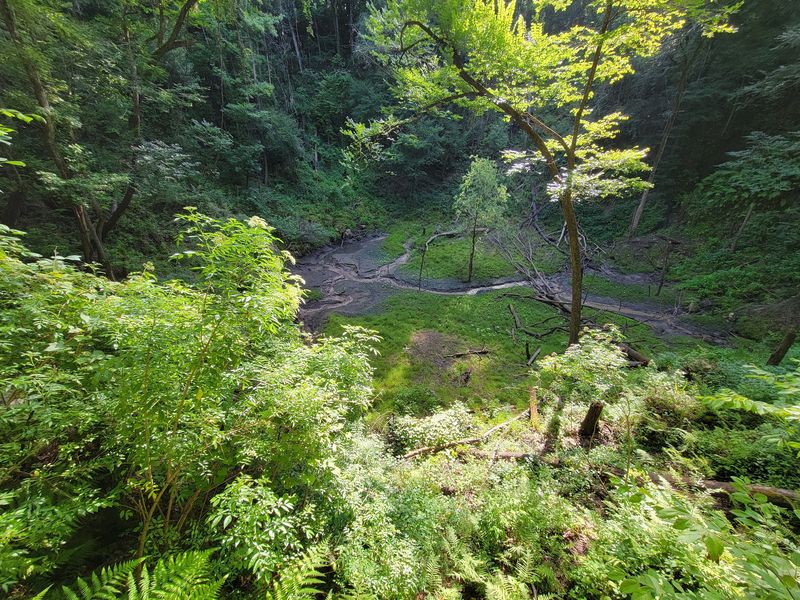
Just outside Gainesville, a giant bowl in the ground hides a tiny forest, trickling waterfalls, and a staircase that counts as a real workout. Most road trippers zip past on their way to beaches and theme parks without ever knowing it is there.
The ground here dropped about 120 feet a long time ago, and nature has been busy decorating the hole ever since. Above the rim, a shaded half-mile loop trail and a little bridge over a creek give quieter wanderers their own reward.
Keep reading to learn how to find it, what the stairs really ask of your legs, when the waterfalls run best, and why a four-dollar parking fee might be the best deal in North Central Florida. The stairs alone come with a fun twist involving a bead counter, and the rest of the story gets even better.
A Sinkhole Hiding in Plain Sight
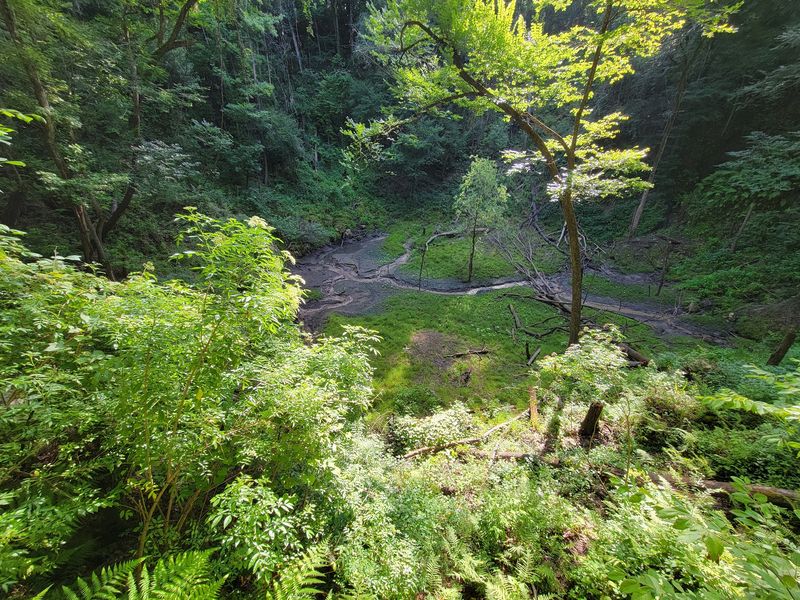
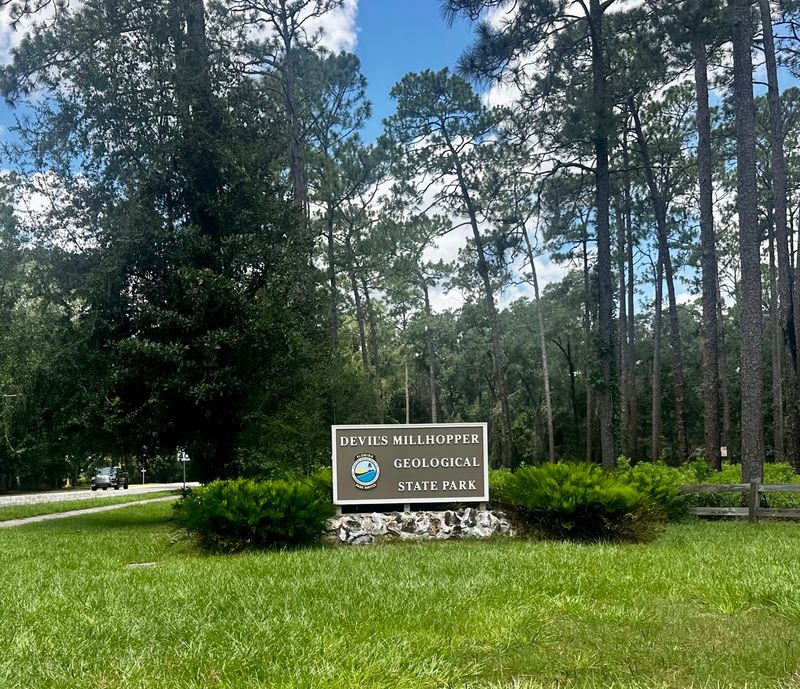
Plenty of Florida’s best surprises sit right beside ordinary roads, and this one is no exception. Devil’s Millhopper Geological State Park is found at 4732 Millhopper Rd, Gainesville, FL 32653, in the United States.
The park is small, but its main attraction is anything but. A sinkhole about 120 feet deep forms the centerpiece, and the slopes inside have grown into what the park describes as a mini rainforest.
Small waterfalls trickle down the sides, and thick foliage fills the space between them. It feels like a different corner of the state, even though the city is close by.
From the park entrance, a short drive leads to the parking lot. A small building nearby holds displays and information about the area, which makes a helpful first stop.
After that, a short walk brings you to the boardwalk and stairs that lead down into the sinkhole. The whole setup is easy to reach, which is part of the charm.
The park holds a 4.5-star standing from more than 2,400 opinions on Google, and that number says a lot for such a compact spot. Not bad for a hole in the ground.
The Story Behind the Big Dip
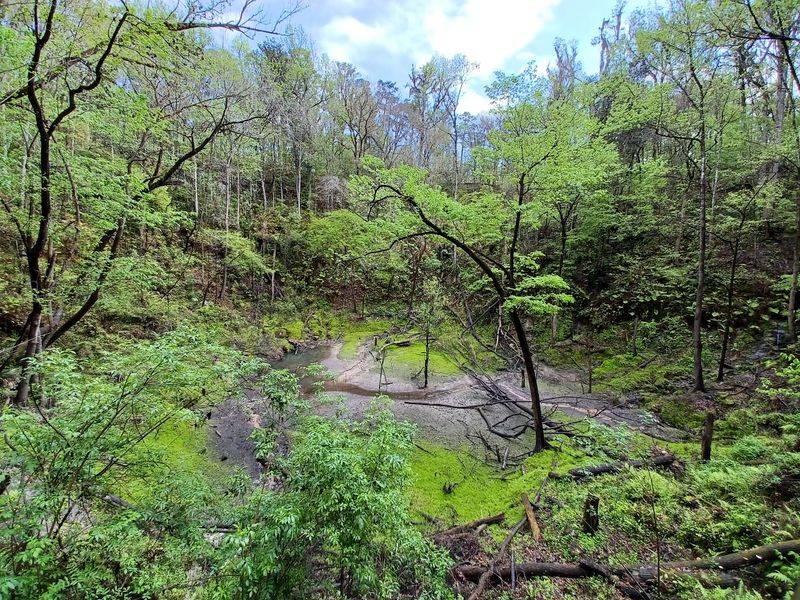
Long before staircases and boardwalks, the ground here simply gave way. The sinkhole formed and sank to roughly 120 feet, creating the bowl people come to see today.
That drop exposed layers that tell a story of Florida’s past. The site is known for revealing shark teeth, shells, and animal bones, which hint that this land was once very different.
Geology fans love that kind of evidence. It turns a pleasant walk into a lesson in how the state was built.
The park also carries a bit of old-school travel history. It has been called a historic tourist trap in the friendliest way, meaning people have been drawn here for a long time.
Reading up on the site’s geological importance before arriving pays off. The trail and the sinkhole make more sense once you know what you are looking at.
Signs along the way share bits of information too. Stopping to read them adds context without slowing the day down much.
History here is literally layered, and the deeper you go, the older the story gets.
132 Steps and a Bead Counter
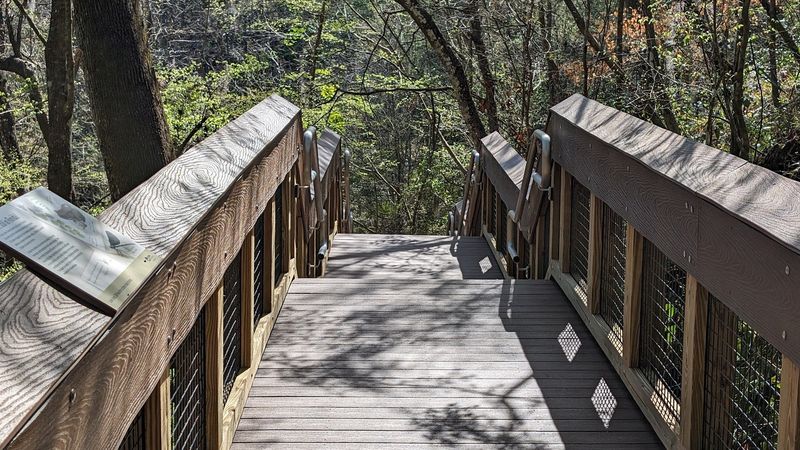
Here is a number worth memorizing: 132. That is how many steps lead down into the sinkhole, and yes, the same number leads back up.
The round trip adds up to 264 stairs. Most people find the climb back up to be the real test.
Good news comes in the form of landings. Small resting spots break up the staircase every so often, so anyone can pause and catch their breath.
The boardwalk and stair system has been redone, and it looks well cared for. It feels sturdy and tidy from top to bottom.
Then there is the fun part. Many park goers use the stairs as an exercise routine, and a bead counter at the top lets them log how many laps they complete.
It becomes a friendly challenge for regulars. Some folks come back again and again just to beat their own count.
The staircase is called amazing to look at, even before you start climbing it. Whether you do one lap or ten, your legs will have opinions by the end.
Waterfalls That Follow the Weather
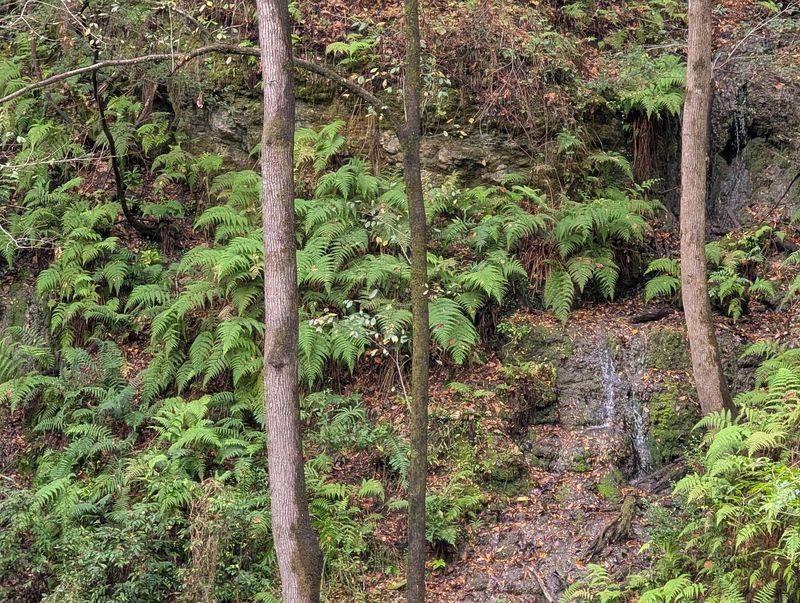
Timing matters when it comes to the waterfalls. A constant flow of water runs down into the sinkhole, but how much depends on recent rain.
After a rainy day, several small waterfalls spill down the slopes. Those are the visits people talk about most.
During dry spells, the show shrinks. In drought conditions, the waterfall can be tiny and the bottom nearly dry.
Even then, the place still holds its appeal. Plants, slopes, and the setting itself make the trip worthwhile with or without much water.
The best plan is simple. Check recent weather before heading out, and aim for a day soon after a good rain if waterfalls are the goal.
Cloudy and overcast days also work well. They keep things comfortable while the water does its thing.
Nature runs this schedule, not the park. Think of each visit as a slightly different episode of the same series.
The Rim Trail and Its Little Bridge
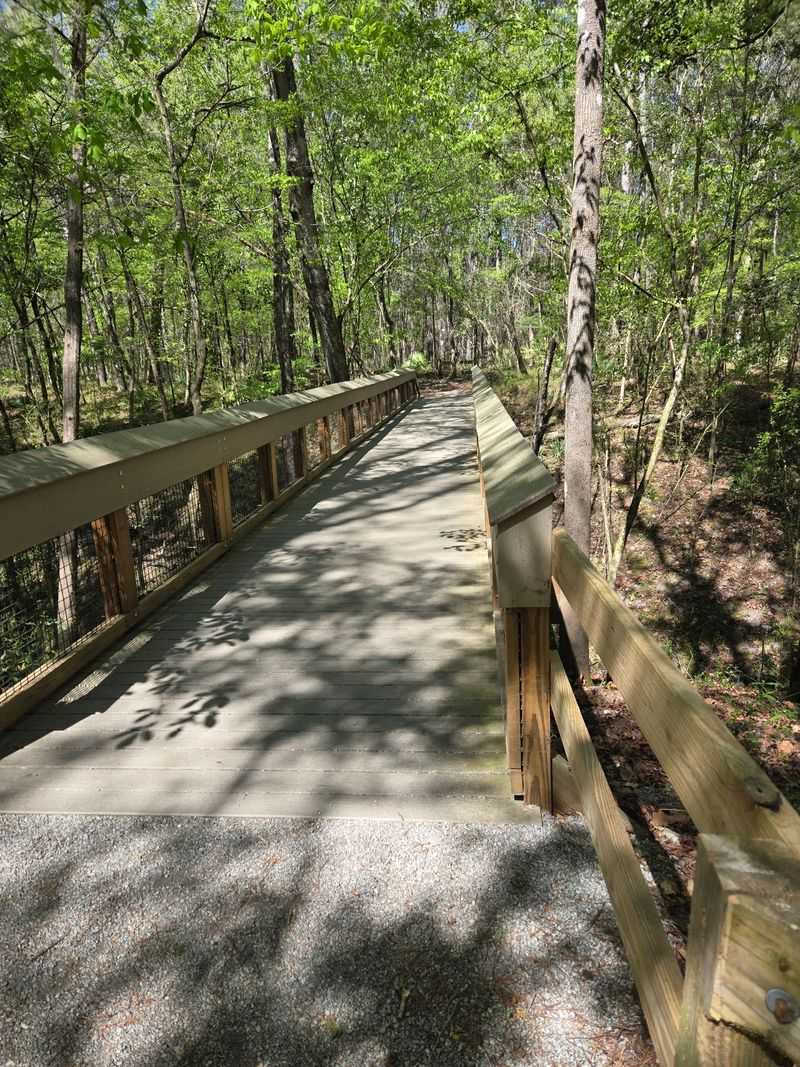
Most people rush straight to the stairs and miss the quieter half of the park. A loop trail circles the rim of the sinkhole, and it is about half a mile long.
The path is easy, shaded, and clearly marked. Benches sit along the route for anyone who wants a break.
Then comes the bridge. A nice bridge crosses one of the creeks that runs into the sinkhole, giving a closer look at where the water starts its trip down.
Bridges show up more than once along the paths, along with plenty of plants and flowers. It is the kind of walk that rewards slowing down.
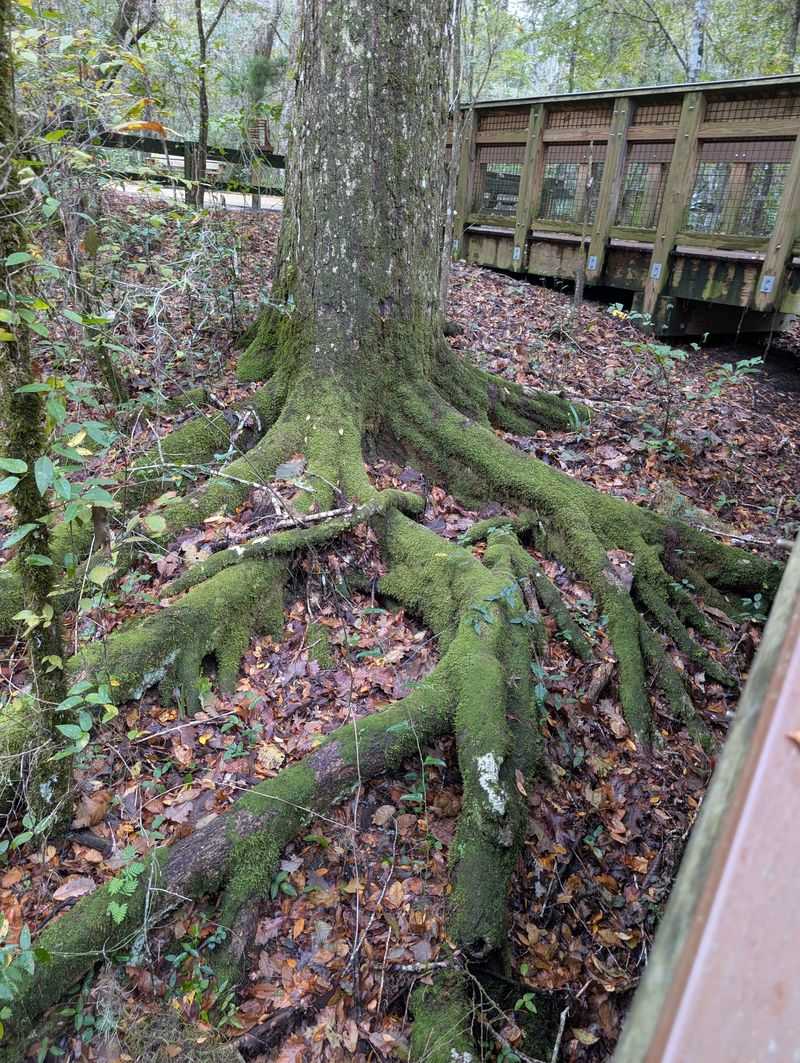
Watch the ground as you go. Roots cross parts of the trail, so careful steps help.
The loop is gentle enough for a slow stroll with a senior dog. That says plenty about how relaxed it is.
There is no road noise along the route either. Of all the secrets here, the bridge might be the best kept.
Views Without the Climb
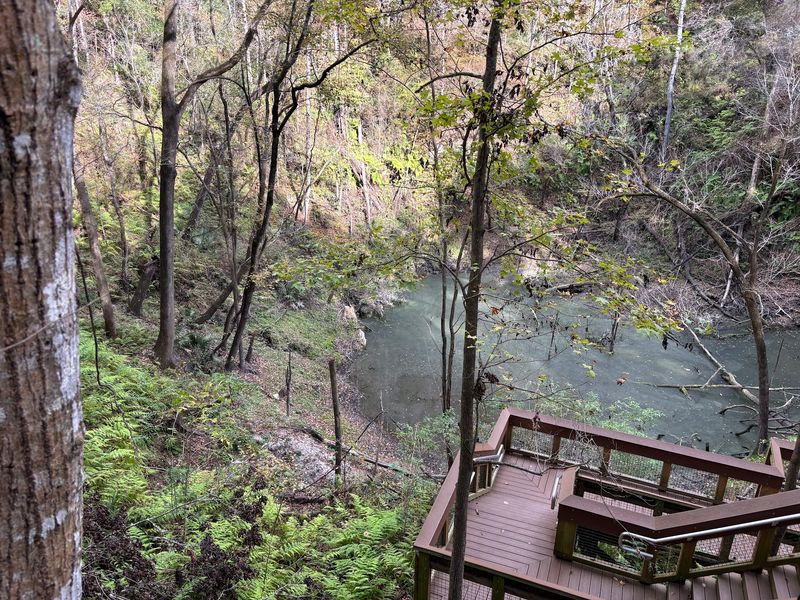
Not up for 264 stairs? No problem at all.
An observation deck at the top offers a view into the sinkhole without the trip down. Plenty of spots around the park also give glimpses into the bowl.
Some people even feel the full descent is optional. You can see a good amount from above and still leave satisfied.
That makes the park friendly for folks with sore knees or limited time. Nobody has to skip the main attraction.
The trail around the top adds more chances to peek in. Combined with the deck, it makes a complete visit on its own.
For anyone who does go down, a heads-up helps. The viewing point at the bottom is fairly small, and there is no place to sit there.
So enjoying the view from up high can be a smart move. Sometimes the best seat in the house is right at the top.
Wildlife on the Slopes
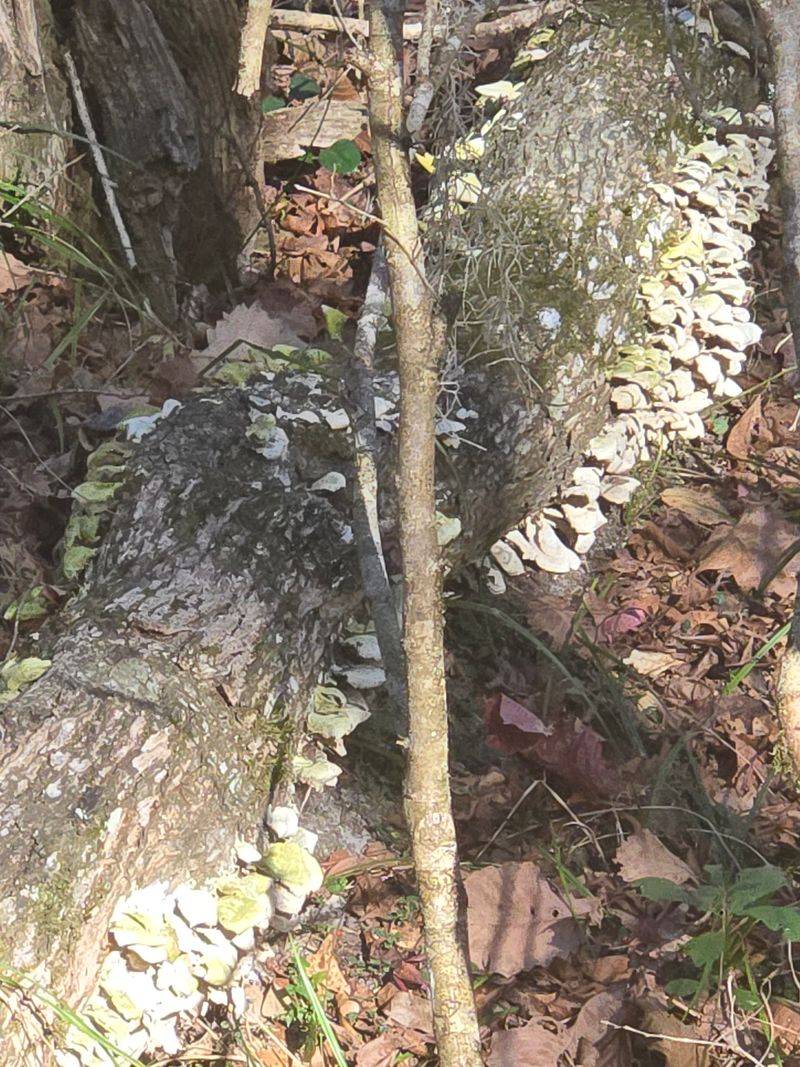
Keep your ears open for a barred owl. Calls from these birds are part of what makes the park feel wild.
Wild birds show up often, and butterflies flutter around the plants along the trail. Small bits of wildlife pop up throughout the park.
Inside the sinkhole, a whole ecosystem has grown over time. It is a neat look at how plants and animals move into a new space.
The lacy trees and dense greenery give creatures plenty of cover. Patient walkers tend to spot the most.
Bringing binoculars is never a bad idea. A slow pace pays off here more than a fast one.
This is science in action, right in front of you. Kids and adults both get something out of it.
The animals here keep their own hours, so luck plays a role. Still, the odds of seeing something interesting are pretty good.
Visitor Center Know-How
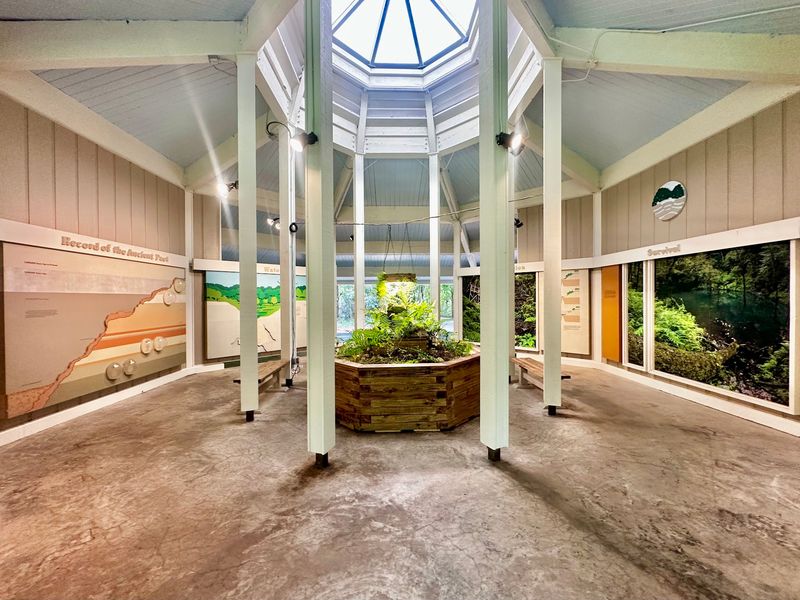
Learning first makes the hike better. The visitor center near the parking area has very nice displays about the site.
It is a small building, but it packs in useful information. A quick look helps explain the geology before you head down.
The park website is informative too. Reading it ahead of time sets up the visit nicely.
On Saturday mornings, guided walks are offered for those who want an expert along. Self-guided exploring works just as well for people who prefer their own pace.
Interpretive signs along the trail fill in more details. They cover the area’s features in short, readable bits.
Rangers here have a friendly reputation as well. A quick question can lead to a great answer.
Between displays, signs, and guided walks, curiosity gets fed from start to finish. You will likely leave knowing more than you expected.
Picnic Tables, Grills and Clean Restrooms
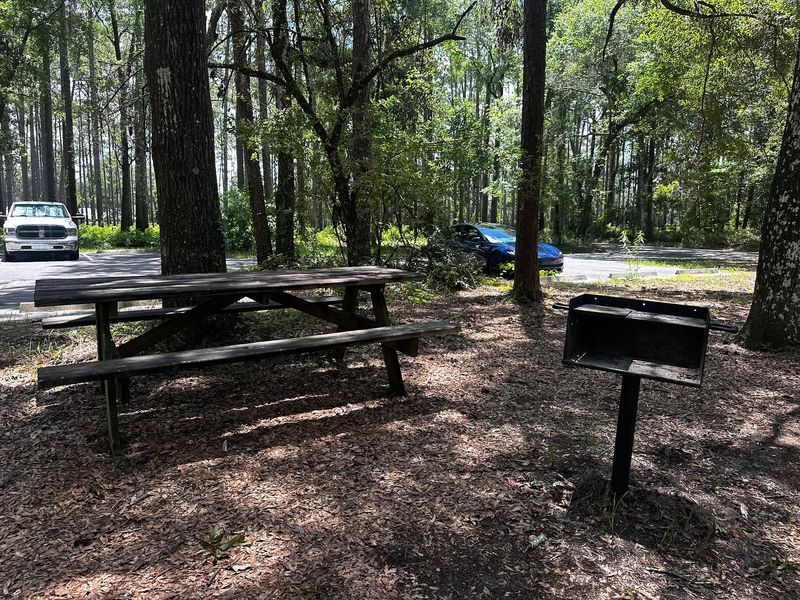
Practical comforts matter on a day trip. The park has picnic tables and grills near the parking lot.
That makes it easy to turn a short hike into a longer outing. Families especially appreciate a spot to regroup.
Restrooms get frequent praise for being large and clean. They are unisex and well kept.
Parking is plentiful and easy. Nobody needs to circle around looking for a space.
The whole park comes across as clean, peaceful, and well maintained. Those details add up to a stress-free stop.
One thing to know: there is no overnight camping. This is a day-use park only.
So pack a lunch, enjoy the tables, and head out before closing. A simple plan fits a simple, pleasant park.
Who Will Love It Most
Nature lovers, history fans, and hikers all find something here. The mix of science and scenery has wide appeal.
School groups and families do well too. It works great as a field trip spot where learning feels natural.
Fitness fans have the stairs and that bead counter. A few laps make a solid workout.
Road trippers get a perfect leg-stretching break. It is a short walk from the parking lot, so it fits into a busy travel day.
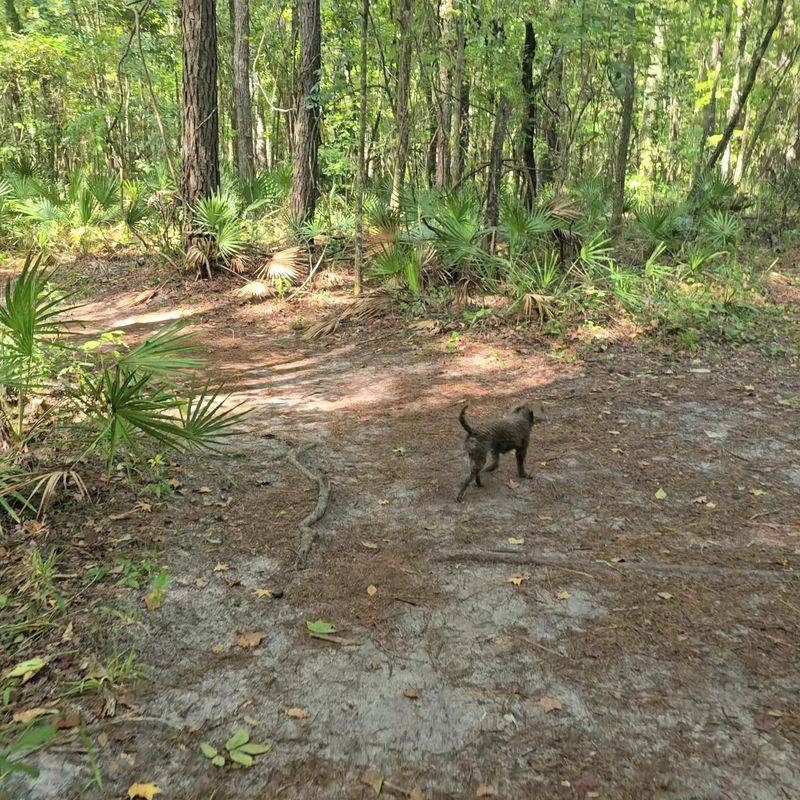
Dog owners with older pups can enjoy the gentle rim trail. The shade keeps things comfortable.
The mood is serene and peaceful. Some people say they could linger at the bottom for quite a while.
It is a small park, so it suits a short visit best. Small size, big personality.
Bug Spray and Other Smart Moves
Mosquitoes are part of the deal here. Wearing insect repellent is one of the most common tips for this park.
Lots of shade helps on hot days. Even in heat, the tree cover keeps the walk manageable.
Comfortable shoes make a difference. Roots on the trail and many stairs call for good footing.
Bring water, especially if you plan to do the stairs. The climb back up is no joke.
Plan for limited seating at the bottom viewpoint. Rest on the landings and benches instead.
Overcast days tend to be a pleasant choice. They keep the sun from adding extra effort.
Prepare well, and the park takes care of the rest. A little planning keeps the fun high and the itching low.
Hours, Fees and Getting In
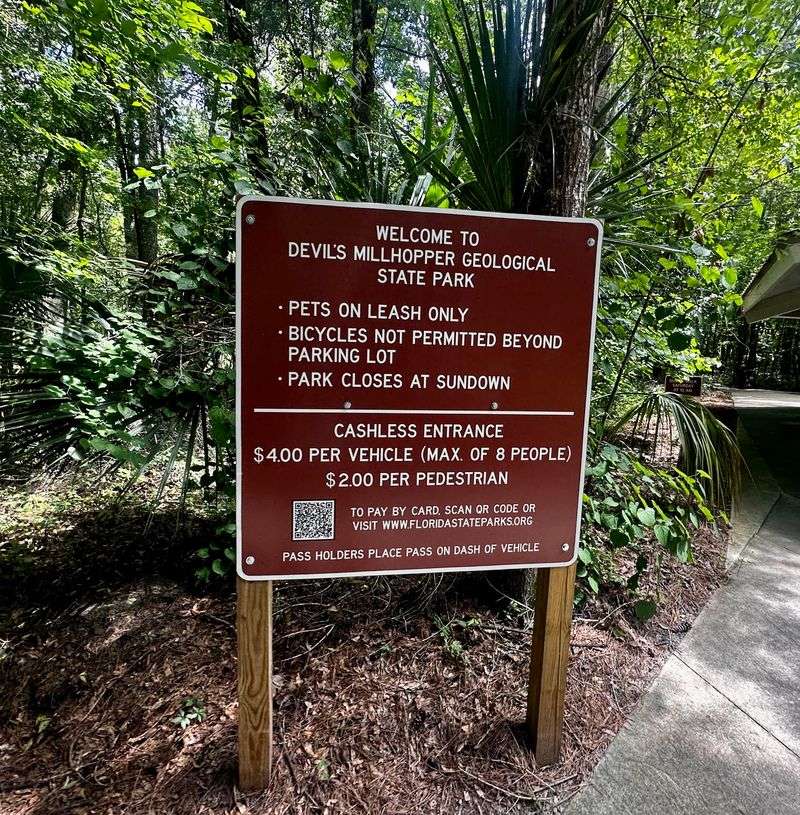
Good news for early birds and late walkers alike. The park is open every day from 8 am to 7:45 pm.
Entry is affordable. The fee is $4 per vehicle, or $2 per person.
Paying is easy. A QR code lets you pay by phone, and online payment works too.
Florida State Parks pass holders do not need to pay the daily fee. That makes repeat trips even simpler.
From the park entrance, a short drive brings you to the lot. Then a quick walk leads to the visitor center and the boardwalk.
Saturday mornings bring the guided walk option. Arrive early if that interests you.
For current details, the official Florida State Parks website is the best source. Four dollars rarely buys this much scenery.
A Small Park Worth the Detour
Some places win hearts with size, and others win with surprise. This park belongs firmly in the second group.
A 120-foot sinkhole, seasonal waterfalls, and a staircase with a bead counter make it memorable. The rim trail and its little bridge add a quieter layer most people skip.
The trail could be longer, and the bottom viewpoint lacks seating. Those are small trade-offs for such an easy, low-cost stop.
Clean facilities, friendly rangers, and plenty of shade round out the experience. It all comes together in a tidy package.
Natural Florida shows up here in a way that feels fresh. It is a reminder that the state has more going on than beaches.
Plan for a few hours, bring bug spray, and check the weather for waterfall chances. Then go find the bridge that most tourists never see.
The ground dropped long ago, but this park keeps lifting spirits today.
Enjoyed this story?
Add Fast Food Club as a preferred source to see more of our reporting on Google.