


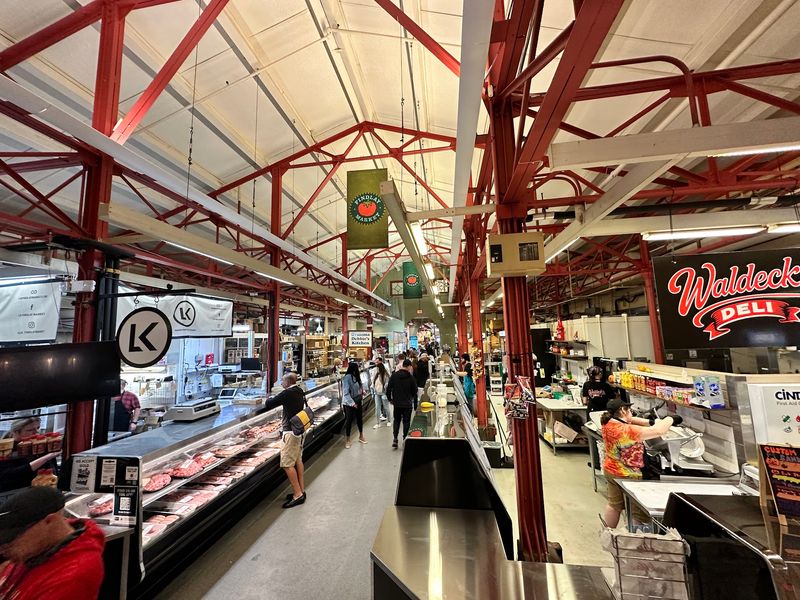
Some places in Cincinnati have been around longer than most of the streets near them. One of them opened its doors in 1855, and people still show up with shopping bags and big appetites.
Cold weather does not slow the crowd much, because the main hall keeps vendors working under one roof all year. Butchers, bakers, spice sellers, and cheese counters have turned grocery shopping into a weekend outing for locals and travelers alike.
The surrounding neighborhood adds bright murals, small boutiques, and outdoor seating to the mix. This guide walks through the history, the standout stalls, the crowds, the parking puzzle, and the hours worth knowing before a trip.
By the end, planning a visit should feel easy, and the only hard part will be deciding what to carry home.
A Historic Hall on Race Street
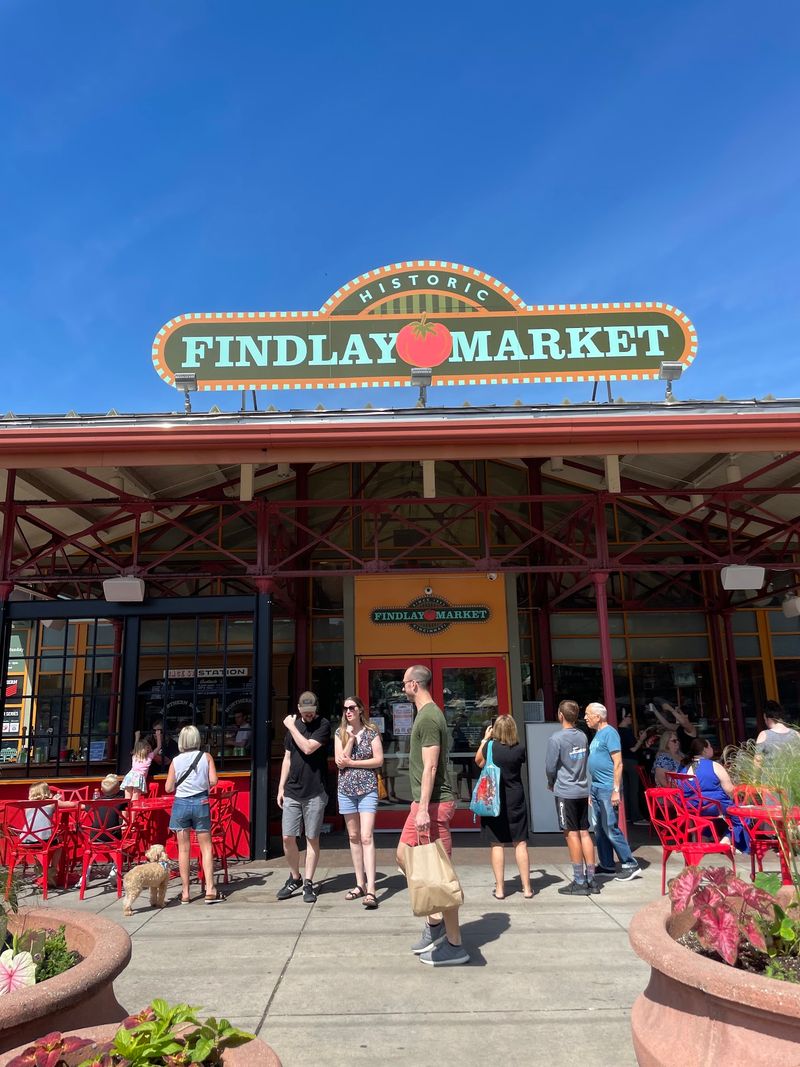
Few grocery trips come with a history lesson attached, yet that is exactly what happens here. Findlay Market sits at 1801 Race St, Cincinnati, OH 45202, in the state of Ohio, United States.
The market has served the city as a public market since 1855. That makes it one of the longest running shopping spots in Cincinnati, and it still works as a real place to buy food rather than a museum piece.
At its core is a single long building that stretches straight back, lined with permanent indoor vendors. Outside, more sellers set up shop, and a seasonal farmers’ market adds even more variety when the weather allows.
The layout is simple to follow. First timers sometimes expect something bigger, but the compact design makes it easy to see everything in one visit and loop back for a second look.
Regulars treat it as their weekly grocery run. Travelers often call it a must on a first trip to the city, and the steady stream of shoppers backs that up.
Knowing where it is turns out to be the easy part, because the real question is how a market from 1855 stays this busy.
Since 1855, Still Open for Business
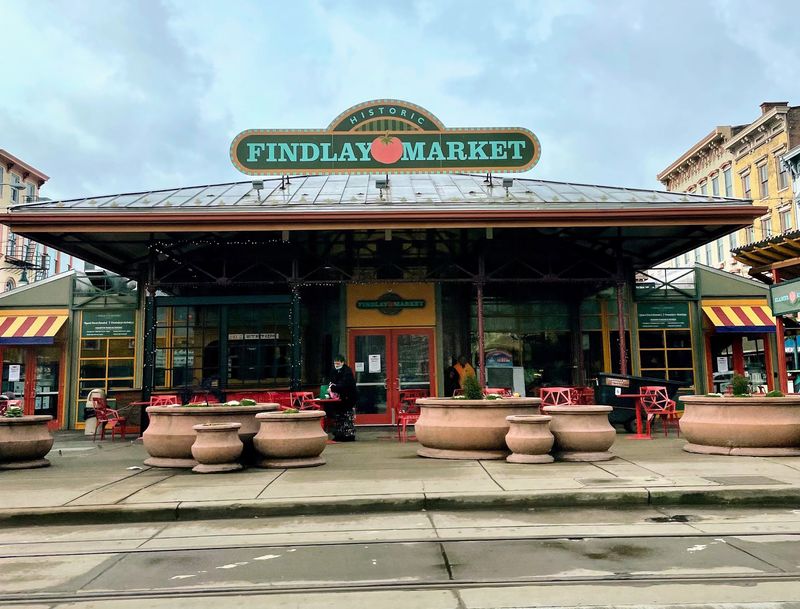
Plenty of businesses fade after a few decades. This one has been selling food to Cincinnati since 1855.
For generations it has been a hub for vendors offering meat, produce, and other local foods. That purpose has stayed steady, even as the city around it changed.
Shoppers often mention the sense of history that runs through the space. The building feels rooted in the past, but the crowd and the vendors keep it lively and welcoming.
That balance is a big part of the appeal. People come for groceries and leave with a small taste of how the city has eaten for well over a century.
The market also works as a community anchor. Local businesses fill the stalls, and many families have made it part of their routine.
Out-of-town guests are often brought here by relatives who live nearby. A recommendation from a local tends to be the first step for many first visits.
History may be the headline, but the stalls inside are what keep the story going.
Winter Shopping Under One Roof
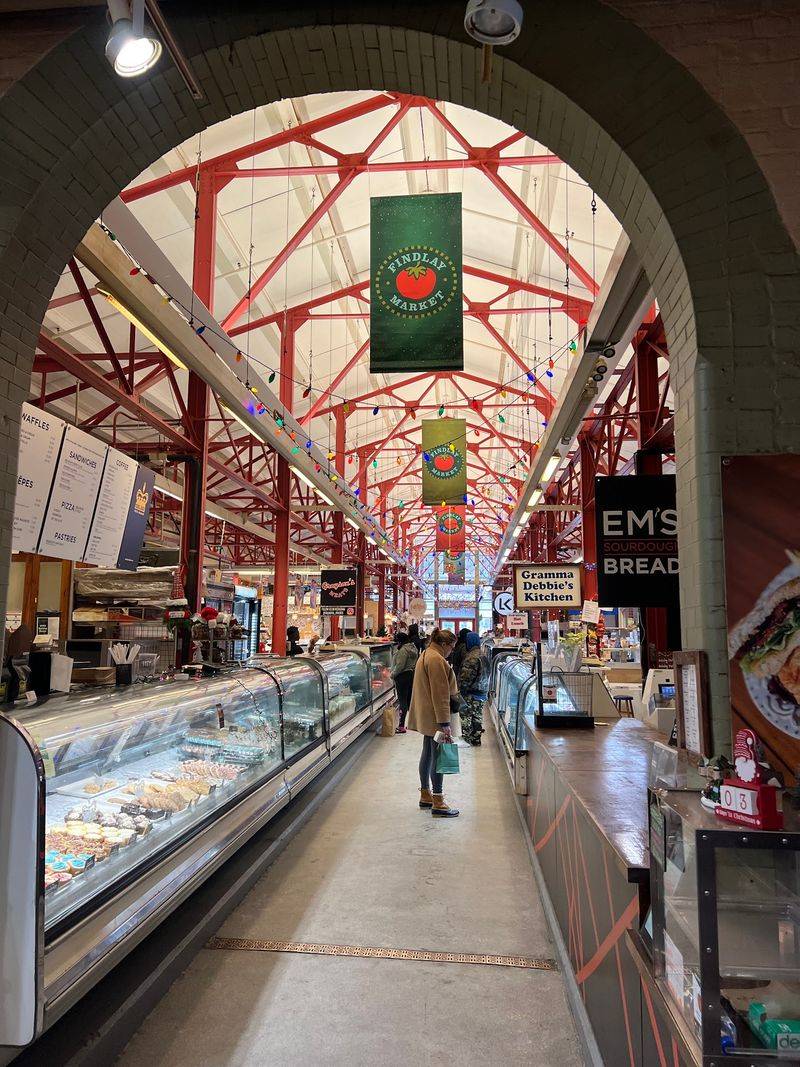
Cold months send many open air markets into hibernation. Here, the indoor hall keeps the action going.
The permanent vendors inside the main building stay open through the year. That means meat counters, cheese cases, baked goods, and spice shelves remain available when the outdoor stalls quiet down.
The interior is clean, well organized, and comfortable to browse. Shoppers can move from stall to stall without worrying much about the weather outside.
The seasonal farmers’ market is the part that comes and goes. In warmer months, outdoor vendors add fruits, flowers, crafts, and produce to the lineup.
So a winter visit is a little more focused. The heart of the market, though, is fully intact.
Locals keep showing up for staples all year long. Hours stay consistent through the week, so planning ahead is simple.
A chilly forecast is no reason to skip a trip, and the meat counters inside make a strong case for bundling up and heading over.
Butcher Counters With Serious Range
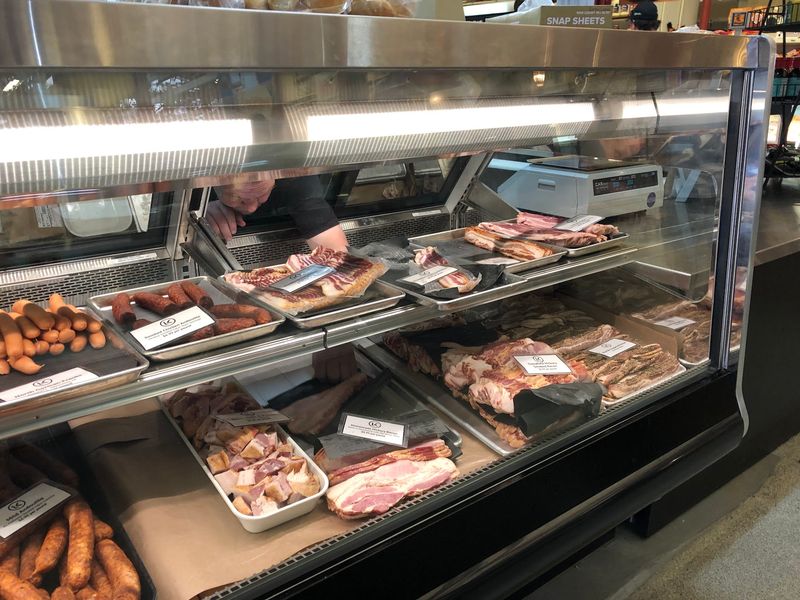
Grill owners, take note. Meat is one of the biggest draws at this market.
Several butchers work inside the hall, offering fresh cuts that shoppers can take home for the barbecue or the dinner table. Fish is also on the list for those planning a seafood night.
The selection gets frequent praise from both locals and travelers. Many people stock up for the week in a single stop.
Deli counters add another layer. Waldeck’s Deli is known for its selection of deli meats and cheeses, and the staff there hand out samples with friendly service.
Sampling is part of the fun. It helps shoppers try something new without committing to a full pound of it.
Travelers from far away sometimes skip the raw meat simply because it will not survive the trip home. Locals, on the other hand, tend to treat these counters as their main reason to visit.
Meat may bring people in, but a few aisles over, the spice shelves are quietly stealing the spotlight.
Spice Shelves and Cheese Cases
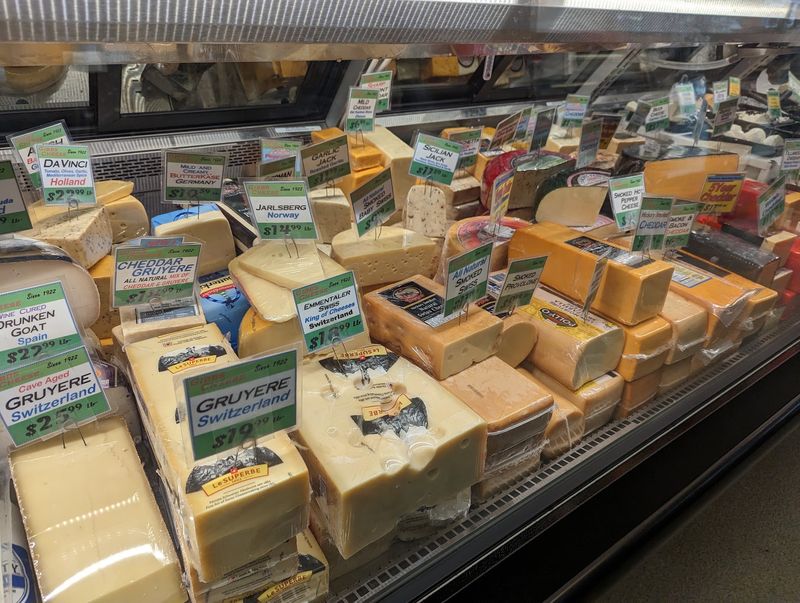
Home cooks have a way of getting lost in the spice section. With so many jars to choose from, picking just one can take a while.
Spices are among the most talked about items at the market. The variety is wide enough that some shoppers plan return trips just to try more.
Cheese is another strong suit. The counters carry a solid range, and pairing a cheese haul with fresh bread is a popular move.
Specialty foods round out the mix. Ethnic foods, salads, and prepared items sit alongside the staples, so it is easy to fill a bag with something unexpected.
Organic foods and general groceries are also available. That makes it practical for a full shopping trip, not only a fun browse.
The best strategy is a slow lap first. Seeing everything before buying keeps the bag from filling up at the first stall.
Savory shopping is only half the plan, since the sweet side of the market has its own loyal fans.
Sweet Stops: Gelato, Fudge, and Waffles
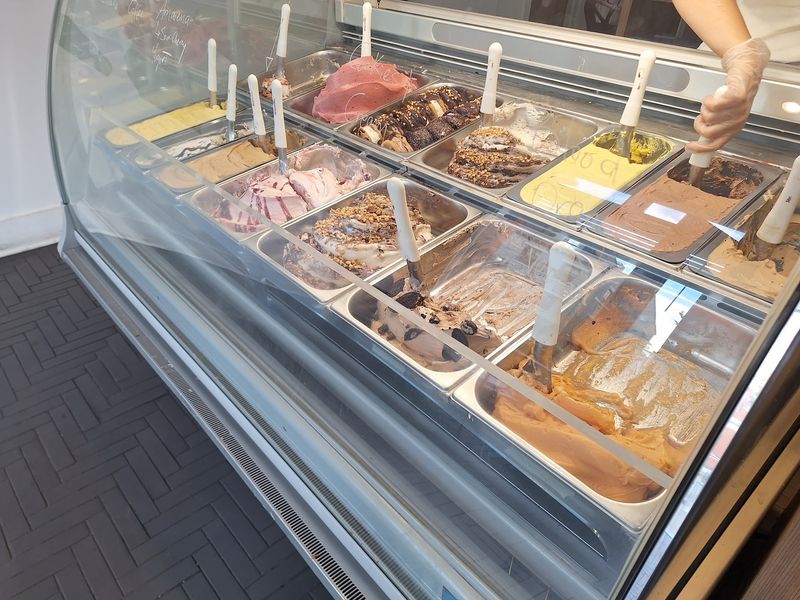
Dessert lovers will not go home empty handed. Sweets are a big part of what keeps people circling back.
Gelato gets plenty of attention. Baked goods, including breads and cookies, are another common pick.
A homemade fudge stand inside the market lets shoppers try a few flavors before choosing. That small gesture turns a quick stop into a favorite memory for many.
Taste of Belgium is also here. Belgian waffles and cheesecake from this vendor often travel home as treats for the family.
Out-of-town guests tend to lean toward sweets. Cookies and fudge pack far better than raw meat for a long drive.
Prepared food counters and small restaurants inside the hall also serve meals. Pierogies and full lunches make it easy to eat on site instead of just shopping.
A good tip is to arrive hungry. Eating first may leave little room for all the tempting options.
With a snack in hand, the next stop is outside, where the neighborhood adds its own charm.
Murals, Boutiques, and Live Music Outside

The fun does not end at the market doors. The streets around it are part of the experience.
Many nearby buildings feature painted murals and bright colors. The neighborhood has a welcoming, local feel that invites a slow walk.
Boutique shops line the area across the street. A bee shop and a candle shop, where guests can make their own candles, are among the quirky finds.
Outdoor seating gives shoppers a spot to relax and eat. Clean public restrooms are also available, which is a welcome convenience.
Some afternoons bring live bands setting up to play. That adds a lively, festive layer to an ordinary shopping day.
Craft vendors and natural body products appear too. Essential oil items are among the non-food purchases people carry home.
Dogs are welcome company, and the market is known as very dog friendly. Four-legged shoppers seem to enjoy the outing as much as their owners.
All that activity has a downside, and it shows up during peak hours.
Crowds, Timing, and Who Will Love It
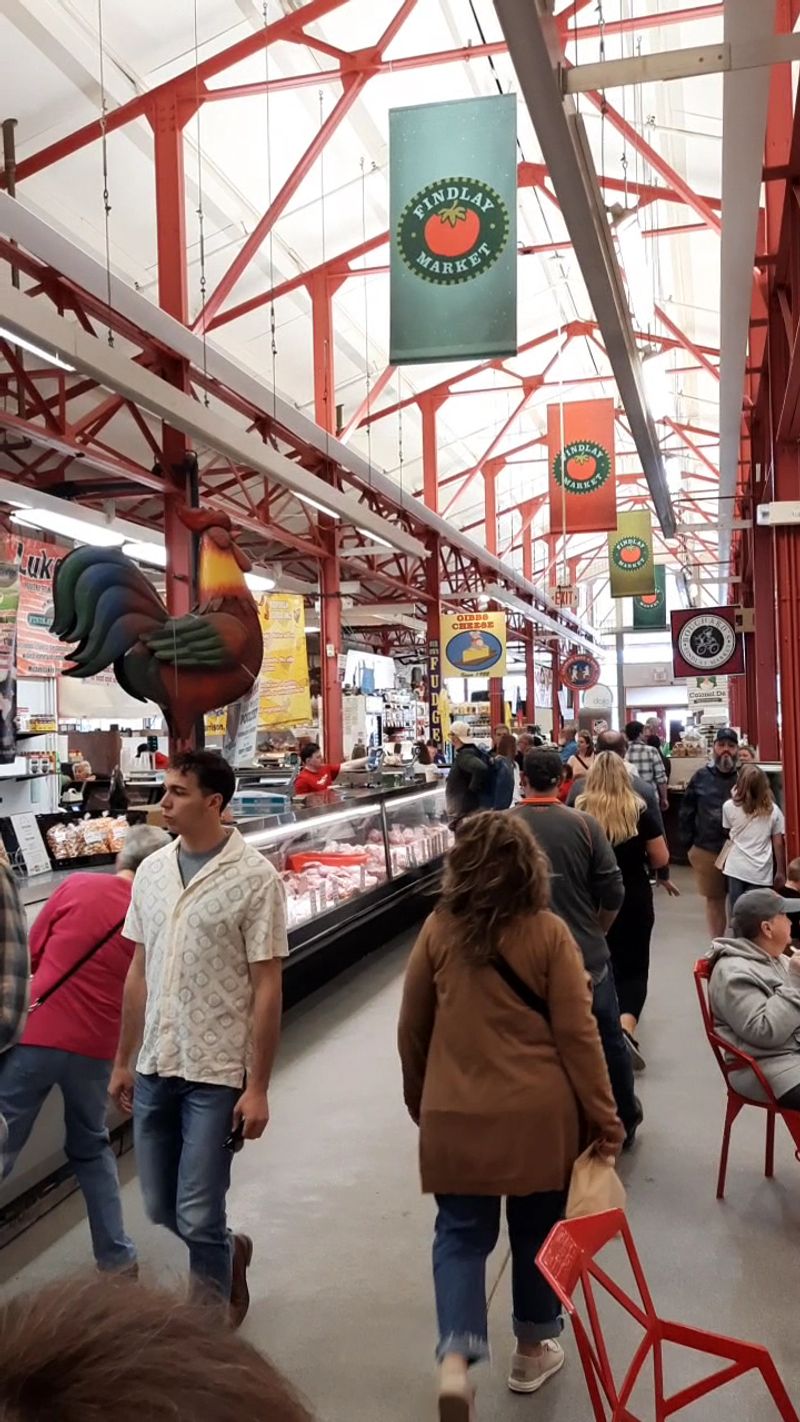
Popularity comes with a price, and here it is paid in polite elbow room. The market can get crowded, especially at busy times.
Shoppers should be ready to say excuse me more than once. The single long building fills up quickly on peak days.
Comfortable walking shoes are a smart choice. Most people make several laps to see every stall.
Saturdays offer the longest window, starting at 8 AM. Arriving early can help beat the biggest rush.
The market suits a wide range of people. Home cooks, foodies, families, and travelers looking for a local experience all find something.
Those expecting a massive complex may be a bit surprised by its size. The compact scale, though, makes it easy for first timers to explore without a map.
Vendors are often described as friendly and happy to answer questions. That makes the busy aisles feel more welcoming than stressful.
Crowds are manageable, but getting there takes a little planning, mainly when it comes to the car.
Parking Puzzles and the Streetcar Fix
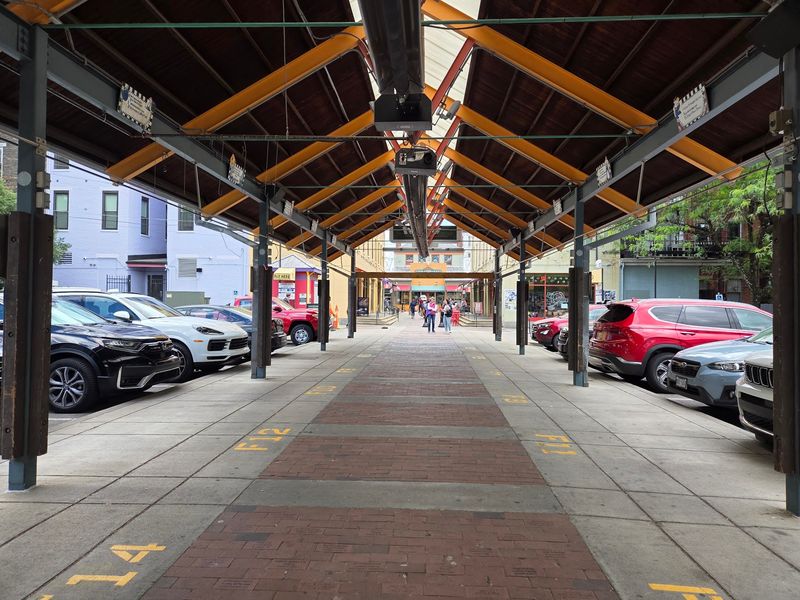
Ask any regular about the hardest part of a trip, and parking will likely come up. It can be a challenge, especially for newcomers.
A paid lot sits on the side of the market. Drivers pay after parking, which can confuse first timers.
Nearby paid parking is also available. Some shoppers find a spot a block away, which is still a short walk.
The streetcar offers an easy alternative. It is free and connects the market with other parts of downtown Cincinnati.
Riding in skips the parking hunt entirely. It also makes it simple to pair a market visit with other city stops.
Getting there is generally described as convenient. Once the car is sorted, the rest of the day flows smoothly.
Early risers have one more tip. A nearby coffee shop opens at 7 AM, while the market coffee shop opens at 9 AM.
With travel sorted, the last piece is knowing exactly when the doors open.
Hours Worth Saving Before a Visit
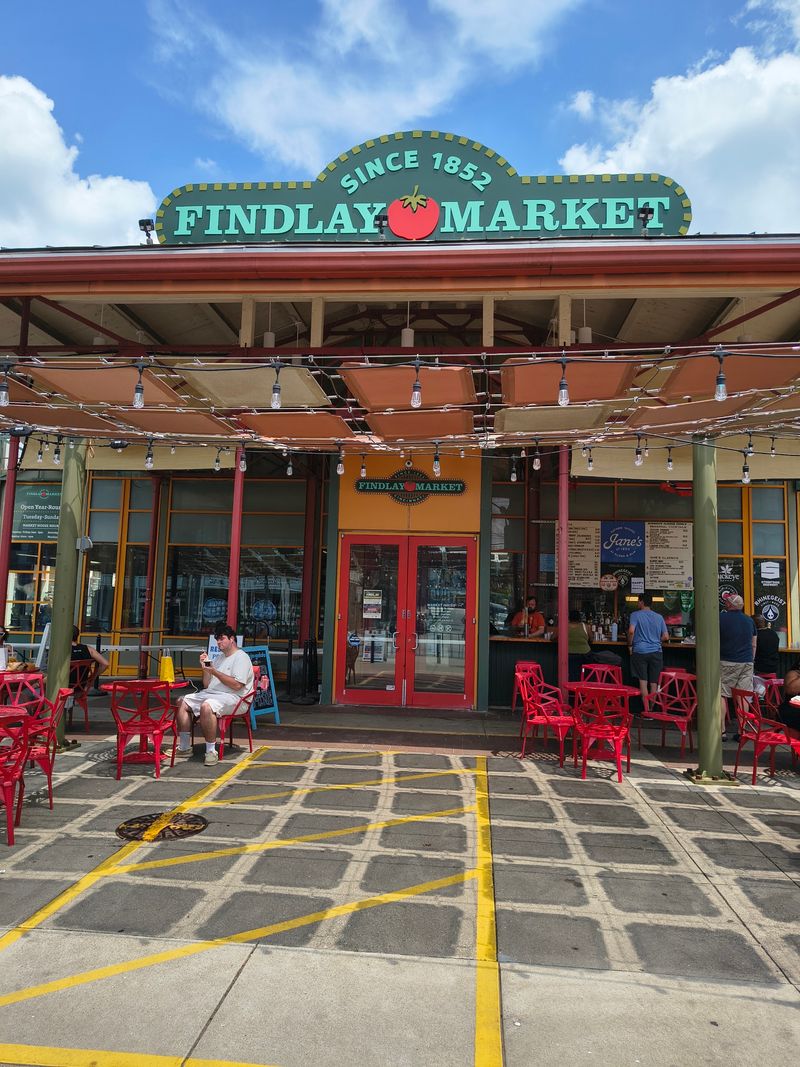
A closed door is the worst souvenir. Checking the schedule first saves a wasted trip.
The market is closed on Mondays. From Tuesday through Friday, it runs from 9 AM to 6 PM.
Saturday opens earlier, from 8 AM to 6 PM. Sunday has shorter hours, from 10 AM to 4 PM.
More details are available on the official website at findlaymarket.org. Vendor schedules and seasonal farmers’ market dates are worth confirming there.
The verdict is easy to reach. With a 4.7 star standing across thousands of opinions, this market has earned its reputation the steady way.
It works as a weekly grocery stop, a lunch outing, and a history lesson all at once. Winter only trims the outdoor stalls, not the reasons to come.
For anyone passing through Cincinnati, a few hours here offer a real look at how the city shops and eats.
After more than 170 years, the market still has its doors open and its counters full, and that is the best invitation of all.
Enjoyed this story?
Add Fast Food Club as a preferred source to see more of our reporting on Google.