


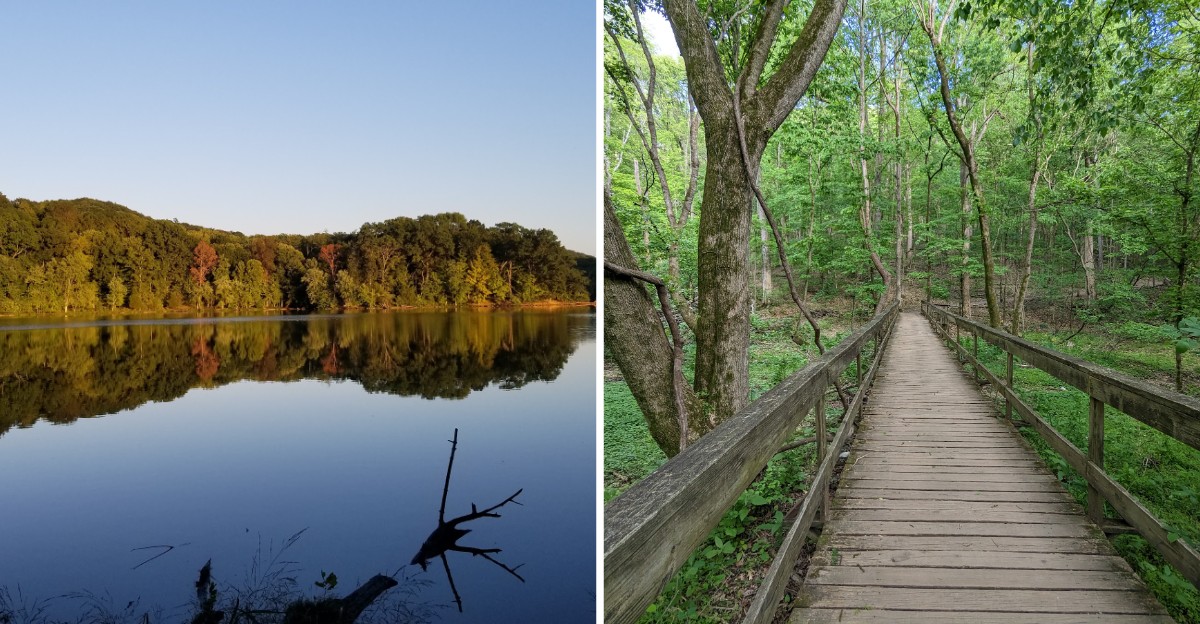
Nashville is famous for neon signs, packed sidewalks, and music pouring out of every open door. Yet a short drive south of all that buzz, a bald eagle might be watching over a quiet lake while turtles line up on fallen logs.
Deer wander close to the trail, herons stand still in the shallows, and otters sometimes show off near the water. The paths here are easy enough for toddlers on scooters, yet the wooded ridges still give serious hikers a workout.
This spot is open every single day, and it rewards people who show up early. Keep reading to learn where it is, which trail fits your mood, what wildlife you might meet, and the parking tricks that can save your morning.
By the end, you will know exactly how to plan a calm, wild escape without leaving the city behind.
A Wild Pocket in South Nashville
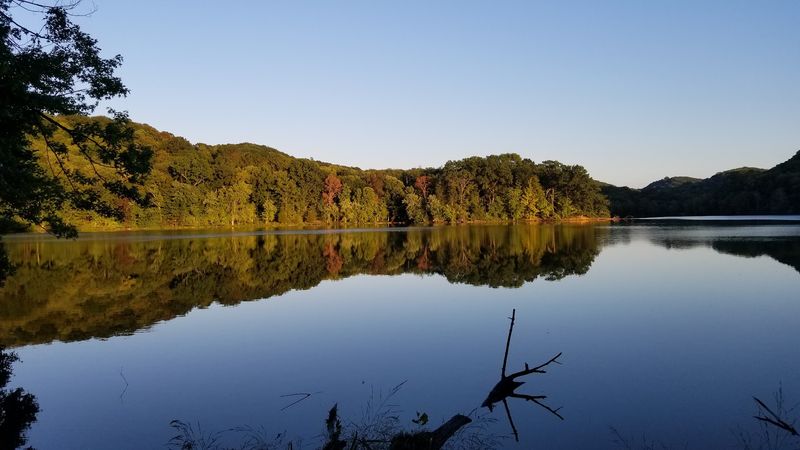
Some city parks offer a patch of grass and a bench. Radnor Lake State Park offers 1,368 acres of protected native wilderness.
The park sits at 1160 Otter Creek Rd, Nashville, TN 37220, in the southern part of Davidson County in Tennessee, United States. That puts it a short drive from downtown, yet it feels like a world apart once the trees close in.
The heart of the park is a lake ringed by forested hills. Six hiking trails wind through the property, and they show off native wildlife and plants at every turn.
A visitor center anchors one side of the park. It helps newcomers get their bearings before heading out on foot.
The park carries a 4.7-star average from more than 4,000 people, which says a lot about how locals feel. Many call it one of the best kept secrets in Nashville, even though plenty of people clearly know about it.
What makes the place stand out is its focus. There is no water recreation here, so the lake belongs to the herons, ducks, and turtles.
That simple rule shapes everything about the experience. The next sections explain why it matters so much.
Rules That Keep the Woods Quiet
Here is a park that asks you to slow down, literally. Running is not allowed on the trails, so joggers need to save their sprints for somewhere else.
Dogs also face limits. They are welcome on the paved road, but they are not permitted on the wooded trails.
The reason is simple. The wildlife here is famously unbothered by people, and the park works hard to keep it that way.
Fewer barking dogs and fewer pounding feet mean deer can graze near the path. Turtles can sun themselves without diving away in a panic.
Strollers follow a similar pattern. The paved routes handle them easily, while the narrower lake trail through the woods is off limits for wheels.
The lake itself stays off limits for boats and swimmers. It is a place to look, not a place to splash.
Some first-timers are surprised by these rules. Most leave understanding them, because the payoff shows up around nearly every bend.
A calmer pace turns a normal walk into a slow, rewarding search. Think of it as hiking with the volume turned down.
The Easy Paved Path Along the Water
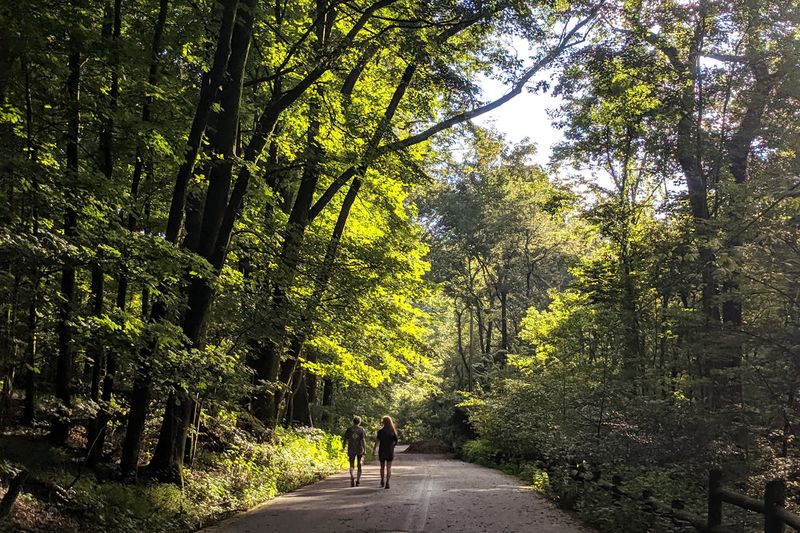
Not every great nature walk needs a steep climb. The paved route at Radnor is wide, flat, and almost road-sized in places.
Newly paved sections make it smooth for strollers. Young kids can even ride scooters along it without trouble.
From the Franklin Road side, the lower paved trail reaches the lake in about 15 minutes. Plenty more paved path continues beyond that point.
This is also the route where leashed dogs are welcome. Families, walkers, and pets share the space, yet it rarely feels overcrowded.
The views are a big part of the appeal. The road runs close enough to the shore for clear looks at the lake and its waterfowl.
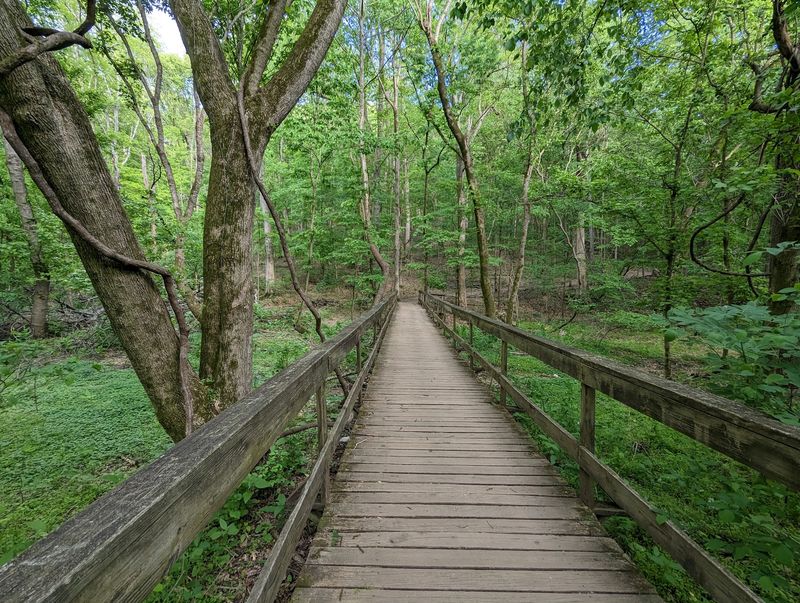
A popular short loop combines a wood chip path through the forest, a bridge crossing, and a return along the road. It gives a taste of both worlds in a single outing.
Benches and rest spots appear along the way. Nobody has to rush.
For parents easing little ones into nature, this route is a winner. Steep terrain stays out of the picture, and the wildlife still shows up.
Lake Trail and the Higher Ridges
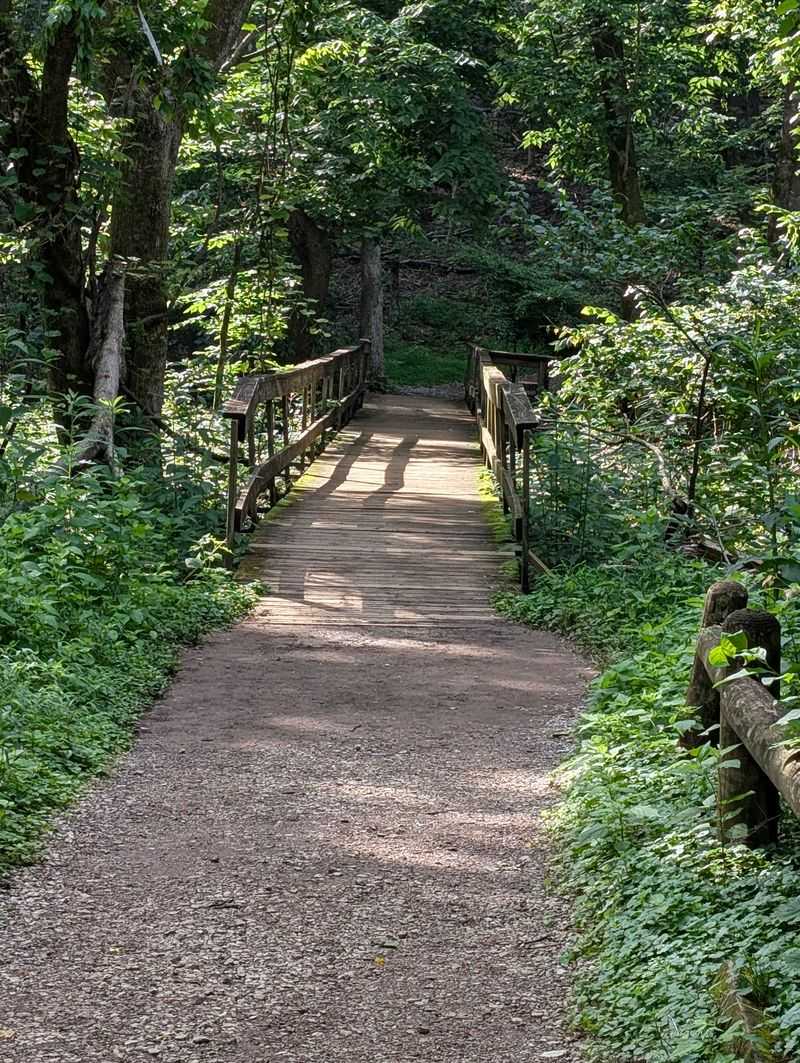
Ready to trade pavement for dirt? The Lake Trail is the park’s most talked-about route, and it delivers.
Hikers describe it as pretty simple and well maintained. It hugs the water through the woods, with frequent chances to spot birds, deer, and turtles.
A full loop around the lake runs a little over 2 miles by some counts and closer to 3 by others, depending on the route. About half of it is paved.
Many regulars say that is exactly the right length for a morning walk. It fits before work without feeling rushed.
Those craving more can head for the higher trails. Routes range from easy to strenuous, and some of them add real elevation.
The wooded paths can be occasionally steep. They also tend to draw fewer people than the main path.
Several longtime fans recommend these smaller, longer paths for the best experience. Quieter trails often mean closer wildlife encounters.
Trails are well marked, so getting lost is unlikely. The bigger challenge is deciding which one to tackle next time.
Eagles, Owls, and a Busy Lakeshore
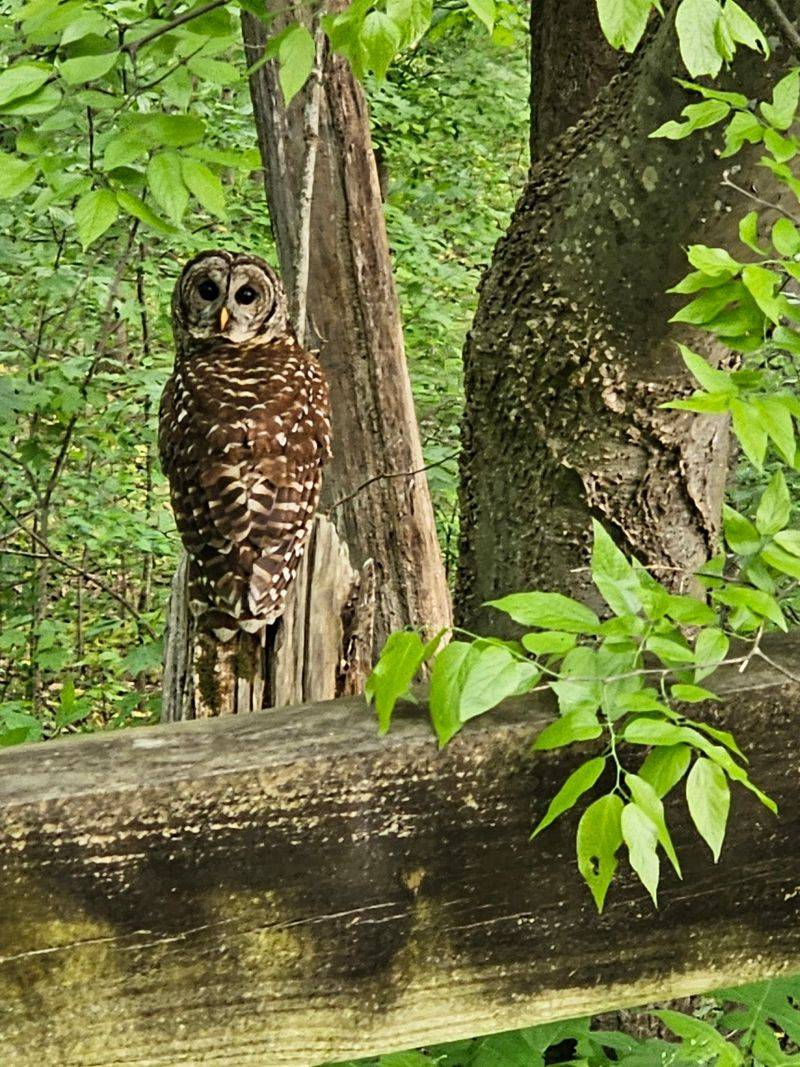
Wildlife is the main event here, and the animals seem to know it. Bald eagles top the wish list for many people who visit.
An eagle nest draws crowds of hopeful watchers. In the right season, there is a chance to see the eaglets too.
Owls make regular appearances. Some people spot them perched near the trail, while others only hear their calls.
Great blue herons patrol the shallows. Ducks paddle under the bridge, sometimes with a line of ducklings trailing behind.
Woodpeckers keep busy in the trees. A male pileated woodpecker has even been seen feeding a young bird on the ground before both flew off together.
Cardinals add a splash of color on gray days. Raptors circle overhead.
Nature photographers show up in good numbers with long lenses ready. Birders bring binoculars and patience.
Even casual walkers often leave with a surprise sighting. Some describe the experience as finding an easter egg at every turn, which is a fine reason to pack a camera.
Turtles, Otters, Deer, and Friends
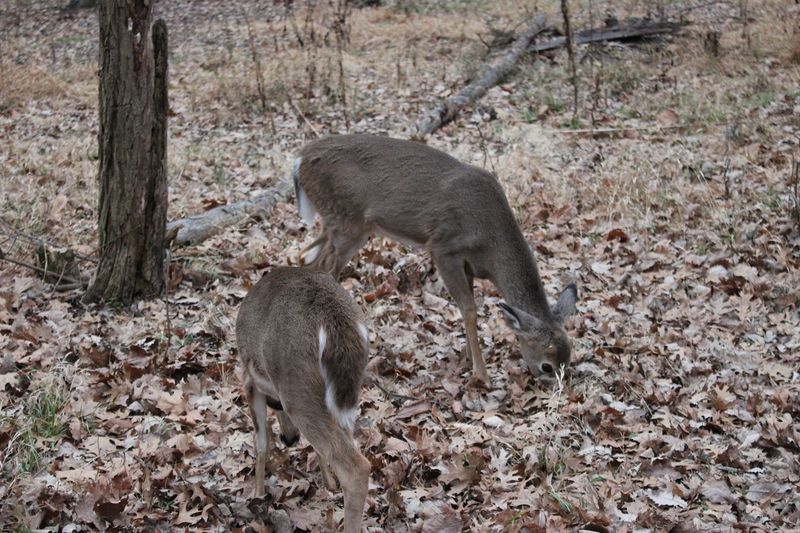
Birds get plenty of attention, but the ground crew deserves credit too. Deer are among the most common sightings, and they are not shy.
Some deer allow people to approach surprisingly close on the wooded trails. Keeping a respectful distance is still the smart move.
Turtles crowd the logs along the shore. Snapping turtles and several other varieties call the lake home.
River otters are a fan favorite. Lucky walkers catch them swimming or playing near the water.
Wild turkeys stroll through the woods like they own the place. In a sense, they do.
Beavers appear occasionally. Frogs, salamanders, squirrels, and chipmunks fill in the rest of the cast.
Kids tend to stay engaged the whole time. With so much moving around, boredom has a hard time keeping up.
Spring brings wildflowers and patches of moss along the trails. Fall is a standout season, and many people call the park lovely all year long.
The mix of creatures changes with each visit. That unpredictability is exactly what keeps people coming back.
Visitor Center and Aviary Stop
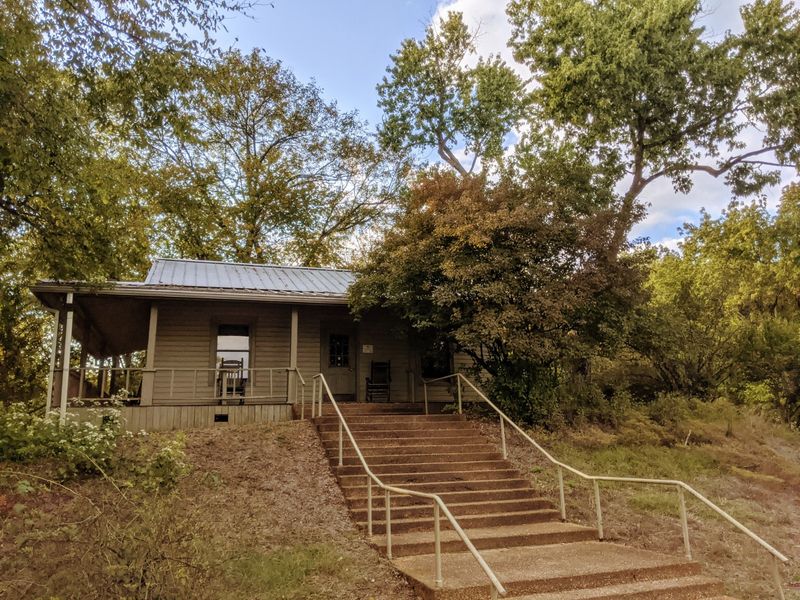
Before heading into the woods, a quick detour pays off. The visitor center sits at the Granny White entrance.
Inside, a small museum shares plenty of information about the area. The aviary is another highlight, and many families count it among their favorite stops.
Restrooms are available here as well. That makes it a practical starting point for longer outings.
This entrance also has more parking than the Franklin Road side. Extra spots sometimes open up along the road too.
On holidays, the building and restrooms may be open without staff on hand. Planning ahead helps if you have questions.
Learning about the wildlife first makes spotting it more fun. A heron becomes more than a tall gray bird once you know its habits.
Kids often get excited after seeing the exhibits. They head outside ready to hunt for the animals they just learned about.
A few minutes inside can shape the whole day. It is a small investment with a big return.
Hours, Entrances, and the Parking Puzzle
The park keeps a steady schedule. It opens at 6 a.m. and closes at 6 p.m., seven days a week.
Two entrances serve the park. The Franklin Road lot is smaller, while the Granny White side offers the visitor center and more spaces.
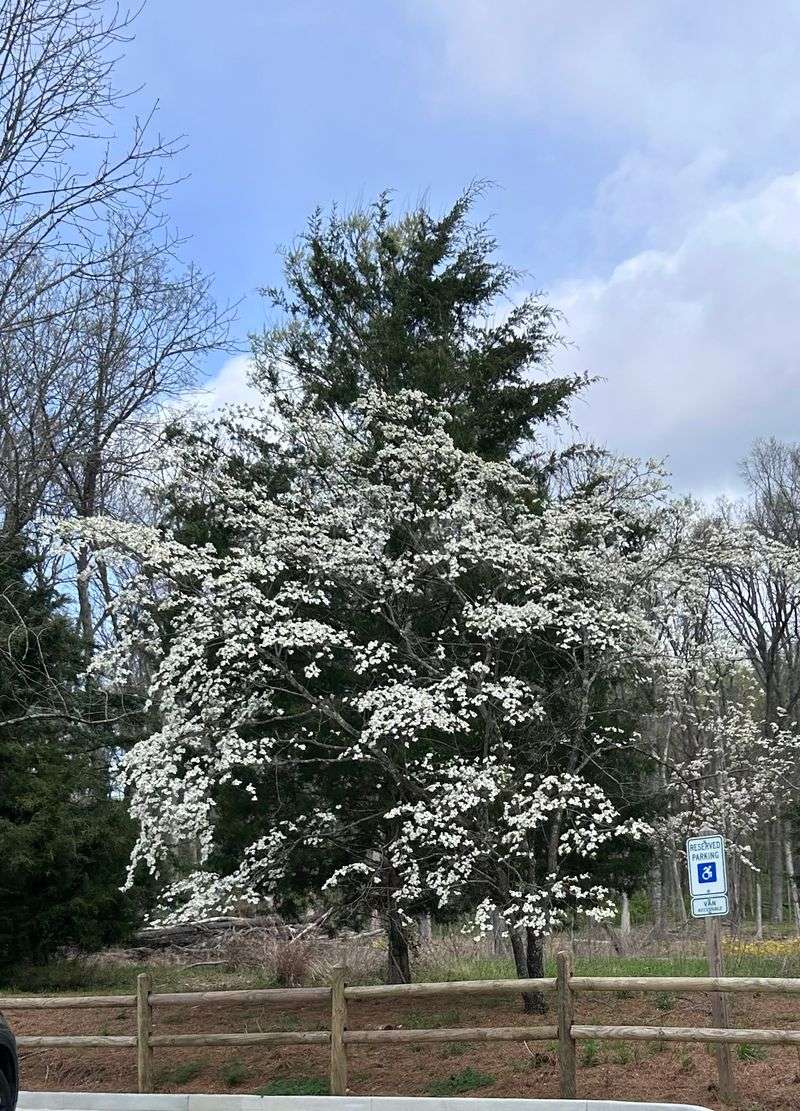
Parking is the one complaint that comes up again and again. Lots fill up fast on nice days, weekends, and holidays.
The park itself acknowledges that parking has long been a challenge at peak times. Signs for where to go next can also be limited.
Arriving early is the best fix. Families who arrive around 9 a.m. on a holiday weekend have still found spots at Franklin Road.
Leave later in the morning and you may see a short line of cars waiting. That line tends to move fairly quickly.
Patience helps too. Regulars say a space usually opens up if you wait a little.
A restroom sits at the top of the Franklin Road lot. Packing a backpack with water and snacks is a smart idea for longer walks.
For updates, the official park website at tnstateparks.com is the best place to check before you go.
Why the City Keeps Coming Back
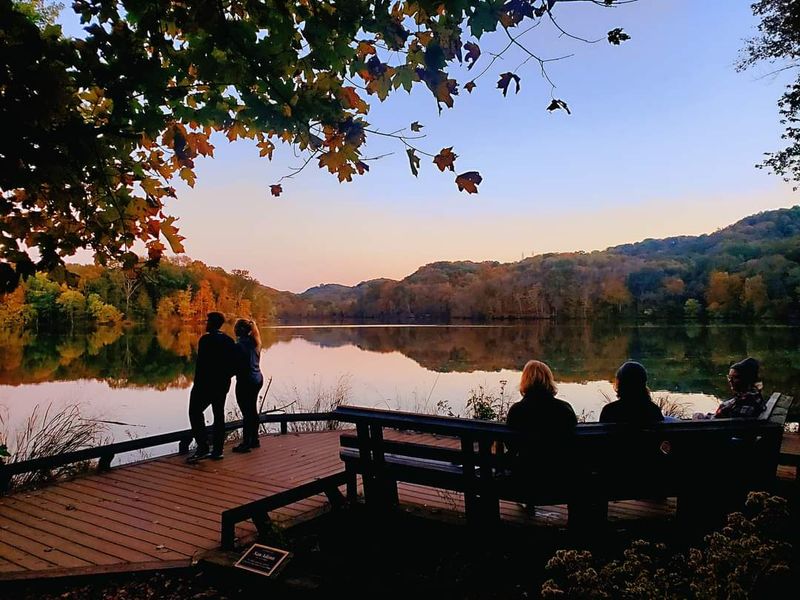
Plenty of parks look nice in photos. Fewer manage to feel like a true break from city life just minutes from home.
Radnor pulls it off with a simple formula. Protected land, gentle rules, and wildlife that does not hide.
Families with toddlers find flat paths and easy wins. Serious hikers find ridges and elevation.
Photographers find eagles and herons. Morning walkers find a loop that fits neatly before the workday.
The trails feel safe thanks to the steady flow of people. They are also well kept, with places to stop and rest.
Many people describe the park as a blessing for Nashville. Some go further and say it is the best park they have ever explored.
The parking may test your patience on a sunny Saturday. An early alarm clock solves most of that.
Bring curiosity, walk slowly, and keep your eyes on the shoreline. Odds are good the lake will have something waiting for you, and it might even have feathers.
Enjoyed this story?
Add Fast Food Club as a preferred source to see more of our reporting on Google.