


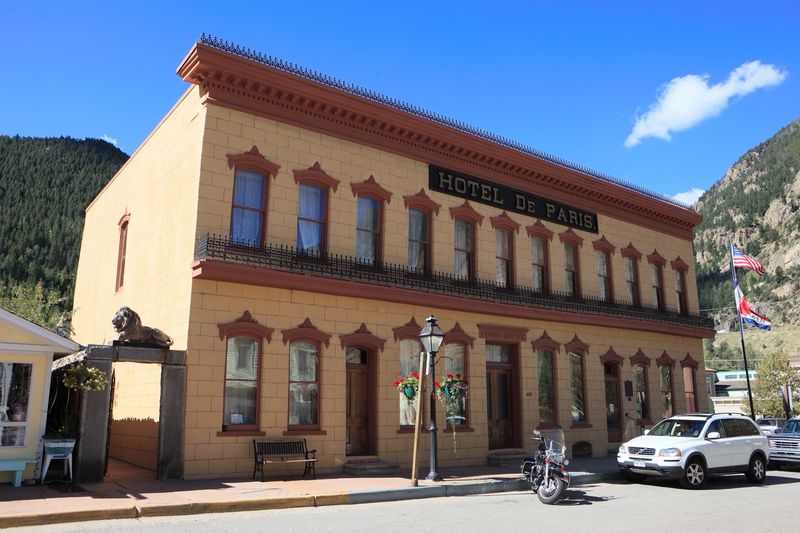
Some old buildings get gutted, repainted, and filled with replicas. One stubborn little hotel in Georgetown, Colorado, took a different path and kept nearly everything it owned.
The beds, the desks, the kitchen gear, and the pictures on the walls are still where the silver boom left them. Georgetown sits about 70 minutes from Denver, tucked into the mountains along I-70, and it was once a busy mining town full of big money and bigger dreams.
Today one of its most treasured stops lets people walk room to room through that era with a guide who knows every story behind the furniture. Keep reading to learn where it is, what makes it so rare, who runs the show, when the doors open, and why a single hour inside may change how you think about Colorado history.
A Mountain Town Address With a French Name
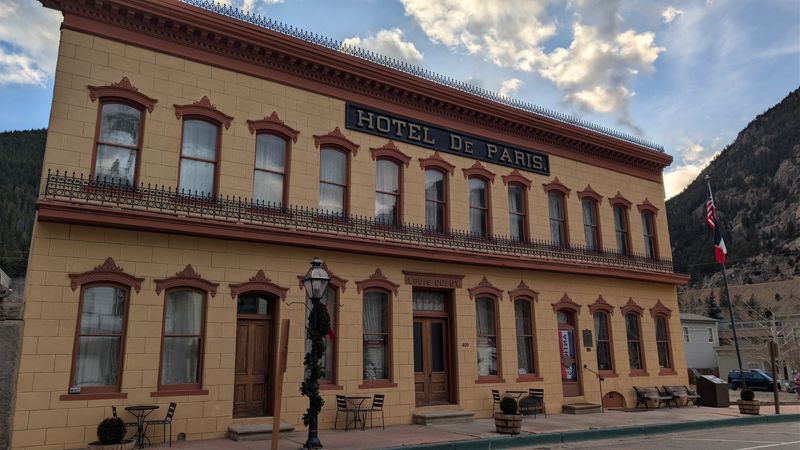
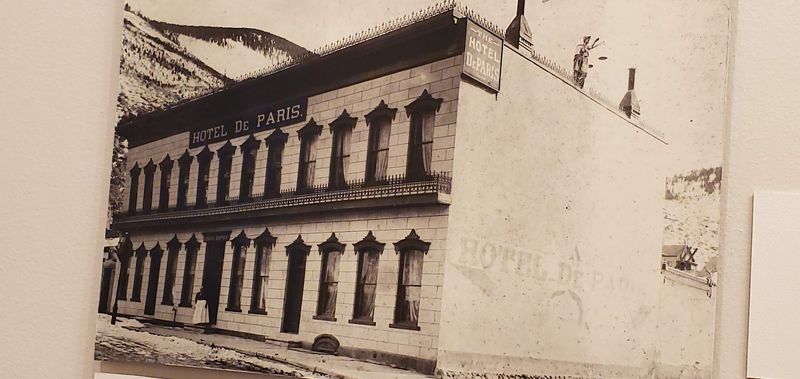
A French name in a Rocky Mountain mining town tends to raise eyebrows, and that is part of the fun. The building in question is Hotel de Paris, A Museum, found at 409 Sixth St, Georgetown, CO 80444, in the United States.
Georgetown is a small historic town west of Denver. The drive takes roughly 70 minutes, which makes it an easy day trip from the city.
The museum sits right on the main stretch of town. That means it pairs nicely with a stroll past other old storefronts and shops.
So what exactly is it? The site preserves an upscale hotel and French restaurant that dates back to the silver mining boom.
Back then, Georgetown was busy with miners, investors, and travelers. A place offering fine rooms and fancy dining stood out in a town built on rock and ore.
Today the building works as a museum with guided and seasonal tours. It holds a 4.8 star standing on Google from 145 opinions, which is impressive for a small-town history stop.
Most people come for the tour, and they leave talking about how much survived. The next sections explain why that matters so much.
The Man Behind the Mansion of Hospitality
Every great hotel has a founder with a strong personality. Here, that founder was Louis Dupuy, and the museum proudly calls the site his Hotel de Paris.
Dupuy ran the hotel during Georgetown’s silver boom. Guides spend a good part of each tour on his life and choices.
The stories cover more than one man, though. Tours tie together the many people connected to the hotel, including owners and the folks who worked there.
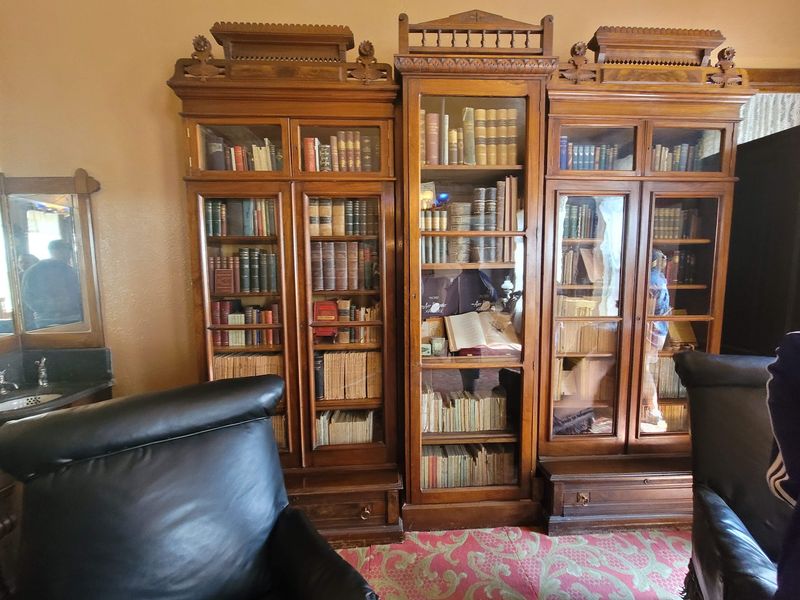
Guides also talk about the proprietor’s interest in intellectual matters. That detail helps explain why the building feels more refined than a typical frontier inn.
Even the shorter mini tour includes background on the people involved in the hotel’s history. Nobody gets just a list of dates and furniture.
This focus on people makes the visit easier to follow. Instead of a dusty lecture, the tour plays out more like a story with recurring characters.
Knowing who built the place sets up the biggest surprise inside. Hint: it involves how little has left the building.
Ninety Percent Original, Zero Percent Replica
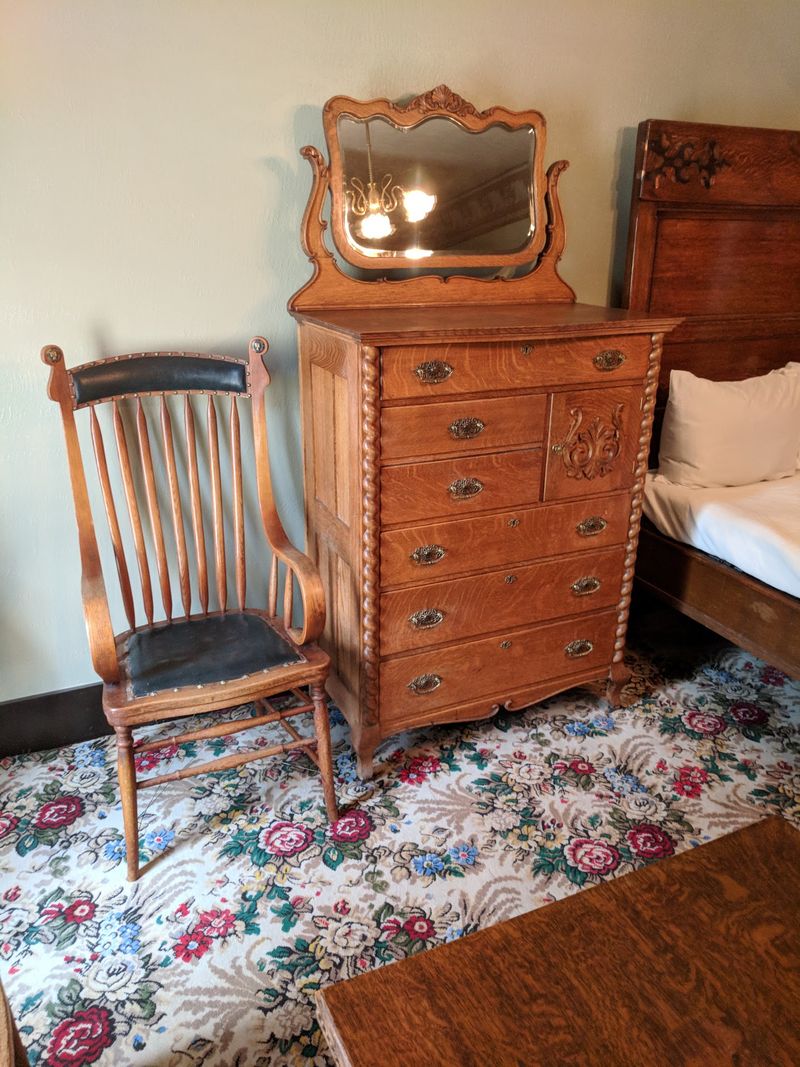
Here is the number that stops people in their tracks. About 90 percent of the items in the hotel museum are original.
That is rare. Many historic houses rely on period pieces bought later to fill empty rooms.
At Hotel de Paris, the furnishings, room layout, millwork, and pictures largely belong to the building’s own past. Much of the furniture is still in excellent condition.
Guests often describe the place as a true time capsule. The late 1800s setting holds together because so little was swapped out over the decades.
Original furnishings and original items come up again and again when people talk about the visit. It is easily the trait the museum is best known for.
The preservation work takes real effort. Curation and care show up in how neatly every room is kept and presented.
So when a guide points to a chair or a desk, it is usually the real deal. Not many museums can make that claim with a straight face.
A Kitchen That Kept Its Secrets
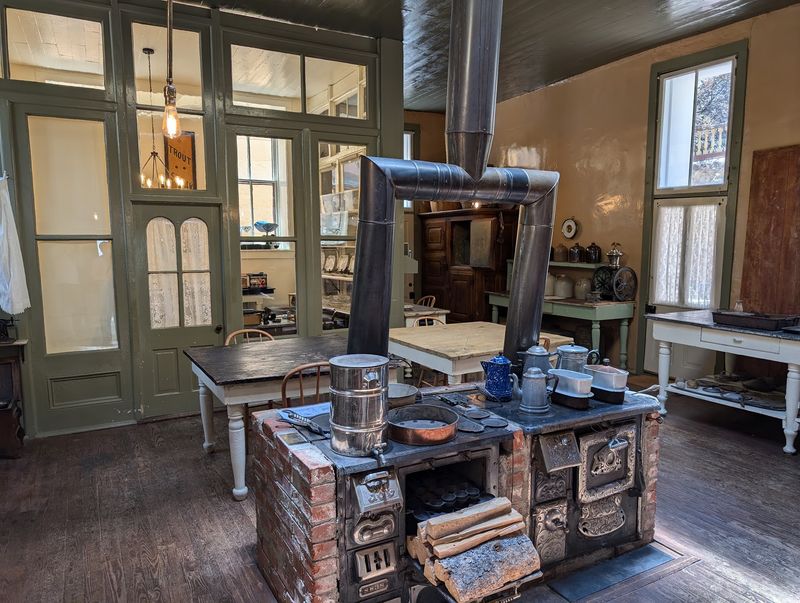
Fancy dining rooms get the attention, but the kitchen might steal the show. The hotel’s kitchen remains one of the most photographed spaces in the building.
It was the engine of a French restaurant during the mining boom. That makes it a key part of the hotel’s story, not a side note.
The kitchen still holds its historic equipment and layout. Seeing how meals were prepared without modern appliances is an eye-opener for many guests.
Beyond the kitchen, the tour also covers the laundry and other working areas. These spaces show the effort it took to run a high-end hotel in a remote mountain town.
The utilities are part of the display too. Guides explain how the building functioned day to day back in the 1800s.
For anyone curious about daily routines rather than only grand décor, these rooms deliver. They show the work that happened behind the polished doors.
Up next, the scene shifts upstairs and into the rooms where guests actually stayed.
Grand Rooms, Offices, and Upstairs Quarters
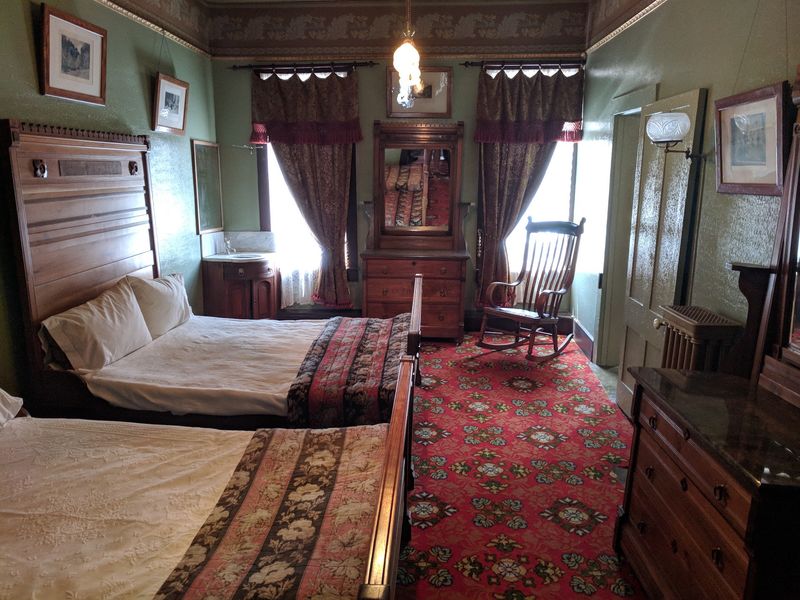
Hotels in the silver era were built to impress, and this one played the part well. Its grand entertaining rooms show how guests mixed and socialized.
Guides explain the purpose of each social space. That helps a room full of chairs and tables suddenly make sense.
The offices are part of the route as well. They give a peek at the business side of running the hotel.
On the second floor, the old hotel rooms are on display. Each one keeps its period look, complete with original pieces.
The building also includes the owner’s living quarters. Seeing where the proprietor lived adds a personal layer to the visit.
Moving between public rooms and private spaces gives a full picture of hotel life. Guests, staff, and owners each had their own corners of the building.
Outside, a courtyard patio offers a shady spot to sit after the tour. In winter, it can be covered in snow, which makes for a pretty photo.
Of course, rooms only go so far without someone to explain them.
Guides Who Know Every Floorboard
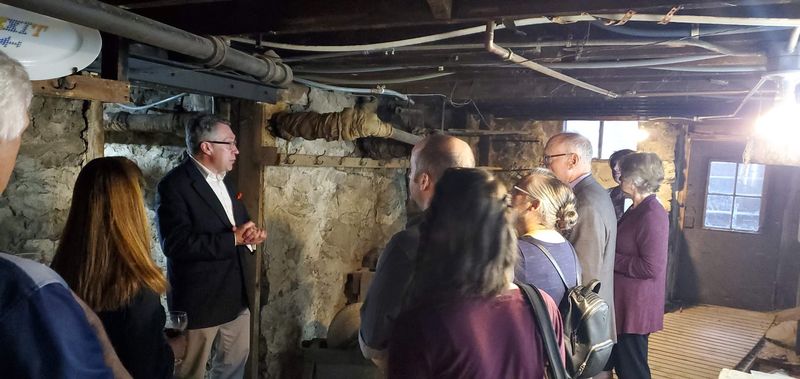
Ask anyone what made the visit memorable, and the guide usually comes up first. Knowledgeable and engaging guides are the most praised part of this museum.
Executive Director Kevin Kuharic often leads tours himself. He is known for answering questions well beyond the planned script.
Other staff members and local volunteers share the load. Friendly town ladies host the mini tours, and they are described as patient, helpful, and kind.
The storytelling style stands out. Guides deliver the history in a storybook way that links the hotel’s many characters together.
Passion shows in how they talk. Many come away feeling the staff truly cares about the building and wants others to love it too.
Questions are welcome, even from younger guests. Kids have been known to pepper guides with questions and get thoughtful answers back.
One small piece of etiquette helps everyone. Keep phones silent and voices low so the whole group can hear the story.
Full Tour or Mini Tour
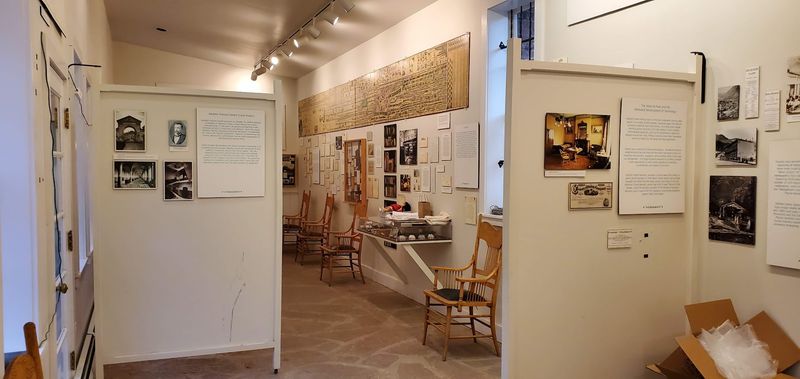
Time is tight on many mountain day trips, so the tour options matter. The museum offers more than one way to see the building.
The full guided tour runs about 45 minutes to an hour. It covers the hotel, Georgetown, and the owners in depth.
A shorter mini tour is also available at times. It still includes background on the people tied to the hotel’s history.
Some visits combine a guided preview with a self-guided walk. That option lets guests poke around at their own pace after the introduction.
People who love to linger may prefer that format. On a full guided tour, the focus is on listening, so there is less time to wander freely.
The museum itself recommends guided tours as the best way to understand the site. The depth of the story comes through best with a guide.
Tickets have been booked ahead for Saturday tours, and walk-ins have also been able to join an open time slot. Checking the website first is the smart move.
Antiques and a Gift Shop on the Main Floor
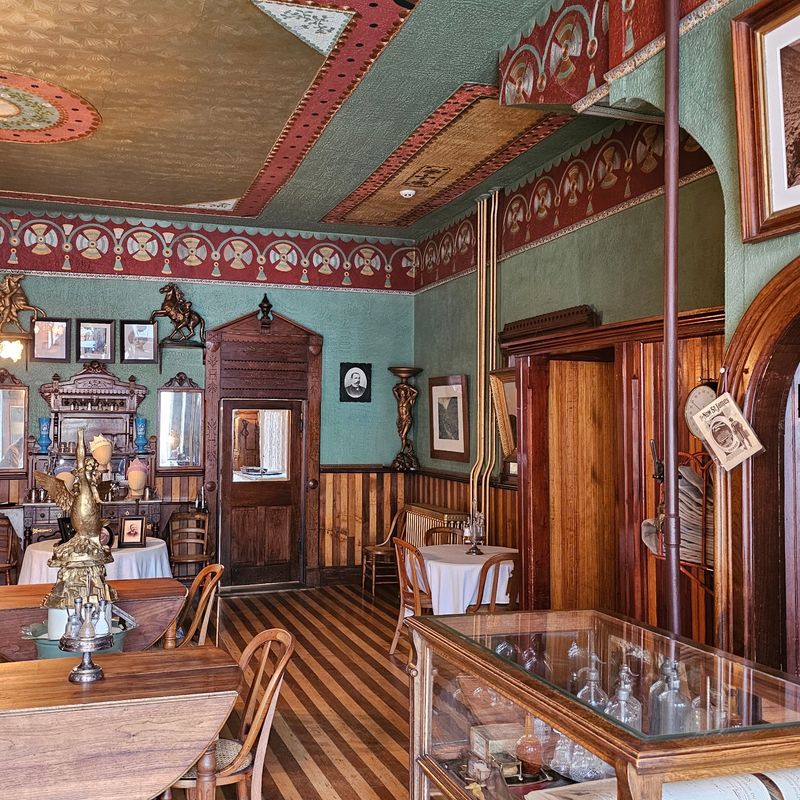
Not every museum lets guests take a piece of the past home. Here, the main floor includes a gift shop where antiques are for sale in the lobby.
The shop is also where tours usually begin. Staff there handle tickets and can point guests to the next open tour time.
The front desk crew earns kind words for being courteous and helpful. It is a welcoming first stop before heading deeper into the building.
Browsing the antiques is a nice way to fill time before a tour. It also pairs well with the overall theme of preservation.
Purchases help in another way too. The museum relies on public support to keep the site and its stories open.
So a small souvenir is more than a keepsake. It becomes a tiny contribution toward keeping this historic resource running.
Shoppers with an eye for old things may find this stop hard to leave quickly.
Holiday Trees and Special Events
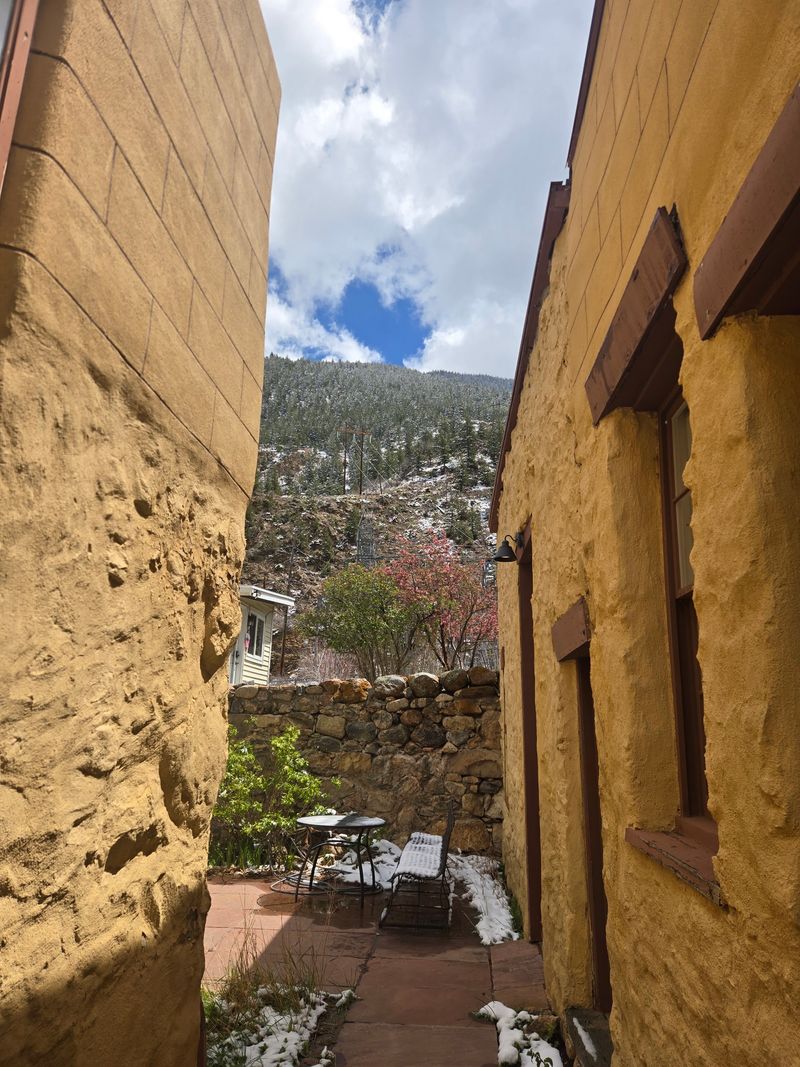
Winter brings a different mood to this old hotel. During the holiday season, the museum has opened on select December weekends to show off its decorated trees.
Georgetown in the snow is a popular sight. Pairing that with a festive museum visit makes for a cheerful winter outing.
Holiday dates change from year to year. The museum’s website is the place to confirm the current schedule.
Special events have also been part of the calendar. Experiential tasting events with cheese and charcuterie have been offered in the past.
These events give a fresh way to experience the rooms. They also help support the museum’s preservation work.
Seasonal tours are a key part of how the site operates. Not every month looks the same, so planning ahead pays off.
Fans of the building often say they want to return during a different season. With rotating events, a second trip rarely feels like a repeat.
Who Will Love It Most
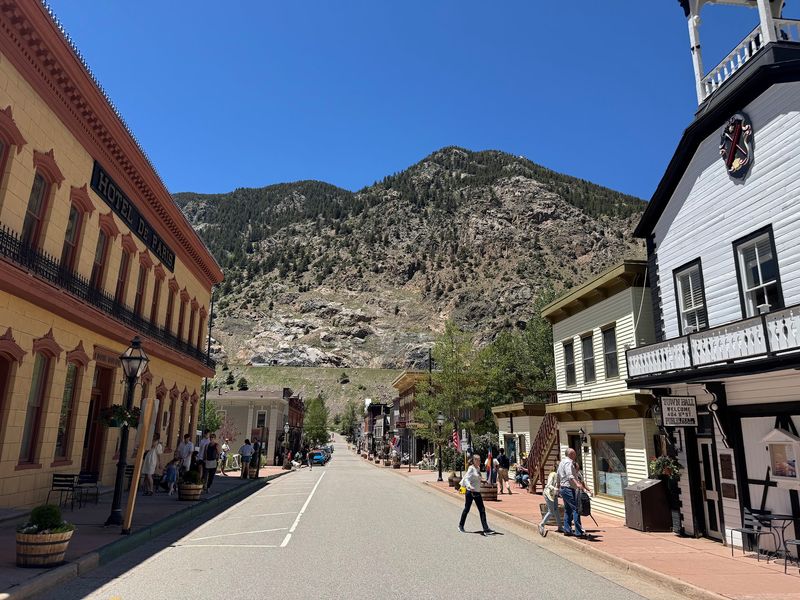
History buffs are the obvious fans, but the guest list is wider than that. Anyone who enjoys stories of the Old West will find plenty here.
Families do well too. Kids who like asking questions tend to have a great time on the tour.
Couples looking for a relaxed day out of Denver often add it to a Georgetown stroll. It fits neatly between lunch and a walk around town.
Groups with mixed interests can still make it work. Even the friend who only came along for the ride may leave curious about the silver boom.
Photographers have plenty to capture. The kitchen, grand rooms, and courtyard are popular spots for pictures.
Some guests even swap ghost stories after a visit. Talk of a watchful feeling near the upstairs windows pops up now and then, though that part is all in good fun.
The main draw stays the same for everyone. It is the chance to see a real 1800s hotel nearly untouched.
Hours, Tickets, and Getting There
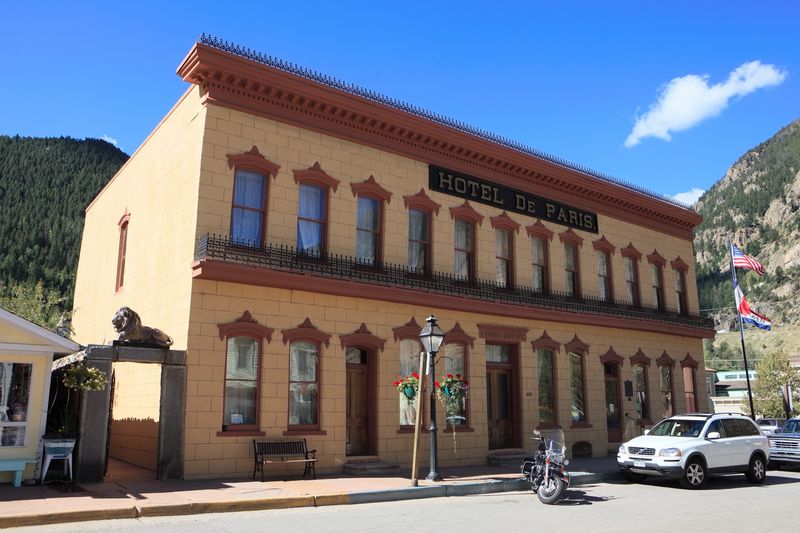
Timing is everything with this museum, because the doors are not open every day. Current listed hours are Saturday from 10 am to 4 pm and Sunday from noon to 4 pm.
The museum is listed as closed Monday through Friday. Since tours are seasonal, hours may shift during the year.
Checking hoteldeparismuseum.org before the drive is a good idea. The site has the latest details on tours and events.
Tour prices have been around 10 dollars per person in recent years. The cost is widely seen as reasonable for the amount of history covered.
Getting there is simple. Georgetown is roughly a 70 minute drive from Denver, and the museum sits on Sixth Street in town.
Arriving a bit early helps. Tours run at set times, so showing up ahead of the next slot avoids a long wait.
Can’t make it in person? The museum offers a free 3D virtual tour on its website, which is a handy preview or a fun follow-up.
Why This Time Capsule Earns a Stop
Plenty of towns claim to preserve their past. Few can open a door and show rooms where nearly everything is original.
That is the real magic of this museum. The building, the furniture, and the stories all belong together.
Strong guides make the history easy to follow. Their care for the site turns a quick tour into a memorable afternoon.
The small price and short tour length make it easy to fit into a day trip. It also leaves plenty of time to explore the rest of Georgetown.
Supporting the museum helps keep it open for the next generation. The staff and volunteers depend on that public interest.
For a weekend drive into the mountains, it is hard to find a better history lesson per minute. The silver rush may be long over, but its finest hotel still has plenty to say.
Check the weekend hours, grab a ticket, and let the guides handle the rest.
Enjoyed this story?
Add Fast Food Club as a preferred source to see more of our reporting on Google.