


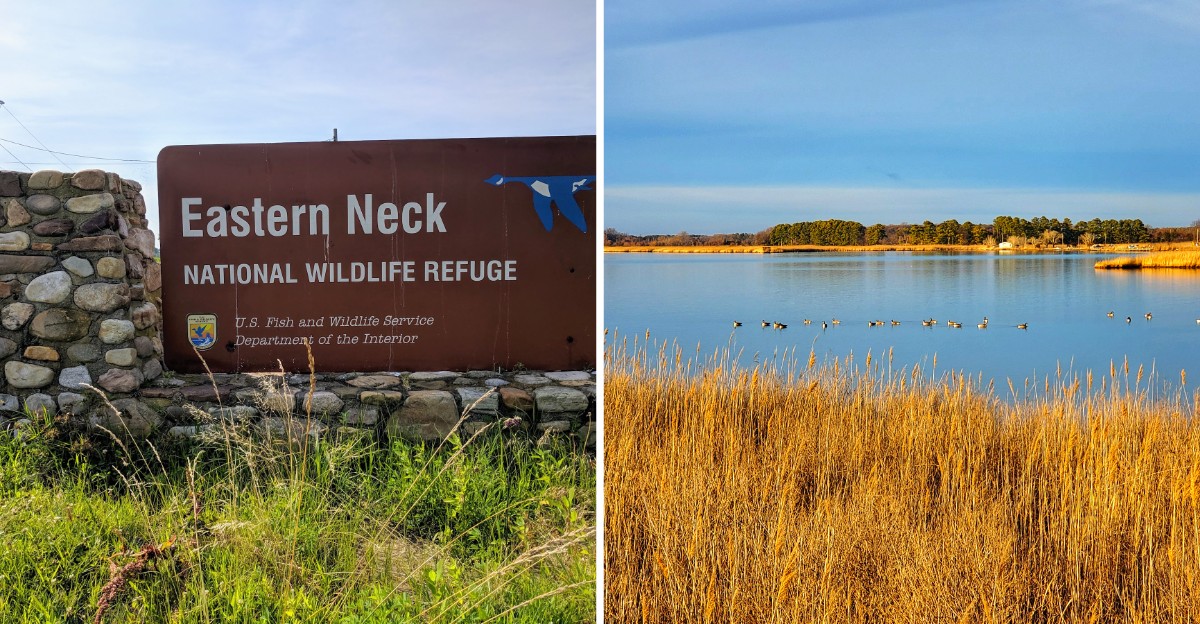
At the very tip of a quiet road near Rock Hall, Maryland, the land runs out and the Chesapeake Bay takes over. Each winter, an island here turns into a busy stopover for waterfowl, and the fields and shorelines fill with birds that have traveled a long way to rest.
Bald eagles watch from tall perches, tundra swans drift offshore, and the trails stay flat and short enough for almost anyone to enjoy. Keep reading to learn where this island sits, what makes each trail special, and the smart tips that will help you plan a calm and rewarding trip any time of year.
An Island Refuge at the End of the Road
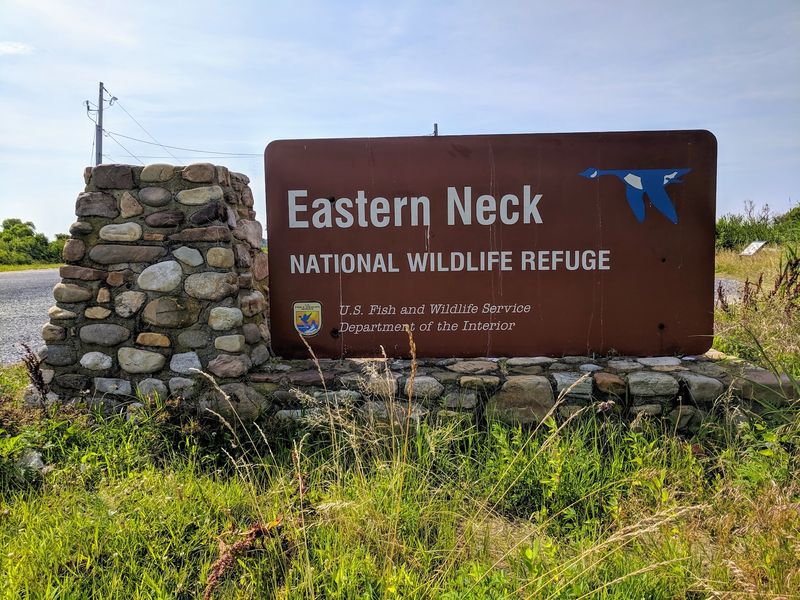
Some places are easy to stumble upon, and some are worth the extra miles. Eastern Neck National Wildlife Refuge belongs firmly in the second group.
The refuge sits at 1730 Eastern Neck Rd, Rock Hall, MD 21661, in the United States. It covers 2,285 acres on an island where the Chesapeake Bay wraps around nearly every edge.
The setting is the main reason it feels so special. Water, marsh, woods, and open fields all share one compact piece of land.
The refuge is managed as a wildlife refuge, which means the animals come first and people are guests. That focus shapes everything, from the quiet trails to the viewing blinds tucked along the shore.
Getting there means following Eastern Neck Road south past Rock Hall until the road crosses onto the island. The route is a little out of the way, and that distance is part of the charm.
Once you arrive, the pace slows right down. Many people find they have long stretches of trail almost to themselves, even on a nice day.
Hiking, biking, marsh kayaking, fishing, and wildlife watching are all on the menu here. Each one offers a different way to see the same small island, so it helps to know a bit about the place before choosing where to start.
Why Winter Belongs to the Waterfowl
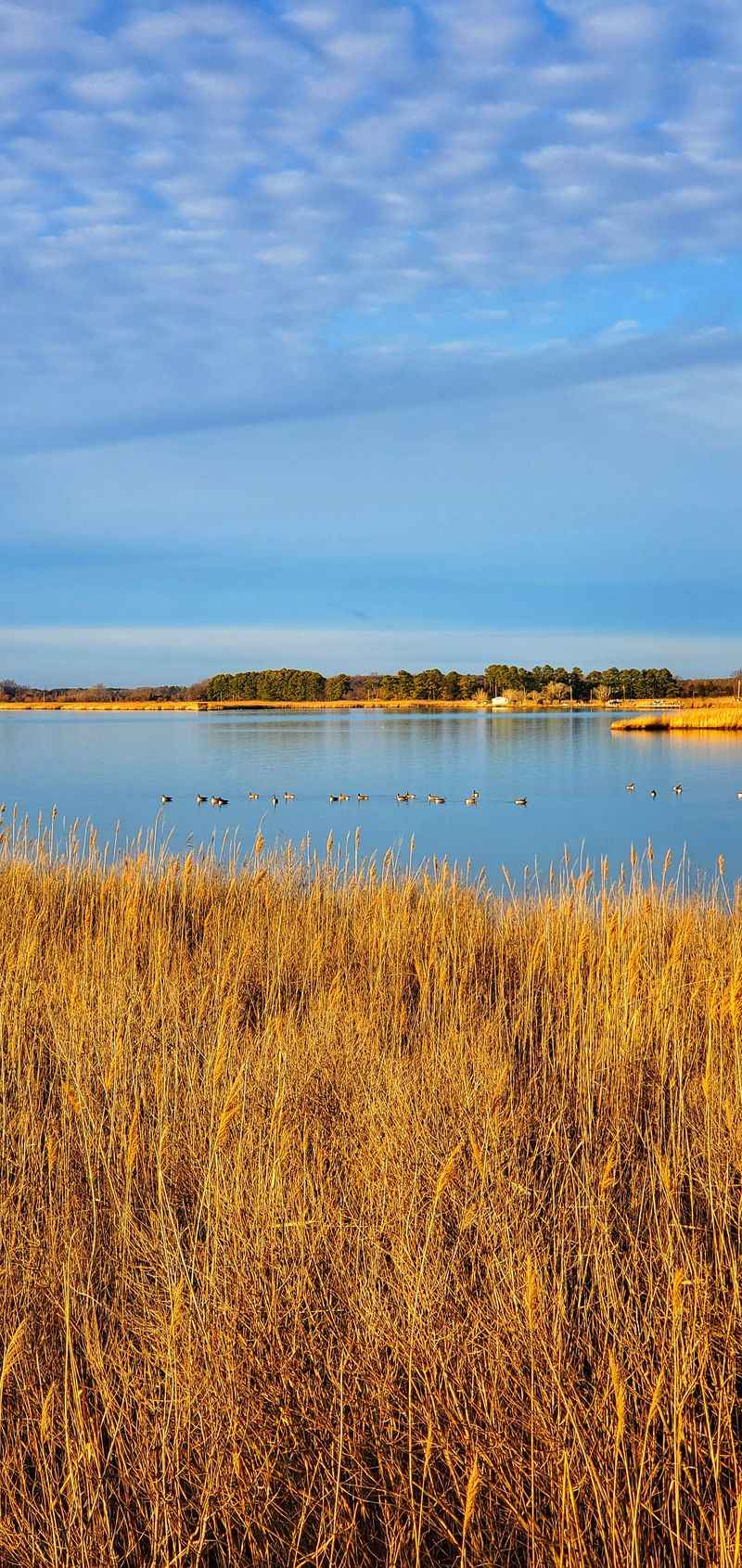
Cold months are when the refuge truly earns its reputation. Winter turns the island into a resting stop for flocks of waterfowl moving along the bay.
Many people assume a December trip will be quiet and empty. In reality, the shoreline and nearby fields often hold many kinds of water birds during the colder season.
Tundra swans are one of the standout winter guests. These large white birds show up in the bay waters around the island, and spotting a group of them is a highlight for many winter walkers.
Big white flocks spreading across the farm fields of the area are the kind of scene that makes winter birding on the Eastern Shore famous. The refuge gives you a front row seat to that seasonal show.
Winter also brings a deep calm to the trails. Fewer people are out, and the bare trees make it easier to spot birds perched along the edges of the marsh.
A good pair of binoculars helps a lot this time of year. Many of the birds rest out on the water, so a little magnification goes a long way.
Dress warmly, plan for wind off the bay, and give yourself time to scan slowly. Winter rewards patience more than speed.
Bald Eagles on High Perches
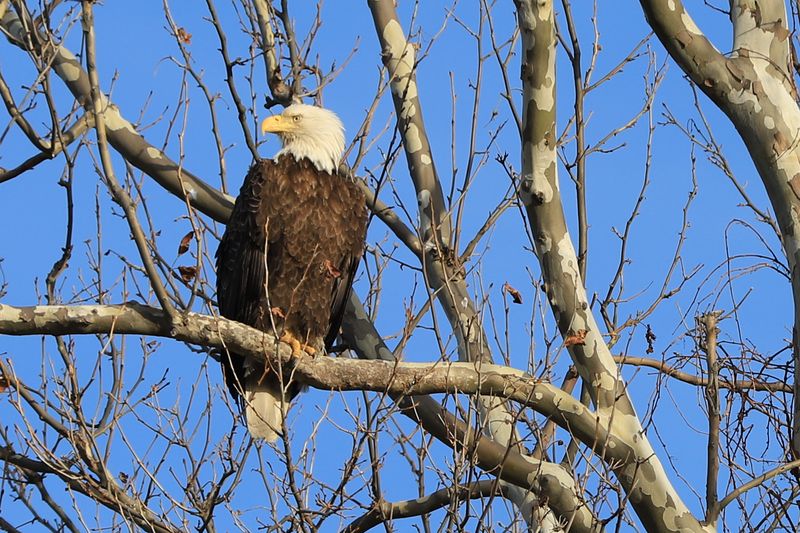
Look up before you look out. Bald eagles are among the most talked about residents of the island, and they are often found perched high above the marsh.
Sightings of a single eagle, or even a pair, are common enough that many walkers count on seeing at least one. Their size and white heads make them easier to pick out than many smaller birds.
The refuge takes eagle nesting seriously. Some of the longer trails, which still run only about one to two miles, have been closed at times to protect nesting birds.
That kind of closure can feel disappointing in the moment. It is also a good sign that the island is doing its job as a safe home for these birds.
Other birds of prey share the skies as well. Vultures circle overhead, and ospreys work the water during the warmer months.
For the best chance at an eagle sighting, scan the tops of tall trees along the shoreline. Eagles like a wide view, so the highest branches near open water are worth checking first.
A camera with a zoom lens is handy here. The birds are often far away, and a quiet, steady approach keeps them from flying off.
Short, Flat Trails for Every Pace
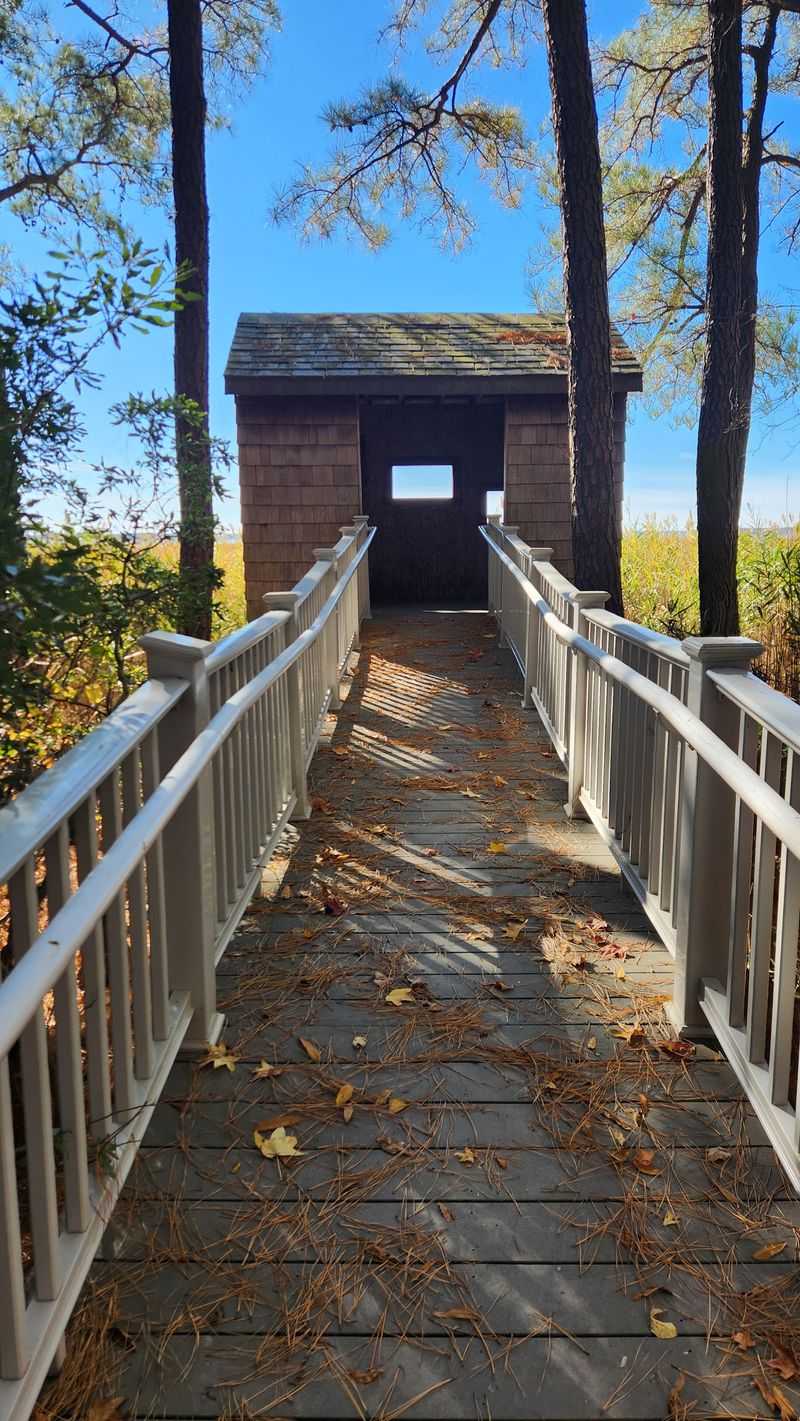
Good news for anyone who prefers a stroll over a slog. The trails here are level, and most of them run about a mile or less.
That design makes the refuge friendly for a wide mix of people. Families, casual walkers, and longtime birders can all cover ground without much effort.
Because each path is short, it is easy to stack two or three into a single outing. Many people hop from one trailhead to the next by car and explore several corners of the island in one day.
Several trails lead to water views, and some include wildlife blinds. Those blinds let you watch birds up close without scaring them away.
One small challenge is signage. Not every trail is marked with its distance, and a clear printed map of all the routes is not always easy to find.
Checking a map app before you go, or grabbing information at the visitor center when it is open, can save some guesswork. The good news is that the trails are short enough that getting a little turned around is not a big deal.
Some paths can become overgrown or temporarily closed. A quick look at the refuge website before your trip helps you plan around any changes.
The Tidal Marsh Overlook

Dragonflies seem to run the show on this trail. The Tidal Marsh Overlook Trail is known for remarkable numbers of them during the warmer months.
The walk is easy and leads out toward the marsh. At the end, a covered pavilion offers cutout windows for watching birds and wildlife without disturbing them.
That covered structure is a smart feature on a gray day. It gives you shelter from light rain while you wait for something interesting to move across the marsh.
Wildlife activity can drop in wet weather, though. On rainy afternoons, only a few birds may be out, so a dry day usually offers more to see.
Late afternoon can be a pleasant time to visit. A breeze off the water sometimes keeps the bugs down, which makes lingering a lot more comfortable.
Deer, ospreys, and bald eagles have all been spotted around this part of the refuge. The open marsh gives them plenty of room, and it gives you a wide view to find them.
Bring patience and a little quiet. The overlook works best when you settle in and let the marsh come to you.
Butterflies Steal the Summer Spotlight
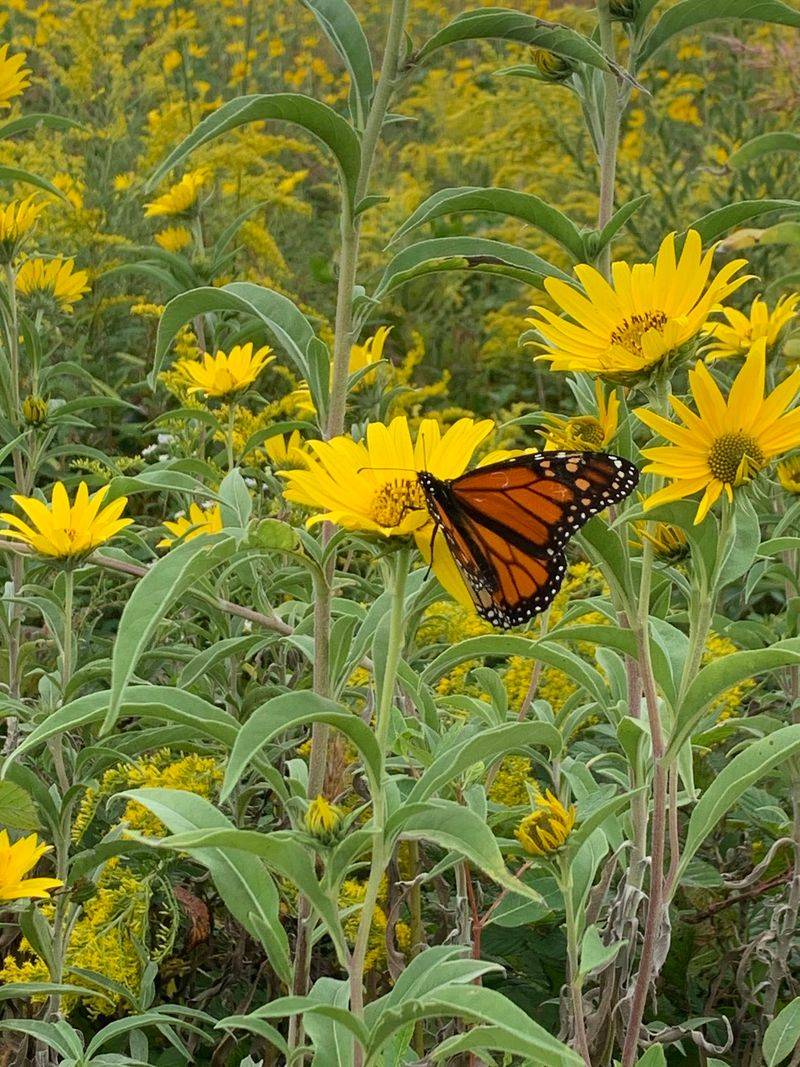
Winter may belong to the birds, but summer has a different star. The butterfly garden and Butterfly Trail are favorites for many who come back again and again.
During the warm months, flowers fill the area and draw in a lively crowd of pollinators. Butterflies and skippers show up in big numbers, along with large bees.
Zebra swallowtails are among the species spotted here. Some lucky walkers have also seen a hummingbird moth, a small creature that hovers much like a tiny bird.
Birds use the garden too, so it is not only an insect stop. That mix of flowers, wings, and feathers makes it one of the busiest spots on the island.
The garden has had periods when it needed some upkeep. Even then, the butterflies kept coming, which says a lot about how well it serves wildlife.
A viewpoint near the garden adds to the appeal. It is a good place to pause between trails and take a few photos.
For the fullest display, aim for summer when the flowers are at their peak. The colder months are lovely in their own way, but this corner truly flutters to life in the heat.
A Long List of Feathered Neighbors
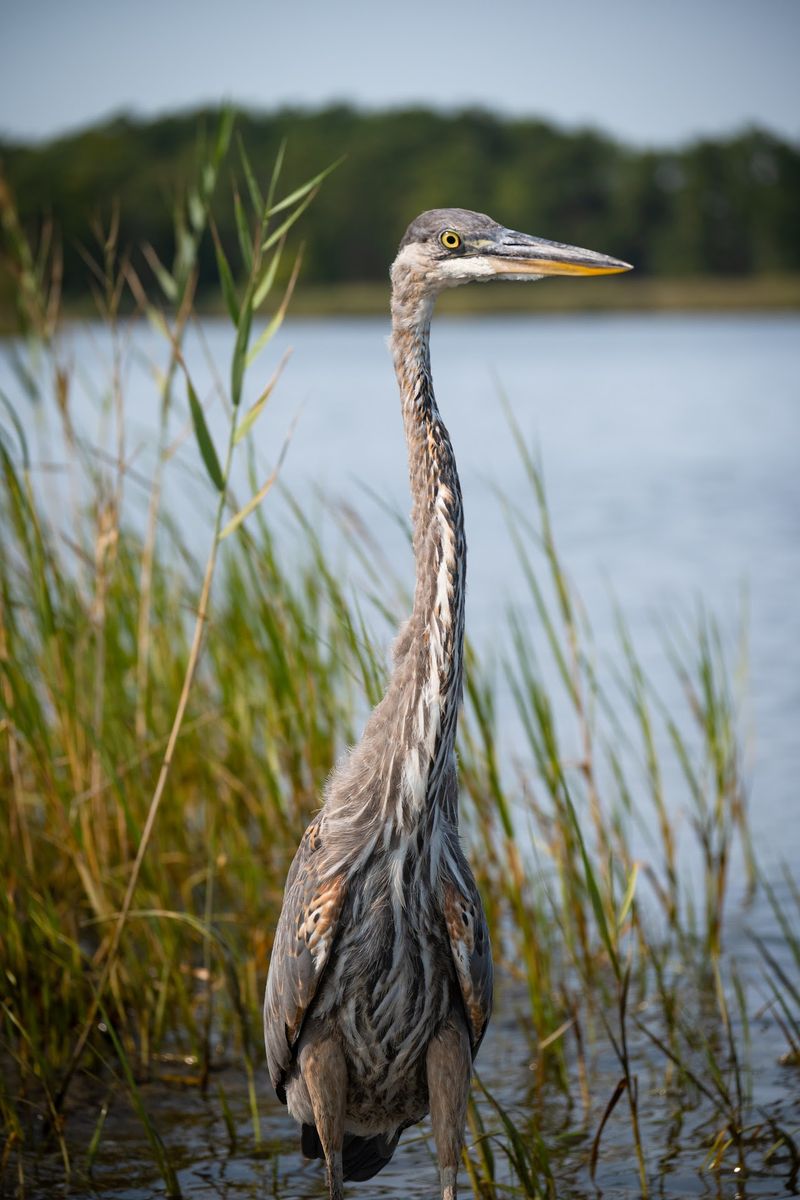
Birders tend to arrive with a checklist and leave needing a longer one. Dozens of bird species use the marshes, woods, and shoreline of the island.
Herons wade through the shallows, while red-winged blackbirds claim the reeds. Blue jays move through the wooded sections of the trails.
Wild turkeys wander the grounds as well. Seeing a turkey stroll across a path is a fun surprise for first-time walkers.
Ospreys are a regular sight in the warmer months, often working the water for a meal. Vultures and bald eagles round out the larger birds you are likely to notice overhead.
Winter shifts the lineup toward waterfowl. Tundra swans and other water birds take center stage once the cold sets in.
Patience pays off here more than almost anywhere. Plenty of birds are present, but many stay tucked in the marsh until you slow down and wait.
A simple field guide or bird app can make the experience more fun. Matching a name to each new bird turns a short walk into a small adventure.
The variety means no two trips look quite the same. Each season brings a fresh cast, so returning at a different time of year feels like visiting a new place.
Deer, Rabbits, and Other Ground Crew
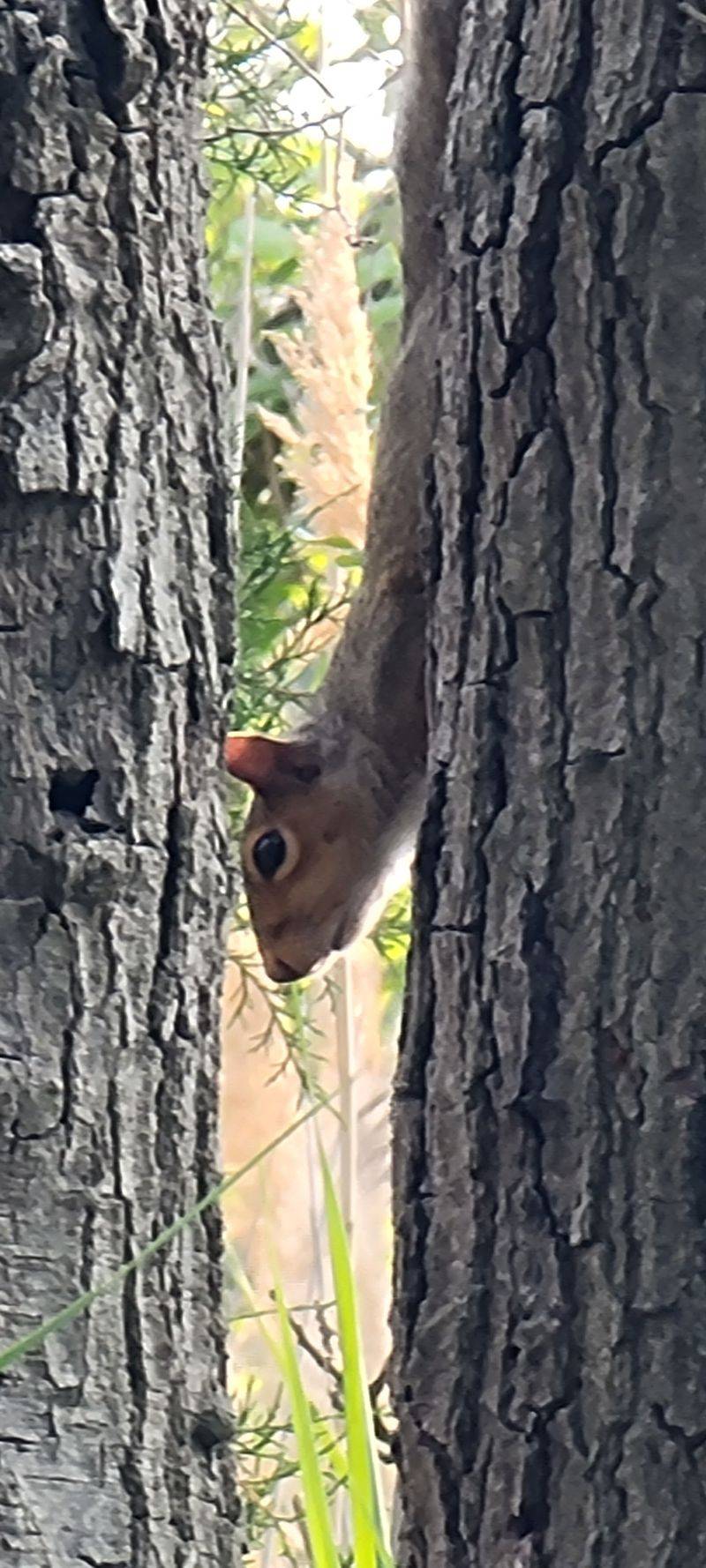
Not every resident has wings. White-tailed deer are so common on the island that they often seem to be everywhere.
That abundance comes with a practical warning. Drive slowly on the refuge roads, because deer can step out with little notice.
Rabbits also make appearances along trail edges and open areas. Spotting one darting into the brush is a small but cheerful moment on a quiet walk.
Some wildlife calls for a bit more caution. Snakes, including water snakes, live on the island, so keep an eye on the path in warm weather.
Ticks are plentiful too. Long pants, tucked socks, and a quick check after your walk are simple habits that make a big difference.
Bugs in general can be a factor in the warmer months. Bug spray is one of the most recommended items to pack for a trip here.
None of this should scare anyone off. A little preparation lets you enjoy the wildlife without any unwanted hitchhikers coming home with you.
Treat the island as the animals’ home, and the experience gets even better. Quiet steps and a respectful distance often lead to the best sightings.
Paddles, Piers, and Fishing Lines

Some of the best views on the island come from the water itself. Marsh kayaking is one of the main activities the refuge offers.
A pier gives paddlers a spot to launch canoes and kayaks. Docks and boat launch areas make it easy to get out onto the water.
Paddling through the marsh offers a closer look at areas the trails cannot reach. It is a quiet way to share space with herons, ospreys, and other water birds.
Fishing is another popular pastime here. The shoreline and docks give anglers several places to cast a line with the bay all around them.
Before heading out, check the refuge website for any rules that apply to boating or fishing. Wildlife refuges often have seasonal guidelines meant to protect nesting birds and resting flocks.
Weather on the bay can change quickly, so keep an eye on the forecast. Wind can make paddling much harder, especially for beginners.
Bringing your own gear is the way to go, since the data does not point to rentals on site. Pack water, sun protection, and bug spray along with your paddle.
Out on the water, the island feels even more like its own little world.
Boardwalk Views Across the Bay

Clear days come with a surprising bonus. From the island, you can sometimes see Baltimore and the Bay Bridge far across the Chesapeake.
Boardwalks along the water offer some of the most popular viewpoints on the refuge. They lift you just above the marsh and open up wide views of the bay.
Even in December, the boardwalk views earn plenty of praise. Winter skies can be crisp, which helps with long-distance views across the water.
Sunset is another favorite time to linger. The open western views over the water make the refuge a strong pick for evening photos.
Photographers find plenty to work with here. Wide bay scenes, marsh grasses, and passing birds can all fit into a single afternoon.
Keep your camera ready even when the view seems calm. A heron or osprey can cross the frame at any moment.
The boardwalks are also a smart choice for anyone who wants a short, easy walk with a big payoff. You get water views quickly without committing to a longer trail.
Plan to arrive a little before sunset if you want that golden hour scene. Leaving time for the drive back down the dark island road is a good idea too.
Friendly Volunteers and a Small Gift Shop

Here is a tip that regulars repeat often. When the visitor center is open, stop in before you hit the trails.
Volunteers staff the center and share a wealth of knowledge. They can talk about the island’s history, its wildlife, and what has been spotted lately.
That local insight can shape your whole visit. A quick chat might point you toward the trail where eagles have been active or where the butterflies are thickest.
A gift shop and information center share the space. It is a handy stop for a souvenir or a bit of reading about the refuge.
Restrooms are available here as well. On an island with limited facilities, that is a detail worth remembering.
There is also a trail right behind the visitor center. It makes an easy first walk before you drive to other parts of the island.
The center is not always open, so timing matters. Hours are not listed in the data used here, so check the official refuge website at fws.gov before you go.
Even if the doors are closed, the trails remain the main event. The center simply adds helpful context when you can catch it.
Who Will Love This Quiet Corner

Crowds are rarely the problem here. Many people describe the refuge as peaceful, well kept, and often nearly empty.
That calm makes it a fine fit for anyone who wants a slower day outdoors. Birders, photographers, joggers, and casual walkers all find something to enjoy.
Picnics are a natural match for the setting. Pack a simple lunch and plan short walks between breaks near the Chesapeake.
Cyclists can enjoy the island too, since biking is one of the listed activities. The quiet roads and short distances make for an easygoing ride.
Families with kids may appreciate how short and flat the trails are. Little legs can handle most paths without trouble.
Anyone hoping for big attractions or busy amenities may want to adjust expectations. The refuge is about nature first, with only a few basic facilities.
Couples looking for a relaxed afternoon often find it a great escape. Long stretches of quiet trail make it easy to unplug for a few hours.
Winter walkers have a special treat. The island is especially calm in the cold months, which pairs well with waterfowl season.
A Soft Verdict on This Bay Island Escape
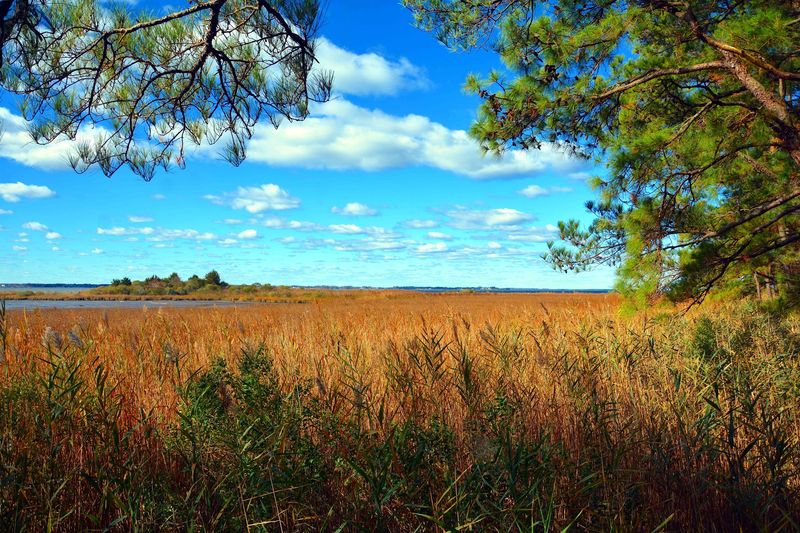
Small island, big personality. That sums up this corner of the Eastern Shore pretty well.
The refuge offers flat trails, quiet boardwalks, a summer butterfly garden, and winter waterfowl that draw birders from across the region. Few places pack so much variety into such an easy outing.
Plan your trip around the season you want. Choose winter for swans and resting flocks, and summer for flowers, butterflies, and dragonflies.
Pack the basics before you leave. Bug spray, binoculars, water, and a phone map will cover most needs on the island.
Check the official U.S. Fish and Wildlife Service page for the refuge before heading out.
Center hours, trail closures, and any fees can change, and the site is the best place for current details.
Drive slowly once you cross onto the island, since deer are common. Give yourself extra time, because the road is a bit out of the way.
The refuge holds a strong 4.7 star standing across hundreds of opinions online, and it is easy to see why. People leave relaxed and often talk about coming back in another season.
Come for the birds, stay for the calm, and let the bay set your pace.
Enjoyed this story?
Add Fast Food Club as a preferred source to see more of our reporting on Google.