



Twenty-two bald eagles on one cold day. That is the kind of count that turns a quiet winter walk along Lake Erie into a story worth telling.
Most people around Huron save their outdoor plans for summer, which leaves one marshy stretch of northern Ohio mostly to the eagles, the woodpeckers, and a handful of hikers in warm boots. The trails are easy, the boardwalks are well kept, and the signs along the way teach more than a typical classroom field trip.
There are a few rules to know before going, plus some smart timing tricks, since the gates keep a shorter schedule than most parks. Keep reading to learn where it is, what makes the estuary special, which trails suit icy days, and how to plan a visit that fits the hours.
A Rare Estuary on Lake Erie
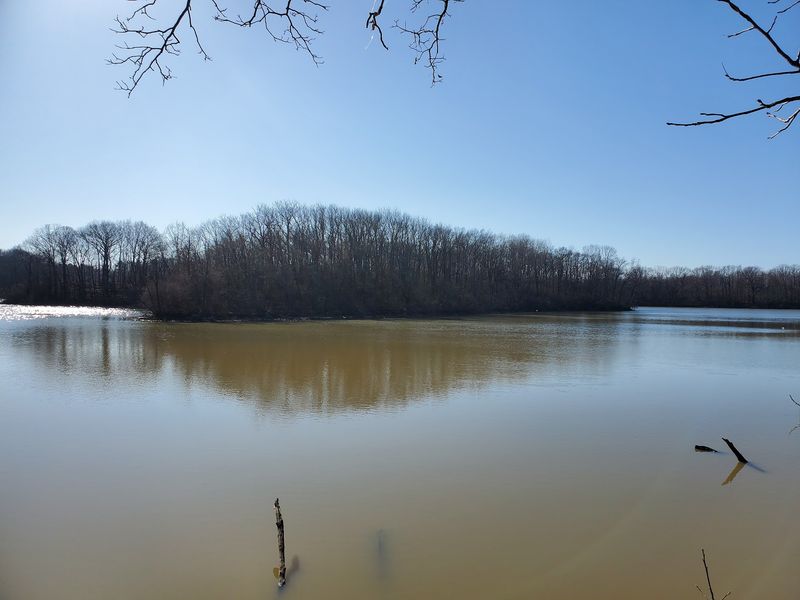
Ohio does not have an ocean, yet it does have an estuary, and one of its finest sits right outside Huron.
Old Woman Creek National Estuarine Research Reserve and State Nature Preserve is found at 2514 Cleveland Rd E, Huron, OH 44839, in the United States. It is listed as a nature preserve and managed under the Ohio Department of Natural Resources coastal program.
The site is often called one of the best remaining examples of a natural estuary in Ohio. That is a big title for a place that many drivers on Cleveland Road pass without a second look.
An estuary is where a river or creek meets a larger body of water. Here, Old Woman Creek flows into Lake Erie, creating marsh, open water, and wetland edges that attract a wide mix of wildlife.
The preserve pairs that wild shoreline habitat with a network of trails, boardwalks, and a nature center. It is part research site, part outdoor classroom, and part quiet escape.
The name alone tends to spark questions. The answers, and plenty of surprises, wait a little further down the trail.
Research Reserve Meets State Preserve

Two titles share one long name, and each one matters.
The National Estuarine Research Reserve label means the area is set aside for study. Scientists and educators use it to learn how estuaries work and how they change over time.
The State Nature Preserve label means the land is protected for its natural value. That is a big reason the rules are stricter than at a typical city park.
One rule surprises many first-timers: no dogs or pets are allowed. Leave the four-legged hiking buddy at home, since the habitat is the priority here.
The research focus shows up all along the trails in a friendly way. Informational plaques and nature signs explain what grows here, what lives here, and why the estuary is so valuable.
Families often leave knowing far more about estuaries than when they arrived. It is a classroom without walls, and the homework is just walking.
Think of the long name as a promise of protection, which leads straight into the setting itself.
Woods, Grasslands, and Marsh in One Loop
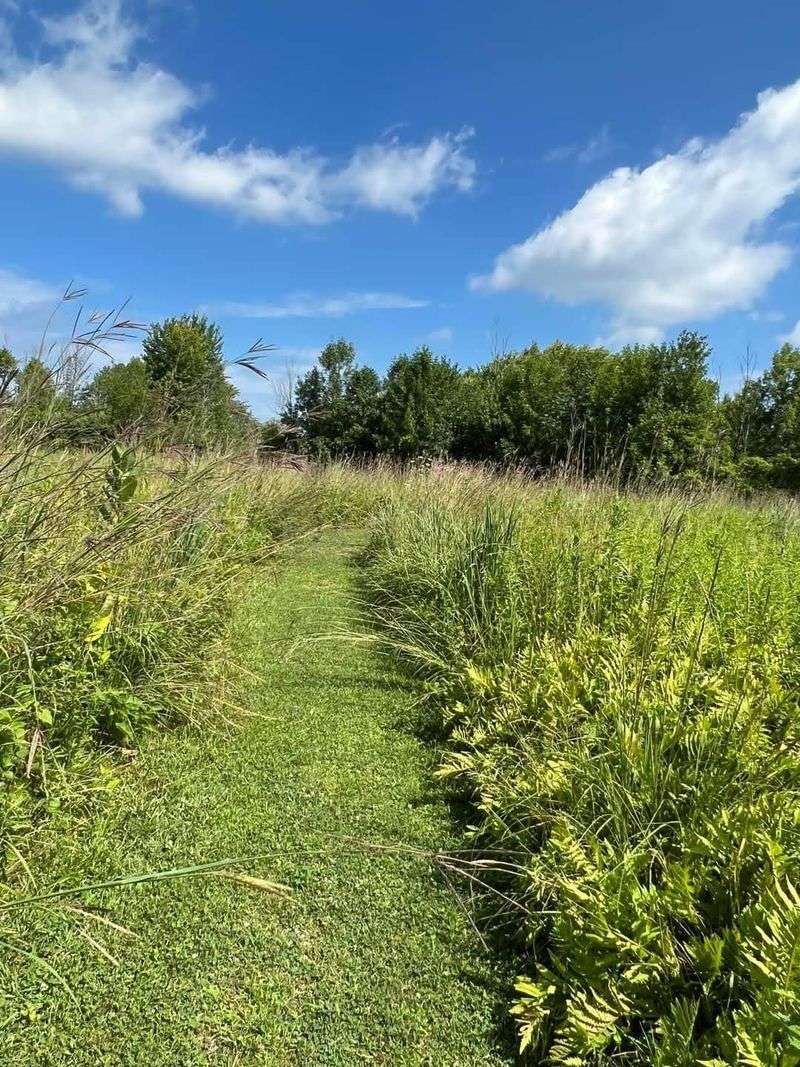
Variety is the secret ingredient on these trails.
A single outing can pass through wooded stretches, open grasslands, and the estuary itself. Each habitat draws different wildlife, which keeps the walk interesting from start to finish.
The woods offer shelter for songbirds and woodpeckers. The grassy openings break up the tree cover and give the route a roomy feel.
Then the marsh appears, wide and flat, with the creek winding toward Lake Erie. In winter, parts of it can freeze, which changes the scene completely.
Multiple habitats in a small area is exactly why birders rate this spot so highly. More types of cover mean more kinds of creatures.
The trails rarely show the road, even though traffic can be heard along a few legs. That small detail helps the preserve feel more remote than its address suggests.
Budget an hour or two to cover a good portion of the network. Some people end up wishing they had planned more, and the boardwalk is usually the reason.
The Boardwalk Over the Marsh
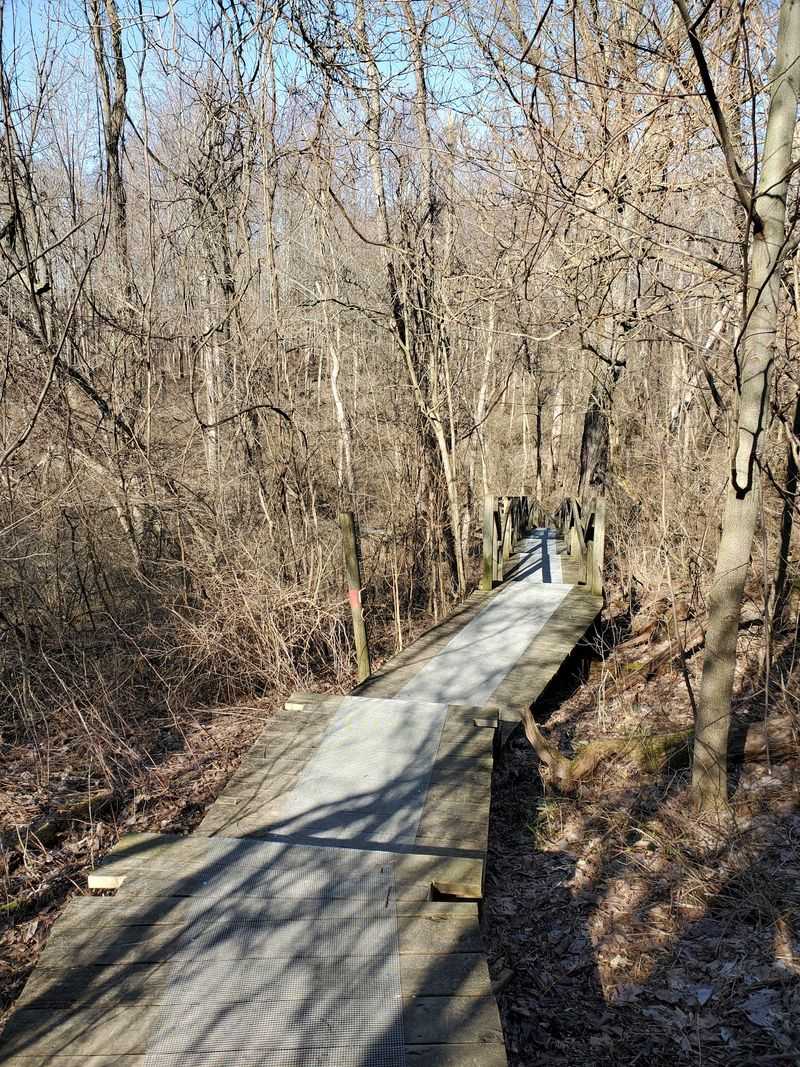
Plenty of trails start on dirt. This one starts on wood.
A boardwalk greets hikers near the beginning, and a much longer boardwalk section stretches out over marsh ground farther along. It leads to an observation area with views across the estuary.
The boardwalks are well maintained. Mesh has been added over the surface for traction, a welcome upgrade during wet or frosty months.
There are also spots to step out for wider views. These pauses give the eyes time to scan the water for herons, egrets, and eagles.
The boardwalk trail is a natural first choice for newcomers. Many return later to try the other routes they did not have time for.
Along the way, an overlook deck offers a place to linger. It is the kind of stop that can turn five minutes into twenty without anyone noticing.
Speaking of linger-worthy, the stars of the show usually appear right overhead.
Bald Eagles Rule the Winter Sky
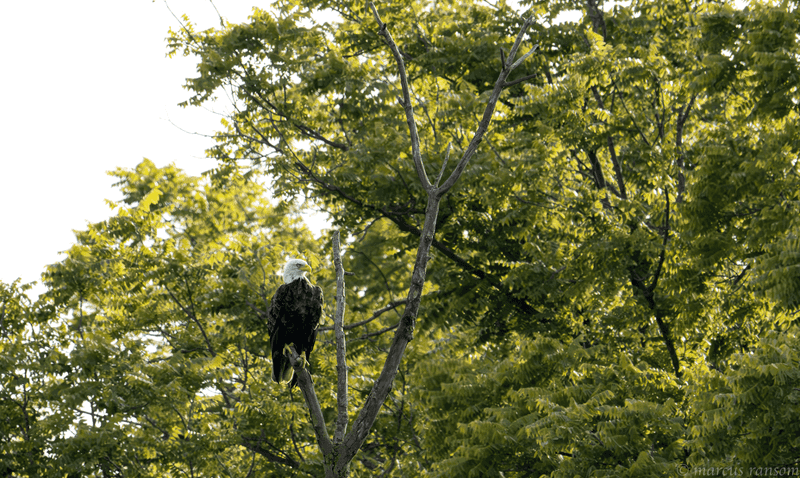
On one cold day, a count reached 22 bald eagles. Some gathered on the ice in groups of five to seven, hopping about, while others perched in trees or soared above.
That is not a typo. Eagles are the headline attraction here, and winter can be a terrific time to spot them.
Both adult and juvenile bald eagles show up. The young ones lack the famous white head, so a bit of patience helps with telling them apart.
Eagle watching is one of the most talked-about activities at the preserve. Chairs along certain trails even let people sit and observe birds and an eagle nest.
A good camera with a long telephoto lens is strongly recommended for photographers. The birds keep their distance, and the marsh is wide.
For everyone else, binoculars do the trick. They turn a distant speck into a proper national symbol.
Eagles may steal the spotlight, but the supporting cast deserves a nod too.
A Birding Checklist Worth Filling
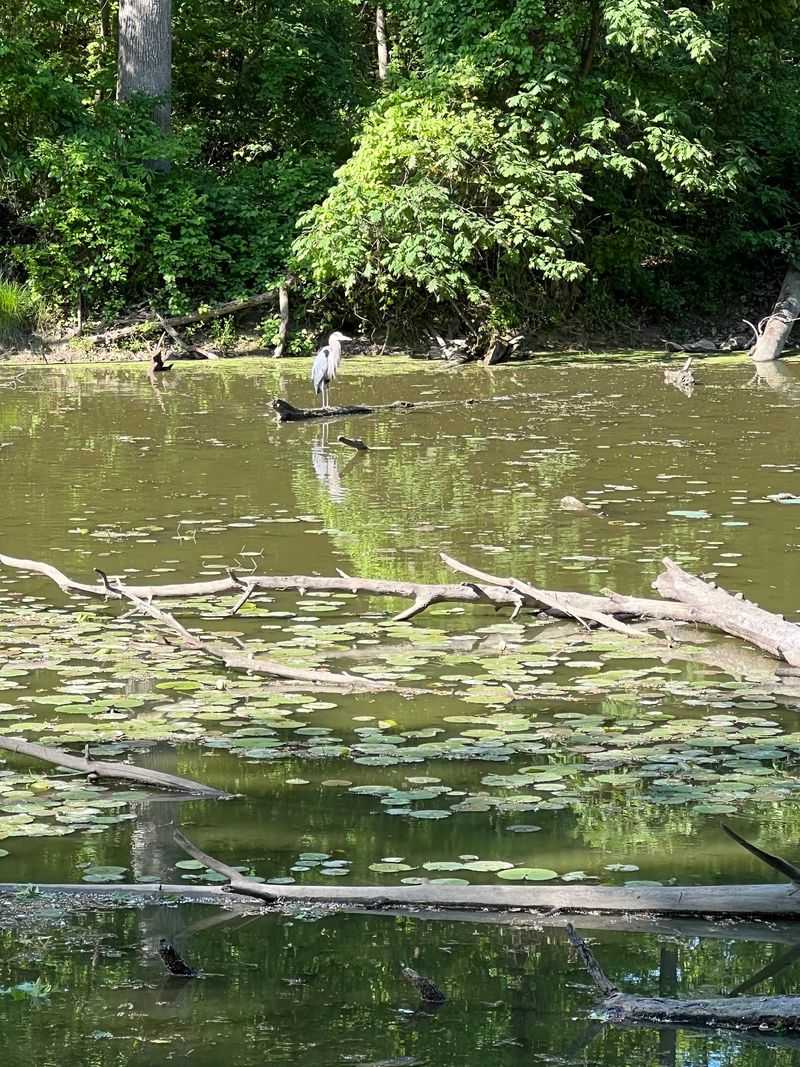
Bird lists here get long fast.
A birding checklist waits at the entrance, and it is easy to start checking boxes within minutes. The woods alone can host Northern Flickers, red-bellied woodpeckers, nuthatches, Carolina wrens, chickadees, robins, cardinals, and blue jays.
Downy woodpeckers have made appearances on icy winter days. They are small, busy, and easy to spot on bare branches.
Out on the estuary, the lineup shifts. Herons, egrets, eagles, and red-winged blackbirds use the open water and marsh edges.
The mix of habitats is the reason. Woodland birds and wetland birds share the same preserve, just a short walk apart.
Beginners do not need expert skills to enjoy it. The signs and the checklist give a helpful head start.
Birds are not the only residents with stories, though. Some of the most memorable finds slither, creep, or bloom.
Lotus Blooms and Other Surprises

Not everything here has feathers.
In warmer months, the estuary shows off some of the largest lotus flowers many people have ever seen, close to a foot across. They rise from wide pads that cover parts of the water.
Winter tells a different story. At low water, dried lily pads stick up from the creek, giving it an otherworldly look that photographers love.
Smaller discoveries pop up on the trails too. A shed snake skin three or four feet long has turned up, along with a salamander, which surprised more than a few Ohio hikers.
Wildflowers brighten the paths in spring and summer. Families with kids often count them as a highlight alongside the birds.
The lesson is simple: look down as often as up. The ground and the water hold just as many surprises as the sky.
Those surprises are easier to find when the trails are this well organized.
Color-Coded Trails, Easy Choices
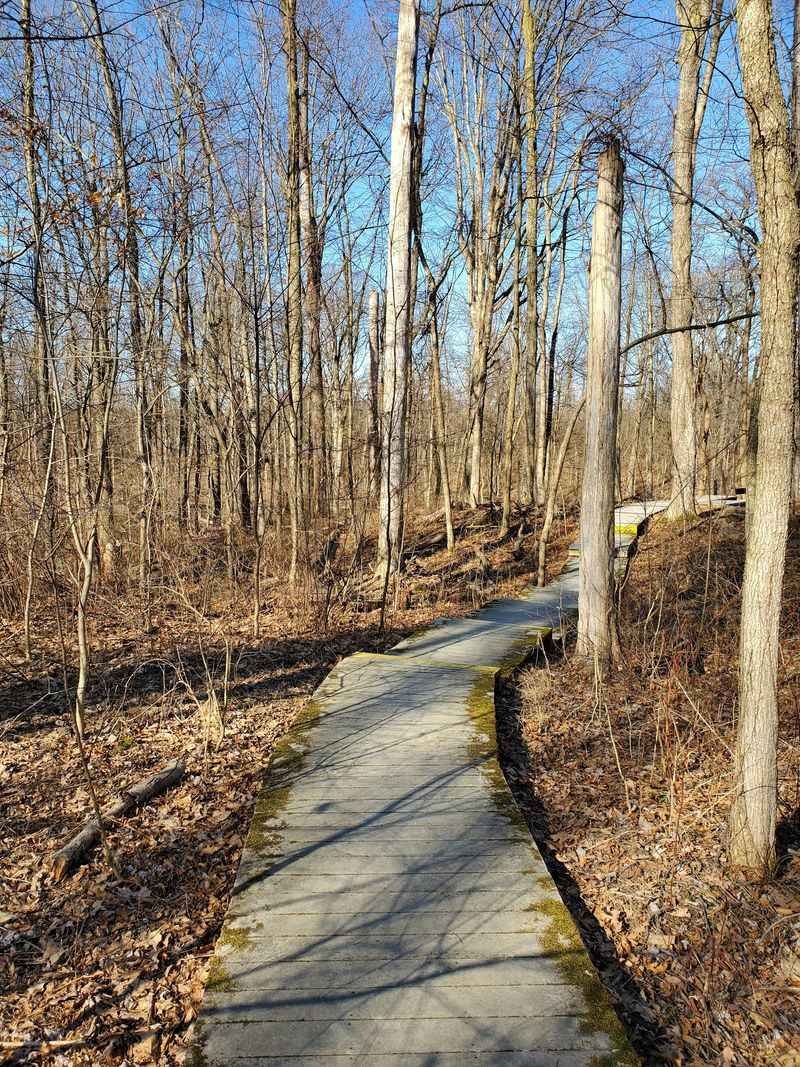
Getting lost here takes real effort.
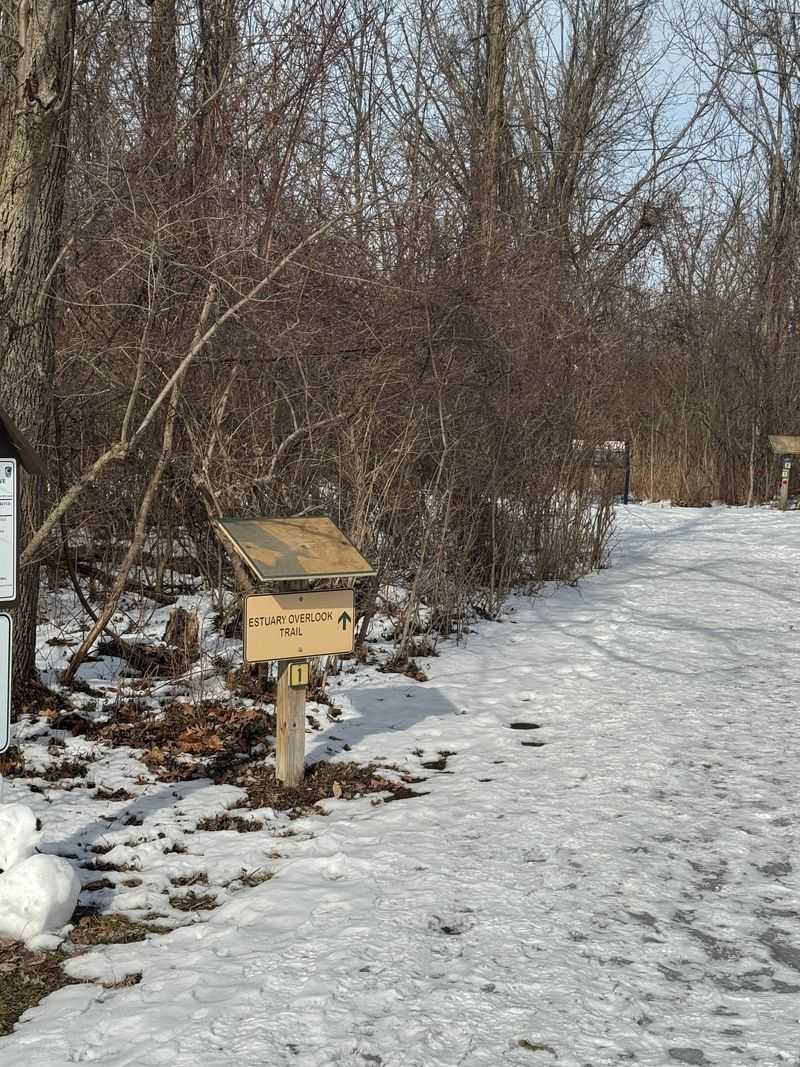
The paths are well marked and color coded, which makes picking a route simple. Several trails branch off, so a short stroll or a longer loop is easy to build.
Surfaces vary. Expect paved sections, asphalt, gravel, rocky stretches, and boardwalk, with the paths generally wide.
Some trails are flat. Others have stairs or a gentle grade, though none of the elevation changes feel taxing.
The green-marked trail offers one standout moment. It leads to a spot where hikers can step down to Old Woman Creek itself, with a stunning view.
People with knee trouble or past foot surgeries have still found the walk manageable. Kids handle the paths well too.
One section has a lot of stairs, so it is worth checking the route before heading out. That tip matters even more once winter ice arrives.
Winter Hiking Without the Crowds
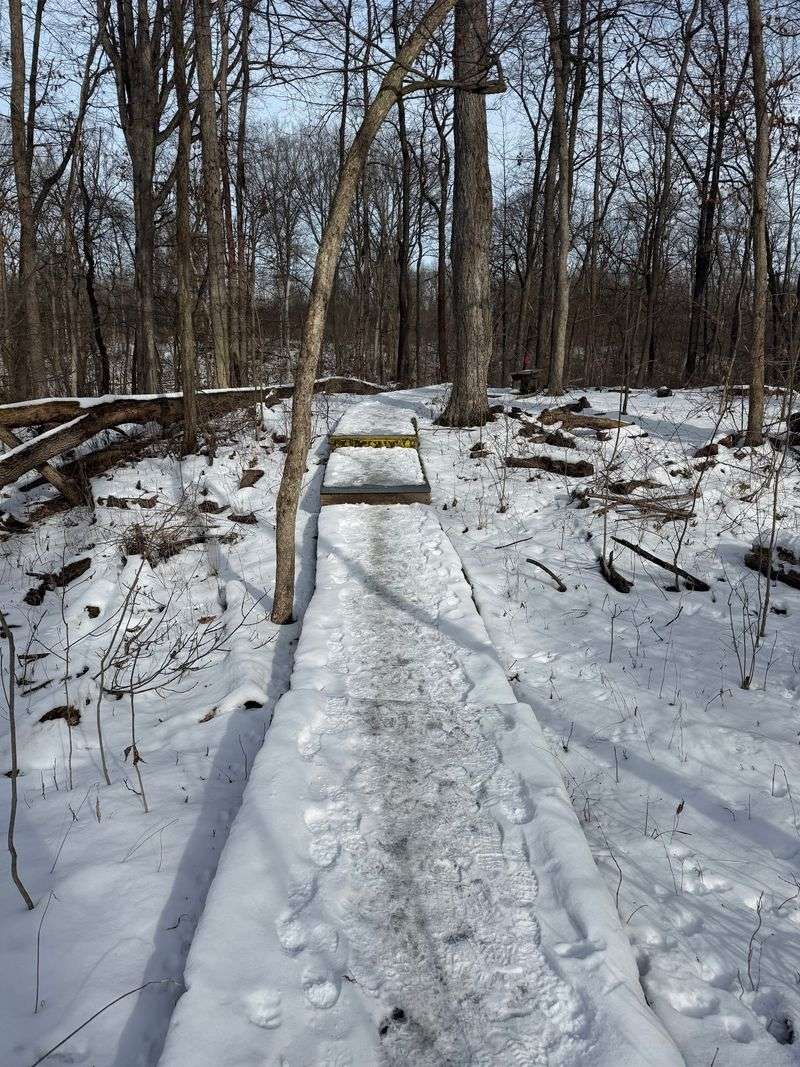
Cold weather thins the crowd, and that is the whole point.
This is a popular preserve in good weather. On some mornings, a dozen cars have already filled spots before the early birds arrive.
Winter is a different scene. Fewer hikers means more open boardwalk and more room to scan the estuary in peace.
Icy days still allow for walking several trails. The paved and boardwalk routes, with their traction mesh, make sense in these conditions.
One smart rule: steer clear of trails with stairs until the ice melts. Steps and frost are not a friendly pair.
The payoff for braving the chill is often the eagles. Frozen water can bring groups of them out onto the ice in plain view.
Dress warmly, pack binoculars, and plan for a shorter loop if conditions are slick. Then, when fingers need a break, there is a good place to warm up.
Inside the Nature Center

Trails tell part of the story. The nature center fills in the rest.
Inside, interactive screens and exhibits share the history of the area and explain how the estuary works. It is a strong starting point before hitting the paths.
The staff are friendly and happy to help. Questions about trails, birds, or the reserve itself tend to get thoughtful answers.
Keep in mind that the center is not always open. Its schedule matters, and catching it during open hours makes the visit richer.
Many people say they learned a great deal about estuaries here. The combination of exhibits and trail signs creates a complete lesson without feeling like school.
Kids in particular enjoy the screens. They offer a hands-on break between stretches of walking.
A few minutes inside can change how the rest of the hike looks. Suddenly, that marsh is not just water and reeds, but a working system with a purpose.
Who Feels at Home Here
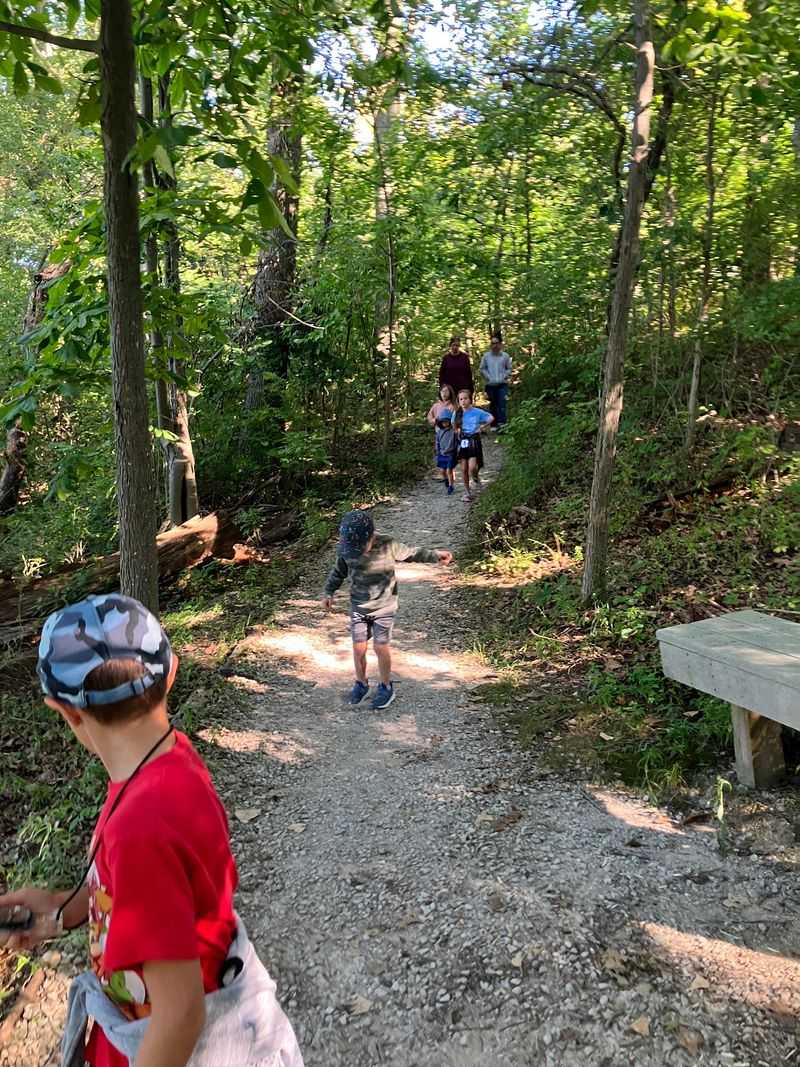
Some places suit one type of guest. This one welcomes a surprising range.
Birders top the list, especially those chasing eagles. Photographers with long lenses also find plenty to work with.
Families do well here. The trails are easy to navigate with kids, and the wildlife keeps young eyes busy.
Casual walkers get a comfortable hike without steep climbs. Those who like quieter, off-the-beaten-path spots appreciate the creekside detour on the green trail.
The overall mood is peaceful. It feels like a hidden corner, even though it is easy to reach.
Curious learners might enjoy it most of all. Between the signs, the plaques, and the nature center, the education never stops.
Pet owners are the one group that needs to plan differently. With no pets allowed, the dog will have to sit this adventure out.
Hours That Shape the Plan
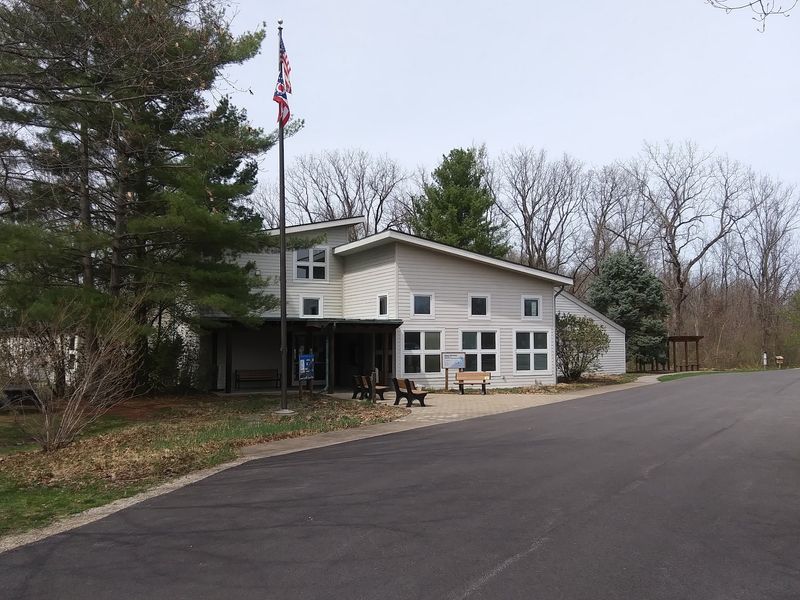
Timing is everything at this preserve.
Listed hours run Tuesday through Friday, from 9 am to 4 pm. The preserve is listed as closed on Saturday, Sunday, and Monday.
That schedule catches weekend planners off guard. A weekday trip is the way to go here.
The 4 pm close also matters in winter. Arriving at opening gives the most time to walk and watch for eagles.
Hours can change, so checking ahead is wise. The Ohio Department of Natural Resources coastal website is the official source for updates.
No admission fee details appear in the available information, so confirm current details before the trip. It is better to know than to guess.
A midweek visit has a hidden bonus. Combined with winter weather, it can mean having long stretches of trail nearly to yourself.
Parking, Facilities, and Gear

Practical details can make or break a nature outing.
Getting there is simple. The preserve sits along Cleveland Road East in Huron, with easy access and a large parking area.
Restroom options are basic. Outdoor portable toilets are on site, and the nature center may offer more when it is open.
Benches and chairs appear along some trails. They are handy for resting or for settling in to watch the eagle nest.
Pack binoculars, since they are the single most useful item here. A camera with a long telephoto lens is ideal for eagle photos.
In winter, footwear with good grip helps on frosty sections. Layers make the longer boardwalk stretches more comfortable.
Grab the birding checklist at the entrance before starting out. It turns a simple walk into a friendly little scavenger hunt.
Worth the Winter Detour
Some places shout for attention. This one simply waits for people to notice.
Old Woman Creek offers protected marsh, wide easy trails, a sturdy boardwalk, and a nature center packed with learning. Add a strong eagle presence, and it is clear why so many people leave planning their next trip.
Winter brings the quietest version of the preserve. The crowds fade, the ice draws eagles into view, and the estuary feels remote despite sitting near a busy road.
The rules are simple. Visit on a weekday, leave pets at home, and skip the stairs when things get icy.
Spring and summer bring wildflowers and giant lotus blooms. Fall adds its own changes to the woods and grasslands.
Still, there is something special about a cold Tuesday with binoculars in hand. Few people show up, which leaves more eagles per hiker.
For anyone near Huron, this stretch of Lake Erie shoreline deserves a spot on the calendar, snow and all.
Enjoyed this story?
Add Fast Food Club as a preferred source to see more of our reporting on Google.