


Some towns wake up to traffic reports. This one wakes up to a lake wearing a thin gray blanket of fog.
Out in the far northwest corner of Tennessee, close to the Mississippi River, sits a small county seat where the calendar seems to move at half speed. It has fewer than 4,000 residents, a quiet main road, and a lake that was born from one of the most dramatic natural events in American history.
Retirees looking for a slower pace and lower costs keep finding their way here, and the reasons are easy to understand once the details come together. The sections ahead explain where this town sits, how the lake shaped it, what daily life tends to look like, and who might feel right at home.
Grab a coffee, settle in, and take the scenic route through the story.
A County Seat at the Edge of Tennessee
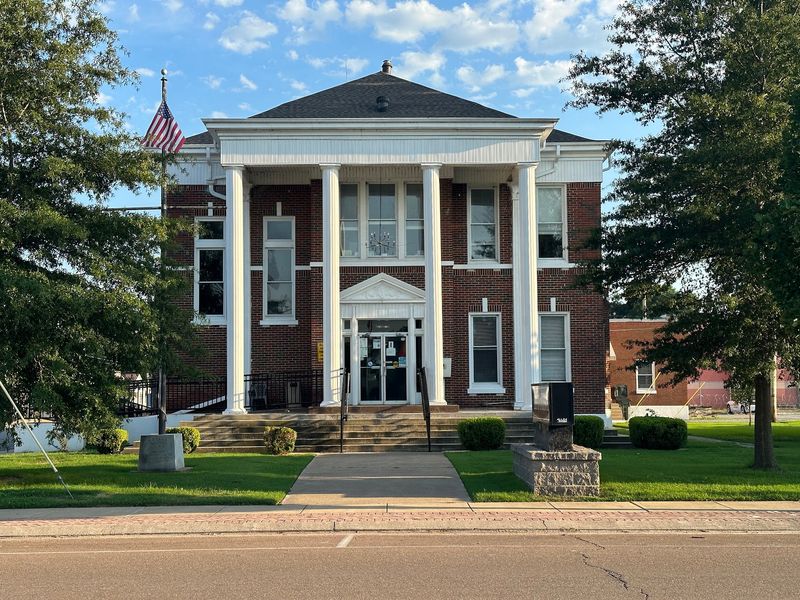
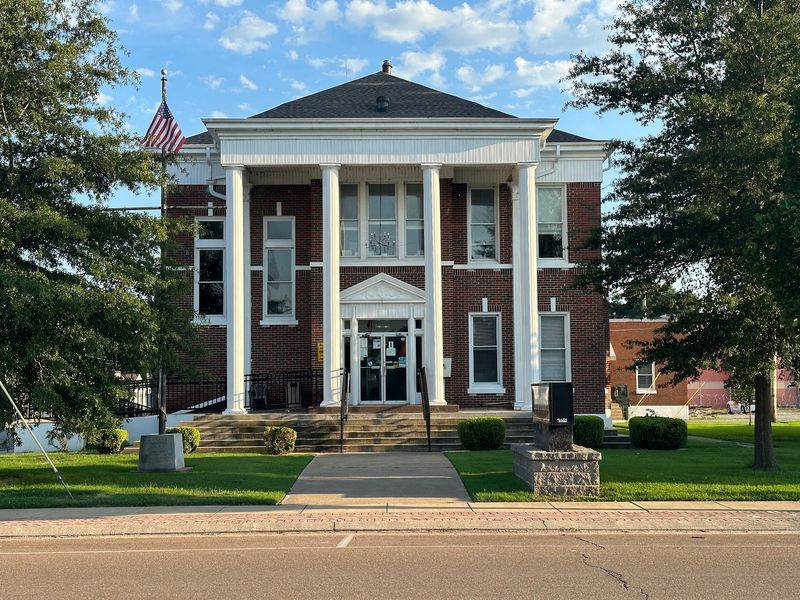
Small towns rarely announce themselves loudly, and this one is no exception. Tiptonville, Tennessee 38079, USA, sits in the far northwest corner of the state.
It serves as the county seat of Lake County, which gives the town a role bigger than its size suggests. Courthouse business, county paperwork, and local decisions all run through here.
The 2020 census counted 3,976 residents. That number places it firmly in small-town territory, where faces become familiar quickly and errands rarely eat up a whole afternoon.
Lake County hugs the Mississippi River, and the region is mostly flat farmland broken up by water. The landscape here is wide and open, with long views and very little crowding.
For retirees, location matters in practical ways. A county seat means local government offices are close by rather than a long drive away.
The town also keeps an official website at tiptonville.org, which is a handy first stop for anyone researching a move. Local updates and community information can be found there.
Geography sets the stage, but the real main character in this story is a body of water just down the road, and it has quite an origin tale.
The Lake the Earth Made
Most lakes are dug, dammed, or slowly carved by rivers. Reelfoot Lake took a far more unusual path into existence.
The lake formed after the New Madrid earthquakes of 1811 and 1812, a series of powerful quakes centered in the region. The ground shifted, land sank, and water from the Mississippi area filled the new low spot.
That history makes Reelfoot one of the few natural lakes of real size in Tennessee. Much of the state’s other big water comes from dams and reservoirs.
Today the lake is known for its shallow water and the cypress trees that rise straight out of it. Stumps and trunks poke up across wide stretches of the surface.
Tiptonville sits right near its southwestern side, which is why the town and the lake are so often mentioned together. For people living here, the lake is less a weekend destination and more a neighbor.
A quick history bit worth tucking away: the quakes were strong enough that accounts from the time describe the Mississippi River running backward for a short period. Not many retirement towns can top that as a conversation starter.
Why the Mornings Draw Attention
Early risers get a front-row seat to the town’s best-known daily show. Mist often settles over Reelfoot Lake in the early hours, especially in cooler seasons.
Shallow water and flat land make this area a natural setting for low morning fog. The cypress trees fade in and out of view as the sun climbs higher.
Photographers have long favored the lake for exactly this reason. Many of the most shared images of Reelfoot show trunks rising from a hazy surface at dawn.
For retirees, the appeal is simple. No schedule demands an early commute, so mornings can belong to a quiet drive along the shore or a slow cup of coffee near the water.
The mist usually lifts as the day warms. By mid-morning the lake looks like an entirely different place, wide and calm under open skies.
That daily transformation sets the tone for life in town. Things start slowly, unfold gently, and rarely feel rushed.
It turns out the fog is not just weather here, it is practically a lifestyle recommendation.
State Park Next Door
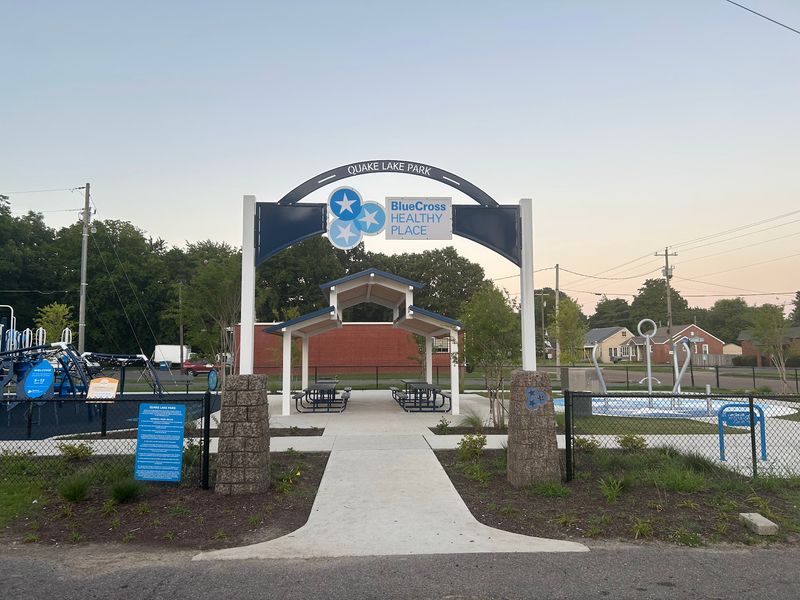
Plenty of people move somewhere for a park they visit twice a year. Here, the park is basically down the street.
Reelfoot Lake State Park stretches along the lake and offers access points that make the water easy to enjoy. Boardwalks, shoreline areas, and spots for launching small boats are part of the setup.
Park programs over the years have included guided boat tours and nature talks. Schedules can change, so checking with the park directly before planning a trip is a smart habit.
Retirees who enjoy low-key outdoor time tend to appreciate this kind of access. A short drive can lead to a walk, a picnic, or simply an hour of watching the water.
The state park system also helps protect the lake’s character. That means the shoreline keeps much of its natural look rather than filling up with development.
Having public land this close is a quiet perk that does not show up on a utility bill. It is the kind of backyard nobody has to mow.
Winter Belongs to the Eagles
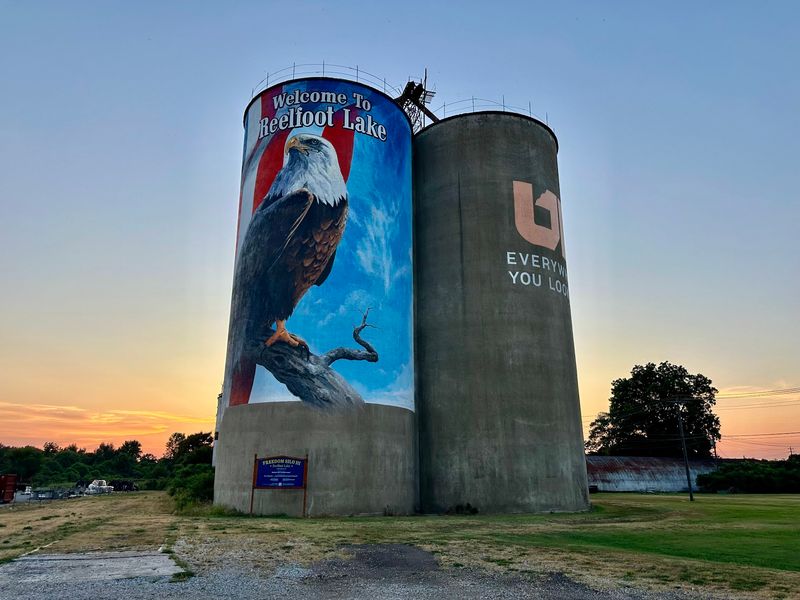
Snowbirds usually head south for winter. At Reelfoot Lake, some of the most famous winter arrivals have feathers and a national reputation.
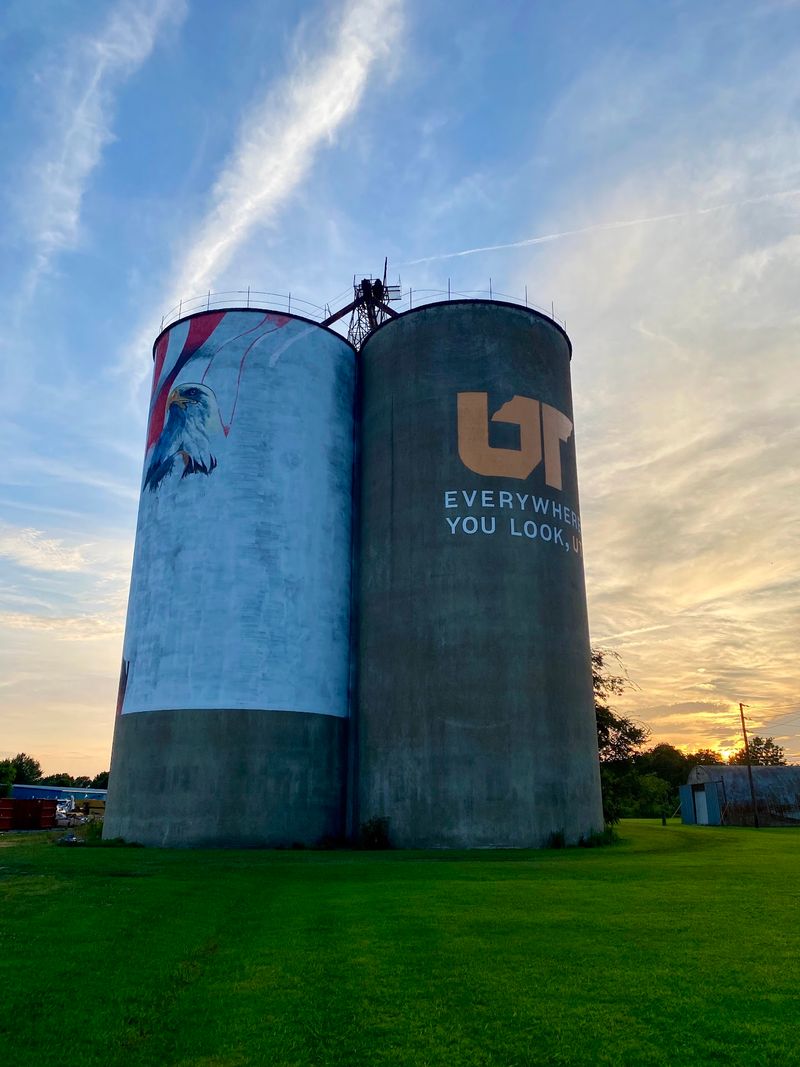
Bald eagles spend the colder months around the lake, and the area has become one of the better-known eagle-watching spots in Tennessee. The state park has long hosted winter eagle tours.
Birding is a major draw in general. The lake sits along the Mississippi Flyway, a migration route used by huge numbers of waterfowl each year.
For retirees with binoculars and patience, this is a gift. A hobby that costs very little can fill many mornings during months that might otherwise feel slow.
The Reelfoot National Wildlife Refuge also covers part of the lake area. Together, the refuge and the park help keep the habitat friendly to wildlife.
Bird lovers often say the hardest part of eagle season is deciding which cypress to stare at first. Around here, keeping an eye on the sky is less of a pastime and more of a local tradition.
Fishing as a Daily Rhythm
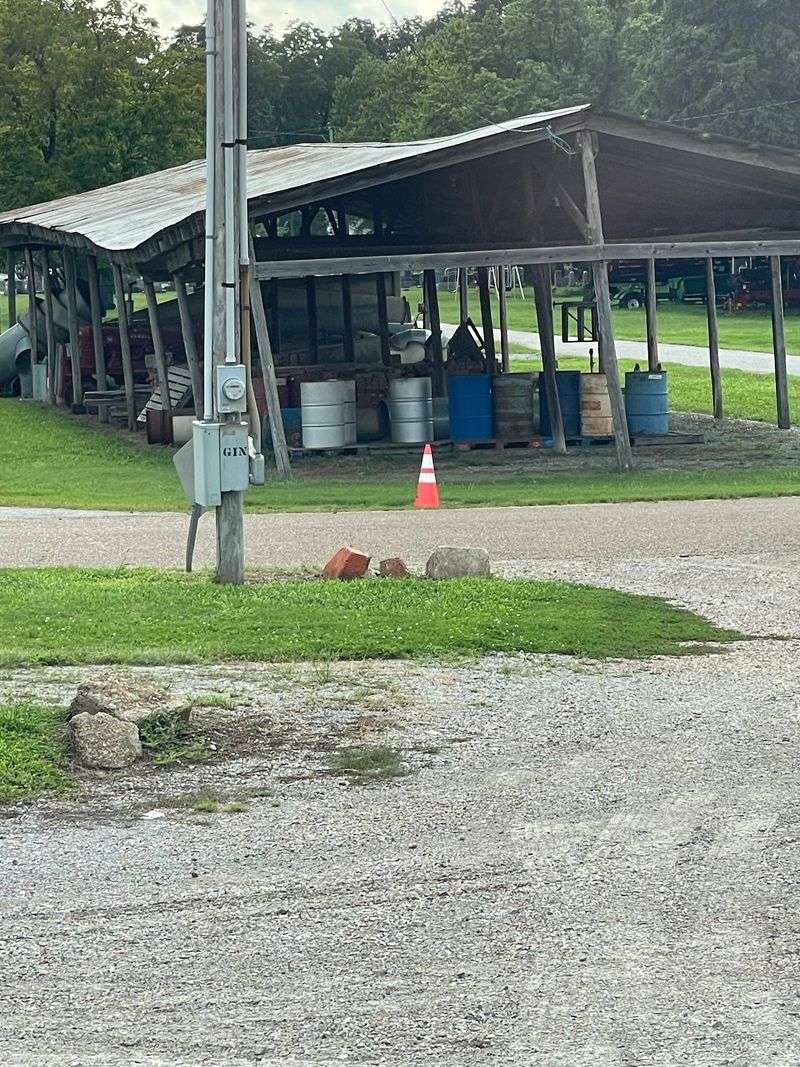
Ask around the lake about the most common retirement plan, and the answer might involve a rod and reel. Fishing has been part of life at Reelfoot for generations.
The lake is well known for crappie, bluegill, and catfish. Its shallow, stump-filled water creates habitat that fish seem to love.
Special flat boats became common here because of those stumps. Locals adapted their gear to the lake rather than the other way around.
A Tennessee fishing license is required, and rules for the lake can change. Anyone settling in should check current state regulations before casting.
What makes fishing such a good match for retirement is the pace. Days can start early, wrap up by lunch, and still feel full.
The social side matters too. Small towns built around a lake tend to have plenty of people happy to talk about where the fish are biting, even if they keep their best spots a little secret.
A slow morning on the water is hard to beat when nobody is waiting at the office.
Stretching a Retirement Budget

Money talk is rarely fun, but it is a big reason people look at towns like this one. Small rural communities in West Tennessee generally come with lower housing costs than large metro areas.
Tennessee also has no state income tax on wages. For many retirees, that adds to the state’s reputation as a budget-friendly place to settle.
Exact home prices and rents shift over time, so anyone serious about moving should look at current local listings. Speaking with a local real estate professional can also help paint an accurate financial picture.
Life in a town of under 4,000 people tends to involve fewer of the costs that come with city living. There are no long commutes, and entertainment often means outdoor time that is free or close to it.
That said, a smaller town also means fewer shopping and specialty options right in town. Some errands may require a drive to a larger community nearby.
The tradeoff appeals to many. Less spending pressure often pairs nicely with less noise, and a lower-cost life can leave more room for the things that actually matter.
The Honest Side of Small-Town Life

Every place has a fuller story, and this one is no different. Being clear about it helps the right people find their fit.
Tiptonville is home to the Northwest Correctional Complex, a maximum security prison. It is a notable local institution and a part of the town’s makeup.
The town is also fairly remote. Larger hospitals, big-box stores, and airports are a drive away, which matters for retirees who need regular medical care.
Anyone weighing a move should research healthcare options and travel times carefully. Visiting in different seasons can also give a clearer sense of daily life.
The quiet that draws some people may feel too quiet for others. Nightlife, large events, and endless restaurant choices are not what this place is about.
For the right person, though, those same traits are the whole point. A town with few distractions can be exactly what someone wants after decades of busy schedules.
Knowing the full picture ahead of time tends to make the lake views even easier to enjoy.
Who Feels at Home Here
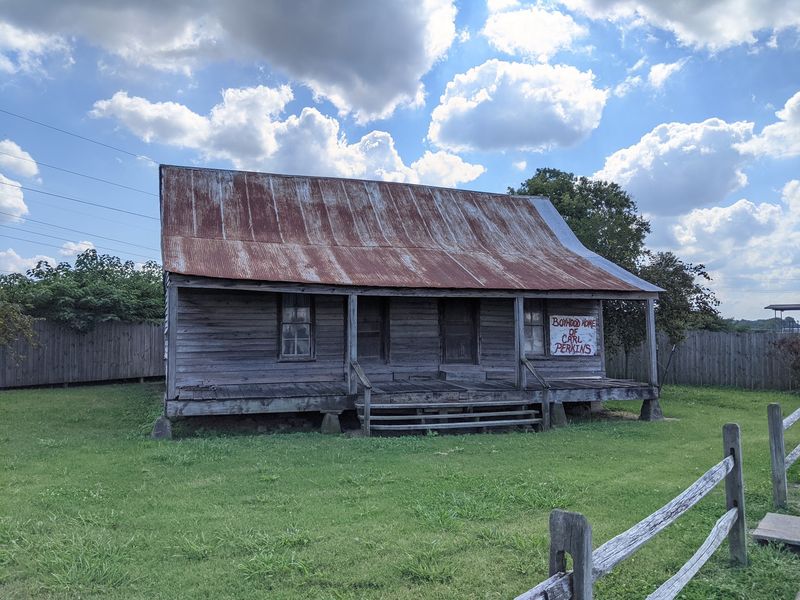
Not every retiree dreams of golf courses and gated communities. Some just want a porch, a lake, and a calendar with lots of blank space.
Tiptonville suits people who enjoy nature as everyday company. Birders, anglers, and photographers have obvious reasons to settle here.
It also fits those who prefer knowing their neighbors. A population just under 4,000 means community connections can form fast.
History fans will find plenty to explore too. The earthquake origin story of Reelfoot Lake gives the area a unique sense of place that few towns can match.
On the other hand, people who want lots of shopping, entertainment, or quick access to major cities might find the pace a little too slow. That is worth thinking about honestly.
The best match is someone who sees quiet as a reward rather than a problem. For that person, the lake does most of the entertaining.
Slow living is not for everyone, and that is exactly why it works so well for the people who choose it.
Getting There and a Gentle Verdict
Reaching town takes a bit of intention, which is part of its charm. Tiptonville sits in northwest Tennessee near the Kentucky and Missouri borders.
Driving is the practical way to arrive. The nearest larger cities with airports and broader services are a few hours away, so a car is essentially a requirement for daily life.
A trial visit is the smartest first step for anyone thinking about retiring here. Spending a few early mornings near the lake shows quickly whether the pace feels right.
The town website at tiptonville.org is useful for local information. Reelfoot Lake State Park can share details on tours, seasons, and facilities.
So, is it worth considering? For people who value quiet, open land, and a lake with a remarkable history, the answer leans toward yes.
Costs tend to stay manageable, the outdoors is always close, and mornings come with mist that turns ordinary days into something calm.
Tiptonville will not hurry anyone along. After a busy working life, a place that lets the fog lift on its own schedule might be the best kind of reward.
Enjoyed this story?
Add Fast Food Club as a preferred source to see more of our reporting on Google.