


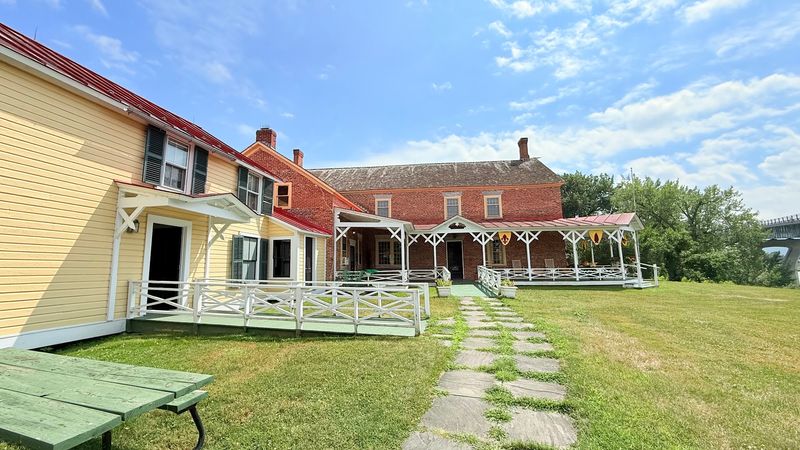
Some of the best stops along Lake Champlain are not the loud, famous ones, but the small spots where centuries of history sit right next to the water. This one rests on a narrow point where New York and Vermont nearly touch, with a bridge overhead, a lighthouse across the lake, and an old tavern filled with stories that reach back more than a thousand years.
It rewards a short detour with French and British ruins in view, a quick trail lined with history signs, and a quiet shoreline that draws people with fishing rods. Read on to learn what makes this small park worth a stop and how to plan a visit that fits its seasonal schedule.
A Point Where Two States Meet
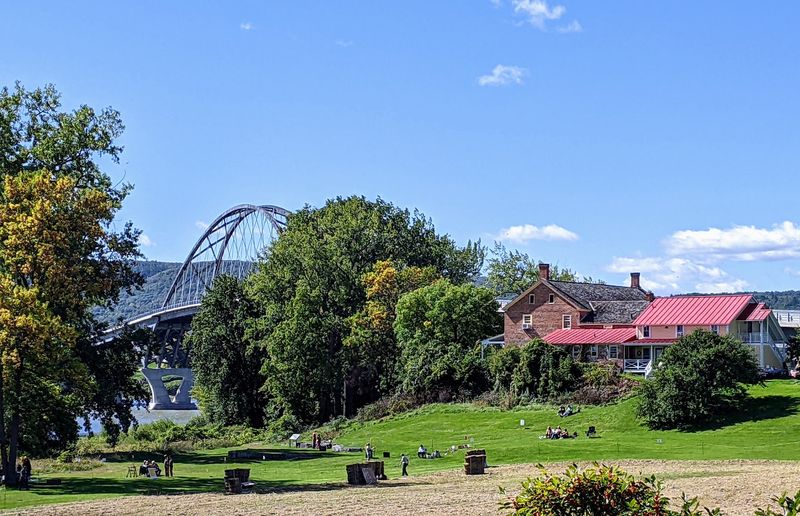
Small parks often hide big stories, and Chimney Point State Historic Site proves it from the first glance.
The site sits at 8149 Vermont Rte 17 W, Crown Point, NY 12928, right on the edge of Lake Champlain along the Vermont and New York border. It is a historical museum and park rolled into one compact package.
The setting does a lot of the heavy lifting here. Water stretches up, down and across the lake, and the modern bridge linking the two states rises close by.
Across the water, the Champlain Memorial Lighthouse stands in plain view. Nearby, the remains of French and British fortifications add another layer to the scene.
The grounds are not large, and that is part of the appeal. A visit can be quick, or it can stretch into a slow afternoon of reading signs, browsing exhibits and watching boats on the lake.
One helpful tip before heading out: many photos tagged with this area actually show the New York side of the bridge, where the lighthouse stands. The museum side is quieter and smaller, so it helps to know what to expect.
Expectations set, the next stop is the building that holds most of the stories.
An Old Tavern With New Purpose
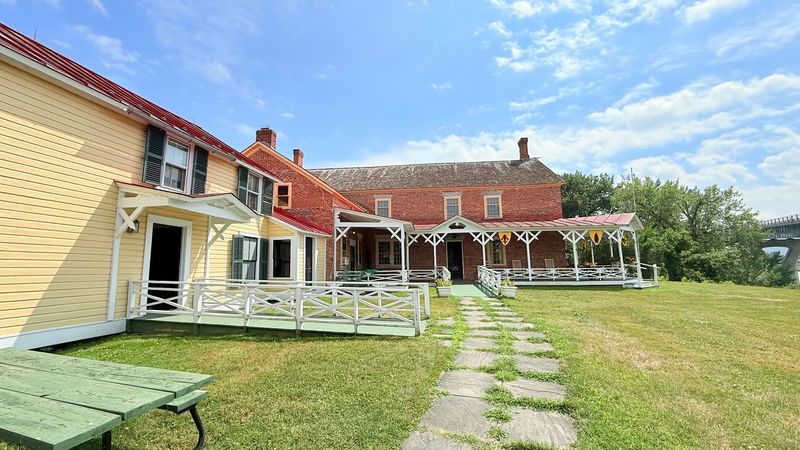
Long before anyone came here for exhibits, people came for a place to rest after crossing the lake.
The museum now operates inside a historic tavern, which gives the whole experience a sense of place. History is not just displayed here, it is housed in a building with its own past.
Inside, the rooms are easy to walk through at a relaxed pace. Each one focuses on a different chapter, so the story unfolds room by room instead of all at once.
The collection covers the people who lived in this area over the past 1,000 years or more. That includes Native communities, French settlers, British forces and later civilian settlements.
Displays feature tools and artifacts tied to daily life and military activity. A salmon exhibit has also been a standout for some guests, adding a natural history angle to the human stories.
The museum is often described as cute and compact rather than sprawling. That size works in its favor, since nothing feels rushed or overwhelming.
Families, history fans and road trippers needing a stretch break can all find something here. The rooms make a strong case that good things come in small, well-organized packages.
Native Roots and Colonial Clashes
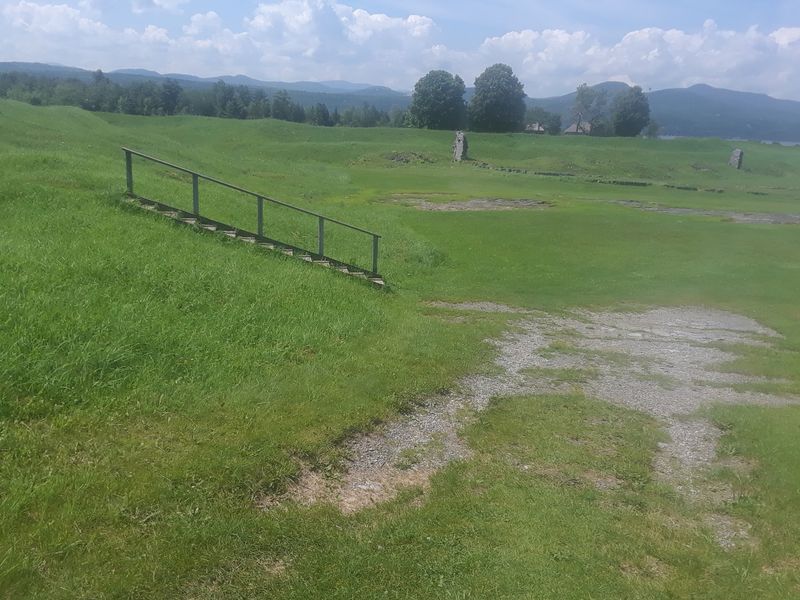
History buffs who skip past the French and Indian War chapter in textbooks may change their minds here.
Chimney Point is one of a handful of places that reflects life during the 1750s, when French and English forces competed for control of the region. The exhibits explain military maneuvers as well as the civilian settlements that grew around them.
Equally important is the story of the people who were here first. The museum shares the history of the Abenaki and other Native peoples who lived along this lake for generations.
That focus makes the site especially meaningful for anyone interested in Native culture and early American history. The exhibits connect the two stories instead of treating them separately.
Another name that tends to come up is the atlatl, an ancient spear-throwing tool. It is a fun piece of history for kids and adults who like learning how people hunted long before modern tools existed.
The overall effect is learning history right where it happened. Looking out a window at the same lake that shaped these events makes the lessons stick.
Once the indoor chapter is done, the outdoor one is waiting just steps away.
Short Trail, Long Timeline
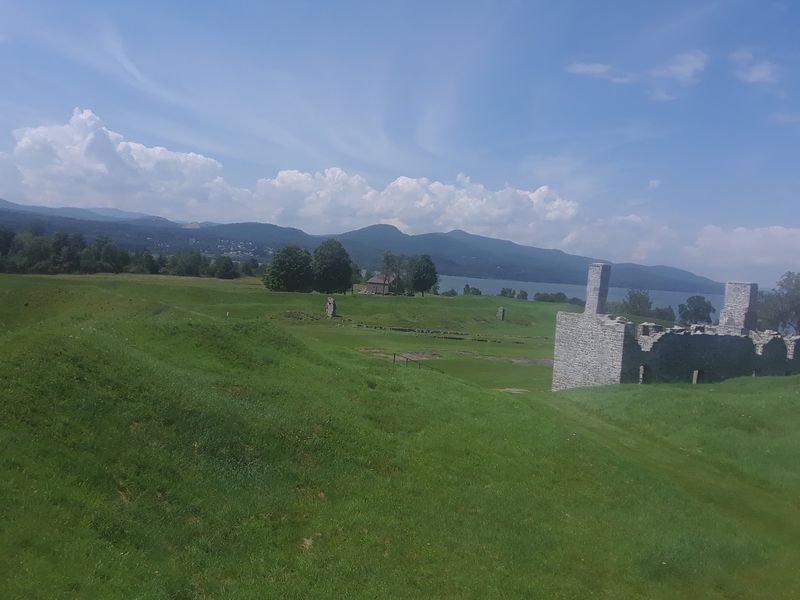
Good news for anyone who prefers their hikes on the gentle side: the trail here is very short.
It is also packed with content. A self-guided tour with historical signs walks through a large amount of pre-Revolutionary colonial history and continues forward in time from there.
The path suits almost any pace. It works for a quick loop between road trip stops or a slower stroll with plenty of pauses to read.
Along the way, the views open toward the French and British ruins across the water. Seeing those remains while reading about them turns the signs into something closer to a live history lesson.
Natural features share the spotlight too. The shoreline, the open lake and the surrounding landscape give the walk a calm, unhurried feel.
The trail may be brief, but it is widely considered worthwhile. It is the kind of walk that takes minutes on foot and lingers in memory much longer.
Snow and cold weather can change conditions on any outdoor path, so checking ahead before a winter visit is a smart move. Sturdy shoes are a good idea in any season.
From the trail, it is hard to miss the giant structure arching over the lake.
The Bridge That Steals the Show
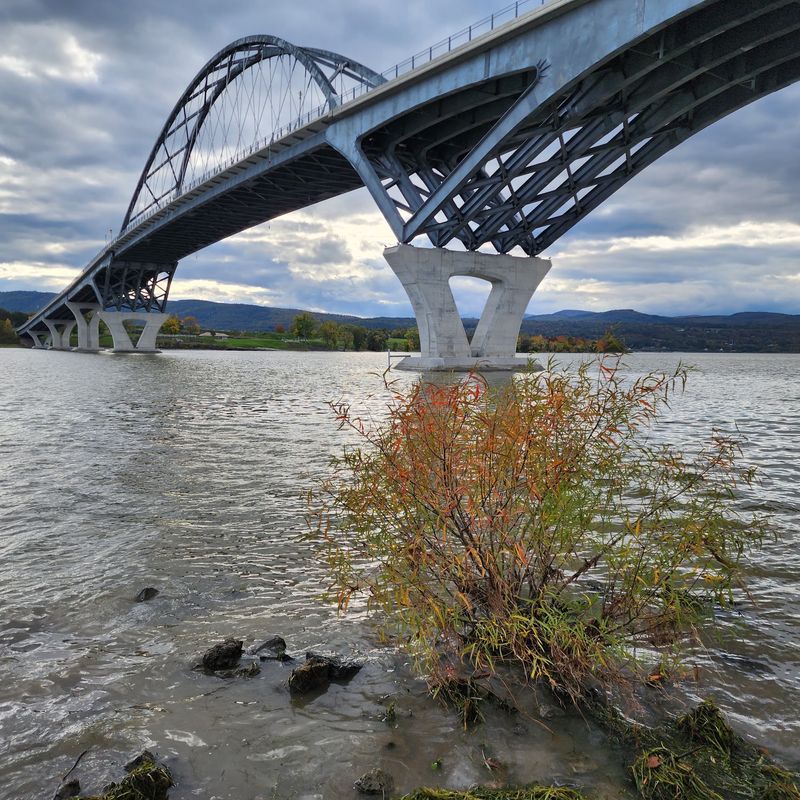
Infrastructure fans, this section is for you.
The Lake Champlain Bridge connecting New York and Vermont is one of the most talked about features at Chimney Point. The “new” bridge rises right beside the site and makes a striking backdrop for photos.
Plenty of people pull off the road simply to snap pictures of the bridge and the water. Even a short stop can be satisfying for anyone who appreciates engineering.
The site also holds interesting artifacts from the original bridge. These pieces offer a look at what crossed the lake here before the current structure was built.
Comparing old pieces with the modern span adds a fun before and after angle to the visit. It is a reminder that this crossing point has mattered for a very long time.
Parking is available down by the water, which makes it easy to step out for a closer look. The shoreline gives a clear view of the bridge from below.
Some guests stay only briefly, while others combine the bridge with the museum and trail. Either way, it is safe to say this bridge has no trouble spanning interests.
Turn around, though, and another landmark is waiting across the lake.
A Lighthouse Across the Lake
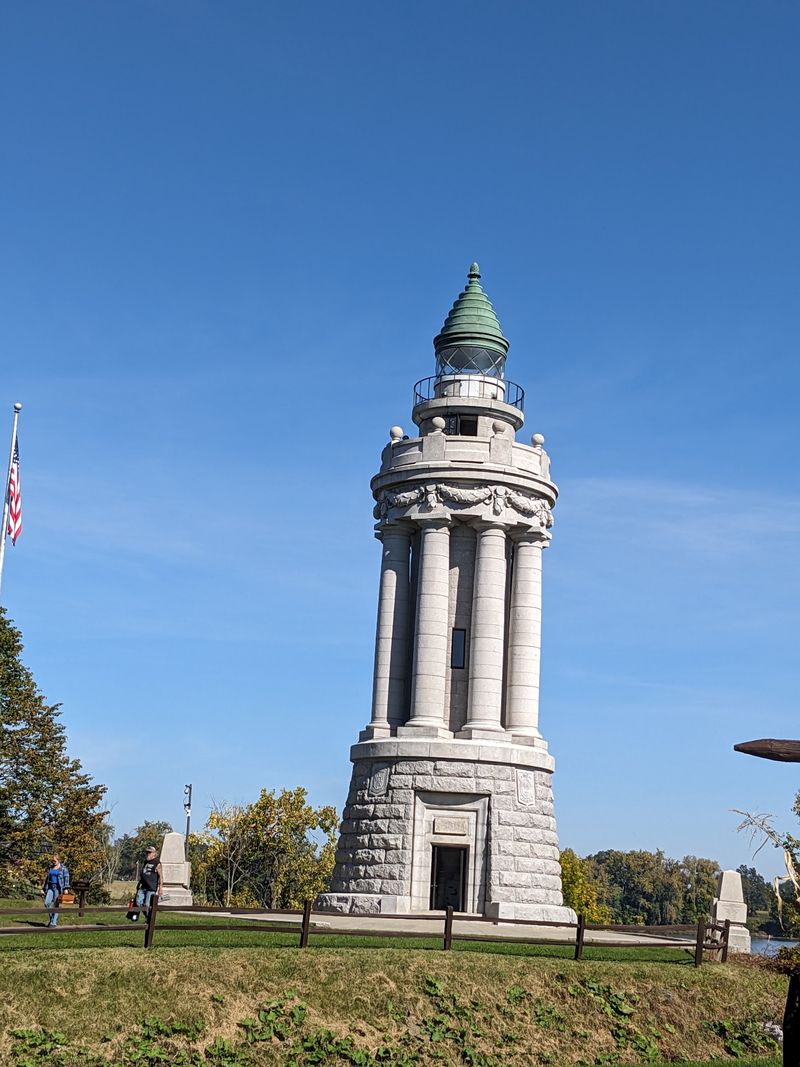
Some landmarks are best enjoyed from a distance, and the Champlain Memorial Lighthouse is a prime example.
From Chimney Point, there is a clear view of the historic lighthouse on the opposite shore. It makes a classic photo subject, especially with the lake in the foreground.
Here is a detail that saves confusion: the lighthouse is not on the museum side. It stands across the water, so the view from Chimney Point is the main event rather than an up-close visit.
Many people find that view to be plenty. The lake setting gives the lighthouse a dramatic frame that is hard to get from right next to it.
For those who want a higher perspective, there is a monument at the nearby state campground. Climbing to the top offers excellent views of the area.
Fair warning for anyone uneasy with heights: the climb up that tower is not for everyone. Some find it a bit nerve-racking, though still fun once at the top.
Between the bridge on one side and the lighthouse across the water, the lake here feels like a gallery of landmarks. Grab a bench, settle in and let the view do the talking.
Fishing Lines, Falling Leaves and Old Apples
Not every visit here starts at the museum door. Some begin with a fishing rod.
Chimney Point is known as a good little fishing spot, and the shoreline draws anglers who want a peaceful place to cast. There is also a boat launch under the bridge.
The atmosphere tends to be calm and quiet. Sitting by the water and watching the lake is a popular way to spend time here, no tickets required.
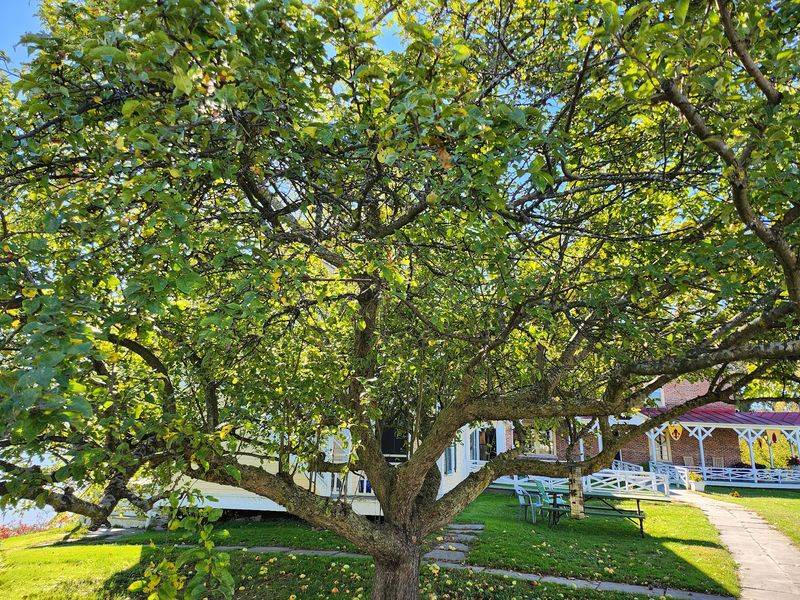
Autumn brings its own appeal. Watching the leaves fall from the branches along the lake is one of the simple pleasures of a fall visit.
Fall also holds a sweet piece of history. Some guests have had the chance to taste an apple from a tree around 300 years old, planted by early French settlers.
That tree is a living link to the people the museum describes. It turns a history lesson into something that can be held in one hand.
The site suits history fans, families, anglers and photographers alike. It also suits anyone who simply needs a peaceful break on a lake drive.
One request worth repeating: please pack out trash. Keeping the shoreline clean keeps this quiet spot worth the stop for everyone.
Planning a Visit to the Point
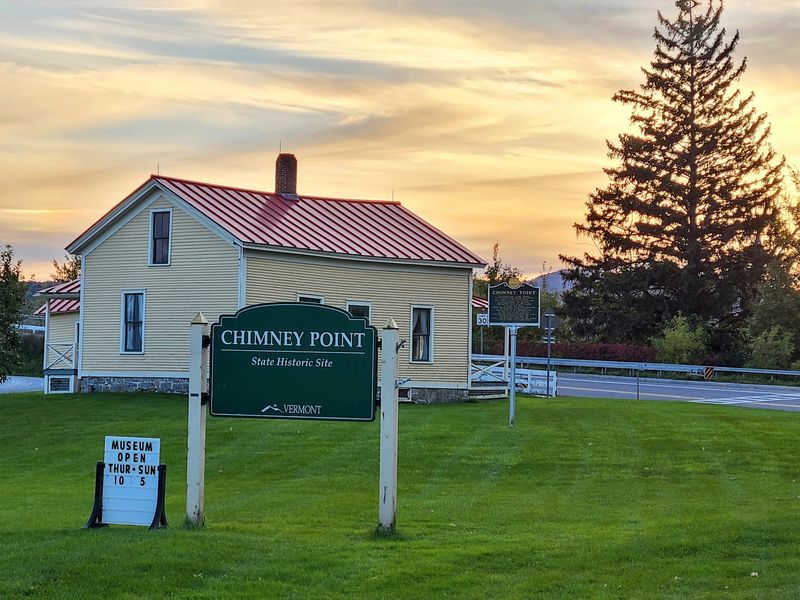
Timing is everything at Chimney Point, so a little planning goes a long way.
The museum is open Wednesday through Sunday from 10 am to 5 pm. It is closed on Mondays and Tuesdays.
The site is also open seasonally, and museum hours can feel a bit unusual. Checking the official website at historicsites.vermont.gov before driving out is the best way to avoid a closed door.
Admission has been around $5 in past years, though prices may vary. That modest fee covers a lot of regional history for the money.
Parking is available down by the water. The boat launch area, however, has limited space after a redesign added large rock barriers and reduced the lot.
On busy days, the ramp can get congested. Arriving early helps anyone bringing a boat.
A visit can be as short as a photo stop or as long as a full afternoon with the museum, trail and shoreline. The flexibility is a big part of its charm.
The verdict is simple. Chimney Point is small, quiet and rich in history, and it makes an easy, rewarding detour for anyone crossing Lake Champlain.
Enjoyed this story?
Add Fast Food Club as a preferred source to see more of our reporting on Google.